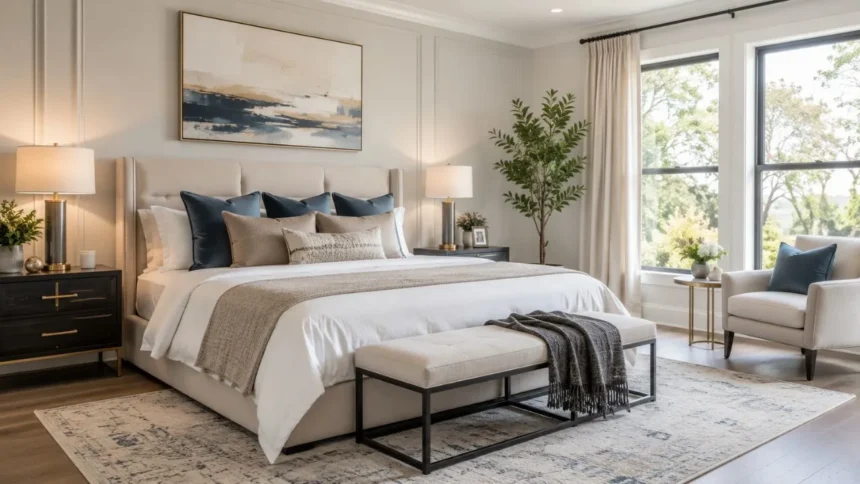
Modern Bedroom Decor Ideas for a Fresh New Look
Modern bedroom decor is no longer limited to white walls, sharp furniture and almost-empty surfaces. Today’s most inviting bedrooms combine clean design with warm colours, tactile materials and personal details. The result feels organised and contemporary without becoming cold, plain or uncomfortable.
A successful bedroom should support sleep, dressing, storage and relaxation while still reflecting your personality. Thoughtful lighting, comfortable bedding and correctly sized furniture often make a greater difference than expensive decorative objects. Every feature should contribute to either the room’s function, atmosphere or visual balance.
Refreshing a bedroom also does not require replacing everything at once. A new colour palette, improved bedside lighting or more intentional bed styling can dramatically change how the room feels. Working with existing furniture keeps the project practical while reducing waste and unnecessary spending.
This guide explores modern bedroom decor ideas for large rooms, small spaces, rented properties and limited budgets. It covers colour schemes, furniture, lighting, textiles, storage, natural materials and personalised accents, helping you create a fresh bedroom that remains stylish beyond one short-lived trend.
What Does Modern Bedroom Decor Look Like Today?
Modern bedroom design focuses on simplicity, comfort and deliberate choices rather than strict minimalism. Furniture usually has clean lines, but softer curves, textured fabrics and warm wood prevent the room from feeling clinical. The space should appear calm without looking unfinished.
Contemporary bedrooms often use fewer objects, but the selected pieces have stronger visual or practical value. A sculptural lamp, upholstered headboard or large artwork may provide more impact than several small decorations. Empty space also becomes part of the design by giving important features room to breathe.
Modern decor can include vintage furniture, handmade ceramics and traditional patterns when they are styled thoughtfully. Mixing old and new elements creates character and prevents the bedroom from looking like a complete furniture showroom. The connection may come from colour, proportion or material rather than matching sets.
The most important quality is intentionality. The bed, lighting, storage and accessories should appear connected even when they come from different brands or periods. A modern bedroom feels fresh because every element supports the room instead of competing for attention.
Begin with a Clear Bedroom Design Plan
Before purchasing furniture or paint, identify what the bedroom needs to improve. The room may feel dark, cluttered, visually empty or difficult to move through. Solving the main problem first creates a more successful result than buying decorations without a clear purpose.
Measure the room, doors, windows and large furniture pieces. Include the space required to open wardrobes, drawers and bedroom doors comfortably. Accurate measurements prevent oversized furniture from making the room feel smaller and help you test alternative layouts before moving heavy objects.
Choose three words that describe the desired atmosphere, such as warm, peaceful and natural. These words can guide decisions about colours, fabrics and decorative pieces. A potential purchase should support at least one of these qualities rather than simply appearing attractive on its own.
Create a realistic budget and divide it between essential improvements and optional decoration. A comfortable mattress, effective curtains or practical storage may deserve priority over artwork. Modern bedroom decor works best when visual improvements are supported by everyday comfort and function.
Choose a Warm Modern Colour Palette
Warm neutrals provide a flexible foundation for modern bedroom colour schemes. Soft beige, warm white, taupe, mushroom, clay and light brown create a calm background without the coldness sometimes associated with bright white or blue-grey rooms. They also coordinate easily with natural materials.
Muted greens and blues can bring colour while preserving a restful atmosphere. Sage, olive, smoky blue and deep teal work well with wood, cream bedding and black or brass details. These shades feel distinctive without becoming difficult to live with over time.
Deeper colours such as burgundy, chocolate, terracotta and charcoal can create a more intimate bedroom. They may appear through a feature wall, headboard, curtain or bedspread rather than covering every surface. Repeating the accent colour in two or three places creates a more connected design.
Test paint samples inside the bedroom at different times of day. Natural light, artificial bulbs and surrounding furniture can significantly change how a colour appears. A shade that looks neutral in a shop may develop strong yellow, pink or grey undertones once applied to the wall.
Try Colour Drenching for a Cocooning Effect
Colour drenching involves using one colour family across the walls, trim, doors and sometimes the ceiling. Removing strong colour breaks creates an immersive appearance that can make the bedroom feel calmer and more cohesive. The technique is especially effective with muted or deeply toned colours.
A soft taupe or warm beige provides a gentle version of colour drenching that suits bright and compact bedrooms. Darker shades such as forest green, smoky blue or warm charcoal create a dramatic cocoon effect. The chosen colour should still feel comfortable under the room’s evening lighting.
The room does not need to use exactly the same finish on every surface. Walls may have a soft matte appearance, while trim uses a more durable finish in the same or a closely related colour. Subtle changes in sheen add depth without interrupting the continuous scheme.
Balance a drenched room with lighter bedding, natural wood or reflective details. These elements prevent deep colours from becoming visually heavy. Renters can create a similar tonal effect through curtains, bedding, rugs and artwork when painting the complete room is not permitted.
Make the Bed the Main Focal Point
The bed is normally the largest feature in the room, making it the natural focal point of modern bedroom design. Position it against a suitable wall where possible and create enough space for comfortable movement. A clear arrangement immediately makes the room appear more organised.
An upholstered headboard adds softness, improves comfort and introduces colour or texture. Tall designs create drama, while low horizontal headboards support a more relaxed contemporary look. Choose a fabric that can be cleaned and that complements the curtains, rug or bedding.
A simple wooden or metal frame can also look modern when the surrounding area is styled intentionally. Use large artwork, wall panelling or a painted shape to frame the bed visually. This approach can provide impact without requiring a large decorative headboard.
Keep the immediate bed area balanced but not excessively symmetrical. Matching lamps create a formal appearance, while two different bedside tables can feel more relaxed and personal. When using mismatched pieces, connect them through similar heights, colours or materials.
Select Streamlined Modern Bedroom Furniture
Modern bedroom furniture should support the room without dominating it. Platform beds, simple dressers and compact bedside tables generally create a clean appearance. Raised legs can reveal more floor area, helping furniture feel lighter in a small or medium-sized bedroom.
Avoid purchasing a complete matching furniture set simply because it offers convenience. Combining different pieces can create a more collected and thoughtful interior. A wooden bed, painted bedside table and fabric bench may work together when their proportions and colours feel balanced.
Curved furniture is a useful way to soften straight walls and rectangular storage units. A rounded bedside table, arched headboard or gently curved chair introduces movement without making the bedroom overly decorative. One or two curved features are normally enough to produce the effect.
Consider comfort and accessibility before choosing very low furniture. Low-profile beds can look modern, but they may be difficult for people with knee, hip or mobility concerns. The best bedroom furniture should fit the user’s physical needs as well as the preferred visual style.
Layer Bedding for a Relaxed Modern Look
Modern bedding should look inviting without requiring a large number of decorative cushions. Begin with comfortable sheets, a duvet or quilt and supportive sleeping pillows. Add one throw and a small number of accent cushions to introduce colour and texture.
Use a combination of smooth and tactile materials. Cotton sheets, washed linen, a knitted blanket and one velvet or woven cushion can create enough contrast. Keeping the colours connected allows the textures to provide interest without making the bed appear visually crowded.
Tone-on-tone bedding creates a calm and sophisticated effect. Combine several shades of cream, beige, green, blue or brown rather than using one flat colour. Slight variations make the arrangement feel layered while maintaining the simplicity associated with contemporary bedroom decor.
The bed should remain easy to make each morning. Decorative styling loses its value when cushions are regularly left on the floor or the arrangement requires excessive effort. Choose a layering method that fits your normal routine rather than creating an impractical showroom display.
Add Texture to Prevent a Flat Interior
Texture gives a modern bedroom warmth and depth, particularly when the colour palette is simple. Linen, wool, boucle, velvet, woven fibres and natural wood create subtle visual variation. These materials can make a neutral room feel rich without relying on bright colours or busy patterns.
Introduce texture gradually across several areas. An upholstered headboard can be supported by a woven rug, soft curtains and a timber bedside table. Distributing tactile elements around the room creates balance instead of making one corner appear much heavier than the rest.
Wall finishes can also add texture. Limewash-inspired paint, wood slats, subtle panelling and textured wallpaper provide more character than a completely flat surface. Use these treatments on one important wall or throughout the room according to the desired level of visual drama.
Avoid layering every available texture in the same space. Too many heavy fabrics and rough surfaces can make the bedroom feel busy or difficult to clean. Leave smoother areas between tactile features so each material can be appreciated clearly.
Use Layered Lighting Instead of One Ceiling Light
Modern bedroom lighting should include several sources rather than relying on one bright overhead fixture. General lighting supports cleaning and dressing, while bedside lamps provide focused light for reading. A smaller accent light can create a calm atmosphere during the evening.
Use warm-toned bulbs in bedside and decorative lamps to make the room feel comfortable after dark. Cool, bright lighting is useful for certain tasks but may feel harsh when you are preparing to sleep. Dimmers or adjustable lamps allow the same room to support different activities.
Wall-mounted lights can free space on small bedside tables. Plug-in sconces provide a practical option when new electrical wiring is not possible. Position the light carefully so it supports reading without shining directly into your eyes or disturbing another person.
The fixture itself can serve as decoration. A sculptural pendant, curved lamp or textured shade adds personality even when switched off. Choose one notable lighting feature and allow the remaining fixtures to remain simpler so the room does not become visually crowded.
Bring Natural Materials into the Bedroom
Natural materials help a modern bedroom feel warmer and more grounded. Wood, stone, linen, cotton, wool, rattan and clay create variation that synthetic surfaces may not provide. These materials work particularly well with neutral colours and simple furniture shapes.
Wood can appear through the bed frame, bedside tables, flooring or smaller accessories. Mixing wood tones is acceptable when the undertones feel compatible. Repeating each tone at least twice can make the combination look intentional rather than suggesting that the pieces were chosen randomly.
Stone and ceramic details can add weight and character without requiring major construction. A stone-look lamp base, handmade vase or ceramic tray may provide enough contrast against soft bedding. Small pieces are also easier to update if the room’s style changes later.
Choose materials according to maintenance as well as appearance. Delicate fabrics and unfinished surfaces may require more care than your lifestyle allows. A bedroom should feel comfortable to use, not like a display that must be protected from ordinary daily activity.
Include Plants and Biophilic Details
Plants introduce colour, organic shape and a connection with nature. Select varieties according to the actual light available rather than choosing them only for appearance. A healthy plant that suits the room will look more attractive than a fashionable variety struggling in unsuitable conditions.
Place small plants on a dresser, shelf or wide windowsill, leaving enough room for growth. A taller floor plant can soften an empty corner and balance a high headboard or wardrobe. Use protective trays to prevent water from damaging wood, carpet or electrical devices.
When live plants are impractical, introduce nature through botanical artwork, dried branches, woven materials or landscape photography. These details can create a similar visual connection without requiring regular care. High-quality artificial greenery may also work when it is cleaned and styled sparingly.
Avoid filling every surface with small pots. One medium or large plant usually creates a stronger modern statement than many unrelated miniature plants. The surrounding space allows the leaves and natural shape to become part of the room’s composition.
Combine Modern Design with Vintage Character
Vintage furniture and accessories can stop a modern bedroom from feeling too perfect or impersonal. An older wooden bedside table, decorative mirror or traditional lamp introduces history and contrast. The item does not need to be valuable to add warmth and character.
Choose vintage pieces that serve a real purpose. A chest can provide storage, while an old chair can create a dressing or reading area. Functional objects are easier to integrate than decorations purchased only because they appear old or unusual.
Create a connection between the vintage piece and modern furniture. You might repeat its wood tone in a frame, use its brass finish in a lamp or match its fabric colour through bedding. Small repetitions make contrasting styles feel deliberate.
Avoid turning the bedroom into a historical theme unless that is your specific preference. One or two older pieces can create enough personality within a clean contemporary room. The contrast between simple modern forms and detailed vintage objects gives both styles greater impact.
Personalise the Room with Meaningful Decor
A bedroom should feel connected to the person using it. Family photographs, travel memories, books and handmade items can make the space more emotionally comfortable. These details often create more character than generic decorations selected only to follow a trend.
Display personal objects in edited groups rather than spreading them across every surface. A tray, shelf or small section of a dresser can hold several connected items. Leaving surrounding space clear prevents meaningful pieces from becoming lost inside general clutter.
Artwork should reflect your taste rather than simply matching the bedding. A large abstract painting, framed textile or personal photograph can establish the room’s mood. Frames can share a colour or finish even when the artwork itself is varied.
Rotate books, photographs and decorative objects occasionally. This allows the room to feel refreshed without requiring new purchases. Items that are not currently displayed can be stored safely and returned when you want a different atmosphere.
Create Clutter-Free Modern Storage
Modern bedroom storage works best when it keeps everyday items accessible while hiding visual clutter. Closed drawers, wardrobes and storage beds create a calmer appearance than completely open shelving. Open storage can then be reserved for books and carefully selected decorative pieces.
Use the space beneath the bed for seasonal clothing, spare bedding or items used occasionally. Choose containers that fit fully beneath the frame and are easy to remove. Avoid storing forgotten objects simply because unused space is available.
Built-in storage can make awkward corners, sloping ceilings and alcoves more useful. When custom furniture is outside the budget, modular units can create a similar effect. Matching the storage colour to the wall helps large units feel less dominant.
Organise drawers and wardrobes before adding more furniture. The problem may come from inefficient use of existing space rather than insufficient storage. Dividers, hooks and shelf inserts can increase capacity without reducing the bedroom’s available floor area.
Hide Technology for a Calmer Bedroom
Modern bedrooms increasingly balance useful technology with the need for visual and mental rest. Televisions, cables, chargers and devices can make the room feel more like a media centre than a relaxing retreat. Concealing or limiting them helps preserve a calmer environment.
Use a cable-management box, charging drawer or bedside table with an opening at the back. These solutions keep essential devices available without leaving several wires across the floor or furniture. Chargers should still receive adequate ventilation and remain easy to inspect.
A television can be concealed inside a cabinet, placed behind sliding artwork or visually integrated into a dark wall. Another option is to remove it from the bedroom completely. The right decision depends on how the room is used and whether screens interfere with relaxation.
Create a specific charging location away from the bed when practical. This keeps the bedside surface clear and reduces the temptation to check notifications constantly. A traditional alarm clock can replace the phone for people who want a more analogue bedtime routine.
Decorate Modern Bedroom Walls Thoughtfully
Modern wall decor should have enough scale to relate to the furniture beneath it. A tiny frame above a wide bed can look disconnected, while one larger piece or a balanced arrangement creates a stronger focal point. Measure the available wall before choosing artwork.
Wall panelling can add architectural interest to a simple bedroom. Vertical slats emphasise height, while wider rectangular moulding creates a more traditional modern look. Paint the panelling in the wall colour for subtle depth or use contrast for greater drama.
Mirrors can reflect light and visually expand a small bedroom. An arched full-length mirror provides both practical and decorative value. Secure heavy mirrors correctly, particularly when they are leaning or positioned near a bed, doorway or frequently used walkway.
The ceiling can also become part of the design. A painted ceiling, subtle wallpaper or simple decorative fixture draws the eye upward. Keep the treatment connected with the walls and furniture so it feels like an intentional extension of the room rather than a separate design idea.
Style Windows for Light, Privacy and Comfort
Window treatments influence light, privacy, temperature and the overall softness of the bedroom. Curtains mounted higher and slightly wider than the window can make the opening appear larger. Full-length panels normally create a more polished modern effect than curtains ending halfway down the wall.
Layer sheer curtains with blackout blinds or heavier panels when you need both daylight and sleeping privacy. Sheers soften daytime light, while the second layer creates darkness when required. This combination also adds texture without occupying additional floor space.
Choose curtain fabric that complements the bedding rather than matching it exactly. Similar undertones can create a coordinated appearance while preserving variety. Linen-look fabric, soft cotton and gently textured weaves work particularly well in relaxed contemporary bedrooms.
Check how the curtains operate around radiators, furniture and windows that open inward. A visually attractive treatment should not block ventilation or create a safety problem. Correct measurements and practical hardware are essential for a clean final result.
Ground the Bedroom with a Modern Rug
A rug defines the sleeping area and adds softness beneath the feet. It can also absorb sound, making a room with hard flooring feel quieter and more comfortable. Choose a size that relates clearly to the bed rather than floating separately in the centre.
A large rug can extend beneath the bed and remain visible on both sides and at the foot. In a smaller room, runners beside the bed provide comfort without requiring a large purchase. Measure the placement before buying so the proportions feel balanced.
Modern rugs may use geometric designs, subtle abstract patterns or natural woven textures. A patterned rug can introduce movement into a plain room, while a single-colour design allows furniture and artwork to remain dominant. Consider how frequently the area will need cleaning.
Use a non-slip rug pad where required to improve safety and comfort. The pad can also prevent the rug from moving or creating raised edges. Ensure that the final position does not obstruct doors, drawers or normal walking routes.
Decorate a Small Modern Bedroom
A small modern bedroom benefits from clear floor space and appropriately scaled furniture. Choose a compact bed frame, narrow bedside tables and storage that uses height rather than width. Every large item should provide a necessary function.
Wall-mounted shelves, lights and bedside units reduce the amount of furniture touching the floor. This can make the room appear more open while preserving useful surfaces. Confirm weight limits and wall construction before installing any suspended piece.
Use one strong focal point instead of several competing features. A coloured headboard, large artwork or textured wall behind the bed can provide enough character. Keeping the remaining walls simpler prevents the room from feeling visually compressed.
Mirrors, connected colours and good lighting can make the space feel brighter, but they cannot correct an overcrowded layout. Removing an unnecessary chair, cabinet or decorative object may create a greater improvement than adding another space-saving product.
Create a Luxury Modern Bedroom on a Budget
A luxurious bedroom is often defined by comfort, proportion and attention to detail rather than expensive brands. Well-fitted curtains, neatly arranged bedding and warm lighting can make affordable materials appear more refined. Consistency creates a stronger impression than isolated costly items.
Focus spending on the features used most frequently. Comfortable pillows, good-quality sheets and dependable bedside lighting provide daily value. Decorative pieces can come from second-hand shops, discount retailers or other rooms in the home.
Choose one feature that feels special, such as a tall headboard, large mirror or sculptural pendant. Allow it to become the room’s main decorative statement. Surrounding it with simpler items increases its visual impact without requiring several premium purchases.
Maintain the room carefully by cleaning surfaces, repairing loose hardware and keeping fabrics fresh. Scuffed furniture, tangled cables and overcrowded dressers can make an expensive room look neglected. Order and maintenance remain among the most affordable forms of luxury.
Use Renter-Friendly Modern Bedroom Ideas
Renters can create a modern bedroom through textiles, lighting, furniture and removable decor. A large rug, new curtains and coordinated bedding can change the room without altering permanent surfaces. These items can also move to a future home.
Use removable hooks and adhesive products within their stated weight limits. Test them on an inconspicuous area because wall finishes respond differently. Even products marketed as removable may lift weak or recently applied paint.
Plug-in wall lights, freestanding mirrors and leaning artwork provide alternatives to electrical work and extensive drilling. Secure any heavy item that could fall. A temporary design should still meet normal safety standards.
Ask for written permission before painting, installing wallpaper or changing permanent fixtures. Some landlords allow improvements when the original condition is restored. Clear approval prevents a visually successful makeover from becoming an expensive problem when the tenancy ends.
Avoid Common Modern Bedroom Decor Mistakes
One common mistake is removing so much decoration that the bedroom feels unfinished. Modern design does not require bare walls and empty surfaces. Personal artwork, textiles and meaningful objects provide warmth while still allowing the room to remain organised.
Another mistake is purchasing furniture that is too large. A wide bed, deep dresser or oversized chair can restrict movement and make the room appear smaller. Measuring the space is more reliable than judging furniture proportions inside a large showroom.
Avoid depending entirely on one overhead light. Even a beautiful bedroom can feel unwelcoming when its lighting is harsh or inflexible. Add bedside and accent lighting so the atmosphere can change between dressing, reading and relaxing.
Finally, do not follow every current trend at the same time. Colour drenching, curved furniture, vintage details and textured walls can all work, but they do not need to appear together. Select the ideas that support your preferred atmosphere and existing home.
Refresh Your Bedroom Step by Step
Begin by decluttering, cleaning and evaluating the current furniture arrangement. Remove anything that no longer serves the room and test whether a different layout improves movement. These free changes provide a clearer foundation for the complete makeover.
Next, choose the colour palette and update the largest visual surfaces. Paint, curtains, bedding and rugs establish the room’s overall direction. Completing these elements before purchasing small accessories prevents the final design from becoming disconnected.
Improve the lighting and storage after the main colour scheme is established. Add lamps where tasks require them and organise items that create daily clutter. Functional improvements help the fresh appearance remain manageable over time.
Finish with artwork, plants, books and personal details. Add these items gradually and stop when the bedroom feels complete. Leaving some empty space allows the design to remain calm and gives you room to introduce meaningful objects in the future.
Final Thoughts
Modern bedroom decor combines clean design with warmth, comfort and individual character. The most inviting rooms use simple furniture, layered lighting, tactile materials and purposeful decoration. Modern does not have to mean plain, colourless or impersonal.
Begin with the room’s practical needs before choosing decorative features. A comfortable bed, effective storage and suitable lighting create the foundation. Colour, artwork and accessories can then strengthen the atmosphere without competing with everyday function.
Current bedroom ideas favour richer colour, softer textures, hidden technology and more personal combinations of old and new pieces. These trends can provide inspiration, but the room should ultimately reflect your own habits and preferences.
A fresh new look does not require a complete renovation. Thoughtful changes to the bed, walls, lighting and layout can transform the space gradually. Choose each feature carefully and create a modern bedroom that remains comfortable long after the latest trends change.
Frequently Asked Questions
What colours are best for a modern bedroom?
Warm white, taupe, beige, muted green and smoky blue create versatile modern schemes. Deeper shades such as charcoal, terracotta or forest green can add drama through walls, bedding or accents.
How can I make my bedroom look more modern?
Simplify the layout, improve the lighting and use furniture with clean shapes. Coordinated bedding, large-scale artwork and concealed clutter can also make the bedroom feel fresher.
Can a modern bedroom still feel cosy?
Yes. Add warmth through upholstered furniture, layered bedding, rugs, curtains and natural wood. Warm lighting and personal objects prevent clean modern design from feeling cold.
How do I decorate a small modern bedroom?
Use compact multifunctional furniture, vertical storage and wall-mounted lighting. Keep the floor clear and choose one strong focal point instead of several competing decorative features.
What is the cheapest way to refresh a modern bedroom?
Rearrange the furniture, declutter surfaces and restyle the bed using existing textiles. Paint, affordable lamps and second-hand artwork can then create a larger visual change.