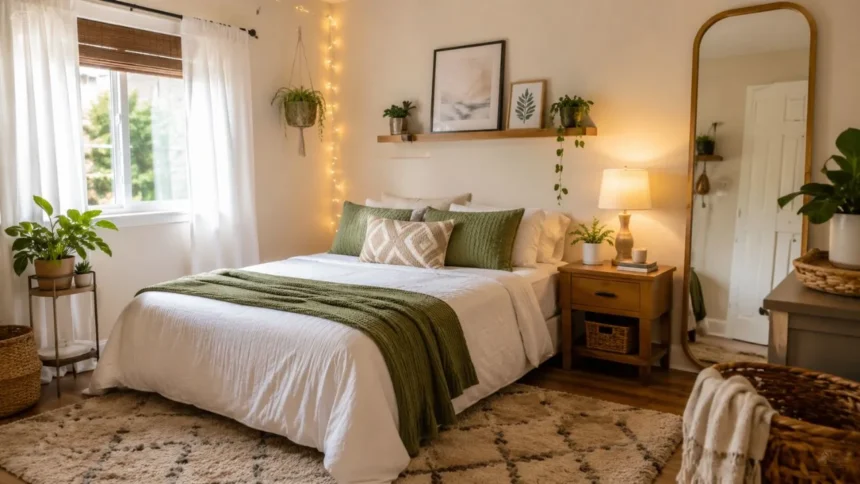
How to Decorate a Bedroom on a Small Budget
Decorating a bedroom does not require expensive furniture, professional designers or a complete renovation. A few thoughtful changes can make an ordinary room feel calmer, more comfortable and more personal. The most successful budget bedroom makeovers improve the items you already own before introducing anything new.
Your bed, walls, lighting and textiles usually have the greatest visual influence. Changing the bedding, rearranging furniture or adding a warm bedside lamp can transform the atmosphere without consuming your complete budget. Small improvements become more effective when they share a clear colour palette and decorating direction.
A limited budget can actually encourage better decisions because it prevents you from purchasing every attractive object you see. You learn to compare prices, reuse furniture and focus on pieces that improve both appearance and daily comfort. This approach can create a room that feels collected rather than quickly copied from a showroom.
This guide explains how to decorate a bedroom on a small budget using affordable, practical and renter-friendly ideas. It covers colour, bedding, lighting, wall décor, storage, DIY projects and second-hand furniture. You will also find suggested makeover plans for different budgets and room sizes.
Set a Realistic Bedroom Decorating Budget
Begin by deciding how much you can comfortably spend without affecting rent, bills, food or emergency savings. A clear limit prevents a small makeover from becoming an unplanned financial burden. Whether your budget is £50 or £500, you can still make visible improvements by prioritising carefully.
Divide the available money between necessities and decorative extras. Replacing an uncomfortable pillow or broken lamp may deserve priority over buying artwork. A beautiful room will not feel successful when its most important furniture remains uncomfortable, unsafe or unsuitable for daily use.
Write down the changes that would make the greatest difference. You may need better storage, warmer lighting, improved bedding or a more attractive wall behind the bed. Ranking these needs helps you spend on the room’s main problems before purchasing small decorations that produce limited impact.
Keep a small part of the budget unassigned for unexpected costs. Paint may require brushes, second-hand furniture may need transport and frames may need hooks or adhesive strips. Planning for these details prevents one additional expense from interrupting the complete project.
Choose a Clear Style Before Shopping
A decorating style gives your decisions direction and helps unrelated purchases feel connected. You might prefer a cosy neutral bedroom, colourful vintage room, simple modern space or relaxed bohemian design. The style should suit your personality rather than following a trend that will quickly feel unfamiliar.
Collect a small group of inspiration images that reflect rooms you would realistically enjoy living in. Look for repeated colours, materials and furniture shapes rather than copying each image completely. These patterns can reveal whether you prefer warm wood, soft fabrics, clean lines or decorative details.
Reduce your inspiration to three or four descriptive words, such as warm, calm, natural and uncluttered. Use those words when considering every purchase. A bright plastic accessory may be inexpensive, but it is not a bargain when it conflicts with the room you are trying to create.
Avoid changing the design direction halfway through the makeover. Mixing too many themes can make the room feel busy and increase spending because each new purchase requires another item to support it. A clear style allows affordable pieces to appear more intentional and visually valuable.
Declutter Before Buying New Decorations
Decluttering is one of the most effective free bedroom makeover ideas. Clothing on chairs, crowded surfaces and visible packaging can make a room feel smaller and less relaxing. Removing unnecessary items allows the existing furniture and decorative pieces to become more noticeable.
Begin with one manageable area, such as the bedside table, dresser or floor around the bed. Decide which objects belong in the bedroom and which should be moved, donated, recycled or discarded. Completing one section provides motivation without turning the process into an exhausting full-room project.
Avoid purchasing storage boxes before knowing what you need to store. Containers can hide clutter temporarily while adding more objects to the room. Decluttering first shows whether you need under-bed storage, drawer dividers, wall hooks or no additional organiser at all.
Once the room is clearer, clean overlooked areas such as skirting boards, mirrors, lampshades and window frames. A freshly cleaned room often looks brighter and more polished without any decorative spending. It also gives you a more accurate view of which changes are genuinely necessary.
Rearrange the Furniture for a Free Makeover
Changing the bedroom layout can make the room feel new without requiring a purchase. The current arrangement may have been chosen quickly rather than thoughtfully. Moving the bed, dresser or desk can improve natural light, walking space and the visual balance of the room.
Start by measuring the room and larger furniture pieces. A simple sketch can help you test possible arrangements before lifting anything heavy. Ensure that doors, drawers and wardrobes can open comfortably and that you can walk around the bed without repeatedly hitting corners.
The bed normally works best as the main focal point because it is the largest piece of furniture. Positioning it against a clear wall can create a stronger and more organised layout. However, the ideal location also depends on windows, radiators, electrical sockets and room shape.
Remove one unnecessary furniture item if the room continues to feel crowded. A small bedroom may not need two bedside tables, an unused chair and a wide dresser. Creating visible floor space can feel more luxurious than filling every available area with affordable furniture.
Create an Affordable Bedroom Colour Palette
A coordinated colour palette makes inexpensive bedroom décor look more considered. Choose one main neutral, one supporting colour and one or two accent shades. This simple structure allows bedding, curtains, furniture and accessories to work together without matching perfectly.
Warm whites, soft beige, light grey, muted green and gentle blue can create a calm foundation. Deeper shades such as rust, burgundy, navy or chocolate brown can appear through cushions, throws and artwork. The contrast adds character while keeping the larger surfaces easy to style.
Use the existing flooring and furniture colours when selecting your palette. Replacing major items simply because they do not match can quickly increase the budget. Instead, choose colours that connect the existing wood, carpet or wardrobe with your preferred decorative direction.
Test paint and fabric colours inside the bedroom before committing to them. Natural and artificial light can make the same shade appear very different. A colour that looks warm in a shop may appear cold or overly dark once it covers a large bedroom wall.
Refresh the Walls with Paint
Paint is one of the highest-impact tools in an affordable bedroom makeover. A fresh coat can cover marks, brighten a dark room and create a cleaner background for existing furniture. Painting the complete room is not always necessary when the budget or time is limited.
An accent wall behind the bed can introduce colour with less paint and effort. This wall naturally attracts attention and can make a basic bed appear more established. Select a shade that works with your bedding rather than choosing a dramatic colour with no connection to the room.
You can also paint a simple geometric shape, arch or rectangular panel behind the headboard area. This creates the appearance of an architectural feature without purchasing furniture or wallpaper. Use masking tape and measure carefully so the final shape looks deliberate.
Ask your landlord before painting a rental bedroom. Some agreements allow painting when the original colour is restored before moving out. When paint is not permitted, focus on artwork, fabric panels and removable wallpaper that can provide colour without creating a permanent change.
Try Peel-and-Stick Wallpaper Carefully
Peel-and-stick wallpaper can create a feature wall without the commitment of traditional wallpaper. It is available in floral, geometric, textured and vintage-inspired designs. Using it on one wall or inside a small alcove can produce a strong visual effect without covering the complete room.
Measure the wall carefully and purchase a little extra material for pattern matching and mistakes. Very cheap wallpaper may stretch, tear or remove unevenly, so read product reviews before ordering. A sample allows you to test the colour, finish and adhesive strength first.
Apply removable wallpaper only to a clean, smooth and suitable surface. Fresh paint may need time to cure before anything is attached. Textured, damp or damaged walls can prevent good adhesion and may increase the possibility of peeling or surface damage.
Renter-friendly does not mean that every removable product is harmless on every wall. Test a small hidden area and follow the manufacturer’s removal instructions. Landlord approval remains sensible when the paint is old, fragile or likely to lift with the adhesive.
Make the Bed the Main Focal Point
The bed occupies a large amount of visual space, so improving it can transform the entire bedroom. Begin by positioning it neatly and removing unrelated items from the surrounding area. A clear, well-made bed creates a stronger impression than several small decorative purchases.
You do not need to replace the complete bed frame. Updating the headboard, bedding or wall behind it can make the existing frame feel more intentional. Even a simple metal or wooden bed can look polished when the surrounding colours and textiles are coordinated.
Create balance by placing a small table, stool or shelf beside the bed. Matching bedside furniture can look formal, but it is not essential. Two different pieces can work when their heights, colours or materials share enough visual connection.
Avoid covering the bed with so many decorative cushions that using it becomes inconvenient. A bedroom should remain practical and easy to maintain. Two sleeping pillows, one or two decorative cushions and a folded throw can provide softness without creating a nightly storage problem.
Upgrade Bedding Without Replacing Everything
Fresh bedding is one of the quickest ways to make a bedroom feel cleaner and more comfortable. You may only need a new duvet cover or fitted sheet rather than a complete coordinated set. Choose colours that work with your existing curtains, walls and furniture.
Plain bedding is often easier to style than a large pattern. White, cream, beige, grey, muted blue and soft green can form a flexible base. You can introduce stronger colour through a cushion, blanket or patterned pillowcase that costs less to replace.
Layering makes affordable bedding look more inviting. Fold a blanket or throw across the lower part of the bed and place pillows upright rather than leaving them flat. Different textures can create visual depth even when every item comes from a budget retailer.
Comfort and care should influence the purchase as much as appearance. Check the material, washing instructions and size before ordering. Bedding that feels unpleasant or requires expensive maintenance will not provide good long-term value, regardless of how attractive it looks online.
Create a DIY Headboard
A headboard creates a clear focal point and makes the bed appear more complete. You can build a simple version from plywood, fabric and padding, provided you have suitable tools and understand basic safety. Covering the structure with an affordable material allows it to match the room.
A painted headboard is an even less expensive option. Paint an arch, rectangle or wide horizontal block directly behind the bed. The shape visually frames the sleeping area and can be changed later without storing or transporting a large piece of furniture.
A curtain panel, woven textile or lightweight wall hanging can also suggest a headboard. Secure it properly using hardware suitable for the wall and the item’s weight. Avoid hanging heavy or poorly secured objects directly above the place where you sleep.
Second-hand headboards can provide excellent value when the frame is strong and clean. Wooden designs can be sanded or painted, while upholstered pieces require careful inspection for stains, odours and pests. Never bring fabric furniture indoors until you are confident it is safe.
Improve the Bedroom with Layered Lighting
One bright ceiling light can make a bedroom feel flat and uncomfortable. Layered bedroom lighting combines general illumination with smaller lamps for reading, dressing and relaxing. The room becomes more flexible because you can use only the light needed for each activity.
Begin with a bedside lamp, floor lamp or plug-in wall light. Affordable lamps can create a major improvement when the shade softens glare and directs light appropriately. Battery-operated wall lights may work in rentals where hardwiring and drilling are not permitted.
Choose warm or adjustable bulbs for evening use. Very cool, blue-toned light may make the room feel more like an office than a place to rest. Check that the bulb wattage and fitting are compatible with the lamp before installation.
Decorative string lights can provide atmosphere, but they should not become the only practical light source. Choose products from reputable sellers and inspect cables for damage. Turn off decorative lights when leaving the room unless the manufacturer clearly states they are designed for continuous unattended use.
Style the Windows on a Budget
Curtains can make a bedroom feel softer, taller and more complete. Hanging the curtain rod above the window and extending it slightly beyond the frame can make the opening appear larger. The fabric should reach close to the floor rather than stopping at an awkward mid-wall height.
You do not always need expensive custom curtains. Ready-made panels can look polished when they are correctly sized and carefully steamed. Two affordable panels often appear fuller than one narrow curtain stretched tightly across the complete window.
Layering curtains with a blind can improve privacy and light control. Blackout curtains may help in rooms affected by streetlights or early morning sun, while sheer panels soften daylight. Choose the combination according to your actual sleep and privacy needs.
Renters can explore tension rods or approved no-drill systems when permanent hardware is not allowed. Check the weight limit before hanging heavy fabric. A falling rod can damage the wall, furniture or anyone sleeping beneath the window.
Use a Rug to Add Warmth
A rug introduces colour, pattern and softness while visually defining the bed area. It can make hard flooring feel warmer and reduce the unfinished appearance of an otherwise simple bedroom. A second-hand or discounted rug may provide more impact than several small decorative objects.
The rug should be large enough to relate clearly to the bed. A very small rug placed in the centre of the room can appear disconnected. Positioning a runner on each side or a larger rug beneath the lower part of the bed creates a more intentional arrangement.
Check second-hand rugs carefully for stains, odours, damage and pests. Cleaning costs should be included when comparing prices. A washable rug can be practical in a rented or frequently used room, particularly when food, pets or outdoor shoes enter the space.
Use a suitable non-slip pad beneath the rug when required. This improves safety and can help the rug feel more substantial. Avoid placing thick edges where they interfere with doors, wardrobe drawers or normal walking routes.
Find Affordable Wall Art
Wall art gives a bedroom personality and prevents large blank surfaces from feeling unfinished. You can frame personal photographs, postcards, magazine pages, fabric samples or your own drawings. Meaningful pieces often create more character than generic prints purchased only to fill space.
Digital artwork can be affordable because you purchase the file and arrange printing yourself. Check the permitted usage and recommended print dimensions before buying. Existing frames from another room or a second-hand shop can keep the total cost low.
A small gallery wall works best when the frames share a connection through colour, shape or spacing. Arrange the complete composition on the floor before attaching anything to the wall. Paper templates can help you test the positions without making repeated holes.
One larger piece may suit a small bedroom better than many tiny decorations. It creates a clear focal point while preserving visual space. Position artwork securely and avoid placing heavy glass frames directly above the bed unless the mounting system is appropriate and reliable.
Decorate with Personal Items
A bedroom should reflect the person who uses it rather than resembling a furniture catalogue. Books, photographs, travel memories and handmade objects can make the space feel familiar. These items are often already available, making personal styling one of the least expensive decorating methods.
Display a small, edited collection instead of placing every meaningful object on one surface. Too many items can lose their individual importance and make cleaning difficult. Rotate decorations occasionally so stored pieces receive attention without overwhelming the room.
Use trays, books and small boxes to organise objects on a dresser or bedside table. Grouping items makes the surface appear styled rather than cluttered. An odd-numbered arrangement of different heights can create a natural and balanced appearance.
Avoid displaying valuable or fragile objects where they can fall easily. Candles, glass items and heavy decorations need stable surfaces away from curtains and bedding. Personal style should improve comfort without introducing avoidable hazards.
Add Mirrors to Increase Light
A mirror can reflect natural light and make a small bedroom feel more open. Position it where it receives light from a window without creating uncomfortable glare. It may also reflect artwork, plants or another attractive part of the room.
Full-length mirrors are practical for dressing and can become a decorative feature. Leaning mirrors should be secured according to the manufacturer’s instructions, especially in homes with children or pets. Never assume that a heavy mirror is stable simply because it rests against a wall.
Second-hand mirrors are often affordable because small scratches or outdated frames reduce their resale price. The frame can be painted or cleaned to suit your room. Inspect the glass and backing carefully before transporting a large piece.
A collection of many small mirrors can create visual clutter in a compact room. One appropriately sized mirror normally provides greater impact. Choose a shape that connects with the other room details, such as curved décor, straight furniture lines or a vintage theme.
Bring in Plants or Natural Elements
Plants can add colour and life to a bedroom without requiring a major decorative purchase. Choose a plant according to the available light and your willingness to maintain it. A discounted plant is not economical when the room cannot provide the conditions it needs.
Small plants can sit on a dresser, windowsill or wall shelf, while a taller plant may fill an empty corner. Leave enough space around leaves for healthy growth. Keep pots away from electronics and use trays to protect furniture from water damage.
Artificial plants can be useful in dark rooms or for people who travel frequently. Select a simple, realistic option and dust it regularly. One convincing artificial plant normally looks better than several inexpensive designs with highly glossy leaves.
Natural materials can provide a similar effect without living plants. A wooden bowl, woven basket, branch arrangement or dried flowers can introduce texture. Check dried arrangements for shedding and keep flammable materials away from candles, heaters and hot bulbs.
Use Storage as Part of the Décor
Bedroom storage should reduce visual clutter while remaining easy to use. Attractive baskets, matching boxes and organised shelves can become part of the design. The best system supports your normal habits instead of requiring a complicated routine every day.
Under-bed storage uses space that might otherwise remain empty. Choose low boxes, zipped fabric bags or drawers that fit without scraping the floor. Store seasonal clothing, spare bedding or infrequently used items rather than everyday objects that need constant access.
Vertical storage is useful when floor space is limited. Tall shelves, over-door organisers and wall hooks can hold more without widening the furniture footprint. Secure tall units to the wall where required so they cannot tip forwards.
Closed storage makes a room appear calmer, while open shelves provide display space. Combining both types usually works better than relying completely on one. Keep attractive books and objects visible, while hiding packaging, cables and practical supplies inside labelled containers.
Shop Second-Hand Before Buying New
Second-hand furniture can provide better materials and construction than new furniture at the same price. Charity shops, resale websites, local marketplaces and community groups may offer bedsides, mirrors, lamps and dressers. Patience gives you a better chance of finding the right size and style.
Measure the available space before collecting anything. A low price does not make oversized furniture useful. Confirm the dimensions, transport method and whether the piece can move through doors, stairways and narrow corridors.
Inspect wooden furniture for structural damage, strong odours and signs of pests. Test drawers, doors and legs before paying. Upholstered furniture requires greater caution because hidden contamination can be difficult or expensive to remove.
Negotiate respectfully when the item has visible damage or requires collection. Sellers may accept a reasonable offer, particularly when the furniture must be moved quickly. Do not pressure someone into an unrealistic price simply because the item is used.
Upcycle Existing Bedroom Furniture
Upcycling can give old furniture a new appearance without replacing it. Cleaning, tightening screws and replacing damaged hardware should happen before decorative changes. A stable and functional item provides a better foundation than furniture repaired only on the surface.
Paint can modernise a wooden bedside table or dresser, but preparation influences the final result. Clean the surface, repair damage and use products suitable for the existing finish. Skipping preparation may cause the paint to peel or appear uneven.
New handles can change furniture quickly and require less work than painting. Measure the distance between existing screw holes before ordering replacements. Keeping the old hardware allows renters or future owners to restore the original appearance.
Removable vinyl can update drawer fronts or the top of a small table. Test it on an unnoticed area first, especially on fragile finishes. Contact paper should not be used to hide structural damage, moisture problems or unsafe surfaces.
Create a Cosy Bedroom with Textiles
Textiles soften hard furniture and help a bedroom feel warm and comfortable. Bedding, curtains, rugs, cushions and throws provide opportunities to introduce colour without permanent changes. They are particularly useful for renters who cannot paint or alter fixtures.
Mix a small number of textures rather than adding many competing patterns. Cotton bedding, a knitted throw and one velvet or woven cushion can create enough variety. Repeating the same colour across different textures keeps the combination visually calm.
Seasonal changes do not require replacing everything. A heavier blanket and deeper cushion cover can make the room feel warmer in winter, while lighter fabrics suit summer. Store off-season textiles clean and dry so they remain ready for future use.
Avoid purchasing decorative fabrics that require constant rearranging. The room should be easy to tidy and the bed easy to use. A cosy bedroom supports rest through comfort and simplicity rather than an excessive number of layers.
Decorate a Small Bedroom on a Budget
Small bedroom decorating ideas should focus on function before adding decorative objects. Keep walking routes clear and avoid furniture that serves no useful purpose. A compact room often feels more attractive when fewer items are given enough space.
Choose multifunctional furniture where possible. A bed with drawers, a storage ottoman or a desk that also works as a dressing table can reduce the number of separate pieces. Measure carefully because multifunctional furniture still needs enough clearance to open and operate.
Use height by adding shelves or tall storage, but avoid covering every wall. Some empty space allows the eye to rest and can make the room feel less crowded. One or two pieces of wall art may create more impact than a dense gallery in a very small area.
Keep the colour palette connected and repeat materials across the space. Matching the bedding with the curtains or using similar wood tones can reduce visual fragmentation. A small bedroom does not have to be completely white, but too many unrelated colours may make it feel busier.
Use Renter-Friendly Bedroom Décor
Renter-friendly bedroom décor should create personality without damaging walls, floors or permanent fixtures. Freestanding mirrors, plug-in lighting, textiles and framed art can produce a complete look. These items can also move with you to a future property.
Use removable hooks and adhesive strips only within their stated weight limits. Prepare the wall according to the product instructions and remove the strip using the recommended method. Pulling it quickly or in the wrong direction may lift paint.
Command-style products, tension rods and removable wallpaper should still be tested carefully. Wall finishes vary, and an old coat of paint may detach easily. Photograph the room before making changes and keep written landlord approval for anything beyond ordinary decoration.
Avoid describing a project as renter-friendly when it requires drilling, repainting or replacing fixtures without permission. A reversible change should be genuinely removable and should not create hidden repair costs. When uncertain, ask before beginning.
Decorate a Bedroom for £50
With a £50 budget, focus on one high-impact area rather than spreading the money across many minor items. Fresh pillowcases, a throw and a bedside lamp can improve the bed and lighting together. Alternatively, paint for one feature wall may provide a stronger transformation.
Use items you already own for the remaining decoration. Move artwork from another room, frame photographs and restyle books or personal objects. Cleaning and rearranging the furniture provide additional improvement without reducing the small budget.
Second-hand shops may offer a mirror, lamp base or bedside table for less than a new decorative cushion. Check several local options before spending the complete amount online. Transport and cleaning supplies should remain part of the budget calculation.
Keep receipts and avoid purchasing simply because an item is inexpensive. One £25 piece that fits the room may provide more value than five unrelated £5 decorations. A successful £50 makeover should feel focused rather than filled.
Decorate a Bedroom for £100
A £100 budget allows you to combine two or three visible changes. You might purchase a duvet cover, improve the lighting and add affordable artwork. These areas influence a large proportion of what you see when entering the bedroom.
Another approach is to paint the wall behind the bed and create a simple DIY headboard. Use the remaining money for bedding or a bedside accessory. The repeated colour can connect the new feature with existing furniture.
Consider dividing the budget into approximately £50 for the main change, £30 for supporting items and £20 for tools or unexpected costs. The exact amounts can change according to what you already own. Planning prevents the final details from pushing the project beyond £100.
Do not try to replace major furniture at this level unless you find an excellent second-hand option. Improving the appearance and arrangement of existing furniture normally produces a more complete result. Large low-quality purchases can consume the budget while leaving the room unfinished.
Decorate a Bedroom for £250
A £250 bedroom makeover can address colour, textiles, lighting and one furniture need. You might paint the room, purchase new bedding, add curtains and find a second-hand bedside table. Coordinating these changes can make the room feel substantially different.
Prioritise the item causing the greatest daily problem. If clothing storage is inadequate, reserve part of the budget for drawers or under-bed organisers. A beautiful room will quickly become cluttered when it lacks functional storage.
Use a mixture of new and second-hand purchases. Bedding and pillows may be better bought new, while wooden furniture, mirrors and frames can offer excellent second-hand value. This combination helps the budget reach further without compromising comfort or hygiene.
Avoid spending the complete £250 before the project begins. Complete the main changes, live with them briefly and then identify what is still missing. The room may need less decoration than you originally expected once the paint, bedding and lighting are improved.
Common Budget Bedroom Decorating Mistakes
Buying many small accessories is a common mistake because each item feels affordable. Together, they may consume more money than one useful lamp, rug or bedding update. Too many small objects can also make the bedroom feel cluttered rather than complete.
Another mistake is purchasing furniture before measuring the room. An oversized dresser or wide bedside table can restrict movement and make a small bedroom less functional. Record the dimensions on your phone so you can check them while shopping.
Avoid following every bedroom trend at once. Trend-focused colours, shapes and decorations may not coordinate with the furniture you already own. Select only ideas that genuinely suit your space, personal style and long-term needs.
Do not ignore lighting, comfort and storage while concentrating only on photographs. A bedroom must support sleep, dressing and daily routines. Practical improvements usually provide more lasting satisfaction than decorative objects chosen entirely for appearance.
Final Thoughts
Learning how to decorate a bedroom on a small budget begins with planning rather than shopping. Decluttering, cleaning and rearranging can reveal the room’s potential before you spend anything. These free steps also help you identify the changes that will create the greatest improvement.
Focus on large visual areas such as the bed, walls, windows and lighting. A coordinated duvet cover, feature wall or pair of curtains can transform more of the room than several small ornaments. Repeating colours and materials makes affordable items feel intentionally selected.
Use second-hand furniture, DIY bedroom décor and renter-friendly updates to stretch the budget further. Measure carefully, inspect used items and test removable products before applying them widely. A low price provides value only when the item is safe, functional and suitable for the room.
The best affordable bedroom makeover should feel personal, comfortable and easy to maintain. Complete the project gradually rather than trying to fill every space immediately. A thoughtfully edited bedroom often feels calmer and more expensive than a crowded room filled with new purchases.
Frequently Asked Questions
What is the cheapest way to decorate a bedroom?
Start by decluttering, cleaning and rearranging the furniture. Then improve one high-impact area with paint, fresh bedding, better lighting or affordable wall art.
How can I make my bedroom look expensive on a budget?
Use a limited colour palette, make the bed neatly and layer a few coordinated textiles. Correct curtain length, warm lighting and uncluttered surfaces can also create a more polished look.
How can I decorate a rental bedroom cheaply?
Use removable wall décor, plug-in lighting, freestanding mirrors, textiles and second-hand furniture. Test adhesive products carefully and obtain permission before painting or drilling.
What should I buy first for a bedroom makeover?
Begin with the item that affects comfort or appearance most strongly. Bedding, lighting, curtains and storage usually provide more value than small decorative accessories.
How can I decorate a very small bedroom?
Choose multifunctional furniture, use under-bed and vertical storage, and keep the floor clear. A coordinated colour palette and one strong focal point can reduce visual clutter.