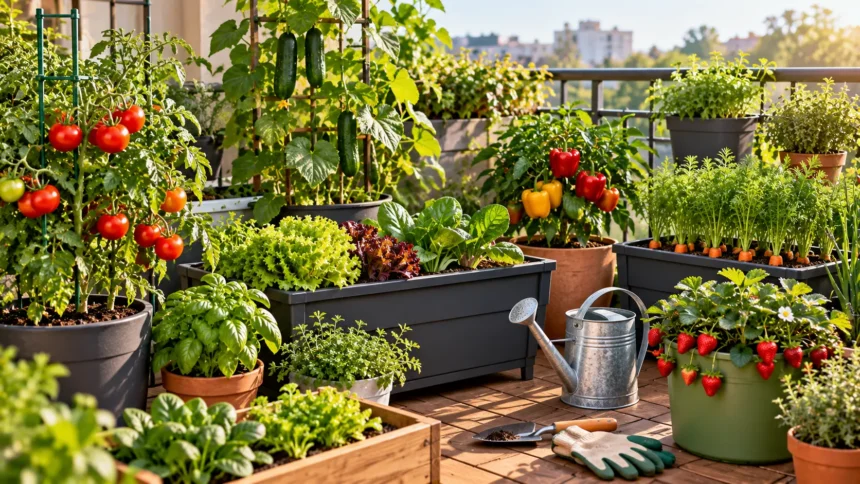
Growing fresh vegetables does not require a large backyard or traditional garden beds. Container gardening allows you to cultivate vegetables on balconies, patios, terraces, and other small outdoor spaces. By choosing suitable plants and providing the right growing conditions, you can enjoy homegrown produce even when gardening space is limited.
The best vegetables to grow in containers are generally those with manageable root systems, compact growth habits, and reasonable sunlight requirements. Popular options include tomatoes, peppers, lettuce, spinach, radishes, carrots, and green beans. Many vegetables adapt well to pots when they receive sufficient soil, water, nutrients, and space for healthy development.
This guide explores easy vegetables for container gardening, suitable pot sizes, growing conditions, and practical maintenance tips. Whether you are a beginner or an experienced gardener, understanding these essentials can help you create a productive vegetable garden. You will also discover common mistakes to avoid and techniques for maintaining healthy plants throughout the growing season.
Why Growing Vegetables in Containers Is a Great Idea
Container vegetable gardening offers flexibility for people who have limited outdoor space or cannot establish permanent garden beds. Pots can be arranged on balconies, patios, and sunny entrances to make use of available growing areas. This approach makes vegetable cultivation accessible to apartment residents, renters, and homeowners with smaller properties.
Another advantage is the ability to manage soil quality and growing conditions more directly. Gardeners can select appropriate potting mixes, adjust container placement, and monitor individual plants more easily. Containers may also help avoid certain soil-related problems, although pests, diseases, and drainage issues can still affect vegetables grown in pots.
Growing vegetables in containers can provide a rewarding way to produce fresh ingredients for everyday meals. Harvesting lettuce, tomatoes, peppers, or herbs directly from your growing space adds convenience to home cooking. With careful planning and regular maintenance, a small container garden can provide useful seasonal harvests without requiring extensive landscaping.
Tomatoes: A Popular Choice for Container Gardening
Tomatoes are among the most popular vegetables to grow in containers because many varieties adapt well to restricted spaces. Compact bush tomatoes, patio varieties, and certain cherry tomatoes are particularly suitable for pots. They produce flavorful fruits and can grow successfully when provided with adequate sunlight, nutrients, and consistent moisture.
Choose a large container with reliable drainage and enough room for the tomato plant’s root system. Many compact varieties perform well in pots holding approximately five gallons or more, while vigorous plants may require larger containers. A sturdy cage or support can prevent branches from bending under the weight of developing tomatoes.
Tomatoes generally need at least six to eight hours of direct sunlight for productive growth. Water the soil consistently, especially during warm weather, and avoid allowing containers to dry out repeatedly. Regular feeding with an appropriate vegetable fertilizer can support healthy growth, flowering, and fruit development throughout the season.
Lettuce: One of the Easiest Vegetables to Grow in Pots
Lettuce is an excellent choice for beginners because it grows relatively quickly and requires less root space than many fruiting vegetables. Loose-leaf varieties are especially convenient for container gardens because their outer leaves can be harvested gradually. Different lettuce colors and leaf shapes can also make small edible gardens visually appealing.
A container approximately six to eight inches deep can accommodate many leaf lettuce varieties when plants receive appropriate spacing. Use a lightweight potting mix that retains moisture without becoming waterlogged. Lettuce generally grows best during cooler conditions and may benefit from afternoon shade when temperatures become unusually warm.
Keep the growing medium evenly moist and harvest leaves before they become excessively mature or bitter. You can also sow small amounts of seed at intervals to extend the harvesting period. This succession planting technique helps maintain a more consistent supply of fresh salad greens throughout suitable growing seasons.
Spinach: A Nutritious Vegetable for Small Containers
Spinach is a leafy green vegetable that grows well in containers during cool weather. Its compact growth habit makes it suitable for balcony gardens, raised planters, and small patio arrangements. Gardeners can harvest tender leaves for salads, cooked dishes, and other recipes without needing extensive growing space.
Choose a container around six to eight inches deep with sufficient width to accommodate several plants. Spinach prefers fertile, well-draining soil and consistent moisture during its growing period. Although it can tolerate some shade, adequate light encourages stronger leaf development and helps maintain healthy plants.
Spinach may bolt, or begin producing flowers and seeds, when temperatures rise and daylight conditions become less favorable. Planting during cooler seasons can improve leaf quality and extend the harvest. Picking mature outer leaves while leaving the central growing point intact allows suitable plants to continue producing foliage.
Radishes: Fast-Growing Vegetables for Containers
Radishes are among the fastest-growing vegetables suitable for container gardening, making them particularly rewarding for beginners. Many small round varieties can reach harvestable size in approximately three to five weeks under favorable conditions. Their quick development makes radishes useful for gardeners who want results without waiting through a long growing season.
Most small radish varieties grow well in containers at least six inches deep, provided the soil remains loose and well drained. Sow seeds directly into the pot because radishes generally perform best without transplanting. Thin crowded seedlings according to variety recommendations so developing roots have enough space to expand properly.
Radishes prefer cooler growing conditions and regular watering to produce tender, well-formed roots. Excessive heat or inconsistent moisture can affect flavor, texture, and root development. Harvest promptly when roots reach their expected size because leaving them in the soil too long may reduce eating quality.
Carrots: Root Vegetables That Grow Well in Deep Pots
Carrots can grow successfully in containers when the pots provide enough depth for their developing roots. Short-rooted and round varieties are especially useful for smaller growing spaces. Their colorful roots and delicate foliage also make them an interesting addition to productive balcony or patio gardens.
Choose a container based on the mature root length of the selected variety, allowing additional room beneath the roots. Many short carrots grow well in pots approximately twelve inches deep, while longer varieties may need considerably more space. Fill containers with a loose, stone-free growing medium that allows roots to develop without obstruction.
Sow carrot seeds directly into the pot and maintain consistent moisture during germination. Once seedlings emerge, thin them carefully to prevent overcrowding and encourage properly shaped roots. Carrots generally prefer cooler weather, and harvesting at the recommended maturity stage helps maintain their flavor and texture.
Bell Peppers: Colorful Vegetables for Sunny Containers
Bell peppers are attractive container vegetables that produce colorful fruits suitable for salads, cooking, and everyday meals. Compact pepper varieties can grow successfully in pots when temperatures remain warm and sunlight is plentiful. Their relatively upright growth habit makes them convenient for small patios and sunny balcony gardens.
A container holding approximately three to five gallons may support a compact pepper plant, although larger varieties can benefit from additional root space. Choose a well-draining potting mix and position the container where the plant receives substantial direct sunlight. Supporting heavily loaded branches may become necessary as peppers develop.
Peppers grow best when moisture remains reasonably consistent and the soil receives appropriate nutrients. Avoid repeatedly saturating the roots or allowing prolonged dryness during flowering and fruit development. Harvesting peppers at the desired maturity stage can encourage continued production while allowing gardeners to enjoy different colors and flavors.
Green Beans: Productive Plants for Small Spaces
Green beans are useful vegetables for container gardens because several varieties produce generous harvests in limited growing areas. Bush beans are particularly suitable for pots because they remain relatively compact and require minimal vertical support. Pole beans can also grow in containers when supported by a suitable trellis or climbing structure.
Select a container with enough depth and width to accommodate the chosen bean variety and its mature root system. Bush beans often perform well in pots approximately eight to twelve inches deep, depending on growing conditions. Pole beans generally benefit from larger containers that provide stability for their climbing supports.
Beans prefer warm soil, consistent moisture, and adequate sunlight for healthy growth and pod development. Avoid excessive nitrogen fertilizer because it may encourage leafy growth at the expense of productive flowering. Harvesting tender pods regularly helps maintain quality and may encourage continued production during favorable weather.
Cucumbers: Climbing Vegetables for Container Gardens
Cucumbers can thrive in containers when gardeners select suitable varieties and provide adequate growing space. Compact bush cucumbers are convenient for small patios, while climbing varieties can make efficient use of vertical structures. Freshly harvested cucumbers are useful in salads, sandwiches, and refreshing summer dishes.
Choose a large, stable container with drainage holes and room for extensive root growth. Many compact cucumbers benefit from pots holding at least five gallons, while vigorous climbing varieties may require larger containers. Installing a trellis early helps direct vines upward and keeps developing fruits away from the soil surface.
Cucumbers require generous sunlight, warm conditions, and consistent watering because their large leaves lose moisture quickly. Dry soil can interrupt growth and affect fruit quality, particularly during hot weather. Regular harvesting encourages continued fruit development, while monitoring leaves for pests and disease helps maintain plant health.
Zucchini: A Productive Vegetable for Large Containers
Zucchini is a productive summer vegetable that can be grown in containers when sufficient space is available. Compact bush varieties are generally more manageable than vigorous spreading types. A healthy plant can produce multiple fruits during suitable growing conditions, making zucchini a useful option for gardeners with sunny patios.
Select a large container, preferably holding at least ten gallons, to accommodate the plant’s substantial root system and foliage. Good drainage is important because zucchini requires moisture without remaining in saturated soil. Position the container where leaves have adequate airflow and enough space to expand without crowding nearby plants.
Zucchini needs consistent watering, suitable nutrients, and plenty of sunlight to support flowering and fruit production. Pollination is also important because separate male and female flowers develop on the plant. Harvest fruits while they remain tender and appropriately sized for the variety to encourage continued productivity.
Kale: A Hardy Leafy Green for Container Growing
Kale is a nutritious leafy vegetable that can adapt well to container gardening, particularly during cooler seasons. Its textured leaves and different color varieties also make it attractive in decorative edible arrangements. Gardeners can grow kale for fresh salads, cooked dishes, soups, and other everyday recipes.
Choose a container approximately twelve inches deep or larger, allowing enough space for the plant’s developing root system. Use fertile, well-draining potting soil and provide regular moisture during active growth. Kale generally performs best in cool conditions, although light requirements and heat tolerance differ between varieties.
Harvest mature outer leaves gradually while leaving the smaller central leaves to continue growing. This approach can provide repeated harvests from healthy plants during suitable weather. Check regularly for caterpillars, aphids, and other common brassica pests because container-grown kale remains vulnerable to garden insects.
Swiss Chard: An Easy Vegetable for Continuous Harvesting
Swiss chard is an excellent container vegetable because it produces colorful stems and broad edible leaves over an extended growing period. Different varieties offer red, yellow, orange, or white stems that add visual interest to small gardens. Its versatility makes it useful for cooking and ornamental planting arrangements.
A container at least ten to twelve inches deep can support Swiss chard when plants have adequate spacing. Choose nutrient-rich potting mix and position the container in sunlight appropriate for local temperatures. During hot weather, some afternoon protection may reduce stress and help maintain leaf quality.
Water consistently and remove damaged or aging leaves to encourage healthy plant development. Harvest larger outer leaves while allowing younger central growth to continue producing. Swiss chard can tolerate a range of growing conditions, making it a practical choice for gardeners seeking repeated leafy harvests.
Spring Onions: Compact Vegetables for Small Pots
Spring onions are convenient vegetables for containers because they require relatively little growing space and provide versatile culinary uses. Their slender growth habit allows several plants to fit into a modest-sized pot. Gardeners can use their mild-flavored stems and leaves in soups, salads, stir-fries, and garnishes.
Choose a container approximately six to eight inches deep with adequate drainage and loose potting soil. Spring onions can be grown from seeds or suitable young plants, depending on the variety. Provide regular moisture and enough sunlight to encourage healthy green growth without allowing the soil to become excessively wet.
Harvest individual spring onions when they reach a suitable size for cooking or fresh use. Growing small groups at different intervals can help maintain a continuing supply. Because their space requirements are modest, spring onions are particularly useful for windowsill planters, balconies, and compact kitchen gardens.
Potatoes: Growing a Root Crop in Large Containers
Potatoes are an interesting container crop because they can be grown in large pots or purpose-made growing bags. The plants develop edible tubers beneath the growing medium, making adequate soil volume especially important. Container growing also allows gardeners to manage the growing environment without digging traditional garden beds.
Choose a container with generous capacity, reliable drainage, and sufficient depth for developing tubers. Plant certified disease-free seed potatoes according to suitable spacing recommendations for the container size. As plants grow, additional potting medium may be added when appropriate to keep developing tubers covered and protected from sunlight.
Potatoes require regular watering and appropriate nutrients during active growth. Avoid allowing the potting mix to remain waterlogged because excessive moisture can damage developing tubers. Harvest timing depends on the potato variety and whether you prefer smaller new potatoes or mature tubers suitable for storage.
Choosing the Right Containers for Vegetables
Selecting suitable containers is essential because different vegetables have different rooting depths and growing requirements. Shallow-rooted leafy greens may perform well in smaller planters, while tomatoes, cucumbers, and zucchini generally need larger pots. Providing enough root space supports healthier growth and reduces the risk of rapid moisture loss.
Drainage holes are especially important because excess water must escape to prevent prolonged saturation around plant roots. Containers may be made from plastic, fabric, ceramic, wood, or other plant-safe materials. Each material has advantages, including differences in durability, weight, insulation, and how quickly the growing medium dries.
Consider the mature plant size, available sunlight, and ease of moving containers when planning your garden. Large pots become heavy after filling and watering, so their location should be practical and stable. Choosing containers with appropriate dimensions and drainage helps establish a reliable foundation for successful vegetable cultivation.
Best Soil and Fertilizer for Container Vegetables
Container vegetables generally perform better in quality potting mix than in dense soil collected directly from the garden. A suitable growing medium provides a balance of drainage, moisture retention, and air circulation around plant roots. Lightweight mixes also make containers easier to manage and reduce the risk of soil compaction.
Look for potting mixes designed for container gardening and suitable for edible plants. Ingredients may include composted organic matter, coir, peat-based materials, and components that improve drainage. Avoid using garden soil alone because it may become compacted, drain poorly, or introduce unwanted pests and plant diseases.
Vegetables require nutrients for healthy foliage, root development, flowering, and fruit production. Some potting mixes contain starter fertilizers, while others require supplemental feeding as plants grow. Follow product instructions and adjust fertilization according to the vegetable type because excessive nutrients can damage roots or encourage unbalanced growth.
Sunlight and Watering Requirements for Container Vegetables
Sunlight plays an important role in vegetable growth because plants rely on light to produce energy through photosynthesis. Fruiting vegetables such as tomatoes, peppers, and cucumbers generally need six to eight hours or more of direct sunlight. Many leafy greens can tolerate somewhat less sunlight, particularly during warmer seasons.
Container plants often require more frequent watering than vegetables grown directly in garden soil. Limited soil volume means moisture can disappear quickly during hot, windy, or sunny conditions. Check the growing medium regularly and water thoroughly when necessary, allowing excess moisture to drain instead of leaving roots continuously saturated.
Water requirements vary according to container size, plant maturity, weather, and the type of growing medium used. Large leafy plants may require more water than smaller seedlings during active growth. Consistent monitoring is more reliable than following a fixed watering schedule because outdoor conditions can change significantly from day to day.
Common Mistakes to Avoid in Container Vegetable Gardening
One common mistake is planting vegetables in containers that are too small for their mature root systems. Restricted root space can increase watering demands and limit healthy plant development. Choosing larger containers when appropriate helps maintain more stable growing conditions and supports stronger growth throughout the season.
Overwatering is another frequent problem, especially when pots lack adequate drainage or the growing medium retains excessive moisture. Constantly saturated roots may struggle to obtain enough oxygen and become vulnerable to disease. Check soil moisture before watering and avoid assuming that every vegetable requires the same amount of water.
Gardeners also sometimes overcrowd containers or place sun-loving vegetables in unsuitable locations. Plants growing too closely may compete for light, nutrients, and airflow, potentially reducing productivity. Following spacing recommendations, monitoring plant health, and selecting varieties suited to local conditions can help prevent these avoidable problems.
Conclusion
The best vegetables to grow in containers include tomatoes, lettuce, spinach, radishes, carrots, peppers, beans, and several other productive crops. Each vegetable has different requirements for container size, sunlight, nutrients, and watering. Choosing varieties that match your available space and growing conditions makes container gardening more enjoyable and manageable.
Successful container gardening begins with suitable pots, quality potting mix, and careful attention to plant health. Regular watering, appropriate fertilization, and timely harvesting help vegetables develop and produce useful crops. Beginners can start with manageable plants such as lettuce, radishes, or spring onions before experimenting with larger vegetables.
Growing vegetables in containers provides a practical way to enjoy fresh produce without maintaining a traditional garden. Balconies, patios, and other small outdoor spaces can become productive growing areas with thoughtful planning. By observing your plants and adjusting care according to their needs, you can develop a rewarding container vegetable garden.
Frequently Asked Questions (FAQs)
What are the easiest vegetables to grow in containers?
Lettuce, radishes, spinach, spring onions, and bush beans are among the easiest container vegetables for beginners. They generally have manageable growing requirements and can produce useful harvests in appropriately sized pots.
What vegetables grow best in small pots?
Leaf lettuce, small radishes, spring onions, and certain compact leafy greens grow well in relatively small pots. Choose containers with sufficient depth, good drainage, and enough space for healthy root development.
Can vegetables grow in containers without direct sunlight?
Some leafy vegetables tolerate partial shade, but most crops still require several hours of suitable light. Fruiting vegetables usually need more direct sunlight, and insufficient light can significantly reduce productivity.
How often should I water vegetables in containers?
Watering frequency depends on weather, plant size, soil composition, and container dimensions. Check the potting mix regularly and water when needed, rather than following an identical schedule for every vegetable.
What size containers are best for growing vegetables?
Container sizes vary by crop. Leafy greens may grow in pots six to eight inches deep, while tomatoes, cucumbers, potatoes, and zucchini usually require larger containers for healthy root development.