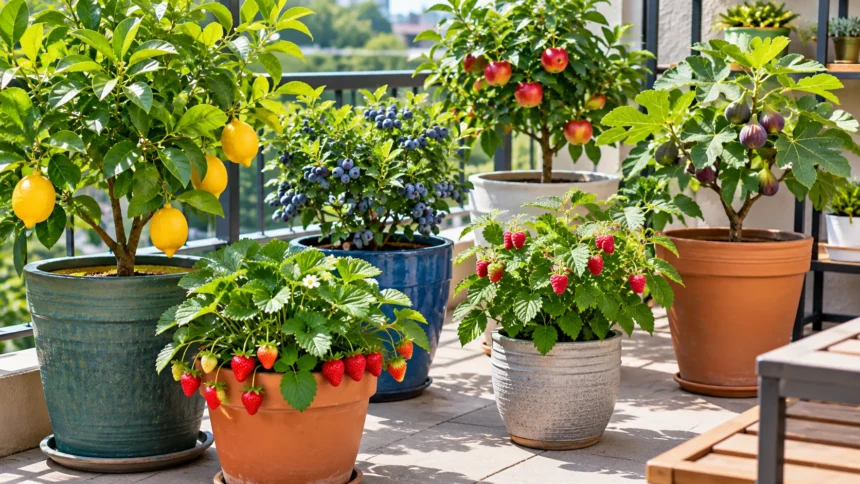
Growing fresh fruit at home does not require a large garden or spacious backyard. Many fruit plants grow successfully in containers, making them suitable for balconies, patios, terraces, and small outdoor spaces. From strawberries and blueberries to lemons and dwarf apple trees, container gardening allows you to enjoy homegrown produce while managing limited space. However, choosing suitable plants and providing the right growing conditions is essential for healthy development. This guide explores the best fruit plants to grow in containers, along with practical tips for selecting pots, watering, fertilizing, pruning, and maintaining a productive container fruit garden.
Why Growing Fruit Plants in Containers Is a Great Idea
Container fruit gardening is a practical option for people who want to grow fresh produce without maintaining a traditional garden. Pots allow you to use balconies, patios, terraces, and other available spaces. Many compact fruit varieties are specifically suited to container cultivation. With appropriate care, these plants can produce attractive flowers, healthy foliage, and edible fruit.
Another advantage of growing fruit plants in pots is greater control over growing conditions. You can select suitable potting mixtures, adjust watering, and move manageable containers when weather conditions change. This flexibility is particularly useful for plants with specific soil requirements. It can also help gardeners avoid problems associated with poor native soil.
Container gardening provides opportunities to learn about plant growth, seasonal changes, and food production. Families can participate in planting, watering, and observing how flowers develop into fruit. However, container plants still require regular attention because their roots depend on limited growing space. Understanding these responsibilities helps create a more successful and enjoyable gardening experience.
1. Strawberries – Best for Small Pots and Hanging Baskets
Strawberries are among the easiest fruit plants to grow in containers because of their compact growth and relatively shallow root systems. They can be planted in hanging baskets, window boxes, strawberry planters, and ordinary pots. Their attractive leaves, white flowers, and colorful fruit also provide decorative value. Many varieties are suitable for small outdoor gardening spaces.
Strawberry plants generally perform best with plenty of sunlight and consistently moist, well-draining soil. Most varieties benefit from approximately six to eight hours of direct sunlight daily. Their roots can dry quickly in small containers, particularly during hot weather. Regular moisture checks help maintain healthy growth without allowing the growing medium to become waterlogged.
When choosing strawberry varieties, consider whether you prefer seasonal harvests or fruit production over an extended period. June-bearing strawberries usually produce a concentrated crop, while day-neutral varieties may fruit repeatedly under suitable conditions. Remove damaged leaves and monitor developing fruit for pests. Replacing older plants when productivity declines can also help maintain a successful strawberry container garden.
2. Blueberries – Best for Acidic Soil Containers
Blueberries are attractive fruiting shrubs that can grow successfully in containers when their specific soil requirements are met. They produce small berries and often develop colorful foliage during seasonal changes. Growing blueberries in pots allows gardeners to control soil acidity more easily. This makes containers particularly useful where ordinary garden soil is unsuitable.
Blueberry plants require acidic growing conditions, generally with a soil pH around 4.5 to 5.5. Use a potting mixture specifically formulated for acid-loving plants rather than ordinary alkaline garden soil. They also prefer adequate sunlight and consistent moisture. Poor drainage can damage roots, so containers must allow excess water to escape.
Choose a blueberry variety suited to your local climate and available growing space. Some compact cultivars are particularly suitable for patio containers. Certain varieties produce better crops when another compatible blueberry plant is nearby for pollination. Checking the cultivar’s requirements before purchasing helps you provide suitable conditions and improve the chances of successful fruit production.
3. Dwarf Lemon Trees – Best for Sunny Patios
Dwarf lemon trees are popular container fruit plants because they combine attractive foliage, fragrant blossoms, and useful fruit. Compact citrus varieties can grow in large pots when provided with suitable care. Their evergreen leaves add greenery throughout much of the year. Lemon trees are especially appealing for gardeners who enjoy growing fruit for everyday kitchen use.
Lemon trees need bright sunlight, well-draining potting soil, and suitable temperatures for healthy development. Many citrus plants benefit from at least six hours of direct sunlight daily. Water thoroughly when the upper growing medium begins to dry, but avoid leaving roots in standing water. Consistent care helps support flowering and fruit development.
Container-grown lemons may require regular feeding with a fertilizer formulated for citrus plants. They also need protection from freezing temperatures, especially in regions with cold winters. Move manageable pots to a suitable sheltered location when necessary. Choosing a grafted dwarf variety can help control mature size and make container maintenance more practical.
4. Dwarf Apple Trees – Best for Compact Fruit Gardens
Dwarf apple trees are an excellent option for gardeners who want to grow tree fruit in limited spaces. These trees are usually grafted onto rootstocks that restrict their mature size. Suitable varieties can grow in large containers on patios or terraces. Their spring flowers and developing apples also add seasonal interest to outdoor spaces.
Apple trees require adequate sunlight, suitable soil drainage, and consistent care during the growing season. Most perform best with approximately six to eight hours of direct sunlight daily. Container-grown trees need enough root space and regular watering during warm weather. Choosing an appropriate pot size helps support stability and healthy root development.
Pollination is an important consideration when selecting an apple tree. Many cultivars require pollen from another compatible apple variety to produce reliable fruit crops. Some are partially self-fertile, but requirements differ between cultivars. Check the plant label and local climate suitability before purchasing. Proper variety selection can improve both flowering and fruit production.
5. Fig Trees – Best for Warm and Sunny Locations
Fig trees are well suited to container gardening because they can tolerate some restriction of their root systems. Their distinctive leaves create an attractive appearance, even when fruit is not developing. Several compact varieties can grow in large pots. Figs are particularly useful for gardeners with sunny patios and relatively warm growing conditions.
Most fig trees prefer full sunlight and a potting mixture that drains effectively. Water requirements increase during warm weather and active fruit development. Although established figs tolerate occasional dry conditions, container-grown plants should not be allowed to remain excessively dry for long periods. Regular moisture checks help maintain healthy growth.
Pruning can help manage the size and shape of container-grown fig trees. Remove damaged branches and maintain an open structure when appropriate. Many common fig cultivars produce fruit without requiring a separate pollinating tree. However, winter protection and fruiting performance depend on the selected variety and local climate.
6. Raspberries – Best for Vertical Container Growing
Raspberries can be grown successfully in containers when suitable compact or dwarf varieties are selected. Traditional raspberry plants may spread aggressively, but container cultivation helps manage their growing area. Their tall canes can also make use of vertical space. Choosing a manageable cultivar is especially important for small balconies and patios.
Raspberry plants prefer sunny positions, fertile growing media, and consistent moisture during the growing season. Containers should provide adequate drainage and enough space for healthy root growth. Some varieties benefit from supporting structures that keep canes upright. Regular watering is particularly important when flowers and developing berries are present.
Different raspberry varieties have different fruiting habits and pruning requirements. Summer-bearing types generally produce fruit on older canes, while many autumn-bearing varieties fruit on current-season growth. Understanding these differences helps prevent accidental removal of productive stems. Check cultivar-specific instructions before pruning to support healthy growth and future harvests.
7. Dwarf Peach Trees – Best for Beautiful Spring Flowers
Dwarf peach trees are attractive container plants because of their spring blossoms and colorful summer fruit. Compact varieties are available for patios and small gardens, although mature sizes vary. Their flowers can add decorative interest before the fruit begins developing. A suitable dwarf cultivar allows gardeners to enjoy peaches without planting a full-sized orchard tree.
Peach trees require abundant sunlight and a well-draining growing medium. They also need sufficient water during active growth, particularly while fruit is developing. However, constantly wet soil can damage the roots. Choosing a large, stable container helps support the tree and reduces the likelihood of it tipping during windy weather.
Most peach varieties are self-fertile, making them convenient for gardeners with limited space. However, they still need suitable chilling conditions and climate compatibility to flower and produce reliably. Some varieties are better adapted to mild winters than others. Select a tree based on your local climate rather than choosing solely by its advertised compact size.
8. Dwarf Pomegranate – Best for Hot Climates
Dwarf pomegranate plants can be attractive choices for containers because they tolerate warm conditions and produce colorful flowers. Their relatively compact growth makes them suitable for sunny patios and terraces. Some ornamental dwarf varieties produce small fruit, while others are primarily grown for flowers. Choosing the right cultivar is important when your goal is harvesting edible pomegranates.
Pomegranate plants generally prefer full sunlight and well-draining soil. Established plants can tolerate periods of dryness, but container-grown specimens require regular moisture monitoring. During flowering and fruit development, inconsistent watering may affect plant performance. Avoid waterlogged conditions because prolonged excess moisture can contribute to root problems.
Container pomegranates may benefit from occasional pruning to maintain their shape and remove damaged growth. Protect plants from extreme cold according to their variety and local conditions. If fruit production is your priority, choose a cultivar known for producing edible fruit. Understanding the difference between ornamental and fruiting varieties helps prevent disappointing harvest expectations.
9. Dwarf Orange Trees – Best for Citrus Lovers
Dwarf orange trees provide another attractive option for container fruit gardening. They offer glossy foliage, fragrant flowers, and colorful citrus fruit when grown under suitable conditions. Compact citrus trees can be maintained in large containers, making them useful for sunny outdoor spaces. However, their mature size depends on the cultivar and rootstock.
Orange trees need plenty of sunlight, appropriate citrus fertilizer, and well-draining potting soil. Regular watering supports active growth, but the growing medium should not remain constantly saturated. Container citrus may also require additional attention during flowering and fruit development. Consistent care can help maintain healthy foliage and productive growth.
Cold temperatures are an important concern because many orange varieties are sensitive to frost. In colder climates, gardeners may need to move containers into protected growing spaces during winter. Adequate light remains important when plants are moved indoors. Choosing a suitable citrus variety and preparing for seasonal temperature changes improves long-term growing success.
10. Blackberries – Best for Productive Patio Containers
Blackberries are a practical option for container gardening when compact, thornless, or patio-friendly varieties are available. Traditional blackberry plants can become large and vigorous, so cultivar selection matters. Their dark berries are useful for fresh eating and homemade recipes. Container growing can help manage spreading growth and make harvesting more convenient.
Blackberries generally prefer sunny locations and fertile, well-draining potting mixtures. They need consistent moisture during flowering and berry development. Larger containers are usually necessary because blackberry plants develop substantial root systems. Some cultivars also require support to keep their canes organized and prevent sprawling growth.
Pruning requirements depend on whether the variety produces fruit on first-year or second-year canes. Removing the wrong stems may reduce the following season’s crop. Follow cultivar-specific instructions and monitor plants for damaged or diseased growth. Choosing an appropriate compact variety helps make blackberry container gardening easier to maintain.
How to Choose the Right Containers for Fruit Plants
Choosing suitable containers is essential because fruit plants depend on the available root space for water and nutrients. Small plants such as strawberries can grow in relatively compact pots, while fruit trees require larger containers. The appropriate size depends on the plant’s mature growth and root system. Avoid choosing containers based only on appearance.
Drainage holes are one of the most important container features. Without suitable drainage, excess water can accumulate and damage roots. Materials such as plastic, ceramic, terracotta, and fabric have different moisture retention characteristics. Consider your local climate and how frequently you can check watering needs before selecting a container material.
Stability is particularly important for fruit trees and taller plants. Heavy pots or appropriately supported containers may reduce tipping during windy conditions. You should also consider whether the container can be moved when seasonal protection is necessary. Selecting the right pot from the beginning helps reduce maintenance problems as plants develop.
Best Soil for Growing Fruit Plants in Pots
Container fruit plants generally need a growing medium that provides drainage, moisture retention, and suitable nutrients. Ordinary garden soil may become compacted inside pots and reduce healthy root growth. Commercial potting mixtures are often designed to maintain better structure in containers. However, the ideal mixture depends on the plant species.
Some fruit plants have specialized soil requirements. Blueberries need acidic conditions, while citrus trees often benefit from well-draining mixtures formulated for container citrus. Strawberries prefer a balanced medium that retains adequate moisture without becoming waterlogged. Matching the growing medium to the plant helps support healthy roots and consistent development.
Potting mixtures gradually change as plants grow and watering continues. Organic components may break down, while nutrients can become depleted through repeated irrigation. Refreshing or replacing growing media may be necessary when repotting established plants. Monitoring drainage, root health, and plant growth helps determine when maintenance is needed.
How Often Should You Water Container Fruit Plants?
Container fruit plants usually require more frequent moisture checks than plants growing directly in garden soil. Their roots depend on a limited amount of growing medium, which can dry quickly during warm weather. However, watering requirements vary according to plant type, pot size, and sunlight exposure. A fixed daily schedule is not appropriate for every container.
Check the growing medium before watering rather than relying only on the appearance of the leaves. Some fruit plants prefer consistently moist conditions, while others tolerate drying between watering sessions. Water thoroughly when appropriate and allow excess moisture to drain. Avoid leaving pots standing in water unless a specific growing system requires it.
During summer, small containers and plants carrying fruit may need closer attention. Wind and direct sunlight can increase moisture loss from potting media. Cooler seasons generally reduce watering requirements for many plants. Adjusting irrigation according to actual conditions helps prevent both drought stress and root damage from excessive moisture.
Fertilizing Fruit Plants for Better Growth
Container-grown fruit plants need suitable nutrients because their roots cannot spread into surrounding garden soil. Regular watering can also gradually remove soluble nutrients from the potting medium. Fertilizer may therefore be necessary during active growth. However, the correct formulation and frequency depend on the plant species and growing conditions.
Fruit trees may benefit from fertilizers formulated for their specific nutritional needs. Citrus plants, for example, can require nutrients that support healthy foliage and fruit development. Blueberries need products compatible with acidic soil conditions. Always follow fertilizer instructions and avoid assuming that larger amounts will improve harvests.
Excessive fertilization may encourage unwanted growth or damage sensitive roots. A soil or growing medium assessment can help identify nutritional problems when plants show unusual symptoms. Reduce or adjust feeding during periods of slow growth when appropriate. Balanced nutrition, adequate sunlight, and suitable watering work together to support productive container fruit plants.
How to Protect Container Fruit Plants From Pests
Container fruit plants can attract insects and experience diseases just like plants grown in garden beds. Common problems may include aphids, spider mites, scale insects, and fungal infections. Regular inspection helps gardeners identify changes before damage becomes extensive. Pay attention to leaves, stems, flowers, and developing fruit during routine care.
Healthy growing conditions can reduce some pest and disease problems. Suitable spacing improves airflow, while correct watering helps avoid excessive moisture around roots. Remove damaged plant material when appropriate and keep containers reasonably clean. Avoid applying treatments before identifying the actual problem because different conditions require different solutions.
If pests appear, consider gentle, plant-appropriate management methods before using stronger products. Some infestations can be reduced through careful removal or suitable horticultural treatments. Follow all product directions and observe any restrictions related to edible crops. Responsible pest management helps protect plants while reducing unnecessary chemical exposure.
Common Mistakes When Growing Fruit in Containers
One common mistake is choosing a fruit variety that becomes too large for the available space. A standard fruit tree may quickly outgrow a small balcony pot and become difficult to maintain. Selecting dwarf or compact cultivars helps prevent this problem. Always check the mature size before purchasing a new plant.
Another frequent mistake is using containers without sufficient drainage. Waterlogged potting mixtures can contribute to root rot and declining plant health. Overwatering may produce symptoms similar to drought stress, including yellowing leaves and poor growth. Checking moisture levels helps determine whether a plant actually needs more water.
Gardeners may also overlook pollination and climate requirements when selecting fruit plants. Some apple and blueberry varieties need compatible partners, while certain fruit trees require winter chilling periods. Without suitable conditions, plants may grow but produce little fruit. Researching the specific cultivar before planting helps create realistic expectations about future harvests.
How to Create a Small Container Fruit Garden
Creating a small fruit garden begins with evaluating the space available on your balcony, patio, or terrace. Observe how much direct sunlight the area receives throughout the day. Consider access to water, drainage, and space for mature plants. These details help determine which fruit varieties can grow comfortably in your location.
Start with a manageable number of plants rather than filling every available corner immediately. Strawberries, compact blueberries, and suitable dwarf citrus trees are examples worth considering when conditions allow. Arrange containers so larger plants do not block sunlight from smaller ones. Leave enough space for watering, pruning, and harvesting.
As you gain experience, you can introduce additional fruit plants according to your climate and preferences. Keep simple records of watering, flowering, and harvest dates to understand seasonal patterns. Adjust containers and growing methods when plants become crowded. A thoughtfully planned garden can provide enjoyment and occasional homegrown fruit without requiring extensive outdoor space.
Conclusion
Growing fruit plants in containers is a practical way to enjoy homegrown produce when garden space is limited. Strawberries, blueberries, dwarf lemon trees, figs, apples, and several other fruits can grow successfully in suitable pots. Each plant has different requirements involving sunlight, soil, watering, and pollination. Understanding these needs helps create healthier plants and more realistic harvest expectations.
Successful container fruit gardening begins with choosing compact varieties and providing appropriate growing conditions. Drainage, suitable potting media, and regular moisture checks are especially important. Gardeners should also consider fertilizer needs, seasonal temperatures, and plant maintenance. Small adjustments throughout the growing season can make a significant difference to plant health.
You do not need to grow every type of fruit to create a productive container garden. Begin with a few plants suited to your location and expand as you learn their requirements. Enjoy the process of observing flowers, caring for developing fruit, and experimenting with suitable varieties. With patience and consistent maintenance, containers can become valuable spaces for growing fresh fruit at home.
Frequently Asked Questions
What are the easiest fruit plants to grow in containers?
Strawberries, compact fig varieties, and suitable dwarf citrus trees are popular choices. The easiest option depends on your climate, sunlight availability, watering habits, and growing experience.
Can fruit trees grow successfully in pots?
Yes, many dwarf fruit trees can grow in large containers with adequate drainage and sunlight. Choose suitable rootstocks and cultivars, and provide enough room for healthy root development.
How often should I water fruit plants in containers?
Watering frequency depends on the plant, container size, weather, and potting mixture. Check soil moisture regularly and water according to each plant’s needs rather than following a fixed schedule.
Which fruit plants are best for a sunny balcony?
Strawberries, dwarf lemon trees, figs, and suitable compact pomegranates can perform well in sunny locations. Check mature plant size and temperature requirements before choosing varieties for your balcony.
Do container fruit plants need fertilizer?
Many container fruit plants benefit from suitable feeding during active growth because nutrients are limited in pots. Use plant-specific fertilizers when appropriate and follow the recommended application instructions.