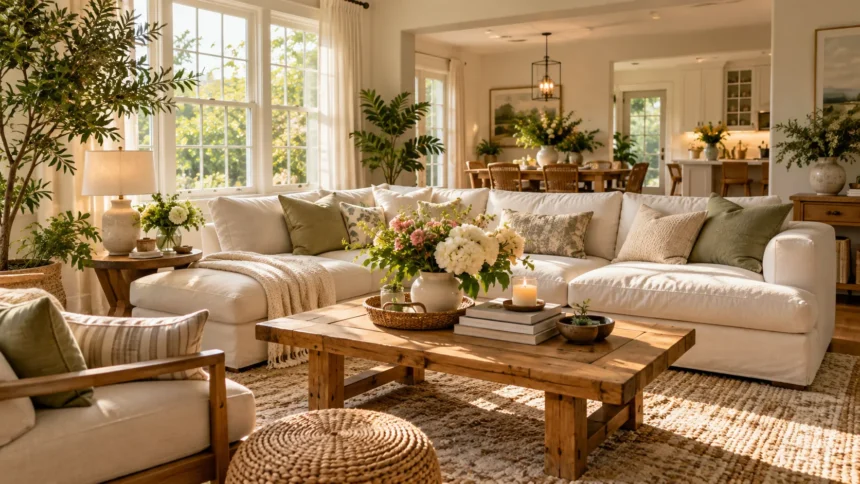
A fresh and inviting home does not require a complete renovation or expensive furniture. Small changes in lighting, cleanliness, scent, organization, color, and comfort can dramatically affect how a space feels. When rooms are easy to move through and pleasant to spend time in, the entire home can feel more welcoming.
The goal is to create a space that feels comfortable to you and your guests without making it look overly styled or perfect. Simple improvements often work best because they are easier to maintain. By focusing on practical details that influence sight, smell, comfort, and atmosphere, you can refresh your home with relatively little effort.
Start With a Thorough Declutter
Clutter can make even a clean home feel busy and uncomfortable. Start by removing items that no longer serve a purpose or belong in the room. Clearing tables, countertops, floors, and other visible surfaces can immediately make your home feel more spacious, organized, and calm.
Work through one area at a time instead of trying to organize the entire house in a single day. Begin with high-traffic spaces such as the living room, kitchen, and entrance. Sorting items into keep, relocate, donate, and discard categories can make the process easier and prevent unnecessary belongings from simply moving to another room.
Once surfaces are clearer, create simple storage systems for the things you use regularly. Baskets, drawers, cabinets, and trays can keep everyday belongings accessible without leaving them scattered around. A less cluttered environment also makes cleaning faster, helping the home maintain its fresh appearance with less daily effort.
Let More Natural Light Into Your Rooms
Natural light can make a room feel brighter, larger, and more welcoming. Open curtains and blinds during the day whenever privacy and weather conditions allow. Even a small increase in daylight can make colors appear more vibrant and give the space a lighter, more energetic atmosphere.
Avoid placing large furniture directly in front of windows when possible. Keeping the area around windows relatively open allows light to travel deeper into the room. Cleaning windows regularly can also make a noticeable difference because dust, fingerprints, and grime can reduce the amount of light entering the home.
Mirrors can help distribute natural light throughout darker areas. Positioning one across from or near a window can reflect brightness into the rest of the room. You do not need a large decorative mirror; even smaller reflective surfaces can help create a more open and airy feeling.
Freshen Up the Air
Fresh air can change the atmosphere of a room almost immediately. Open windows for a short period when outdoor conditions are suitable, particularly after cooking, cleaning, or having several people indoors. Regular ventilation can reduce stale odors and make rooms feel more comfortable.
Pay attention to areas where unpleasant smells can develop. Trash bins, pet areas, refrigerators, drains, upholstery, and laundry baskets may need more frequent cleaning than other surfaces. Addressing the source of an odor usually works better than simply covering it with a stronger fragrance.
You can also use subtle scents to create a welcoming environment. Candles, diffusers, fresh flowers, or lightly scented cleaning products can add character without becoming overwhelming. Choose simple fragrances that complement the room rather than competing with food, perfumes, or other household scents.
Add Greenery and Natural Elements
Plants can instantly make indoor spaces feel more alive and welcoming. A small plant on a shelf, larger greenery in a corner, or herbs near a kitchen window can add color and texture. Choose varieties that match the available light and the amount of care you can realistically provide.
Natural materials can create a similar effect even if plants are not practical for your lifestyle. Wood, woven baskets, stone, cotton, linen, and other organic textures can make rooms feel warmer and less artificial. These materials work well in both modern and traditional interiors.
Fresh flowers and simple branches can provide an easy seasonal update. You do not need large arrangements or expensive bouquets to make an impact. A small vase on a dining table, kitchen counter, or entryway surface can introduce natural color and help the room feel thoughtfully cared for.
Make Your Entryway More Welcoming
The entrance creates the first impression of your home, so small improvements here can influence how the entire space feels. Keep shoes, bags, packages, and coats organized instead of allowing them to accumulate near the door. A clear entryway immediately feels calmer and easier to move through.
Consider adding a small practical feature such as a console table, wall hooks, shoe rack, or basket. These elements provide defined places for everyday belongings while keeping the entrance visually organized. Choose pieces that fit the available space rather than overcrowding a small hallway.
A mirror, plant, small lamp, or simple piece of artwork can add personality without requiring much room. Good lighting is especially important near the entrance because dark areas can feel less welcoming. A clean, bright entryway sets a comfortable tone before someone even reaches the main living area.
Refresh Fabrics and Soft Furnishings
Soft furnishings have a major impact on how comfortable a home feels. Cushions, throws, curtains, rugs, and bedding can introduce color, texture, and warmth without requiring permanent design changes. Replacing or rearranging a few pieces can make a familiar room feel noticeably different.
Wash or clean fabrics regularly because they can collect dust, pet hair, and household odors. Fresh curtains, cushion covers, and bedding can improve both the appearance and scent of the room. Even simply fluffing cushions and straightening throws can make living spaces look more cared for.
Use seasonal fabrics when you want an easy update. Lightweight materials and brighter shades can feel suitable in warmer months, while heavier textures can make rooms feel cozy during colder weather. You do not need to replace everything; a few small changes can create enough contrast to refresh the space.
Use Warm and Layered Lighting
Lighting influences the mood of a home long after natural daylight disappears. Relying only on one bright overhead fixture can make a room feel flat or overly harsh. Combining several light sources creates more depth and allows you to adjust the atmosphere based on the time of day.
Table lamps, floor lamps, wall lights, and under-cabinet lighting can make rooms feel warmer and more inviting. Place lighting near areas where you read, relax, cook, or work so it serves a practical purpose as well. Softer lighting in the evening can help the home transition from active daytime routines into a calmer atmosphere.
Choose bulb brightness and warmth based on the room’s function. Kitchens and work areas may benefit from clearer task lighting, while living rooms and bedrooms often feel more comfortable with softer options. Creating layers gives you greater flexibility than using the same lighting level throughout the entire home.
Keep the Kitchen Looking Clean and Open
The kitchen often becomes one of the busiest areas of the home, so visible clutter can quickly make it feel untidy. Clear unnecessary items from countertops and keep frequently used appliances arranged neatly. Leaving some empty surface area can make even a small kitchen appear more spacious.
Clean sinks, cabinet handles, appliances, and countertops regularly because these areas collect marks quickly. A shiny faucet, clean stovetop, and organized preparation area can make the whole kitchen feel fresher. Small maintenance tasks performed consistently are easier than waiting until the room needs a major cleaning session.
Organization also helps the kitchen feel more functional. Group similar items together and keep everyday tools close to where they are used. Creating a more productive home often begins with simple systems that reduce clutter and make regular household tasks easier to complete.
Refresh Walls Without Major Renovation
Walls take up a large amount of visual space, so even small changes can noticeably affect a room. Cleaning marks and scuffs can make painted walls look brighter without requiring a full repaint. Touching up damaged areas can also create a cleaner and more finished appearance.
Artwork, framed photographs, mirrors, or simple wall décor can give a room more personality. Avoid filling every available section of wall space, because some empty areas help the room feel balanced. A few carefully positioned pieces often make a stronger impression than a large collection without a clear arrangement.
If you want a bigger change, consider painting one wall or refreshing the entire room with a new neutral or soft color. Paint can be one of the more affordable ways to transform an interior. Choose shades that work with the furniture and natural light already present in the room.
Create Comfortable Seating Areas
A home feels more inviting when people have comfortable places to sit and relax. Arrange furniture so chairs and sofas encourage conversation rather than making every seat face only a television. Keeping pathways clear also makes the room feel easier to navigate.
Add cushions, throws, and small side tables where they are useful. People are more likely to settle comfortably when they have somewhere to place a drink, book, or phone. These practical details can make a seating area feel intentionally designed rather than simply filled with furniture.
You can also create smaller relaxation zones within larger rooms. A chair beside a window, a reading corner, or a bench near a bookshelf can add functionality without requiring much space. These little areas give the home personality and create more reasons to enjoy different parts of the room.
Add Small Personal Details
A welcoming home should reflect the people who live there rather than looking like a generic showroom. Display a few meaningful photographs, books, souvenirs, handmade items, or objects connected to hobbies. Personal details create warmth and can make rooms feel more authentic.
Avoid displaying everything at once. Rotating decorative items occasionally can keep the home feeling fresh without requiring new purchases. A small collection arranged thoughtfully usually creates more visual impact than many unrelated items covering every surface.
Personal touches can also include colors, artwork, or textures that make you feel comfortable. Trends can provide inspiration, but they do not need to determine every decision. A home feels most inviting when the design supports your personality and everyday life rather than simply following current styles.
Maintain a Simple Cleaning Routine
A fresh home is easier to maintain when cleaning happens regularly rather than only before guests arrive. Create a simple schedule for vacuuming, dusting, bathrooms, bedding, and kitchen surfaces. Dividing these jobs across the week prevents them from turning into one exhausting cleaning session.
Focus on high-impact areas when time is limited. Clear visible surfaces, empty bins, wipe kitchen counters, straighten cushions, and clean the bathroom sink. These quick tasks can significantly improve how the home looks and feels even when you do not have time for deep cleaning.
A short evening reset can make mornings more pleasant as well. Spend ten minutes returning items to their places and preparing key rooms for the next day. Consistent maintenance keeps the home feeling inviting without requiring you to constantly think about cleaning and organization.
Conclusion
Making your home feel fresh and inviting does not require an expensive makeover. Decluttering, improving lighting, adding greenery, cleaning fabrics, and refreshing the air can transform the atmosphere with relatively little effort. Small changes often feel more natural and are easier to maintain over time.
Focus first on the rooms you use most often. A cleaner kitchen, brighter living room, welcoming entrance, or more comfortable seating area can quickly improve how the whole home feels. Once those spaces are working well, you can gradually refresh bedrooms, bathrooms, and less frequently used areas.
Most importantly, create a home that feels comfortable rather than perfect. Personal details, practical organization, pleasant lighting, and regular care can make a bigger difference than expensive décor. When your surroundings feel clean, functional, and reflective of your lifestyle, they naturally become more inviting to both you and your guests.
FAQs
How can I make my home feel fresher quickly?
Open windows, clear clutter, clean visible surfaces, straighten fabrics, and add natural light. These simple actions can noticeably improve the atmosphere of a room without requiring new furniture or major decorating.
What makes a home feel more inviting?
Comfortable seating, warm lighting, organized spaces, pleasant scents, greenery, and personal details all contribute. A welcoming home usually feels clean and cared for without appearing overly formal or perfectly arranged.
How can I refresh my home without spending much money?
Rearrange furniture, declutter surfaces, wash fabrics, use items you already own differently, and add inexpensive plants or flowers. Small organization and cleaning improvements can create a surprisingly noticeable change.
What colors make a home feel fresh?
Soft neutrals, warm whites, light greens, gentle blues, and other natural shades can create a fresh atmosphere. The best choice depends on your lighting, furniture, and personal preferences.
How often should I refresh my home décor?
There is no fixed schedule. Small seasonal adjustments or occasional rearranging can keep rooms interesting, but you do not need to continually replace décor if your home already feels comfortable and functional.