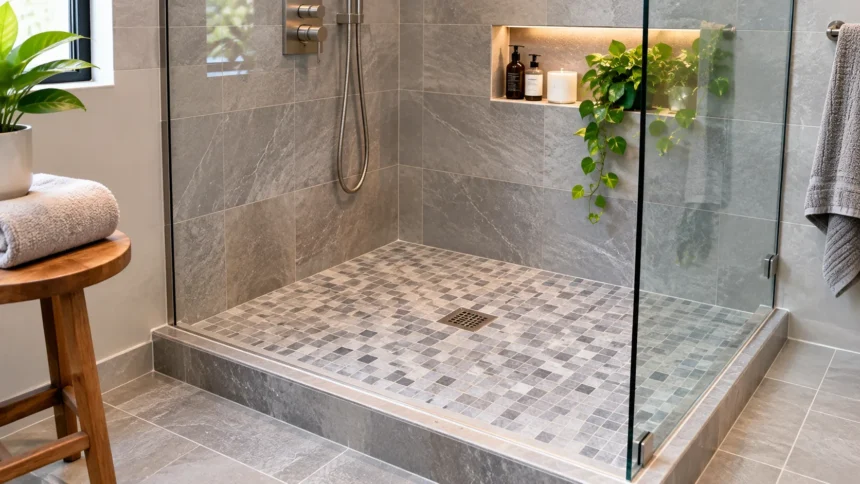
Choosing the right shower floor tile is important for creating a bathroom that feels safe, comfortable, and visually appealing. Shower floors experience constant moisture, soap residue, and daily foot traffic, so the material must handle wet conditions. The best options combine suitable slip resistance, reliable durability, and a design that complements the surrounding bathroom.
Shower floor tiles come in many materials, shapes, sizes, colors, and textures. Porcelain mosaics, ceramic tiles, natural stone, and textured surfaces are popular choices for different bathroom styles. However, appearance alone should never determine your selection because drainage, waterproofing, and surface grip also influence long-term performance.
Whether you are remodeling an existing bathroom or planning a new shower, understanding tile options can help prevent costly mistakes. This guide explores practical materials, stylish designs, installation considerations, and maintenance tips. You will also learn how to choose shower flooring that balances everyday safety with a clean, attractive appearance.
What Makes a Good Shower Floor Tile?
A good shower floor tile should provide suitable traction when exposed to water and everyday bathroom products. Smooth surfaces can become slippery, particularly when soap or shampoo creates residue. Choosing a tile specifically recommended for wet shower floors is therefore more important than selecting a material based only on its appearance.
Durability and moisture resistance are equally important considerations for shower flooring. Porcelain is often preferred because it absorbs very little water and generally performs well in wet environments. However, even highly water-resistant tiles require a properly constructed waterproofing system beneath them to prevent water from reaching surrounding building materials.
Tile size, texture, and ease of maintenance also influence the final decision. Smaller tiles may follow sloped shower bases more easily, while larger tiles can create a cleaner appearance when the drain design allows them. The ideal choice depends on the bathroom layout, intended users, maintenance preferences, and installation requirements.
Best Materials for Shower Floor Tiles
Porcelain, ceramic, and natural stone are among the most common materials used for shower flooring. Each material offers different benefits in terms of appearance, durability, maintenance, and moisture resistance. Understanding these differences helps homeowners select a surface that suits both their design preferences and practical bathroom requirements.
Porcelain tiles are widely used because they are dense, durable, and available in numerous styles. Ceramic tiles may also work when the specific product is approved for shower floor applications. Natural stone offers distinctive colors and patterns, although certain varieties require more careful cleaning, sealing, and maintenance to preserve their appearance.
The best shower floor material is not necessarily the most expensive option. A properly rated porcelain mosaic may perform better in a particular shower than a costly polished stone surface. Always consider wet-use suitability, slip resistance, installation compatibility, and long-term upkeep before making a final purchase.
Porcelain Shower Floor Tile: Durable and Practical
Porcelain shower floor tile is a popular choice for bathrooms because it combines low water absorption with dependable durability. Its dense structure makes it suitable for consistently damp environments when properly installed. Many manufacturers produce porcelain tiles with textured surfaces designed specifically to provide improved traction in wet areas.
Another benefit of porcelain is its wide range of available designs. Homeowners can choose marble-look patterns, concrete-inspired finishes, stone effects, and simple solid colors. This flexibility makes porcelain suitable for modern, traditional, minimalist, and luxury bathrooms without requiring the maintenance associated with some natural materials.
Porcelain also offers relatively straightforward cleaning compared with many porous stone surfaces. Regular washing with suitable cleaning products can help maintain its appearance and remove soap residue. However, the grout and waterproofing system still need attention, and tiles should always be installed according to the manufacturer’s shower flooring recommendations.
Ceramic Shower Floor Tile: Affordable Style
Ceramic shower floor tile can provide an attractive and practical option for homeowners working within a limited renovation budget. It is available in numerous colors, patterns, and finishes, making it easy to coordinate with existing bathroom features. However, not every ceramic tile is suitable for continuous wet exposure or floor applications.
Compared with porcelain, many ceramic tiles have higher water absorption rates and may be less resistant to wear. This does not automatically make them unsuitable for showers, but product selection becomes especially important. Look for tiles specifically approved by the manufacturer for shower floors rather than assuming every ceramic bathroom tile will perform equally well.
Ceramic mosaics can create appealing shower floor designs when their surface properties and installation requirements are appropriate. Smaller formats also make it easier to accommodate certain sloped shower bases. For long-term performance, combine suitable ceramic tiles with quality grout, correct drainage, and a professionally designed waterproofing system.
Natural Stone Shower Floor Tiles: Timeless Appeal
Natural stone shower floor tiles offer distinctive textures, patterns, and colors that manufactured materials attempt to reproduce. Marble, slate, travertine, and certain other stones can create a sophisticated bathroom appearance. Each piece has natural variations, allowing homeowners to achieve a finish that feels individual rather than completely uniform.
However, natural stone often requires more maintenance than porcelain or glazed ceramic. Some materials absorb moisture, react to acidic cleaners, or develop discoloration when exposed to unsuitable products. Certain stones also need periodic sealing, although sealing does not replace waterproofing or guarantee protection against every type of staining.
Slip resistance varies considerably among natural stone products and surface finishes. Polished marble, for example, may be unsuitable for wet shower flooring because it can become slippery. If you prefer natural stone, choose an appropriate textured finish and confirm its suitability with the supplier and installation professional.
Best Non-Slip Shower Floor Tile Options
Slip resistance should be one of the first factors considered when choosing shower flooring. Water, soap, and cleaning products can reduce traction, increasing the likelihood of slipping. Textured porcelain, suitable mosaics, and certain matte finishes are common options, but surface appearance alone cannot establish whether a tile is sufficiently slip-resistant.
When comparing products, look for manufacturer information about wet-use suitability and applicable slip-resistance testing. Dynamic coefficient of friction ratings can provide useful information, although a general flooring rating does not automatically establish suitability for a shower. The relevant testing method, surface conditions, and intended application should all be considered.
Grout joints can contribute to traction on some mosaic floors, but they are not a substitute for selecting an appropriate tile surface. Regular cleaning is also important because soap buildup may reduce grip over time. For households with greater accessibility needs, consider professional guidance on flooring, drainage, support features, and overall shower design.
Small Mosaic Tiles for Shower Floors
Mosaic tiles are commonly used on shower floors because their small dimensions can accommodate slopes toward traditional point drains. Individual tiles follow changes in the floor surface more easily than large rigid tiles. This flexibility makes them a practical choice for many walk-in showers and conventional shower enclosures.
Popular mosaic formats include squares, hexagons, penny rounds, and small rectangular tiles. These designs can add visual interest without overwhelming a compact bathroom. Depending on the product, the increased number of grout joints may also contribute to traction, although the tile surface itself must still be suitable for wet conditions.
The main disadvantage of mosaics is the additional grout that requires cleaning and maintenance. Soap residue and mineral deposits may accumulate between individual pieces, particularly when ventilation is poor. Choosing appropriate grout and maintaining a regular cleaning routine can help preserve the floor’s appearance and reduce long-term maintenance problems.
Large Format Shower Floor Tiles: Modern Design
Large format shower floor tiles create a clean appearance with fewer visible grout joints. They are especially popular in contemporary bathrooms featuring minimalist surfaces and coordinated wall and floor finishes. However, their suitability depends heavily on the shower’s drainage layout, floor slope, and tile manufacturer’s installation instructions.
Traditional point drains commonly require slopes from multiple directions, making large rigid tiles difficult to install without uneven edges. Linear drains can sometimes support a single-direction slope that accommodates larger tiles. Nevertheless, the floor must still meet drainage requirements, and the selected tile needs appropriate wet-area traction.
Fewer grout joints can simplify certain cleaning tasks, but larger tiles are not automatically safer or more waterproof. Proper installation remains essential because standing water can develop when slopes are incorrect. Discuss the drain location, tile dimensions, and waterproofing method with an experienced installer before selecting oversized shower flooring.
Stylish Shower Floor Tile Patterns and Shapes
The shape of your shower floor tile can influence how spacious, modern, or traditional the bathroom feels. Hexagon tiles create geometric interest, while square mosaics offer a classic appearance. Penny round tiles introduce softer patterns, and small rectangular designs can provide subtle visual movement without requiring bold colors.
Herringbone and basketweave patterns are additional options for homeowners seeking decorative flooring. These layouts can complement simple shower walls and become an attractive design feature. However, intricate patterns may require more cutting and installation time, especially when the shower base includes multiple slopes or unusual dimensions.
When choosing a pattern, consider the overall bathroom rather than viewing the shower floor independently. A decorative mosaic may work best alongside plain wall tiles, while a simple floor can balance strongly patterned surroundings. Keeping the design coordinated helps create a bathroom that feels intentional and visually comfortable.
Choosing the Right Shower Floor Tile Colors
Color affects the overall mood of a bathroom and can make a small shower appear brighter or more visually defined. White, beige, light gray, and other neutral tones remain popular because they complement different wall finishes. These shades also work well with many bathroom fixtures and accessories.
Dark shower floor tiles, including charcoal and black, can produce a dramatic contemporary appearance. They often pair attractively with light-colored walls, metallic fixtures, and natural wood details. However, water spots, soap residue, and mineral deposits may be more visible on certain dark finishes, particularly in areas with hard water.
Mid-tone colors and subtle patterns can provide a practical balance between visual appeal and everyday maintenance. A softly textured stone-look porcelain tile may hide minor marks better than a completely uniform surface. Consider lighting, grout color, and cleaning requirements before deciding which shade best suits your bathroom.
Shower Floor Tile Ideas for Small Bathrooms
Small bathrooms benefit from shower floor designs that create visual continuity without overwhelming the available space. Light-colored mosaics, subtle geometric patterns, and coordinated grout can make the floor feel less visually divided. Matching or complementing nearby bathroom flooring may also help create a more connected overall appearance.
Using the same color family across the shower walls and floor is another useful design technique. For example, warm gray walls can coordinate with slightly darker gray shower mosaics. This approach provides enough contrast to define the floor while maintaining a consistent look throughout the bathroom.
Compact bathrooms can also benefit from restrained decorative details. A small hexagon pattern or narrow border may add personality without competing with other features. Prioritize suitable traction, comfortable entry, and correct drainage before focusing on appearance, since practical performance matters regardless of the bathroom’s dimensions.
Shower Floor Tile Ideas for Luxury Bathrooms
Luxury bathroom designs often combine distinctive materials with carefully selected colors, textures, and finishes. Marble-look porcelain mosaics can create an elegant appearance without some of the maintenance demands of natural marble. Textured stone, decorative hexagons, and coordinated wall tiles also work well in upscale shower spaces.
One popular approach involves using neutral shower flooring with contrasting fixtures and simple wall finishes. Another combines a decorative mosaic floor with larger wall tiles to create visual balance. These combinations can make the shower feel refined while allowing the floor to remain a distinctive design element.
High-end appearance should never come at the expense of safety or reliable construction. Even premium tiles need proper drainage, suitable grout, and a dependable waterproofing system. Investing in quality installation and selecting materials intended for wet environments generally provides more lasting value than choosing expensive surfaces based solely on appearance.
How to Choose the Right Shower Floor Tile Size
Tile size influences installation difficulty, grout coverage, appearance, and compatibility with shower floor slopes. Small mosaics are often suitable for conventional point-drain showers because they accommodate changes in direction. Larger formats may work better with particular linear-drain systems and carefully planned floor layouts.
Before choosing a size, identify the drain type and understand how water will travel toward it. The tile arrangement must allow the required slope without creating uncomfortable edges or areas where water collects. An experienced installer can help determine whether the selected dimensions are practical for the shower design.
Grout maintenance should also influence your decision. Smaller tiles usually create more grout joints, while larger formats reduce the number of joints but can introduce installation challenges. Selecting the right size involves balancing appearance, traction, drainage, cleaning preferences, and the technical requirements of the entire shower assembly.
Shower Floor Tile Installation: What Matters Most?
Correct installation is essential for shower floor durability and moisture protection. Tiles and grout are not generally considered a complete waterproofing system on their own. A properly constructed shower must include suitable waterproofing materials, correctly detailed connections, and drainage components designed to work together.
The shower base also needs an appropriate slope so water flows toward the drain instead of collecting on the floor. In many installations, the intended slope is approximately one-quarter inch per foot, although applicable local requirements and manufacturer instructions must be followed. Incorrect slopes can contribute to standing water and maintenance problems.
Tile adhesives, grout, movement joints, and installation methods should be compatible with the selected products and shower system. Following the manufacturer’s specifications is especially important when combining materials from different suppliers. Professional installation may cost more initially but can help prevent failures that are expensive to repair later.
Waterproofing and Grout for Shower Floor Tiles
Waterproofing protects the structures beneath and around a tiled shower from moisture damage. Modern shower systems may use sheet membranes, liquid-applied waterproofing, or other approved assemblies. The correct approach depends on the shower base, drain system, building requirements, and materials selected for the installation.
Grout fills the spaces between tiles and helps create a finished, maintainable surface. Cement-based and epoxy grouts have different installation characteristics and maintenance requirements. Some products resist staining and moisture absorption better than others, but no grout should be treated as a replacement for a functioning waterproofing system.
Flexible sealants or approved movement-joint systems are also necessary at certain changes of plane and movement locations. Applying ordinary grout everywhere can contribute to cracking as materials expand or shift. Proper waterproofing, appropriate grout, and correctly detailed joints work together to support a reliable shower installation.
How to Clean and Maintain Shower Floor Tile
Regular cleaning helps maintain the appearance and traction of shower floor tiles. Soap residue, body oils, and mineral deposits can gradually accumulate on textured surfaces and grout joints. Removing these deposits with suitable products helps keep the floor comfortable to use and reduces the buildup of stubborn stains.
Use a cleaner recommended for your tile material, particularly when working with natural stone. Avoid harsh acidic products on surfaces that may react to them, and do not mix different cleaning chemicals. A soft brush can help clean grout joints and textured tiles without relying on unnecessarily abrasive tools.
Good ventilation and consistent moisture management also support easier maintenance. Allowing the shower to dry between uses can help limit persistent dampness and unwanted buildup. Inspect grout, sealant, and drainage areas periodically, and address damaged joints or unusual moisture problems before they become more difficult to repair.
Common Shower Floor Tile Mistakes to Avoid
One common mistake is choosing shower flooring based entirely on appearance. A polished tile may look attractive in a showroom but provide inadequate traction in wet conditions. Always confirm that the specific product is recommended for shower floors and has suitable performance characteristics before purchasing it.
Another mistake is overlooking the relationship between tile size and drainage design. Large tiles installed over an incompatible multi-directional slope may create uneven edges or drainage problems. Similarly, poor preparation beneath the tile can undermine even the most durable flooring material, particularly when waterproofing details are incomplete.
Ignoring long-term maintenance is another avoidable problem. Highly textured surfaces may collect residue, while some natural stones require specialized care. Consider cleaning requirements, grout selection, water quality, and household needs when comparing products, rather than assuming every shower floor tile will perform similarly over time.
How Much Does Shower Floor Tile Cost?
Shower floor tile costs depend on material, design, size, product quality, and installation complexity. Basic ceramic or porcelain mosaics are often more affordable than premium decorative tiles or selected natural stones. However, the purchase price alone does not represent the complete cost of a shower floor project.
Installation expenses may include surface preparation, waterproofing, drainage work, adhesives, grout, and labor. Complex tile patterns, unusual shower dimensions, and extensive repairs can increase the overall budget. Replacing a failed shower base may also require additional work that is not immediately visible when planning the renovation.
The most cost-effective choice is usually a suitable material installed correctly rather than simply the cheapest available tile. Spending appropriately on waterproofing and skilled installation can help avoid expensive moisture damage. Request an itemized estimate and confirm which materials, preparation steps, and finishing details are included before beginning the project.
Conclusion
Choosing the right shower floor tile involves balancing safety, style, durability, and maintenance. Porcelain mosaics, suitable ceramic tiles, textured surfaces, and selected natural stones can all create attractive bathrooms when used appropriately. The ideal material depends on your shower layout, personal preferences, and the flooring’s intended wet-area performance.
Slip resistance, drainage, waterproofing, and professional installation deserve as much attention as color and pattern. A beautiful shower floor will not perform reliably if water collects beneath the surface or the tile becomes dangerously slippery. Taking time to understand these practical requirements can help prevent unnecessary repairs and disappointing results.
Whether you prefer a minimalist bathroom or a decorative luxury shower, many stylish flooring options are available. Focus on selecting tiles approved for wet shower applications and pairing them with a dependable installation system. With thoughtful planning and regular maintenance, your shower floor can remain comfortable, functional, and visually appealing for years.
Frequently Asked Questions (FAQs)
What is the best tile for a shower floor?
Textured porcelain mosaic tile is often a practical choice because it offers durability, low water absorption, and various designs. Always select a product specifically approved for wet shower flooring.
What shower floor tile is the least slippery?
Tiles designed and tested for wet-area traction are generally preferable to smooth polished surfaces. Textured porcelain and suitable mosaics are common options, but their actual slip resistance depends on the specific product.
Is porcelain or ceramic better for shower floors?
Porcelain is often preferred because it generally absorbs less water and offers excellent durability. However, properly rated ceramic tiles can also work when installed with an appropriate waterproofing system.
Are large tiles suitable for shower floors?
Large tiles can work in showers designed with compatible drainage and suitable floor slopes, particularly certain linear-drain installations. Traditional point drains often make smaller mosaics easier to install correctly.
Do shower floor tiles need to be waterproof?
Tiles should be suitable for continuous wet exposure, but the shower also requires a separate, properly installed waterproofing system. Tile and grout alone cannot reliably prevent moisture from reaching underlying structures.