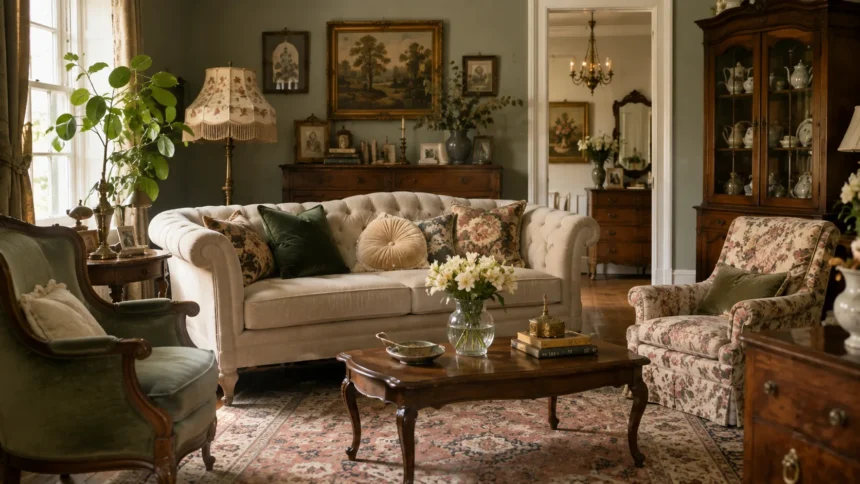
Vintage Home Decor Ideas for a Timeless Look
Vintage home decor has a way of making a space feel personal, layered, and full of character. Instead of filling rooms with furniture and accessories that all look newly purchased, vintage decorating introduces pieces that carry history through their materials, craftsmanship, shapes, and natural signs of age. A weathered wooden cabinet, old brass lamp, framed landscape painting, patterned rug, or ceramic vase can immediately give a room greater depth while helping it feel more welcoming and individual.
The appeal of vintage home decor is not about making a house look like it belongs to another century. The most successful interiors combine older pieces with comfortable modern living, allowing vintage character to exist alongside contemporary lighting, practical storage, updated technology, and cleaner furniture. This contrast keeps the home visually interesting without making it appear dated. It also gives homeowners more freedom to create interiors that reflect personal taste rather than one strict decorating style.
Vintage decorating has also become more flexible because homeowners are increasingly mixing pieces from different periods instead of trying to recreate one historical era exactly. Mid-century furniture can sit beside an older wooden chest, while traditional artwork can work above a contemporary sofa. When colors, materials, and proportions complement one another, objects from different decades can feel surprisingly harmonious. This collected approach makes the home appear as though it developed naturally over time.
Creating a timeless vintage interior requires restraint as much as creativity. Filling every corner with old objects can make a room feel cluttered, while purchasing too many artificial reproductions can remove the authenticity that makes vintage decorating attractive. The goal is to find meaningful pieces, combine them thoughtfully, and leave enough space for each one to contribute to the room. These vintage decor ideas will help you build a home that feels nostalgic, stylish, and comfortable without becoming overly themed.
What Makes Vintage Home Decor Feel Timeless?
Timeless vintage decorating begins with pieces that have enduring visual appeal rather than objects chosen simply because they are old. Solid wood furniture, handcrafted ceramics, traditional lighting, natural textiles, framed artwork, and well-made storage pieces can remain attractive for decades because their appeal comes from material quality and craftsmanship. These elements often work across changing trends, which makes them easier to incorporate into evolving interiors.
Another important quality is authenticity. Genuine wear on wood, softened leather, aged brass, faded textiles, and slightly imperfect ceramics can create a natural patina that newer items rarely reproduce convincingly. These signs of age tell a visual story and prevent a room from feeling overly polished. Small imperfections often make vintage pieces feel warmer because they suggest that the objects have been used and appreciated rather than displayed purely for decoration.
Timeless rooms also avoid committing too heavily to one decade. An interior filled entirely with 1970s furniture or Victorian accessories may feel more like a themed environment than a modern home. Mixing selected pieces from different periods creates greater flexibility. A traditional sideboard can work with a mid-century chair, contemporary rug, and modern artwork when the proportions and colors support one another.
Finally, timeless vintage interiors prioritize comfort and function. An antique table should still provide useful dining space, and a vintage cabinet should ideally offer practical storage. Decorative pieces become more meaningful when they support everyday life rather than existing only for appearance. Combining functionality with historical character allows vintage decor to feel relevant even as broader interior design trends continue to change.
Start With a Warm and Layered Color Palette
Color establishes the emotional atmosphere of a vintage-inspired home. Warm neutrals such as cream, ivory, taupe, beige, camel, mushroom, and soft brown provide a flexible background for older furniture and decorative objects. These shades complement aged wood, brass, leather, ceramics, and patterned textiles particularly well because they allow the natural character of materials to remain visible without competing for attention.
Richer colors can then be introduced gradually. Olive green, burgundy, ochre, rust, terracotta, dusty blue, deep navy, muted rose, and earthy red all work naturally with vintage interiors. These colors often appear in traditional textiles, older artwork, ceramics, and furniture finishes, making them easy to repeat across a room. A restrained use of deeper tones can make neutral interiors feel more grounded and sophisticated.
Avoid relying on one flat color throughout the space. Vintage decorating benefits from subtle tonal variation because older objects naturally have different finishes and degrees of fading. A cream wall can sit beside a caramel leather chair, walnut table, faded red rug, and olive cushion without feeling overly colorful. The relationship between warm shades creates visual richness while maintaining a unified atmosphere.
Paint can also help older pieces feel more intentional. Warm wall colors can soften dark antique furniture, while deeper colors may create a dramatic setting for lighter vintage objects. Before selecting a shade, consider how it interacts with the wood tones, metals, flooring, and natural light already present. A carefully chosen palette provides the foundation that allows mixed vintage pieces to feel connected rather than random.
Use Natural Wood for Instant Vintage Character
Natural wood is one of the easiest materials to use when creating a timeless vintage interior. Older furniture often showcases grain, joinery, carving, and finishing techniques that give each piece a distinct appearance. Walnut, oak, mahogany, pine, teak, and other woods can introduce depth and warmth through dining tables, sideboards, cabinets, desks, chairs, bedside tables, and smaller decorative accessories.
Do not feel obligated to match every wood tone. Homes that develop naturally over time rarely contain furniture made from exactly the same material and finish. Combining lighter oak with deeper walnut or medium-toned vintage pieces can make the room feel collected. Repeating similar undertones throughout the space helps create enough connection while allowing individual furniture pieces to maintain their identity.
Older wood often develops patina through exposure to light, handling, and everyday use. Slight variations in finish, softened edges, or minor scratches can contribute to the character of a piece rather than automatically reducing its appeal. Unless damage affects structure or usability, consider preserving some natural signs of age instead of refinishing every surface until it looks new.
If large vintage furniture is outside your budget, smaller wooden accessories can achieve a similar effect. Old frames, trays, stools, bowls, boxes, bookends, or carved objects can introduce warmth without requiring major investment. Even one well-selected wooden piece can help soften a highly modern room and establish the foundation for a more layered vintage interior design style.
Mix Antique Furniture With Modern Pieces
The easiest way to keep vintage interiors from looking dated is to combine older furniture with cleaner contemporary elements. A carved antique chest can look fresh beside a streamlined sofa, while a mid-century sideboard may work beautifully under modern abstract artwork. The contrast highlights the craftsmanship of the vintage item and prevents the entire space from feeling trapped in one historical period.
Balance is more important than following strict decorating rules. If you have a visually heavy antique dining table, pairing it with simpler chairs can prevent the room from becoming overly traditional. Likewise, a highly decorative vintage cabinet may look more elegant when surrounded by uncluttered walls and restrained accessories. Allow stronger pieces to become focal points instead of competing with equally ornate furniture.
Modern elements also improve practical comfort. Older chairs may be beautiful but unsuitable for extended use, while contemporary upholstery can provide better support. You can preserve the historical atmosphere through tables, cabinets, lighting, artwork, and accessories while choosing newer seating or storage for everyday convenience. Vintage styling does not require sacrificing functionality.
Think of the room as a conversation between different periods. Each old object contributes history, while newer pieces provide simplicity and ease. When materials, scale, and color are coordinated thoughtfully, furniture does not have to come from the same era to work together. This mixed approach produces interiors that feel more natural and far more personal than rooms built from matching collections.
Let Natural Patina Become Part of the Design
Patina refers to the surface changes materials develop naturally over time. Aged brass may become deeper and less shiny, leather can soften and darken, wood may develop variations in tone, and old textiles can fade slightly. These changes provide visible evidence of age and use, which is one reason genuine vintage furniture often feels more interesting than artificially distressed reproductions.
Instead of automatically polishing every metal or refinishing every wooden surface, consider whether the existing finish contributes to the object’s character. Removing decades of natural aging can sometimes make an older piece feel less distinctive. Gentle cleaning and careful maintenance may be enough to preserve both usability and visual history without erasing the qualities that originally attracted you.
Patina works especially well when combined with cleaner surfaces. An aged brass lamp can become more noticeable on a simple contemporary console, while a weathered wooden table may look beautiful against smooth plaster walls. Contrast prevents older materials from appearing neglected because their imperfections become deliberate visual features within an otherwise maintained environment.
Of course, there is a difference between appealing patina and serious damage. Mold, unstable furniture joints, sharp edges, major stains, or electrical problems should be addressed before an item is used. Preserve cosmetic aging when it adds charm, but prioritize safety and functionality. The best vintage interiors celebrate history without allowing deterioration to interfere with everyday living.
Decorate With Vintage Artwork
Artwork is one of the most effective ways to introduce vintage character without changing furniture or architecture. Old landscapes, botanical illustrations, portraits, still-life paintings, sketches, maps, and prints can add depth and personality to otherwise simple walls. Their aged paper, brushwork, color palettes, and frames naturally introduce visual texture that new mass-produced wall decor may lack.
You do not need expensive museum-quality pieces. Flea markets, thrift stores, estate sales, antique shops, and online marketplaces often contain affordable artwork that can become meaningful decorative elements. Focus on imagery you genuinely enjoy rather than purchasing something simply because it looks old. Personal connection makes artwork more likely to remain appealing even when decorating trends change.
Frames also contribute significantly to the vintage effect. Dark wood, carved timber, brass-toned metal, painted frames, and slightly aged gilded finishes can make artwork feel more substantial. Mixing frame styles can work well in a gallery arrangement as long as there is some connection through color, scale, or overall mood. Perfect matching is unnecessary in a collected vintage interior.
Consider displaying artwork in unexpected locations. A small painting can sit on a bookshelf, lean against the wall above a console, or hang inside a kitchen rather than remaining in a formal living area. Layering artwork with furniture and useful objects helps it feel integrated into everyday life instead of treated as an isolated decorative element.
Bring Vintage Lighting Into the Room
Lighting can provide vintage personality even when the rest of the furniture is relatively modern. Brass chandeliers, milk-glass pendants, ceramic table lamps, pleated shades, mid-century floor lamps, globe lights, and traditional sconces can introduce shape, material, and historical reference without requiring a large amount of decorative clutter. One strong fixture may be enough to transform the character of a room.
Avoid limiting yourself to lighting from only one design era. An Art Deco-inspired table lamp may complement a traditional dresser, while a mid-century pendant can add contrast above an older dining table. The surrounding materials often matter more than exact historical accuracy. Warm metals, glass, ceramic, and fabric shades generally integrate easily into layered interiors.
Lamp shades can also change the mood dramatically. Pleated, patterned, linen, parchment-style, or fabric-covered shades introduce softness and texture that basic white shades may not provide. Replacing a shade on an existing lamp is a relatively affordable way to give it a more distinctive vintage appearance without purchasing an entirely new fixture.
Safety should always come first when buying genuinely old electrical lighting. Antique fixtures may require rewiring or inspection before use, especially when their wiring history is unknown. Professional updating can preserve the outer character while improving modern reliability. This combination of old appearance and safe function is exactly what makes thoughtful vintage decorating practical for contemporary homes.
Use Vintage Rugs to Ground the Space
Vintage rugs can instantly make a room feel established because their pattern, faded colors, and texture add visual depth beneath furniture. Persian-inspired rugs, Turkish designs, traditional florals, geometric kilims, and faded wool rugs can work in living rooms, bedrooms, dining areas, entryways, and even kitchens. Their imperfect color variation often complements both modern and traditional furniture.
Choose rug size based on the room rather than the age of the piece. A beautiful vintage rug that is too small may make furniture feel disconnected. In a living room, aim for a size that visually anchors the main seating arrangement. In dining spaces, the rug should generally extend far enough beyond the table for chairs to remain comfortably positioned when pulled out.
Do not worry if the colors are not perfectly matched to every item in the room. Vintage rugs often contain multiple shades, making them useful for connecting furniture and accessories that might otherwise feel unrelated. You can repeat one or two tones from the rug through cushions, curtains, artwork, or decorative objects to create a subtle sense of cohesion.
Wear can add character, but condition still matters. Check for holes, unstable edges, significant stains, or odors before purchasing. Some age-related fading may enhance the beauty of a rug, while structural damage may require professional repair. A carefully chosen rug can become one of the most visually important elements within a timeless vintage decor scheme.
Layer Vintage Textiles for More Warmth
Textiles soften vintage interiors and make them feel comfortable rather than museum-like. Quilts, embroidered fabrics, linen curtains, wool blankets, patterned cushions, needlework, lace details, and woven throws can add both visual and tactile interest. Because textiles are easy to move or replace, they are also a practical way to experiment with different historical influences.
Traditional patterns can be introduced gradually. Florals, stripes, checks, paisleys, tapestry-inspired motifs, and small geometric designs can all work within vintage spaces. The goal is not to use every pattern simultaneously. Choose one dominant pattern and support it with smaller-scale designs or solid fabrics so the room feels layered without becoming visually overwhelming.
Older handmade textiles can be displayed as decorative objects when they are too delicate for everyday use. A small embroidered piece can be framed, while an heirloom quilt can hang on a wall or rest folded across the end of a bed. Treating textiles as artwork allows craftsmanship and family history to become part of the room’s story.
Mixing old and new fabrics is often the most practical solution. New upholstery can provide durability while vintage cushions, blankets, or curtains deliver character. This combination lets you enjoy the visual appeal of aged materials without placing excessive wear on delicate pieces. Layered textiles also help soften harder vintage materials such as dark wood, brass, glass, and stone.
Style a Vintage Living Room Without Clutter
A vintage living room should feel collected, comfortable, and personal rather than crowded with old furniture. Begin with one or two strong vintage pieces, such as a wooden coffee table, sideboard, armchair, or cabinet. These anchor the room and establish its historical character. Modern seating can then provide comfort while allowing the older pieces to remain visually distinctive.
Use accessories selectively. Books, ceramic vessels, candlesticks, framed photographs, small sculptures, trays, and decorative boxes can add personality, but every surface does not need to be full. Grouping a few objects together generally looks more intentional than spreading many small items across shelves, tables, and window sills.
Artwork and lighting can provide additional layers without using valuable floor space. A vintage floor lamp beside a modern sofa or an old painting above a contemporary console can create an effective balance between eras. These combinations make the interior feel naturally developed rather than arranged according to one rigid design category.
Comfort should remain central. Add a soft rug, comfortable cushions, throws, and practical side tables so the room supports conversation and relaxation. Vintage decorating is most successful when people feel comfortable using the space. Furniture should not become untouchable simply because it is old or visually interesting.
Give the Kitchen Vintage Personality
Vintage kitchen decor works best when it combines nostalgic character with modern convenience. You do not need to replace appliances or create a complete period kitchen. Instead, introduce older details through lighting, cabinet hardware, artwork, ceramics, glassware, wooden utensils, shelving, and freestanding furniture. Smaller additions can create personality without compromising functionality.
Display useful vintage objects rather than filling counters with decorative clutter. Old stoneware containers can hold utensils, wooden boards can lean against a backsplash, and attractive dishes can sit inside glass-front cabinets. Vintage glassware and serving pieces can also provide color while remaining useful for entertaining or everyday meals.
A freestanding antique cupboard, baker’s rack, or wooden table can add warmth to a kitchen dominated by modern cabinetry. The contrast between old furniture and clean appliances often makes both elements more interesting. If space is limited, even a small vintage stool or wall-mounted shelf can introduce the same collected feeling.
Lighting is another effective tool. Globe pendants, aged brass fixtures, traditional sconces, or milk-glass shades can reference earlier periods without interfering with modern kitchen performance. Combine decorative lighting with good task illumination so the kitchen remains practical. Successful vintage kitchen decor should support cooking and storage while adding visual character.
Create a Vintage-Inspired Bedroom
Bedrooms are particularly suited to vintage decorating because softer colors, textiles, and older furniture naturally create a relaxing atmosphere. Start with the bed, which can become the main visual anchor. A wooden frame, metal bedstead, upholstered headboard, or vintage-style four-poster can establish character while still supporting modern mattresses and comfortable bedding.
Layer the bed with natural fabrics and subtle patterns. Linen sheets, cotton quilts, embroidered cushions, knitted blankets, and floral or striped textiles can add depth without making the room feel excessively decorative. Choose a restrained palette so the different textures work together. Slightly faded or muted colors often feel especially appropriate in vintage-inspired bedrooms.
Bedside tables do not have to match. Two different vintage tables can create a charming collected appearance as long as their heights are practical. Alternatively, pair one older nightstand with a simpler contemporary piece. Lamps can help visually connect them through similar shades, finishes, or light temperature even when the furniture itself differs.
Finish the room with personal details such as framed family photographs, a vintage mirror, old artwork, books, or a small wooden bench. Keep surfaces relatively uncluttered so the room still feels restful. Vintage character should create emotional warmth rather than visual noise, particularly in a space intended for sleep and relaxation.
Add Vintage Charm to the Dining Room
A vintage dining room can feel elegant without becoming formal or outdated. Begin with a strong table, whether it is an older farmhouse piece, traditional pedestal design, mid-century table, or classic extendable model. Solid construction and good proportions matter more than matching a specific historical period. The table should feel inviting enough for everyday meals rather than reserved only for special occasions.
Mixing chairs can make the room more relaxed. You might combine matching side chairs with different end chairs or use a set of vintage chairs around a simpler modern table. Upholstery can be updated when necessary to improve comfort while keeping the original frames. This balance between preservation and practical improvement is central to successful vintage decorating.
A sideboard, china cabinet, or old cupboard can provide storage while strengthening the room’s character. Display only selected pieces such as ceramics, glassware, candlesticks, or serving dishes instead of filling every available shelf. Leaving some breathing room helps the furniture itself remain visible and prevents collections from becoming overwhelming.
Complete the room with a vintage-inspired pendant or chandelier and a simple centerpiece. Flowers, branches, fruit, or a ceramic vessel can soften the table without obstructing conversation. Traditional artwork or a large mirror can then provide visual interest on surrounding walls. The result should feel welcoming, useful, and naturally connected to the home’s wider style.
Refresh the Bathroom With Vintage Details
Bathrooms provide an ideal opportunity to introduce vintage character through smaller architectural and decorative details. Traditional mirrors, brass fixtures, ceramic accessories, classic tile patterns, globe sconces, and wooden vanities can make a modern bathroom feel more distinctive. You do not need to replace every fixture to establish a sense of history.
A vintage mirror can become a focal point above a simple contemporary vanity. Ornate wood, brass, painted frames, or softly aged finishes create contrast against modern tile and countertops. If you find an authentic older mirror, inspect its condition carefully and make sure mounting hardware is suitable for safe installation in a bathroom environment.
Classic materials also work well. Penny tile, checkerboard floors, subway tile, marble, and warm wood can reference earlier interiors while remaining practical today. Use historical details selectively so the room does not become overly themed. Combining one patterned surface with calmer surrounding finishes usually creates a more sophisticated result.
Finish with practical accessories such as woven baskets, cotton towels, ceramic containers, small framed artwork, or an old wooden stool. These details introduce texture while providing useful storage or function. Vintage bathrooms feel most convincing when decorative choices support everyday routines rather than becoming purely ornamental.
Decorate With Vintage Mirrors
Vintage mirrors add light, depth, and decorative character at the same time. Their frames often contain details that newer designs simplify, including carved wood, brass, beveled edges, painted finishes, or unusual shapes. A single older mirror can therefore function almost like artwork while also making smaller rooms appear more spacious.
Entryways, bedrooms, bathrooms, living rooms, and dining spaces can all benefit from vintage mirrors. A large mirror above a console may visually expand an entrance, while a smaller decorative mirror can add interest between pieces of artwork. Consider what the mirror will reflect before hanging it because the reflected view becomes part of the composition.
Minor spotting or aging in the glass can contribute character, although extremely damaged mirrors may become impractical. The amount of patina you prefer is personal. Some homeowners appreciate visible age, while others want only the frame to look vintage. Either approach can work as long as the piece remains functional and complements the surrounding room.
Avoid hanging numerous ornate mirrors together unless you intentionally want a maximalist effect. In restrained interiors, one substantial mirror usually creates stronger impact. Pairing an elaborate antique frame with simple surrounding furniture can also help the piece feel contemporary rather than excessively formal.
Use Vintage Ceramics and Glassware
Ceramics and glassware are accessible ways to begin collecting vintage decor because they require less space and investment than large furniture. Stoneware crocks, colored glass, milk glass, porcelain dishes, pitchers, bowls, and decorative vessels can add shape, texture, and subtle color throughout the home. Many can remain functional rather than being displayed purely for appearance.
Group related objects in small collections instead of scattering them randomly. Several ceramic pieces with similar tones may look beautiful on one shelf, while colored glass can create a stronger effect when arranged near natural light. Collections feel more intentional when there is some relationship between material, color, shape, or use.
Kitchen cabinets and dining-room storage provide natural places to display vintage tableware. Glass-front cupboards can protect delicate pieces while keeping them visible, and open shelves can hold frequently used objects. Mixing vintage dishes with simple contemporary tableware creates a relaxed look that avoids making everyday meals feel overly formal.
When purchasing older items for food or drink use, consider whether the material and finish are safe for that purpose. Some antique ceramics, glazes, or decorative objects may be better used purely for display. You can still enjoy their beauty without exposing food to materials whose safety or condition is uncertain.
Bring Vintage Books Into Your Decor
Old books can add warmth, color, and intellectual character to shelves, coffee tables, bedside tables, and consoles. Their cloth covers, leather bindings, typography, and naturally aged pages introduce textures that work particularly well alongside wood and metal. Books also provide height variation that makes decorative arrangements easier to balance.
Choose books based on genuine interest whenever possible. Collections feel more meaningful when subjects reflect the people living in the home. Literature, art, gardening, travel, history, photography, or cookbooks can all become decorative while remaining enjoyable to read. Avoid buying large quantities solely because their spines match a room’s color scheme.
Stacking a few books horizontally can provide a base for a lamp, ceramic object, or small framed picture. Vertical books can be supported by vintage bookends or simple architectural objects. Mixing both orientations creates a relaxed library effect without making shelves appear excessively rigid.
Condition matters if books are valuable or fragile. Keep delicate volumes away from excessive sunlight, humidity, and moisture. Older books can also collect dust, so occasional gentle cleaning helps preserve them. Used thoughtfully, vintage books add both visual texture and a sense of personal history to interiors.
Introduce Brass and Aged Metals
Warm metals are particularly effective in vintage spaces because they create contrast against wood, textiles, and painted surfaces. Brass candlesticks, trays, lamps, picture frames, cabinet hardware, and small decorative objects can introduce subtle shine without making a room feel overly polished. Natural aging often gives these materials even more depth.
Do not worry about making every metal finish identical. Aged brass, bronze, blackened metal, silver-toned objects, and darker iron can coexist in the same home. Repeating each finish in a few locations helps the mixture feel intentional. Vintage interiors naturally benefit from variation because objects are rarely collected at exactly the same time.
Smaller metal pieces can be an affordable entry point for secondhand shopping. Trays, candleholders, picture frames, bowls, and hardware are often easier to find than large vintage furniture. One unusual brass lamp or pair of candlesticks can give a console or mantel significantly more personality.
Clean metal carefully because aggressive polishing can remove desirable patina. Decide how much aging you want to preserve before restoring an item. A heavily tarnished piece may need gentle cleaning, while subtle surface variation can be left intact. The goal is to maintain character while ensuring the object looks intentionally cared for.
Use Wallpaper for Vintage Character
Wallpaper can quickly introduce pattern and historical character to an otherwise simple room. Florals, botanical motifs, stripes, toile, geometric patterns, Art Deco designs, and smaller repeating prints can all support vintage styling. The key is choosing a pattern that complements your furniture rather than competing with every decorative object in the room.
You do not have to wallpaper an entire space. A powder room, bedroom wall, entryway, built-in cabinet interior, or reading nook can provide enough pattern to create interest. Smaller applications are especially useful if you are experimenting with vintage decor for the first time or prefer a more restrained overall interior.
Consider scale carefully. Small patterns may feel delicate and traditional, while oversized florals or geometric designs can make a stronger modern statement. Rooms with highly decorative furniture may benefit from quieter wallpaper, while simple spaces can accommodate bolder designs. The relationship between pattern and furniture determines whether the room feels layered or overwhelming.
Removable wallpaper can offer flexibility for renters or homeowners who enjoy changing decor periodically. Traditional wallpaper may provide a richer finish for permanent installations. Whichever option you choose, connect at least one wallpaper color to furniture, textiles, or artwork elsewhere in the room to create a more unified look.
Style Shelves With Collected Vintage Objects
Shelves provide an ideal place to display vintage pieces because objects can be arranged and changed without affecting the room’s main furniture layout. Books, ceramics, glassware, framed artwork, small sculptures, boxes, and family objects can all create meaningful displays. The challenge is maintaining enough empty space for individual items to remain visible.
Begin with larger pieces and then add smaller objects. A framed artwork, vase, or stack of books can establish the visual structure before smaller accessories are introduced. Vary heights and shapes so the arrangement does not feel repetitive. Some objects can overlap slightly to create depth, particularly artwork placed behind smaller decorative pieces.
Avoid trying to fill every shelf equally. Vintage styling often looks more natural when some areas contain several objects and others remain relatively open. This irregularity creates the impression of a collection that has developed gradually rather than a display arranged from a single accessory set.
Edit regularly. If shelves begin to feel crowded, remove several items and see whether the remaining objects become more noticeable. You can rotate collections seasonally instead of displaying everything simultaneously. Thoughtful editing helps vintage shelf decor feel curated rather than cluttered.
Shop Secondhand for Authentic Vintage Finds
Secondhand shopping is one of the best ways to find vintage objects with genuine character. Flea markets, estate sales, thrift stores, antique shops, auctions, online marketplaces, and local resale groups can all provide unique pieces. The search itself often becomes part of the enjoyment because you never know exactly what will be available.
Shop with a general list instead of searching randomly. Knowing that you need a side table, mirror, lamp, or artwork helps prevent unnecessary purchases. At the same time, remain open to unexpected finds. Vintage decorating benefits from flexibility because the most interesting pieces may not look exactly like what you originally imagined.
Inspect furniture carefully before purchasing. Check joints, drawers, structural stability, signs of pests, odors, moisture damage, and previous repairs. Minor cosmetic wear may be desirable, but structural problems can make inexpensive furniture costly to restore. Measurements are also important because older pieces may have unusual proportions compared with contemporary furniture.
Patience usually produces better results than attempting to furnish an entire home quickly. The collected appearance associated with good vintage interiors comes naturally when pieces are acquired gradually. Waiting for something you genuinely love can create a more distinctive home while also reducing impulsive purchases that later feel unnecessary.
Decorate With Family Heirlooms
Family heirlooms can give vintage interiors emotional depth that purchased antiques cannot replicate. A chair from a grandparent, old photographs, inherited china, handwritten letters, quilts, artwork, clocks, or small decorative objects can connect the home with personal history. These pieces do not need to be financially valuable to become meaningful elements of the interior.
Use heirlooms where they can be appreciated rather than storing everything away. An old photograph can be reframed, a family table can become everyday furniture, or inherited dishes can be displayed inside a glass cabinet. Integrating these objects into normal life often makes them feel more meaningful than preserving them exclusively for special occasions.
Not every inherited item needs to dictate the entire room’s style. A highly traditional piece can coexist with modern furniture when treated as an individual focal point. Contemporary surroundings may actually make the heirloom more noticeable by creating contrast. This approach allows personal history to remain visible without requiring you to recreate the original environment.
If an heirloom is fragile, consider displaying it in a protected way. Textiles can be framed, delicate objects can be placed inside cabinets, and old photographs can be copied while originals are stored safely. Thoughtful preservation allows meaningful pieces to become part of your decor without exposing them to unnecessary damage.
Avoid Making Vintage Decor Look Outdated
Vintage decorating can become visually dated when too many elements from one era are used together without contrast. A room filled with matching antique furniture, heavy curtains, ornate wallpaper, and numerous accessories may feel more historical than timeless. Introducing simpler modern elements prevents this effect and allows individual vintage pieces to stand out.
Avoid artificial distressing everywhere. Furniture intentionally covered in chipped paint can sometimes work, but repeating the finish throughout the home may feel forced. Genuine patina, natural wood grain, aged metal, and old textiles usually create a more convincing sense of history than surfaces manufactured specifically to appear worn.
Be cautious with decorative clutter as well. Vintage shopping can become addictive because small objects are easy to collect, but displaying everything simultaneously reduces their impact. Select your strongest items and give them visual space. Rotate collections if necessary so the home can evolve without becoming overcrowded.
Finally, choose pieces based on personal connection rather than trend alone. A vintage object that genuinely appeals to you is more likely to remain part of your home for years. Timeless interiors are not created by avoiding trends completely; they are created by building around materials, objects, and furniture you continue to enjoy even when trends change.
Create Vintage Style on a Budget
Vintage decorating can be surprisingly affordable because older furniture and accessories are often available secondhand. Instead of buying reproduction pieces from large retailers, visit local thrift stores, estate sales, markets, and online resale platforms. Solid wood tables, mirrors, frames, lamps, baskets, and ceramics can sometimes be found for less than comparable new items.
Focus your budget on pieces with the greatest visual impact. A vintage rug, sideboard, dining table, or statement mirror can establish the style of an entire room, allowing smaller supporting accessories to remain inexpensive. Investing strategically prevents you from spending heavily on dozens of decorative objects that contribute relatively little to the overall design.
Simple restoration can also extend the usefulness of secondhand finds. Cleaning hardware, replacing a damaged knob, repairing a loose joint, or adding new upholstery may be enough to revive an older piece. Avoid unnecessary refinishing when the existing surface has attractive patina because preserving original character can make the furniture more distinctive.
Decorating slowly is another effective way to manage costs. You do not need to complete every room immediately. Build your collection over time as you discover useful pieces that genuinely fit the home. Gradual decorating tends to produce a more authentic vintage look because the objects naturally come from different places and periods.
Blend Vintage Decor With Your Personal Style
Vintage interiors do not have to follow one formula. Someone who prefers minimalism may use only a few sculptural vintage pieces against simple backgrounds, while a maximalist might layer artwork, textiles, books, and ceramics more densely. Both approaches can work when the home reflects how the person living there actually feels comfortable.
Vintage also blends easily with many other design styles. Mid-century pieces can complement Scandinavian interiors, antique furniture can add depth to contemporary spaces, and vintage textiles can soften modern farmhouse rooms. Industrial, bohemian, cottage, traditional, and eclectic interiors can all incorporate older pieces without losing their individual identities.
Personal belongings should remain central to the design. Books you read, artwork you love, travel finds, family pieces, photographs, musical instruments, and handmade objects can coexist with antiques. These items prevent a vintage home from feeling like a showroom because they connect historical objects with your current everyday life.
The goal is ultimately to create a home that feels evolved rather than perfectly styled. Choose vintage pieces because they provide beauty, craftsmanship, function, or emotional meaning. When old objects become part of your personal environment rather than props for a particular aesthetic, the result feels naturally timeless.
Final Thoughts
Vintage home decor offers something that highly coordinated interiors often struggle to achieve: genuine individuality. Older furniture, aged materials, handcrafted objects, artwork, textiles, and meaningful collections can give rooms a sense of depth that develops naturally rather than appearing instantly purchased. The strongest vintage interiors celebrate this character without sacrificing modern comfort.
Start with a warm color palette and introduce natural wood, vintage artwork, aged metals, traditional textiles, and older furniture gradually. Mix these pieces with contemporary elements to create visual contrast and prevent the home from feeling trapped in another era. Authentic patina and small imperfections can become assets when they are balanced with clean, well-maintained surroundings.
You also do not need an expensive antique collection to achieve the look. Secondhand furniture, inherited objects, old books, ceramics, framed artwork, and affordable vintage accessories can create significant impact. Shopping slowly allows you to build a collection that feels genuinely personal while avoiding unnecessary spending and excessive clutter.
The most timeless vintage home is one that tells a story about the people who live there. Instead of recreating a specific historical period, combine pieces you appreciate across different eras and allow them to coexist with modern life. When authenticity, comfort, craftsmanship, and personal meaning guide your choices, vintage decor can remain appealing long after temporary decorating trends disappear.
Frequently Asked Questions
How can I make my home look vintage without making it look old?
Mix vintage furniture and accessories with clean modern pieces, simple walls, and practical lighting. Limiting older elements to carefully chosen focal points keeps the room fresh while preserving character.
What colors work best with vintage home decor?
Warm neutrals, olive green, burgundy, rust, ochre, dusty blue, terracotta, cream, and earthy brown work particularly well because they complement aged wood, metals, textiles, and artwork.
Where can I find affordable vintage home decor?
Try thrift stores, estate sales, flea markets, antique shops, auctions, online resale marketplaces, and local secondhand groups. Shopping gradually often produces more distinctive and affordable results.
Can vintage and modern decor be mixed together?
Yes. Mixing old and new is one of the best ways to create a timeless interior. Use vintage pieces for character and contemporary furniture or lighting to maintain comfort and visual balance.
What vintage decor items should I start with?
Begin with easy pieces such as mirrors, lamps, artwork, ceramic vases, books, rugs, wooden side tables, or brass accessories. These can add vintage character without requiring a major redesign.