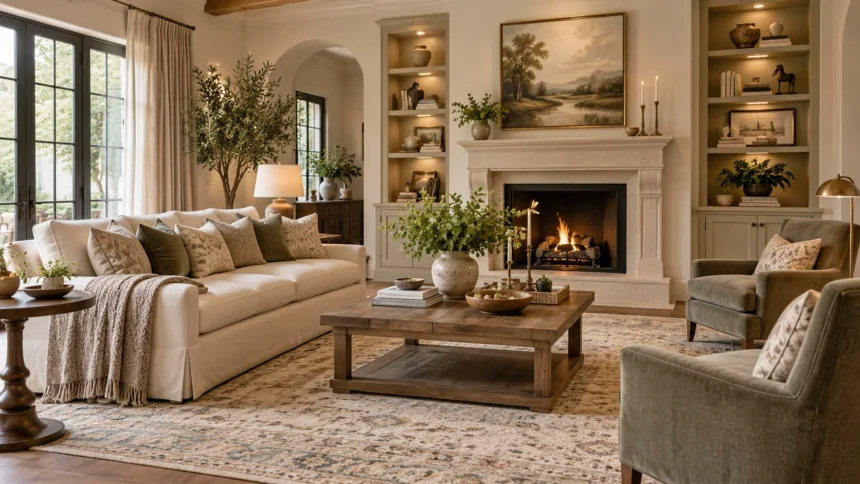
What Makes a Living Room Design Timeless?
A timeless living room feels stylish without depending heavily on trends that may quickly look outdated. The design usually combines balanced proportions, comfortable furniture, versatile colors, natural materials, and carefully chosen decorative pieces. Instead of filling the space with whatever is currently popular, the goal is to create a room that still feels attractive and welcoming years later.
Timeless design does not mean your living room has to look traditional or overly formal. Modern, transitional, minimalist, and even eclectic spaces can feel timeless when their major elements are thoughtfully selected. A simple sofa, well-proportioned coffee table, quality lighting, and meaningful artwork can create lasting appeal without making the room feel plain or predictable.
The easiest approach is to keep expensive or difficult-to-replace elements relatively versatile while expressing personality through smaller details. Cushions, throws, lamps, artwork, and accessories can be changed whenever your tastes evolve. This balance allows your living room to feel current without requiring a complete redesign every time interior trends shift.
Start With a Neutral and Flexible Color Palette
A neutral foundation is one of the easiest ways to create a timeless living room. Warm white, cream, beige, taupe, soft gray, and muted earthy shades provide a flexible backdrop for furniture and decor. These colors tend to work across different design styles, making it easier to refresh the room without repainting or replacing major pieces.
Neutral does not have to mean boring. Layer several related shades through upholstery, rugs, curtains, and cushions to create depth and warmth. Combining light and medium tones can make the space feel more sophisticated while allowing stronger colors to appear in artwork, accessories, books, or decorative objects without overwhelming the overall scheme.
If you enjoy bold colors, use them strategically rather than covering every major surface. A deep green armchair, navy cushions, rust-toned throw, or rich piece of artwork can bring personality into an otherwise calm room. When accents are easier to replace, you can experiment with color while keeping the basic living room design adaptable.
Choose Furniture With Classic Shapes
Large furniture pieces have a major influence on whether a living room feels timeless or temporary. Sofas and chairs with clean silhouettes, balanced proportions, and relatively simple details tend to work longer than highly exaggerated designs. Look for pieces that feel comfortable and appropriate for your lifestyle rather than buying furniture only because it is currently fashionable.
Consider durability alongside appearance. A beautifully designed sofa that cannot withstand everyday use may become frustrating quickly, especially in homes with children, pets, or frequent guests. Quality frames, practical upholstery, supportive cushions, and well-made finishes can help major furniture pieces continue looking good even as smaller decorative elements change around them.
Avoid buying every item as part of a perfectly matching furniture set. A room often looks more sophisticated when pieces coordinate without being identical. Mixing a classic sofa with distinctive side chairs, a wooden coffee table, and complementary occasional tables can create a collected appearance that feels more personal and less tied to one particular trend.
Use Natural Materials for Lasting Style
Natural materials can give a living room warmth and character while remaining relevant across changing design trends. Wood, stone, linen, cotton, wool, leather, rattan, and ceramic surfaces introduce texture and visual depth. These materials often develop more personality over time rather than immediately looking outdated when a particular decorating trend disappears.
Wood is especially versatile because it can work in traditional, contemporary, rustic, Scandinavian, and transitional interiors. You do not need every wooden element to have the exact same finish. Mixing compatible light, medium, or darker wood tones can make the space feel more layered, provided the overall combination remains intentional rather than random.
Introduce natural materials gradually if your living room currently contains mostly synthetic or highly polished surfaces. A wool rug, linen curtains, wooden side table, ceramic lamp, or woven basket can soften the space without requiring major renovation. These smaller additions can make a room feel warmer, more comfortable, and visually connected to timeless interior design principles.
Create a Strong but Simple Focal Point
A living room feels more organized when the eye has a clear place to land. Your focal point might be a fireplace, large artwork, architectural feature, statement window, television wall, or beautiful piece of furniture. Establishing one primary focus helps prevent multiple decorative elements from competing for attention and making the room feel unnecessarily busy.
Once you identify the focal point, arrange furniture so the room responds naturally to it. Seating can face or partially frame the feature while still supporting comfortable conversation. Accessories, lighting, and surrounding furniture should reinforce the focal area without making it excessively decorative or turning every nearby surface into another visual statement.
Keep the focal point relatively simple if you want the room to age gracefully. Extremely elaborate feature walls or highly specific trend-driven finishes may eventually dominate the room in an unwanted way. A beautifully framed artwork, natural stone fireplace, understated built-in shelving, or carefully styled media wall can provide impact while remaining adaptable.
Layer Lighting for a More Polished Look
Good lighting can elevate an ordinary living room even when the furniture and layout remain unchanged. Instead of depending entirely on one overhead light, combine ambient, task, and accent lighting throughout the room. Floor lamps, table lamps, sconces, and discreet ceiling fixtures create different levels of light and make the space feel warmer and more considered.
Pay attention to where light is actually needed. A floor lamp beside a reading chair improves function, while table lamps can soften darker corners or add symmetry around a sofa. Accent lighting can highlight artwork, shelving, or architectural details without creating the harsh appearance that sometimes comes from relying on a single bright fixture.
Choose lighting fixtures with shapes and materials that complement the room without dominating it. Brass, glass, ceramic, black metal, and simple fabric shades can remain stylish across many design changes. If you enjoy a more dramatic fixture, use one statement piece and allow the remaining lamps to provide quieter visual support.
Use Rugs to Ground the Seating Area
A well-sized rug can immediately make a living room look more finished. It helps visually connect the sofa, chairs, and coffee table so they appear as one intentional seating arrangement rather than separate pieces placed around the room. Rugs also introduce softness, pattern, color, and texture while improving comfort underfoot.
One common mistake is choosing a rug that is too small for the furniture. Ideally, at least the front legs of major seating pieces should sit on the rug so the arrangement feels connected. In larger rooms, a bigger rug that accommodates most or all furniture legs can create an even more luxurious and cohesive appearance.
For a timeless effect, consider subtle patterns, natural textures, muted colors, or classic geometric designs. Highly trend-specific patterns can work, but they may dictate the rest of the room more strongly. A versatile rug provides enough visual interest to prevent the floor from feeling empty while allowing furniture and artwork to remain the main focus.
Mix Old and New Pieces for Character
A living room filled entirely with brand-new furniture can sometimes feel more like a showroom than a home. Mixing modern pieces with vintage, inherited, or antique objects adds history and individuality. A traditional side table beside a contemporary sofa or an older mirror above a modern console can create contrast without making the room feel mismatched.
You do not need expensive antiques to achieve this effect. Flea-market finds, secondhand furniture, family pieces, older books, framed photographs, and vintage ceramics can introduce personality. The goal is to choose objects because they add character or meaning rather than filling the room with decorative items simply because they happen to be old.
Balance is important when mixing styles. Repeating a material, color, shape, or finish elsewhere in the room can help an older piece feel connected to newer furniture. This thoughtful combination creates a layered interior that feels as though it developed naturally over time instead of being purchased and decorated all at once.
Coordinate the Living Room With Adjoining Spaces
Timeless interiors feel especially polished when nearby rooms relate to one another. If your living room opens into a dining area, hallway, or kitchen, consider how colors, flooring, materials, and finishes transition between spaces. They do not need to match exactly, but some visual connection helps the home feel intentional rather than divided into unrelated decorating themes.
You might repeat a wood tone, metal finish, neutral wall color, or accent shade across adjoining areas. This becomes particularly useful in open-plan homes where the living room and kitchen are visible at the same time. If you are updating both areas, exploring practical kitchen remodel ideas can help create a more coordinated flow between connected living spaces.
Avoid making every room identical in the name of consistency. Each space can still have its own purpose, focal point, and personality while sharing a few visual elements. A coordinated home feels collected and cohesive, while subtle differences in texture, lighting, and furniture prevent the overall interior from becoming repetitive.
Style Shelves and Surfaces With Restraint
Shelves, coffee tables, consoles, and side tables offer opportunities to add personality, but they can quickly become overcrowded. Instead of displaying every decorative item you own, select a smaller number of pieces with different heights, shapes, and textures. Leaving some empty space around objects can make individual items feel more important and visually refined.
Books are especially useful because they bring color and personality without feeling purely decorative. Combine them with ceramics, small sculptures, plants, framed photographs, or meaningful travel objects. Grouping a few items together usually looks more intentional than placing many small objects evenly across every available section of a shelf.
Edit your displays occasionally as your tastes change. Timeless design is not about freezing the room permanently in one arrangement. Rotating objects, changing photographs, or replacing a decorative piece allows the room to evolve while preserving the larger furniture, colors, and materials that give the space its lasting foundation.
Add Texture Instead of Following Every Trend
Texture can make a simple living room feel luxurious without relying on temporary design trends. Consider combining smooth wood, soft upholstery, woven fabrics, natural stone, metal, glass, and plush textiles. These contrasts create visual interest even when the overall color palette remains quiet and restrained.
Layer textiles through cushions, curtains, throws, and rugs, but avoid using too many competing patterns at once. A textured neutral cushion can be just as effective as a bold print when combined with quality fabric and thoughtful placement. Changing these smaller textiles seasonally is also an easy way to refresh the room without altering its main design.
Focus on tactile quality as well as appearance. Materials that feel pleasant and comfortable make a living room more inviting, which is essential because the room should function as a place for everyday relaxation. Timeless design works best when visual appeal and comfort support each other rather than competing for attention.
Keep the Layout Comfortable and Easy to Use
A beautiful living room will not feel timeless if the layout makes everyday life difficult. Arrange seating so people can talk comfortably, reach tables easily, and move through the room without navigating around furniture. Practical circulation often creates a calmer visual effect because each piece appears to have a clear reason for being where it is.
Avoid automatically pushing every piece against the wall, especially in larger rooms. Bringing furniture slightly inward can create a more intimate conversation area and improve the relationship between sofas, chairs, and tables. In smaller spaces, however, maintaining clear walkways may be more important, so allow the architecture and room size to guide your decisions.
Think about how your household actually uses the living room before finalizing the layout. Families may need flexible seating and storage, while people who entertain frequently may prioritize conversation areas. Designing around real habits makes the room easier to enjoy and prevents you from copying attractive layouts that do not suit your lifestyle.
Avoid Overdecorating and Trend Overload
Timeless living rooms usually feel edited rather than empty. Filling every wall, table, corner, and shelf can make even expensive furniture feel less impressive because there is no visual space around it. Removing a few unnecessary items can often elevate the room more effectively than purchasing another decorative object.
Be selective with highly recognizable trends. Curved furniture, bold colors, unusual wall treatments, and fashionable materials can all be attractive, but using too many at once may quickly date the room. If you love a current trend, consider introducing it through smaller accessories or one statement piece rather than redesigning the entire space around it.
Allow your personal style to develop gradually. A timeless room should not look like a perfect copy of a showroom, social media post, or magazine page. Choose pieces you genuinely enjoy, give yourself time to collect meaningful objects, and focus on quality, balance, comfort, and proportion rather than constantly trying to keep up with changing trends.
Conclusion
A timeless living room begins with a flexible foundation of classic furniture, balanced colors, natural materials, and a comfortable layout. These elements provide long-term structure while leaving room for personal details and future changes. You do not need to redesign everything at once to make the space feel more polished and intentional.
Simple upgrades such as better lighting, a properly sized rug, layered textures, meaningful artwork, and carefully edited accessories can significantly elevate the room. Coordinate adjoining spaces where appropriate and invest more thoughtfully in pieces you expect to keep for years. Small changes can create a noticeable difference when they support the overall design rather than compete with it.
The most successful timeless living room reflects the people who actually use it. Prioritize comfort, quality, proportion, and personality instead of designing solely around current trends. When the room feels practical, balanced, and genuinely personal, it can continue looking stylish even as decorating preferences change over time.
FAQs
What colors make a living room look timeless?
Warm whites, creams, beige, taupe, soft gray, and muted earthy shades create a versatile foundation. You can then add personality through richer accent colors in cushions, artwork, furniture, or decorative accessories.
How can I make my living room look more expensive?
Use properly scaled furniture, layered lighting, a larger rug, quality textiles, and fewer but better decorative pieces. Keeping surfaces organized and maintaining a consistent color palette can also create a more polished appearance.
What furniture styles are considered timeless?
Furniture with clean lines, balanced proportions, practical materials, and comfortable shapes tends to age well. Avoid choosing every major piece based on a short-lived trend if you want greater long-term flexibility.
How do I update a living room without replacing furniture?
Change cushions, throws, lamps, artwork, curtains, rugs, and decorative accessories. You can also rearrange furniture, reduce clutter, and introduce new textures to refresh the room without replacing expensive pieces.
How do I keep a timeless living room from looking boring?
Combine different textures, mix old and new pieces, add meaningful artwork, introduce plants, and use carefully selected accent colors. Personal details create character while a neutral foundation maintains long-term versatility.