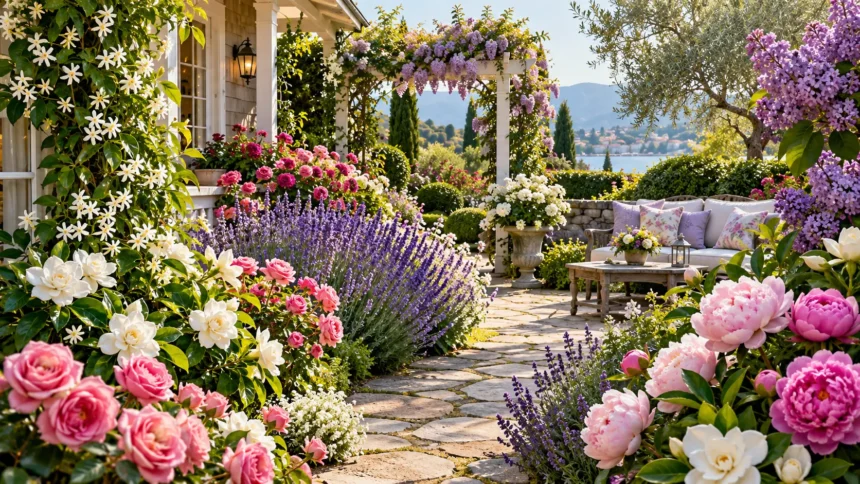
A garden filled with fragrant flowers creates a relaxing outdoor space where beautiful colors and pleasant scents come together. Scented flowers can transform an ordinary backyard into a welcoming retreat while attracting beneficial pollinators such as bees and butterflies. Whether you prefer sweet floral perfumes, fresh herbal fragrances, or rich evening scents, there are many beautiful flowers to grow.
Choosing the best fragrant flowers for your garden depends on your local climate, available sunlight, soil conditions, and personal preferences. Some scented plants bloom throughout summer, while others produce their strongest fragrance during spring or evening hours. Understanding these differences helps you create a garden that offers delightful aromas across multiple growing seasons.
From classic roses and lavender to jasmine, gardenias, and sweet peas, fragrant flowering plants provide countless landscaping opportunities. Many varieties also grow successfully in containers, making them suitable for patios, balconies, and small gardens. This guide explores the most fragrant garden flowers, their growing requirements, and practical tips for keeping them healthy.
Why Grow Fragrant Flowers in Your Garden?
Fragrant flowers add another sensory element to outdoor spaces by combining attractive blooms with natural aromas. A garden filled with scented plants can make patios, walkways, and seating areas more enjoyable. Different flowers release distinctive fragrances, allowing gardeners to create relaxing environments that reflect their preferred floral scents and landscape designs.
Many fragrant flowering plants also provide nectar and pollen for beneficial insects, although their value varies by species and flower structure. Bees, butterflies, and certain moths may visit suitable blooms throughout the growing season. Including a variety of flowering plants can support local pollinators while improving the visual appearance and biodiversity of your garden.
Growing aromatic flowers also offers opportunities for creative garden planning and seasonal interest. Some varieties work beautifully in borders, while climbing plants can decorate fences, arches, and trellises. By combining flowers with different blooming periods, gardeners can enjoy attractive displays and pleasant fragrances during much of the growing year.
Roses: Classic Flowers With Beautiful Fragrance
Roses are among the most popular fragrant flowers for home gardens because of their elegant appearance and diverse scents. Depending on the variety, rose fragrances may include fruity, citrus, spicy, or traditional floral notes. English roses, old garden roses, and certain hybrid tea varieties are particularly appreciated for their strong perfume and attractive blossoms.
Most garden roses grow best in locations receiving at least six hours of direct sunlight daily. They prefer fertile, well-drained soil enriched with organic matter and benefit from consistent watering during dry weather. Good air circulation and appropriate pruning help maintain healthy growth while reducing conditions that encourage common fungal diseases.
When selecting fragrant roses, remember that scent intensity varies considerably between cultivars. Popular scented varieties include ‘Gertrude Jekyll,’ ‘Munstead Wood,’ and ‘Double Delight,’ although their suitability depends on local conditions. Plant fragrant roses near garden paths or outdoor seating areas where visitors can appreciate their beautiful flowers and distinctive aromas.
Lavender: A Relaxing and Aromatic Garden Favorite
Lavender is a fragrant perennial valued for its silvery-green foliage and clusters of purple, blue, or pinkish flowers. Its distinctive herbal scent makes it a popular choice for garden borders, pathways, and container arrangements. Lavender also attracts pollinators when blooming, adding movement and seasonal interest to sunny outdoor spaces.
This aromatic plant performs best in full sunlight and well-drained soil that does not remain excessively wet. English lavender generally tolerates colder conditions better than some other commonly grown types. Spanish and French lavenders often prefer milder climates, making variety selection important when planning a fragrant garden.
Avoid overwatering lavender because prolonged moisture around its roots can encourage root problems. Established plants usually require less frequent watering than many other flowering perennials. Light pruning after flowering can maintain a compact shape, although cutting deeply into old woody stems may prevent healthy regrowth.
Jasmine: Sweetly Scented Climbing Flowers
Jasmine is famous for its sweet, rich fragrance and delicate flowers that can perfume surrounding garden areas. Different jasmine species produce white, yellow, or occasionally pinkish blooms, with flowering periods varying by type. Many gardeners grow scented jasmine near entrances, patios, and windows where its fragrance can be enjoyed.
Common jasmine, also known as Jasminum officinale, produces strongly scented flowers and can climb across suitable supports. Arabian jasmine, or Jasminum sambac, is another popular fragrant species that grows well in warm conditions. These plants differ in their cold tolerance, growth habits, and blooming seasons, so choosing the right species matters.
Most fragrant jasmines prefer bright sunlight, fertile soil, and good drainage, although some tolerate partial shade. Climbing varieties benefit from trellises or other sturdy supports that guide their growth. Regular watering during active growth and appropriate pruning can encourage healthy flowering while maintaining a manageable size.
Gardenias: Richly Fragrant White Blooms
Gardenias are admired for their creamy white flowers, glossy evergreen leaves, and intensely sweet fragrance. Their elegant appearance makes them attractive additions to garden beds, patios, and decorative containers. Gardenias are especially popular in warmer regions where their growing requirements can be maintained throughout much of the year.
These fragrant shrubs generally prefer acidic, organically rich soil with reliable drainage and consistent moisture. They perform well in bright conditions with some protection from intense afternoon sunlight in hot climates. Gardenias can be sensitive to cold temperatures, unsuitable soil pH, and irregular watering, which may affect flowering.
Yellowing leaves, unopened flower buds, or weak growth can indicate environmental problems that require attention. Testing soil conditions and adjusting watering practices can help gardeners identify potential causes. When successfully grown, gardenias reward careful maintenance with beautiful blossoms and a memorable perfume that can spread through nearby outdoor spaces.
Lilacs: Beautiful Spring Flowers With Strong Scent
Lilacs are flowering shrubs known for their colorful spring blooms and distinctive sweet fragrance. Their flower clusters commonly appear in shades of purple, lavender, pink, and white. These traditional garden favorites work beautifully as specimen shrubs, informal hedges, or flowering borders in landscapes with suitable seasonal conditions.
Most common lilacs grow best in full sunlight and well-drained soil with adequate air circulation. They typically perform better in climates with sufficiently cold winters, which help support normal flowering. Gardeners in warm regions may need to choose cultivars developed for milder conditions or consider alternative fragrant shrubs.
Pruning lilacs shortly after flowering helps maintain their shape without unnecessarily removing developing flower buds for the following season. Mature shrubs may require occasional removal of older stems to encourage renewed growth. Their concentrated spring bloom period makes them particularly valuable when combined with scented flowers that bloom later.
Sweet Peas: Colorful Flowers With Delicate Perfume
Sweet peas are climbing annual flowers celebrated for their delicate petals and delightful fragrance. Their blossoms appear in many colors, including pink, purple, red, cream, and white. Fragrant sweet peas are excellent choices for cottage gardens, flowering fences, and decorative trellises where their climbing stems can be supported.
These plants generally prefer cool growing conditions, fertile soil, and adequate sunlight. In warm climates, planting during cooler months can provide better results than exposing young plants to intense summer heat. Supporting their stems early helps encourage upright growth while reducing tangling and damage as the plants mature.
Removing faded flowers regularly can encourage continued blooming by reducing seed production. Sweet peas also make attractive cut flowers that bring natural fragrance into indoor arrangements. However, ornamental sweet peas are not edible and should not be confused with garden peas grown for food.
Honeysuckle: Fragrant Flowers for Fences and Trellises
Honeysuckle produces attractive tubular flowers that may release a pleasant fragrance, especially during warm evenings. Depending on the species, blossoms can appear in white, yellow, pink, orange, or red. Climbing honeysuckles are popular for covering trellises, fences, and garden arches while adding vertical interest to landscapes.
Many honeysuckle varieties grow successfully in sunny locations with reasonably fertile, well-drained soil. Their watering needs depend on climate, soil conditions, and the maturity of the plant. Providing suitable support allows climbing stems to spread naturally while keeping paths and surrounding garden areas accessible.
Choose honeysuckle species carefully because some varieties can spread aggressively or become invasive in certain regions. Native or locally recommended species are often better options for wildlife-friendly gardens. With appropriate selection and maintenance, fragrant honeysuckle can create a beautiful flowering feature that attracts visiting pollinators.
Freesias: Sweet Fragrance and Elegant Flowers
Freesias are popular fragrant flowers recognized for their graceful stems and colorful, funnel-shaped blooms. Their scent is often described as sweet and fresh, making them appealing additions to flower beds and containers. Freesias are also widely appreciated as cut flowers because their blossoms create attractive indoor arrangements.
These flowering plants grow from corms and generally prefer bright conditions with well-drained soil. They perform best during relatively cool growing periods and may struggle with prolonged excessive heat. Planting schedules depend on local climate, with outdoor growing particularly suitable in areas that experience mild winters.
Freesias require careful watering during active growth, but constantly wet soil can damage their underground storage structures. Taller flowering stems may need light support to prevent bending. After flowering, allow the foliage to mature naturally before it dies back, helping the corms store energy for future growth.
Hyacinths: Fragrant Flowers for Early Spring
Hyacinths are spring-flowering bulbs famous for their dense flower spikes and powerful fragrance. Their blossoms come in attractive shades of blue, purple, pink, white, and yellow. These compact plants are excellent for garden borders, spring containers, and planting areas where their scent can be appreciated at close range.
Most hyacinths prefer full sunlight or partial shade and well-drained soil. Their bulbs require an appropriate period of cool temperatures to support flowering, making them particularly suitable for temperate climates. Gardeners in warmer regions may need to purchase prepared bulbs or provide suitable chilling conditions.
Plant hyacinth bulbs at the depth recommended for their size and local growing conditions. Avoid waterlogged soil because excessive moisture can lead to bulb decay. After flowering, leave the foliage in place until it naturally yellows, allowing the bulbs to replenish energy for the following growing season.
Dianthus: Spicy-Scented Flowers for Garden Borders
Dianthus flowers are appreciated for their delicate fringed petals, attractive colors, and distinctive spicy fragrance. Some varieties produce a clove-like scent that makes them particularly enjoyable near garden paths and seating areas. Commonly known as pinks or carnations, these plants include annual, biennial, and perennial varieties.
Most dianthus plants perform best in full sunlight and well-drained soil. They are suitable for rock gardens, container displays, and low-growing flower borders where drainage is reliable. Choosing species appropriate for local temperatures and seasonal conditions helps encourage consistent growth and attractive flowering displays.
Removing faded blooms can extend flowering in many dianthus varieties and maintain a tidy appearance. Established plants generally prefer moderate watering rather than continuously saturated soil. Their compact growth, colorful flowers, and distinctive fragrance make dianthus an excellent choice for gardeners seeking aromatic plants in smaller spaces.
Tuberose: Intensely Fragrant Summer Flowers
Tuberose is a flowering plant known for its intensely sweet fragrance, which often becomes especially noticeable during the evening. Its elegant white flowers grow along tall stems and create striking vertical displays. Tuberose is particularly attractive near patios and outdoor sitting areas where its powerful scent can be enjoyed.
These plants prefer warm temperatures, full sunlight, and fertile soil with effective drainage. Tuberose grows from underground storage structures commonly sold as bulbs, although botanically they are tuberous rhizomes. Gardeners in cold climates can grow them in containers or lift and store the underground structures before damaging winter temperatures arrive.
Consistent moisture during active growth supports healthy foliage and flower development, but excessive watering should be avoided. Flower stalks may require support in exposed locations. Because their perfume can be very strong, consider planting tuberose in small groups rather than placing large numbers immediately beside frequently used seating areas.
Sweet Alyssum: Tiny Flowers With a Honey-Like Scent
Sweet alyssum is a low-growing flowering plant known for its clusters of tiny blossoms and delicate honey-like fragrance. Flowers commonly appear in white, purple, pink, and lavender shades. Its spreading growth habit makes it useful for garden edging, containers, and filling spaces between taller ornamental plants.
This fragrant annual or short-lived perennial performs well in sunny locations with reasonably well-drained soil. In particularly hot climates, some afternoon shade may help protect plants from excessive heat. Sweet alyssum often flowers most successfully during cooler growing periods, although performance varies depending on local weather conditions.
Light trimming after a major flowering period can encourage fresh growth and additional blooms in suitable conditions. Regular watering is especially important for container-grown plants because their soil dries more quickly. Sweet alyssum can also attract small beneficial insects, making it a useful addition to mixed ornamental plantings.
Night-Scented Stock: Fragrance for Evening Gardens
Night-scented stock is an appealing choice for gardeners who enjoy spending time outdoors after sunset. This flowering annual produces small blossoms that may appear relatively modest during daylight hours. However, its sweet fragrance becomes more noticeable during the evening, making it valuable for patios, balconies, and nighttime garden spaces.
Night-scented stock generally prefers cooler conditions, well-drained soil, and locations receiving sunlight or partial shade. It can be grown from seed directly in suitable garden beds or containers. Sowing small batches at different times during the appropriate season may extend the period when fresh flowers release their fragrance.
Plant night-scented stock close to outdoor seating areas or frequently used walkways to appreciate its evening perfume. Its informal growth habit works well alongside other cottage garden flowers. Combining it with visually striking daytime bloomers creates a balanced garden that offers both daytime beauty and nighttime fragrance.
How to Choose the Best Fragrant Flowers for Your Climate
Selecting fragrant flowers that suit your climate is essential for healthy growth and reliable blooming. Temperature, humidity, rainfall, and seasonal changes influence which plants perform successfully in a particular location. A flower that thrives in a cool climate may struggle in extreme heat, while tropical species often require protection from freezing temperatures.
Gardeners in warm climates may enjoy jasmine, gardenias, and tuberose where growing conditions remain suitable. Cooler regions often support lilacs, certain roses, and hardy lavender varieties more successfully. Checking plant hardiness information and local growing recommendations helps prevent disappointment and reduces the need for excessive maintenance.
Sunlight availability is another important consideration when choosing aromatic flowering plants. Some varieties need direct sunlight for abundant blooms, while others tolerate partial shade. Observing your garden throughout the day helps identify suitable planting locations and allows you to arrange flowers according to their individual growing requirements.
Tips for Growing Healthy and Fragrant Flowers
Healthy soil provides the foundation for strong flowering plants and reliable fragrance production. Most ornamental flowers benefit from soil that drains effectively and contains sufficient nutrients for active growth. Adding suitable organic matter can improve soil structure, although plants such as lavender often perform better in relatively lean, freely draining conditions.
Watering practices should reflect each flower’s requirements rather than following one schedule for every garden plant. Newly planted flowers generally need closer attention while their root systems become established. Avoid allowing water to collect around roots for extended periods, and adjust watering frequency according to rainfall, temperature, and soil moisture.
Regular maintenance also encourages attractive flowering and helps prevent common gardening problems. Remove damaged foliage, inspect plants for pests, and prune according to the needs of individual species. Appropriate feeding and adequate sunlight support healthy development, but excessive fertilizer can sometimes encourage leafy growth at the expense of flowers.
How to Design a Garden With Fragrance Throughout the Seasons
Creating a fragrant garden that remains appealing across multiple seasons requires combining plants with different flowering periods. Spring-blooming lilacs, hyacinths, and certain roses can provide early fragrance. Summer flowers such as lavender, jasmine, and tuberose may extend the aromatic experience when local temperatures and growing conditions are suitable.
Placement also influences how effectively fragrance can be enjoyed throughout your garden. Position strongly scented flowers near entrances, walkways, windows, and comfortable seating areas. Consider prevailing breezes and available sunlight when arranging plants, since airflow and environmental conditions can influence how flower scents travel through outdoor spaces.
Layering plants of different heights can create an attractive garden while making efficient use of available space. Combine low-growing sweet alyssum and dianthus with taller roses or climbing jasmine where conditions allow. Choosing compatible species with overlapping care requirements can simplify maintenance and create a balanced garden filled with seasonal color and natural fragrance.
Conclusion
Growing fragrant flowers is a wonderful way to make your garden more beautiful, welcoming, and enjoyable throughout the year. Roses, jasmine, lavender, gardenias, and other scented plants offer distinctive fragrances and attractive blooms. Choosing suitable varieties allows gardeners to create outdoor spaces that combine natural beauty with pleasant sensory experiences.
Successful fragrant gardening depends on matching plants with appropriate sunlight, soil, watering, and temperature conditions. Some flowers flourish in warm climates, while others need cooler growing seasons to produce abundant blooms. Planning around these requirements helps maintain healthier plants and encourages more reliable flowering across different seasons.
Whether you have a spacious backyard, a small patio, or a collection of garden containers, fragrant flowers can transform your outdoor environment. Start with a few varieties that suit your climate and gradually expand your collection. With thoughtful selection and consistent care, you can enjoy a colorful garden filled with delightful natural scents.
Frequently Asked Questions (FAQs)
1. What are the most fragrant flowers to grow in a garden?
Some of the most fragrant garden flowers include roses, jasmine, gardenias, lavender, lilacs, and tuberose. Their scent intensity varies by variety, growing conditions, and flowering time.
2. Which fragrant flowers are easiest to grow?
Sweet alyssum, dianthus, and suitable lavender varieties are relatively easy to maintain when their growing requirements are met. Choose plants that match your local climate, sunlight, and soil conditions.
3. Which flowers release the strongest fragrance at night?
Tuberose, night-scented stock, and certain jasmine varieties produce noticeable evening fragrances. These flowers are excellent choices near patios or seating areas where their scent can be appreciated after sunset.
4. Can fragrant flowers grow in pots?
Yes, many fragrant flowers, including lavender, jasmine, gardenias, dianthus, and sweet alyssum, can grow in containers. Choose appropriately sized pots with drainage holes and provide suitable sunlight, watering, and soil.
5. How can I make my garden smell fragrant all year?
Combine fragrant flowers with different seasonal blooming periods and choose varieties suited to your climate. Include spring, summer, and cooler-season bloomers to extend fragrance throughout as much of the year as possible.