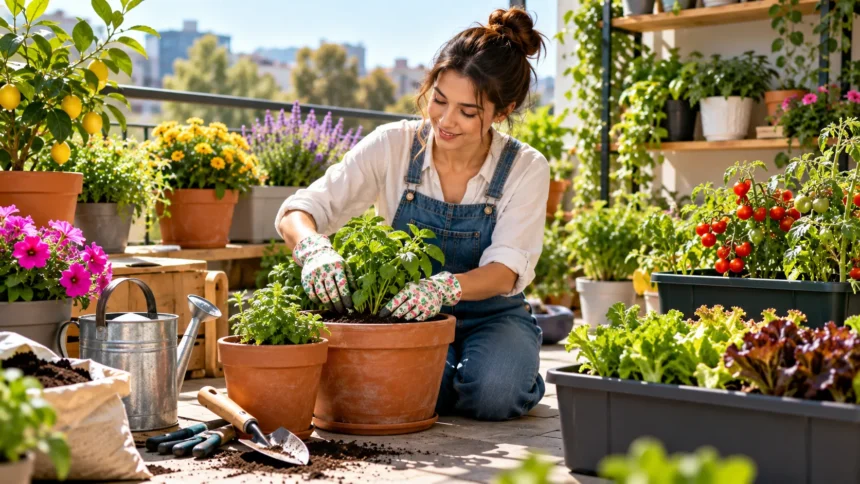
Container gardening is one of the easiest ways to grow beautiful plants, fresh vegetables, and colorful flowers without needing a large backyard. Whether you live in an apartment, have a small balcony, or want to decorate your patio, growing plants in containers offers flexibility and convenience. With a few basic supplies and proper care, almost anyone can create a thriving garden.
Unlike traditional gardening, container gardening allows you to control the growing environment more easily. You can choose suitable soil, move plants to better locations, and manage watering based on individual plant requirements. This container gardening for beginners guide explains how to select pots, choose plants, prepare soil, and maintain a healthy garden throughout the growing season.
What Is Container Gardening?
Container gardening is a growing method that involves cultivating plants in pots, planters, hanging baskets, or other suitable containers instead of directly in the ground. It is commonly used for vegetables, herbs, flowers, and ornamental plants. This gardening approach allows people to grow plants in spaces where traditional garden beds may not be available.
Containers can be placed on balconies, patios, windowsills, rooftops, and other locations with suitable light and environmental conditions. Gardeners can choose different pot sizes and materials depending on plant requirements and available space. Because the growing area is contained, it becomes easier to manage soil quality and arrange plants according to their needs.
Although container gardening is beginner-friendly, plants still require proper watering, sunlight, nutrients, and drainage. Their roots have less growing space than plants cultivated directly in the ground. Understanding these basic requirements helps beginners avoid common problems and create healthier plants in their small-space gardens.
Why Container Gardening Is Perfect for Beginners
One of the biggest advantages of container gardening is its flexibility. Beginners can start with just one or two pots instead of preparing an entire garden. This smaller starting point makes it easier to learn basic plant care techniques without investing heavily in equipment, materials, or complicated landscaping projects.
Container gardens also allow gardeners to make adjustments when growing conditions change. Pots can sometimes be moved away from excessive sunlight, strong winds, or heavy rain. This flexibility is particularly useful for people learning how different plants respond to seasonal weather conditions and changing amounts of natural light.
Another benefit is the opportunity to grow plants in limited spaces. Apartment residents, renters, and homeowners with paved outdoor areas can enjoy gardening without permanent modifications. With suitable containers and regular maintenance, beginners can cultivate herbs, vegetables, and decorative plants while gradually developing their gardening skills.
Choosing the Right Containers for Your Plants
Selecting appropriate containers is an essential step when learning container gardening for beginners. Pots should provide enough room for roots to grow while supporting adequate drainage. Small herbs may thrive in compact planters, while larger vegetables and shrubs often need deeper containers with greater soil capacity.
Container materials also influence plant care and maintenance requirements. Plastic pots are generally lightweight and retain moisture longer, while terracotta containers allow moisture to evaporate through their porous walls. Ceramic, fabric, and wooden planters offer additional options, although durability, weight, and weather resistance vary between materials.
Beginners should consider where containers will be placed before choosing their size and design. Large pots become heavy after filling them with moist soil and mature plants. Selecting containers that match available space, sunlight conditions, and maintenance preferences can make everyday gardening more manageable and enjoyable.
Understanding Drainage in Container Gardening
Proper drainage is one of the most important requirements for healthy container plants. Most plants need oxygen around their roots, and consistently saturated soil can create conditions that encourage root problems. Containers with suitable drainage openings allow excess water to escape and help prevent prolonged waterlogging.
Beginners should avoid using sealed decorative pots without a plan for removing excess water. A practical option is placing a nursery pot with drainage holes inside a decorative outer container. After watering, any accumulated water should be emptied so the roots do not remain submerged.
Adding gravel to the bottom of a pot does not reliably improve drainage and can reduce the space available for roots. Instead, use an appropriate potting mix and a container with drainage openings. Good drainage, combined with careful watering, supports stronger root growth and reduces common moisture-related problems.
Best Soil for Container Gardening
Container plants generally perform best in a suitable potting mix rather than ordinary garden soil. Quality potting mixes are designed to provide a useful balance of moisture retention, drainage, and air circulation. They are often lighter than garden soil, making them more appropriate for pots and raised planters.
Common potting mix ingredients include composted organic materials, coir, peat alternatives, perlite, and bark. Different combinations support different plant needs, so choosing a mix intended for your plant type is helpful. Succulents generally prefer faster-draining mixes, while many vegetables benefit from moisture-retentive media that still drain well.
Garden soil may become compacted inside containers, limiting air movement and root development. It can also introduce pests or unwanted organisms into a controlled growing environment. Using fresh, suitable potting mix provides beginners with a more dependable starting point and makes moisture management easier.
Best Plants for Container Gardening for Beginners
Beginners should start with plants that match their available sunlight, climate, and maintenance schedule. Herbs such as basil, parsley, chives, and mint can grow successfully in suitable containers. Mint is particularly convenient to grow in its own pot because its spreading roots can become difficult to manage in shared planting areas.
Flowers such as marigolds, petunias, and geraniums are also popular choices for container gardens. These plants can provide attractive colors throughout their growing seasons when their light and watering needs are met. Selecting healthy young plants from a reputable nursery may help beginners achieve faster results than starting everything from seeds.
Vegetables offer another rewarding option for people interested in growing food at home. Leaf lettuce, radishes, peppers, and compact tomato varieties may perform well in appropriately sized pots. Always check plant labels for mature size, light requirements, and growing conditions before combining several varieties in one container.
How to Start a Container Garden Step by Step
Begin by identifying a location with suitable sunlight and convenient access to water. Choose a few plants that can thrive under those conditions, then select appropriately sized containers with drainage holes. Gather quality potting mix, a watering can, and any supports required for the selected plants.
Fill each container with potting mix while leaving enough space near the rim for watering. Carefully remove the plant from its nursery pot and position it at approximately the same depth it was previously growing. Add potting mix around the root ball, gently firm it, and water thoroughly until excess moisture drains away.
After planting, place containers in their intended locations and monitor moisture levels regularly. Newly transplanted plants may need protection from intense afternoon sunlight while they adjust. Avoid making too many changes at once, since consistent conditions make it easier to understand how plants respond to their new environment.
How Much Sunlight Do Container Plants Need?
Sunlight requirements vary according to plant species and growing conditions. Many fruiting vegetables, including tomatoes and peppers, perform best with approximately six to eight hours of direct sunlight daily. Some herbs, leafy vegetables, and ornamental plants can tolerate partial shade, depending on the climate.
Before placing containers, observe how sunlight moves across your balcony, patio, or outdoor area. Buildings, walls, trees, and railings can create changing patterns of shade throughout the day. Understanding these conditions helps gardeners choose plants that are suited to their available growing space rather than forcing unsuitable varieties into difficult locations.
Intense afternoon heat can be challenging for container plants because their roots are exposed to changing temperatures. In particularly hot climates, some plants benefit from afternoon shade or lighter-colored containers. Choosing appropriate locations can reduce stress and help plants maintain healthier growth during warm weather.
How to Water Container Plants Correctly
Watering is one of the most important skills in container gardening. Plants growing in pots may dry out faster than garden plants because their roots are surrounded by a limited amount of soil. However, watering too frequently can create saturated conditions that interfere with healthy root development.
A practical approach is to check the potting mix before watering. Insert a finger into the upper layer of soil and assess whether it feels dry or moist, taking the plant’s requirements into account. When watering is needed, apply water slowly until it reaches the root zone and drains through the container.
Watering frequency changes with temperature, container material, plant size, and weather conditions. Small pots may need more frequent attention during hot periods, while larger containers generally retain moisture longer. Instead of following a rigid schedule, beginners should learn to recognize the moisture requirements of their individual plants.
Fertilizing Plants in Containers
Container plants depend on the nutrients available in their growing medium and any fertilizer supplied during maintenance. Because repeated watering can gradually remove certain nutrients, some plants benefit from supplemental feeding. Nutrient requirements vary depending on the species, potting mix, growth stage, and intensity of plant development.
Beginners can choose a balanced fertilizer appropriate for the plants they are growing. Slow-release fertilizers provide nutrients over time, while water-soluble products are applied according to specific instructions. Following label recommendations is important because excessive fertilizer can damage roots and negatively affect plant growth.
Signs of nutrient deficiencies may include pale leaves, weak growth, or reduced flowering, although these symptoms can have other causes. Before adding fertilizer, check watering practices, drainage, sunlight, and root conditions. Maintaining a suitable balance of nutrients supports healthy development without encouraging unnecessary or excessive feeding.
Growing Vegetables in Containers
Container vegetable gardening allows people to grow fresh produce in small outdoor spaces. Compact tomato varieties, peppers, lettuce, and radishes are commonly selected because they can adapt to container cultivation. Choosing vegetables based on available sunlight and seasonal temperatures helps increase the likelihood of a productive harvest.
Different vegetables require different amounts of growing space. Leafy greens may grow successfully in relatively shallow planters, while tomatoes usually need larger containers and suitable support structures. Follow variety-specific recommendations for container volume, plant spacing, and mature size rather than overcrowding several plants into one small pot.
Regular watering and appropriate feeding become particularly important when vegetables begin producing flowers or fruit. Monitor plants for insects, damaged leaves, and signs of moisture stress. Harvesting crops at the proper stage can improve eating quality and, for some vegetables, encourage continued production throughout the growing season.
Growing Herbs in Pots
Herbs are excellent choices for beginners because many varieties grow well in relatively small spaces. Basil, parsley, chives, oregano, and thyme can provide fresh ingredients for everyday cooking. Growing herbs near a convenient outdoor entrance or kitchen window may also make regular harvesting easier.
Different herbs have different growing preferences, so they should not always share the same container. Rosemary and thyme generally prefer well-drained conditions, while basil often needs more consistent moisture. Grouping herbs with similar watering and sunlight requirements can make routine maintenance simpler and reduce the risk of plant stress.
Harvest herbs carefully to encourage healthy growth and prevent unnecessary damage. Remove suitable leaves or stems without taking so much foliage that the plant struggles to recover. Regular observation also helps gardeners notice changes in leaf color, soil moisture, and overall plant health before problems become severe.
Creating a Beautiful Container Flower Garden
Flowering plants can transform balconies, patios, and entrances into inviting garden spaces. Containers make it possible to combine attractive colors, textures, and plant heights without requiring permanent landscape beds. Beginners can start with a few dependable flowering varieties and gradually experiment with more elaborate arrangements.
When combining flowers in one planter, choose plants with compatible sunlight, watering, and soil requirements. A mixture of upright plants, fuller middle growth, and trailing varieties can create an attractive display. However, each plant needs adequate root space, so decorative arrangements should not become excessively crowded.
Removing faded flowers may encourage additional blooming in certain species, although not all plants require this practice. Regular watering and appropriate fertilizer can also support flowering during the growing season. Selecting varieties suited to local weather conditions generally produces better results than choosing plants based only on appearance.
Container Gardening on Balconies and Patios
Balconies and patios can provide excellent locations for small container gardens when environmental conditions are suitable. Pots, hanging planters, and compact shelves allow gardeners to organize plants without occupying excessive floor space. Choosing containers that fit the available area helps maintain convenient access for watering and maintenance.
Before arranging large planters, consider weight restrictions, drainage, and exposure to strong winds. Wet potting mix and mature plants can create substantial loads, particularly when several containers are grouped together. Apartment residents should check building rules and structural limitations before installing heavy planters or suspended gardening equipment.
Vertical arrangements can make small areas more productive, but containers must remain secure and accessible. Plants positioned near walls or railings may receive different amounts of sunlight throughout the day. Observing these conditions helps gardeners create balanced layouts that support healthy growth while maintaining a comfortable outdoor environment.
Common Container Gardening Mistakes to Avoid
Overwatering is among the most common mistakes made by new container gardeners. Adding water without checking soil moisture may leave roots in persistently wet conditions. Using containers with proper drainage and learning each plant’s moisture preferences can help prevent this problem and support healthier root systems.
Another mistake is selecting containers that are too small for mature plants. Restricted root space can limit growth, increase watering requirements, and reduce overall plant performance. Gardeners should also avoid overcrowding multiple plants in one pot, particularly when those varieties have different growing requirements.
Ignoring sunlight and seasonal weather can create additional challenges. Plants that require full sun may struggle in deeply shaded locations, while shade-loving species may suffer in intense heat. Matching plant selection to environmental conditions is often more effective than attempting to correct unsuitable placement through extra watering or fertilizer.
How to Maintain a Healthy Container Garden
Regular observation is one of the simplest ways to keep a container garden healthy. Check plants for changes in leaf color, unusual growth patterns, pests, and moisture-related problems. Identifying small issues early often makes them easier to manage before they affect the entire plant or neighboring containers.
Routine maintenance may include removing damaged leaves, cleaning containers, checking drainage openings, and adjusting plant supports. Some species also benefit from pruning or repotting as they develop. However, maintenance should match the plant’s actual requirements because unnecessary pruning or frequent relocation can create additional stress.
Keeping simple notes about watering, sunlight, and plant performance can help beginners understand seasonal patterns. These observations are particularly useful when growing several varieties with different needs. Over time, consistent care and small adjustments help gardeners develop confidence and create healthier, more attractive container displays.
Seasonal Container Gardening Tips
Container gardening changes throughout the year as temperatures, daylight hours, and weather patterns shift. Spring often provides suitable conditions for starting many herbs, flowers, and warm-season vegetables, depending on local climate. Gardeners should check regional planting calendars rather than assuming every plant grows best during the same months.
Summer conditions can increase watering needs because warm temperatures encourage faster moisture loss from containers. During periods of extreme heat, sensitive plants may benefit from temporary shade and careful moisture monitoring. Choosing heat-tolerant varieties and avoiding unnecessary transplanting during stressful weather can also support healthier summer growth.
Autumn and winter require different adjustments depending on regional temperatures and plant hardiness. Some container plants need protection from frost, cold winds, or prolonged heavy rain. Moving suitable pots into sheltered locations and reducing watering when growth slows can help certain plants survive challenging seasonal conditions.
How to Save Money on Container Gardening
Starting a container garden does not require expensive decorative pots or elaborate gardening equipment. Beginners can reuse suitable containers when they are clean, durable, and equipped with adequate drainage. Affordable nursery plants, shared seeds, and basic hand tools may provide everything needed for a small gardening project.
Choosing plants carefully can also reduce unnecessary spending. Start with varieties suited to your climate and available sunlight instead of purchasing numerous plants at once. Growing herbs or vegetables that your household regularly uses may add practical value while helping you learn which plants perform best.
Avoid buying products before understanding whether your plants genuinely need them. Quality potting mix, suitable containers, and consistent care are often more important than collecting specialized accessories. By expanding gradually and reusing materials responsibly, beginners can enjoy gardening without creating an unnecessarily expensive hobby.
Conclusion
Container gardening for beginners offers an accessible way to grow vegetables, herbs, flowers, and decorative plants in limited spaces. With suitable containers, quality potting mix, and appropriate sunlight, even small balconies and patios can become productive growing areas. Understanding basic plant requirements is the foundation of creating a healthy and enjoyable container garden.
Successful container gardening depends on consistent observation and practical maintenance rather than complicated techniques. Proper drainage, careful watering, balanced fertilization, and appropriate plant selection help reduce common growing problems. Beginners who start with a few manageable plants can develop valuable experience before experimenting with larger or more demanding arrangements.
The most rewarding part of container gardening is learning how plants respond to care and environmental conditions. Every growing season offers opportunities to improve techniques and explore different plant varieties. With patience and attention, a simple collection of pots can develop into an attractive garden that brings greenery and fresh produce into everyday life.
Frequently Asked Questions (FAQs)
What is the easiest plant to grow in a container?
Herbs such as chives, parsley, and mint are often practical choices for beginners. The easiest option depends on local sunlight and climate, so choose plants suited to your growing conditions.
How often should I water container plants?
Watering frequency depends on plant type, temperature, container size, and potting mix. Check soil moisture regularly and water when appropriate rather than following the same fixed schedule for every plant.
Can I grow vegetables in small containers?
Yes, compact vegetables such as radishes, lettuce, and certain peppers can grow successfully in suitable containers. Choose varieties designed for limited space and provide adequate soil volume, sunlight, and water.
Do container plants need special soil?
Most container plants grow best in a quality potting mix designed for containers. These mixes generally provide better drainage and aeration than ordinary garden soil, supporting healthier roots and easier moisture management.
Is container gardening suitable for apartments?
Yes, container gardening can work well on apartment balconies, patios, and bright windowsills. Select plants based on available light, use appropriate drainage, and follow any building restrictions concerning weight and planter placement.