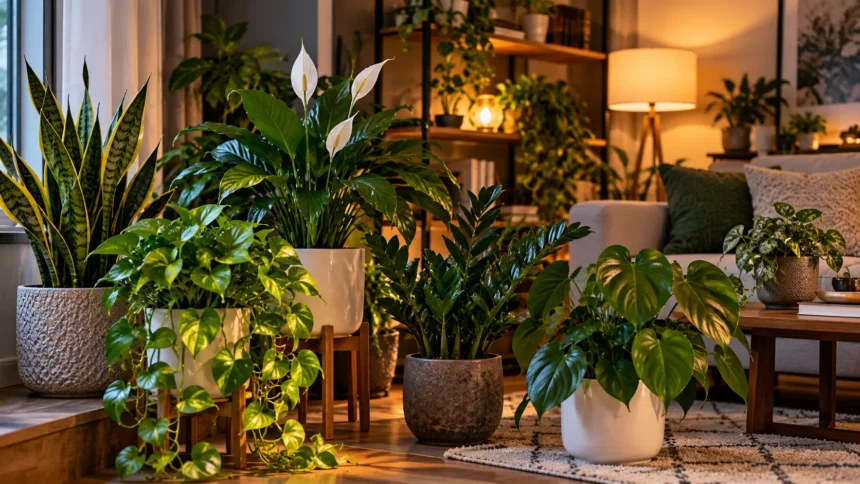
Indoor plants can transform ordinary living spaces into beautiful, comfortable, and welcoming environments. However, not every home receives enough natural sunlight to support traditional houseplants. Fortunately, several indoor plants can tolerate low-light conditions, making them excellent choices for apartments, bedrooms, offices, and rooms with small windows.
Choosing the best indoor plants for low-light rooms involves understanding how different plants respond to limited sunlight. Some varieties naturally grow beneath dense forest canopies, allowing them to survive with less direct light. These adaptable houseplants can bring greenery into shaded spaces without requiring complicated maintenance routines or specialized gardening experience.
Whether you prefer elegant leafy plants, compact tabletop greenery, or attractive hanging vines, many low-light houseplants can complement your interior design. Learning about suitable varieties, watering requirements, and proper placement will help you create a thriving indoor garden, even when natural sunlight is limited.
What Are Low-Light Indoor Plants?
Low-light indoor plants are houseplants that can survive and grow under reduced natural light compared with sun-loving varieties. Many originate from tropical forests, where taller trees filter sunlight before it reaches the forest floor. These conditions encourage certain plants to develop adaptations that help them use limited available light more efficiently for photosynthesis and healthy growth.
However, low light does not mean complete darkness, and even shade-tolerant houseplants require some illumination. A room with indirect daylight from a nearby window may support suitable plants, while a windowless room generally requires supplemental grow lighting. Understanding this distinction helps prevent common problems such as weak growth, yellowing leaves, and gradual plant decline.
The best plants for dark rooms are generally those that tolerate reduced sunlight without demanding constant attention. Species with deep green foliage often perform better in shade than varieties requiring bright light to maintain colorful patterns. Selecting plants according to actual lighting conditions creates a healthier indoor environment and makes everyday plant care considerably easier.
Snake Plant: A Hardy Choice for Low-Light Rooms
<italic>Dracaena trifasciata</italic>, commonly known as the snake plant, is one of the most popular low-maintenance indoor plants. Its upright, sword-shaped leaves create a striking architectural appearance that complements modern and traditional interiors. Although snake plants grow best in moderate to bright indirect light, they can tolerate relatively dim rooms better than many other houseplant varieties.
Snake plants are particularly suitable for beginners because they do not require frequent watering or complicated maintenance. Their thick leaves store moisture, allowing the plant to tolerate occasional dry periods without immediate damage. However, limited sunlight slows water consumption, so owners should allow the potting mix to dry thoroughly before watering to prevent root problems.
These plants work well beside furniture, in bedroom corners, or near windows with filtered daylight. Their vertical growth habit also makes them useful for smaller rooms where floor space is limited. Keep snake plants away from curious pets, as chewing their leaves can cause gastrointestinal discomfort and other symptoms.
ZZ Plant: An Easy-Care Plant for Shaded Spaces
The ZZ plant, scientifically known as <italic>Zamioculcas zamiifolia</italic>, is valued for its glossy green leaves and exceptional tolerance of reduced indoor light. Its attractive, upright stems provide a polished appearance that works beautifully in living rooms, offices, and hallways. Unlike many delicate tropical plants, ZZ plants can handle periods of neglect when growing conditions remain reasonably stable.
One important feature of the ZZ plant is its underground rhizomes, which store water and help it survive occasional dry conditions. Because the plant uses moisture slowly in shaded rooms, excessive watering can quickly become a problem. Allowing the soil to dry between watering sessions helps protect the roots and supports healthier long-term growth.
ZZ plants generally maintain their attractive foliage under indirect light, although growth becomes slower when illumination is limited. They prefer well-draining soil and containers with drainage holes that prevent water from accumulating around their roots. Like snake plants, ZZ plants should be kept away from pets that might chew their irritating foliage.
Pothos: A Beautiful Trailing Plant for Dim Rooms
Pothos, or <italic>Epipremnum aureum</italic>, is a popular trailing houseplant with attractive heart-shaped leaves and flexible growing habits. Its vines can cascade from shelves, hang from baskets, or climb suitable indoor supports. Pothos tolerates lower light levels, making it an appealing option for decorating living spaces that receive only moderate amounts of indirect sunlight.
Different pothos varieties display green, yellow, cream, or white leaf patterns that add visual interest to indoor arrangements. However, heavily variegated varieties usually need brighter indirect light to maintain their distinctive coloring. Green-leaved selections generally perform more reliably in dimmer areas, where colorful varieties may gradually produce less contrasting foliage.
Pothos prefers watering when the upper portion of its potting mix has dried rather than following a rigid daily schedule. Its leaves may droop when moisture becomes insufficient, although prolonged neglect can damage the plant. Positioning pothos within reach of indirect daylight helps maintain healthier growth, and its foliage should remain inaccessible to pets.
Cast Iron Plant: A Reliable Option for Very Low Light
The cast iron plant, known botanically as <italic>Aspidistra elatior</italic>, is famous for its durability and ability to tolerate challenging indoor growing conditions. Its broad, deep green leaves emerge from the base, creating a graceful appearance that complements shaded corners and traditional interiors. This plant is especially useful in homes where maintaining delicate houseplants has previously been difficult.
Cast iron plants naturally grow in sheltered environments and can tolerate lower light levels than many common indoor varieties. They generally grow slowly, particularly when sunlight is limited, but can remain attractive for years with suitable care. Providing occasional indirect daylight helps preserve healthy foliage while avoiding the damage that harsh direct sunlight can cause.
These hardy indoor plants prefer well-draining soil and moderate watering once the upper soil begins to dry. They also tolerate typical indoor temperatures without requiring unusually high humidity levels. Their combination of durability, elegant foliage, and relatively low maintenance makes them excellent options for people seeking dependable greenery in shaded rooms.
Peace Lily: Elegant Greenery With Attractive Flowers
Peace lilies, belonging to the genus <italic>Spathiphyllum</italic>, are popular indoor plants recognized for their glossy leaves and elegant white flower-like spathes. Their graceful appearance makes them attractive choices for bedrooms, offices, and living areas with filtered sunlight. Although peace lilies tolerate relatively low light, they usually flower more successfully when provided with brighter indirect illumination.
These tropical houseplants prefer consistently light moisture without remaining waterlogged for extended periods. Their leaves may droop noticeably when the soil becomes too dry, making it easier to recognize when watering is needed. However, frequent wilting can stress the plant, so maintaining balanced soil moisture is preferable to waiting for severe drooping.
Peace lilies also appreciate moderate humidity and protection from cold drafts or sudden temperature changes. Their broad leaves can collect dust, so gently wiping them occasionally helps maintain their appearance and allows better light absorption. Peace lilies are toxic to pets if chewed and should be placed where animals cannot reach them.
Chinese Evergreen: Colorful Foliage for Indirect Light
Chinese evergreen plants, commonly classified within the genus <italic>Aglaonema</italic>, offer attractive foliage in combinations of green, silver, cream, and sometimes pink or red. Their patterned leaves create visual interest without requiring elaborate decorative arrangements. Many green and silver varieties tolerate low-light environments, making them practical additions to bedrooms, offices, and shaded living rooms.
Not every Chinese evergreen variety performs equally well under reduced lighting conditions. Plants with heavily pink, red, or cream-colored foliage often need brighter indirect light to preserve their attractive patterns. Choosing darker green varieties can provide more reliable results when decorating rooms with limited natural daylight throughout the year.
Chinese evergreens prefer loose, well-draining soil and watering after the upper layer becomes slightly dry. They generally appreciate stable indoor temperatures and moderate humidity, particularly during periods of dry indoor air. Avoid placing them near cold drafts, and remember that their foliage contains compounds that can irritate pets if consumed.
Heartleaf Philodendron: Soft Green Vines for Indoor Spaces
The heartleaf philodendron, commonly known as <italic>Philodendron hederaceum</italic>, features attractive heart-shaped leaves that create a soft, natural appearance indoors. Its trailing stems look beautiful along bookshelves, hanging baskets, or decorative plant stands. This adaptable tropical houseplant tolerates moderately low light, making it useful for spaces without strong direct sunlight.
Heartleaf philodendrons grow more vigorously when they receive bright indirect light, but they can remain healthy under reduced illumination. Very dark conditions may cause slower growth, longer gaps between leaves, and smaller foliage over time. Keeping the plant near a window that provides gentle daylight helps maintain a fuller, more attractive appearance.
Watering should occur when the upper layer of potting soil becomes dry, allowing excess moisture to drain completely. These plants also benefit from occasional pruning, which can encourage branching and maintain a compact shape. Because philodendron foliage can cause irritation if chewed, households with pets should consider safer placements or alternative plants.
Parlor Palm: A Tropical Look Without Strong Sunlight
The parlor palm, scientifically called <italic>Chamaedorea elegans</italic>, is a graceful houseplant with delicate green fronds and a naturally compact growing habit. Its elegant foliage creates a tropical atmosphere without requiring intense sunlight or complicated maintenance. Parlor palms are particularly well suited to living rooms, offices, and bedrooms with gentle indirect natural light.
Unlike sun-loving palm varieties, parlor palms generally prefer filtered illumination and can tolerate relatively shady indoor conditions. Direct afternoon sunlight may scorch their delicate leaves, while extremely dark environments can slow their development. Positioning them near a softly illuminated window provides a useful balance between adequate light and protection from excessive exposure.
Parlor palms prefer slightly moist but well-drained soil, making careful watering important for their overall health. They can also benefit from moderate humidity, especially in homes with dry indoor air. Their attractive foliage and generally pet-friendly nature make them appealing alternatives to several commonly grown houseplants that contain irritating substances.
Spider Plant: A Versatile Plant for Filtered Light
Spider plants, known scientifically as <italic>Chlorophytum comosum</italic>, are recognizable by their long, arching leaves and small plantlets that develop along trailing stems. Their distinctive appearance makes them attractive additions to shelves, hanging baskets, and tabletop displays. Although spider plants prefer bright indirect sunlight, they can adapt to moderately shaded indoor environments.
In lower light, spider plants may produce fewer plantlets and develop more slowly than those growing near brighter windows. Variegated varieties can also lose some visual contrast when illumination remains insufficient. Providing filtered daylight helps maintain stronger foliage growth and encourages the plant to produce the familiar baby plants that make it popular.
Spider plants prefer watering when the upper soil begins to dry, rather than allowing the pot to stay constantly saturated. Brown leaf tips may develop from several causes, including inconsistent watering, mineral buildup, or dry conditions. Their adaptable growth habits and generally pet-friendly reputation make them convenient choices for many indoor households.
Dracaena: Stylish Upright Plants for Low-Light Interiors
Dracaena plants are widely appreciated for their upright stems, attractive foliage, and ability to complement modern indoor spaces. Different varieties feature narrow, arching, or broad leaves with distinctive green and patterned appearances. Many dracaenas tolerate reduced light, although their growth and foliage quality are generally better when they receive moderate indirect illumination.
Popular varieties include the corn plant, or <italic>Dracaena fragrans</italic>, which has broad, arching leaves and an attractive tree-like form. Green-leaved varieties often adapt better to shaded conditions than heavily variegated selections. Their vertical structure makes them especially useful for decorating empty corners without requiring large amounts of floor space.
Dracaenas prefer well-draining soil and careful watering after the upper portion of the potting mix dries. Keeping their leaves clean and protecting them from temperature extremes helps maintain a healthy appearance. Some dracaenas are sensitive to minerals in tap water, and many varieties are toxic to dogs and cats.
How to Choose the Right Low-Light Plant for Your Room
Choosing suitable indoor plants begins with evaluating how much natural daylight actually enters the room. Consider the size of nearby windows, their direction, and whether buildings, curtains, or trees block incoming sunlight. Observing lighting conditions throughout the day helps you distinguish between moderately shaded spaces and areas that may be too dark for healthy plant growth.
Your available space and preferred maintenance routine should also influence which plants you select. Tall snake plants and dracaenas work well in narrow corners, while pothos and heartleaf philodendrons suit hanging arrangements. People who prefer less frequent watering may appreciate ZZ plants, whereas peace lilies require more consistent attention to soil moisture.
Households with children or pets should carefully consider plant safety before bringing new varieties indoors. Some popular low-light plants contain irritating or toxic compounds that can cause problems when chewed or swallowed. Selecting appropriate varieties, using secure containers, and positioning plants thoughtfully helps create an attractive indoor garden that fits everyday household needs.
Essential Care Tips for Indoor Plants in Low-Light Rooms
Proper watering is one of the most important factors in maintaining healthy low-light indoor plants. Because reduced sunlight slows photosynthesis and water consumption, potting soil often stays moist longer than it would in brighter locations. Checking soil moisture before watering helps prevent overwatering, root rot, and other problems commonly associated with shaded indoor environments.
Choosing suitable containers and potting mixes also supports healthy plant development. Pots with drainage holes allow excess water to escape, while well-aerated soil helps roots receive oxygen and prevents unnecessary moisture buildup. During cooler months, many indoor plants grow more slowly and require less frequent watering and fertilization than during active growing periods.
Low-light plants also benefit from occasional cleaning, careful placement, and regular observation for signs of stress. Dusty leaves can reduce light absorption, making gentle cleaning especially helpful in rooms with limited illumination. If stems become unusually stretched or growth stops for extended periods, moving the plant closer to indirect daylight may improve its condition.
Common Mistakes to Avoid With Low-Light Houseplants
One common mistake is assuming that shade-tolerant plants can survive indefinitely in completely dark rooms. Although certain species tolerate limited sunlight, all living green plants require adequate light for photosynthesis. Placing houseplants in windowless spaces without supplemental lighting can gradually weaken their growth and eventually cause serious health problems.
Overwatering is another frequent issue because soil dries more slowly when plants receive less light. Watering according to a strict calendar rather than checking soil conditions can leave roots constantly saturated. Choosing containers with proper drainage and adjusting watering frequency according to seasonal changes helps prevent unnecessary stress and long-term damage.
Many plant owners also overlook the importance of matching individual species to their specific environment. A plant that tolerates low light may still struggle with cold drafts, excessive heat, unsuitable soil, or extremely dry air. Understanding each variety’s basic requirements improves the likelihood of maintaining healthy foliage and attractive indoor greenery.
Conclusion
The best indoor plants for low-light rooms combine attractive foliage with an ability to tolerate reduced natural sunlight. Snake plants, ZZ plants, cast iron plants, pothos, and several other varieties can adapt to shaded indoor environments. Choosing plants according to actual light levels helps create comfortable, inviting spaces without demanding complicated gardening routines.
Successful low-light indoor gardening depends on proper watering, suitable containers, and realistic expectations about plant growth. Even shade-tolerant houseplants need enough illumination to remain healthy, and many perform better near windows with gentle indirect daylight. Paying attention to soil moisture, leaf condition, and seasonal changes makes everyday plant care easier and more effective.
Whether you are decorating a small apartment, improving an office, or adding greenery to a shaded bedroom, suitable houseplants can enhance your interior surroundings. Start with one or two manageable varieties and learn their individual needs before expanding your collection. With thoughtful placement and consistent care, low-light indoor plants can remain attractive additions to your home for years.
Frequently Asked Questions (FAQs)
What Is the Best Indoor Plant for a Very Dark Room?
Cast iron plants, ZZ plants, and snake plants are among the better options for rooms with limited natural light. However, completely dark rooms require supplemental grow lighting to support healthy long-term plant growth.
Can Indoor Plants Survive Without Sunlight?
Indoor plants can survive without direct sunlight if they receive sufficient indirect daylight or appropriate artificial grow lighting. However, plants cannot remain healthy indefinitely in complete darkness because photosynthesis requires light.
Which Low-Light Indoor Plants Need the Least Water?
Snake plants and ZZ plants generally require less frequent watering than many tropical houseplants. Their moisture-storing structures help them tolerate occasional dry periods, making them suitable for people who prefer simpler plant care.
Are Low-Light Indoor Plants Suitable for Bedrooms?
Yes, many low-light houseplants are suitable for bedrooms with some indirect natural light. Parlor palms, spider plants, and cast iron plants can be attractive options, depending on available space and household safety considerations.
How Often Should You Water Plants in Low-Light Rooms?
Watering frequency depends on the plant variety, soil moisture, temperature, and container size. Because shaded rooms often slow soil drying, check the potting mix before watering instead of following a fixed schedule.