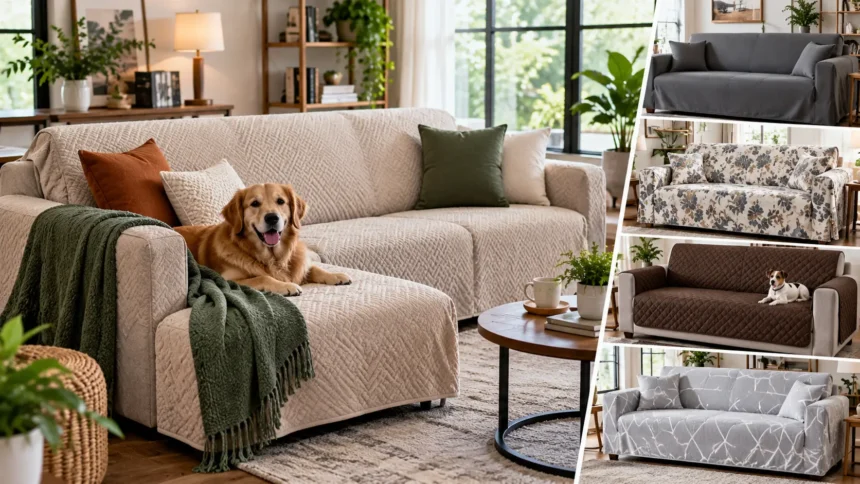
Sofa Covers: Best Styles for Protection & a Fresh Look
Sofa covers are one of the easiest ways to protect furniture while giving a living room a completely different appearance without replacing the sofa itself. Also called couch covers or slipcovers, they help shield upholstery from spills, pet hair, dust, stains, scratches, and everyday wear. Modern sofa covers are available in far more styles than the loose, oversized designs many people remember from the past. You can now find stretch-fit covers, waterproof options, quilted protectors, fitted slipcovers, sectional covers, and decorative throws designed for different furniture shapes. The right choice can extend the life of a sofa while making cleaning easier. It can also refresh outdated furniture at a fraction of the cost of buying something new.
Choosing the best sofa cover depends on how you use your living space and what you want the cover to accomplish. A home with children or pets may need a durable, washable protector, while a formal living room may benefit more from a tailored slipcover with a polished appearance. Fabric, size, fit, color, construction, and maintenance all affect how well a cover performs over time. Some materials prioritize softness and style, while others focus on water resistance or heavy-duty protection. Understanding these differences makes it easier to avoid covers that constantly slip, wrinkle, or wear out. This guide explores popular sofa cover styles, materials, benefits, sizing tips, cleaning advice, pet-friendly options, and practical ways to create a fresh new look.
What Are Sofa Covers and Why Are They Useful?
A sofa cover is a removable layer of fabric designed to fit over some or all of a sofa’s upholstery. Depending on the design, it may cover the entire frame, only the seating area, or individual cushions. Some covers stretch around furniture tightly, while others drape loosely and are secured with ties, straps, or tucked fabric. Their primary purpose is to create a protective barrier between everyday activity and the original upholstery. This protection can be especially useful on sofas that are expensive, difficult to clean, or made from delicate materials. A removable cover allows many everyday messes to be handled in the washing machine rather than requiring professional upholstery cleaning.
Protection from stains is one of the main reasons people buy sofa covers. Drinks can spill, food crumbs can fall between cushions, and children may bring dirt from other parts of the house. Even careful households eventually experience small accidents that can leave permanent marks on light-colored upholstery. A washable couch cover catches much of that mess before it reaches the original fabric underneath. Some options also include water-resistant or waterproof layers that provide additional protection against liquids. While no cover should be treated as completely indestructible, the right design can significantly reduce the amount of direct wear a sofa receives.
Sofa protectors are also valuable in homes with pets. Dogs and cats can leave hair, dander, muddy paw marks, and occasional scratches on furniture. A durable pet sofa cover creates a surface that can be removed and cleaned more easily than upholstery. Quilted covers are popular for this purpose because they offer an additional layer between claws and the sofa fabric. Some covers also have non-slip backing or straps to keep them in place when pets jump on and off the furniture. Choosing a tightly woven, washable material can make daily maintenance much easier for pet owners.
Another benefit is the ability to update the room without purchasing new furniture. A sofa often occupies a large visual area, so changing its color or texture can affect the entire living room. Neutral slipcovers can make bold furniture feel calmer, while textured or patterned designs can add character to a simple sofa. Seasonal changes are also possible because one cover can be used during warmer months and another during winter. This flexibility works well for renters or homeowners who enjoy changing décor frequently. Instead of committing to new upholstery, a cover provides a reversible and comparatively inexpensive update.
Sofa covers can also help extend the useful life of older furniture. A comfortable sofa may still be structurally sound even when its upholstery looks faded, stained, or outdated. Covering the worn surface allows homeowners to continue using the furniture while improving its appearance. This can postpone the cost and waste associated with replacing a large item before necessary. However, a cover will not repair broken frames, collapsed cushioning, or serious structural damage. It works best when the underlying sofa is still comfortable and functional but needs cosmetic protection or improvement.
Best Types of Sofa Covers for Different Needs
Stretch sofa covers are among the most popular choices because they provide a relatively fitted appearance without requiring custom upholstery work. These covers are usually made from elastic fabrics containing polyester, spandex, or similar materials that expand around the sofa. They work especially well on standard couch shapes with defined arms and backrests. Extra fabric is tucked into the gaps around cushions to create a smoother finish. Stretch slipcovers come in many colors, patterns, and textures, making them suitable for both protection and decorating. The quality of the fit depends heavily on choosing the correct size and matching the cover to the general shape of the sofa.
Quilted sofa protectors are designed primarily for practical protection rather than a completely upholstered appearance. They usually cover the seat, backrest, and arms while leaving parts of the sofa visible. This style is particularly popular with pet owners and families because quilted fabric can provide good coverage against hair, dirt, and everyday spills. Many designs can be quickly removed and machine washed. Straps or elastic bands may help keep the protector attached to the sofa. Because the entire furniture frame is not hidden, quilted protectors work well when you still like the sofa’s original appearance but want extra protection in high-contact areas.
Separate cushion covers provide a more tailored option for sofas with removable seat and back cushions. Instead of covering the entire sofa with one large piece of fabric, each cushion receives its own fitted cover. This can create cleaner lines and reduce the amount of material that needs to be tucked into gaps. Separate covers are also practical because individual pieces can be washed when only one cushion becomes dirty. Some full slipcover sets combine a main frame cover with separate cushion pieces for a more custom-looking result. They generally require more effort to install than a simple draped protector but can produce a much neater appearance.
Waterproof sofa covers are useful when protection from liquids is a priority. They typically contain a moisture-resistant layer beneath the visible fabric that helps prevent spills from reaching the upholstery. These covers can be valuable in homes with young children, pets, or anyone who regularly eats and drinks on the sofa. Water resistance can vary considerably between products, so buyers should distinguish between genuinely waterproof construction and fabric that merely repels small spills temporarily. Seams can also become weak points where moisture eventually passes through. Promptly cleaning spills remains important even when a waterproof sofa protector is being used.
Traditional loose-fit slipcovers remain a strong choice for people who prefer a relaxed, casual style. They are often made from cotton, linen blends, canvas, or other woven fabrics and drape over the entire sofa. Ties, skirted edges, or strategically tucked sections help shape the fabric around the furniture. This style can work well with farmhouse, cottage, coastal, and traditional interiors. Loose slipcovers are forgiving when furniture shapes are irregular because they do not depend on precise stretch measurements. They may require occasional straightening, but many people appreciate their softer and more natural appearance.
Best Sofa Cover Materials and Fabrics
Polyester is one of the most widely used materials for sofa covers because it is durable, relatively affordable, and easy to maintain. It resists wrinkles better than many natural fabrics and can often handle frequent washing without losing its shape quickly. Polyester is also commonly blended with spandex to create stretch sofa covers that conform closely to furniture. The fabric can be produced in smooth, textured, velvet-like, or patterned finishes, giving shoppers many decorative options. One limitation is that some low-cost polyester covers can feel thin or synthetic. Checking fabric weight and construction can help identify a more substantial option.
Cotton sofa covers appeal to people who prefer breathable, soft, natural-feeling materials. Cotton is comfortable in warm climates and often creates a relaxed appearance that suits casual living spaces. Heavy cotton canvas can also provide respectable durability for everyday family use. However, untreated cotton absorbs liquids more readily than synthetic fabrics and may stain if spills are not cleaned promptly. It can also shrink or wrinkle depending on how it is washed and dried. Pre-shrunk fabrics and manufacturer washing instructions are therefore important. Cotton works especially well when comfort and appearance matter more than maximum water resistance.
Linen and linen-blend sofa covers offer a more refined texture and are often chosen for minimalist, coastal, Scandinavian, or contemporary interiors. Natural linen has a distinctive slightly rumpled appearance that many people find attractive. It is breathable and can become softer with use, but pure linen may wrinkle easily and often costs more than polyester or cotton alternatives. Blended fabrics can provide some of linen’s visual qualities while improving durability and reducing maintenance. Light-colored linen covers can create a bright, airy room, although they may show marks more easily. Washability should always be checked before choosing linen for a high-traffic household.
Velvet and plush sofa covers are popular when the goal is to make furniture feel warmer and more luxurious. Their soft surface adds visual depth and can make an ordinary sofa look more expensive. Stretch velvet covers are especially common because they combine softness with a fitted shape. These materials can be comfortable during colder seasons and work well in bedrooms, formal living areas, or cozy family rooms. Pet hair may be more visible on some velvet finishes, and the pile can show directional marks after sitting or brushing. Regular vacuuming and careful washing help keep the texture looking consistent.
Microfiber and tightly woven synthetic fabrics are practical choices for high-use furniture. Their dense construction can resist everyday abrasion and make it harder for dirt to penetrate deeply into the cover. Some microfiber materials also repel small liquid spills long enough for them to be wiped away. These qualities make microfiber couch covers suitable for families, pets, rental properties, and frequently used living rooms. Texture varies from smooth to suede-like, so comfort should be considered alongside durability. For homes with pets, tightly woven materials are generally preferable to loose loops that claws can catch and pull.
How to Choose the Right Sofa Cover Size and Fit
Accurate measurements are essential because even a high-quality sofa cover can look disappointing when the size is wrong. Start by measuring the overall width of the sofa from the outside edge of one arm to the outside edge of the other. Depending on the cover style, you may also need measurements for back height, seat depth, arm width, and cushion dimensions. Manufacturers often provide a size range rather than one exact measurement. Your sofa should fall comfortably within that recommended range rather than sitting at the extreme edge whenever possible. Measuring before shopping is more reliable than assuming a cover labeled “three-seater” will fit every three-seat sofa.
Sofa shape matters almost as much as width. A standard rectangular couch with straight arms is easier to cover than furniture with oversized rolled arms, unusually deep seats, reclining sections, or attached cushions. Stretch slipcovers work best when the sofa resembles the shape shown in the product design. A cover created for square arms may fit awkwardly over thick rounded arms even when the overall width is technically correct. Check whether the sofa has removable or fixed cushions as well. Separate cushion covers can provide a much better finish when cushions can be removed individually.
Sectional sofas require a different approach because they are composed of multiple connected pieces. A single universal cover rarely provides a clean fit across an L-shaped or U-shaped sectional. Modular cover sets allow individual sections to be covered separately, which makes adjustment easier. Buyers should identify the number of seats, chaise orientation, corner sections, and whether the sectional can be separated. Left-facing and right-facing chaise configurations can require different cover designs. Measuring each individual module is often more accurate than treating the sectional as one large sofa. Some households also use decorative throws strategically when full sectional slipcovers are difficult to fit.
Once installed, the cover should be secured properly to reduce slipping and wrinkles. Stretch covers usually include elastic edges that wrap underneath the sofa, while foam or fabric anchors can be pushed into gaps around the cushions. Other styles use adjustable straps that connect beneath or behind the furniture. Non-slip backing can be helpful on smooth leather or synthetic upholstery, where ordinary covers may slide more easily. After installation, smooth the fabric from the center outward rather than pulling randomly from different directions. Taking a few extra minutes during fitting can make an inexpensive cover look substantially more polished.
Remember that a “perfect fit” means something different for universal and custom covers. Ready-made universal slipcovers are designed to accommodate many sofa shapes, so some folds and adjustments are normal. Custom sofa covers are created to match specific furniture dimensions and can produce a more tailored appearance, but they cost considerably more. Semi-custom options offer a middle ground by combining standard frame covers with separate cushion pieces. Buyers should decide how much visual precision matters before spending more. A family room may prioritize quick removal and washing, while a formal living room may justify a more fitted solution.
Sofa Covers for Pets, Kids and High-Traffic Homes
Homes with dogs and cats need sofa covers that can handle frequent washing and everyday friction. Pet hair, paw prints, drool, and outdoor dirt can quickly affect exposed upholstery, especially when animals are allowed on furniture regularly. Machine-washable covers make maintenance much more manageable because the protective layer can be cleaned whenever needed. Darker or patterned fabrics can hide small marks between washes, although color choice should also consider the pet’s fur. A tightly woven material generally performs better than delicate knits. Durability becomes more important than decorative detail when pets use the sofa every day.
Scratch resistance should also be considered, particularly in homes with cats or large dogs. No ordinary fabric cover can guarantee complete protection against determined scratching, but thicker quilted or densely woven materials can reduce minor damage. Covers with loose threads, fringe, or open weaves may attract claws and deteriorate quickly. Keeping pet nails trimmed can help protect both the cover and the original upholstery. Cat owners may also benefit from providing dedicated scratching posts near common resting areas. The sofa cover works best as one part of a broader strategy rather than the only defense against scratching behavior.
Young children create different challenges because spills may happen more frequently. Waterproof or water-resistant couch covers can provide valuable extra time to wipe up drinks before moisture reaches the sofa. Washable fabrics are particularly useful for juice, snacks, markers, and everyday dirt. Families may prefer darker neutral shades, subtle patterns, or textured materials that do not show every small mark. Removable individual cushion covers can also make cleanup easier because one section can be washed instead of stripping the entire sofa. Always follow cleaning instructions carefully so protective coatings are not damaged by inappropriate detergents or high heat.
High-traffic living rooms need covers that resist stretching and slipping. When several people use a sofa every day, thin covers can gradually shift toward the center or become loose around the arms. Elastic construction, secure straps, tuck-in anchors, and non-slip backing can improve stability. Heavier fabrics are often less likely to move than extremely lightweight materials. Separate cushion pieces also tend to stay neater because sitting pressure does not pull the entire cover across the frame. Selecting a durable cover initially can be more economical than replacing inexpensive options repeatedly.
Rental properties and vacation homes can also benefit from protective sofa covers. Furniture in these spaces may be used by many different people, increasing the likelihood of spills and general wear. Neutral, easy-care covers allow hosts and property managers to refresh seating quickly between guests. Having a spare cover makes it possible to replace one immediately while the other is being washed. This can also extend furniture life and reduce the frequency of professional upholstery cleaning. For commercial or rental use, simple maintenance and durability are often more valuable than delicate decorative materials.
How Sofa Covers Can Give Your Living Room a Fresh Look
Changing the color of a sofa can transform the visual balance of an entire room because the sofa is usually one of the largest furniture pieces. A dark couch covered in cream, beige, or light gray can immediately make a living space feel brighter. Conversely, a deeper green, navy, charcoal, or brown cover can give a pale room more visual weight. Neutral colors provide flexibility because cushions, rugs, and artwork can be changed without clashing. Bold colors work well when the sofa is intended to become a focal point. The best choice should complement the room rather than being selected in isolation.
Texture is just as important as color when refreshing furniture. A velvet slipcover creates a very different atmosphere from linen, cotton canvas, or smooth microfiber. Textured fabrics can make simple neutral colors feel more interesting without relying on strong patterns. Ribbed, jacquard, waffle, and chenille-style covers are increasingly popular because their surface detail can help disguise small wrinkles and everyday marks. Smooth materials provide a cleaner, more minimal appearance. Combining the cover texture with contrasting cushions or throws creates additional depth without requiring expensive changes elsewhere in the room.
Patterns can add character when plain furniture feels too predictable. Geometric designs work well in modern interiors, while florals can suit traditional, cottage, or eclectic spaces. Subtle checks, stripes, and abstract patterns can also hide pet hair and minor stains more effectively than perfectly solid fabric. Pattern scale matters because very large prints can overwhelm a small sofa or compact room. Smaller designs are usually easier to coordinate with existing rugs and curtains. If several other surfaces already feature strong patterns, a simple sofa cover may create better visual balance.
Seasonal styling is another practical reason to keep more than one sofa cover. Lightweight cotton or linen-look fabrics can create a cooler visual feeling during spring and summer. Richer textures such as velvet or heavy woven materials can make the same furniture feel warmer during autumn and winter. Changing a sofa cover takes less effort than replacing major furniture and can be combined with new cushion covers for an inexpensive seasonal refresh. Storage is also relatively simple when spare covers are folded neatly. This approach gives people who enjoy decorating more flexibility without creating unnecessary furniture waste.
A fresh look depends on presentation as well as the cover itself. After installing the slipcover, take time to smooth wrinkles, align seams, and tuck extra material evenly. Add cushions in complementary colors and use a throw strategically rather than covering every visible surface. Keeping the surrounding coffee table, rug, lighting, and décor relatively coordinated helps the sofa look intentional instead of temporarily hidden. Even an affordable universal cover can look more sophisticated when styled carefully. The objective is to make the cover feel like part of the room’s design rather than simply a protective sheet.
How to Clean and Maintain Sofa Covers
Always check the care label before washing a sofa cover because fabric blends and protective coatings require different treatment. Many polyester, cotton, and microfiber covers are machine washable, but water temperature and cycle recommendations vary. Using hotter water than recommended can shrink fabric, damage elastic, or weaken waterproof layers. Delicate decorative materials may require hand washing or professional cleaning. Covers should also be inspected for zippers, straps, foam anchors, or removable hardware before being placed in a washing machine. Following the manufacturer’s instructions helps preserve both appearance and fit over repeated cleaning cycles.
Vacuuming between washes can greatly reduce the amount of dirt that becomes embedded in the fabric. A handheld vacuum or upholstery attachment can remove crumbs, pet hair, dust, and loose debris from the seat and back areas. This is particularly useful for quilted or textured covers where particles collect in seams. Pet owners may also use a lint roller or reusable hair-removal tool for quick maintenance. Removing dry debris first makes later washing more effective. Regular light cleaning is usually easier on the fabric than waiting until the cover becomes heavily soiled.
Spills should be addressed quickly whenever possible. Blot liquids with a clean absorbent cloth rather than rubbing aggressively, which can spread the stain deeper into the fibers. If the cover is removable and washable, follow the recommended stain-treatment process before laundering. Avoid assuming that stronger bleach or harsh chemicals will produce better results because they may damage color and fabric coatings. Test unfamiliar cleaning products on a hidden area first when appropriate. Even waterproof covers benefit from quick cleanup because liquids may eventually move through seams or exposed edges.
Drying methods can affect fit significantly. High dryer heat may shrink cotton fabrics, damage elastic fibers, or weaken laminated waterproof layers. Some sofa covers are designed for low-temperature tumble drying, while others should be air dried. Reinstalling certain stretch covers while they are slightly damp can sometimes help reduce wrinkles, but only when the manufacturer’s instructions permit it. Avoid putting a damp cover back on furniture if moisture could become trapped against the upholstery. Proper drying reduces odor, mildew risk, and unwanted changes in size.
Rotating between two sofa covers can make maintenance easier in busy households. While one cover is being washed or dried, the second keeps the furniture protected. This is especially practical for homes with pets, children, or frequent guests. Covers should be repaired when small seams or elastic sections begin to fail rather than waiting until damage becomes extensive. Proper storage also matters for seasonal covers; they should be completely clean and dry before being folded away. With regular care, a good sofa cover can remain attractive and functional for much longer.
How to Choose the Best Sofa Cover for Your Home
Begin by deciding whether protection or appearance is your main priority. A pet owner may value washability, water resistance, and secure fit more than a perfectly tailored appearance. Someone refreshing a formal living room might prioritize fabric texture, color, and precise lines. Many modern covers balance both goals, but identifying the primary purpose helps narrow the choices quickly. Think about how frequently the sofa is used, who uses it, and what kinds of messes are most likely. A rarely used guest-room sofa does not require the same protection as the main family couch.
Next, consider the maintenance level you are willing to accept. White cotton slipcovers can look beautiful, but they may require more frequent washing in an active household. Dark microfiber might hide stains better but may show light-colored pet hair. Velvet can provide a luxurious appearance but may need regular brushing or vacuuming. Waterproof quilted covers are practical but may not create the fully upholstered look some homeowners want. Choosing a material that matches your actual lifestyle is more sensible than selecting a cover based only on photographs.
Check measurements and product compatibility carefully before buying. Compare your sofa’s width, height, depth, arm shape, and cushion configuration with the manufacturer’s recommended dimensions. Customer images can be useful for understanding how a universal cover looks on furniture similar to yours. Pay attention to whether the cover is designed for fixed cushions, removable cushions, recliners, loveseats, sectionals, or standard sofas. A beautiful fabric cannot compensate for a fundamentally incompatible shape. When measurements fall between sizes, review the specific manufacturer’s guidance instead of automatically choosing the larger or smaller option.
Color should be considered alongside the rest of the room. Bring together the tones already present in flooring, rugs, curtains, walls, and major furniture before deciding. Warm beige and brown shades often coordinate naturally with wood, while gray and cool neutrals suit many contemporary spaces. Greens, blues, rust tones, and muted terracotta can introduce color without overwhelming a room. Ordering a fabric sample can be helpful for higher-priced covers because colors may appear different under household lighting than on a screen. Texture can also change how light affects the perceived shade.
Finally, consider value rather than choosing only by price. A very inexpensive cover may be reasonable for temporary use, but it can become frustrating if it constantly slips or loses elasticity after several washes. Higher-quality stitching, thicker fabrics, separate cushion pieces, secure straps, and durable elastic may justify paying more for frequently used furniture. Custom slipcovers cost considerably more but can extend the life of a good-quality sofa while creating a near-upholstered finish. The best sofa cover is ultimately the one that fits properly, protects effectively, is easy to maintain, and suits the way your household actually lives.
Frequently Asked Questions About Sofa Covers
What is the best type of sofa cover?
The best sofa cover depends on your needs. Stretch slipcovers are useful for a fitted appearance, quilted protectors work well for pets and children, and tailored or separate-cushion covers provide a more polished look.
Are sofa covers worth buying?
Yes, especially when you want to protect upholstery, refresh an older sofa, or make cleaning easier. A good cover can help extend the usable life of furniture without the expense of reupholstering or replacing it.
What material is best for sofa covers?
Polyester blends are popular because they are durable and easy to maintain, while cotton offers softness and breathability. Microfiber and quilted synthetic fabrics are especially practical for pets, children, and high-traffic homes.
How do I know what size sofa cover I need?
Measure the sofa from one outer arm edge to the other and check any additional measurements required by the manufacturer. Also compare the arm shape, cushion design, depth, and back height because width alone does not guarantee a good fit.
What sofa cover is best for dogs?
A machine-washable, tightly woven, quilted or water-resistant sofa protector is usually practical for dogs. Look for secure straps or non-slip backing so the cover stays in position when the dog jumps onto the furniture.
Can sofa covers protect against cat scratches?
Thick, tightly woven covers can reduce minor claw damage, but no standard slipcover is completely scratch-proof. Combining a durable cover with scratching posts and regular nail care generally provides better protection.
Do waterproof sofa covers really work?
A well-made waterproof cover can prevent many spills from reaching the sofa, especially when liquids are cleaned promptly. However, moisture may still pass through seams or uncovered areas, so spills should never be left sitting for long periods.
Can sofa covers be washed in a washing machine?
Many modern sofa covers are machine washable, but the care label should always be checked first. Wash settings vary depending on fabric, elastic construction, waterproof layers, and decorative finishes.
How can I stop a sofa cover from slipping?
Choose the correct size and use features such as elastic edges, straps, foam tuck-in anchors, or non-slip backing. Separate cushion covers can also stay in place better than a single loose piece on heavily used furniture.
Can sofa covers make an old couch look new?
Yes. A well-fitted cover in a modern color or texture can hide faded or dated upholstery and dramatically change the appearance of a room. It works best when the sofa is still structurally comfortable and only needs cosmetic improvement.