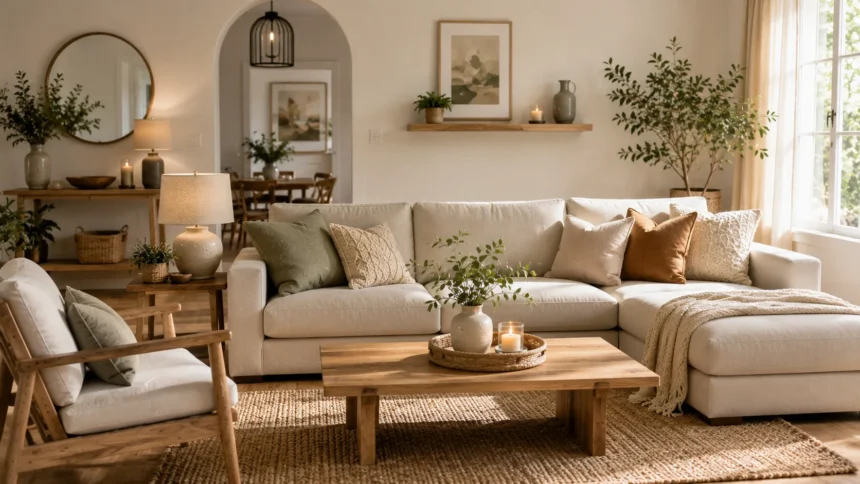
Simple Home Decor Ideas for a Beautiful Home
Creating a beautiful home does not always require expensive furniture, major renovations, or complicated design rules. In many cases, the biggest improvements come from simple changes that make a room feel cleaner, warmer, more balanced, and more personal. A better furniture arrangement, softer lighting, meaningful artwork, natural textures, or a few carefully chosen accessories can completely change how a space looks and feels without creating unnecessary cost or stress.
The best simple home decor ideas focus on everyday comfort as much as appearance. A home should support the way you live, whether that means creating more storage, making a living room easier to relax in, improving bedroom comfort, or bringing more light into a dark corner. Decorating becomes more effective when each choice solves a practical problem while also improving the visual character of the space.
Another advantage of simple decorating is flexibility. You do not have to follow one strict interior design style or replace everything you already own. Modern, traditional, farmhouse, minimalist, vintage, Scandinavian, and eclectic pieces can all work together when color, proportion, and materials feel connected. This allows you to improve your home gradually while keeping furniture and objects that still have value.
The goal is not to create a showroom that looks untouched. A beautiful home should feel lived in, welcoming, and connected to the people who use it. Personal photographs, books, comfortable textiles, meaningful objects, natural materials, and thoughtful storage often create more warmth than expensive decorative trends. The following ideas will help you refresh your home in simple, practical ways while keeping the result stylish and easy to maintain.
Start With a Clean and Calm Foundation
One of the easiest ways to make a home look better is to reduce visual clutter before buying anything new. Rooms often feel smaller or less attractive because surfaces are crowded with unrelated objects, furniture blocks natural pathways, or items do not have clear storage locations. Clearing unnecessary objects allows the room’s best features, including windows, furniture, flooring, and artwork, to become more noticeable.
Decluttering does not mean removing everything that has personality. The goal is to keep useful and meaningful objects while giving them enough space to stand out. A coffee table with a few books and a ceramic bowl may look more intentional than one covered with numerous small decorations. Similarly, open shelves often feel calmer when some areas are left empty rather than filled completely.
Once clutter is reduced, consider whether your furniture arrangement supports the way the room is used. Sofas and chairs should encourage conversation, dining chairs should be easy to pull out, and walkways should remain clear. Moving furniture away from walls or changing the position of one large piece can sometimes improve a room more effectively than purchasing new decor.
A clean foundation also makes future decorating decisions easier. When you can clearly see the room, it becomes simpler to identify what is missing. You may discover that the space needs better lighting rather than more accessories, or that a rug would create more impact than additional furniture. Starting with simplicity prevents unnecessary purchases and helps each new addition feel more purposeful.
Choose a Simple and Cohesive Color Palette
Color has a major influence on how comfortable and visually connected a home feels. A simple color palette usually works best when it includes a few main tones that can repeat throughout different rooms. Warm white, cream, beige, soft gray, taupe, muted green, and natural brown are flexible choices because they provide a calm background for furniture, textiles, artwork, and decorative objects.
Neutral interiors do not need to feel plain. You can create depth by using several shades within the same family. For example, cream walls can work with an oatmeal sofa, tan rug, warm wood table, and darker brown accessories. Even though the palette is restrained, variation in tone prevents the room from appearing flat or unfinished.
Accent colors can bring personality without overwhelming the space. Olive green, muted blue, terracotta, rust, charcoal, mustard, or soft pink can be introduced through cushions, artwork, blankets, ceramics, or small furniture pieces. Repeating one accent shade in different areas creates a subtle sense of connection and makes the entire home feel more considered.
You do not need every room to have exactly the same colors. Instead, use related shades that flow naturally from one space to another. A living room may feature warm beige and green, while a nearby bedroom uses cream and muted blue. Maintaining similar undertones and natural materials can help the rooms feel connected without making them look identical.
Use Natural Light as Part of the Decor
Natural light can make almost any room feel larger, cleaner, and more welcoming. Before adding decorative objects, consider whether curtains, furniture, or other items are blocking windows unnecessarily. Moving tall furniture away from windows or using lighter window treatments can allow more daylight to reach the room and improve the overall atmosphere.
Curtains can also influence how large windows appear. Hanging curtain rods slightly higher and wider than the window frame often creates the illusion of greater height and width. Lightweight linen, cotton, or sheer fabrics allow daylight to filter through while still providing softness and privacy. Heavier curtains can be layered when greater light control is required.
Mirrors can help distribute natural light, particularly in smaller or darker rooms. Positioning a mirror across from or near a window can reflect brightness deeper into the space. A large mirror can also create the impression of greater depth, making it useful in narrow entryways, compact bedrooms, or living rooms with limited windows.
The amount and direction of daylight should also influence color choices. Rooms with strong sunlight can usually handle deeper or cooler tones, while darker rooms may benefit from warmer, softer shades. Paying attention to natural light helps you select colors and materials that look good throughout the day rather than relying only on how they appear under artificial lighting.
Make Lighting Feel Warm and Layered
Good lighting can transform a room even when the furniture and decor remain unchanged. Relying on one bright ceiling light often creates a flat or harsh atmosphere. Instead, use several light sources at different heights to create depth. Table lamps, floor lamps, wall lights, pendant fixtures, and ceiling lighting can work together to support different activities.
Warm light generally creates a more relaxing atmosphere in living rooms, bedrooms, and dining areas. Lamps placed beside seating or on consoles can create smaller pools of light that make the room feel comfortable in the evening. Task lighting should still be bright enough for reading, cooking, working, or other activities that require visibility.
Decorative lamps also function as visual accessories. Ceramic bases, glass lamps, metal finishes, fabric shades, and sculptural designs can introduce texture and shape even when the lights are switched off. Choose styles that complement the scale of surrounding furniture rather than focusing only on the lamp itself.
Dimmers can make lighting even more flexible. Brighter light may be useful during cleaning or daytime tasks, while lower levels create a softer atmosphere at night. Simple changes in lighting often make a home feel more expensive and thoughtfully designed without requiring major changes to furniture or architecture.
Add Texture With Soft Furnishings
Texture is one of the easiest ways to make simple interiors feel more layered and comfortable. Cushions, throws, rugs, curtains, bedding, and upholstered furniture can introduce softness while adding subtle visual variation. Even when everything shares a neutral color palette, different fabrics can prevent a room from feeling flat.
Natural-looking materials such as linen, cotton, wool, jute, boucle, and woven fabrics work well because they provide visible texture without excessive pattern. A smooth sofa can be paired with linen cushions, a knitted throw, and a woven rug to create a balanced mixture of surfaces. These combinations feel inviting while remaining visually calm.
Do not feel obligated to match every cushion or textile exactly. A more natural arrangement often includes slightly different shades, materials, or patterns. Combining a solid cushion with a subtle stripe and a textured neutral pillow can look more interesting than purchasing several identical pieces.
Textiles are also practical because they can be changed seasonally. Lighter fabrics and brighter tones can refresh rooms in warmer months, while heavier throws and deeper colors can add warmth during cooler seasons. This flexibility makes soft furnishings one of the most affordable ways to update home decor without replacing major pieces.
Use Rugs to Define and Warm Up Rooms
Rugs can make a noticeable difference because they visually connect furniture and help define different areas within a room. In a living room, a properly sized rug can anchor the sofa, chairs, and coffee table into one composition. In an open-plan home, rugs can also help separate dining, seating, and work areas without adding physical walls.
Size is one of the most important considerations. A rug that is too small may make furniture look disconnected, while a larger rug creates a stronger sense of unity. In living rooms, it often works well when at least the front legs of major seating pieces rest on the rug. Dining rugs should extend beyond the table so chairs remain comfortably positioned when pulled out.
Color and pattern should support the rest of the room. A neutral textured rug can calm a space with patterned furniture, while a more decorative rug can add personality to a simple room. Vintage-inspired, geometric, striped, or natural fiber rugs can all work depending on your overall style.
Rugs also improve comfort by softening hard flooring and reducing echo. They are particularly effective in bedrooms and living rooms where warmth and relaxation matter most. Even a small runner in a hallway or kitchen can introduce texture while making transitional spaces feel more finished.
Decorate Walls With Meaningful Artwork
Artwork can instantly make a home feel more personal because it introduces color, interest, and visual identity. You do not need expensive original pieces to create an attractive display. Prints, photographs, illustrations, paintings, textiles, and even framed personal items can add character when they reflect your taste and connect with the room.
Scale matters when selecting artwork. A very small picture above a large sofa may look disconnected, while a larger piece or coordinated group can create a stronger focal point. Consider the size of the wall and surrounding furniture before deciding how much visual space the artwork should occupy.
Gallery walls can work well when you have multiple smaller pieces. Mix photographs, prints, sketches, and personal objects while maintaining some connection through color, framing, or subject. The arrangement does not need to be perfectly symmetrical unless that suits the style of the room.
Avoid decorating every wall. Leaving some empty space allows the artwork you do display to feel more significant. A few carefully chosen pieces often create more impact than filling every available surface. Simple wall decor works best when it contributes personality without competing with the rest of the room.
Bring Nature Indoors With Plants and Greenery
Plants are one of the most accessible ways to add life, color, and organic shape to a room. Greenery can soften hard furniture lines, fill awkward corners, and create visual contrast against neutral walls. A large floor plant can become a focal point, while smaller plants can add freshness to shelves, desks, kitchens, and bathrooms.
Choose plants based on the actual conditions in your home rather than appearance alone. Consider natural light, temperature, humidity, and how much maintenance you are comfortable providing. Low-maintenance varieties can be a practical choice for beginners or people who travel frequently.
Planters can also contribute to the decor. Terracotta, ceramic, woven baskets, stone finishes, and simple neutral pots all work well in different interior styles. Repeating similar planter materials can create cohesion even when the plants themselves vary in size and shape.
Fresh or dried branches can provide a similar natural effect when houseplants are not practical. A few stems in a ceramic vase can add height and movement to a console, dining table, or kitchen counter. Seasonal greenery also makes it easy to refresh a room without buying permanent decorative accessories.
Use Mirrors to Make Spaces Feel Bigger
Mirrors are practical decorative tools because they can reflect both light and space. A well-placed mirror can make a narrow hallway, compact bedroom, or small living room feel more open. Larger mirrors tend to create the strongest effect because they reflect a greater portion of the surrounding room.
Positioning matters. A mirror opposite a window can help increase brightness, while one above a console or fireplace can create a clear focal point. Before hanging it, consider what the mirror will reflect. A pleasant view, artwork, greenery, or natural light will usually improve the overall effect.
The frame can also support your decorating style. Simple wood works well in natural interiors, dark metal can feel modern, aged brass adds warmth, and decorative frames can introduce vintage character. You do not need every mirror in the home to match exactly.
Mirrors are particularly useful when you want visual impact without adding clutter. Unlike shelves or artwork collections, they can fill a wall while maintaining a relatively clean appearance. This makes them a strong option for people who prefer simple interior design with a spacious feeling.
Style Coffee Tables Without Overcrowding Them
Coffee tables often become accidental storage areas for remote controls, papers, chargers, and miscellaneous objects. Clearing unnecessary items is the first step toward making them feel more intentional. Once the surface is simplified, a few useful and decorative elements can create a balanced arrangement.
Books are a practical styling tool because they add height, color, and personality. A small stack can support a decorative bowl, candle, or ceramic object. Choose books you actually enjoy rather than buying them only because their covers match the room.
A tray can help organize smaller items and prevent the table from appearing scattered. Candles, coasters, remote controls, or decorative objects can be grouped within one tray so the overall arrangement feels more controlled. Trays are also easy to move when additional table space is needed.
Leave some open surface area. A coffee table should still be useful for drinks, snacks, or everyday activities. Good styling supports normal life rather than turning furniture into untouchable displays. A few carefully chosen objects often create a stronger effect than a crowded collection.
Keep Shelves Simple and Personal
Bookshelves and open shelving can easily become cluttered because they provide tempting space for many small objects. Start by removing everything and deciding which items are useful, meaningful, or visually interesting. Returning only your strongest pieces can immediately make the shelves look calmer.
Books should remain part of the display if you enjoy reading. Arrange some vertically and others horizontally to create variety. Small decorative objects, framed photographs, ceramics, or plants can then be layered between them without hiding the shelves completely.
Vary the height and shape of items. A tall vase, short stack of books, framed print, and small bowl can create more visual movement than several similarly sized objects placed in a row. Leaving some empty space between groups prevents the arrangement from feeling heavy.
Personal objects make shelves more interesting than generic accessories. Travel souvenirs, family photographs, handmade pieces, favorite books, or meaningful collections help your home tell a story. This approach also reduces the need to buy decorations simply to fill empty spaces.
Make the Living Room Feel More Inviting
The living room should feel comfortable before it feels decorative. Start by arranging seating so people can easily talk and relax. Sofas and chairs do not always need to sit directly against walls, especially in larger rooms. Pulling furniture inward can create a more connected conversation area.
Add softness through a rug, cushions, and throws. These elements can introduce color and texture while making seating more comfortable. Avoid using too many cushions if they constantly need to be removed before someone can sit down. Practical comfort should guide decorative choices.
A central coffee table or ottoman can help anchor the space. Add a nearby side table where people can place drinks, books, or phones. Small functional improvements often make a living room feel more complete because the layout supports everyday use.
Finish with a few personal details such as artwork, books, plants, photographs, or meaningful objects. The best living room decor ideas do not depend on filling every corner. They create a balanced environment where people feel comfortable spending time.
Make the Bedroom Feel Calm and Comfortable
A bedroom should support rest, so its decor usually benefits from a calmer approach than busier living spaces. Begin with comfortable bedding in colors that help you relax. Warm neutrals, muted blues, soft greens, dusty pinks, and earthy tones can all create a peaceful atmosphere.
Layer bedding rather than relying on one flat cover. Sheets, a duvet or quilt, pillows, and a throw can create visual depth while improving comfort. Use different textures within a limited color palette to keep the bed inviting without making it overly decorative.
Bedside lighting is another important detail. Lamps or wall-mounted lights provide softer illumination than a bright ceiling fixture and make evening routines more comfortable. Nightstands should also remain functional, with enough space for essentials such as a phone, book, water, or glasses.
Limit unnecessary clutter in the bedroom. Too many decorative objects can make the room feel visually busy and harder to maintain. A few pieces of artwork, a plant, comfortable rug, and meaningful accessories are usually enough to make the space feel finished while preserving a restful atmosphere.
Refresh the Kitchen With Simple Decor
Kitchen decorating should prioritize function because counters and surfaces are used frequently. Instead of filling work areas with ornaments, display attractive objects that also serve a purpose. Wooden chopping boards, ceramic utensil holders, glass jars, cookbooks, or fruit bowls can add warmth while remaining useful.
Small changes can have significant visual impact. Replacing cabinet handles, adding a runner, changing pendant lighting, or introducing a few wooden accessories can refresh a kitchen without requiring new cabinetry. These improvements can also help older kitchens feel more connected to the rest of the home’s style.
Keep frequently used items accessible and store less attractive objects when possible. A clear countertop makes the kitchen appear larger and easier to maintain. Grouping similar items together can create a more organized appearance even when everything cannot be hidden.
Plants and herbs can add life to kitchen windows or counters when adequate natural light is available. A simple vase with seasonal branches or flowers can also soften hard surfaces. The goal is to create a kitchen that feels welcoming without compromising the space needed for cooking and cleaning.
Make the Dining Area Feel Special
Dining spaces often become more attractive when the table is treated as a clear focal point. A simple centerpiece can provide interest without interfering with everyday meals. A ceramic vase, bowl of fruit, candles, or seasonal branches can create enough visual character without taking up too much space.
Lighting can make the dining area feel more intimate. A pendant or chandelier positioned above the table helps define the space, especially in open-plan homes. Choose a fixture that feels appropriately scaled to the table and provides comfortable light for meals.
Textiles can soften dining areas that contain large amounts of wood or other hard materials. A rug, upholstered chairs, table runner, or simple linen napkins can add texture. Avoid overlayering if the space is small, as too many fabrics may make the room feel crowded.
Artwork, a mirror, or a sideboard can complete the room without requiring excessive decoration. Store dishes, serving pieces, or linens inside practical furniture and display only a few attractive objects on top. A dining area should feel welcoming enough for everyday use rather than reserved only for special occasions.
Create a Welcoming Entryway
The entryway is the first interior space you see when arriving home, so even a few simple improvements can influence the overall atmosphere. Begin by keeping the area clear enough for easy movement. Shoes, bags, and coats should have practical storage so they do not immediately create clutter.
A small console, bench, or wall-mounted shelf can provide useful surface space. Add a tray for keys, a basket for smaller belongings, or hooks for frequently used items. Functional decor keeps the entrance organized while making everyday routines easier.
A mirror can make the area feel brighter and more open. Artwork or a small lamp can also provide personality without requiring much floor space. If the entry is narrow, vertical wall decor is often more practical than bulky furniture.
Finish with a durable runner, plant, or simple seasonal arrangement. Entryways receive frequent traffic, so choose materials that can handle everyday use. A beautiful entrance does not need many decorative accessories; good organization and one or two welcoming details are often enough.
Decorate Small Spaces With Purpose
Small rooms benefit from furniture and accessories that serve more than one function. Ottomans with hidden storage, benches with drawers, nesting tables, wall-mounted shelves, and beds with built-in storage can provide practicality without taking up unnecessary space.
Scale is particularly important. Oversized furniture can make a compact room difficult to navigate, while too many small pieces may create visual clutter. Choose fewer pieces with proportions that match the space and leave enough room for comfortable movement.
Vertical space can provide additional storage and decoration. Tall shelving, wall hooks, hanging plants, or artwork can draw the eye upward and reduce pressure on the floor area. Mirrors can also help create greater visual depth in smaller rooms.
Keep the color palette relatively consistent to avoid fragmenting the space. This does not mean everything needs to be white. Warm neutrals, soft colors, natural wood, and a limited number of accents can create warmth while maintaining a sense of openness.
Use Storage as Part of the Decor
Good storage can improve both the appearance and function of a home. Attractive baskets, boxes, cabinets, trunks, and shelving can hide everyday clutter while contributing texture and character. Choosing storage that suits the overall style helps it feel like part of the design rather than an afterthought.
Woven baskets are particularly versatile because they can hold blankets, toys, shoes, magazines, or laundry while introducing natural texture. Lidded boxes are useful for smaller items that would otherwise create visual clutter on desks, shelves, or consoles.
Closed storage is often valuable in busy rooms. Not everything needs to remain visible, especially practical items that do not contribute to the decor. Cabinets and drawers can keep surfaces calm while ensuring frequently used belongings remain easy to reach.
Labeling or organizing storage by category can make systems easier to maintain. When every item has a logical place, rooms are less likely to become cluttered over time. Beautiful homes are usually easier to achieve when organization supports the decorating rather than working against it.
Add Character With Books
Books are useful decorative objects because they bring color, texture, and personality while remaining functional. They can be displayed on shelves, coffee tables, bedside tables, consoles, or desks. A collection of books also makes a room feel connected to personal interests rather than generic design trends.
Mix horizontal and vertical arrangements to create visual variety. A short stack can provide height for a lamp or decorative object, while upright books can fill larger shelf sections. Avoid arranging everything too perfectly if you prefer a relaxed atmosphere.
Choose books you genuinely enjoy whenever possible. Art, photography, travel, design, cooking, literature, and history books can all contribute visually while remaining interesting to use. This makes them more meaningful than decorative objects purchased only for appearance.
Older books can also introduce vintage character through their covers and natural aging. Combine them with newer titles for a more collected effect. A thoughtful book display can make simple interiors feel warmer without requiring large amounts of decorative clutter.
Use Decorative Objects in Small Groups
Decorative objects tend to look more intentional when grouped rather than scattered individually across every surface. Three objects with different heights and shapes can create a balanced arrangement on a console, mantel, or shelf without making the area feel crowded.
Try combining different materials. A ceramic vase, wooden object, and metal candleholder may feel more layered than three accessories made from the same finish. Variations in texture make simple arrangements visually interesting even when the color palette remains neutral.
Scale should also vary. Pairing one taller object with one medium and one lower piece creates natural movement. Avoid using too many objects of identical height because the arrangement may appear flat or overly coordinated.
Leave empty space around decorative groups. Negative space allows individual objects to become more noticeable and prevents the room from feeling busy. Simple styling often depends more on what you leave out than on how many accessories you add.
Update Rooms With Affordable Secondhand Finds
Secondhand furniture and decor can provide character without requiring a large budget. Thrift stores, flea markets, estate sales, antique shops, and online resale platforms often contain mirrors, lamps, artwork, side tables, ceramics, baskets, and solid wood furniture at reasonable prices.
Inspect items carefully before purchasing. Check furniture for structural stability, odors, moisture damage, or signs of pests. Cosmetic imperfections may be easy to clean or repair, but major structural problems can make an inexpensive piece less worthwhile.
Simple updates can refresh older finds. Replacing hardware, cleaning wood, adding new upholstery, or repainting a damaged surface can transform a secondhand piece. However, attractive natural patina does not always need to be removed, especially when it contributes character.
Shopping secondhand can also make a home feel more individual because you are less likely to own exactly the same items as everyone else. Mixing older pieces with modern furniture creates a collected look while helping you decorate gradually and more affordably.
Avoid Common Home Decor Mistakes
One common decorating mistake is buying furniture without measuring the room first. A beautiful sofa or table may still look wrong if it overwhelms the available space. Always consider dimensions, walking paths, doorways, and surrounding furniture before making larger purchases.
Another mistake is using too many small accessories. Numerous candles, figurines, frames, and decorative objects can make surfaces feel cluttered. Fewer larger objects often create more impact while making the room easier to clean and maintain.
Poor lighting can also weaken an otherwise attractive space. A room with comfortable furniture and good colors may still feel unwelcoming if it relies only on one harsh ceiling fixture. Layering different types of lighting can solve this problem relatively easily.
Finally, avoid decorating exclusively around trends. Popular colors, furniture styles, and accessories can provide inspiration, but your home should still reflect your preferences and routines. Trends work best as smaller additions rather than the foundation of every design decision.
Decorate Slowly Instead of All at Once
A beautiful home does not need to be completed immediately. Decorating slowly gives you time to understand how each room functions and what it actually needs. You may discover that a space needs better storage, another lamp, or different furniture placement rather than additional accessories.
Gradual decorating also helps prevent impulsive purchases. When you wait for the right piece, you are more likely to choose furniture or decor that works with what you already own. This produces a more natural, collected interior rather than a room filled with items purchased from one collection.
Living with a room for a while can also reveal how light changes throughout the day, which areas receive the most use, and where clutter tends to collect. These observations help you make practical decorating decisions rather than relying only on appearance.
Most importantly, slow decorating allows personality to develop naturally. Family objects, travel finds, artwork, books, secondhand pieces, and meaningful gifts can be added over time. A home that grows gradually often feels more authentic than one designed entirely in a single weekend.
Focus on Comfort as Much as Style
A beautiful home should also be comfortable to live in. A visually impressive chair that no one enjoys sitting in has limited value, while a stylish rug that is impossible to clean may create unnecessary stress. Practicality should remain part of every decorating decision.
Consider how furniture feels, how easy fabrics are to maintain, and whether storage works for your routine. Homes with children, pets, frequent guests, or busy schedules may need more durable materials than spaces used differently. Good design adapts to real life.
Comfort also includes visual calm. Rooms with too much furniture, pattern, or decoration can feel tiring even when individual pieces are attractive. Simplifying the environment can create a stronger sense of relaxation and make daily routines easier.
When style and function work together, decorating becomes more sustainable. You are less likely to replace furniture constantly when pieces are attractive, useful, and comfortable. This balance is one of the most important principles behind truly beautiful home decor.
Let Your Personality Shape the Home
Your home should not look exactly like someone else’s inspiration image. Use design ideas as guidance, but adapt them according to your own taste, lifestyle, and existing belongings. Personal choices are what prevent a simple interior from becoming generic.
Display things that matter to you. Family photographs, travel souvenirs, artwork, books, inherited furniture, collections, or handmade items can provide emotional connection and visual identity. These objects often become the pieces visitors remember most.
Do not worry if everything does not fit perfectly within one named design style. Modern furniture can coexist with vintage artwork, traditional rugs, natural baskets, or industrial lighting. A mixture of influences often creates a more relaxed and interesting home.
The goal is not perfection. A home can still be beautiful when furniture shows signs of use, books remain visible, or personal items do not perfectly match. Spaces feel welcoming when they reflect real people rather than functioning only as carefully staged photographs.
Final Thoughts
The most effective simple home decor ideas are usually the ones that improve both appearance and everyday comfort. You do not need an unlimited budget or a major renovation to make meaningful changes. Better lighting, fewer unnecessary objects, natural textures, comfortable textiles, thoughtful artwork, and improved furniture placement can dramatically change how a home feels.
Start with the basics before purchasing more decor. Declutter surfaces, improve storage, evaluate the layout, and choose a flexible color palette. Once the foundation works, add rugs, plants, mirrors, artwork, books, and accessories gradually. This approach helps each addition feel intentional rather than creating more visual clutter.
Remember that beauty comes from balance rather than quantity. A room does not need every wall decorated or every surface filled. Leaving open space allows furniture, materials, and personal objects to stand out while making the home feel calmer and easier to maintain.
Most importantly, create a home that works for the people living in it. Comfortable furniture, meaningful belongings, practical storage, good lighting, and personal style will always matter more than following every interior trend. When function and personality guide your choices, even simple decorating changes can create a home that feels beautiful, welcoming, and genuinely yours.
Frequently Asked Questions
How can I decorate my home simply?
Start by decluttering, improving furniture placement, choosing a cohesive color palette, and adding a few useful decorative elements such as rugs, plants, mirrors, lamps, and artwork.
How can I make my home look beautiful on a budget?
Use what you already own, rearrange furniture, shop secondhand, change cushions or curtains, add plants, and improve lighting before spending money on major furniture or renovations.
What colors make a home feel warm and inviting?
Warm white, cream, beige, taupe, soft brown, muted green, terracotta, and earthy tones can create a comfortable atmosphere while working easily with different decorating styles.
How do I decorate without making my home look cluttered?
Use fewer accessories, group smaller objects together, keep some surfaces empty, invest in practical storage, and choose larger decorative pieces instead of many tiny items.
What is the easiest way to refresh a room?
Changing the layout, adding better lighting, introducing a rug, updating cushions, hanging artwork, or bringing in greenery can refresh a room quickly without major renovation.