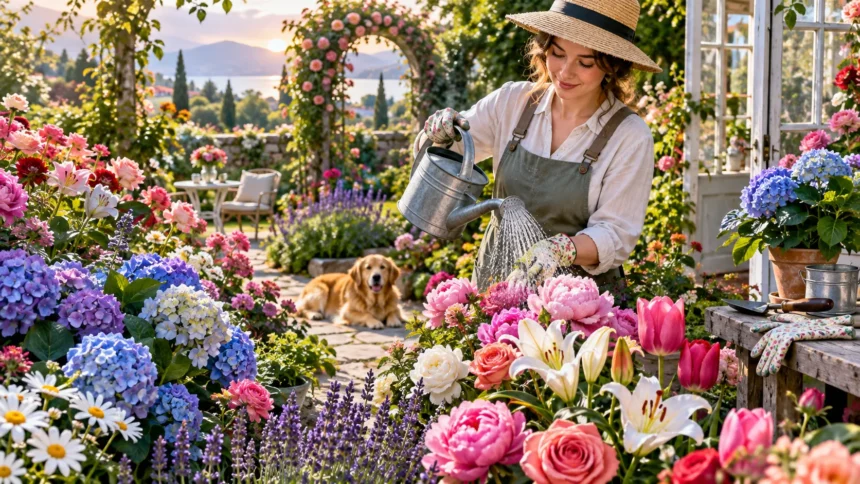
What Makes a Flower Truly Beautiful?
The most beautiful flowers are not defined only by bright colors or dramatic shapes. Fragrance, texture, petal arrangement, blooming season, and the way a flower fits into its surroundings all influence its appeal. A simple daisy can look just as striking in the right garden as a more exotic orchid displayed indoors.
Personal taste also plays a major role when choosing beautiful flowers. Some gardeners prefer soft pastel roses and peonies, while others love bold sunflowers, dahlias, or tropical hibiscus. Thinking about your garden style, available space, and preferred colors can help you choose flowers that create a look you genuinely enjoy.
Beauty also comes from healthy growth. Flowers with strong stems, clean foliage, and properly opened blooms often look better than plants struggling in poor conditions. Giving each species the light, water, soil, and space it needs can help bring out its natural color, shape, and overall visual impact.
Roses: Timeless Beauty for Almost Any Garden
Roses remain among the most admired flowers because of their layered petals, wide color range, and recognizable fragrance. You can find varieties in classic red, soft pink, creamy white, yellow, peach, and many blended shades. Climbing roses, shrub roses, and compact varieties also make them suitable for many different garden styles.
Most roses perform best in a location that receives several hours of direct sunlight each day. They generally prefer well-draining soil and consistent watering near the base of the plant. Avoid keeping the foliage constantly wet, because prolonged moisture around leaves can increase the chance of common fungal problems.
Regular pruning helps maintain shape, remove damaged growth, and encourage healthy new stems. Removing faded flowers can also keep many repeat-blooming roses looking tidy and productive. Choose a variety suited to your climate rather than selecting a rose based only on appearance, because local growing conditions strongly influence long-term performance.
Peonies: Soft, Full Blooms With Romantic Appeal
Peonies are known for their large, luxurious blooms and layers of soft petals. Their flowers may appear in white, blush pink, coral, red, and deeper shades depending on the variety. They are especially popular in cottage gardens and floral arrangements because their rounded blossoms create a full, romantic appearance.
Peonies generally prefer plenty of sunlight and fertile soil with good drainage. They do not like sitting in constantly wet ground, so choosing an appropriate planting location is important. Many varieties benefit from support because heavy blossoms can cause stems to lean or bend after rain.
Patience is often important with newly planted peonies. They may take time to become established before producing their best display, but mature plants can return for many years when grown in suitable conditions. Avoid planting them too deeply, as incorrect planting depth may reduce flowering despite otherwise healthy foliage.
Orchids: Elegant Flowers for Indoor Displays
Orchids have an elegant appearance that makes them one of the most distinctive groups of flowering plants. Their blooms can feature delicate patterns, unusual shapes, and colors ranging from pure white to purple, yellow, pink, and spotted combinations. Popular indoor orchids can remain attractive for weeks when their environment suits their needs.
Many beginner-friendly orchids prefer bright, indirect light rather than strong direct afternoon sun. Their roots often need good airflow, which is why orchid potting mixes usually contain bark or other loose materials instead of ordinary garden soil. Allow the growing medium to approach dryness before watering again, depending on the particular variety.
Overwatering is one of the most common problems with indoor orchids. Constantly wet roots may struggle, even when the leaves initially appear healthy. Once the flowers fade, keep caring for the plant rather than discarding it, because appropriate light, temperature, and routine care may encourage another flowering cycle later.
Tulips: Colorful Inspiration for Spring Gardens
Tulips bring strong blocks of color to spring gardens and are available in an enormous variety of shapes and shades. Gardeners can choose classic cup-shaped flowers, fringed petals, double blooms, or dramatic multicolored varieties. Planting several complementary colors together can create an especially eye-catching display along paths, borders, and containers.
Tulip bulbs are generally planted before their spring flowering season, with timing depending on local climate conditions. They prefer well-drained soil because bulbs can struggle when left in waterlogged ground. A sunny location helps produce strong growth and allows the flowers to show their colors clearly.
Once tulips finish flowering, removing the spent flower heads can improve the plant’s appearance. Allow the foliage to remain until it naturally yellows, because the leaves continue supporting the bulb after blooming. Some tulip varieties return reliably, while others are often treated as seasonal displays and replaced for stronger future color.
Dahlias: Bold Flowers With Dramatic Shapes
Dahlias are excellent choices when you want bold flowers that attract attention. Their blooms range from small, neat pompons to huge decorative flowers with layers of carefully arranged petals. Colors include red, orange, pink, purple, yellow, white, burgundy, and countless combinations that make dahlias easy to match with different garden designs.
These flowers generally appreciate a sunny location and rich, well-drained soil. Taller varieties may require stakes or another form of support because their stems can become heavy once large flowers develop. Regular watering is helpful during active growth, but the soil should not remain constantly saturated around the underground tubers.
Removing faded blooms can encourage the plant to continue producing flowers throughout its active season. Cutting flowers for indoor arrangements may also promote additional branching and new buds. In colder climates, dahlia tubers may need seasonal protection or storage, while gardeners in warmer areas may be able to manage them differently.
Sunflowers: Bright Flowers With Instant Impact
Sunflowers bring cheerful color and strong vertical interest to gardens. Their familiar yellow petals and dark centers are instantly recognizable, although modern varieties also appear in red, bronze, cream, and mixed shades. Depending on the type, plants can remain relatively compact or grow tall enough to become dramatic background features.
Most sunflowers love direct sunlight and perform best in open locations with plenty of room. Taller types may benefit from protection against strong winds, especially when their heavy flower heads develop. Water young plants consistently while roots establish, then continue providing moisture during extended dry periods as needed.
Sunflowers can work beautifully in cottage gardens, vegetable plots, borders, and wildlife-friendly spaces. Some varieties also produce seeds that can attract birds after flowering. Their bold shape creates strong contrast when planted near softer flowers, making them useful when you want both visual height and a relaxed, natural garden style.
Lilies: Fragrant Flowers With Elegant Form
Lilies are valued for their elegant trumpet-shaped or outward-facing flowers and, in many varieties, a noticeable fragrance. Their blooms appear in white, pink, orange, yellow, red, and patterned combinations. Planted in groups, lilies can create dramatic vertical accents without requiring a large amount of garden space.
Many lilies prefer their flowers and stems in sunlight while their roots remain relatively cool. Adding mulch and surrounding them with lower-growing plants can help protect the soil surface. Good drainage is important, since bulbs may perform poorly when planted in areas where water sits for long periods.
Different lily varieties bloom at different times, so thoughtful planting can extend the seasonal display. Remove faded flowers while leaving healthy foliage in place until it naturally declines. Gardeners with pets should also research plant safety carefully, because some commonly grown lilies can be highly dangerous to cats.
Hydrangeas: Beautiful Blooms for Full Garden Borders
Hydrangeas produce large flower clusters that can make garden borders feel lush and established. Depending on the species and variety, flowers may appear in blue, pink, white, purple, green, or combinations that change as blooms mature. Their broad leaves also provide attractive background foliage even when the plant is not at peak flowering.
Light requirements differ between hydrangea types, but many appreciate morning sun with some protection from intense afternoon heat. They generally perform best with consistent moisture and soil that drains properly. Mulching around the root zone can help retain moisture while reducing rapid temperature changes at the soil surface.
Pruning needs vary significantly because some hydrangeas flower on older stems while others bloom on new growth. Cutting at the wrong time can accidentally remove developing flower buds. Identify your variety before pruning so you can maintain shape and encourage blooming without sacrificing the following season’s display.
Lavender: Beautiful Flowers With Calming Fragrance
Lavender combines attractive purple flowers with silvery foliage and a distinctive fragrance. It works particularly well in borders, pathways, herb gardens, and Mediterranean-style landscapes. Bees and other pollinators are often attracted to its flowers, making lavender visually appealing while also adding activity and movement to the garden.
Lavender generally prefers full sunlight and excellent drainage. Heavy, constantly wet soil is often more damaging than slightly dry conditions once the plant is established. Avoid frequent shallow watering, and provide enough space around plants for airflow, especially in environments where humidity can make foliage stay damp.
Light pruning can help lavender maintain a compact shape instead of becoming overly woody and open in the center. Avoid cutting deeply into old bare wood unless the variety tolerates it. Harvesting flowering stems can provide fragrant indoor bundles while still allowing the plant to remain attractive outdoors.
How to Combine Beautiful Flowers in One Garden
Combining several beautiful flowers successfully requires more than choosing your favorite colors. Consider bloom time, mature height, sunlight requirements, and watering needs before planting different species together. Grouping plants with similar growing conditions makes routine care easier and reduces the chance that one flower receives too much or too little water.
Use height to create visual layers. Taller flowers such as sunflowers and some dahlias can work toward the back of a border, while medium plants such as roses or lavender can fill the middle. Smaller flowers placed near edges soften pathways and help create a garden that looks full without appearing disorganized.
Flower beds can also sit alongside productive garden areas. If you enjoy mixing ornamental and edible gardening, exploring vegetables to grow year-round can help you plan a space that provides both color and useful harvests. Flowers and vegetables together can create an attractive garden with greater seasonal variety.
Essential Care Tips for Gorgeous Flowers
Start by learning the sunlight needs of every flower you grow. A plant that prefers full sun may produce fewer blooms when placed in deep shade, while shade-tolerant species can struggle in intense afternoon heat. Observe your garden at different times of day before deciding where permanent flowering plants should be placed.
Water deeply enough to reach the root area rather than repeatedly wetting only the soil surface. The correct schedule depends on temperature, rainfall, soil type, containers, and the individual plant. Checking the soil before watering is often more useful than following a rigid schedule that ignores changing weather and growing conditions.
Regular maintenance keeps flowers looking healthier throughout the season. Remove damaged leaves, control weeds, deadhead suitable varieties, and watch for signs of pests or disease. Good airflow and appropriate spacing are also important, since overcrowded plants can compete for resources and remain damp for longer after rain or watering.
Choosing the Most Beautiful Flowers for Your Space
Begin with your actual growing conditions rather than selecting plants only from photographs. Determine how much sunlight your space receives, whether the soil drains well, and how much maintenance you are prepared to provide. Flowers that naturally suit your environment usually look better because they can grow without constant intervention.
Think about the atmosphere you want to create as well. Roses and peonies can give a garden a romantic feeling, while sunflowers and daisies create a cheerful, relaxed appearance. Orchids can provide elegant indoor displays, and lavender works particularly well when fragrance and soft color are important parts of the design.
A beautiful garden does not need dozens of different flower species. Repeating a smaller number of carefully chosen plants can create stronger visual harmony and simplify maintenance. Select flowers that bloom at different times so your garden continues changing throughout the seasons instead of producing one short burst of color.
Conclusion
The most beautiful flowers combine attractive color, shape, fragrance, and healthy growth. Roses, peonies, orchids, tulips, dahlias, sunflowers, lilies, hydrangeas, and lavender all offer different styles of beauty. The best choice depends on your climate, available light, garden design, and personal preferences.
Proper care helps every flower look its best. Matching plants with suitable sunlight, drainage, watering, and pruning routines encourages healthier foliage and stronger blooms. Rather than forcing a difficult plant into unsuitable conditions, choose varieties that naturally fit the environment you can provide.
Use flowers to create a space that feels personal rather than trying to copy one perfect garden. Combine different heights, colors, flowering seasons, and textures while keeping maintenance practical. With thoughtful plant selection and consistent care, even a small flower bed or indoor collection can become a beautiful source of year-round inspiration.
FAQs
What is considered the most beautiful flower?
There is no single most beautiful flower because preferences vary. Roses, peonies, orchids, tulips, and dahlias are frequently admired for their colors, petal shapes, fragrance, and dramatic appearance.
Which flowers are easiest for beginners to grow?
Sunflowers, some roses, lavender, and several easy-care flowering varieties can suit beginners when local conditions are appropriate. Always choose plants based on your sunlight, climate, soil, and available maintenance time.
How can I make my flowers bloom more?
Provide suitable sunlight, proper watering, adequate nutrition, and appropriate pruning for the specific plant. Removing faded flowers can encourage repeat blooming in some species, although not every flower responds the same way.
What flowers look beautiful together?
Roses and lavender can create a classic combination, while dahlias pair well with softer border plants. Choose flowers with compatible light and water needs in addition to considering their colors and heights.
How often should flowering plants be watered?
Watering frequency depends on the flower, weather, soil, and whether it grows in a container or the ground. Check soil moisture regularly rather than using one fixed schedule for every flowering plant.