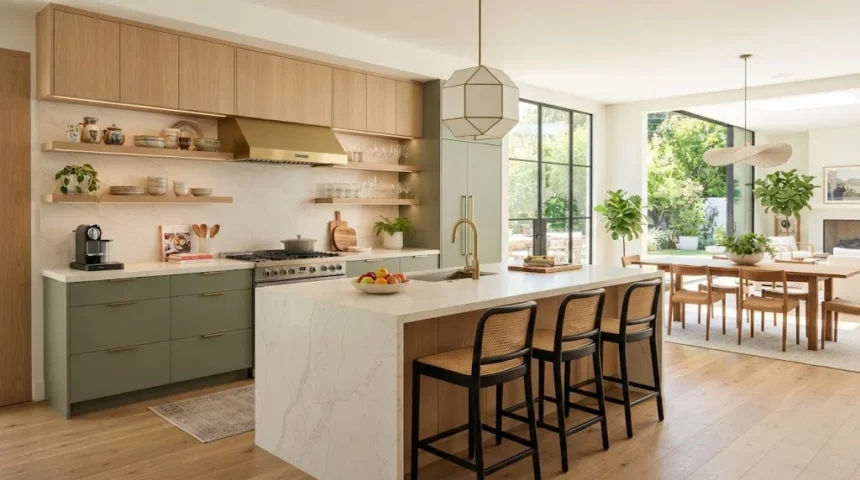
Kitchen cabinets shape the overall look, storage, and functionality of one of the busiest rooms in your home. Because cabinets occupy so much visual space, even a simple change in color, hardware, finish, or layout can make the entire kitchen feel different. The right cabinet design can bring together your countertops, flooring, backsplash, lighting, and appliances into one cohesive space.
Fresh kitchen cabinet ideas do not always require a complete remodel. Painting existing doors, replacing handles, adding glass fronts, or introducing open shelving can refresh a dated kitchen without replacing everything. If you are planning a larger renovation, you can also explore modern cabinet profiles, natural wood finishes, two-tone combinations, and smarter interior storage.
The best approach depends on your home’s style, available space, budget, and daily habits. A beautiful kitchen should still be practical enough for cooking, cleaning, entertaining, and everyday storage. The ideas below can help you create cabinets that feel current, personal, and functional without making the room look overly trendy or difficult to maintain.
Choose Shaker Cabinets for a Timeless Look
Shaker cabinets remain popular because their simple recessed-panel doors work with many interior styles. They can feel traditional when paired with warm wood and classic hardware, or more contemporary when painted in soft neutrals with streamlined handles. Their balanced design gives a kitchen character without adding excessive decorative detail, making them a reliable option for long-term renovations.
White shaker cabinets can brighten a smaller kitchen and create a clean backdrop for colorful backsplashes or darker countertops. Cream, beige, sage, navy, and charcoal versions offer more personality while keeping the recognizable shaker profile. Because the door design is understated, it allows other features such as lighting, stone surfaces, and hardware to become stronger focal points.
Shaker cabinetry also works well when combining different finishes within the same kitchen. You might use painted cabinets around the perimeter and natural wood on the island, or choose a darker shade for lower cabinets. This versatility makes shaker doors useful for homeowners who want a design that can evolve as decorative preferences change over time.
Try Two-Tone Kitchen Cabinets
Two-tone kitchen cabinets add visual depth without requiring bold colors throughout the entire room. One common approach is to use lighter upper cabinets and darker lower cabinets, which keeps the space feeling open while creating definition below. Another option is to make the island a contrasting color so it becomes a natural centerpiece without overwhelming surrounding cabinetry.
Color combinations can range from subtle to dramatic. Warm white and natural oak feel relaxed and inviting, while white and deep navy create stronger contrast. Soft beige paired with muted green works beautifully in nature-inspired kitchens, and charcoal lower cabinets can add sophistication when balanced with lighter walls, countertops, and flooring.
Keep the design connected by repeating finishes elsewhere in the room. Matching hardware, similar countertop tones, or consistent backsplash materials can prevent two-tone cabinetry from looking disconnected. The goal is to create intentional contrast, so choose colors that complement one another rather than simply selecting two shades because they are individually attractive.
Bring Warmth With Natural Wood Cabinets
Natural wood cabinets can make a kitchen feel warmer, softer, and more connected to organic materials. Oak, walnut, maple, and similar finishes introduce visible grain and texture that painted cabinetry cannot fully replicate. Lighter woods are especially effective in contemporary kitchens because they provide warmth without making the room feel heavy or overly traditional.
Wood cabinets pair beautifully with stone countertops, white walls, matte black fixtures, and earthy backsplash materials. Instead of using the same wood tone on every surface, create contrast through flooring or furniture so the kitchen does not become visually flat. Mixing wood with painted cabinetry can also produce a layered look that feels more custom.
The finish determines whether wooden cabinets appear rustic, traditional, Scandinavian, or modern. Smooth slab fronts with light oak feel streamlined, while framed doors in medium wood tones create a more classic appearance. Select a finish that highlights the grain while protecting the surface from moisture, grease, and everyday kitchen wear.
Use Soft Grey for a Calm, Modern Kitchen
Grey cabinets can create a polished kitchen without feeling as stark as pure white or as dramatic as black. Light grey works particularly well in smaller spaces because it reflects plenty of light while introducing subtle contrast. Warmer grey shades can also coordinate beautifully with wood floors, brass fixtures, cream countertops, and natural stone.
If you enjoy muted interiors, exploring millennial grey can provide additional inspiration for building a soft, cohesive color palette. The key is adding enough warmth and texture so grey cabinets do not make the room feel flat. Natural wood, woven accents, greenery, and warm metals can provide useful balance.
Darker charcoal cabinets create a more dramatic interpretation of the grey palette. They work especially well in larger kitchens with good natural light, where the deeper color can add elegance without making the room feel closed in. Pair charcoal cabinetry with lighter countertops or backsplash materials to maintain contrast and keep the overall design visually balanced.
Add Personality With Green Kitchen Cabinets
Green kitchen cabinets offer a refreshing alternative to standard white, grey, and beige. Soft sage shades feel calm and natural, while olive tones create warmth and depth. Dark forest green can make a strong statement in larger kitchens, especially when combined with brass hardware, marble-inspired countertops, or warm wooden floors.
Muted greens work particularly well because they behave almost like neutrals. Sage cabinetry can blend with cream walls, light stone, oak furniture, and black fixtures without demanding too much attention. This makes it easier to create a distinctive kitchen while maintaining a relaxed atmosphere that will not feel overly trend-driven.
If you are hesitant about using green throughout the kitchen, introduce it on an island or lower cabinets first. Keeping upper cabinetry lighter can prevent darker colors from visually lowering the ceiling. You can also repeat the green subtly through plants, textiles, ceramics, or wall art to make the color feel deliberate throughout the space.
Consider Sleek Slab Cabinets for a Contemporary Style
Slab cabinets feature flat door fronts without raised panels, frames, or decorative detailing. Their clean appearance makes them ideal for modern, minimalist, and Scandinavian-inspired kitchens. Because the design is visually simple, material quality, color, texture, and hardware become especially important in determining whether the room feels refined or overly plain.
Wood-grain slab doors create a warm contemporary look, while painted versions can produce a cleaner architectural effect. Matte finishes tend to feel softer and more understated, whereas glossy surfaces reflect light and create a sharper modern appearance. Handleless designs can make cabinetry look particularly streamlined, although comfortable opening mechanisms remain important for practical daily use.
Slab cabinetry can also make smaller kitchens feel less visually crowded because there are fewer lines and decorative elements competing for attention. Pair it with simple countertops, integrated appliances, and restrained backsplash patterns for a cohesive design. If the room begins to feel too minimal, introduce texture through lighting, stools, flooring, or natural materials.
Refresh Cabinets With New Hardware
Changing cabinet hardware is one of the easiest ways to update a kitchen without replacing doors or changing the layout. New handles and knobs can alter the personality of existing cabinetry surprisingly quickly. Brass, matte black, polished nickel, bronze, and stainless steel each bring a different character, allowing you to move the kitchen toward a more modern or traditional style.
Long bar pulls create a streamlined look on larger drawers and slab-style cabinets. Smaller knobs can feel more traditional and work well on shaker doors, while cup pulls bring subtle vintage character. Mixing knobs and handles is also possible, but use a consistent finish or design language so the result looks planned rather than random.
Before purchasing hardware, measure the existing screw holes if you want to avoid drilling new ones. Reusing the same spacing makes installation much faster and prevents visible marks from previous handles. Consider how the hardware feels in your hand as well as how it looks, since cabinet pulls are touched dozens of times during everyday kitchen use.
Add Glass-Front Cabinets for Visual Interest
Glass-front cabinets can break up long stretches of solid doors and make a kitchen feel more open. They are particularly effective on upper cabinets where decorative dishes, glassware, cookbooks, or serving pieces can become part of the room’s design. Clear glass creates the most open appearance, while fluted or frosted glass offers more privacy.
Use glass cabinetry selectively rather than installing it everywhere. One or two sections can create a focal point without requiring every shelf to stay perfectly organized. Interior cabinet lighting can make glass-front storage especially attractive in the evening, adding a soft glow that contributes to the overall atmosphere of the kitchen.
Consider what will be visible before deciding on transparent doors. Everyday mismatched containers may look cluttered behind clear glass, so reserve these cabinets for items you enjoy displaying. If you want the lighter appearance without constant styling, textured glass can provide visual depth while partially disguising the contents behind the doors.
Maximize Storage With Floor-to-Ceiling Cabinets
Floor-to-ceiling cabinetry can transform unused vertical space into valuable storage. Extending upper cabinets all the way to the ceiling removes the dust-catching gap found in many older kitchens and creates a more built-in appearance. Higher shelves are ideal for seasonal dishes, serving platters, small appliances, and other items that are not needed every day.
Tall cabinets can also make a room appear higher because they draw the eye upward. To prevent them from looking too heavy, use lighter finishes or break up large cabinet walls with open sections, glass fronts, or integrated appliances. Matching cabinet color to surrounding walls can further reduce visual bulk in smaller kitchens.
Plan accessibility carefully when using very tall storage. Frequently used items should remain within easy reach, while rarely used pieces can occupy upper shelves. Pull-down organizers, step stools, interior lighting, and adjustable shelving can make tall cabinets more functional, ensuring extra storage does not become wasted space simply because it is difficult to access.
Improve Function With Smart Interior Storage
Beautiful cabinet doors are only part of an effective kitchen design. Interior organization determines how easily you can find cookware, ingredients, utensils, and cleaning supplies during everyday tasks. Deep drawers, pull-out shelves, tray dividers, spice organizers, corner systems, and hidden waste bins can make cabinets significantly more useful without changing their exterior appearance.
Large drawers are particularly effective for pots, pans, plates, and food-storage containers because you can see contents from above. Traditional deep base cabinets sometimes force you to reach behind other items to find what you need. Full-extension drawers bring stored items toward you, reducing bending and making the entire depth of the cabinet more accessible.
Consider your daily routines when planning storage rather than following a generic organization system. Keep cooking tools near the stove, dishes near the dishwasher, and food-preparation items near your main work surface. When cabinet interiors reflect how you actually move around the kitchen, the room becomes easier to use even if its overall footprint remains unchanged.
Use Open Shelving With Cabinets
Open shelving can make a kitchen feel lighter and more relaxed when used alongside traditional cabinetry. Replacing one or two upper cabinet sections with shelves creates space for everyday dishes, glasses, cookbooks, or decorative objects. This works particularly well in smaller kitchens where a full wall of upper cabinets might otherwise feel visually heavy.
The most successful open shelves combine function with restraint. Keep frequently used items within easy reach and avoid filling every inch with decorative pieces. Wood shelves can add warmth to painted cabinetry, while metal or stone shelves can reinforce modern and industrial styles depending on the surrounding finishes.
Remember that open shelves require more regular cleaning because dishes and surfaces are exposed to dust and cooking residue. If you prefer low-maintenance storage, use shelving in areas farther from the stove. Combining mostly closed cabinetry with a small amount of open storage can provide the visual benefit without creating unnecessary upkeep.
Coordinate Cabinets With Countertops and Backsplashes
Cabinets should feel connected to surrounding surfaces rather than chosen separately. If your cabinetry has a strong color or visible wood grain, a quieter countertop can create balance. Conversely, simple white or beige cabinets allow dramatic veined stone, patterned tile, or textured backsplash materials to become the main visual feature.
Pay attention to undertones when combining colors. Warm cream cabinetry may clash with a very cool grey countertop, while oak cabinets can look beautiful beside stone containing beige or golden veining. Bring physical samples together under your kitchen’s actual lighting whenever possible because colors can appear very different at home than they do in a showroom.
Hardware and fixtures can help bridge separate materials. For example, brass pulls may pick up warm tones in stone veining, while black handles can connect cabinetry with dark lighting fixtures or window frames. Repeating small finishes throughout the room creates visual continuity and makes the overall design feel more intentional and professionally coordinated.
Update Existing Cabinets on a Smaller Budget
Replacing all kitchen cabinetry can be expensive, so consider whether your existing cabinet boxes are still structurally sound. Painting doors and frames can completely change the appearance of a dated kitchen for considerably less than a full replacement. Proper cleaning, sanding, priming, and durable paint are important because kitchen cabinets experience frequent touching, moisture, grease, and cleaning.
Refacing is another option when you want a bigger visual change without rebuilding every cabinet box. Existing structures remain in place while new doors, drawer fronts, and exterior finishes create a different appearance. This can work well when you are satisfied with the current kitchen layout but dislike the style, color, or condition of visible cabinet surfaces.
Smaller upgrades can also have a noticeable effect. Replace hardware, add under-cabinet lighting, install interior organizers, remove one or two upper doors for open shelving, or update the backsplash surrounding existing cabinetry. Prioritizing the most visible features can give the kitchen a fresher appearance while keeping renovation costs under greater control.
Conclusion
Fresh kitchen cabinet ideas can transform both the appearance and functionality of your space. Shaker doors offer timeless flexibility, natural wood introduces warmth, two-tone designs add contrast, and colorful cabinetry can bring more personality. Even smaller changes such as new hardware or glass-front doors can noticeably refresh an existing kitchen.
Function should remain just as important as style. Floor-to-ceiling cabinets, deep drawers, pull-out storage, and thoughtfully organized interiors can make everyday cooking and cleaning easier. Choose layouts and storage solutions based on your actual habits rather than focusing entirely on how the cabinets look in photographs.
The best kitchen cabinets are those that suit your home, lifestyle, and personal taste over time. Coordinate colors with countertops and surrounding materials, choose durable finishes, and avoid adding trends simply because they are popular. A balanced combination of practical storage and thoughtful design can create a kitchen that feels fresh while remaining comfortable for everyday life.
FAQs
What kitchen cabinet colors are most versatile?
White, warm beige, soft grey, natural wood, and muted green are versatile choices because they coordinate with many countertops and flooring styles. Neutral shades also make future decorative updates easier.
Are two-tone kitchen cabinets a good idea?
Yes. Two-tone cabinets can create depth and highlight an island or lower cabinetry. Choose complementary shades and repeat hardware or countertop finishes to make the contrast feel intentional and cohesive.
How can I update kitchen cabinets without replacing them?
Painting, refacing, changing hardware, adding interior organizers, or replacing selected doors can refresh cabinets at a lower cost. The best approach depends on the condition of the existing cabinet boxes.
Are wood kitchen cabinets coming back in style?
Natural wood remains popular because it adds warmth, texture, and visual character. Lighter oak and streamlined wood-grain cabinetry work especially well in contemporary kitchens, while richer woods suit more traditional interiors.
Should kitchen cabinets go all the way to the ceiling?
Floor-to-ceiling cabinetry can provide additional storage and a more built-in appearance. It works particularly well when upper shelves are used for less frequently needed items such as seasonal dishes and serving pieces.