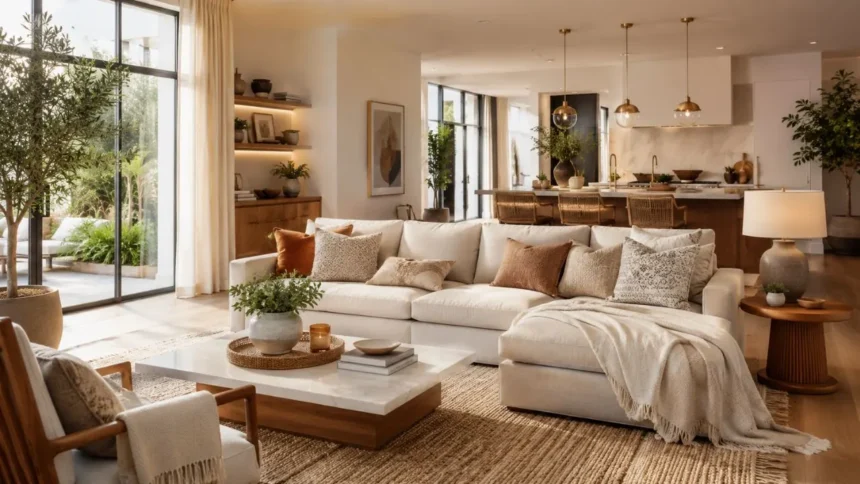
Home Decor Styles: A Complete Guide to Finding Your Perfect Look
Choosing between different home decor styles can be exciting, but it can also become confusing when you admire several looks at once. You might love the simplicity of minimalist interiors, the warmth of rustic furniture, and the expressive colors found in bohemian decor. Fortunately, creating a beautiful home does not require following one design style perfectly. The best interiors combine visual harmony with comfort, practicality, and the personality of the people who live there.
A home decor style is more than a collection of attractive furniture and accessories. It brings together your preferred color palette, materials, patterns, lighting, wall decor, textures, and furniture shapes. When these elements relate to one another, a room feels thoughtfully designed instead of randomly furnished. Understanding your decorating style can also help you shop more confidently, avoid unnecessary purchases, and select pieces that will continue to suit your home over time.
Modern homes are becoming increasingly personal, with homeowners combining vintage pieces, contemporary furniture, handcrafted items, and meaningful accessories. Rather than copying a perfectly coordinated showroom, people are creating interiors that reflect their experiences and everyday routines. This collected approach makes a home feel warmer and more authentic. It also gives you the freedom to update individual elements without completely redecorating whenever a new interior design trend appears.
This guide explores popular home decor styles, current decorating ideas, and practical ways to create a cohesive interior. You will learn how modern, traditional, Scandinavian, farmhouse, coastal, bohemian, and other design aesthetics differ from one another. You will also discover how to mix styles, choose furniture, decorate individual rooms, work within a budget, and avoid common interior decorating mistakes while creating a home that genuinely feels like yours.
What Are Home Decor Styles?
Home decor styles are recognizable combinations of colors, furniture designs, decorative details, materials, and spatial arrangements. Each style creates a different atmosphere and communicates a particular design perspective. Scandinavian interiors often feel light and practical, while traditional rooms emphasize symmetry, craftsmanship, and familiar furniture forms. Industrial spaces highlight structural materials, whereas coastal decor uses airy colors and natural textures to create a lighter and more relaxed environment.
Understanding interior design styles provides a useful starting point when planning a room. Without a clear direction, it is easy to purchase individual items that look attractive in isolation but do not work together. A style framework helps you compare furniture, paint colors, curtains, rugs, lighting, and home accessories. It does not mean every object must match, but it gives your decisions enough consistency to make the overall space feel balanced.
Your preferred design style can also influence how comfortable and functional your home feels. Someone who enjoys visual simplicity may feel relaxed in a minimalist room with concealed storage and limited decoration. Another person may feel more comfortable surrounded by books, artwork, textiles, and sentimental objects. Neither approach is better than the other. The right style is the one that supports your routines, sensory preferences, household needs, and personal definition of comfort.
A decor style should therefore be treated as a flexible guide rather than a strict rulebook. Your home can include a modern sofa, an antique table, handmade pottery, family photographs, and travel souvenirs without appearing disorganized. The key is creating visual connections through repeated colors, materials, shapes, or textures. These relationships allow different pieces to coexist naturally while preserving the personal details that make your interior meaningful.
Modern, Contemporary, and Minimalist Home Decor
Modern home decor is known for clean lines, practical furniture, simple forms, and limited ornamentation. It commonly incorporates wood, glass, leather, metal, stone, and other materials that reveal their natural appearance. The color palette often begins with white, beige, gray, brown, or black before introducing carefully selected accents. Modern interiors prioritize function and visual clarity, making the style suitable for apartments, family homes, and open-plan living spaces.
Contemporary home decor refers to designs that feel current rather than belonging to one specific historical movement. A contemporary room might feature curved furniture, sculptural lighting, textured walls, oversized artwork, and warm neutral colors. It can borrow elements from modern, organic, industrial, traditional, and Art Deco interiors. This adaptability makes contemporary interior design attractive to people who enjoy fresh decorating ideas but do not want to commit to one rigid aesthetic.
Minimalist interior design focuses on intentionality, organization, and the careful use of space. Furniture is usually streamlined, storage is thoughtfully planned, and decorative objects are selected for their usefulness or personal meaning. However, minimalism does not require a completely white or empty home. Color, artwork, books, plants, and comfortable fabrics can all appear in a minimalist space when they are arranged with enough breathing room and do not create unnecessary visual clutter.
To make modern and minimalist decor feel welcoming, layer materials with different textures. Combine smooth furniture with linen curtains, wool rugs, woven baskets, wooden surfaces, and handmade ceramics. Warm white, taupe, clay, olive, mushroom, and muted blue can create depth while preserving a calm atmosphere. Instead of filling every surface, use one large artwork, a sculptural lamp, or an interesting chair to create a clear and memorable focal point.
Scandinavian, Japandi, and Organic Modern Interiors
Scandinavian home decor combines functional furniture, natural light, soft colors, and everyday comfort. Pale wood, simple silhouettes, practical storage, and uncluttered layouts are common features of the style. Scandinavian rooms are often decorated with candles, cushions, blankets, plants, books, and understated artwork. These details prevent the space from feeling cold while supporting the relaxed and comfortable atmosphere commonly associated with hygge-inspired interior decorating.
Japandi style blends Scandinavian functionality with Japanese simplicity, craftsmanship, and appreciation for natural imperfection. Its palette is generally warmer and deeper, featuring beige, charcoal, brown, muted green, black, and earthy neutral tones. Furniture is often low, purposeful, and beautifully constructed. Paper lighting, natural wood grain, handmade ceramics, woven materials, and irregular surfaces help create a quiet interior that feels refined without appearing overly polished or formal.
Organic modern decor follows a similar calming direction but places greater emphasis on nature-inspired shapes and tactile materials. Curved sofas, irregular wooden tables, stone surfaces, plaster-style walls, woven lighting, linen fabrics, and indoor plants are frequently used. Cream, sand, warm gray, terracotta, and soft green provide an earthy foundation. This style combines the uncluttered appearance of modern home decor with the warmth and softness of natural materials.
The challenge with these decorating styles is preventing a neutral room from becoming flat or impersonal. Introduce contrast through dark wood, black accents, textured artwork, visible wood grain, and different fabric finishes. You can also display handmade objects or meaningful pieces that show signs of craftsmanship. A successful neutral interior contains variation, personality, and sensory interest rather than relying on several nearly identical shades of beige.
Traditional, Transitional, and Mid-Century Modern Styles
Traditional home decor draws inspiration from established European and American interiors. It often features symmetrical furniture arrangements, carved wood, patterned rugs, upholstered chairs, decorative molding, framed artwork, and carefully positioned lamps. Popular colors include cream, navy, burgundy, forest green, brown, and muted gold. Traditional rooms can feel elegant and reassuring, especially when formal furniture is balanced with comfortable fabrics and practical arrangements for daily living.
Transitional interior design combines classic furniture shapes with the simplicity of contemporary decor. A traditional sofa might be paired with an abstract painting, clean-lined tables, modern lighting, and uncomplicated curtains. The palette is usually calm, allowing proportion, texture, and selected decorative features to provide interest. Transitional decor is ideal for homeowners who appreciate timeless design but want their rooms to feel fresh, relaxed, and easy to maintain.
Mid-century modern decor reflects design ideas that became influential during the middle decades of the twentieth century. Recognizable features include tapered furniture legs, low seating, warm wood, functional storage, graphic patterns, and simple geometric forms. Walnut, teak, leather, glass, molded materials, and metal are frequently used. The compact proportions of mid-century furniture make it especially useful for apartments, small living rooms, and multifunctional spaces.
Avoid turning traditional or mid-century decor into a strict historical theme. Instead, combine a few recognizable furniture styles with contemporary fabrics, personal artwork, and modern lighting. An antique wooden chest can work beside a simple sofa, while a vintage-inspired sideboard can be paired with handmade ceramics and a current rug. Combining old and new pieces creates a more natural home that feels developed over time rather than purchased as one matching collection.
Farmhouse, Rustic, Cottage, and Coastal Decor
Farmhouse home decor emphasizes practicality, warmth, and the welcoming character of traditional rural interiors. Natural wood, comfortable furniture, woven baskets, simple cabinetry, vintage accessories, and durable fabrics often define the look. Modern farmhouse decor usually uses cleaner lines and fewer themed decorations than earlier versions of the style. Warm white, muted green, black accents, natural linen, and aged wood create contrast while maintaining a relaxed and approachable atmosphere.
Rustic home decor highlights raw texture, sturdy construction, and materials that display natural variation. Stone fireplaces, wooden beams, leather seating, wool rugs, iron details, and handcrafted furniture are commonly used. Rustic interiors work best when the materials feel authentic rather than artificially distressed. Because wood and stone can appear visually heavy, lighter textiles, open space, soft lighting, and pale wall colors help keep the room balanced and comfortable.
Cottage-style interiors are softer, more informal, and often more decorative than farmhouse or rustic rooms. Floral fabrics, painted furniture, open shelving, vintage ceramics, gentle colors, and small-scale patterns contribute to their charm. Cottage decor should feel collected rather than perfectly coordinated. Practical storage remains important, however, because too many decorative objects can make shelves difficult to maintain and reduce the relaxed atmosphere the style is intended to create.
Coastal home decor uses light, texture, and nature-inspired colors to suggest a connection with the sea without relying on obvious nautical themes. Airy curtains, pale wood, woven lighting, natural fibers, soft blue, sea green, and landscape artwork can create the right mood. Mediterranean coastal interiors may also include terracotta, limewashed walls, patterned tile, aged brass, and olive green. Atmosphere and materials create a more timeless result than decorative anchors or repeated seaside slogans.
Bohemian, Eclectic, Maximalist, and Art Deco Interiors
Bohemian home decor is relaxed, creative, and influenced by travel, craft traditions, vintage objects, and personal collections. Layered rugs, patterned cushions, woven baskets, indoor plants, books, colorful textiles, and handmade wall decor are frequently used. Bohemian interiors do not require expensive matching furniture because variation is part of their character. Repeating several colors or materials throughout the room helps connect the layers and prevents the arrangement from looking accidental.
Eclectic interior design combines pieces from different periods, regions, and decorating styles. Although eclectic rooms may appear spontaneous, the strongest examples contain deliberate visual relationships. Furniture can be connected through similar proportions, repeated finishes, or a consistent color palette. Several different dining chairs, for example, may work together when they share a comparable height, material, or color. Eclectic decorating is most successful when contrast is controlled rather than completely random.
Maximalist decor celebrates abundant color, art, pattern, books, and meaningful objects. It differs from clutter because the arrangement uses repetition, balance, focal points, and visual hierarchy. A large floral wallpaper can be supported by smaller patterns, while a consistent undertone connects several bold colors. Leaving a few quieter surfaces or walls gives the eye a place to rest and makes the decorative elements appear more intentional and visually powerful.
Art Deco decor creates drama through geometric patterns, rich colors, polished materials, curved furniture, and confident symmetry. Velvet, marble, brass, lacquer, fluting, mirrored surfaces, and fan-shaped details are closely associated with the style. You do not need to redesign an entire room to introduce Art Deco influences. A sculptural chandelier, curved chair, decorative mirror, or brass-accented table can add glamour while remaining compatible with a simpler contemporary interior.
Fresh Home Decor Trends Shaping Interiors in 2026
Home decor in 2026 is moving toward warmer, more expressive spaces that feel personal rather than perfectly coordinated. Houzz’s 2026 predictions highlight traditional details, warm wood, natural stone, checkerboard patterns, and streamlined cabinetry. These seemingly different ideas share a common purpose: adding character while keeping rooms practical. Instead of replacing an entire decorating style, homeowners can introduce these features through flooring, tiles, small furniture, wood finishes, or selected architectural details.
Color is also becoming deeper and more emotionally expressive. The 1stDibs designer survey identified chocolate brown, green, red, vintage furnishings, maximalism, and selected pastel shades among notable directions for 2026. Butter yellow, powder pink, cornflower blue, and pistachio provide softer alternatives to dramatic earthy colors. These shades can be introduced through paint, cushions, artwork, rugs, or occasional furniture rather than permanent and expensive renovations.
Curved lines are expanding beyond sofas and rounded chairs into architectural finishes and surface treatments. Houzz reported growing interest in scalloped tile, wave-shaped details, earthy colors, and nature-connected design. Curves can make a room feel less rigid and create a gentler visual flow. Homeowners who prefer a subtle update can explore the idea through mirrors, side tables, lamps, headboards, or patterned textiles before committing to permanent curved walls or decorative tile installations.
Playfulness and craftsmanship are also influencing current interiors. Pinterest’s 2026 forecast includes circus-inspired stripes and sculptural forms, while design coverage has highlighted handmade finishes, visible brushwork, irregular ceramics, heritage craft, and expressive surfaces. These directions reflect a broader interest in homes that tell stories and celebrate individuality. One playful accessory, handmade object, striped textile, or unusual piece of lighting can add freshness without making the room feel temporary or overly themed.
How to Choose the Right Home Decor Style
Begin by collecting photographs of rooms, furniture, materials, and color combinations that naturally attract you. Do not worry about naming the style immediately. After saving enough examples, look for repeated features such as curved furniture, pale wood, dramatic color, vintage artwork, natural stone, or simple layouts. Recurring elements reveal your genuine preferences more accurately than selecting a popular design label before understanding what you actually enjoy.
Consider how you use your home during an ordinary week. A family living room may require washable fabrics, flexible seating, toy storage, and open walking routes. A home office may need visual calm, supportive furniture, task lighting, and organized storage. Your decorating style should accommodate these practical requirements. An interior that looks attractive but creates additional maintenance or limits normal activities will eventually feel frustrating rather than beautiful.
Review your existing furniture and belongings before creating a shopping list. You may already own pieces that establish a clear design direction, such as a wooden dining table, colorful rug, vintage cabinet, or collection of framed artwork. A sofa can often be refreshed with new cushions, while furniture can feel completely different after changing the surrounding lighting or wall color. Working with existing items saves money and produces a more naturally layered interior.
Choose three words that describe how you want your home to feel, such as warm, calm, and natural or colorful, creative, and welcoming. Use these words as a filter when selecting furniture, paint, rugs, curtains, wall decor, and accessories. An item may be attractive on its own but unsuitable for the atmosphere you are creating. This simple exercise helps you stay focused even when combining several interior design styles.
How to Mix Different Decorating Styles
Start by selecting one main decor style to provide the room’s visual foundation. Your secondary style should add interest rather than compete for equal attention. For example, a contemporary living room can include traditional artwork and a vintage wooden table, while a farmhouse kitchen can incorporate modern lighting and streamlined stools. Establishing a dominant direction prevents the room from feeling divided between several unrelated decorating ideas.
Use a consistent color palette to connect furniture and accessories from different periods. A modern sofa and antique cabinet may feel harmonious when both appear within a palette of cream, brown, olive, and black. Repeating an accent color in artwork, cushions, rugs, and smaller objects guides the eye around the room. Begin with permanent features such as flooring, tile, stone, or large upholstery before selecting additional colors.
Pay attention to scale, proportion, and visual weight when combining furniture styles. A delicate vintage side table may look lost beside an oversized contemporary sofa, while a large industrial light can overwhelm a narrow dining area. Measure the room and compare the dimensions of surrounding furniture before making a purchase. Different design styles can work together successfully when the pieces still feel physically balanced within the same environment.
Create subtle connections through repeated materials, textures, and shapes. A curved mirror can echo a rounded armchair, while black metal can connect lighting, frames, handles, and table legs. Natural wood can unite Scandinavian, rustic, industrial, and mid-century modern influences. These visual relationships are more effective than trying to match every finish exactly. They allow the room to feel coordinated while preserving contrast and individual character.
Room-by-Room Home Decorating Ideas
The living room usually communicates your home decor style most clearly because it contains several large visual elements. Begin with the sofa, rug, curtains, storage, and main lighting before purchasing cushions or small accessories. Arrange furniture around a clear focal point, such as a fireplace, window, artwork, or conversation area. Once the layout works, use books, plants, lamps, blankets, and decorative objects to add personality and texture.
In the bedroom, comfort and rest should guide your design decisions. Prioritize a supportive mattress, practical bedside lighting, suitable window coverings, accessible storage, and enough room to move comfortably. Express your preferred decorating style through bedding, the headboard, rugs, artwork, furniture handles, and wall color. A slightly calmer color palette can support relaxation while still maintaining a visual connection with the rest of the home.
Kitchen and bathroom decor is strongly influenced by permanent surfaces, so durable materials deserve careful consideration. Cabinetry, flooring, countertops, tiles, taps, and lighting should be selected for maintenance, longevity, and compatibility with the property. Introduce current decorating trends through less permanent elements such as stools, paint, towels, mirrors, artwork, and cabinet hardware. This approach makes future updates easier and less expensive.
Entryways, hallways, and smaller corners are ideal places to experiment with stronger home decor ideas. Patterned wallpaper, a vintage console, a sculptural mirror, a bold runner, or an interesting wall light can create an immediate impression. Smaller areas can usually handle more dramatic choices because they contain fewer competing elements. Repeat one color or material from a nearby room to make the transition between spaces feel intentional.
Budget-Friendly and Sustainable Home Decor
Improving your home does not always require purchasing new furniture. Begin by rearranging the layout, removing unnecessary clutter, moving artwork between rooms, and improving the lighting. Pulling furniture away from the walls may create a more inviting conversation area, while repositioning a mirror can increase the effect of natural light. These no-cost changes can reveal which purchases are genuinely needed and which problems can be solved through better arrangement.
Secondhand furniture provides an affordable way to add character and reduce dependence on disposable home accessories. Local marketplaces, antique shops, charity stores, family storage, and estate sales can offer wooden tables, mirrors, frames, ceramics, and storage furniture. Check every item for structural damage, odors, pests, stains, and repair requirements before purchasing. One distinctive vintage piece can give a simple room more personality than several mass-produced decorations.
Spend more on furniture that receives frequent use, including sofas, mattresses, dining chairs, rugs, and task lighting. Save on decorative accessories that can be purchased secondhand, created by local craftspeople, repurposed, or changed as your preferences develop. Durability should matter more than whether a material is fashionable. The most sustainable purchase is often an item that performs well, suits your household, and remains useful for many years.
Decorate gradually rather than trying to complete every room immediately. Live with important furniture before filling empty walls, shelves, and corners. A slower process gives you time to understand the room’s light, movement, storage needs, and proportions. It also encourages more thoughtful purchases and allows meaningful objects to enter your home naturally. Interiors developed over time usually feel more personal than rooms purchased as complete matching sets.
Common Home Decorating Mistakes to Avoid
Purchasing furniture without measuring is one of the most expensive decorating mistakes. A sofa may fit against a wall but still block a doorway, restrict movement, or make nearby furniture feel crowded. Measure the room, doors, stairs, lifts, and access routes before ordering large items. Use removable tape to mark furniture dimensions on the floor, then check whether doors, drawers, cabinets, and chairs will open comfortably.
Another common mistake is relying on one overhead light for the entire room. A well-designed interior uses several light sources at different heights to support activities and create atmosphere. Combine ceiling lights with table lamps, floor lamps, wall lights, and task lighting where appropriate. Bulb temperature also affects the appearance of paint, wood, fabrics, and skin tones, so choose lighting that feels comfortable rather than excessively cold or harsh.
Small rugs, incorrectly hung curtains, and undersized artwork can make a room feel visually disconnected. A living room rug should relate to the seating arrangement rather than floating beneath the coffee table alone. Curtains generally appear more generous when installed above and beyond the window frame. Artwork should be selected according to the furniture or wall beneath it, creating a clear relationship instead of appearing isolated.
Avoid decorating primarily for social media photographs, occasional visitors, or temporary trends. White upholstery may look attractive but become stressful in a home with children, pets, or frequent entertaining. Open shelving can feel spacious while creating unwanted organization and cleaning work. The most successful home decor choices support your daily routines, maintenance preferences, comfort requirements, and actual lifestyle rather than an idealized image.
Create a Home That Reflects Your Personality
Home decor styles provide useful inspiration, vocabulary, and direction, but they should never limit your creativity. Style labels can help you understand why certain rooms appeal to you and how furniture, colors, textures, and lighting create a particular atmosphere. However, your home does not need to follow every characteristic of one aesthetic. Personal items often create more warmth and meaning than perfect stylistic consistency.
Begin with the elements that are expensive or difficult to replace, such as flooring, large furniture, cabinetry, and permanent lighting. Choose adaptable designs that can work with future changes in paint, textiles, artwork, and accessories. Build character gradually through books, photographs, handmade objects, plants, vintage finds, and items connected with genuine experiences. These layers allow your interior to change naturally as your life and preferences evolve.
Current trends can make a familiar room feel exciting, but they should strengthen your existing design direction rather than replace it. Explore richer colors, curved details, natural stone, warm wood, vintage furniture, or playful patterns when they support the atmosphere you want. A trend becomes valuable when it improves your space and continues to appeal after its initial popularity fades. Otherwise, it is perfectly reasonable to admire it without adopting it.
Ultimately, the best home decor style is the one that makes everyday life more enjoyable. Your rooms should help you rest, work, cook, gather, organize, and celebrate with greater comfort. Establish a clear foundation, mix styles thoughtfully, and leave enough flexibility for your home to develop over time. A space that feels personal, functional, and genuinely lived in will always be more memorable than one designed only to appear perfect.
Frequently Asked Questions About Home Decor Styles
What are the most popular home decor styles?
Popular home decor styles include modern, contemporary, minimalist, Scandinavian, Japandi, farmhouse, traditional, bohemian, coastal, industrial, and mid-century modern. Many homeowners combine two or three styles to create a more personal interior.
How can I identify my home decor style?
Collect images of rooms you naturally like and look for repeated colors, furniture shapes, materials, patterns, and textures. The features that appear most frequently will help reveal your preferred decorating style.
Can I mix different home decor styles?
Yes, different styles can work beautifully together when one provides the main foundation. Use a consistent color palette, repeat several materials, and choose furniture with balanced proportions to create visual harmony.
Which decor style works best in a small home?
Minimalist, Scandinavian, contemporary, and mid-century modern styles often suit smaller homes because they emphasize functional furniture and uncluttered layouts. However, any design style can work when furniture is properly scaled.
How can I update my home decor affordably?
Rearrange furniture, improve lighting, move artwork, repaint a focal area, and replace smaller textiles before purchasing large items. Vintage accessories, secondhand furniture, plants, and new cabinet hardware can also create an affordable refresh.