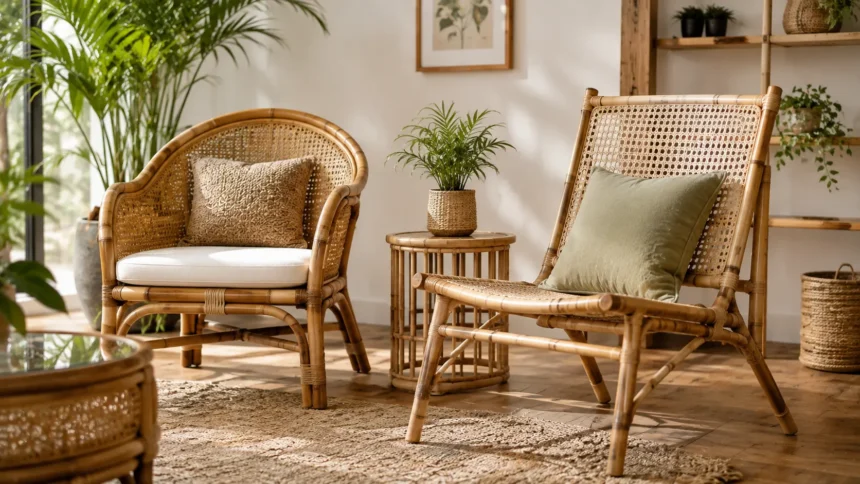
Bamboo and Cane Chairs: Stylish Ideas for Every Home
Bamboo and cane chairs have a timeless appeal that makes them feel equally at home in relaxed coastal rooms, modern apartments, traditional interiors, and warm bohemian spaces. Their natural textures introduce softness and visual interest without making a room feel heavy, and their woven surfaces can instantly make an interior feel more layered. Homeowners are increasingly using bamboo and cane chairs not only as practical seating but also as statement furniture that brings warmth and character into otherwise simple spaces. These chairs can work beautifully in living rooms, dining areas, bedrooms, reading corners, conservatories, and covered outdoor spaces. Their versatility is one reason they continue to reappear in contemporary interior design.
Another advantage is that bamboo and cane furniture can fit into many decorating styles without looking forced. A sculptural cane armchair can soften a modern living room, while a pair of bamboo dining chairs can make a farmhouse-inspired table feel lighter and more relaxed. In a minimalist interior, woven cane adds texture without introducing excessive color or pattern. In a tropical or bohemian room, the same chair can blend naturally with plants, linen, jute, and warm wood tones. The key is choosing a chair whose shape, color, and proportions suit the surrounding furniture. With thoughtful styling, bamboo and cane chairs can look refined rather than overly rustic.
Why Bamboo and Cane Chairs Work in So Many Interiors
One reason bamboo and cane furniture remains popular is its ability to bring natural texture into a room without overwhelming the design. Smooth timber furniture can sometimes make an interior feel visually flat when every surface has the same finish. Cane weaving breaks that uniformity by introducing subtle shadows, lines, and open spaces. Bamboo frames add another organic element through their visible joints and natural variation. Together, these details create interest even when the furniture is kept in a neutral color palette. This makes bamboo and cane seating especially useful in spaces built around white, cream, beige, taupe, or soft gray tones.
These chairs also create a sense of visual lightness. A bulky upholstered armchair can dominate a small living room, while an open cane chair often allows light and sightlines to pass through it. This can make compact spaces feel less crowded and more breathable. Cane backs, woven sides, and narrow bamboo frames provide the function of a chair without creating the same visual weight as solid furniture. That makes them useful for apartments, bedrooms, narrow dining areas, and open-plan rooms where furniture needs to define zones without blocking the space. Choosing furniture that feels visually light can be just as important as choosing furniture that is physically small.
The natural colors of bamboo and cane also make these materials easy to coordinate. Honey, tan, pale blond, warm brown, and muted caramel tones work well with many popular interior palettes. They pair naturally with off-white walls, earthy greens, terracotta, warm grays, muted blues, and soft pastels. Darker stained cane can also look sophisticated beside black accents, deep navy, walnut, or rich green upholstery. Because the material itself is relatively neutral, the surrounding cushions, rugs, curtains, and artwork can determine whether the room feels coastal, traditional, contemporary, or eclectic.
Another strength is that bamboo and cane can soften hard architectural finishes. Rooms with concrete floors, stone surfaces, metal lighting, or large expanses of glass can sometimes feel cold without enough organic texture. A cane lounge chair, bamboo bench, or woven dining chair introduces contrast and warmth immediately. The same effect works in modern kitchens, where cane bar stools can soften polished cabinetry and stone worktops. This combination of natural and refined materials often feels more balanced than using either style alone. Mixing textures allows each material to stand out more clearly.
The most successful interiors avoid treating bamboo and cane as a theme. Filling every corner with woven furniture, palm prints, baskets, and tropical accessories can quickly make a room feel overly coordinated. Instead, one or two well-chosen cane or bamboo pieces often have greater impact. A single accent chair beside a sofa or a set of dining chairs around a simple wooden table can be enough to introduce the material. The goal is to create contrast and warmth rather than turn the room into a furniture showroom. Restraint usually makes natural materials feel more modern and intentional.
Bamboo vs Cane Chairs: What Is the Difference?
Although bamboo and cane are often grouped together, they are not exactly the same material. Bamboo is a fast-growing grass with hollow segmented stems that can be used structurally in furniture frames. Its natural strength allows craftspeople to bend, join, and shape it into chairs, stools, benches, and tables. Bamboo frames often have a distinctive jointed appearance that makes the material easy to recognize. Depending on the finish, bamboo furniture can look pale and Scandinavian, warm and tropical, or dark and traditional. Its structural qualities make it especially useful for creating lightweight frames with a handcrafted appearance.
Cane usually refers to material taken from the outer skin of rattan stems. It is commonly woven into chair backs, seats, cabinet doors, and decorative panels. The familiar open hexagonal weave often associated with vintage furniture is one of the most recognizable forms of cane webbing. Cane can also be woven more tightly or used in different geometric patterns depending on the design. Because it is flexible, lightweight, and visually delicate, it works especially well as an insert within wooden or bamboo furniture frames. This gives designers the option to combine solid structure with breathable woven surfaces.
Rattan is another term that appears frequently alongside bamboo and cane. Rattan is a climbing palm that produces long, solid stems, while cane is usually made from the outer layer of that rattan material. Many chairs described casually as cane chairs actually have rattan or timber frames with cane inserts. The terminology used by furniture retailers is not always technically precise, which is why it helps to focus on construction rather than labels alone. A product description that explains whether the chair uses natural cane, synthetic cane, rattan, bamboo, or solid wood gives more useful information than a vague “woven chair” description.
The differences also affect durability and maintenance. Bamboo can be strong when properly dried, joined, and finished, but lower-quality pieces may split or loosen over time if exposed to extreme moisture or dryness. Cane webbing can stretch or sag if heavily loaded or poorly maintained, although good-quality weaving can remain attractive for many years. Natural cane also responds to humidity, becoming slightly more flexible in moist conditions and more brittle when excessively dry. Understanding these characteristics helps homeowners choose appropriate placement. Indoor dining rooms, bedrooms, and covered areas are usually safer for natural cane than fully exposed outdoor spaces.
From a decorating perspective, the differences are less important than the overall look. Bamboo frames tend to create stronger natural lines and can appear more sculptural, while cane inserts add delicacy and texture. A chair combining both can provide the best of each material. For buyers, the more useful questions are whether the chair feels sturdy, whether the seat is comfortable, whether the weaving is tight, and whether the finish suits the room. Material terminology matters, but comfort and construction quality matter even more.
Bamboo and Cane Chairs for the Living Room
The living room is one of the easiest places to introduce a cane accent chair because the piece can add texture without needing to match the sofa exactly. A single cane armchair placed beside a neutral sofa creates a relaxed contrast that feels collected rather than overly coordinated. The chair can also introduce a lighter silhouette if the main upholstery is bulky or dark. In small living rooms, choose a design with open arms and a woven back so the floor and wall remain visible through the frame. This helps maintain a sense of space while still providing useful seating.
A pair of matching bamboo or cane chairs can also create a more balanced conversation area. Positioning two chairs opposite or perpendicular to a sofa can make the room feel intentional and welcoming. This arrangement works particularly well in larger living rooms where one chair might look isolated. A small round side table between the chairs can connect them visually while creating a practical place for drinks, books, or a lamp. Keeping the chairs slightly angled toward the sofa encourages conversation and avoids making the room feel like a formal waiting area.
Cushions can completely change the personality of cane seating. White or cream cushions create an airy coastal look, while olive green, rust, ochre, or deep blue can make the chair feel richer and more grounded. Patterned cushions work well too, but the woven texture already provides visual interest, so the pattern does not need to be complicated. Linen, cotton, boucle, and soft wool blends pair naturally with cane because they preserve the tactile character of the material. Avoid overly shiny fabrics unless the goal is deliberate contrast.
Bamboo chairs also work well beside fireplaces, bookshelves, and windows. A chair positioned beside a tall plant or floor lamp can turn an unused corner into a comfortable reading area. In homes with bay windows, a lightweight cane chair can make good use of the natural light without blocking the window visually. Add a small footstool or textured rug to define the zone. This approach can make awkward corners feel purposeful without requiring built-in furniture.
To keep the living room contemporary, mix cane with more polished materials. A woven chair next to a stone coffee table, black metal lamp, or modern sofa can prevent the room from becoming too rustic. The contrast between handcrafted texture and clean modern lines creates sophistication. Repeating one or two warm tones elsewhere, perhaps in a wooden picture frame or woven basket, can help the chair feel integrated. The aim is connection without repetition.
Bamboo and Cane Dining Chairs for a Relaxed Dining Space
Cane dining chairs are particularly effective because they combine texture with a relatively lightweight silhouette. Around a wooden dining table, cane backs can prevent the setup from feeling overly heavy or traditional. The open weave allows light to pass through, which is useful in smaller dining rooms or breakfast areas. These chairs work beautifully with round, rectangular, and oval tables, especially when the table itself has a simple design. A full set can create a cohesive look, while mixed seating can make the room feel more casual and personal.
Using cane only on the end chairs is another stylish option. For example, a rectangular dining table might have simple upholstered side chairs and larger cane armchairs at either end. This creates hierarchy without requiring every chair to match. The end chairs become natural focal points while the overall dining arrangement remains balanced. This technique works especially well in transitional interiors where traditional furniture is mixed with more relaxed natural materials. It can also be a practical way to introduce cane gradually rather than committing to a complete set.
Comfort matters more in dining chairs than appearance alone. Some cane seats are flexible and comfortable for short meals but may feel firm during longer dinners. Chairs with upholstered seat pads can provide additional support without hiding the woven back. Removable cushions are useful because they can be cleaned or replaced as the interior changes. When shopping, check seat depth, back angle, and table height rather than relying only on photographs. A beautiful chair that forces diners into an uncomfortable posture will quickly become frustrating.
Natural cane pairs especially well with warm dining-room finishes. Consider linen curtains, ceramic tableware, woven pendants, timber flooring, and understated greenery. If the room already contains many natural textures, add contrast through a sleek table or modern lighting fixture. A black pendant above a pale bamboo dining set can make the entire arrangement feel sharper and more contemporary. This prevents the room from drifting too far into a purely rustic style.
Cane dining chairs can also work in modern kitchens. Around a breakfast table or kitchen island, they introduce softness against cabinetry, stone, and stainless steel. For counter seating, choose stools with sturdy frames and correctly proportioned seat heights. Footrests are important for comfort, particularly when the seat has little padding. A few cane bar stools can often make a modern kitchen feel warmer without requiring any changes to the cabinetry or finishes.
Cane Chairs for Bedrooms and Reading Corners
A cane chair in the bedroom can provide both function and decoration. Positioned beside a window, it creates a simple place to read, put on shoes, or set clothes temporarily. Because the frame is visually light, it usually works even in modestly sized bedrooms. Choose a chair with a comfortable seat cushion if you expect to use it regularly. A small side table and soft lamp can turn the chair into a dedicated reading corner without taking up much floor space.
Bedrooms benefit from the softness of natural woven materials. Cane pairs particularly well with upholstered headboards, linen bedding, warm neutral walls, and natural fiber rugs. A pale cane chair can prevent a neutral bedroom from feeling flat because the weave introduces fine texture and shadow. If the room is mostly white, choose a warmer honey-toned chair to add contrast. If the room already contains warm wood, a lighter or painted cane piece may provide better balance.
In children’s bedrooms or nurseries, cane chairs can also work beautifully, although construction and safety should be considered carefully. Avoid pieces with sharp broken fibers, unstable frames, or openings that might create hazards for very young children. A cane rocking chair or supportive armchair can bring warmth to a nursery when paired with a soft seat cushion. However, furniture stability should always matter more than the decorative look. A chair intended for frequent feeding or soothing should also provide genuine back and arm support.
For guest rooms, bamboo chairs offer a useful place for visitors to sit or place a bag. They can make a room feel finished without requiring a large upholstered chair. A compact cane chair at the end of a bed or near a dressing table often works well. Add a small cushion in a color that connects with the bedding so the piece feels intentional. This is a simple way to make the room more functional without increasing visual clutter.
A reading corner can be made more inviting by layering around the chair. Add a floor lamp, small side table, textured throw, and soft rug rather than expecting the chair alone to create atmosphere. One tall indoor plant can reinforce the natural character without making the arrangement feel themed. If the chair is highly decorative, keep nearby accessories relatively simple. Allowing the cane texture to remain visible is part of what makes the setup feel relaxed.
Bamboo and Cane Chairs in Modern Interiors
Natural furniture is not limited to bohemian or tropical homes. In fact, modern cane chairs can look especially striking when placed against clean architectural lines. A black-framed cane chair beside a minimalist sofa can create graphic contrast while preserving warmth. Similarly, a natural cane dining chair around a white stone table can soften the hardness of the surface without undermining the contemporary look. The key is selecting simplified chair shapes rather than highly decorative traditional frames.
Color also plays an important role in modernizing bamboo and cane. Black, dark brown, or muted painted frames can make woven chairs feel more architectural. A black cane chair can work beautifully in monochrome interiors where natural blond furniture might feel too casual. White-painted cane offers another option for coastal-modern or Scandinavian-inspired spaces. Painting should be done carefully, however, because thick layers can clog delicate weaving and reduce the material’s tactile quality.
Pairing cane with contemporary lighting is another effective strategy. Sculptural pendants, slim floor lamps, and simple wall sconces can make natural seating feel current. Avoid surrounding the chair exclusively with vintage or handcrafted accessories if the goal is modernity. Instead, mix old and new elements intentionally. A cane chair beside an abstract artwork and clean side table feels far more contemporary than the same chair surrounded entirely by traditional woven décor.
Modern interiors also benefit from negative space. Do not crowd cane furniture with too many decorative objects. The open weave and curved frames already provide visual detail. Giving the chair room to breathe allows its shape to become part of the composition. This is particularly important with sculptural lounge chairs, where the silhouette is often as important as the material.
A modern room does not need to hide the handmade character of cane. Slight variations in weave and natural tone can prevent sleek interiors from feeling sterile. The contrast between precise architecture and organic furniture often makes both elements look better. Rather than asking whether cane is “modern enough,” focus on whether the proportions, finish, and surrounding pieces create a coherent overall design. Natural materials can feel very contemporary when they are used with restraint.
Styling Bamboo and Cane Chairs in Boho and Coastal Homes
Bohemian interiors are a natural match for bamboo and cane because both styles celebrate texture, craft, and relaxed layering. A boho cane chair can sit comfortably beside patterned rugs, handmade ceramics, macramé, linen cushions, and houseplants. The challenge is preventing the space from becoming visually chaotic. Choose one or two dominant colors and let the furniture provide neutral texture. This allows patterned textiles and artwork to stand out without competing with every surface.
Layering works particularly well in bohemian rooms. A cane chair can be softened with a patterned cushion and lightweight throw, while a jute or wool rug beneath it anchors the arrangement. Indoor plants placed nearby reinforce the organic feel, but varying leaf shapes is usually more interesting than filling the space with identical plants. Wooden side tables and woven baskets can continue the material story without requiring every item to be bamboo. A mix of textures usually feels more authentic than strict matching.
For coastal interiors, keep the palette lighter and simpler. Natural cane pairs beautifully with white, sandy beige, pale blue, soft green, and weathered timber. Linen curtains and relaxed upholstery reinforce the airy atmosphere. Avoid relying on obvious nautical motifs such as anchors, ropes, and excessive seashell decoration unless that style is intentional. The natural material already suggests an easy coastal mood without needing literal seaside accessories.
Bamboo chairs can also work well in Mediterranean-inspired interiors. Warm plaster walls, terracotta floors, striped cushions, olive-toned textiles, and aged timber create an earthy setting for woven furniture. Choosing slightly darker cane rather than pale blond can make the arrangement feel richer. This style works particularly well in sunrooms, covered terraces, and dining areas with strong natural light. The material can visually connect indoor rooms with surrounding gardens or outdoor views.
In both boho and coastal spaces, quality matters because these styles rely heavily on natural materials. Poorly finished synthetic-looking furniture can make the room feel themed rather than relaxed. Look for balanced proportions, neat weaving, and a finish that complements nearby timber. Natural variation is desirable, but obvious structural weakness is not. The best bohemian or coastal spaces feel collected over time, and a good cane chair can contribute to that feeling for years.
Bamboo and Cane Chairs for Small Spaces
Small rooms benefit greatly from furniture that looks visually light, which is why cane chairs for small spaces can be particularly effective. Open backs allow the wall behind the chair to remain visible, reducing the sense of visual obstruction. Narrow arms and slim frames also occupy less apparent space than fully upholstered seating. This makes cane suitable for studio apartments, small bedrooms, compact dining areas, and narrow living rooms. A chair can provide useful seating without making the room feel crowded.
Scale remains important, however. Some decorative rattan lounge chairs have broad curved arms and deep seats that can take up more floor area than expected. Always check measurements before buying, especially when shopping online. Compare the chair’s width and depth with the available floor space rather than relying on product photographs. Leaving enough space to walk comfortably around the chair is essential. A visually light piece can still be physically too large.
For tiny dining areas, armless cane chairs are often the easiest choice. They can slide farther under the table when not in use and reduce the amount of floor space needed. Round tables can also work particularly well with lightweight chairs because the absence of corners improves circulation. If the dining area doubles as a workspace, choose a chair with enough support for longer periods of sitting. Decorative appearance should not come at the expense of function.
In bedrooms, consider placing one small cane chair beside a bedside table instead of adding a larger bench or armchair. This creates a useful surface without blocking movement around the bed. In a studio apartment, a pair of cane chairs can even replace a second sofa if flexible seating is more important than lounging space. Their lighter appearance helps maintain openness. Adding slim furniture rather than simply reducing the number of pieces can make a compact home feel more usable.
Mirrors and light colors can amplify the effect. A cane chair placed near a window or reflective surface feels especially airy because light passes through and around the weave. Choosing cushions close to the wall color can reduce visual contrast further. If the chair itself is the statement piece, keep the floor around it uncluttered. Small-space design works best when furniture has room to perform its function clearly.
Can Bamboo and Cane Chairs Be Used Outdoors?
Bamboo and natural cane are often associated with patios and verandas, but outdoor use requires caution. Natural fibers generally perform best in dry, protected environments rather than full exposure to rain, harsh sun, and large temperature changes. Constant moisture can encourage mold, swelling, or weakening, while intense ultraviolet exposure can fade and dry natural materials. A covered porch, screened terrace, or sunroom is usually much safer than an uncovered patio. The manufacturer’s care instructions should always take priority.
Synthetic cane or resin wicker is often a better choice for fully exposed outdoor furniture. Modern synthetic materials can imitate natural weaving while resisting moisture and ultraviolet damage more effectively. Aluminum frames are also commonly paired with outdoor woven furniture because they do not rust in the same way untreated steel can. If a chair will remain outside year-round, weather-resistant construction matters more than whether the material looks perfectly natural. This can prevent repeated replacement.
Natural bamboo can sometimes be used in covered outdoor settings if it is properly sealed and maintained. Even then, keeping it away from standing water and prolonged dampness is important. Furniture covers can help protect chairs during poor weather, although trapped moisture underneath a cover can also cause problems if ventilation is inadequate. Bringing lightweight chairs indoors during severe weather is often the safest option. Bamboo’s relatively low weight makes this easier than moving heavy solid-wood furniture.
Outdoor cushions should also be chosen carefully. Indoor cotton or linen cushions can absorb moisture and develop mildew quickly. Weather-resistant fabrics and quick-drying foam are more practical when the chair is used outdoors regularly. Removable covers make cleaning easier. Choosing cushions designed for the environment can greatly extend the usable life of the chair.
The transition between indoor and outdoor design is one of the greatest strengths of bamboo and cane. A covered terrace furnished with woven chairs can visually connect a living room to the garden, especially when similar colors or materials are used inside. Sliding doors and large windows make this connection even stronger. Just remember that a chair looking suitable for a patio does not necessarily mean its construction is weatherproof. Appearance and durability are separate considerations.
How to Choose a Quality Bamboo or Cane Chair
Start by checking the frame for stability. A quality bamboo or cane chair should feel solid when you sit down and should not wobble excessively from side to side. Joints should be secure, and any bindings or fasteners should appear neat and tight. Small natural irregularities are normal, but large cracks or visibly separating joints may indicate structural problems. When buying in person, gently press the arms and back to see whether the frame feels secure. Online shoppers should look closely at construction details and customer reviews.
Inspect the cane weaving as well. The pattern should generally look even and tight without large accidental gaps. Natural cane can have slight variations in color and fiber thickness, which are part of its character. However, broken strands, major sagging, or loose edges may worsen with use. In cane seats, weaving strength matters particularly because the surface must support body weight. A cane back experiences less direct stress than a cane seat, so construction requirements differ.
Comfort should be evaluated realistically. Some chairs are intended primarily as occasional accent seating, while others are designed for long meals or extended lounging. A beautiful sculptural chair may not provide enough lumbar support for reading for several hours. Check the seat angle, height, depth, back shape, and arm position. Removable cushions can improve comfort, but they cannot completely correct poor proportions.
Finish quality matters too. Bamboo should feel smooth rather than excessively rough or splintered. Painted or stained surfaces should look reasonably even, and the finish should not flake easily. Natural cane can become brittle if severely dried, so pieces that have been stored poorly may already show weakness. A slight flexibility is normal in woven material, but obvious cracking is not. Choosing furniture from a retailer with clear care instructions can be useful because it suggests greater attention to the material.
Finally, consider repairability. One advantage of traditional cane furniture is that damaged webbing can sometimes be replaced by skilled furniture repairers. A well-made frame can therefore remain useful even if the woven portion eventually wears out. Cheap furniture with glued-in synthetic panels may be harder to restore economically. Paying slightly more for sound construction can make sense when the design is something you expect to keep long term.
How to Care for Bamboo and Cane Chairs
Regular dusting is one of the simplest ways to keep cane furniture looking good. Dust can settle within the weave where ordinary cloths may not reach easily. A soft brush, microfiber cloth, or vacuum attachment with gentle suction can remove debris without damaging the fibers. Work in the direction of the weave where possible. Frequent light cleaning is usually easier than waiting until dirt has become embedded.
Avoid soaking natural cane during cleaning. Excess water can cause fibers to swell and may weaken adhesives or finishes in some furniture. A slightly damp cloth is usually enough for routine cleaning, followed by allowing the chair to dry thoroughly in a well-ventilated area. Harsh chemical cleaners can dry or discolor natural materials. Always test any unfamiliar product in a discreet area before using it across the entire chair.
Humidity deserves attention because cane is a natural material that responds to environmental conditions. Extremely dry air can make fibers more brittle, while prolonged dampness can encourage mold. Normal indoor conditions are generally suitable, but placing a chair directly beside a powerful heater or in a persistently wet room may shorten its life. Bathrooms are not ideal locations for untreated natural cane unless ventilation is excellent. Balanced indoor conditions help preserve flexibility.
Protect the chair from strong prolonged sunlight where possible. Direct ultraviolet exposure can fade natural fibers and make them drier over time. This does not mean cane furniture cannot sit near a window, but rotating the chair or using curtains during the strongest sun can reduce uneven fading. The same advice applies to bamboo frames. Natural color changes over time can be attractive, but severe drying and discoloration are different.
Address minor damage early. A loose strand or weakened joint is easier to repair before it develops into a larger structural problem. Avoid standing on cane seats or using lightweight chairs as step stools because this places concentrated pressure where the furniture was not designed to carry it. Follow any weight limits provided by the manufacturer. Good maintenance is less about complicated treatments and more about keeping the furniture clean, dry, supported, and protected from extremes.
The Bottom Line on Bamboo and Cane Chairs
Bamboo and cane chairs are among the most versatile natural furniture choices for modern homes. They bring warmth, texture, and handcrafted character without creating the visual heaviness associated with many solid or fully upholstered pieces. This makes them particularly useful in living rooms, dining spaces, bedrooms, small apartments, and covered transitional areas. Their neutral natural tones also allow them to move easily between coastal, bohemian, modern, farmhouse, traditional, and Mediterranean-inspired interiors. The same chair can look completely different depending on the cushion, rug, lighting, and furniture surrounding it.
The key to making cane furniture feel stylish is balance. One or two woven pieces often have greater impact than filling an entire room with matching furniture. Pair cane with smooth stone, painted walls, metal lighting, upholstery, or polished timber so its texture has something to contrast with. Repeating a small amount of warm natural material elsewhere can help create visual connection. This produces an interior that feels layered rather than themed.
Comfort should remain as important as appearance. Dining chairs need suitable seat proportions, reading chairs require support, and outdoor chairs need materials capable of handling the environment. A decorative photograph cannot tell you whether a chair will feel comfortable after an hour of use. Measuring your space and considering how the chair will actually function can prevent expensive mistakes. High-quality construction also makes a significant difference to how long the furniture lasts.
Natural cane and bamboo require some maintenance, but care is generally straightforward. Keep them relatively dry, remove dust from woven areas, avoid harsh cleaning methods, and protect the furniture from extreme environmental conditions. Covered outdoor areas may be suitable for certain pieces, while fully exposed patios usually call for synthetic outdoor alternatives. Following the manufacturer’s recommendations is especially important when natural and synthetic materials look very similar.
Ultimately, bamboo and cane chairs work because they combine practical seating with strong visual texture. They can make a plain room feel warmer, a small room feel lighter, and a formal room feel more relaxed. Whether you choose a sculptural lounge chair, woven dining set, bamboo accent chair, or compact bedroom seat, focus on proportion, comfort, construction, and how the piece complements the rest of your home. When those elements are right, cane and bamboo furniture can remain stylish long after individual decorating trends change.
Frequently Asked Questions
Are bamboo and cane chairs still in style?
Yes. Bamboo and cane chairs continue to work well in modern, coastal, bohemian, traditional, and transitional interiors because natural texture is highly versatile and easy to combine with other materials.
Are cane chairs comfortable?
Cane chairs can be comfortable, particularly when the frame has good proportions and the seat includes a cushion. Comfort varies considerably between designs, so chairs intended for long periods of sitting should be tested carefully.
Can you use cane chairs outdoors?
Natural cane is best used indoors or in covered outdoor areas because prolonged rain and direct sun can damage it. For fully exposed patios, synthetic cane or outdoor wicker is usually more durable.
What colors go well with bamboo and cane furniture?
White, cream, beige, green, terracotta, muted blue, black, brown, and soft gray all pair well with natural cane and bamboo. The neutral tone of the material makes it easy to adapt to different color schemes.
How do you make cane furniture look modern?
Pair cane with clean-lined furniture, simple textiles, modern lighting, stone, metal, or black accents. Avoid overusing woven accessories so the cane chair feels like a deliberate statement rather than part of an overly themed room.