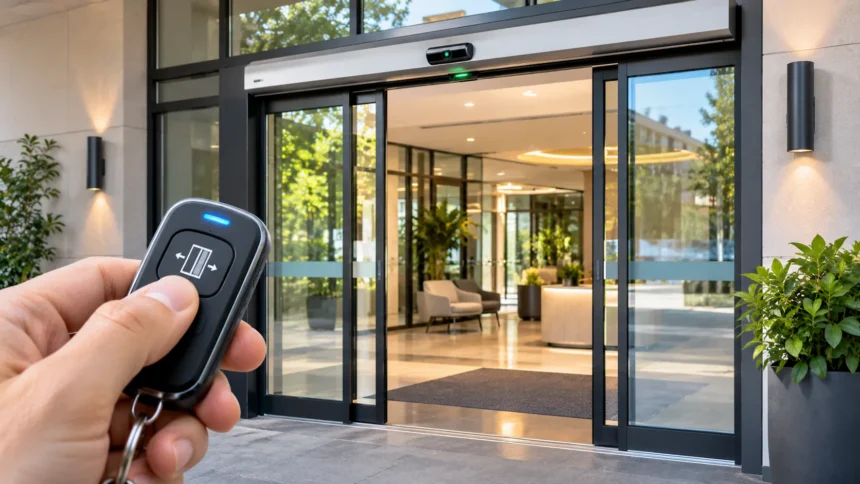
An automatic door opener makes entering and leaving a building easier, safer, and more convenient. Whether you want to improve accessibility at home, upgrade a commercial entrance, or introduce touchless access, choosing the right system can make a noticeable difference. However, automatic door openers come in different designs, features, and price ranges.
Before purchasing, it is important to understand how these systems work and which features matter most. Door compatibility, safety sensors, power requirements, and installation costs all influence your decision. This guide explains everything you should consider when buying an automatic door opener, helping you choose a reliable solution that suits your needs and budget.
What Is an Automatic Door Opener?
An automatic door opener is a powered device that opens and sometimes closes a door without requiring someone to operate it manually. Depending on the system, it may respond to motion sensors, push buttons, remote controls, or access control devices. These systems are commonly installed in homes, offices, hospitals, retail stores, and other buildings where convenient access is important.
Most automatic door openers use an electric motor and mechanical components to move the door. When an activation signal is received, the operator moves the door according to its programmed settings. Some systems close automatically after a short delay, while others require a separate command. The exact operation depends on the opener type and installation requirements.
Automatic door operators are available for swinging doors, sliding doors, and certain specialized entrances. Some models are designed for new installations, while others can be added to existing doors. Choosing a compatible system is essential for dependable performance. A suitable opener should match the door’s size, weight, movement pattern, and intended level of use.
Types of Automatic Door Openers Available
Automatic swing door openers are widely used in residential and commercial buildings. They operate hinged doors by pushing or pulling them open through a powered mechanism. These systems are often suitable for accessible entrances, offices, and interior doorways. Low-energy swing door operators are particularly common in locations where controlled opening speeds and pedestrian accessibility are priorities.
Automatic sliding door openers move door panels horizontally along a track. They are commonly found at supermarkets, hospitals, airports, and busy commercial entrances. Sliding systems can provide convenient access where suitable horizontal clearance is available. However, they require compatible tracks, supporting structures, and safety equipment to operate correctly under regular pedestrian traffic.
Other options include automatic folding door systems and specialized openers for industrial entrances. Garage door openers are another category, designed specifically for overhead or sectional garage doors rather than ordinary pedestrian entrances. Each system serves different operating needs and structural requirements. Understanding these distinctions prevents you from purchasing equipment that cannot safely operate your intended door.
Benefits of Installing an Automatic Door Opener
One major benefit of an automatic door opener is improved accessibility for people with mobility challenges. Individuals using wheelchairs, walkers, or other mobility aids may find powered entrances easier to navigate. Automatic operation can also help people carrying bags, pushing strollers, or moving equipment. These advantages make entrances more convenient for a wider range of users.
Touchless automatic door systems can reduce the need to touch shared door handles. This feature is particularly useful in healthcare settings, public buildings, and other locations where people frequently enter and exit. Motion sensors or contactless activation switches allow doors to operate without direct handling. However, regular cleaning and appropriate hygiene practices remain important.
Automatic door openers can also improve the flow of people through busy entrances. Properly configured systems help reduce interruptions caused by manually opening heavy or frequently used doors. Some installations may support better indoor temperature management by limiting unnecessary open time. Actual energy performance depends on factors such as door insulation, operating settings, and building conditions.
How to Choose Between Swing and Sliding Door Openers
The first step when selecting an automatic door opener is identifying how your existing door moves. Swing doors rotate around hinges, while sliding doors move sideways along a track. Each design requires a different operating mechanism and installation arrangement. Choosing the wrong operator can result in compatibility problems, unnecessary expenses, or unsafe door movement.
Swing door operators are often practical when you want to automate an existing hinged entrance. However, sufficient clearance must be available for the door to move safely through its opening path. You should also consider whether the door opens inward or outward. The operator must match the door’s configuration and the available mounting space.
Sliding door systems may work well for entrances with heavy pedestrian traffic and suitable horizontal space. They can provide a convenient opening without requiring the sweeping clearance of a hinged door. However, converting a traditional swing entrance into a sliding system may involve substantial construction work. Compare installation complexity and long-term requirements before deciding which arrangement is more practical.
Essential Features to Look for Before Buying
A reliable automatic door opener should provide adjustable opening and closing settings. These controls allow qualified installers to configure movement speed, opening angle, and hold-open time according to the application. Smooth operation is important for both comfort and safety. Look for systems designed to deliver consistent movement without excessive vibration or sudden changes in speed.
Door weight capacity is another important specification that should never be overlooked. Every opener has operating limits based on factors such as door size, weight, and usage requirements. Choosing equipment that cannot handle the existing door may cause performance problems or premature wear. Always compare manufacturer specifications with your actual door measurements before making a purchase.
You should also consider the durability of the motor, operating mechanism, and control components. Commercial entrances may require equipment designed for frequent daily use, while residential applications may have different demands. Look for clear product documentation, accessible replacement parts, and dependable technical support. These features can make maintenance easier and reduce unexpected disruptions.
Safety Sensors and Accessibility Requirements
Safety should be a priority when choosing any powered door system. Automatic openers may require sensors or other protective devices to detect people and obstacles within the door’s operating area. Depending on the design, these components help prevent unsafe movement or unexpected contact. The required protection depends on the door type, operating speed, and applicable safety standards.
Motion sensors, presence sensors, and safety edges serve different purposes in automatic door installations. Some devices activate opening, while others monitor areas where people could encounter a moving door. Not every opener includes the same protective equipment. Before purchasing, confirm which safety components are supplied and whether additional devices are necessary for your installation.
Accessibility requirements also deserve careful attention, especially in public and commercial buildings. Push-button placement, opening time, clear doorway width, and manual operation may be subject to local building rules. An automatic opener does not automatically make an entrance fully accessible or code-compliant. A qualified installer can help assess applicable standards and identify necessary adjustments.
Power Supply and Battery Backup Options
Most automatic door openers depend on an electrical power supply to operate their motors and control systems. Before buying, check the manufacturer’s voltage requirements and recommended electrical connections. Some residential systems use plug-in power supplies, while others require professional electrical installation. Confirm that your entrance has a suitable and safely accessible power source.
Battery backup can be particularly useful in buildings where uninterrupted access is important. Some systems allow limited powered operation during an electrical outage, although backup capacity varies significantly between models. Other doors may switch to manual operation or follow a designated emergency operating mode. Review the manufacturer’s specifications instead of assuming every opener includes battery protection.
Power failure behavior is especially important for emergency exits and high-traffic entrances. Depending on the building and door type, regulations may require particular manual opening or emergency release arrangements. These requirements should be considered before selecting equipment. Never compromise emergency exit safety simply to gain additional convenience or automated functionality.
Smart Automatic Door Openers and Access Controls
Modern automatic door openers can offer compatibility with smart access control systems. Depending on the model, users may activate the door through a remote control, keypad, wireless switch, or integrated building management system. These features are useful when controlled entry is needed. However, connectivity and supported devices vary between manufacturers and product categories.
Some automatic door systems can connect with electronic locks and authorized entry systems. This arrangement allows approved users to unlock and activate a door through coordinated controls. Commercial installations may integrate badge readers or other credential-based access methods. It is important to verify that the opener and locking hardware are compatible before purchasing either component.
Smart technology should improve convenience without creating unnecessary security risks. Look for equipment with dependable access controls, clear configuration options, and appropriate manufacturer support. Wireless or network-connected devices may also require software updates and secure account management. For important entrances, professional integration helps ensure that security, accessibility, and emergency operation work together properly.
How Much Does an Automatic Door Opener Cost?
The cost of an automatic door opener depends on the operating mechanism, intended application, and included features. A basic residential swing door operator may cost less than a commercial sliding door system with advanced sensors. Heavy-duty equipment and specialized access controls can increase the purchase price. Comparing systems by total functionality is more useful than focusing only on the initial price.
Installation expenses are another important part of the overall budget. Existing door conditions, electrical work, mounting requirements, and additional safety equipment can influence the final cost. Some projects may also require modifications to frames, hinges, or surrounding walls. Requesting a detailed quotation helps you understand which services and components are included.
Long-term ownership costs should also influence your purchasing decision. Routine servicing, replacement parts, electricity use, and possible repairs can add to the original investment. A cheaper product may become more expensive if technical support is limited or replacement components are difficult to obtain. Compare warranty coverage, service availability, and expected operating demands before choosing a system.
Installation Requirements and Door Compatibility
Before purchasing an automatic door opener, inspect the condition and construction of your existing door. The frame, hinges, mounting surfaces, and moving components must be suitable for powered operation. A damaged or misaligned door may not work correctly even with a high-quality operator. Correcting structural problems before installation can improve reliability and reduce future maintenance issues.
The installation process generally involves mounting the operator, connecting the operating mechanism, and configuring electronic controls. Sensors and activation devices must also be positioned according to the system’s requirements. Once installed, the door needs appropriate adjustment and safety testing. Manufacturer instructions should guide every stage of installation rather than relying on generic mounting assumptions.
Professional installation is usually the safer choice for commercial entrances, heavy doors, and systems involving electrical or access control integration. Qualified technicians can evaluate compatibility and apply the relevant safety requirements. They can also verify manual operation and emergency behavior before the door enters service. Proper commissioning is essential for safe, dependable automatic operation.
Maintenance, Durability, and Warranty Considerations
Regular maintenance helps automatic door openers operate smoothly and reduces the likelihood of unexpected problems. Routine inspections may include checking the operator, moving components, sensors, and mounting hardware. Keeping the surrounding area clean can also help prevent operational interference. Maintenance requirements should follow manufacturer recommendations and reflect how frequently the entrance is used.
Pay attention to unusual noises, inconsistent movement, delayed activation, or changes in closing behavior. These symptoms may indicate mechanical wear, sensor problems, or incorrect settings. Avoid making unapproved adjustments to powered mechanisms or safety devices. If the door starts operating unpredictably, restrict its use as appropriate and arrange a qualified inspection.
Warranty coverage can provide valuable protection when purchasing an automatic door opener. Compare the duration of coverage, included components, labor conditions, and exclusions before making your decision. Some warranties require professional installation or documented maintenance. A dependable manufacturer or supplier should also provide clear instructions for obtaining replacement parts and technical assistance.
Common Mistakes to Avoid When Buying an Automatic Door Opener
One common purchasing mistake is selecting an opener based only on price. An inexpensive model may lack the capacity, safety features, or durability required for your entrance. Another mistake is assuming every operator works with every door. Carefully checking specifications and installation requirements helps prevent compatibility problems before equipment is purchased.
Buyers sometimes overlook the additional components needed for a complete automatic door system. Activation switches, safety sensors, compatible locks, and mounting accessories may be sold separately. This can make an initially attractive price misleading. Ask suppliers for a complete equipment list and confirm whether professional installation, configuration, and testing are included.
Ignoring after-sales support can also create difficulties once the system is installed. A product without accessible service technicians or replacement parts may be inconvenient to maintain. Review the supplier’s warranty terms, technical documentation, and maintenance options before committing. Choosing a suitable product from a dependable provider can offer better long-term value than simply selecting the cheapest available opener.
Conclusion
An automatic door opener can improve accessibility, convenience, and entrance functionality in residential and commercial buildings. However, choosing the right system requires more than comparing product prices. Door type, operating capacity, safety equipment, and installation conditions all influence performance. Understanding these factors helps you make a confident purchasing decision.
Before buying, compare swing and sliding operators based on your entrance requirements. Consider useful features such as adjustable movement settings, reliable activation controls, compatible sensors, and appropriate power arrangements. Review installation expenses and long-term maintenance needs as well. A complete assessment can help prevent unnecessary costs and equipment problems.
The best automatic door opener is one that matches your door, supports safe operation, and meets your practical needs. Choose a supplier that provides clear specifications, suitable warranty coverage, and dependable technical support. When necessary, consult a qualified installer before purchasing. With careful planning, you can invest in an automatic entrance system that delivers lasting convenience.
Frequently Asked Questions
What Is an Automatic Door Opener?
An automatic door opener is an electrically powered device that opens a door using sensors, buttons, remote controls, or other activation methods. It improves convenience and accessibility in homes and commercial buildings.
Can You Install an Automatic Door Opener on an Existing Door?
Yes, many existing doors can be fitted with compatible automatic operators. However, installation depends on the door’s weight, dimensions, frame condition, available space, and electrical requirements.
How Much Does an Automatic Door Opener Cost?
Prices vary based on door type, motor capacity, safety features, and installation complexity. Commercial sliding systems generally require a larger investment than many basic residential swing door operators.
Do Automatic Door Openers Work During Power Outages?
Some automatic door openers include battery backup for limited operation during electrical outages. Others provide manual operation or another emergency mode, depending on the system design and applicable safety requirements.
Are Automatic Door Openers Safe for Homes and Businesses?
Automatic door openers can be safe when correctly selected, installed, tested, and maintained. Suitable safety devices and compliance with applicable building requirements are especially important for commercial and accessible entrances.