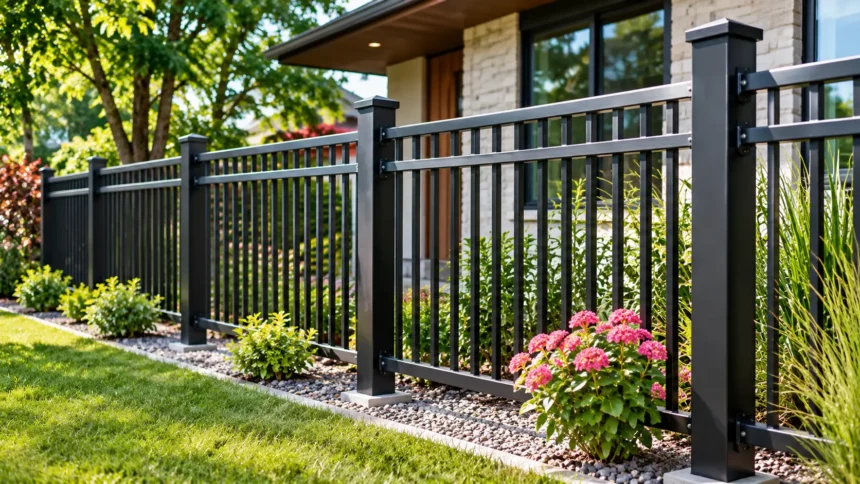
What Are Metal Fence Posts?
Metal fence posts are strong, durable supports used to hold fence panels, rails, and other fencing materials securely in place. They are commonly made from galvanized steel, aluminum, or other corrosion-resistant metals. These posts provide structural stability while creating a clean, modern appearance that complements residential, commercial, and agricultural properties.
Unlike traditional wooden posts, metal fence posts are generally more resistant to moisture damage, insect activity, and natural deterioration. Their durability makes them a practical option for homeowners who want attractive fencing without frequent replacements. With proper installation and protective finishes, quality metal posts can remain functional and visually appealing for many years.
Metal posts also offer flexibility when designing outdoor spaces. They can support wooden privacy fences, wire fencing, decorative metal panels, and contemporary garden boundaries. Whether you are building a backyard fence or upgrading an existing structure, understanding the available styles and materials can help you create a long-lasting result.
Why Choose Metal Fence Posts for Your Property?
One of the main advantages of metal fence posts is their ability to provide reliable structural support. Steel posts can withstand substantial loads when properly selected and installed for the fence design. This makes them suitable for many outdoor applications, including privacy fences, security barriers, and decorative boundary fencing exposed to changing weather conditions.
Another benefit is their relatively low maintenance compared with untreated wooden alternatives. Metal does not rot or attract wood-damaging insects, although some materials can corrode if protective coatings are damaged. Choosing galvanized or properly coated posts helps reduce these risks and supports longer service life in demanding outdoor environments.
Appearance is another reason homeowners choose metal fencing components. Slim posts can create a modern look without overwhelming the surrounding landscape or architectural features. Their clean lines work especially well with contemporary homes, while decorative finishes allow them to complement traditional outdoor spaces and a wide variety of fencing materials.
Different Types of Metal Fence Posts
Several types of metal fence posts are available, and each serves different structural and decorative purposes. Galvanized steel posts are popular because they combine strength with corrosion resistance. They are commonly used for chain-link fences, wooden privacy fences, agricultural fencing, and other projects where reliable support is an important consideration.
Aluminum fence posts provide another practical option, particularly for decorative residential fencing. Aluminum naturally resists rust and is generally lighter than steel, making transportation and handling easier. However, its structural performance depends on the specific alloy, post dimensions, and installation requirements, so it should not automatically replace steel in demanding applications.
Other options include powder-coated steel posts, tubular posts, and specialized steel fence post systems. Some are designed to remain visible, while others can be concealed behind wooden boards for a traditional appearance. Understanding their intended applications helps homeowners choose posts that support both the fence’s structural requirements and overall design.
Galvanized Steel Fence Posts and Their Benefits
Galvanized steel fence posts receive a protective zinc coating that helps reduce corrosion when exposed to outdoor conditions. This coating creates a barrier against moisture and also provides sacrificial protection to the underlying steel. As a result, galvanized posts are widely used in residential fencing, agricultural properties, and commercial boundary installations.
Another advantage of galvanized steel is its strength and versatility. It can support different fence configurations when the posts, spacing, and foundations are correctly designed. Round galvanized posts are common in chain-link fencing, while rectangular or specialized steel profiles are frequently used to support wooden privacy fence panels.
Although galvanized steel offers reliable corrosion protection, its lifespan depends on environmental conditions and coating quality. Coastal locations, frequent exposure to deicing salts, and persistent moisture can accelerate deterioration. Selecting an appropriate protective coating and checking for damage during routine maintenance can help preserve the performance of galvanized steel fencing.
Aluminum vs. Steel Fence Posts: Which Is Better?
Choosing between aluminum and steel fence posts depends on your project’s structural needs, appearance preferences, and environmental conditions. Steel generally offers greater strength for comparable dimensions, making it useful for demanding fence applications. Aluminum is lighter and naturally corrosion resistant, which can make it appealing for decorative fencing in humid environments.
Steel fence posts are often preferred for heavy privacy panels and systems requiring substantial structural support. However, steel needs appropriate corrosion protection, particularly where moisture or salt exposure is common. Galvanized finishes and suitable powder coatings can help extend its service life while maintaining a clean, attractive appearance.
Aluminum posts are frequently used with ornamental fence panels, garden boundaries, and residential pool enclosures. Their lightweight construction can simplify handling, although post size and structural design remain important. Rather than choosing solely by material, consider fence height, wind exposure, manufacturer specifications, local requirements, and the desired finished appearance.
How to Choose the Right Metal Fence Post Size
Selecting the correct metal fence post size is essential for building a stable fence that performs reliably. Important factors include fence height, panel weight, soil conditions, and expected wind loads. Taller privacy fences generally place greater demands on their supporting posts than shorter, open-style fences that allow air to pass through.
Post diameter, wall thickness, and cross-sectional shape all influence structural performance. For example, a heavy steel post may support loads differently from a thin-walled aluminum post of similar dimensions. It is therefore important to review the manufacturer’s specifications instead of assuming that posts with similar outside measurements provide equal strength.
Post spacing and foundation design must also be considered when selecting dimensions. Wider spacing can increase the loads transferred through horizontal rails and fence panels. Consulting local building requirements or a qualified fencing professional can help ensure your selected post size is appropriate for the intended installation and environmental conditions.
Metal Fence Posts for Wooden Privacy Fences
Metal fence posts are increasingly used with wooden privacy fences because they provide strong structural support without relying on buried timber. Traditional wooden posts can deteriorate when continuously exposed to soil moisture. Properly protected steel posts eliminate wood rot within the post itself, although the surrounding wooden fencing still requires regular maintenance.
Specialized steel post systems allow wooden rails and boards to attach securely using compatible brackets or fasteners. Some designs conceal the metal behind the fence, preserving the appearance of a traditional wooden boundary. Others leave the posts visible, creating an appealing combination of natural wood textures and industrial-style metal elements.
When building a wood fence with metal posts, compatibility between materials is important. Choose connectors designed for the post profile and suitable for outdoor exposure. Correct spacing, foundation depth, and rail connections help ensure the finished fence remains stable while maintaining the attractive appearance homeowners expect from a wooden privacy fence.
Modern Fence Designs Using Metal Posts
Metal fence posts can help create a modern outdoor appearance through simple shapes, straight lines, and coordinated finishes. Black powder-coated posts are especially popular in contemporary fence designs because they provide a strong visual contrast against natural wood. Their understated appearance allows landscaping, architectural details, and fence materials to remain the main focus.
Horizontal wooden boards supported by metal posts create another attractive design option. This combination works well with modern homes and outdoor entertaining spaces where clean geometry is preferred. However, horizontal fencing requires properly designed rails, connections, and support spacing to prevent unwanted movement or sagging over time.
Metal posts can also support decorative aluminum panels, composite fencing, and certain privacy screen systems. Matching the post finish to nearby gates, railings, or outdoor fixtures creates a coordinated appearance. By choosing complementary materials and proportions, homeowners can build an attractive boundary that feels integrated with the surrounding property.
How to Install Metal Fence Posts Correctly
Installing metal fence posts begins with careful planning and accurate layout measurements. Identify the proposed fence line, confirm property boundaries, and check for underground utilities before excavation. Local rules may also specify fence height, setback requirements, foundation dimensions, and whether a permit is necessary for the project.
Once the layout is established, post holes should be prepared according to the fence system, soil conditions, frost depth, and applicable requirements. The necessary depth varies considerably between locations and designs, so a universal measurement is not appropriate. Posts must be aligned and supported correctly before the chosen foundation material is placed.
After the foundations have sufficiently cured or stabilized, rails and fence panels can be attached using compatible hardware. Check that connections are secure and that the completed fence remains properly aligned. Because tall fences and heavy panels can experience significant wind loads, professional installation may be appropriate when structural requirements are complex.
Concrete vs. No-Dig Metal Fence Post Installation
Concrete foundations are commonly used for metal fence posts because they provide stable support when designed and installed correctly. The post or its anchoring system may be secured within a concrete footing, depending on the fence design. Footing dimensions should account for soil conditions, frost exposure, fence height, and the loads the finished structure must resist.
No-dig installation systems provide an alternative for certain fencing applications. These systems may use driven posts, ground screws, or engineered anchors to support the fence without traditional concrete footings. Their suitability depends on the specific product, soil characteristics, fence design, and manufacturer recommendations rather than convenience alone.
Neither installation method is automatically superior in every situation. Concrete foundations may be appropriate for demanding structural applications, while approved no-dig systems can simplify some installations. Reviewing site conditions and technical specifications helps homeowners select a foundation approach that provides reliable support without unnecessary construction work.
How Deep Should Metal Fence Posts Be?
The correct installation depth for metal fence posts depends on several factors rather than one fixed measurement. Fence height, soil type, wind exposure, and seasonal freezing conditions all affect the required foundation design. A short decorative fence may have different requirements from a tall, solid privacy fence installed in an exposed location.
For many residential projects, installers use locally established footing practices and manufacturer recommendations. However, common rules of thumb should not replace site-specific requirements or applicable building codes. Areas with deep frost penetration may require foundations extending below the local frost line to reduce movement caused by freezing soil.
Proper foundation depth helps reduce leaning, movement, and premature structural problems. It also works together with footing width, soil bearing capacity, and post strength to support the completed fence. If you are uncertain about local conditions, consult an experienced installer or relevant building authority before beginning construction.
How to Prevent Rust on Metal Fence Posts
Rust prevention is an important consideration when choosing steel fence posts for outdoor use. Galvanized coatings, suitable paints, and powder-coated finishes can help protect metal surfaces from moisture and environmental exposure. Selecting products designed for your climate is often more effective than relying on a basic indoor-grade finish.
Protective coatings can become damaged during transportation, installation, or everyday use. Scratches and exposed metal surfaces may allow corrosion to develop, especially in wet or coastal environments. Inspecting visible surfaces and applying a manufacturer-approved repair coating can help reduce deterioration before it spreads across a larger area.
It is also helpful to consider moisture accumulation around fence foundations and connections. Avoid designs that trap water inside hollow posts unless suitable drainage or sealing measures are provided. With appropriate materials, proper installation, and periodic inspection, steel fence posts can deliver dependable performance while maintaining their appearance.
How Long Do Metal Fence Posts Last?
The lifespan of metal fence posts depends on material quality, protective coatings, environmental exposure, and installation conditions. Well-protected steel and aluminum posts can remain serviceable for decades under suitable conditions. However, no single lifespan applies to every product because soil chemistry, moisture levels, and structural loads vary significantly between properties.
Galvanized steel posts generally offer better corrosion resistance than comparable unprotected steel products. Aluminum does not develop iron rust, although certain conditions can cause other forms of corrosion. Both materials benefit from appropriate design, compatible fasteners, and installation methods that reduce unnecessary exposure to damaging environmental conditions.
Regular inspections can also help extend the useful life of a fence. Checking for loose connections, damaged coatings, leaning posts, and foundation movement allows problems to be addressed before they become more serious. Proper maintenance helps preserve structural integrity and may reduce the need for premature fence replacement.
Metal Fence Post Maintenance Tips
Metal fence posts generally require less routine maintenance than untreated wooden alternatives, but they still benefit from occasional attention. Inspect posts periodically for corrosion, loose hardware, and movement around the base. Identifying small problems early can prevent more extensive repairs and help maintain a neat, professional appearance throughout the property.
Cleaning visible posts with mild soap and water can remove dirt, pollen, and surface deposits. Avoid harsh cleaning products or abrasive tools that may damage painted or powder-coated finishes. Where protective coatings have been scratched, follow the manufacturer’s repair recommendations to maintain corrosion resistance and preserve the original appearance.
Inspect nearby fencing materials and connections during the same maintenance routine. Loose rails, damaged brackets, and shifting panels can place additional stress on otherwise sound metal posts. Keeping the entire fence system in suitable condition supports long-term stability and helps ensure the posts continue performing their intended structural function.
Common Problems With Metal Fence Posts
One common issue with metal fence posts is leaning caused by inadequate foundations, unstable soil, or excessive structural loads. Even strong steel posts can move when their supporting foundations are not appropriate for local conditions. Addressing the underlying cause is important because simply straightening the visible post may not provide a lasting solution.
Corrosion is another potential problem, especially when steel posts have damaged protective coatings or are exposed to aggressive environmental conditions. Rust may appear around scratches, connections, or areas where moisture accumulates. Early treatment can help prevent further deterioration, although severely corroded components may require professional assessment or replacement.
Loose connections can also affect fence stability and appearance over time. Fasteners may loosen due to repeated movement, weather exposure, or incompatible hardware. Checking attachment points and replacing damaged components with suitable alternatives can help restore stability while avoiding unnecessary stress on the remaining fence structure.
How Much Do Metal Fence Posts Cost?
The cost of metal fence posts varies according to material, dimensions, wall thickness, finish, and manufacturer. Basic galvanized steel posts may cost less than specialized decorative systems, while aluminum and heavy-duty structural posts can have different pricing. Regional supply conditions and the quantity required also influence overall project expenses.
Installation costs are another important consideration when creating a fencing budget. Excavation, foundation materials, labor, brackets, and specialized equipment can contribute substantially to the final price. Challenging soil conditions, difficult access, or additional structural requirements may increase expenses compared with a straightforward residential fence installation.
Rather than comparing purchase prices alone, consider the expected maintenance needs and service life of each option. A more durable post system may provide better long-term value when it reduces future repairs or replacements. Requesting detailed local quotes can help you compare materials, installation methods, and overall project costs accurately.
Are Metal Fence Posts Better Than Wood?
Metal and wooden fence posts each have advantages, depending on the intended application and desired appearance. Metal posts generally provide strong structural performance and avoid problems associated with wood rot and insect damage. Properly protected steel can be particularly useful for supporting heavy fence panels in demanding outdoor environments.
Wooden posts remain popular because they offer a natural appearance and can complement traditional landscaping styles. They may also be convenient for certain construction methods and fence designs. However, wood exposed to moisture and soil organisms requires suitable treatment and maintenance to reduce deterioration over time.
For homeowners seeking long-lasting structural support, metal posts are often an attractive alternative. Combining steel posts with wooden fence panels can provide the visual warmth of wood while reducing concerns about buried timber supports. The best choice ultimately depends on local conditions, budget, design preferences, and the fence’s structural requirements.
Best Practices for Building a Long-Lasting Fence
A durable fence begins with selecting appropriate materials for the property and intended design. Choose metal fence posts that meet the structural requirements of your panels, rails, and gates. Consider local climate, wind exposure, soil conditions, and corrosion risks before purchasing components or committing to a particular installation method.
Correct installation is equally important because high-quality materials cannot compensate for poorly designed foundations. Follow manufacturer instructions and applicable local requirements for post spacing, anchoring, and hardware connections. Proper alignment and suitable foundations help distribute structural loads effectively while maintaining the fence’s intended appearance over time.
Finally, protect your investment through periodic inspections and timely maintenance. Keep protective coatings in good condition, repair loose connections, and address foundation movement when necessary. A carefully designed and properly maintained fence can offer reliable performance, attractive styling, and lasting value for many years.
Conclusion
Metal fence posts provide an attractive combination of strength, durability, and design flexibility for residential and commercial fencing projects. Available in galvanized steel, aluminum, and other protective finishes, they can support various fencing materials. Their resistance to common forms of deterioration makes them a practical option for homeowners planning long-lasting outdoor improvements.
Choosing the right posts involves more than selecting a preferred color or material. Fence height, panel weight, local soil conditions, foundation requirements, and weather exposure all influence structural performance. Careful planning and proper installation help ensure the finished fence remains stable while complementing the property’s architectural style.
Whether you prefer a modern privacy fence or a traditional boundary design, metal posts can provide reliable support with relatively manageable maintenance. Investing in suitable materials and following sound installation practices helps protect your project. With thoughtful design and occasional upkeep, your fence can maintain its appearance and functionality for years.
Frequently Asked Questions (FAQs)
Are Metal Fence Posts Better Than Wooden Posts?
Metal fence posts generally resist rot and insect damage better than wooden posts. However, the best choice depends on material quality, environmental conditions, fencing requirements, installation methods, and your preferred appearance.
How Long Do Metal Fence Posts Last?
Quality metal fence posts can last for decades when properly installed and protected against corrosion. Their actual lifespan depends on the metal, protective coating, climate, soil conditions, and maintenance.
Do Metal Fence Posts Need Concrete?
Not every metal fence post requires concrete. Some fencing systems use engineered ground anchors or driven posts, but the appropriate foundation depends on soil conditions, structural loads, manufacturer instructions, and local requirements.
Can You Attach Wooden Fence Panels to Metal Posts?
Yes, wooden fence panels can be attached to compatible metal posts using suitable brackets, rails, and fasteners. Proper post spacing and secure connections are essential for maintaining a stable fence.
Do Galvanized Metal Fence Posts Rust?
Galvanized steel fence posts resist rust because their zinc coating protects the underlying metal. However, corrosion can eventually develop when coatings deteriorate or posts face particularly aggressive environmental conditions.