Creating a beautiful home is not about buying the most expensive furniture or following every new decorating trend. The best interiors combine comfort, practical choices, personal style, and thoughtful details that make everyday living easier. When style, value, and quality work together, even simple spaces can feel polished, welcoming, and intentionally designed.
A well-designed home also grows with the people living in it. Choosing durable furniture, flexible colors, useful storage, attractive lighting, and timeless decorative pieces can prevent constant redecorating. Whether you are furnishing a new property or refreshing your current space, smart choices can help you build a beautiful home without sacrificing your budget or comfort.
Start With a Clear Home Style
Before buying furniture or accessories, decide how you want your home to feel. Some people prefer modern interiors with clean lines and neutral colors, while others enjoy farmhouse, traditional, coastal, Scandinavian, or eclectic designs. Having a clear direction makes it easier to choose pieces that complement one another instead of creating a room filled with unrelated purchases.
You do not need to follow one design style perfectly. Mixing influences can make a home feel more personal, especially when there is a consistent color palette, material selection, or overall mood connecting everything. A modern sofa can work beautifully with vintage wooden tables, handmade ceramics, or natural fabrics when the combination feels intentional rather than accidental.
Create a simple inspiration collection before shopping. Save rooms, furniture shapes, colors, materials, and decorative details that repeatedly catch your attention, then identify the common themes. This process helps separate temporary trends from preferences you genuinely enjoy, making it easier to invest in home décor and furnishings that will still feel attractive several years later.
Choose Quality Furniture That Lasts
Furniture usually represents one of the biggest home decorating expenses, which makes quality especially important. A low-cost sofa or table may seem like good value initially, but frequent replacement can make inexpensive purchases more costly over time. Look for solid construction, durable materials, stable frames, comfortable proportions, and finishes that can withstand normal household use.
Prioritize quality for pieces that receive daily use, including sofas, beds, dining tables, office chairs, and storage furniture. Decorative side tables or occasional accent pieces can be areas where spending less makes more sense. This balanced approach allows you to put more of your budget toward furniture where comfort, strength, and long-term durability genuinely matter.
Always consider the dimensions of a room before purchasing large furniture. A beautiful sectional that overwhelms the living room or a dining table that leaves no comfortable walking space will quickly become frustrating. Measure doors, pathways, walls, and available floor area, then choose furniture that creates comfortable circulation while still providing the seating and storage your household needs.
Use Color to Create a Beautiful Interior
Color has a powerful effect on how a room feels. Soft neutrals can create a calm and spacious atmosphere, while warmer tones make interiors feel comfortable and inviting. Deeper colors such as navy, forest green, charcoal, or burgundy can add sophistication when used thoughtfully on walls, furniture, cabinetry, or decorative accents.
A simple approach is to begin with a versatile base color and introduce personality through smaller elements. Cushions, rugs, artwork, curtains, lamps, and decorative accessories are easier and less expensive to change than major furniture pieces. This allows your home to evolve over time without requiring a complete redesign whenever your preferences or seasonal decorating ideas change.
Natural light should also influence your color choices. A paint shade may appear bright and warm in one room but cooler and darker in another depending on window direction and surrounding surfaces. Test samples in several areas and observe them throughout the day before committing, especially when painting a large room or using a strong statement color.
Make Lighting Part of the Design
Lighting can completely change the atmosphere of a home, yet it is often treated as an afterthought. A well-designed room usually combines several types of lighting instead of relying on one bright ceiling fixture. General lighting provides overall visibility, task lighting supports activities, and accent lighting highlights artwork, furniture, architectural features, or decorative areas.
Floor lamps and table lamps can make living rooms and bedrooms feel softer and more comfortable in the evening. Pendant lights work well above kitchen islands and dining tables, while wall sconces can bring warmth to hallways, bathrooms, and reading areas. Choosing fixtures with attractive shapes also allows lighting itself to become part of the overall décor.
Whenever possible, use dimmers or adjustable lighting so the same room can support different activities. Bright light may be useful while cleaning or working, but softer illumination feels more relaxing during dinner or before bedtime. Selecting bulbs with consistent color temperatures throughout connected spaces also helps create a cohesive and professionally designed appearance.
Add Texture for Warmth and Character
Texture prevents a beautiful room from feeling flat or overly staged. Even interiors built around neutral colors can feel rich and interesting when smooth, rough, soft, woven, polished, and natural surfaces appear together. Consider combining wood, linen, wool, leather, stone, ceramic, glass, cotton, and metal to create visual depth without overwhelming the space.
Soft furnishings provide one of the easiest ways to introduce texture. Layer cushions with different fabrics, place a comfortable throw over a sofa, and use a rug to visually anchor seating or sleeping areas. Curtains can soften windows and improve the feeling of warmth, while woven baskets provide useful storage that also contributes to the decorative scheme.
Natural materials are especially effective because their subtle variations make a home feel relaxed rather than manufactured. Wooden furniture, stone surfaces, plants, clay pottery, and woven fibers can balance sleek modern finishes. You do not need large quantities of every material; a few carefully chosen textures can make even a simple room feel more inviting and complete.
Create Better Rooms With Smart Storage
A beautiful home becomes much easier to maintain when everyday belongings have practical places to go. Clutter can distract from even the most expensive furniture and decoration, while thoughtful storage makes rooms feel calmer and more spacious. Closed cabinets, drawers, shelving, baskets, and multifunctional furniture can keep frequently used items available without leaving everything visible.
Look for storage opportunities that use space efficiently. Beds with drawers, ottomans with hidden compartments, benches with internal storage, and coffee tables with shelves can provide extra organization without adding bulky furniture. Vertical storage is particularly useful in smaller homes because tall bookcases and wall-mounted cabinets use space that might otherwise remain wasted.
Storage should support your routines rather than simply hide belongings. Keep shoes near entrances, cooking equipment near food preparation areas, and daily toiletries close to where they are used. When storage matches everyday habits, maintaining an organized home requires less effort, helping rooms stay attractive instead of repeatedly becoming cluttered between major cleaning sessions.
Improve Rooms With Architectural Details
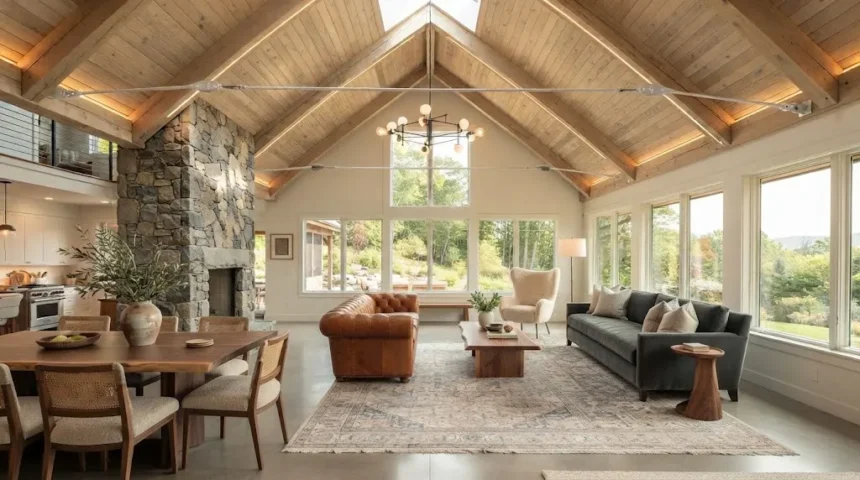
Architectural details can give a home character even before furniture and decoration are added. Molding, wall paneling, built-in shelves, ceiling beams, arched openings, fireplaces, and interesting ceiling shapes can make ordinary spaces feel more distinctive. These features work particularly well when they complement the property’s proportions rather than appearing added purely for decoration.
Ceilings deserve more attention because they influence the scale and atmosphere of a room. Higher ceilings can create openness, while beams or paneling can add warmth and visual interest. Homeowners looking for ways to emphasize height can explore different vaulted ceiling ideas that use lighting, materials, and architectural details to make upper space feel intentional.
You do not need major structural renovations to create architectural character. Painting interior doors, changing trim, adding simple wall molding, updating hardware, or installing attractive shelving can provide noticeable improvement at a lower cost. Focus on changes that suit the existing home, because details that feel connected to the property’s architecture usually age better than overly dramatic trends.
Select Décor That Feels Personal
Beautiful interiors should reflect the people who live there instead of looking like untouched furniture showrooms. Family photographs, artwork, travel finds, books, handmade pieces, and meaningful objects can make rooms memorable. Personal items also create visual stories, giving guests a sense of the interests, experiences, and personality behind the design rather than presenting a generic decorative scheme.
Avoid filling every surface simply because space is available. A smaller collection of objects usually looks more intentional than numerous unrelated accessories competing for attention. Group decorative pieces with different heights and shapes, leave some empty space around them, and repeat colors or materials elsewhere in the room to create balance and visual connection.
Artwork is particularly useful for expressing personality and completing empty walls. Choose pieces you genuinely enjoy rather than selecting images solely because they match the sofa. Large artwork can create an effective focal point, while smaller pieces work well in organized gallery arrangements when spacing, frames, and the overall composition are carefully considered.
Bring Nature Into Your Home
Plants can instantly make an interior feel fresher, softer, and more welcoming. Greenery adds natural color and shape while balancing hard surfaces such as glass, metal, cabinetry, and electronics. Large floor plants can fill awkward corners, while smaller plants work well on shelves, side tables, windowsills, and kitchen counters without requiring major decorating changes.
Choose plants according to the actual light conditions in your home rather than appearance alone. Some varieties tolerate lower-light rooms, while others require several hours of bright indirect light to stay healthy. If maintaining live plants is difficult, high-quality artificial greenery or simple arrangements of dried branches can provide a similar visual effect without regular watering.
Natural elements do not have to be limited to plants. Wooden bowls, stone accessories, fresh flowers, woven baskets, linen fabrics, and organic shapes can bring the outdoors into interior spaces. These materials help create a relaxed atmosphere and work especially well in modern, rustic, coastal, Scandinavian, and minimalist homes where simplicity is an important design principle.
Know Where to Save and Where to Spend
Building a beautiful home does not require buying premium versions of everything. Spend more on items that affect comfort, durability, or daily use, such as mattresses, sofas, dining chairs, and important lighting. Save on decorative accessories, seasonal pieces, small tables, baskets, and other items that can be replaced easily without creating major inconvenience or waste.
Secondhand shopping can also provide excellent value, particularly for solid wood furniture, mirrors, artwork, lamps, and decorative objects. Older pieces sometimes offer stronger construction than similarly priced new furniture and can add character that mass-produced items lack. Always inspect condition, dimensions, stability, and repair requirements before purchasing so an apparent bargain does not become an expensive project.
Avoid buying something simply because it is discounted. A low price offers little value if the item does not fit your room, complement your style, or solve a practical need. Creating a shopping list and waiting before making nonessential purchases can reduce impulse buying, allowing your decorating budget to go toward pieces that genuinely improve your home.
Create a Home That Works for Everyday Life
Good interior design should support how you actually live. A beautiful white sofa may be impractical in a busy household with young children or pets, while delicate furniture may become frustrating in frequently used rooms. Consider cleaning requirements, durability, storage, traffic patterns, and daily activities before choosing materials or layouts purely for their appearance.
Comfort should also influence every major decision. Chairs should be pleasant to sit in, bedroom lighting should help create a relaxing atmosphere, and kitchens should make common tasks easier. A visually impressive room loses much of its value when family members avoid using it because the furniture is uncomfortable or the layout makes normal activities inconvenient.
The most successful homes balance beauty with flexibility. Leave enough open space for movement, choose furniture that can adapt to changing needs, and avoid designing every room around temporary trends. When your home feels comfortable, organized, personal, and easy to maintain, it will usually look more naturally inviting than a space designed only for photographs.
Conclusion
Creating a beautiful home is ultimately about making thoughtful choices rather than spending the largest possible amount. Quality furniture, coordinated colors, layered lighting, useful storage, natural materials, and meaningful décor can transform ordinary rooms. Focusing on pieces that combine style, value, and durability also helps prevent wasteful purchases and constant redesigning.
Take time to understand your personal style and the practical needs of each room before shopping. Invest where comfort and longevity matter, while saving on accessories and items that are easy to replace. Small improvements such as better lighting, organized storage, fresh textiles, plants, or architectural details can sometimes create more impact than an expensive renovation.
Most importantly, allow your home to develop gradually instead of trying to finish everything at once. Rooms often feel more authentic when furniture and decorative pieces are collected thoughtfully over time. A beautiful home should support everyday life, reflect your personality, and provide a comfortable place where you genuinely enjoy spending time.
FAQs
How can I make my home look beautiful on a budget?
Focus on paint, lighting, textiles, organization, secondhand furniture, and a few carefully chosen decorative pieces. Updating small details can make a room feel significantly more polished without requiring expensive renovations or designer furniture.
What makes a home look expensive?
Consistent colors, good lighting, properly sized furniture, quality fabrics, uncluttered surfaces, and thoughtful details can create a more luxurious appearance. Expensive-looking interiors usually depend more on coordination and proportion than on price.
Which home items are worth spending more on?
Spend more on frequently used items such as mattresses, sofas, dining chairs, and durable storage furniture. These pieces affect daily comfort and usually provide better long-term value when their construction and materials are reliable.
How do I choose a decorating style for my home?
Collect images of rooms you naturally like and identify repeating colors, furniture shapes, materials, and moods. Use those common elements as your foundation instead of forcing your home into one rigid design category.
How can I make a small home feel more stylish?
Choose correctly scaled furniture, reduce clutter, use vertical storage, introduce layered lighting, and maintain a consistent color palette. Mirrors, lighter visual elements, and multifunctional furniture can also help smaller spaces feel more open.