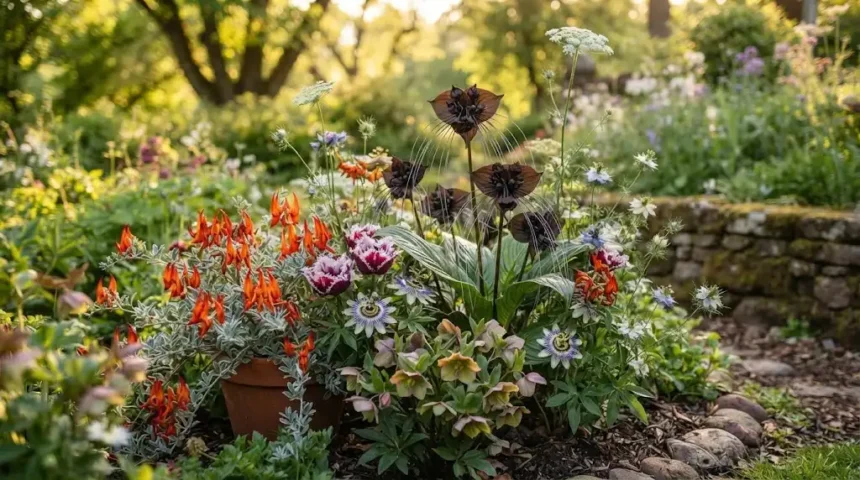
Flowers can transform an ordinary garden into a place that feels personal, colorful, and full of discovery. While roses, daisies, and petunias are timeless favorites, unusual blooms can bring unexpected shapes, textures, colors, and fragrances into the landscape. Growing unique flowers is an easy way to create visual interest and give visitors something memorable to notice.
Some unusual flowers resemble birds, hearts, bats, bells, or even delicate pieces of sculpture. Others stand out because of dramatic colors, unusual foliage, rare fragrances, or impressive flower structures. Many of these plants are easier to grow than their exotic appearance suggests, especially when you match each variety with the right soil, sunlight, temperature, and watering routine.
Whether you have a large backyard, a small patio, or a collection of containers, there are distinctive flowers worth exploring. Some thrive outdoors, while others make excellent houseplants or greenhouse specimens. The following unique flowers offer beautiful options for gardeners who want something different from the standard plants found in every neighborhood.
What Makes a Flower Truly Unique?
A unique flower usually stands out because of an unusual combination of shape, color, fragrance, texture, or growth habit. Some plants produce blooms that look almost artificial because their petals form complicated patterns or unexpected structures. Others attract attention through dark colors, dramatic size, or flower forms that resemble familiar objects, animals, or decorative ornaments.
Rarity can also make a flower feel special, but a plant does not need to be difficult to find to deserve a place in an unusual garden. Even familiar species can have remarkable cultivars with striped petals, curled edges, contrasting centers, or uncommon shades. Choosing distinctive varieties allows gardeners to create personality without necessarily depending on extremely rare or demanding plants.
The best unusual flowers are not only beautiful but suitable for your growing conditions. A spectacular tropical flower may struggle in a cold climate, while a woodland plant may dislike intense afternoon sun. Understanding hardiness, soil needs, moisture preferences, and mature size helps you choose plants that remain attractive long after the excitement of planting has passed.
Parrot Tulips for Dramatic Spring Color
Parrot tulips look noticeably different from traditional smooth-petaled tulips. Their large flowers have twisted, fringed, or feathered petals that create a richly textured appearance. Many varieties combine two or more colors, including red, yellow, pink, purple, orange, green, and white, making each bloom resemble a carefully painted work of art.
These tulips perform best in sunny locations with fertile, well-drained soil. Like other tulip bulbs, they are generally planted in autumn so they can establish before producing spring flowers. Because the blossoms are large and sometimes heavy, placing them in a sheltered position can help protect the stems from strong winds and damaging spring storms.
Parrot tulips look especially impressive when planted in small groups rather than scattered individually. Pair them with simpler spring bulbs so their complicated petals remain the main visual attraction. They also work beautifully in containers near entrances and patios, where their unusual markings can be viewed closely instead of disappearing into a large landscape.
Black Bat Flower for an Exotic Statement
The black bat flower is one of the strangest ornamental plants you can grow. Its dark purple to nearly black flower structure has wide bracts that resemble bat wings, while long whisker-like filaments extend dramatically below. The combination gives the plant an almost otherworldly appearance that immediately attracts attention in a tropical garden or indoor collection.
This plant prefers warm, humid conditions with bright but indirect light. It grows best in rich, well-draining soil that remains consistently moist without becoming waterlogged. Gardeners in cooler regions often grow black bat flowers in containers indoors or inside greenhouses, where temperature and humidity can be controlled more easily throughout the year.
The black bat flower is ideal for gardeners who enjoy dramatic plants rather than traditional cheerful blooms. Its deep color works well beside lush green foliage, making the unusual shape appear even stronger. Because the plant has specific humidity and temperature preferences, it is better suited to attentive gardeners who enjoy caring for tropical specimens.
Passionflower for Intricate, Colorful Blooms
Passionflowers produce some of the most detailed blossoms found on climbing plants. Their flowers feature layered petals, colorful filaments, prominent reproductive structures, and striking symmetrical patterns. Depending on the species or cultivar, the flowers may include purple, blue, white, pink, red, or combinations that give each bloom a complex and almost architectural appearance.
Many passionflower vines grow quickly when provided with warmth, sunlight, and a sturdy structure for climbing. Trellises, fences, pergolas, and garden arches can support their vigorous growth while allowing the flowers to remain visible. Certain varieties can tolerate cooler conditions, while tropical species may need winter protection or container growing in regions with freezing temperatures.
Passionflowers are particularly useful when you want an unusual flower and vertical interest from the same plant. Their vines can soften walls and structures while producing eye-catching blooms throughout the growing season. Some species also produce edible passion fruit, adding another reason for gardeners to consider this distinctive flowering vine for sunny outdoor spaces.
Bleeding Heart for Romantic Garden Charm
Bleeding heart is instantly recognizable because of its graceful rows of heart-shaped flowers. The blossoms hang from arching stems and often appear pink and white, although white and other variations are also available. Their delicate form gives shaded gardens a romantic, woodland appearance that works beautifully alongside ferns, hostas, and other shade-loving plants.
These plants generally prefer partial shade, rich soil, and consistent moisture. They perform particularly well in woodland-style borders where protection from intense afternoon sun helps keep the foliage attractive. In some climates, traditional bleeding hearts may naturally become dormant after flowering, so nearby perennials can help fill the space later in the growing season.
Bleeding hearts look fragile, but established plants can return reliably when grown in suitable conditions. Their unusual flower shape makes them easy to recognize even among a diverse collection of spring plants. For gardeners who prefer elegant and softly colored flowers rather than bold tropical displays, bleeding heart provides distinctive beauty without overwhelming the rest of the landscape.
Crown Imperial for Tall, Architectural Beauty
Crown imperial creates a dramatic spring display with tall stems topped by clusters of downward-facing bell-shaped flowers. Above the flowers sits a tuft of pointed green leaves, creating a crown-like appearance that explains the plant’s common name. Orange, yellow, and red varieties can bring strong vertical color into borders while many other spring bulbs remain closer to the ground.
These bulbs prefer sunny locations and soil that drains well, particularly during periods when the plant is dormant. Planting them among other spring bulbs can produce a layered display, with crown imperial providing height behind shorter tulips and daffodils. Because the bulbs can be sensitive to excessive moisture, good drainage is important for long-term success.
Crown imperial works best when its unusual structure can be seen clearly. Plant a few together for a strong focal point rather than hiding them among tall shrubs or dense foliage. The flowers have a distinctive appearance and sometimes a noticeable scent, making them especially suitable for gardeners who appreciate plants with strong personality and architectural form.
Chocolate Cosmos for Deep Color and Sweet Fragrance
Chocolate cosmos produces velvety flowers in deep reddish-brown shades that can appear almost black in certain light. Its dramatic color alone makes it unusual, but the plant is even more memorable because the flowers can release a sweet fragrance often compared with chocolate. This combination of visual appeal and scent makes it an interesting addition to summer borders and containers.
The plant prefers plenty of sunlight and well-drained soil. Regular deadheading can encourage continued flowering, while avoiding overly wet conditions helps protect the roots. In colder climates, gardeners may need to lift or protect the underground structures before severe winter weather, depending on local conditions and the way the plant is being grown.
Chocolate cosmos pairs beautifully with cream, pale pink, orange, or soft green plants because lighter colors make its dark flowers stand out. It can also add depth to modern gardens that use restrained color palettes. Positioning the plant near paths, seating areas, or patios allows people to appreciate both its unusual color and distinctive fragrance up close.
Bird of Paradise for Tropical Impact
Bird of paradise produces one of the most recognizable exotic flowers in ornamental gardening. Its bright orange and blue blooms emerge from a structure that resembles the head and beak of a tropical bird. Large paddle-shaped leaves add further visual impact, allowing the plant to remain decorative even when it is not actively producing flowers.
This plant thrives in warm conditions and appreciates bright light. In tropical and subtropical climates, it can grow outdoors as a substantial landscape plant, while gardeners in colder regions commonly grow it in large containers. Indoor specimens need plenty of light and patience because flowering usually becomes more reliable once the plant is mature and receiving appropriate growing conditions.
Bird of paradise works well wherever strong architectural foliage and vivid flowers are desirable. It can create a dramatic focal point beside patios, pools, entrances, or bright indoor windows. Because mature plants can become large, give them enough space to develop naturally rather than forcing their broad leaves into crowded corners or narrow garden beds.
Protea for Bold Texture and Sculptural Form
Proteas are distinctive flowering plants known for large, structured blooms surrounded by colorful bracts. Their flowers often combine pink, cream, red, orange, or white with unusual textures that create a sculptural appearance. Because the blooms are so different from typical garden flowers, even one flowering protea can become the focal point of a planting scheme or floral arrangement.
These plants are naturally adapted to conditions that may differ from those preferred by many common garden flowers. They generally appreciate excellent drainage and can be sensitive to overly rich soils or inappropriate fertilizers. Climate is another important consideration, so gardeners should choose species suited to local temperature, rainfall, and winter conditions rather than assuming every protea grows the same way.
Proteas are excellent choices for landscapes inspired by Mediterranean, coastal, or drought-conscious design. Their strong shapes pair well with ornamental grasses, silvery foliage, and other plants with bold textures. When the climate is appropriate, they can provide long-lasting visual interest while introducing a distinctive flower form rarely matched by more conventional garden perennials.
How to Grow and Display Unique Flowers Successfully
Start by matching each unusual flower to the environment you can realistically provide. Check sunlight levels, soil drainage, moisture, humidity, temperature, and winter hardiness before purchasing plants or bulbs. A flower may look irresistible in a photograph, but choosing varieties suited to your climate usually creates a healthier garden and reduces the amount of ongoing maintenance required.
Think about placement as carefully as plant selection. Unique flowers often have the strongest impact when they are given enough visual space to stand out instead of competing with many equally dramatic plants. A beautiful garden can complement a beautiful home when colors, materials, containers, pathways, and plant forms feel connected to the overall style of the property.
Finally, combine unusual blooms with dependable supporting plants. Simple foliage, ornamental grasses, evergreen shrubs, and classic flowers can create a calm background that makes distinctive specimens more noticeable. Repeating one or two colors elsewhere in the garden can also create cohesion, preventing a collection of unusual flowers from looking random or disconnected from the surrounding landscape.
Conclusion
Unique flowers can make a garden feel more personal by introducing shapes, colors, textures, and fragrances that are not found in every landscape. Parrot tulips, black bat flowers, passionflowers, bleeding hearts, crown imperials, chocolate cosmos, bird of paradise, and proteas all offer very different types of visual interest. The best choice depends on your climate, available space, and preferred garden style.
Successful growing begins with understanding what each plant actually needs. Some unusual flowers prefer cool woodland shade, while others require intense light, warm temperatures, or exceptionally good drainage. Matching the plant to the environment is usually far easier than trying to change unsuitable conditions after planting, and it gives your flowers a better chance of returning or blooming reliably.
You do not need an entire garden filled with rare plants to create something memorable. A few carefully positioned unusual flowers can provide enough drama while familiar plants create balance around them. Choose varieties that genuinely appeal to you, give them appropriate care, and allow their distinctive features to become natural focal points throughout your home garden.
FAQs
What are some of the most unique flowers to grow?
Parrot tulips, black bat flowers, passionflowers, bleeding hearts, chocolate cosmos, proteas, and bird of paradise are all distinctive choices. Each offers unusual colors, shapes, fragrances, or flower structures.
Are unique flowers difficult to grow?
Not necessarily. Some unusual flowers need specific climates or humidity, while others grow similarly to familiar garden plants. Choosing varieties suited to your sunlight, soil, and local temperatures makes care much easier.
What unique flowers grow well in containers?
Parrot tulips, chocolate cosmos, bird of paradise, and some passionflowers can perform well in containers. Select an appropriately sized pot, provide good drainage, and follow the individual plant’s light and watering requirements.
Which unique flowers are best for shade?
Bleeding heart is an excellent choice for partially shaded gardens with rich, moist soil. Some other woodland flowers can also add unusual shapes and colors where intense sunlight is limited.
How can I make unusual flowers stand out in my garden?
Give distinctive flowers enough space and surround them with simpler foliage or neutral-colored plants. Repeating complementary colors elsewhere in the garden can create balance while allowing unusual blooms to remain the main attraction.