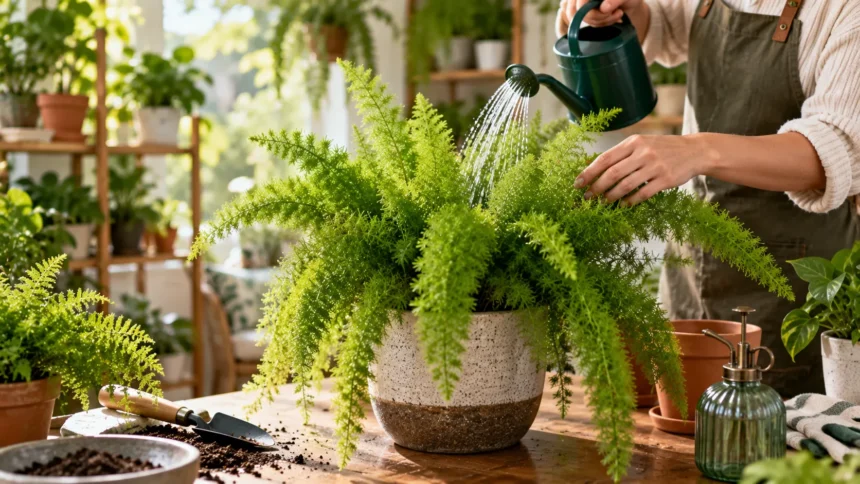
Foxtail Fern Care: Growing Tips for Lush Green Growth
Foxtail fern is a striking ornamental plant loved for its upright, fluffy stems that resemble soft green fox tails. Despite its common name, it is not a true fern but a member of the asparagus family, and this difference helps explain why its care is somewhat different from traditional ferns. Often sold as Asparagus densiflorus ‘Myersii,’ foxtail fern develops dense, needle-like green growth from a strong root system with fleshy storage structures. It can be grown outdoors in warm climates, used as an attractive container plant, or kept indoors where sufficient light is available. With the right balance of light, moisture, drainage, and feeding, the plant can remain lush for years. Its sculptural shape also makes it useful in patios, borders, entryways, and mixed container arrangements.
Successful foxtail fern care is less about constant attention and more about providing stable growing conditions. The plant appreciates moisture while actively growing, but its roots should never sit continuously in soggy potting mix. It performs best when given plenty of bright light without harsh conditions that scorch the delicate-looking foliage. Foxtail fern also benefits from occasional feeding, removal of old stems, and enough root space to support its vigorous growth. Mature plants can become surprisingly tough once established because their fleshy roots store moisture for periods when the soil becomes temporarily dry. Problems such as yellow foliage, brown tips, root rot, or spider mites are usually easier to correct when the underlying cause is identified early.
Whether you are growing foxtail fern indoors or outdoors, understanding how the plant naturally grows makes care much easier. This guide covers the best light for foxtail fern, watering frequency, soil requirements, temperature, humidity, fertilizer, pruning, repotting, propagation, pests, and common growing problems. It also explains how seasonal conditions affect watering and why a struggling plant should not automatically receive more water or fertilizer. The goal is to help you grow a fuller, healthier plant without turning care into a complicated daily routine. Once established in an appropriate location, foxtail fern can be relatively low maintenance. A few consistent habits are usually more valuable than frequent adjustments.
What Is a Foxtail Fern and How Does It Grow?
Foxtail fern is an evergreen or semi-evergreen ornamental perennial known for its dense, upright plumes of fine green growth. The plant is commonly marketed as foxtail asparagus fern, Myers asparagus fern, or Asparagus densiflorus ‘Myersii.’ Its soft-looking structures are technically not ordinary fern fronds, which is one reason calling it a fern can be botanically misleading. Tiny leaf-like structures are arranged closely along upright stems, creating the distinctive bottlebrush or fox-tail appearance. Healthy plants form a clump that gradually becomes wider as new shoots emerge from the base. In suitable outdoor conditions, mature plants can develop into substantial landscape specimens while maintaining a rounded, architectural shape.
Unlike true ferns that reproduce through spores, foxtail fern belongs to the asparagus family and can produce small flowers followed by berries under favorable conditions. The flowers are usually less noticeable than the foliage, which remains the primary ornamental attraction. Plants grown outdoors in warm conditions may flower more readily than those maintained indoors. If pollination is successful, berries can eventually form and change color as they mature. These fruits should not be treated as edible, and ingestion of plant material can cause gastrointestinal irritation. The sap may also irritate sensitive skin, so gloves are useful when pruning or dividing a large mature plant.
Foxtail fern grows from a dense underground root system that includes fleshy structures capable of storing moisture. These reserves help explain why an established plant can tolerate short dry periods better than its delicate appearance might suggest. The same root system can become extremely crowded when the plant remains in one container for several years. A mature root ball may feel surprisingly solid when removed from its pot because roots and storage structures fill nearly every available space. This vigorous underground growth supports repeated production of new green stems from the crown. It also means repotting or dividing an old plant can require more effort than repotting an ordinary soft-rooted houseplant.
Growth is normally strongest when temperatures are warm and light levels are adequate. During spring and summer, an established foxtail fern can produce fresh shoots that quickly lengthen and fill out with dense green foliage. Growth may slow considerably during cooler or darker months, particularly when the plant is kept indoors. This seasonal change is normal and should usually be matched with less frequent watering and reduced fertilizer. Trying to force vigorous winter growth by keeping the soil constantly wet can create more problems than benefits. Allowing the plant to respond naturally to seasonal conditions helps protect its root system and encourages healthier growth once brighter conditions return.
The plant’s upright form makes it different from many trailing asparagus ferns that spill dramatically from hanging baskets. Foxtail fern generally develops stronger vertical or arching stems that create a fountain-like display rather than long cascading vines. This shape works particularly well in large patio containers, mixed borders, tropical-style landscapes, and entrances where foliage texture is important. Indoors, the same form can create a bold architectural houseplant when there is enough space around it. Mature stems can extend outward, so positioning the container where people will not constantly brush against it is helpful. Giving the plant adequate room also allows its natural symmetrical form to become one of its most attractive features.
Best Light Conditions for Healthy Foxtail Fern Growth
Light is one of the most important factors in growing a dense, attractive foxtail fern. Outdoors, the plant generally performs well in partial shade or locations receiving bright filtered light for much of the day. Morning sun combined with protection from intense afternoon heat can provide an excellent balance in warm climates. Too little light may result in thinner, paler, or more open growth, while excessive harsh sun can cause yellowing or scorched foliage. The best exposure depends partly on climate because sunlight that is gentle in one region may be extremely intense in another. Observing the foliage provides useful clues about whether the plant is comfortable in its current position.
Indoor foxtail fern care usually requires choosing the brightest suitable location available. A spot near a window with strong indirect light can help the plant maintain compact, vibrant green growth. East-facing windows often work well because they provide gentle morning sunlight, while south- or west-facing windows may need some filtering if strong afternoon light becomes intense. The plant can tolerate some direct sun when gradually acclimated, especially indoors where glass and seasonal angles change exposure. Sudden movement from a shaded location into strong sunlight is more likely to damage tender growth. Gradual acclimation gives foliage time to adjust before receiving longer periods of brighter light.
A foxtail fern that receives insufficient light may survive for some time without looking its best. New stems may become weaker, growth can slow, and the plant may lose some of its dense bottlebrush appearance. Soil also remains wet for longer in low light because the plant uses water more slowly, increasing the risk of overwatering. Moving the plant to a brighter position can improve future growth, although older pale or damaged stems may not completely recover. Avoid moving it directly into strong midday sun after months in dim indoor conditions. Increase exposure gradually over a week or two so the plant can adapt without unnecessary stress.
Excessive sunlight creates a different set of symptoms. Foliage exposed to intense heat and direct afternoon sun may develop bleached areas, yellow patches, dry brown tips, or an overall scorched appearance. Container plants are particularly vulnerable because their roots can become hot and dry much faster than roots growing in the ground. During extremely hot weather, even a plant that normally tolerates several hours of sun may benefit from temporary afternoon protection. Increasing irrigation alone is not always enough because leaf damage can result directly from excessive light and heat. Moving the pot a short distance into filtered shade can sometimes produce a significant improvement without requiring any other major care changes.
Rotating an indoor foxtail fern periodically can help maintain balanced growth. Plants naturally lean or grow more strongly toward the brightest source of light, which can eventually create an uneven shape. Turning the container a quarter turn every week or two exposes different sides to the window and encourages a more symmetrical appearance. Rotation is especially helpful when the plant receives light primarily from one direction. However, avoid constantly moving it between radically different locations because stable conditions are generally easier for plants to adapt to. A bright, consistent position combined with occasional rotation is usually enough to keep indoor growth full and attractive.
How Often Should You Water a Foxtail Fern?
Foxtail fern prefers regular moisture while actively growing, but it should not be kept continuously saturated. A practical approach is to check the upper portion of the potting mix before watering rather than following a rigid calendar. When the upper inch or two begins to feel dry, a container-grown plant is often ready for another thorough watering. Apply enough water to moisten the entire root ball and allow excess water to drain from the bottom of the pot. Empty any saucer that remains filled with water so the roots are not left standing in moisture. This wet-and-drain approach encourages healthier roots than giving small amounts of water every day.
Watering frequency changes according to light, temperature, container size, soil composition, humidity, and the season. A foxtail fern growing outdoors during warm summer weather may require water much more frequently than an indoor specimen receiving moderate light during winter. Small containers also dry faster because they hold less potting mix and have a higher proportion of exposed surface area. Rather than deciding that every foxtail fern should be watered once a week, use soil moisture as the primary guide. Check the plant regularly and learn how quickly its particular container dries. This flexible method reduces both chronic overwatering and unnecessary drought stress.
Overwatering is one of the more serious problems because foxtail fern needs oxygen around its roots. Constantly saturated potting mix can restrict airflow and create conditions favorable for root deterioration and root rot. Early signs may include widespread yellowing, soft growth, declining stems, or soil that remains wet for unusually long periods. If the pot has no drainage hole, the risk becomes much greater because excess moisture has nowhere to escape. Choosing a container with drainage is therefore more important than trying to measure an exact amount of water each time. Healthy roots need a repeating cycle of moisture followed by partial drying rather than permanent saturation.
Underwatering can also affect the plant, particularly during hot weather or when a container has become root-bound. Dry conditions may cause foliage to lose its fresh green appearance, develop brown tips, or become brittle. The soil may pull away from the edge of the pot when it has become extremely dry, allowing water to run down the sides without actually soaking the root ball. In that situation, watering slowly and thoroughly can help rehydrate the mix more evenly. Severely dried potting soil may need repeated gentle watering rather than one fast pour. Once moisture is restored, adjust the routine so the plant does not repeatedly swing between extreme dryness and saturation.
Seasonal watering adjustments are essential for indoor foxtail fern care. During darker winter months, growth often slows and the potting mix takes longer to dry. Continuing a summer watering schedule during this period can leave the roots wet for too long. Check the soil rather than watering automatically when the usual day arrives. When spring brings stronger light and new shoots begin emerging, the plant may start consuming water more quickly again. Outdoor plants can also require additional irrigation during prolonged dry periods even though established foxtail fern has some drought tolerance. Matching watering to actual growing conditions is one of the easiest ways to maintain lush green foliage.
Best Soil, Pots, Temperature, and Humidity for Foxtail Fern
The best soil for foxtail fern is fertile enough to support steady growth while remaining loose and well drained. Container plants usually perform well in a quality general-purpose potting mix amended when necessary to improve drainage and structure. Materials such as perlite, pumice, or coarse bark can help prevent a heavy mix from becoming compacted around the roots. Garden soil should generally not be used alone inside containers because it can become dense and drain poorly. Outdoors, foxtail fern can adapt to several soil types provided excess water does not remain around the roots. Good drainage is especially important in rainy climates where naturally heavy soil stays wet for long periods.
Container selection also influences moisture management. A pot should have at least one effective drainage opening so excess irrigation can escape rather than accumulating around the root system. Foxtail fern does not require an oversized pot, and moving a small root ball into a dramatically larger container can leave too much unused wet soil around the roots. When repotting, choose a container only moderately larger than the existing one unless you are dividing the plant. Terracotta can dry faster than glazed ceramic or plastic, which may be helpful for people who tend to water frequently. The best material is ultimately the one that allows you to maintain consistent moisture without creating prolonged saturation.
Foxtail fern prefers warm growing conditions and is most comfortable when protected from freezing temperatures. In suitable warm climates, it can remain outdoors throughout the year and may function as an evergreen landscape plant. Cold weather can damage or kill the top growth, especially when temperatures fall below freezing. Container plants in colder climates should usually be moved indoors or into a protected frost-free location before damaging temperatures arrive. Because containers expose roots to colder air from all sides, potted plants can be more vulnerable than established plants growing in the ground. Bringing the plant inside early is easier than trying to rescue severely frost-damaged foliage afterward.
Indoor temperatures that are comfortable for people are generally suitable for foxtail fern. Avoid placing the container directly beside heating vents, fireplaces, cold drafts, or frequently opened exterior doors where temperatures change dramatically. Warm dry air blowing constantly across the foliage can contribute to browning and faster moisture loss. Similarly, cold glass during winter may expose nearby stems to significantly lower temperatures than the rest of the room. A location with stable conditions encourages more predictable growth. If the plant stops producing new shoots in winter but otherwise remains healthy, reduced seasonal growth is usually more likely than a temperature problem requiring aggressive intervention.
Foxtail fern can tolerate average household humidity better than many delicate tropical ferns, which is another reminder that it is not a true fern. However, extremely dry indoor air may contribute to brown tips and can create favorable conditions for spider mites. Grouping plants together or using a humidifier may help when indoor humidity becomes unusually low, particularly during heated winters. Constant misting is not essential and should not be used as a substitute for correct root watering. Good airflow remains important because persistently wet foliage and crowded conditions can encourage other problems. Aim for moderate humidity, stable temperatures, adequate light, and proper soil moisture rather than attempting to create a constantly damp environment.
Fertilizing, Pruning, and Repotting for Lush Green Growth
Foxtail fern benefits from nutrients during active growth, particularly when it has been growing in the same container for an extended period. A balanced houseplant or general-purpose fertilizer can support fresh green stems when applied according to the product’s directions. Fertilizing too frequently does not automatically make the plant grow faster and can lead to an accumulation of salts in the potting mix. Excess fertilizer may contribute to brown tips, damaged roots, or stressed foliage. During spring and summer, moderate feeding is generally more useful than heavy applications. Reduce or pause fertilization when growth slows significantly during winter, especially for indoor plants receiving less light.
Container-grown plants depend more heavily on fertilizer because nutrients are gradually removed through watering and absorbed by the root system. Outdoor foxtail fern growing in reasonably fertile soil may need less supplemental feeding than a plant confined to a pot. If growth is healthy, dense, and strongly green, there is usually no reason to keep increasing fertilizer. Pale foliage can have several causes, including excessive sunlight, root problems, poor drainage, or nutrient deficiency, so fertilizer should not be the automatic response to every color change. Evaluate the whole care routine first. Correcting light or watering problems usually produces better results than feeding a plant whose roots are already stressed.
Pruning foxtail fern is straightforward because individual old or damaged stems can be removed near the base. Yellow, brown, broken, or badly damaged plumes will not return to perfect green condition, so removing them allows fresh growth to become more visually prominent. Use clean, sharp pruning tools and wear gloves because mature stems can be surprisingly stiff and may have small sharp structures. Avoid repeatedly trimming only the tips of severely damaged stems if the entire plume has declined. Removing the complete stem often creates a cleaner appearance. New shoots emerge from the base rather than from old brown sections, allowing the plant to rebuild its natural form over time.
Repotting becomes necessary when roots have filled the container so densely that watering becomes difficult or growth begins suffering. Signs of a root-bound foxtail fern can include roots pressing against drainage holes, extremely rapid drying, slowed growth, or a root mass that has almost replaced the potting mix. Because foxtail fern has fleshy underground structures, the root ball can become exceptionally firm. Spring is a convenient time for repotting because the plant is entering stronger seasonal growth. Move it into a slightly larger container filled with fresh, well-draining potting mix. Water thoroughly after repotting and temporarily protect the plant from extreme sun while the disturbed roots settle.
Large mature plants can sometimes be rejuvenated by dividing them instead of continually moving them into larger containers. Division reduces the size of the original root mass and provides additional plants at the same time. Remove the plant from its pot and separate the root system into sections, making sure each division has healthy roots and enough crown material to produce new stems. Dense roots may require a clean sharp knife or other suitable tool rather than pulling them apart gently. Replant the divisions at approximately their previous depth and water them well. Some temporary stress is normal after division, but healthy plants generally resume growth once new roots establish in their containers.
How to Propagate Foxtail Fern Successfully
Division is one of the simplest and most reliable ways to propagate an established foxtail fern. This method works particularly well when a mature specimen has outgrown its container and already needs repotting. Begin by watering the plant beforehand if the root ball is extremely dry, which can make removal somewhat easier. Slide the plant from its container and inspect the dense network of roots and fleshy underground structures. Decide how many divisions can reasonably be made without leaving each section too small or weak. A large plant may provide several healthy divisions, while a younger specimen is better separated into only two substantial sections.
Separating the root mass can require effort because an established foxtail fern often develops a remarkably dense underground structure. Begin by loosening the outer roots with your hands when possible, but do not spend excessive time trying to untangle every individual root. If the center is tightly packed, use a clean, sturdy knife or pruning tool to cut through the root ball. Each division should include healthy roots and part of the crown where new shoots originate. Damaged, rotten, or completely dead root material can be removed during the process. Working carefully helps preserve enough healthy tissue for each new plant to establish successfully.
Pot each division in a container that matches the size of its root system rather than choosing an excessively large pot. Fill around the roots with fresh, well-draining potting mix and position the crown at approximately the same depth it was growing before division. Press the soil gently enough to stabilize the plant without compacting the mix heavily. Water thoroughly until excess moisture drains from the bottom. Place newly divided plants in bright indirect light or protected partial shade while they recover. Avoid immediate exposure to intense afternoon sunlight because disturbed roots may temporarily struggle to supply moisture to foliage under extreme conditions.
Freshly divided plants do not need strong fertilizer immediately. Their first priority is establishing functional roots rather than producing the fastest possible top growth. Keep the potting mix lightly and consistently moist without saturating it, allowing the upper layer to begin drying between waterings. Some older foliage may yellow as the plant adjusts to root disturbance, and this does not always mean propagation has failed. Watch the crown for signs of fresh growth over the following weeks. Once new shoots begin developing normally, gradually return the plant to its usual light, watering, and feeding routine.
Foxtail fern can also reproduce from seed, although this method is slower and less convenient for most home gardeners. Mature plants may produce berries containing seeds when growing conditions and pollination are suitable. Seeds require preparation and time before developing into plants large enough to create the characteristic foxtail appearance. Division provides a much faster route because each section already contains mature plant tissue and an established root system. It also allows gardeners to preserve the appearance of a particularly attractive existing specimen. For anyone simply wanting another foxtail fern from a large container plant, division is usually the most practical propagation method.
Foxtail Fern Problems: Yellowing, Brown Tips, Pests, and Root Rot
Yellow foliage is one of the most common signs that a foxtail fern is experiencing stress, but yellowing does not point to one single cause. Overwatering, poor drainage, excessive sunlight, root crowding, temperature stress, and natural aging can all contribute to color changes. Begin by checking soil moisture because persistently wet soil is a frequent concern in container-grown plants. If the mix remains saturated for many days, improve drainage and reduce watering frequency rather than adding more water. If the soil is drying normally, consider whether the plant recently received much stronger sunlight or experienced a cold temperature change. Looking at recent care changes is often more informative than treating yellow foliage itself.
Brown tips or dry foliage frequently indicate different types of environmental stress. The plant may have become excessively dry, experienced hot direct sunlight, received too much fertilizer, or been exposed to very dry indoor air. Salt buildup from repeated fertilization or mineral-heavy water can sometimes contribute to tip burn in container plants. Flushing the potting mix occasionally with a thorough watering can help carry soluble salts out through the drainage holes. Severely brown stems will not turn green again and can be pruned at the base. New growth is the best indicator of whether changes in care are actually improving the plant.
Root rot is more serious because it affects the plant’s ability to absorb both water and nutrients. It usually develops when roots remain in poorly drained, oxygen-starved conditions for extended periods. Affected plants may appear wilted even though the soil is wet, and stems can yellow or decline progressively. If root rot is suspected, remove the plant from the container and inspect the root system rather than continuing to water it. Healthy roots and storage structures should feel firm, while badly rotted tissue may be soft, dark, or unpleasant smelling. Remove severely damaged material, improve the potting mix and drainage, and adjust future watering so the roots are not continuously saturated.
Spider mites can occasionally trouble foxtail fern, especially when the plant is kept indoors in warm, dry conditions. These tiny pests feed on plant tissue and can cause pale stippling, dull foliage, yellowing, or fine webbing when populations become large. Inspect stems closely if a previously healthy plant begins looking dusty or faded despite correct watering and light. Isolating an infested houseplant can help prevent mites from spreading to nearby plants. Washing the foliage and using an appropriate treatment labeled for the pest may help control an infestation. Repeated inspection is important because one treatment may not eliminate every life stage immediately.
Good preventive care makes pest and disease problems less likely. Provide sufficient light, avoid chronically wet soil, allow some airflow around the foliage, and inspect plants periodically rather than waiting until damage becomes severe. Newly purchased plants can be kept separate from established indoor collections for a short observation period so hidden pests are easier to notice. Clean pruning tools when removing damaged growth, particularly if you are working with several plants. Avoid applying pesticide or fungicide simply because a plant looks unhealthy without first identifying a likely problem. Many symptoms blamed on pests or disease are actually caused by watering, light, temperature, or root conditions that need cultural correction instead.
Indoor vs Outdoor Foxtail Fern Care Through the Seasons
Indoor foxtail fern care focuses heavily on providing enough light because natural indoor illumination is much weaker than it appears to human eyes. Place the plant near a bright window and monitor how its growth responds over several weeks. During spring and summer, stronger light may lead to faster growth, greater water use, and the appearance of fresh green shoots. This is also the period when moderate fertilizer applications can be most useful. Rotate the container periodically if new growth leans strongly toward the window. Keep foliage away from constantly blowing air-conditioning or heating vents, which can create rapid moisture loss and uneven temperatures.
Outdoor foxtail fern can often grow more vigorously because it receives stronger light, natural airflow, and more seasonal environmental cues. Partial shade is generally a dependable location, particularly where afternoon sun is intense. Plants growing in the ground can develop wider clumps over time, while containers provide more control over placement and winter protection. During hot periods, monitor container moisture closely because pots can dry much faster than garden soil. Mulch around landscape plants can help moderate soil moisture, but it should not be piled tightly against the crown. Good drainage remains essential regardless of whether the plant grows in a container or directly in a garden bed.
Spring is a useful time to assess overall plant health and prepare for the main growing season. Remove dead or winter-damaged stems, refresh depleted container soil when necessary, and repot plants that have become severely root-bound. Increase watering gradually as temperatures rise and the plant begins using moisture more rapidly. Feeding can resume once active growth is visible rather than according to the calendar alone. Outdoor plants that were protected for winter can be gradually acclimated to brighter conditions. Sudden exposure to intense sunlight after months indoors can scorch foliage, so increase outdoor light over several days or weeks.
Summer growth can be vigorous, but heat creates additional watering and light considerations. Check pots frequently during hot weather and water thoroughly when the upper soil has begun to dry. Foxtail fern may tolerate some drought once established, but repeated severe drying can reduce foliage quality and slow growth. Afternoon shade becomes especially useful in climates with intense summer sun. Plants grown indoors may also experience stronger window exposure as the sun’s angle changes, so watch for sudden bleaching or brown patches. Continue moderate feeding during active growth, but avoid increasing fertilizer simply because hot weather has temporarily slowed the plant.
Autumn and winter care should shift as light levels and temperatures decline. Outdoor container plants in cold climates should be moved to a frost-free location before freezing conditions cause serious damage. Inspect them carefully for pests before bringing them indoors so spider mites or other unwanted visitors are not introduced to the rest of a houseplant collection. Once indoors, reduce watering because the soil will usually dry more slowly. Fertilizer can also be reduced or paused when little new growth is occurring. The plant does not need to look dramatically active throughout winter; maintaining healthy roots and green foliage until brighter spring conditions return is a successful seasonal strategy.
How to Keep Foxtail Fern Full, Green, and Healthy Long Term
Long-term foxtail fern care begins with resisting the urge to constantly change the plant’s environment. Once you find a location with appropriate light, reasonable temperatures, and good airflow, consistency helps the plant settle into a predictable growth pattern. Repeatedly moving it between deep shade and strong sunlight creates unnecessary stress and makes watering needs difficult to judge. Observe how quickly the potting mix dries and adjust irrigation gradually rather than reacting dramatically to individual yellow stems. Healthy plants occasionally lose older growth as new shoots emerge. Looking at the overall trend in growth provides a better picture of plant health than focusing on one imperfect plume.
Maintaining a healthy root system should remain a priority because attractive foliage depends on what happens below the soil. Use a container with reliable drainage, avoid leaving the pot standing in water, and repot when the root mass becomes excessively crowded. At the same time, do not disturb the roots every few months simply because the plant is vigorous. Foxtail fern can tolerate being somewhat snug in its pot and does not need constant upgrading to larger containers. When repotting is necessary, fresh potting mix can restore both structure and nutrient availability. Healthy roots support stronger new shoots and make the plant more resilient to temporary environmental stress.
Light and watering should be considered together rather than as separate care rules. A plant receiving bright light and warm temperatures uses moisture faster than one growing in a dim, cool room. If you move a foxtail fern indoors for winter, its old summer watering schedule may suddenly become excessive. Likewise, a plant moved outdoors for warm weather may begin drying much faster than expected. Adjusting watering to the environment prevents many of the yellowing and root problems that gardeners encounter. This relationship explains why a universal instruction such as watering exactly every seven days is unreliable. Soil moisture and current growing conditions provide better guidance than calendar dates.
Pruning can help preserve an attractive shape, but it should focus mainly on removing stems that are genuinely damaged, brown, or declining. Healthy green plumes contribute energy to the plant and should not be removed merely because they point in a slightly different direction. When an old stem deteriorates, cutting it near the base allows younger growth to take its place cleanly. A mature plant that has become overcrowded can also be divided to restore space and produce additional specimens. Regular inspection during pruning provides an opportunity to notice spider mites, unusual discoloration, or root problems early. Small corrections are usually easier than rescuing a severely stressed plant later.
The best indicator of successful foxtail fern care is steady production of dense, upright green shoots with few recurring problems. Perfect foliage at every moment is unrealistic because weather changes, repotting, aging stems, and household conditions naturally influence appearance. Focus on giving the plant bright but appropriate light, well-drained soil, thoughtful watering, moderate feeding, and protection from damaging cold. Avoid responding to every problem with additional water or fertilizer because both can worsen an incorrectly diagnosed issue. With stable care, foxtail fern can become a long-lived and dramatic addition to an indoor plant collection or warm-climate landscape. Its lush texture looks demanding, but the plant is surprisingly manageable once its basic needs are understood.
Frequently Asked Questions About Foxtail Fern
Does foxtail fern like sun or shade?
Foxtail fern generally performs best in bright light or partial shade, with protection from intense afternoon sun in hot climates. Indoors, place it near a bright window where it receives plenty of indirect light and some gentle sun if the plant is acclimated to it.
How often should I water a foxtail fern?
Water when the upper portion of the soil begins to dry, then soak the root ball thoroughly and allow excess water to drain. Frequency changes with temperature, light, season, soil type, and container size, so checking the soil is more reliable than following a fixed weekly schedule.
Why is my foxtail fern turning yellow?
Yellow foliage can result from overwatering, poor drainage, excessive sunlight, temperature stress, root problems, or natural aging. Check soil moisture and recent environmental changes before assuming that the plant needs additional water or fertilizer.
Can foxtail fern grow indoors?
Yes, foxtail fern can grow successfully indoors when it receives strong enough light and is planted in well-draining potting mix. A bright window, stable temperatures, proper drainage, and careful watering will help maintain dense green growth.
How do you make a foxtail fern bushier?
Provide adequate light, appropriate watering, and moderate nutrition so the root system can continually produce strong new stems from the base. Remove completely damaged stems and divide or repot severely crowded plants when necessary, but avoid cutting healthy growth simply to force branching.