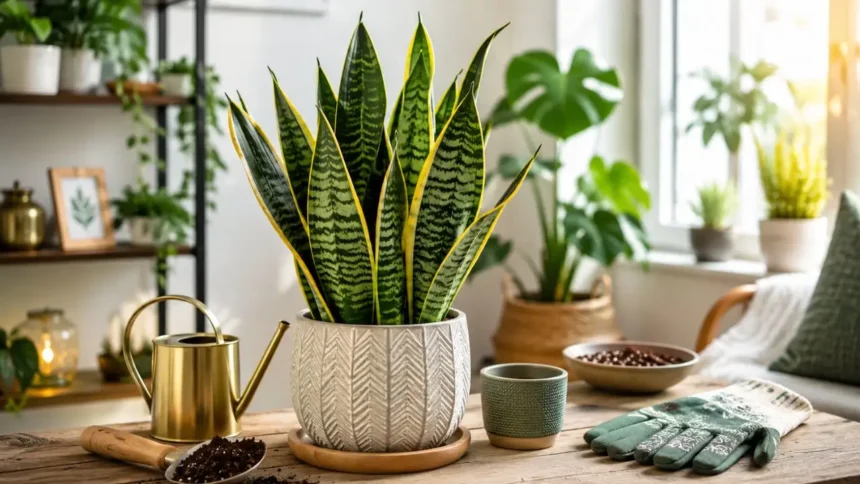
Trifasciata Plant: Complete Care and Growing Guide
The trifasciata plant is one of the most recognizable and forgiving houseplants you can grow. Its tall, sword-shaped leaves bring structure and greenery to bedrooms, offices and living spaces without demanding constant attention. It is commonly known as the snake plant or mother-in-law’s tongue.
You may see this plant labelled as either Dracaena trifasciata or Sansevieria trifasciata. The first is its currently accepted botanical name, while the second is the older name still used by plant shops and gardeners. Both names refer to the same popular indoor plant.
A healthy trifasciata plant tolerates occasional neglect, dry indoor air and a range of light levels. However, its reputation as nearly indestructible can encourage people to ignore its basic needs. Overwatering, poor drainage and prolonged darkness can still weaken or kill it.
This guide explains how to care for a trifasciata plant throughout the year. You will learn about watering, lighting, soil, feeding, repotting and propagation, along with practical solutions for yellow leaves, brown tips, pests, root rot and slow growth.
Key Takeaways
Place your trifasciata plant in bright, indirect light for the strongest and most compact growth. It can survive in lower light, but new leaves may appear more slowly. Variegated varieties usually maintain their colours better when they receive sufficient brightness.
Allow the potting mixture to dry before watering again. The thick leaves and underground rhizomes store moisture, so the plant handles dryness better than constantly wet soil. Overwatering is the most common cause of yellow leaves, soft roots and plant collapse.
Use a free-draining cactus or succulent potting mix inside a container with drainage holes. A pot that is only slightly larger than the root system is usually sufficient. An oversized container holds excess wet soil and increases the risk of root rot.
Feed lightly during active spring and summer growth, then reduce watering and stop routine feeding in colder, darker months. Keep the plant away from frost, cold draughts and curious pets. Its leaves contain compounds that can cause digestive discomfort when eaten.
What Is a Trifasciata Plant?
The trifasciata plant is an evergreen, succulent-like perennial with stiff leaves that grow upright from underground rhizomes. It belongs to the asparagus family and developed naturally in seasonally dry tropical parts of Africa. Its water-storing leaves help it tolerate periods without rainfall.
The species name “trifasciata” relates to the transverse markings visible across the foliage. Most varieties display alternating light and dark green bands, although selected cultivars may also have yellow, white, silver or cream markings. These patterns make the plant visually interesting without producing colourful flowers.
Unlike plants with woody trunks or branching stems, the snake plant produces leaves directly from the base. New shoots emerge beside the established leaves and gradually expand the clump. Mature specimens may eventually fill their containers and push strongly against the pot’s sides.
Trifasciata plants are slow to moderately paced growers indoors. Their exact growth rate depends on light, warmth, root health and seasonal conditions. A plant in a bright room may produce several new shoots, while one in a dark corner may appear unchanged for months.
Is It Dracaena Trifasciata or Sansevieria Trifasciata?
The currently accepted scientific name is Dracaena trifasciata. Botanists moved snake plants into the Dracaena genus after research showed that they were closely related to other dracaenas. This update explains why newer labels and plant databases may use an unfamiliar name.
For many years, the plant was classified as Sansevieria trifasciata. That name became deeply established among growers, shops and houseplant owners. It remains widely used in everyday conversation and is often more recognizable than the updated botanical classification.
Using the older name does not mean you have identified a different plant. Searches for Sansevieria care, snake plant care and trifasciata plant care generally lead to the same species. The basic requirements remain unchanged regardless of which botanical name appears on the label.
When creating plant records or buying a particular cultivar, check both names. A variety may be sold as Sansevieria trifasciata ‘Laurentii’ in one shop and Dracaena trifasciata ‘Laurentii’ elsewhere. Looking at the leaf shape and markings can help confirm the match.
What Does the Trifasciata Plant Look Like?
The classic trifasciata plant produces tall, narrow leaves with pointed tips. Each leaf is thick, leathery and marked with horizontal green bands. Depending on the variety and growing environment, mature leaves may remain compact or rise several feet above the pot.
The foliage commonly grows in a tight, upright cluster, giving the plant a strong architectural appearance. This vertical habit allows it to fit into narrow floor spaces where spreading houseplants may be inconvenient. It also creates a clean contrast beside softer, trailing foliage.
Some trifasciata cultivars form short, bird’s-nest-like rosettes rather than tall blades. Others have silvery leaves, white vertical stripes or golden margins. These variations make it possible to collect several snake plants without every container looking exactly the same.
A mature plant may occasionally produce a thin flowering stalk carrying small, pale green or creamy-white flowers. The blooms can be fragrant, particularly in the evening. Indoor flowering is unpredictable, so the trifasciata plant is primarily grown for its long-lasting foliage.
Best Light for a Trifasciata Plant
Bright, indirect light is ideal for healthy and balanced growth. Position the plant near a window where it receives plenty of daylight without sitting in harsh midday sun. Gentle morning or late-afternoon sunshine is usually easier for established leaves to tolerate.
The trifasciata plant is famous for surviving low-light rooms, but survival is different from thriving. In deep shade, growth may slow considerably, leaves may become thinner and the plant may lean toward the nearest light source. Wet soil also dries much more slowly in dim conditions.
Variegated cultivars need enough light to maintain attractive yellow, cream or white patterns. When placed in a dark location, new growth may appear greener because green tissue captures light more efficiently. Move the plant gradually rather than exposing shade-grown leaves to intense sun overnight.
Direct summer sunlight through a hot window may create bleached, pale or brown patches. If you want to move the plant outdoors, introduce stronger light over several days. A sudden change from indoor shade to full sun can scorch foliage that previously appeared healthy.
How Often Should You Water a Trifasciata Plant?
Water only after the potting mix has dried. Instead of following a rigid weekly schedule, check the soil with your finger or a wooden stick. Conditions inside your home determine whether drying takes ten days, three weeks or longer.
When watering is needed, soak the soil thoroughly until excess moisture runs through the drainage holes. Allow the container to finish draining before returning it to a decorative cover pot or saucer. Never leave the roots standing in collected water.
The plant usually needs water more frequently during warm, bright spring and summer conditions. In winter, growth slows and the soil can remain moist much longer. A cool plant in low light may need only occasional watering during the colder part of the year.
Avoid giving tiny amounts of water every few days. Frequent surface watering can keep parts of the root zone continuously damp while failing to hydrate the entire plant evenly. A complete watering followed by a proper drying period is generally safer and more effective.
Signs the Plant Needs Water
A thirsty trifasciata plant may develop slightly wrinkled, curling or inward-folding leaves. The pot may also feel unusually light when lifted. These signs appear because the plant is using water stored inside its fleshy foliage and underground structures.
Dry soil alone does not always mean the plant is in immediate danger. Snake plants are adapted to tolerate short dry periods, so you can wait until the mixture is properly dry. Watering slightly late is usually safer than repeatedly watering too early.
Severely dehydrated plants may lose firmness and develop dry, crispy leaf edges. Growth may stop while the plant conserves resources. If the roots remain healthy, a thorough watering and improved routine can often help the leaves regain some firmness.
Do not confuse soft, collapsing leaves with simple thirst. Mushy foliage combined with wet soil usually points to overwatering or root rot. Check moisture below the surface before adding water, because the correct treatment for these two problems is completely different.
Best Soil for a Trifasciata Plant
The best soil is loose, airy and quick to drain. A commercial cactus or succulent mix is often suitable because it holds less moisture than standard indoor potting compost. The roots need both moisture and oxygen, not permanently wet material.
You can improve a dense houseplant mix by adding coarse perlite, pumice, horticultural grit or fine bark. These materials create spaces that allow excess water to move through the container. Avoid using heavy garden soil alone because it may compact inside a pot.
The soil should retain enough moisture to hydrate the roots during watering while still drying within a reasonable period. A mix that remains wet for weeks is too moisture-retentive for most indoor conditions. This problem becomes especially dangerous in cool or poorly lit rooms.
Old potting mix can gradually break down and become compacted. If water sits on the surface, drains very slowly or produces a sour smell, the roots may need fresh soil. Repotting into a better-draining mixture can prevent recurring moisture problems.
Choosing the Right Pot
Choose a container with one or more proper drainage holes. Decorative pots without drainage can hide standing water and make moisture difficult to control. Place a draining nursery pot inside the decorative container if you prefer a particular outer design.
The new pot should be only slightly wider than the root ball. Trifasciata plants often grow comfortably when their roots fit closely inside the container. Moving a small plant into a very large pot surrounds it with unused soil that stays wet for too long.
Terracotta pots allow moisture to evaporate through their porous walls and can help people who tend to overwater. Plastic and glazed ceramic containers retain moisture longer but may work well in warm, bright rooms. Your watering routine should match the pot material.
Tall varieties can become top-heavy as their leaves mature. A stable ceramic or terracotta pot may prevent tipping more effectively than a lightweight plastic container. Ensure the pot is broad enough for stability without becoming excessively large for the roots.
Temperature and Humidity Requirements
Normal indoor temperatures are generally suitable for the trifasciata plant. It grows comfortably in warm rooms and prefers conditions around 15°C to 24°C. Consistent warmth encourages stronger root activity and more visible growth during the active season.
Protect the plant from frost, freezing windows and cold air from doors or air-conditioning systems. Cold damage may cause leaves to become soft, dark or water-soaked. Once tissue has been seriously damaged by low temperatures, it will not return to normal.
Average or low household humidity is usually acceptable. Unlike many tropical foliage plants, snake plants do not require regular misting or a humidifier. Water sitting between tightly grouped leaves can instead encourage spotting or decay under cool conditions.
Keep the plant away from intense heat produced by radiators or heating vents. Hot, dry airflow may dehydrate leaf edges and cause uneven drying in the pot. A location with stable temperature and reasonable air circulation is more suitable.
How to Fertilize a Trifasciata Plant
Trifasciata plants are not heavy feeders, but light fertilization may support new leaves and offsets. Apply a balanced liquid houseplant fertilizer or cactus fertilizer during active growth. Diluting the product according to its instructions helps reduce the risk of root damage.
Feeding once a month during spring and summer is sufficient for many healthy plants. A specimen growing slowly in lower light may need even less. Fertilizer cannot compensate for inadequate light, unhealthy roots or permanently wet soil.
Reduce or stop feeding during autumn and winter when growth slows. Nutrients may build up in the soil when the plant is not actively using them. Excess mineral salts can damage roots and appear as brown leaf tips or a pale crust on the soil.
If you recently repotted using a mix that already contains fertilizer, wait before adding more. The fresh compost may supply enough nutrients for several months. Always fertilize moist soil rather than pouring a strong solution around completely dry roots.
Pruning and Cleaning the Leaves
The trifasciata plant does not require routine shaping because each leaf has a fixed growing point. Cutting the tip will not make a leaf branch or regrow its original pointed shape. Remove a badly damaged leaf at the base when necessary.
Use clean, sharp scissors or pruning tools to avoid crushing the thick tissue. Cut close to the soil without injuring nearby shoots. Wearing gloves is sensible because sap released from damaged leaves may irritate sensitive skin.
Dust can collect on the broad, upright foliage and reduce its appearance. Wipe each leaf gently with a slightly damp cloth while supporting it with your other hand. Avoid commercial leaf-shine products that may leave a sticky coating.
Leaves with only a small dry tip can be trimmed for appearance, although the cut edge may remain visible. Follow the natural outline rather than cutting straight across. When damage is extensive, removing the whole leaf often creates a cleaner result.
When and How to Repot
Repot when the roots and rhizomes have filled the container, the pot begins bulging or new shoots become tightly crowded. Roots may appear through drainage holes, and the plant may lift itself above the soil. These signs are more useful than a strict yearly schedule.
Spring is a convenient time because the plant is entering active growth. Select a pot only a little larger than the old one and prepare a fresh, free-draining mix. Watering a few days beforehand can make the root ball easier to handle.
Remove the plant carefully and inspect the roots. Healthy roots and rhizomes should feel firm, while rotten sections may appear brown, black, soft or unpleasant-smelling. Cut away damaged tissue with a clean tool before placing the plant in fresh soil.
Set the plant at approximately the same depth it grew previously. Do not bury the bases of the leaves deeply because trapped moisture may encourage rot. Allow disturbed or divided roots a short settling period before returning to a normal watering routine.
How to Propagate a Trifasciata Plant
The easiest propagation method is division. Remove a mature plant from its container and locate natural clusters connected by underground rhizomes. Separate a section that contains healthy roots and at least one established leaf or growing shoot.
Plant each divided section in a small container filled with free-draining mix. Keep the newly potted divisions warm and in bright, indirect light. Water cautiously because their reduced root systems cannot use moisture as quickly as a large established plant.
Leaf cuttings are another option. Cut a healthy leaf into short sections, remember which end originally faced downward and allow the cut surfaces to dry briefly. Insert the lower ends into a lightly moist propagation mixture and wait patiently for roots and shoots.
Leaf propagation can take several months, and variegated cultivars may lose their coloured margins when grown from cuttings. Division is the better choice when you want the new plant to preserve the parent’s yellow, cream or white pattern.
Does the Trifasciata Plant Produce Flowers?
Mature snake plants can produce slender flower stalks carrying small, star-shaped blooms. The flowers are usually pale green, white or cream and may release a sweet fragrance. They are interesting but less visually dominant than the plant’s bold foliage.
Indoor flowering is uncommon and cannot be guaranteed through one specific care trick. Maturity, strong light, seasonal changes and a well-established root system may all influence bloom production. Some plants flower after years in the same container, while others never do.
Do not deliberately stress the plant through severe drought or neglect just to force flowers. Although mild root restriction may occur in flowering specimens, damaging the plant is not a reliable blooming strategy. Healthy long-term care should remain the priority.
After the flowers fade, cut the entire stalk near its base using clean scissors. The main foliage will continue growing normally. Flowering does not mean the plant is dying, and the same specimen can remain healthy for many more years.
Why Are the Leaves Turning Yellow?
Yellow leaves are commonly associated with too much water. Check whether the soil is wet, the pot lacks drainage or the leaf base feels soft. When several leaves yellow together, root health should be examined before the plant receives additional moisture.
A single older outer leaf may naturally yellow as the plant replaces ageing growth. This is less concerning when the remaining leaves are firm and new shoots look healthy. Remove the dying leaf once it has lost most of its green colour.
Cold exposure can also create yellow, translucent or collapsing tissue. Move the plant away from freezing glass, outdoor frost and cold draughts. Temperature damage may continue appearing for several days after the original exposure.
Very strong sunlight can bleach leaves and produce pale patches, while prolonged darkness may weaken new growth. Review the entire environment rather than treating every yellow leaf as a watering problem. Light, temperature and drainage often interact.
Why Are the Leaves Drooping or Bending?
Tall leaves may lean when the plant receives light mainly from one direction. Rotate the container slightly every time you water so growth remains more balanced. Moving it closer to a brighter window may help future leaves develop stronger and more upright.
Weak, narrow leaves can develop in prolonged low light. Existing leaves may not become perfectly rigid after conditions improve, but healthier new growth can replace them gradually. Support an undamaged leaning leaf temporarily instead of cutting it immediately.
Soft leaves falling from the base may indicate root or rhizome rot. The plant may also wobble because damaged roots no longer anchor it securely. Remove it from the pot and check for wet soil, foul odour and mushy underground tissue.
Physical damage can permanently bend a leaf. Once the fibres have creased or snapped, the blade will not straighten itself completely. Remove it at the base when the damage affects the plant’s appearance or creates an entry point for decay.
Root Rot: Signs and Treatment
Root rot develops when the potting mix remains wet and oxygen cannot reach the roots. Early signs include yellow leaves, slow growth, a loose plant and soil that refuses to dry. Advanced rot may cause soft bases and complete collapse.
Remove the plant from its container and gently clear away the wet soil. Cut off black, mushy or foul-smelling roots and rhizomes using a disinfected tool. Keep only firm, healthy sections that show no spreading discolouration.
Allow freshly cut areas to dry briefly before repotting in clean, free-draining soil. Use a sanitized container with drainage holes and avoid choosing an oversized pot. Delay heavy watering while the damaged root system begins recovering.
Root rot may be difficult to reverse when most of the base has become soft. Healthy leaves can sometimes be used as cuttings to save the plant. Correct the watering and drainage problems before propagating, or the new sections may develop the same condition.
Common Pests
Trifasciata plants experience relatively few pest problems, but mealybugs and spider mites may occasionally appear. Mealybugs look like small cottony clusters around leaf bases, while spider mites may produce fine webbing, pale speckles and a dusty appearance.
Isolate an affected plant from the rest of your collection. Wipe visible pests away and inspect narrow spaces between the leaves. Repeat checks are important because eggs or hidden insects may survive the first treatment.
An appropriate insecticidal soap or houseplant pest treatment may be used according to its label. Test products on a small area before coating the whole plant. Strong homemade mixtures can scorch leaves and cause more damage than the original infestation.
Healthy plants are generally more resilient, but pests can arrive on newly purchased houseplants. Inspect new additions before placing them beside established plants. Cleaning leaves occasionally also makes early signs easier to notice.
Can You Grow It Outdoors?
The trifasciata plant can grow outdoors year-round in warm, frost-free climates. Choose a position with bright shade, filtered sunlight or gentle direct sun. The soil must drain freely because prolonged rainfall can rot the roots and rhizomes.
In cooler regions, move the plant outside only during warm weather. Introduce it gradually to stronger light and outdoor conditions. Bring it indoors before temperatures fall significantly or there is any risk of frost.
Outdoor containers may dry faster because of heat and wind, but they can also receive unexpected rain. Check the soil rather than assuming the plant needs frequent watering. Empty saucers and decorative pots after storms.
Snake plants can spread through underground rhizomes in suitable tropical environments. In regions where the species may become invasive, growing it in a controlled container is more responsible. Follow local advice before planting it directly into the ground.
Winter Care
Growth usually slows during winter because daylight levels and indoor temperatures decrease. Allow the potting mix to remain dry for longer and check deeply before watering. The plant may need very little moisture in a cool room.
Stop regular fertilization until brighter conditions return. Feeding a resting plant does not create meaningful growth and may leave unused salts around the roots. Resume light feeding only when new spring development becomes visible.
Keep the container away from cold windows, outside doors and unheated spaces. Leaves touching icy glass may develop damaged patches even when the room itself feels comfortable. Stable indoor temperatures are safer than repeated warm and cold changes.
Winter is also a useful time to inspect for pests that thrive in dry indoor conditions. Clean dusty leaves and rotate the pot occasionally. Avoid major repotting unless waterlogged soil or severe root problems require immediate action.
Is the Trifasciata Plant Toxic?
The trifasciata plant contains natural saponins and should not be eaten. Ingestion may cause nausea, vomiting, diarrhoea, drooling or reduced appetite. The reaction is often digestive, but the severity depends on the amount eaten and the individual involved.
Keep the plant away from cats and dogs that chew leaves. A high shelf may work for dwarf varieties, while tall floor plants may require a pet-free room or protective placement. Fallen pieces should be removed before an animal finds them.
Contact a veterinarian promptly when you suspect your pet has eaten part of the plant. Do not induce vomiting or provide an unapproved home treatment unless a veterinary professional instructs you. Bring the plant label or a clear photograph when seeking help.
The sap may also irritate sensitive human skin, particularly during pruning or division. Wear gloves and wash your hands after handling cut tissue. Position the plant away from small children who may bite or play with the leaves.
Does a Snake Plant Purify Indoor Air?
Snake plants can absorb and process certain substances under controlled laboratory conditions. This finding has led to widespread claims that one pot can meaningfully purify a bedroom or office. Real homes, however, are very different from small sealed testing chambers.
Current research indicates that ordinary numbers of passive potted plants do not remove indoor pollutants quickly enough to replace proper ventilation or air-cleaning equipment. An unrealistic concentration of plants would be needed to match normal air exchange in a building.
You can still enjoy a trifasciata plant for its appearance, durability and connection with nature. Its upright foliage can make an empty corner feel calmer and more attractive. These practical and aesthetic benefits do not require exaggerated health claims.
Use ventilation, source control and suitable filtration when indoor air quality is a concern. Do not depend on a snake plant to remove smoke, mould particles, carbon monoxide or dangerous chemical exposure. A decorative houseplant is not a substitute for proven safety measures.
Popular Trifasciata Varieties
‘Laurentii’ is one of the most widely recognized varieties. Its dark green leaves carry lighter horizontal markings and bold yellow margins. It usually performs best in bright filtered light, where its golden edges remain clear and attractive.
‘Hahnii’ is a compact variety that grows in a low, nest-shaped rosette. It works well on desks, shelves and small windowsills where a tall snake plant would feel overpowering. Several green and golden forms are available.
‘Moonshine’ has broad, silvery-green leaves with a softer and more modern appearance. New foliage is often particularly pale before becoming slightly darker with age. Adequate light helps preserve its distinctive silver colouring.
‘Bantel’s Sensation’ produces narrow leaves marked with vertical white or cream stripes. ‘Black Gold’ combines deep foliage with bright yellow edges, while ‘Futura Robusta’ remains shorter and wider. Care is broadly similar, although variegated forms appreciate brighter conditions.
A Simple Trifasciata Care Schedule
During spring, move the plant into its brightest suitable position and watch for new shoots. Begin monthly feeding when active growth is visible. Repot or divide crowded specimens before the warmest part of the year.
In summer, check the soil more frequently without watering automatically. Protect the leaves from sudden harsh midday sun and prolonged heavy rain outdoors. Wipe away dust and inspect for pests around the leaf bases.
During autumn, reduce feeding as growth slows. Allow longer drying intervals between waterings and bring outdoor plants inside well before cold weather arrives. Check for pests before placing the pot near other houseplants.
In winter, keep the plant warm, bright and mostly dry. Avoid fertilizer and protect it from cold draughts. Resume the active-season routine gradually when daylight increases and fresh growth appears.
Final Thoughts on the Trifasciata Plant
The trifasciata plant combines dramatic foliage with simple care requirements. Its upright shape suits small homes, offices and modern interiors, while its drought tolerance makes it forgiving when watering is occasionally delayed.
The key to success is avoiding excess moisture. Use a draining potting mix, choose a container with drainage holes and wait for the soil to dry before watering. These habits prevent more problems than complicated care routines.
Provide bright, indirect light when possible, feed lightly during active growth and keep the plant protected from cold. Repot only when necessary and use division when you want to preserve the markings of a variegated cultivar.
Whether you call it Dracaena trifasciata, Sansevieria trifasciata or a snake plant, it can remain attractive for many years. Consistent, restrained care will produce healthier leaves than frequent watering, excessive fertilizer or constant interference.
Frequently Asked Questions
How often should I water a trifasciata plant?
Wait until the potting mix has dried before watering thoroughly. The interval may be a few weeks and should become longer during winter or in low-light conditions.
Can a trifasciata plant survive in low light?
It can tolerate low light, but growth will become slower and weaker. Bright, indirect light produces better colour, stronger leaves and more new shoots.
Why is my trifasciata plant turning yellow?
Yellow leaves often indicate overwatering, poor drainage or cold damage. Check the soil and roots before watering again, especially when several leaves become soft together.
Is the trifasciata plant toxic to cats and dogs?
Yes. Its saponins may cause nausea, vomiting, diarrhoea or drooling when eaten. Keep the plant beyond your pet’s reach and contact a veterinarian after suspected ingestion.
Should I mist my trifasciata plant?
No regular misting is necessary because the plant tolerates low household humidity. Keeping the leaves dry and providing reasonable air movement may reduce moisture-related problems.