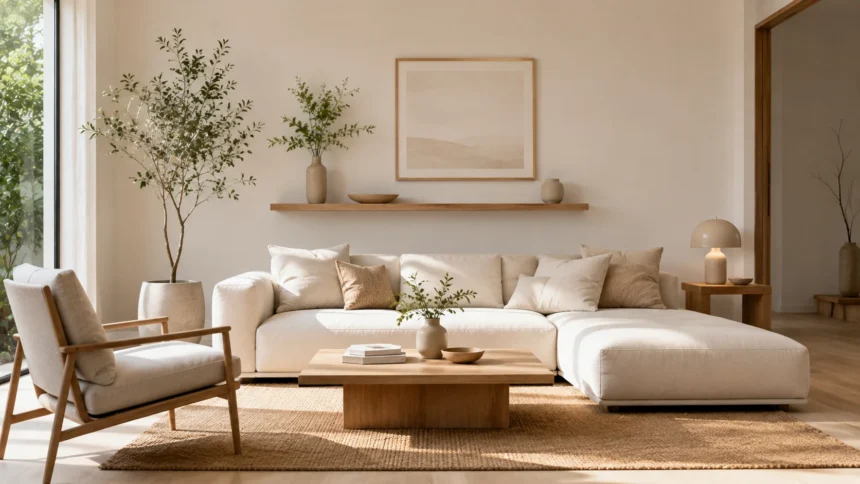
Minimalist Home Decor Ideas for a Calm Space
Minimalist home decor is about creating a space that feels calm, functional, and visually balanced without becoming cold or empty. The idea is not to remove everything from a room, but to keep what is useful, meaningful, and beautiful while reducing unnecessary visual noise. A minimalist interior often feels easier to live in because every major object has a clear purpose and enough space around it to be noticed.
Many people are drawn to minimalism because modern homes can easily become overwhelmed by furniture, storage problems, technology, and everyday belongings. A calmer interior can make routines feel simpler and help rooms look more organized without constant styling. Clean lines, natural materials, thoughtful storage, soft colors, and comfortable furniture all contribute to a minimalist space that still feels welcoming.
The best minimalist home decor ideas focus on editing rather than deprivation. You can keep books, artwork, family photographs, plants, and decorative pieces as long as they add value to the room. Minimalism works best when it reflects your lifestyle instead of forcing your home to follow a strict visual formula that feels unrealistic.
If you want to create a more peaceful home, begin slowly. Declutter one area, improve storage, simplify the color palette, and pay attention to how furniture is arranged. Small changes can create a noticeable sense of calm without requiring a complete renovation or an expensive collection of new minimalist furniture.
Start With a Clear and Purposeful Declutter
Decluttering is often the first step toward a minimalist interior because excess belongings can make even a beautifully designed room feel busy. Begin with one category or one small area instead of trying to clear the entire home in a single day. This makes the process more manageable and helps you make better decisions about what actually deserves to stay.
Ask whether each item is useful, meaningful, or genuinely enjoyable. Objects that do not serve one of these purposes may be taking up valuable visual and physical space. This does not mean discarding sentimental possessions simply because they are decorative, but it does mean being selective about what remains visible.
Avoid moving clutter from one room into another just to create temporary cleanliness. Minimalist organization works best when every item has a permanent home. Closed drawers, cabinets, baskets, and storage furniture can help everyday belongings remain accessible without dominating the appearance of the room.
Once the first declutter is complete, create a simple habit for maintaining it. A quick weekly reset can prevent surfaces from gradually filling again. Minimalism becomes much easier when organization is treated as an ongoing routine rather than a one-time decorating project.
Choose a Soft Neutral Color Palette
Neutral colors are commonly associated with minimalist decor because they create visual continuity and make rooms feel calmer. Warm white, cream, beige, taupe, soft gray, and muted greige can all provide a versatile foundation that works with different furniture and materials.
A neutral palette does not need to feel flat. Combine several related shades rather than using one identical color across every surface. Warm white walls, a beige sofa, a cream rug, and light wood furniture can create subtle depth while maintaining a peaceful atmosphere.
Undertones matter when choosing paint and textiles. Warm neutrals tend to feel softer and more inviting, while very cool grays may appear stark in rooms with limited natural light. Test samples in your actual space before committing because daylight can change their appearance throughout the day.
You can still introduce color in a minimalist home. Muted green, dusty blue, earthy brown, terracotta, or charcoal can work beautifully as accents. Keeping these colors restrained allows them to add personality without overwhelming the calm foundation.
Use Warm Minimalism Instead of Stark Minimalism
Minimalist interiors do not need to rely on bright white rooms and hard surfaces. Warm minimalism combines simple shapes and uncluttered layouts with wood, woven textures, natural fabrics, and soft lighting. This creates a cleaner space without sacrificing comfort.
Natural oak, walnut, rattan, linen, wool, and ceramic materials can soften the visual simplicity of minimalist furniture. These materials add character through texture and natural variation rather than through excessive decoration or complicated patterns.
Comfort should also influence furniture choices. A minimalist sofa can still have deep cushions, soft upholstery, and a relaxed shape. The goal is to reduce unnecessary elements, not to make the room uncomfortable for the sake of appearance.
Warm minimalism is especially useful in living rooms and bedrooms where people spend long periods of time. These spaces should feel peaceful but also inviting. Soft textures and warmer materials help balance the clean lines associated with minimal design.
Choose Furniture With Clean Lines
Furniture has a major influence on whether a room feels minimalist. Pieces with simple silhouettes, balanced proportions, and limited ornamentation usually create a calmer visual effect than furniture with many decorative details.
Look for sofas, tables, chairs, and storage pieces that have clear shapes and practical functions. This does not mean every item must be square or extremely modern. Curved furniture can also work beautifully as long as the overall form remains simple.
Scale is particularly important in minimalist interiors because every piece becomes more noticeable. Oversized furniture can make a room feel crowded, while many small items can create visual fragmentation. A few appropriately sized pieces often look more intentional than several unnecessary ones.
Avoid buying complete matching sets simply because they appear coordinated. Minimalist rooms can still feel personal when furniture differs slightly in material or shape. The key is maintaining consistency in proportion, color, and overall visual weight.
Leave Breathing Room Around Furniture
Negative space is one of the most important elements of minimalist design. Empty areas between furniture, artwork, and decorative objects allow the eye to rest and help each item feel more intentional.
Avoid filling every wall, corner, and surface simply because space is available. A blank wall can create balance, while an empty corner can make nearby furniture feel more substantial. Minimalism often looks sophisticated because it resists the urge to decorate every available area.
Furniture placement should support movement as well as appearance. Leave clear paths through living rooms, bedrooms, and dining areas so the layout feels effortless. Good circulation makes a room feel more spacious even when the actual square footage is limited.
Breathing room also makes cleaning and maintenance easier. Fewer pieces and clearer floor space reduce the number of surfaces that collect dust or require constant rearranging. This practical benefit is one reason minimalist homes can feel calmer in everyday life.
Use Closed Storage to Reduce Visual Noise
Open shelves can look beautiful, but too many visible belongings can quickly make a minimalist room feel busy. Closed storage is useful for hiding practical items that do not need to become part of the decor.
Cabinets, drawers, storage benches, and sideboards can keep electronics, paperwork, toys, chargers, and household supplies out of sight. Choosing furniture that combines storage with another function helps reduce the total number of pieces in the room.
In smaller homes, look for multifunctional storage. Beds with drawers, ottomans with hidden compartments, and coffee tables with shelves or lift-up tops can keep everyday items accessible without requiring additional furniture.
Storage should remain organized behind closed doors as well. Minimalism is easier to maintain when categories are clear and items are easy to return to their place. Otherwise, hidden storage can simply become clutter that eventually spills back into the room.
Decorate With Fewer, Better Accessories
Minimalist decorating does not require eliminating decorative objects completely. Instead, choose fewer pieces that have stronger shapes, meaningful stories, or high-quality materials. One beautiful ceramic vase can have more impact than a collection of unrelated small ornaments.
Group objects intentionally rather than scattering them across every surface. A tray containing a candle, small bowl, and book can create a more cohesive arrangement than several isolated items. Keeping some space around each group helps the styling feel relaxed.
Personal objects can work beautifully in minimalist spaces because they add warmth and identity. A framed photograph, travel souvenir, handmade object, or inherited piece can make the room feel connected to your life without creating clutter.
Rotate accessories occasionally instead of displaying everything at once. This keeps the room visually fresh and allows you to enjoy different possessions throughout the year without overcrowding shelves and tables.
Introduce Natural Wood for Warmth
Wood is one of the easiest ways to make minimalist interiors feel more inviting. Its grain and natural variation provide subtle visual interest without requiring bold color or pattern.
Light oak can create a soft Scandinavian-inspired look, while walnut and darker woods add more contrast and sophistication. Mixing wood tones is acceptable when they share a similar warmth and appear intentionally repeated throughout the room.
Use wood through dining tables, sideboards, shelving, stools, frames, or small decorative pieces. Even a simple wooden tray or lamp base can introduce enough warmth to soften an otherwise neutral space.
Avoid covering every surface in wood, as the room may begin to feel heavy. Balance it with plaster, stone, metal, linen, or glass. The contrast between materials keeps the interior clean while preventing it from looking one-dimensional.
Bring in Texture Through Natural Fabrics
Texture is especially important in minimalist rooms because there are fewer decorative elements competing for attention. Linen, cotton, wool, boucle, and woven materials can make a restrained color palette feel rich and comfortable.
Use texture across curtains, cushions, throws, bedding, and rugs. A cream wool rug, linen curtains, and softly textured sofa can create depth even when all three are similar in color.
Avoid using too many different textures at once. Choose a few that repeat throughout the room so the space still feels cohesive. A balance between soft, rough, and smooth surfaces is usually enough to create visual interest.
Natural fabrics also age beautifully and often contribute to the relaxed feeling associated with modern minimalism. Slight wrinkles or irregularities can make the home feel lived-in rather than perfectly staged.
Use Simple Window Treatments
Window treatments should support natural light without adding unnecessary visual weight. Full-length curtains in neutral fabrics, simple Roman shades, or clean roller blinds can all work well in minimalist interiors.
Hanging curtains closer to the ceiling can make rooms feel taller and more refined. Choose panels that reach the floor and avoid overly complicated patterns if the goal is a calm and streamlined appearance.
Light-filtering fabrics are useful when you want privacy without blocking daylight. Linen-look curtains can soften windows while still allowing the room to feel airy. Blackout layers can be added in bedrooms where better light control is necessary.
Keep curtain rods and hardware relatively simple. Black, wood, brass, or understated metal finishes can complement the room without becoming a dominant decorative feature.
Maximize Natural Light
Natural light can make a minimalist room feel open, warm, and visually spacious. Keep windows as unobstructed as possible and avoid placing large furniture directly in front of important light sources.
Mirrors can help distribute daylight further into the room. Positioning one near or opposite a window can brighten darker areas without adding another artificial light source.
Light-colored walls and fabrics also reflect natural light more effectively. This is one reason warm whites and soft neutrals work so well in minimalist interiors, especially in smaller homes.
Avoid relying entirely on daylight, however. A room should still feel comfortable in the evening. Combine natural light with layered lamps and soft fixtures so the calm atmosphere continues after sunset.
Layer Lighting Instead of Using One Harsh Fixture
A minimalist room can still feel warm and atmospheric when lighting is layered properly. One bright ceiling fixture often creates a flat look, while several smaller sources make the space feel softer.
Combine ambient lighting with table lamps, floor lamps, and wall lights. Each source should serve a purpose, whether illuminating a reading corner, providing general light, or highlighting artwork.
Choose simple fixtures with strong proportions. Sculptural lamps can serve as decoration while still maintaining a minimalist aesthetic because they combine form and function in one object.
Warm bulbs usually create a more relaxing atmosphere in bedrooms and living spaces. Dimmers can also help you adjust the room for different times of day without introducing additional fixtures.
Choose One Strong Piece of Artwork
Minimalist interiors often benefit from one large piece of artwork rather than many small decorations. A substantial painting, print, or photograph can anchor a wall while maintaining a sense of visual calm.
Choose art that you genuinely enjoy rather than something selected only because it matches the room. A strong personal connection makes the space feel more authentic and prevents minimalism from becoming generic.
The artwork can introduce color if the rest of the room is neutral. Muted abstracts, landscapes, monochrome photography, or simple line drawings can all work depending on your personal style.
Pay attention to scale. Artwork that is too small can make a large wall feel unfinished. A properly proportioned piece often reduces the need for additional wall decoration.
Use Mirrors Strategically
Mirrors can enhance minimalism by adding light and depth without introducing visual clutter. Their reflective surfaces work particularly well in smaller rooms, hallways, and darker areas.
Choose mirrors with simple frames or subtle organic shapes. Black, wood, brass, and frameless styles can all fit a minimalist interior as long as the design remains visually restrained.
A large mirror often creates more impact than several small ones. Leaning a full-length mirror against a wall can feel relaxed, while a framed mirror above a console creates a cleaner composition.
Consider what the mirror reflects before choosing its position. Reflecting a window, plant, or artwork can improve the room, while reflecting clutter can make the space feel busier.
Add Greenery Without Overcrowding
Plants can soften minimalist rooms and introduce natural color without relying on decorative clutter. Their organic forms contrast beautifully with straight furniture lines and simple architectural shapes.
Choose a few larger plants rather than many tiny pots if you want a cleaner appearance. One indoor tree in a corner can create more impact than a collection of small plants scattered across every surface.
Simple planters in ceramic, terracotta, or neutral finishes help the greenery blend with the room. Avoid overly decorative pots unless they serve as a deliberate focal point.
If plant care is difficult, use fresh branches, dried stems, or realistic artificial greenery sparingly. Natural elements can still provide softness without creating additional maintenance.
Keep Surfaces Mostly Clear
Clear surfaces are one of the easiest ways to create a calmer room. Coffee tables, kitchen counters, dressers, and bedside tables often become collection points for everyday clutter.
Leave only the items that are useful or intentionally decorative. A coffee table may need just a book, tray, and small vase, while a bedside table could hold a lamp, book, and glass of water.
Create hidden homes for everyday objects such as chargers, keys, paperwork, and remote controls. When practical items have dedicated storage, it becomes easier to keep visible surfaces uncluttered.
Clear does not have to mean empty. The goal is to allow each object enough space to be noticed. A few well-placed items can make a surface feel finished without becoming busy.
Create a Minimalist Living Room
A minimalist living room should prioritize comfort, conversation, and practical movement. Begin with the main seating and remove any furniture that does not serve a clear purpose.
Choose a sofa with simple lines and comfortable upholstery, then add one or two complementary chairs if needed. A properly sized rug can anchor the seating arrangement and make the room feel connected.
Use a limited number of accessories. One large artwork, a floor lamp, a plant, and a few cushions may be enough to create personality. Avoid filling every table or wall with decorative items.
Hidden storage can help maintain the room over time. A media console with doors, storage ottoman, or sideboard can keep electronics and everyday objects accessible without becoming part of the visual composition.
Design a Calm Minimalist Bedroom
The bedroom is an ideal place for minimalist design because fewer visual distractions can help create a more restful atmosphere. Begin with the bed as the main focal point and keep surrounding furniture relatively simple.
Choose a restrained bedding palette using soft whites, beige, gray, muted green, or earthy tones. Layer texture through sheets, a duvet, throw, and perhaps a few cushions rather than using many different colors.
Bedside tables should be practical but uncluttered. A lamp, book, and one personal item are usually enough. Closed drawers can hide chargers, medication, and other necessities that would otherwise create visual noise.
Soft curtains, warm lighting, and a simple rug can complete the room. The goal is to create comfort without filling the space with accessories that compete for attention.
Simplify the Kitchen
Minimalist kitchens feel calmer when countertops remain relatively clear. Keep only frequently used appliances and a few attractive essentials visible while storing the rest in cabinets or drawers.
Group practical items together. A wooden board, ceramic utensil holder, and simple tray can make everyday objects look intentional without creating decorative clutter.
Choose storage systems that make things easy to put away. Drawer dividers, cabinet organizers, and labeled containers can help keep hidden spaces functional and reduce the temptation to leave items on counters.
If you are updating finishes, simple hardware and neutral materials usually support a minimalist look. However, organization and clear surfaces often make a bigger difference than replacing perfectly functional cabinets.
Create a Minimalist Bathroom
Bathrooms can easily become cluttered because toiletries, towels, and cleaning supplies accumulate quickly. Closed storage and simplified product displays can make even a small bathroom feel calmer.
Keep only daily essentials on the counter. Group them on a tray or place them in matching containers if that helps the area feel more organized. Store backups and less frequently used products elsewhere.
Choose simple towels, bath mats, and shower curtains in a limited color palette. Soft white, beige, gray, or muted earth tones can create a spa-like atmosphere without requiring expensive renovations.
A small plant, framed print, or ceramic soap dispenser may be enough decoration. Minimalist bathrooms usually benefit from restraint because the room already contains many functional elements.
Make the Entryway Calm and Functional
The entryway can quickly become messy because shoes, keys, bags, and mail naturally collect near the door. Minimalist design can make this area more practical by giving every everyday item a clear place.
Use a narrow console, bench, or wall-mounted shelf rather than oversized furniture. Add hooks or closed baskets if you need storage, but keep the arrangement visually simple.
A mirror can make the entry feel larger and provide a useful final check before leaving the house. One small lamp or piece of artwork can add personality without overwhelming the space.
Create a routine for clearing the area regularly. A calm entryway makes the entire home feel more organized because it is the first space you see when arriving.
Use Multifunctional Furniture in Small Spaces
Minimalist decorating is especially effective in smaller homes because multifunctional furniture reduces the number of pieces required. A bench with storage, extendable dining table, or sofa bed can serve several needs without filling the room.
Look for furniture that performs more than one task while still fitting the proportions of the space. A large multifunctional item is not helpful if it makes movement difficult.
Wall-mounted desks, nesting tables, and storage ottomans can provide flexibility without permanent visual clutter. These pieces are useful in apartments, studios, and rooms that need to support multiple activities.
The best multifunctional furniture feels natural rather than overly complicated. Choose pieces that you will genuinely use regularly instead of buying clever designs simply because they offer hidden features.
Use Open Shelving With Restraint
Open shelves can work in a minimalist home when they are edited carefully. The goal is to display a limited collection rather than use shelves as storage for every visible possession.
Combine books with a few ceramics, framed photographs, or decorative objects. Vary the height and shape of items while leaving significant empty space around them.
Repeat one or two materials across the shelves to create unity. Wood, ceramic, black metal, or neutral glass can connect separate arrangements without requiring everything to match.
If open shelving repeatedly becomes cluttered, consider adding baskets or replacing some sections with closed storage. Minimalism should make daily life easier, not create constant pressure to style every shelf perfectly.
Keep Technology Visually Organized
Phones, chargers, routers, speakers, and cables can create significant visual clutter in modern homes. Simple organization can help technology remain accessible without dominating the room.
Use cable management boxes, clips, or furniture with built-in openings to keep wires less visible. Group charging devices in one location rather than leaving them throughout the room.
Consider storing rarely used electronics inside cabinets or drawers. Media consoles with closed doors can conceal gaming equipment, accessories, and extra cables while still allowing easy access.
Technology should support the space rather than define it. A minimalist interior feels calmer when screens and devices are integrated thoughtfully into the overall furniture layout.
Choose a Few Meaningful Decorative Objects
Minimalism becomes more personal when the few decorative items you display have a clear emotional connection. Family photographs, handmade objects, travel pieces, or gifts can create warmth without requiring large collections.
Give each meaningful object enough space to stand out. A single framed photograph on a side table can feel more important than ten small frames competing for attention.
Avoid displaying possessions only because they fit a minimalist color palette. Personal value matters more than creating a perfectly coordinated photograph. A meaningful object can introduce an unexpected color or shape and still belong beautifully in the room.
As your collection grows, rotate pieces instead of displaying everything simultaneously. This keeps the space calm while allowing you to enjoy different objects throughout the year.
Use Rugs to Define Calm Zones
Rugs can help minimalist rooms feel warmer and more organized by visually connecting furniture. A large rug under the main seating area can make several separate pieces feel like one coherent arrangement.
Choose simple patterns, soft solids, or natural textures depending on the rest of the room. A neutral rug can provide subtle depth without becoming another strong visual element.
Size is especially important. A rug that is too small can make furniture appear disconnected and create more visual fragmentation. Proper scale generally produces a calmer effect.
In open-plan homes, rugs can define different zones without adding partitions. A living rug and dining rug can create clear areas while maintaining an open and uncluttered floor plan.
Reduce Pattern Without Eliminating It
Minimalist interiors can include pattern, but it is usually most effective when used selectively. A striped cushion, subtle rug, or simple geometric textile can prevent the room from feeling overly plain.
Choose patterns with a limited color palette so they integrate easily with surrounding furniture. Tonal patterns often add interest without becoming visually dominant.
Avoid introducing several competing designs unless the rest of the room is extremely simple. Too many patterns can create the same visual noise that minimalist decorating is designed to reduce.
If you love pattern, choose one stronger feature and keep surrounding elements quieter. A patterned rug can work beautifully with solid upholstery and simple curtains.
Use Sculptural Objects Instead of Many Small Decorations
One sculptural piece can add interest while preserving the simplicity of a minimalist room. A large ceramic vase, curved lamp, stone bowl, or distinctive chair can function as both decoration and focal point.
Strong shapes are especially effective because minimalist spaces provide enough negative space for them to be noticed. The object does not need bright color to make an impact.
Choose sculptural elements that also serve a purpose whenever possible. A beautiful floor lamp, side table, or chair provides both visual interest and practical value.
Avoid combining too many statement pieces in one room. If every object competes for attention, the overall sense of calm disappears. One or two distinctive elements are usually enough.
Maintain Consistency Between Rooms
A minimalist home feels more cohesive when rooms share some visual language. This does not mean every room should look identical, but repeating colors, materials, and finishes can create a natural sense of flow.
For example, the same warm wood may appear in the living room, bedroom, and kitchen, while soft beige and muted green repeat through textiles. These connections help the home feel intentionally designed.
Consistency can also reduce unnecessary purchases because furniture and accessories become easier to move between rooms. A lamp or side table that works in several spaces gives you more flexibility over time.
Allow each room to maintain its own personality, however. Minimalism should create harmony rather than uniformity. Small differences in artwork, texture, or accent color can keep the home interesting.
Avoid Buying Decor Just to Fill Space
Empty space often makes people feel that something is missing, which can lead to unnecessary purchases. In minimalist decorating, leaving some areas intentionally open is part of the design.
Before buying an object, ask whether it improves function, comfort, or appearance. If the only reason is to fill an empty corner, wait for a while and see whether the space actually needs anything.
This habit can save money and reduce future clutter. It also gives you time to find pieces you genuinely like instead of settling for the first available option.
A home that develops gradually often feels more personal than one decorated completely in a weekend. Empty space provides room for future discoveries and changing needs.
Create a One-In, One-Out Habit
A simple one-in, one-out rule can help prevent clutter from returning. When you add a new decorative item, piece of clothing, kitchen tool, or furniture item, consider removing something you no longer use.
The rule does not need to be followed rigidly for every possession. Its purpose is to make you more conscious about what enters the home and whether existing storage can support it.
This approach can also improve purchasing decisions. Knowing that a new item may replace something else encourages you to choose more carefully instead of buying impulsively.
Over time, the habit helps the home remain aligned with minimalist principles without requiring repeated large decluttering sessions. Maintenance becomes part of everyday decision-making.
Make Minimalism Work for Family Life
Minimalism can still work in a busy family home, but it needs to be practical. Children, pets, hobbies, and everyday routines naturally create more belongings, so the goal should be organization rather than unrealistic perfection.
Use accessible storage where family members can easily return items. Baskets, low cabinets, hooks, and labeled drawers make it simpler to maintain order without requiring constant supervision.
Keep common areas flexible. Durable furniture, washable textiles, and clear floor space can help the home adapt to play, entertaining, and family activities without losing its overall calm feeling.
Allow personal areas to reflect individual tastes. A minimalist home does not require every family member to own only a few neutral-colored possessions. Shared spaces can remain visually calm while bedrooms and private areas provide more freedom.
Avoid Common Minimalist Decorating Mistakes
One common mistake is removing so much that the home becomes uncomfortable. Minimalism should still support real life, so adequate seating, storage, lighting, and practical objects are essential.
Another mistake is relying only on white and gray. Without texture, warmth, or natural materials, the room may feel sterile rather than calm. Wood, fabric, greenery, and soft lighting can prevent this problem.
Buying expensive “minimalist” decor can also defeat the purpose. You do not need to replace functional belongings simply because they do not fit a particular aesthetic. Work with what you already own wherever possible.
Finally, avoid copying minimalist images that do not reflect your lifestyle. A home should be easier to live in after simplifying it. If maintaining the look creates constant stress, the approach needs to become more practical.
How to Make Minimalist Decor Feel Cozy
Start with warmth rather than adding more objects. Soft lighting, wood tones, rugs, curtains, and natural fabrics can make a simple room feel comfortable without increasing clutter.
Layer a small number of textiles carefully. A wool rug, linen cushions, and a soft throw may provide enough texture to make the seating area feel inviting.
Introduce personal elements such as books, photographs, artwork, or handmade ceramics. These pieces prevent the home from looking generic while still respecting the overall simplicity.
Finally, focus on comfort when selecting furniture. A calm space should encourage you to sit, rest, read, and spend time there. Minimalism succeeds when simplicity improves how the home feels, not just how it photographs.
How to Create Minimalist Decor on a Budget
Begin by removing and rearranging before buying anything. Decluttering, moving furniture, and clearing surfaces can create a major visual improvement at no cost.
Use paint when you need a larger change. A fresh neutral color can unify mismatched furniture and make the room feel cleaner without requiring replacement pieces.
Shop secondhand for solid wood furniture, mirrors, lamps, and simple storage pieces. Minimalist design often depends more on shape and proportion than brand names, making preloved furniture a practical option.
Spend gradually on pieces that improve daily life. Good storage, comfortable seating, a properly sized rug, or better lighting often provides more value than buying many small decorative accessories.
How to Maintain a Minimalist Home
A minimalist home stays calm when daily routines support the design. Spend a few minutes returning items to their place at the end of the day rather than allowing clutter to accumulate for weeks.
Create a regular schedule for reviewing drawers, cabinets, and surfaces. Small monthly edits can prevent unused belongings from gradually filling storage areas.
Be intentional about new purchases. Before bringing something home, consider where it will be stored and whether it improves the space or duplicates something you already own.
Most importantly, allow your minimalist style to evolve. Your needs will change, and the home should change with them. The goal is not permanent perfection but a manageable environment that continues to support a calmer everyday life.
Final Thoughts
Creating a calm home through minimalism is not about removing personality or living with as little as possible. The best minimalist home decor ideas focus on reducing visual noise, improving function, and giving meaningful objects enough space to be appreciated.
Start with decluttering, then strengthen the room through neutral colors, natural materials, thoughtful storage, comfortable furniture, and layered lighting. These elements create warmth while preserving the simplicity that makes minimalist interiors feel peaceful.
Avoid decorating according to strict rules. Your home should still contain books, photographs, artwork, plants, and other possessions that reflect your life. The difference is that each element should feel intentional rather than being added simply to fill space.
Minimalism works best when it makes everyday living easier. When rooms are easier to clean, belongings are easier to find, and furniture supports your routines, the visual calm becomes practical as well as beautiful. That balance is what turns minimalist decor into a lasting and livable style.
Frequently Asked Questions
What is minimalist home decor?
Minimalist home decor focuses on simple furniture, limited visual clutter, functional layouts, neutral or restrained colors, and carefully chosen decorative objects that add purpose or meaning.
How can I make a minimalist home feel cozy?
Use warm neutrals, natural wood, soft lighting, textured rugs, linen, wool, plants, and a few personal objects. These elements add comfort without creating unnecessary clutter.
What colors are best for minimalist interiors?
Warm white, cream, beige, greige, taupe, soft gray, muted green, and earthy brown work well. Small accents of darker or more colorful tones can add depth.
Can minimalist decor work in a small home?
Yes. Minimalism can be especially effective in small spaces because fewer furniture pieces, better storage, and clear circulation can make rooms feel more open and organized.
How do I start decorating my home in a minimalist style?
Begin by decluttering, choosing a simple color palette, improving storage, rearranging furniture, and keeping surfaces mostly clear. Add only the pieces that improve comfort, function, or personality.
Meta Description
Minimalist Home Decor Ideas for a Calm Space
Minimalist home decor is about creating a space that feels calm, functional, and visually balanced without becoming cold or empty. The idea is not to remove everything from a room, but to keep what is useful, meaningful, and beautiful while reducing unnecessary visual noise. A minimalist interior often feels easier to live in because every major object has a clear purpose and enough space around it to be noticed.
Many people are drawn to minimalism because modern homes can easily become overwhelmed by furniture, storage problems, technology, and everyday belongings. A calmer interior can make routines feel simpler and help rooms look more organized without constant styling. Clean lines, natural materials, thoughtful storage, soft colors, and comfortable furniture all contribute to a minimalist space that still feels welcoming.
The best minimalist home decor ideas focus on editing rather than deprivation. You can keep books, artwork, family photographs, plants, and decorative pieces as long as they add value to the room. Minimalism works best when it reflects your lifestyle instead of forcing your home to follow a strict visual formula that feels unrealistic.
If you want to create a more peaceful home, begin slowly. Declutter one area, improve storage, simplify the color palette, and pay attention to how furniture is arranged. Small changes can create a noticeable sense of calm without requiring a complete renovation or an expensive collection of new minimalist furniture.
Start With a Clear and Purposeful Declutter
Decluttering is often the first step toward a minimalist interior because excess belongings can make even a beautifully designed room feel busy. Begin with one category or one small area instead of trying to clear the entire home in a single day. This makes the process more manageable and helps you make better decisions about what actually deserves to stay.
Ask whether each item is useful, meaningful, or genuinely enjoyable. Objects that do not serve one of these purposes may be taking up valuable visual and physical space. This does not mean discarding sentimental possessions simply because they are decorative, but it does mean being selective about what remains visible.
Avoid moving clutter from one room into another just to create temporary cleanliness. Minimalist organization works best when every item has a permanent home. Closed drawers, cabinets, baskets, and storage furniture can help everyday belongings remain accessible without dominating the appearance of the room.
Once the first declutter is complete, create a simple habit for maintaining it. A quick weekly reset can prevent surfaces from gradually filling again. Minimalism becomes much easier when organization is treated as an ongoing routine rather than a one-time decorating project.
Choose a Soft Neutral Color Palette
Neutral colors are commonly associated with minimalist decor because they create visual continuity and make rooms feel calmer. Warm white, cream, beige, taupe, soft gray, and muted greige can all provide a versatile foundation that works with different furniture and materials.
A neutral palette does not need to feel flat. Combine several related shades rather than using one identical color across every surface. Warm white walls, a beige sofa, a cream rug, and light wood furniture can create subtle depth while maintaining a peaceful atmosphere.
Undertones matter when choosing paint and textiles. Warm neutrals tend to feel softer and more inviting, while very cool grays may appear stark in rooms with limited natural light. Test samples in your actual space before committing because daylight can change their appearance throughout the day.
You can still introduce color in a minimalist home. Muted green, dusty blue, earthy brown, terracotta, or charcoal can work beautifully as accents. Keeping these colors restrained allows them to add personality without overwhelming the calm foundation.
Use Warm Minimalism Instead of Stark Minimalism
Minimalist interiors do not need to rely on bright white rooms and hard surfaces. Warm minimalism combines simple shapes and uncluttered layouts with wood, woven textures, natural fabrics, and soft lighting. This creates a cleaner space without sacrificing comfort.
Natural oak, walnut, rattan, linen, wool, and ceramic materials can soften the visual simplicity of minimalist furniture. These materials add character through texture and natural variation rather than through excessive decoration or complicated patterns.
Comfort should also influence furniture choices. A minimalist sofa can still have deep cushions, soft upholstery, and a relaxed shape. The goal is to reduce unnecessary elements, not to make the room uncomfortable for the sake of appearance.
Warm minimalism is especially useful in living rooms and bedrooms where people spend long periods of time. These spaces should feel peaceful but also inviting. Soft textures and warmer materials help balance the clean lines associated with minimal design.
Choose Furniture With Clean Lines
Furniture has a major influence on whether a room feels minimalist. Pieces with simple silhouettes, balanced proportions, and limited ornamentation usually create a calmer visual effect than furniture with many decorative details.
Look for sofas, tables, chairs, and storage pieces that have clear shapes and practical functions. This does not mean every item must be square or extremely modern. Curved furniture can also work beautifully as long as the overall form remains simple.
Scale is particularly important in minimalist interiors because every piece becomes more noticeable. Oversized furniture can make a room feel crowded, while many small items can create visual fragmentation. A few appropriately sized pieces often look more intentional than several unnecessary ones.
Avoid buying complete matching sets simply because they appear coordinated. Minimalist rooms can still feel personal when furniture differs slightly in material or shape. The key is maintaining consistency in proportion, color, and overall visual weight.
Leave Breathing Room Around Furniture
Negative space is one of the most important elements of minimalist design. Empty areas between furniture, artwork, and decorative objects allow the eye to rest and help each item feel more intentional.
Avoid filling every wall, corner, and surface simply because space is available. A blank wall can create balance, while an empty corner can make nearby furniture feel more substantial. Minimalism often looks sophisticated because it resists the urge to decorate every available area.
Furniture placement should support movement as well as appearance. Leave clear paths through living rooms, bedrooms, and dining areas so the layout feels effortless. Good circulation makes a room feel more spacious even when the actual square footage is limited.
Breathing room also makes cleaning and maintenance easier. Fewer pieces and clearer floor space reduce the number of surfaces that collect dust or require constant rearranging. This practical benefit is one reason minimalist homes can feel calmer in everyday life.
Use Closed Storage to Reduce Visual Noise
Open shelves can look beautiful, but too many visible belongings can quickly make a minimalist room feel busy. Closed storage is useful for hiding practical items that do not need to become part of the decor.
Cabinets, drawers, storage benches, and sideboards can keep electronics, paperwork, toys, chargers, and household supplies out of sight. Choosing furniture that combines storage with another function helps reduce the total number of pieces in the room.
In smaller homes, look for multifunctional storage. Beds with drawers, ottomans with hidden compartments, and coffee tables with shelves or lift-up tops can keep everyday items accessible without requiring additional furniture.
Storage should remain organized behind closed doors as well. Minimalism is easier to maintain when categories are clear and items are easy to return to their place. Otherwise, hidden storage can simply become clutter that eventually spills back into the room.
Decorate With Fewer, Better Accessories
Minimalist decorating does not require eliminating decorative objects completely. Instead, choose fewer pieces that have stronger shapes, meaningful stories, or high-quality materials. One beautiful ceramic vase can have more impact than a collection of unrelated small ornaments.
Group objects intentionally rather than scattering them across every surface. A tray containing a candle, small bowl, and book can create a more cohesive arrangement than several isolated items. Keeping some space around each group helps the styling feel relaxed.
Personal objects can work beautifully in minimalist spaces because they add warmth and identity. A framed photograph, travel souvenir, handmade object, or inherited piece can make the room feel connected to your life without creating clutter.
Rotate accessories occasionally instead of displaying everything at once. This keeps the room visually fresh and allows you to enjoy different possessions throughout the year without overcrowding shelves and tables.
Introduce Natural Wood for Warmth
Wood is one of the easiest ways to make minimalist interiors feel more inviting. Its grain and natural variation provide subtle visual interest without requiring bold color or pattern.
Light oak can create a soft Scandinavian-inspired look, while walnut and darker woods add more contrast and sophistication. Mixing wood tones is acceptable when they share a similar warmth and appear intentionally repeated throughout the room.
Use wood through dining tables, sideboards, shelving, stools, frames, or small decorative pieces. Even a simple wooden tray or lamp base can introduce enough warmth to soften an otherwise neutral space.
Avoid covering every surface in wood, as the room may begin to feel heavy. Balance it with plaster, stone, metal, linen, or glass. The contrast between materials keeps the interior clean while preventing it from looking one-dimensional.
Bring in Texture Through Natural Fabrics
Texture is especially important in minimalist rooms because there are fewer decorative elements competing for attention. Linen, cotton, wool, boucle, and woven materials can make a restrained color palette feel rich and comfortable.
Use texture across curtains, cushions, throws, bedding, and rugs. A cream wool rug, linen curtains, and softly textured sofa can create depth even when all three are similar in color.
Avoid using too many different textures at once. Choose a few that repeat throughout the room so the space still feels cohesive. A balance between soft, rough, and smooth surfaces is usually enough to create visual interest.
Natural fabrics also age beautifully and often contribute to the relaxed feeling associated with modern minimalism. Slight wrinkles or irregularities can make the home feel lived-in rather than perfectly staged.
Use Simple Window Treatments
Window treatments should support natural light without adding unnecessary visual weight. Full-length curtains in neutral fabrics, simple Roman shades, or clean roller blinds can all work well in minimalist interiors.
Hanging curtains closer to the ceiling can make rooms feel taller and more refined. Choose panels that reach the floor and avoid overly complicated patterns if the goal is a calm and streamlined appearance.
Light-filtering fabrics are useful when you want privacy without blocking daylight. Linen-look curtains can soften windows while still allowing the room to feel airy. Blackout layers can be added in bedrooms where better light control is necessary.
Keep curtain rods and hardware relatively simple. Black, wood, brass, or understated metal finishes can complement the room without becoming a dominant decorative feature.
Maximize Natural Light
Natural light can make a minimalist room feel open, warm, and visually spacious. Keep windows as unobstructed as possible and avoid placing large furniture directly in front of important light sources.
Mirrors can help distribute daylight further into the room. Positioning one near or opposite a window can brighten darker areas without adding another artificial light source.
Light-colored walls and fabrics also reflect natural light more effectively. This is one reason warm whites and soft neutrals work so well in minimalist interiors, especially in smaller homes.
Avoid relying entirely on daylight, however. A room should still feel comfortable in the evening. Combine natural light with layered lamps and soft fixtures so the calm atmosphere continues after sunset.
Layer Lighting Instead of Using One Harsh Fixture
A minimalist room can still feel warm and atmospheric when lighting is layered properly. One bright ceiling fixture often creates a flat look, while several smaller sources make the space feel softer.
Combine ambient lighting with table lamps, floor lamps, and wall lights. Each source should serve a purpose, whether illuminating a reading corner, providing general light, or highlighting artwork.
Choose simple fixtures with strong proportions. Sculptural lamps can serve as decoration while still maintaining a minimalist aesthetic because they combine form and function in one object.
Warm bulbs usually create a more relaxing atmosphere in bedrooms and living spaces. Dimmers can also help you adjust the room for different times of day without introducing additional fixtures.
Choose One Strong Piece of Artwork
Minimalist interiors often benefit from one large piece of artwork rather than many small decorations. A substantial painting, print, or photograph can anchor a wall while maintaining a sense of visual calm.
Choose art that you genuinely enjoy rather than something selected only because it matches the room. A strong personal connection makes the space feel more authentic and prevents minimalism from becoming generic.
The artwork can introduce color if the rest of the room is neutral. Muted abstracts, landscapes, monochrome photography, or simple line drawings can all work depending on your personal style.
Pay attention to scale. Artwork that is too small can make a large wall feel unfinished. A properly proportioned piece often reduces the need for additional wall decoration.
Use Mirrors Strategically
Mirrors can enhance minimalism by adding light and depth without introducing visual clutter. Their reflective surfaces work particularly well in smaller rooms, hallways, and darker areas.
Choose mirrors with simple frames or subtle organic shapes. Black, wood, brass, and frameless styles can all fit a minimalist interior as long as the design remains visually restrained.
A large mirror often creates more impact than several small ones. Leaning a full-length mirror against a wall can feel relaxed, while a framed mirror above a console creates a cleaner composition.
Consider what the mirror reflects before choosing its position. Reflecting a window, plant, or artwork can improve the room, while reflecting clutter can make the space feel busier.
Add Greenery Without Overcrowding
Plants can soften minimalist rooms and introduce natural color without relying on decorative clutter. Their organic forms contrast beautifully with straight furniture lines and simple architectural shapes.
Choose a few larger plants rather than many tiny pots if you want a cleaner appearance. One indoor tree in a corner can create more impact than a collection of small plants scattered across every surface.
Simple planters in ceramic, terracotta, or neutral finishes help the greenery blend with the room. Avoid overly decorative pots unless they serve as a deliberate focal point.
If plant care is difficult, use fresh branches, dried stems, or realistic artificial greenery sparingly. Natural elements can still provide softness without creating additional maintenance.
Keep Surfaces Mostly Clear
Clear surfaces are one of the easiest ways to create a calmer room. Coffee tables, kitchen counters, dressers, and bedside tables often become collection points for everyday clutter.
Leave only the items that are useful or intentionally decorative. A coffee table may need just a book, tray, and small vase, while a bedside table could hold a lamp, book, and glass of water.
Create hidden homes for everyday objects such as chargers, keys, paperwork, and remote controls. When practical items have dedicated storage, it becomes easier to keep visible surfaces uncluttered.
Clear does not have to mean empty. The goal is to allow each object enough space to be noticed. A few well-placed items can make a surface feel finished without becoming busy.
Create a Minimalist Living Room
A minimalist living room should prioritize comfort, conversation, and practical movement. Begin with the main seating and remove any furniture that does not serve a clear purpose.
Choose a sofa with simple lines and comfortable upholstery, then add one or two complementary chairs if needed. A properly sized rug can anchor the seating arrangement and make the room feel connected.
Use a limited number of accessories. One large artwork, a floor lamp, a plant, and a few cushions may be enough to create personality. Avoid filling every table or wall with decorative items.
Hidden storage can help maintain the room over time. A media console with doors, storage ottoman, or sideboard can keep electronics and everyday objects accessible without becoming part of the visual composition.
Design a Calm Minimalist Bedroom
The bedroom is an ideal place for minimalist design because fewer visual distractions can help create a more restful atmosphere. Begin with the bed as the main focal point and keep surrounding furniture relatively simple.
Choose a restrained bedding palette using soft whites, beige, gray, muted green, or earthy tones. Layer texture through sheets, a duvet, throw, and perhaps a few cushions rather than using many different colors.
Bedside tables should be practical but uncluttered. A lamp, book, and one personal item are usually enough. Closed drawers can hide chargers, medication, and other necessities that would otherwise create visual noise.
Soft curtains, warm lighting, and a simple rug can complete the room. The goal is to create comfort without filling the space with accessories that compete for attention.
Simplify the Kitchen
Minimalist kitchens feel calmer when countertops remain relatively clear. Keep only frequently used appliances and a few attractive essentials visible while storing the rest in cabinets or drawers.
Group practical items together. A wooden board, ceramic utensil holder, and simple tray can make everyday objects look intentional without creating decorative clutter.
Choose storage systems that make things easy to put away. Drawer dividers, cabinet organizers, and labeled containers can help keep hidden spaces functional and reduce the temptation to leave items on counters.
If you are updating finishes, simple hardware and neutral materials usually support a minimalist look. However, organization and clear surfaces often make a bigger difference than replacing perfectly functional cabinets.
Create a Minimalist Bathroom
Bathrooms can easily become cluttered because toiletries, towels, and cleaning supplies accumulate quickly. Closed storage and simplified product displays can make even a small bathroom feel calmer.
Keep only daily essentials on the counter. Group them on a tray or place them in matching containers if that helps the area feel more organized. Store backups and less frequently used products elsewhere.
Choose simple towels, bath mats, and shower curtains in a limited color palette. Soft white, beige, gray, or muted earth tones can create a spa-like atmosphere without requiring expensive renovations.
A small plant, framed print, or ceramic soap dispenser may be enough decoration. Minimalist bathrooms usually benefit from restraint because the room already contains many functional elements.
Make the Entryway Calm and Functional
The entryway can quickly become messy because shoes, keys, bags, and mail naturally collect near the door. Minimalist design can make this area more practical by giving every everyday item a clear place.
Use a narrow console, bench, or wall-mounted shelf rather than oversized furniture. Add hooks or closed baskets if you need storage, but keep the arrangement visually simple.
A mirror can make the entry feel larger and provide a useful final check before leaving the house. One small lamp or piece of artwork can add personality without overwhelming the space.
Create a routine for clearing the area regularly. A calm entryway makes the entire home feel more organized because it is the first space you see when arriving.
Use Multifunctional Furniture in Small Spaces
Minimalist decorating is especially effective in smaller homes because multifunctional furniture reduces the number of pieces required. A bench with storage, extendable dining table, or sofa bed can serve several needs without filling the room.
Look for furniture that performs more than one task while still fitting the proportions of the space. A large multifunctional item is not helpful if it makes movement difficult.
Wall-mounted desks, nesting tables, and storage ottomans can provide flexibility without permanent visual clutter. These pieces are useful in apartments, studios, and rooms that need to support multiple activities.
The best multifunctional furniture feels natural rather than overly complicated. Choose pieces that you will genuinely use regularly instead of buying clever designs simply because they offer hidden features.
Use Open Shelving With Restraint
Open shelves can work in a minimalist home when they are edited carefully. The goal is to display a limited collection rather than use shelves as storage for every visible possession.
Combine books with a few ceramics, framed photographs, or decorative objects. Vary the height and shape of items while leaving significant empty space around them.
Repeat one or two materials across the shelves to create unity. Wood, ceramic, black metal, or neutral glass can connect separate arrangements without requiring everything to match.
If open shelving repeatedly becomes cluttered, consider adding baskets or replacing some sections with closed storage. Minimalism should make daily life easier, not create constant pressure to style every shelf perfectly.
Keep Technology Visually Organized
Phones, chargers, routers, speakers, and cables can create significant visual clutter in modern homes. Simple organization can help technology remain accessible without dominating the room.
Use cable management boxes, clips, or furniture with built-in openings to keep wires less visible. Group charging devices in one location rather than leaving them throughout the room.
Consider storing rarely used electronics inside cabinets or drawers. Media consoles with closed doors can conceal gaming equipment, accessories, and extra cables while still allowing easy access.
Technology should support the space rather than define it. A minimalist interior feels calmer when screens and devices are integrated thoughtfully into the overall furniture layout.
Choose a Few Meaningful Decorative Objects
Minimalism becomes more personal when the few decorative items you display have a clear emotional connection. Family photographs, handmade objects, travel pieces, or gifts can create warmth without requiring large collections.
Give each meaningful object enough space to stand out. A single framed photograph on a side table can feel more important than ten small frames competing for attention.
Avoid displaying possessions only because they fit a minimalist color palette. Personal value matters more than creating a perfectly coordinated photograph. A meaningful object can introduce an unexpected color or shape and still belong beautifully in the room.
As your collection grows, rotate pieces instead of displaying everything simultaneously. This keeps the space calm while allowing you to enjoy different objects throughout the year.
Use Rugs to Define Calm Zones
Rugs can help minimalist rooms feel warmer and more organized by visually connecting furniture. A large rug under the main seating area can make several separate pieces feel like one coherent arrangement.
Choose simple patterns, soft solids, or natural textures depending on the rest of the room. A neutral rug can provide subtle depth without becoming another strong visual element.
Size is especially important. A rug that is too small can make furniture appear disconnected and create more visual fragmentation. Proper scale generally produces a calmer effect.
In open-plan homes, rugs can define different zones without adding partitions. A living rug and dining rug can create clear areas while maintaining an open and uncluttered floor plan.
Reduce Pattern Without Eliminating It
Minimalist interiors can include pattern, but it is usually most effective when used selectively. A striped cushion, subtle rug, or simple geometric textile can prevent the room from feeling overly plain.
Choose patterns with a limited color palette so they integrate easily with surrounding furniture. Tonal patterns often add interest without becoming visually dominant.
Avoid introducing several competing designs unless the rest of the room is extremely simple. Too many patterns can create the same visual noise that minimalist decorating is designed to reduce.
If you love pattern, choose one stronger feature and keep surrounding elements quieter. A patterned rug can work beautifully with solid upholstery and simple curtains.
Use Sculptural Objects Instead of Many Small Decorations
One sculptural piece can add interest while preserving the simplicity of a minimalist room. A large ceramic vase, curved lamp, stone bowl, or distinctive chair can function as both decoration and focal point.
Strong shapes are especially effective because minimalist spaces provide enough negative space for them to be noticed. The object does not need bright color to make an impact.
Choose sculptural elements that also serve a purpose whenever possible. A beautiful floor lamp, side table, or chair provides both visual interest and practical value.
Avoid combining too many statement pieces in one room. If every object competes for attention, the overall sense of calm disappears. One or two distinctive elements are usually enough.
Maintain Consistency Between Rooms
A minimalist home feels more cohesive when rooms share some visual language. This does not mean every room should look identical, but repeating colors, materials, and finishes can create a natural sense of flow.
For example, the same warm wood may appear in the living room, bedroom, and kitchen, while soft beige and muted green repeat through textiles. These connections help the home feel intentionally designed.
Consistency can also reduce unnecessary purchases because furniture and accessories become easier to move between rooms. A lamp or side table that works in several spaces gives you more flexibility over time.
Allow each room to maintain its own personality, however. Minimalism should create harmony rather than uniformity. Small differences in artwork, texture, or accent color can keep the home interesting.
Avoid Buying Decor Just to Fill Space
Empty space often makes people feel that something is missing, which can lead to unnecessary purchases. In minimalist decorating, leaving some areas intentionally open is part of the design.
Before buying an object, ask whether it improves function, comfort, or appearance. If the only reason is to fill an empty corner, wait for a while and see whether the space actually needs anything.
This habit can save money and reduce future clutter. It also gives you time to find pieces you genuinely like instead of settling for the first available option.
A home that develops gradually often feels more personal than one decorated completely in a weekend. Empty space provides room for future discoveries and changing needs.
Create a One-In, One-Out Habit
A simple one-in, one-out rule can help prevent clutter from returning. When you add a new decorative item, piece of clothing, kitchen tool, or furniture item, consider removing something you no longer use.
The rule does not need to be followed rigidly for every possession. Its purpose is to make you more conscious about what enters the home and whether existing storage can support it.
This approach can also improve purchasing decisions. Knowing that a new item may replace something else encourages you to choose more carefully instead of buying impulsively.
Over time, the habit helps the home remain aligned with minimalist principles without requiring repeated large decluttering sessions. Maintenance becomes part of everyday decision-making.
Make Minimalism Work for Family Life
Minimalism can still work in a busy family home, but it needs to be practical. Children, pets, hobbies, and everyday routines naturally create more belongings, so the goal should be organization rather than unrealistic perfection.
Use accessible storage where family members can easily return items. Baskets, low cabinets, hooks, and labeled drawers make it simpler to maintain order without requiring constant supervision.
Keep common areas flexible. Durable furniture, washable textiles, and clear floor space can help the home adapt to play, entertaining, and family activities without losing its overall calm feeling.
Allow personal areas to reflect individual tastes. A minimalist home does not require every family member to own only a few neutral-colored possessions. Shared spaces can remain visually calm while bedrooms and private areas provide more freedom.
Avoid Common Minimalist Decorating Mistakes
One common mistake is removing so much that the home becomes uncomfortable. Minimalism should still support real life, so adequate seating, storage, lighting, and practical objects are essential.
Another mistake is relying only on white and gray. Without texture, warmth, or natural materials, the room may feel sterile rather than calm. Wood, fabric, greenery, and soft lighting can prevent this problem.
Buying expensive “minimalist” decor can also defeat the purpose. You do not need to replace functional belongings simply because they do not fit a particular aesthetic. Work with what you already own wherever possible.
Finally, avoid copying minimalist images that do not reflect your lifestyle. A home should be easier to live in after simplifying it. If maintaining the look creates constant stress, the approach needs to become more practical.
How to Make Minimalist Decor Feel Cozy
Start with warmth rather than adding more objects. Soft lighting, wood tones, rugs, curtains, and natural fabrics can make a simple room feel comfortable without increasing clutter.
Layer a small number of textiles carefully. A wool rug, linen cushions, and a soft throw may provide enough texture to make the seating area feel inviting.
Introduce personal elements such as books, photographs, artwork, or handmade ceramics. These pieces prevent the home from looking generic while still respecting the overall simplicity.
Finally, focus on comfort when selecting furniture. A calm space should encourage you to sit, rest, read, and spend time there. Minimalism succeeds when simplicity improves how the home feels, not just how it photographs.
How to Create Minimalist Decor on a Budget
Begin by removing and rearranging before buying anything. Decluttering, moving furniture, and clearing surfaces can create a major visual improvement at no cost.
Use paint when you need a larger change. A fresh neutral color can unify mismatched furniture and make the room feel cleaner without requiring replacement pieces.
Shop secondhand for solid wood furniture, mirrors, lamps, and simple storage pieces. Minimalist design often depends more on shape and proportion than brand names, making preloved furniture a practical option.
Spend gradually on pieces that improve daily life. Good storage, comfortable seating, a properly sized rug, or better lighting often provides more value than buying many small decorative accessories.
How to Maintain a Minimalist Home
A minimalist home stays calm when daily routines support the design. Spend a few minutes returning items to their place at the end of the day rather than allowing clutter to accumulate for weeks.
Create a regular schedule for reviewing drawers, cabinets, and surfaces. Small monthly edits can prevent unused belongings from gradually filling storage areas.
Be intentional about new purchases. Before bringing something home, consider where it will be stored and whether it improves the space or duplicates something you already own.
Most importantly, allow your minimalist style to evolve. Your needs will change, and the home should change with them. The goal is not permanent perfection but a manageable environment that continues to support a calmer everyday life.
Final Thoughts
Creating a calm home through minimalism is not about removing personality or living with as little as possible. The best minimalist home decor ideas focus on reducing visual noise, improving function, and giving meaningful objects enough space to be appreciated.
Start with decluttering, then strengthen the room through neutral colors, natural materials, thoughtful storage, comfortable furniture, and layered lighting. These elements create warmth while preserving the simplicity that makes minimalist interiors feel peaceful.
Avoid decorating according to strict rules. Your home should still contain books, photographs, artwork, plants, and other possessions that reflect your life. The difference is that each element should feel intentional rather than being added simply to fill space.
Minimalism works best when it makes everyday living easier. When rooms are easier to clean, belongings are easier to find, and furniture supports your routines, the visual calm becomes practical as well as beautiful. That balance is what turns minimalist decor into a lasting and livable style.
Frequently Asked Questions
What is minimalist home decor?
Minimalist home decor focuses on simple furniture, limited visual clutter, functional layouts, neutral or restrained colors, and carefully chosen decorative objects that add purpose or meaning.
How can I make a minimalist home feel cozy?
Use warm neutrals, natural wood, soft lighting, textured rugs, linen, wool, plants, and a few personal objects. These elements add comfort without creating unnecessary clutter.
What colors are best for minimalist interiors?
Warm white, cream, beige, greige, taupe, soft gray, muted green, and earthy brown work well. Small accents of darker or more colorful tones can add depth.
Can minimalist decor work in a small home?
Yes. Minimalism can be especially effective in small spaces because fewer furniture pieces, better storage, and clear circulation can make rooms feel more open and organized.
How do I start decorating my home in a minimalist style?
Begin by decluttering, choosing a simple color palette, improving storage, rearranging furniture, and keeping surfaces mostly clear. Add only the pieces that improve comfort, function, or personality.