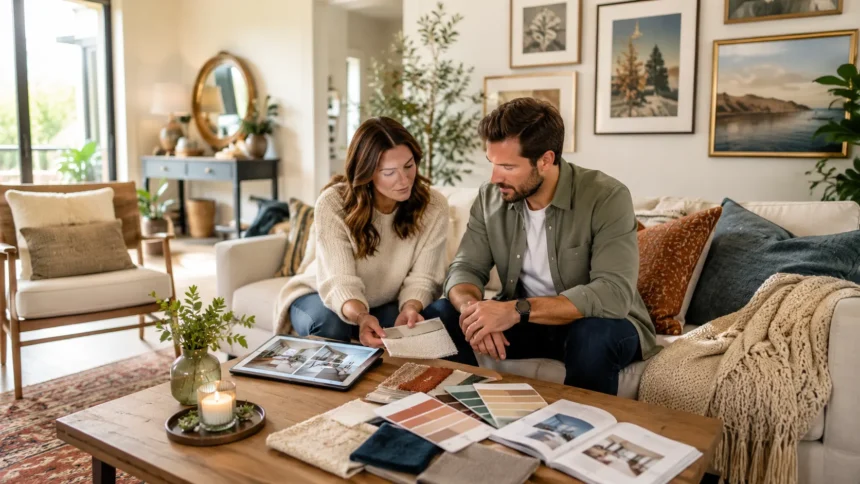
How to Choose the Right Home Decor Style for You
Choosing a home decor style sounds simple until you start scrolling through hundreds of beautiful interiors that all look appealing. One room may make you want warm wood and vintage furniture, while another convinces you that clean white walls and modern pieces are exactly what you need. When several styles attract you at once, decorating can quickly become confusing.
The good news is that you do not need to fit your home perfectly into one design category. Your ideal home decor style should reflect how you live, what makes you comfortable, which colors and materials you naturally enjoy, and how you want each room to feel. Style labels are useful guides, but they should never make your home feel restrictive.
A successful interior also goes beyond appearance. A beautiful room that cannot handle children, pets, entertaining, storage, or everyday routines may look impressive in photographs but become frustrating in real life. The best decorating decisions balance personality, functionality, comfort, budget, and the architecture of your home.
If you are wondering how to choose an interior design style without regretting it later, start by understanding yourself rather than chasing trends. This guide will help you identify your preferences, explore popular decorating styles, combine influences thoughtfully, and create a home that feels visually connected and genuinely yours.
Why Finding Your Home Decor Style Matters
Knowing your decorating style gives you direction when choosing furniture, paint colors, lighting, rugs, artwork, and accessories. Instead of evaluating every product individually, you can ask whether it supports the overall mood and visual language you want throughout your home.
This makes shopping considerably easier. Without a clear direction, it is easy to buy a farmhouse coffee table, glamorous lighting, a minimalist sofa, and industrial shelving simply because you liked each piece separately. Individually attractive items do not always create a cohesive room when placed together.
A defined style can also help you spend money more intentionally. Furniture and decorating projects can become expensive, so understanding your preferences before purchasing larger items reduces the likelihood of replacing something simply because it never felt right after arriving in the room.
Most importantly, your personal style creates emotional consistency. A home should feel like somewhere you enjoy returning to rather than an interior copied directly from a catalog. When colors, materials, furniture, and meaningful objects reflect your preferences, the space begins to feel more personal and comfortable.
Start With How You Actually Live
Before choosing between modern, farmhouse, Scandinavian, or traditional decor, think about what happens inside your home every day. Your lifestyle should influence design decisions long before you begin comparing paint swatches or shopping for decorative accessories.
A family with young children may need durable fabrics, washable surfaces, accessible storage, and furniture that can tolerate daily use. Someone who regularly entertains may prioritize flexible seating, an open dining area, and surfaces that make serving food and drinks easier.
Pets also influence practical choices. Light-colored delicate upholstery may not be ideal for a dog that regularly jumps onto the sofa, while certain rugs or easily scratched surfaces may require more maintenance than you are willing to provide.
Good interior design supports daily life rather than constantly demanding careful behavior. When determining your personal decorating style, ask not only what looks beautiful but also what will remain comfortable and functional during an ordinary Tuesday evening.
Think About How You Want Your Home to Feel
Style becomes easier to identify when you begin with emotion instead of design terminology. Ask yourself whether you want your home to feel calm, cozy, sophisticated, energetic, airy, luxurious, natural, artistic, nostalgic, or highly organized.
Someone seeking calm may gravitate toward soft neutrals, natural materials, uncluttered surfaces, and simple furniture. A person who wants warmth may feel more comfortable with layered textiles, deeper colors, wood tones, vintage pieces, and softer lighting.
Your desired atmosphere can also vary between rooms. A bedroom may need to feel quiet and restorative, while a living room might feel more social and expressive. Your home does not need exactly the same energy in every space.
Write down three to five words that describe the feeling you want your interior to create. These words become useful filters when comparing furniture, finishes, colors, and interior design styles, helping you stay focused when attractive trends begin pulling you in different directions.
Gather Inspiration Before Naming Your Style
Create a visual collection of rooms you genuinely like before trying to decide what your style is called. Save images from interiors, furniture stores, hotels, restaurants, magazines, homes you visit, and other spaces that immediately catch your attention.
Do not overthink the collection at first. Save what feels appealing even when you cannot explain why. After collecting enough examples, review them together and look for repeated patterns in furniture shapes, wall colors, flooring, lighting, textures, and overall atmosphere.
You may notice that nearly every room you saved contains warm wood, soft neutral fabrics, curved furniture, and simple artwork. Another person may discover repeated dark colors, metal fixtures, exposed materials, dramatic lighting, and vintage leather.
Those patterns are more useful than forcing yourself to select a label from an online quiz. Your saved images reveal what your eye naturally prefers, which provides stronger direction for developing an authentic home decorating style.
Identify the Colors You Naturally Love
Color is one of the fastest ways to narrow your decorating preferences. Look at your wardrobe, favorite restaurants, saved interior images, artwork, and even objects you already own to identify colors you repeatedly choose.
If you consistently prefer white, cream, beige, pale gray, and light wood, you may be drawn toward minimalist, Scandinavian, coastal, organic modern, or contemporary interiors. Neutral colors often support spaces designed around light, texture, and understated furniture.
People who prefer deep green, burgundy, navy, brown, mustard, or other richer tones may feel more comfortable with traditional, eclectic, vintage-inspired, maximalist, or moody contemporary interiors. Strong color does not automatically mean a room must feel busy.
You also do not need a single permanent interior color palette for the entire house. Establishing several repeated base colors and then adding room-specific accents can create visual continuity without making every space look identical.
Pay Attention to Materials and Textures
Materials often reveal style preferences just as clearly as color. Think about whether you naturally prefer polished marble, warm oak, aged brass, linen, velvet, rattan, concrete, leather, glass, stainless steel, or other finishes.
Natural materials such as wood, stone, linen, wool, and woven fibers often appear in Scandinavian, organic modern, rustic, coastal, and farmhouse interiors. The way those materials are finished determines whether the result feels relaxed, refined, minimal, or traditional.
Metal, concrete, exposed brick, darker woods, and leather can push a room toward an industrial or urban style. Glass, polished stone, lacquered surfaces, and metallic accents may create a more contemporary or glamorous feeling.
Texture becomes especially important in neutral rooms. When several shades are similar, contrast can come from smooth ceramics, coarse linen, soft upholstery, natural wood grain, woven rugs, and other tactile surfaces rather than additional color.
Understand the Most Popular Home Decor Styles
Modern and contemporary decor usually emphasizes clean lines, open visual space, restrained ornamentation, and furniture with simple shapes. Contemporary interiors reflect current design preferences, while modern design often draws from movements that favored functional forms and minimal decoration.
Minimalist and Scandinavian interiors also favor simplicity, but they often feel softer and more relaxed. Scandinavian decor commonly incorporates light woods, pale colors, natural materials, comfortable textiles, and practical furniture, while minimalism typically places stronger emphasis on reducing visual clutter.
Traditional, farmhouse, and transitional styles offer more warmth and familiarity. Traditional interiors may use classic furniture silhouettes and detailed finishes, farmhouse rooms often combine rustic materials with casual comfort, while transitional design blends traditional shapes with cleaner contemporary elements.
Other popular options include mid-century modern, bohemian, industrial, coastal, organic modern, eclectic, and vintage-inspired decor. Understanding their common characteristics can help you recognize your preferences, but you are free to borrow ideas from several rather than following one style literally.
Look at the Architecture of Your Home
Your home’s existing architecture can provide useful design direction. Features such as ceiling height, window proportions, flooring, trim, fireplaces, exposed beams, arches, built-in cabinetry, and exterior style can influence which interior choices feel naturally connected.
A historic home with ornate molding and traditional proportions may beautifully support classic furniture, vintage details, or a transitional blend. That does not mean you cannot introduce modern pieces; contemporary furnishings can create striking contrast when the relationship is intentional.
A newer open-plan property may naturally accommodate contemporary, minimalist, Scandinavian, or modern furniture because clean lines and large connected spaces already support those aesthetics. Warm materials can prevent a new interior from feeling overly sterile.
You do not have to decorate according to the period in which your home was built. Instead, understand the architecture before deciding whether you want to complement it or create contrast. Strong interiors often succeed because this relationship feels deliberate.
Use Your Existing Furniture as a Starting Point
Before redesigning everything, look closely at the furniture and objects you already own. Identify which pieces you genuinely love and would want to keep even if you were starting the room from scratch.
Perhaps you own a vintage wooden dining table that immediately points toward warm, layered interiors. Maybe your favorite item is a simple low-profile sofa that works naturally with contemporary, minimalist, or mid-century furniture.
Do not let one inherited or expensive piece dictate the entire house if you no longer enjoy it. However, incorporating meaningful furniture can add character and prevent your interior from looking as though every object was purchased from one collection.
Use your favorite existing piece as an anchor and select complementary items around it. Matching every finish exactly is rarely necessary. A coordinated mixture of shapes, textures, colors, and periods often creates a more interesting room design than perfectly matched furniture.
Choose One Main Style and One Supporting Influence
If you love multiple aesthetics, you do not need to choose only one. A practical approach is to select one dominant style that establishes the overall direction and then introduce a secondary influence through selected furniture, lighting, textiles, or accessories.
For example, you might create a mostly modern home with vintage accents, a Scandinavian interior with subtle industrial details, or a traditional room with contemporary lighting and artwork. The dominant style creates consistency while the secondary style adds personality.
Problems usually appear when too many unrelated influences receive equal attention. A room containing equal amounts of coastal, industrial, glamorous, farmhouse, bohemian, and traditional decor may feel visually disconnected because no single idea is leading the composition.
Think of your decorating style as a recipe rather than a rulebook. One influence forms the base, while other styles add flavor. This approach makes it much easier to create an eclectic interior that feels collected rather than chaotic.
Learn How to Mix Interior Design Styles
Successful style mixing depends on finding something that connects different pieces. That connection might be color, wood tone, scale, shape, material, or simply the amount of visual detail used throughout the room.
Suppose you place a traditional wooden dresser beside a contemporary upholstered chair. Repeating the dresser’s warm wood tone elsewhere or using artwork that connects both pieces can help them feel intentionally paired rather than accidentally combined.
Scale matters as well. A delicate antique side table can look uncomfortable beside an enormous overstuffed modern sofa if their proportions have no relationship. Mixing periods works better when furniture pieces still communicate through compatible size and visual weight.
Leave enough repetition for the eye to understand the room. Repeating certain colors, metals, woods, or shapes several times creates continuity, allowing more unusual individual pieces to feel like intentional parts of a cohesive home.
Choose Large Furniture Before Small Decor
One of the most effective ways to establish a style is to select major furniture pieces before buying numerous accessories. Sofas, beds, dining tables, cabinets, and large rugs visually define a room far more strongly than small decorative objects.
Choose these larger pieces according to comfort, dimensions, durability, and long-term appeal. A trendy vase is easy to replace, but an expensive sofa that no longer suits your lifestyle or taste can become an inconvenient decorating mistake.
Once large furniture creates the basic direction, use lighting, curtains, cushions, throws, artwork, ceramics, books, plants, and smaller objects to strengthen your chosen aesthetic. Accessories are also the easiest place to experiment with trends.
This approach gives your home flexibility. When your preferences change, updating a few smaller elements can refresh the interior without requiring you to replace major furniture every few years.
Match Your Decor Style to Your Budget
Some decorating styles are easier to achieve affordably than others, but almost every aesthetic can be adapted to different budgets. The key is deciding where quality matters most and where inexpensive alternatives can work perfectly well.
Invest more carefully in furniture you use daily, such as mattresses, sofas, dining chairs, desks, and storage. These pieces influence comfort and function, so buying purely based on appearance may become expensive if they need replacing quickly.
Secondhand shopping can be especially valuable for traditional, vintage, eclectic, farmhouse, and mid-century interiors. Solid wood furniture, mirrors, artwork, ceramics, and lighting can often be found at significantly lower prices than comparable new pieces.
For contemporary or minimalist interiors, budget-friendly design often depends on restraint. Fewer carefully chosen objects can look more polished than filling every surface with inexpensive decor. A clear plan usually saves more money than constantly buying small items without knowing where they will go.
Avoid Designing Around Short-Lived Trends
Trends are useful sources of inspiration, but they should not completely determine your home decor style. Social media can make one particular color, sofa shape, tile, or kitchen finish appear essential simply because it is being shown repeatedly.
Before committing to an expensive trend, ask whether you would still like it if you stopped seeing it online tomorrow. This simple question can separate genuine personal preference from temporary visual familiarity.
Experiment with trends through items that are easier to replace. Cushions, paint, artwork, bedding, lamps, and smaller furniture can bring a fresh look without locking you into an expensive renovation decision.
For permanent or costly choices, prioritize materials and designs you have consistently liked for years. Floors, cabinetry, countertops, built-ins, and major furniture are usually better places for longevity than short-lived novelty.
Consider Maintenance Before Committing to a Look
Every interior style comes with practical maintenance demands. A room filled with pale upholstery and high-gloss surfaces may require more frequent cleaning, while highly decorative interiors can create more objects and surfaces to dust.
Minimalist homes may contain fewer visible objects but require strong storage systems because clutter becomes more noticeable when surfaces are deliberately sparse. A successful minimalist room is not simply an empty room; it usually depends on careful organization.
Natural materials also age differently. Unsealed wood, marble, linen, leather, and certain metals may develop patina or visible wear over time. Some people love this character, while others prefer surfaces that remain visually consistent.
Before choosing a style, imagine maintaining it for several years rather than simply photographing it on the first day. The right style should fit your tolerance for cleaning, upkeep, repairs, and natural material changes.
Make Comfort Part of Your Design Style
A beautiful home should still be comfortable. Chairs should support how you sit, sofas should suit how your family relaxes, beds should encourage good sleep, and dining spaces should accommodate the number of people you actually host.
Do not choose uncomfortable furniture simply because it matches your preferred aesthetic. Almost every interior design style has options that balance appearance and comfort, although you may need to test furniture rather than purchasing solely from photographs.
Comfort also includes lighting. Layer ambient, task, and accent lighting so the room works at different times of day. Harsh overhead lighting can make even a beautifully decorated space feel less welcoming.
Temperature, acoustics, circulation, storage, and privacy contribute to comfort as well. When these practical qualities work alongside color and furniture, a home begins to feel genuinely designed rather than simply decorated.
Test Your Style in One Room First
If you are uncertain about your decorating direction, experiment in one room before applying the same choices throughout the entire house. A bedroom, home office, or guest room can become a low-risk testing space.
Choose a basic palette, key furniture pieces, lighting, textiles, and artwork that represent the style you are considering. Live with the room for several weeks and pay attention to what you continue to enjoy after the initial excitement fades.
You may discover that you like Scandinavian furniture but want more color, or that modern interiors appeal to you visually but feel too minimal for your everyday comfort. Those discoveries help you refine your personal version of the style.
Once you understand what works, repeat selected elements throughout other rooms. Using related colors, materials, lighting finishes, and furniture shapes can create connection without copying the first room exactly.
Common Mistakes When Choosing a Home Decor Style
One common mistake is copying a photograph too literally. Inspiration images can show you what you like, but your room may have different dimensions, lighting, architectural features, and lifestyle demands than the photographed space.
Another mistake is buying everything at once. Personal interiors usually develop more naturally when furniture and objects are collected gradually. Living in the space helps reveal what is genuinely missing rather than what a showroom suggests you should purchase.
Choosing aesthetics before function can also create problems. A beautiful dining table that is too large for the room or a stylish sofa that blocks circulation will quickly become frustrating regardless of how well it matches your mood board.
Finally, avoid believing your home needs a perfect design label. If someone cannot immediately decide whether your room is contemporary, transitional, or organic modern, that does not mean the design failed. A home that feels cohesive, functional, and personal is more important than one that fits neatly into a category.
A Simple Way to Find Your Interior Design Style
Begin by collecting around 20 to 30 interior images you genuinely love. Do not choose them because they are fashionable; save rooms you would realistically enjoy living in. Then review them together and identify repeated colors, furniture shapes, materials, and moods.
Next, write down the practical needs of your home. Consider children, pets, entertaining, work-from-home routines, storage requirements, cleaning preferences, and how much maintenance you realistically want to handle.
Choose three descriptive words for the atmosphere you want, such as “warm, relaxed, natural” or “clean, sophisticated, calm.” Compare those words with your inspiration images and existing furniture to identify the design styles that most closely overlap.
Finally, select one dominant style and allow room for personal influences. Build slowly, beginning with major furniture and a cohesive color palette before adding accessories. Your style becomes clearer through actual decisions, not simply by choosing a label.
How to Know When You Have Found the Right Style
The right style should make decorating decisions easier rather than creating more anxiety. When you see a sofa, lamp, rug, or piece of artwork, you should gradually become better at recognizing whether it belongs in the overall visual story of your home.
You should also feel comfortable living in the space rather than constantly protecting it. Furniture, fabrics, surfaces, and layouts should support your routines while still delivering the atmosphere you wanted.
Your home should contain enough personality that it does not look interchangeable with thousands of other interiors online. Books, artwork, travel objects, photographs, inherited furniture, handmade pieces, and other meaningful items can turn a design style into your personal home.
Most importantly, the right decorating style does not need to remain unchanged forever. Your tastes, lifestyle, family, and needs will evolve. A strong home gives you enough consistency to feel cohesive and enough flexibility to grow with you.
Final Thoughts on Choosing Your Home Decor Style
Learning how to choose the right home decor style begins with understanding yourself rather than memorizing decorating terminology. Your lifestyle, preferred atmosphere, favorite colors, materials, existing furniture, architecture, and budget provide much stronger clues than any design quiz.
Use popular styles as frameworks rather than rules. You may discover that you love the simplicity of Scandinavian design, the warmth of traditional interiors, the clean lines of modern furniture, and the personality of vintage accessories at the same time.
The secret to combining these influences is consistency. Repeat selected colors, materials, finishes, shapes, and proportions so different pieces still feel connected. A dominant style with one or two supporting influences usually creates enough structure without making the room predictable.
Above all, design for the people who live in the home. A successful interior does not need to impress everyone who sees it online. It should function well, make everyday life easier, reflect your personality, and create an environment you genuinely enjoy returning to.
Frequently Asked Questions
How do I figure out my home decor style?
Save several interiors you genuinely love and look for repeated colors, materials, furniture shapes, and moods. Combine these visual clues with your lifestyle and practical needs to identify your strongest style preferences.
Can I mix different home decor styles?
Yes. Mixing styles can create a more personal interior when one style remains dominant and repeated colors, materials, or finishes connect the different influences.
What is the easiest interior design style for beginners?
Transitional, contemporary, and Scandinavian-inspired styles are often approachable because they use relatively simple furniture, flexible neutral palettes, and accessories that can be changed gradually.
Should every room in my house have the same style?
No. Rooms can have different personalities while still feeling connected through recurring colors, wood tones, materials, flooring, lighting finishes, or other design elements.
How often should I change my home decor style?
There is no set schedule. Choose major furniture and permanent finishes for longevity, then update paint, textiles, lighting, artwork, and smaller accessories whenever your tastes or lifestyle change.