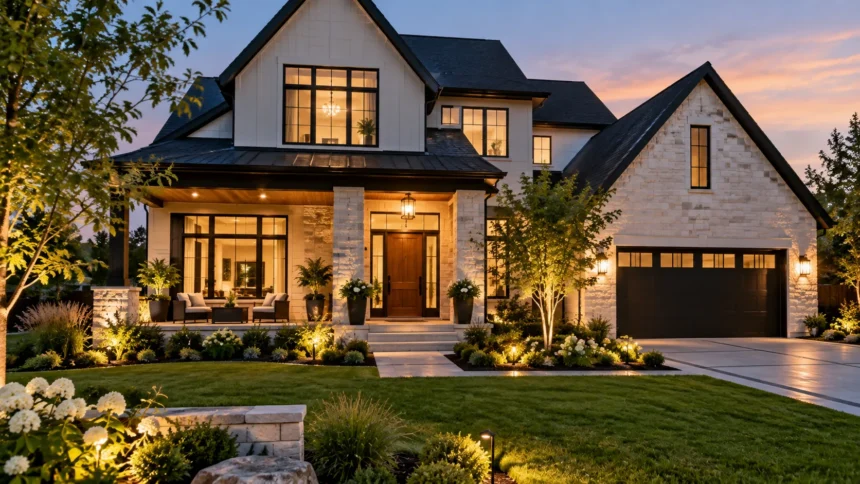
A beautiful house is more than an attractive exterior or a collection of expensive furniture. The most appealing homes combine thoughtful design, practical layouts, durable materials, natural light, and details that reflect the people living inside. When style, value, and quality work together, a home can look polished without feeling uncomfortable or overly complicated.
Whether you are buying, building, renovating, or simply refreshing your current space, choosing the right features can make a noticeable difference. From timeless exterior finishes to practical flooring and well-designed kitchens, every decision contributes to the overall character of the property. The following ideas can help you create a beautiful house that remains functional, valuable, and enjoyable for years.
What Makes a House Truly Beautiful?
A beautiful home usually has a sense of balance rather than relying on one dramatic feature. The colors, materials, proportions, furniture, lighting, and architecture should feel connected without looking overly matched. Even a relatively simple property can look sophisticated when each element supports the same overall design direction.
Functionality matters just as much as appearance. A stunning kitchen that lacks practical storage or a beautiful living room that feels uncomfortable will quickly lose its appeal. Good home design considers how people actually move, cook, relax, entertain, store belongings, and complete everyday tasks before making purely decorative decisions.
Quality creates the final layer. Durable floors, well-built cabinetry, reliable windows, and thoughtfully selected fixtures can make a home feel more refined while reducing future maintenance. You do not need premium materials everywhere; investing strategically in highly visible or frequently used areas often provides a better balance between beauty and value.
Choose a Timeless Exterior Style
The exterior creates the first impression, so architectural consistency is important. Modern, traditional, farmhouse, Mediterranean, and contemporary homes can all look beautiful when windows, roofing, doors, siding, and landscaping complement each other. Mixing too many unrelated architectural styles can make the property feel visually confusing.
Neutral exterior colors often provide long-term flexibility. Soft white, warm beige, muted gray, natural wood, and earthy tones can create a refined appearance without depending heavily on short-lived trends. Darker accents around doors, window frames, or roofing can introduce contrast while allowing the primary color palette to remain timeless.
Small details can improve curb appeal without requiring a complete renovation. Updated exterior lighting, clean pathways, attractive house numbers, fresh paint, and neatly maintained planting beds can transform the entrance. Focus first on visible maintenance issues because even expensive decorative upgrades lose impact when gutters, paint, landscaping, or exterior surfaces appear neglected.
Create a Warm and Welcoming Entryway
An entryway establishes the mood of the interior before visitors reach the main living spaces. Keep the area open enough for comfortable movement while providing somewhere practical for shoes, bags, keys, or coats. A console table, bench, mirror, or simple storage solution can combine function with visual interest.
Lighting makes a significant difference in smaller entrances. Natural light is ideal, but a pendant, wall sconces, or a well-placed lamp can make the space feel warmer after dark. Mirrors can also reflect available light and make narrow entryways appear larger without adding physical clutter.
Add personality through one or two carefully selected elements rather than filling every surface. Artwork, greenery, a textured rug, or an interesting vase can create character while maintaining a clean appearance. The entry should provide a preview of the home’s overall style instead of functioning as a completely separate decorative theme.
Design a Comfortable and Stylish Living Room
A beautiful living room should encourage people to sit, relax, and spend time together. Begin with comfortable seating arranged around a natural focal point such as a fireplace, window, television, or coffee table. Furniture placement should support conversation and leave enough room for people to move comfortably between pieces.
Choose a balanced mixture of textures to prevent neutral rooms from looking flat. Wood, upholstery, natural fibers, metal, glass, and soft textiles can create depth without requiring many different colors. Cushions, rugs, curtains, and throws are especially useful because they can refresh the room without replacing expensive furniture.
Avoid buying every item from one matching collection. Rooms usually feel more personal when furniture and accessories look coordinated rather than identical. Select a few strong foundational pieces, then introduce complementary shapes and materials gradually so the room develops a collected, comfortable appearance rather than resembling a showroom display.
Build a Kitchen That Combines Beauty and Function
The kitchen often has a major influence on how a house looks, functions, and feels. Start with a practical layout that makes cooking, storage, cleaning, and food preparation convenient. Cabinet placement, countertop space, appliance locations, and clear walking paths matter more in daily life than purely decorative features.
For a timeless appearance, consider cabinetry and countertops that can work with different decorative styles over time. White, wood, cream, muted gray, and other understated finishes remain popular because they are adaptable. More distinctive personality can be added through hardware, backsplash tile, lighting, bar stools, or smaller accessories that are easier to update.
Quality is especially important for high-use components such as cabinet hinges, drawer slides, faucets, countertops, and flooring. Spending slightly more on durable elements can be better value than choosing finishes that require frequent repair or replacement. Focus your budget on surfaces and mechanisms that experience daily wear rather than expensive decorative details with little functional benefit.
Use Natural Light to Make the House Feel Better
Natural light can make almost every interior feel more open, comfortable, and inviting. Keep windows clear where privacy allows and avoid placing large furniture directly in front of important light sources. Lighter wall colors and reflective surfaces can help distribute daylight deeper into rooms that would otherwise feel dark.
Window treatments should provide privacy and light control without making the room unnecessarily heavy. Sheer curtains, blinds, layered treatments, or light-colored drapes can allow flexibility throughout the day. The right choice depends on orientation, climate, privacy requirements, and how much direct sunlight enters each room.
Artificial lighting should complement natural light after sunset. Use a combination of general overhead lighting, task lighting, and softer accent lighting rather than depending on one harsh fixture. Lamps beside seating areas, under-cabinet lights, and wall fixtures can create depth while making individual spaces more useful for specific activities.
Select Flooring for Style, Durability, and Value
Flooring covers a large visual area, so it strongly influences the character of a home. Hardwood can provide warmth and long-term appeal, while quality engineered wood, tile, laminate, and luxury vinyl can offer practical alternatives depending on budget and room conditions. Each material has advantages that should be matched to the space.
Durability matters especially in kitchens, hallways, entrances, and family areas where flooring experiences frequent traffic. Consider resistance to moisture, scratches, stains, and everyday cleaning before focusing only on appearance. A slightly simpler floor that performs well for years may provide better value than a delicate premium material that constantly requires maintenance.
Using fewer flooring transitions can also help a house feel larger and more cohesive. Keeping the same or complementary flooring through connected living areas creates smoother visual flow. Rugs can then define individual zones and introduce color, pattern, or softness without permanently changing the underlying material.
Make Bedrooms Calm and Comfortable
Bedrooms should feel restful rather than visually overwhelming. Start with a comfortable bed, practical bedside surfaces, suitable lighting, and enough storage to prevent everyday belongings from taking over the room. A calm layout often creates more luxury than filling the space with decorative furniture that has little purpose.
Soft colors and layered textiles can make the room feel warmer. Bedding, curtains, rugs, upholstered furniture, and cushions introduce texture while helping reduce the hard appearance of walls and flooring. Choose a limited color palette so individual elements feel connected instead of competing for attention.
Lighting should support both relaxation and practical tasks. Bedside lamps or wall lights make evening reading easier, while blackout curtains may improve comfort in rooms receiving strong early morning light. Whenever possible, keep work equipment and unnecessary electronics away from the sleeping area so the space maintains a more peaceful atmosphere.
Upgrade Bathrooms Without Overspending
Bathrooms can feel luxurious without requiring rare stone or expensive designer fixtures. Clean surfaces, good lighting, organized storage, and consistent finishes usually create the strongest impact. Updating faucets, mirrors, cabinet hardware, or lighting can noticeably refresh a bathroom when a complete renovation is not practical.
For major renovations, prioritize waterproofing, ventilation, drainage, and durable materials before decorative features. Beautiful tile does little good if moisture problems develop behind it. Investing in correct installation and reliable plumbing can protect the room’s appearance while reducing the risk of expensive repairs later.
Keep decorative choices relatively simple in permanent areas and use towels, artwork, plants, or accessories for easier seasonal changes. Neutral tile and cabinetry can remain attractive for years while smaller items introduce color. This approach can protect resale value without forcing the bathroom to feel generic or lacking personality.
Improve Curb Appeal With Landscaping and Seasonal Decor
Landscaping helps connect a house with its surroundings and can make even a simple exterior look more complete. Keep lawns, trees, shrubs, pathways, and planting areas maintained rather than trying to fill every available space. A few healthy, well-positioned plants generally create more impact than many struggling varieties.
Choose plants suited to the local climate, sunlight, soil conditions, and the amount of maintenance you realistically want to provide. Structure can come from evergreen shrubs and small trees, while seasonal flowers introduce changing color. Lighting along pathways or around key landscape features can also make the property feel more inviting after sunset.
Seasonal decorations can add personality without requiring permanent changes. Autumn displays, wreaths, planters, and creative Halloween elements can temporarily transform an entrance; these scary pumpkin carving ideas are one playful option for seasonal curb appeal. Keep decorations connected to the home’s existing style so the entrance remains visually balanced.
Add Storage Without Creating Visual Clutter
Good storage helps a beautiful house remain attractive after everyday life begins. Built-in cabinets, wardrobes, drawers, shelving, and concealed storage can reduce visible clutter while making frequently used belongings easier to reach. Plan storage around actual possessions rather than simply adding empty cabinets wherever space is available.
Multifunctional furniture can be particularly helpful in smaller houses. Storage benches, beds with drawers, ottomans with hidden compartments, and coffee tables with shelves combine practicality with design. These pieces allow rooms to perform multiple roles without making them feel overcrowded.
Open shelving should be used selectively because every visible object becomes part of the decoration. Display items with different heights and shapes while leaving enough empty space for the arrangement to breathe. Keep less attractive everyday necessities inside closed cabinets so the home remains practical without requiring constant visual perfection.
Spend Your Budget Where Quality Matters Most
Creating a beautiful house does not mean choosing the most expensive option for every purchase. Identify areas where durability affects everyday life, such as windows, plumbing fixtures, cabinetry hardware, mattresses, flooring, and frequently used furniture. Better construction in these areas can provide greater long-term value than decorative upgrades.
Save money on elements that can be easily replaced or updated. Paint colors, cushions, artwork, small tables, decorative lighting, and accessories can often be changed without major construction. Choosing affordable options here gives you greater freedom to experiment with trends while protecting the budget for more permanent improvements.
Before buying, consider the expected lifespan, maintenance requirements, repairability, and how the item fits your broader design. A lower purchase price is not always better value if something needs frequent replacement. Likewise, an expensive item is not automatically high quality, so focus on materials, construction, practicality, and long-term usefulness.
Conclusion
A beautiful house combines attractive design with comfortable living, durable materials, and thoughtful details. Timeless exterior choices, good lighting, practical kitchens, comfortable bedrooms, quality flooring, and organized storage can create a home that feels polished without depending entirely on expensive upgrades.
Focus your budget on the features that affect daily life and long-term maintenance. Durable fixtures, reliable construction, functional layouts, and versatile finishes can deliver more value than fashionable details that quickly become outdated. Smaller decorative elements can then introduce personality and keep the home feeling current.
Most importantly, a beautiful home should reflect how you actually live. Choose colors, materials, furniture, and layouts that feel comfortable rather than following every trend. When style, quality, practicality, and personality work together, the result is a house that remains attractive and enjoyable long after the decorating process is finished.
FAQs About Creating a Beautiful House
What makes a house look beautiful?
A beautiful house usually combines balanced colors, good lighting, practical layouts, quality materials, comfortable furniture, and thoughtful details. Consistency between rooms also helps the entire property feel more polished and intentionally designed.
How can I make my house beautiful on a budget?
Start with paint, decluttering, lighting, textiles, landscaping, and small hardware updates. Prioritize affordable improvements with strong visual impact before spending money on major renovations or expensive decorative furniture.
Which home improvements offer the best value?
Practical improvements such as quality flooring, functional kitchens, reliable bathrooms, efficient storage, fresh paint, and exterior maintenance often provide strong value. The best investments depend on your property’s condition and local market.
What colors make a house look more elegant?
Warm whites, beige, soft gray, natural wood tones, and muted earthy colors can create an elegant foundation. Add darker or richer accents selectively to provide depth without making the overall design feel overly busy.
How do I make my home look expensive without overspending?
Focus on good lighting, consistent finishes, uncluttered rooms, well-fitted curtains, quality hardware, and carefully chosen textures. A cohesive design usually looks more sophisticated than filling rooms with numerous expensive decorative items.