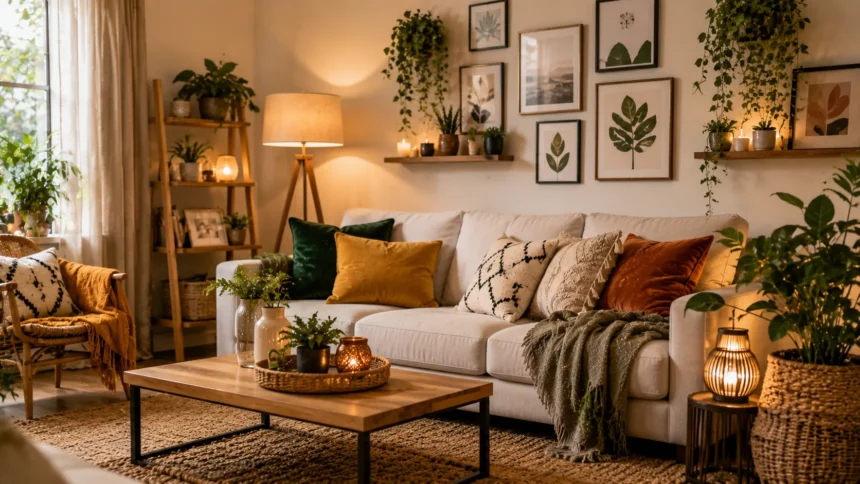
Affordable Home Decor Ideas for a Stylish Upgrade
Updating your home does not have to mean replacing furniture, renovating entire rooms, or spending a large amount of money. Some of the most effective decorating changes come from improving what you already own, rearranging a space, adding texture, and choosing a few affordable pieces with strong visual impact. A stylish home is often created through thoughtful choices rather than expensive purchases.
Affordable decorating works best when you focus on the parts of a room that people notice first. Walls, lighting, textiles, artwork, and furniture arrangement can completely change how a space feels without requiring major construction. Small updates in these areas can make a room look fresher, more organized, and more intentional while helping you stay within a realistic budget.
The best affordable home decor ideas also combine appearance with practicality. Instead of buying decorative items simply to fill empty spaces, look for pieces that improve comfort, storage, lighting, or function at the same time. A beautiful basket, stylish floor lamp, well-sized rug, or upgraded curtain can improve both the look and usability of a room.
If you want a stylish upgrade without overspending, start slowly and work with a clear plan. Decide which areas feel dated or unfinished, set a budget, and prioritize the changes that will create the greatest difference. With a little creativity, secondhand shopping, DIY projects, and careful styling, even a modest decorating budget can produce a polished result.
Start by Rearranging the Furniture
One of the easiest ways to refresh a room is to rearrange furniture before buying anything new. A different layout can improve movement, make the room feel larger, and bring more attention to features such as windows, fireplaces, or artwork. Sometimes a room feels outdated simply because the furniture is arranged in a way that no longer works.
Begin by identifying the main focal point. This could be a television, window, fireplace, large piece of art, or conversation area. Arrange the largest furniture pieces around that focal point instead of automatically pushing every item against the walls. Bringing seating slightly inward can make a living room feel more comfortable and intentional.
Pay attention to circulation as you move furniture. People should be able to walk through the room without navigating around chairs, tables, or storage pieces. Creating clearer paths can immediately make a small room feel more spacious and organized, even if no furniture has been removed.
After rearranging, step back and evaluate the balance of the room. If one side feels visually heavy, move a lamp, plant, artwork, or side table to create better proportion. Rearranging costs nothing, yet it can reveal which items you truly need and which purchases can be avoided.
Give the Walls a Fresh Coat of Paint
Paint remains one of the most affordable ways to make a significant visual change. A tired or outdated wall color can make furniture and decor look older than they actually are, while a fresh neutral or warm tone can instantly give the entire space a cleaner and more modern appearance.
Soft whites, warm beige, greige, muted green, and gentle earthy shades are versatile choices that work with many decorating styles. If you prefer more personality, consider using a stronger color in a smaller room or on a single feature wall. The right paint color can create mood without requiring expensive decorative pieces.
You can also use paint creatively beyond the walls. Interior doors, cabinets, shelving, or old wooden furniture can be updated with a new finish. Painting these existing pieces can help them fit the current room rather than replacing them simply because the original color feels dated.
Always test paint samples before making a final decision. Natural light, room direction, and artificial lighting can change how a color appears throughout the day. Spending a little time testing shades can prevent the cost and frustration of repainting an entire room.
Create an Accent Wall on a Budget
An accent wall can add interest without requiring enough materials to update an entire room. Paint is the most affordable option, but removable wallpaper, simple wood trim, peel-and-stick panels, or even a collection of framed prints can create a strong focal point.
Choose a wall that naturally attracts attention. Behind a bed, sofa, dining table, or entry console usually works well because furniture already helps define the area. Avoid selecting a random wall that has no visual connection to the layout, as the feature may feel disconnected.
If you enjoy pattern, removable wallpaper provides an easy way to introduce florals, stripes, geometric designs, or botanical prints. It can be especially practical for renters or people who like changing their decor regularly because many options are easier to remove than traditional wallpaper.
Keep the surrounding room relatively simple so the accent wall remains the main feature. A strong wall often reduces the need for additional decorative objects, which can actually save money. One well-designed focal point can have more impact than many small purchases spread around the room.
Upgrade Your Curtains for an Instant Transformation
Curtains can make a surprisingly large difference because they influence both the height and softness of a room. Short, narrow, or poorly fitted curtains can make windows look smaller, while longer panels hung closer to the ceiling often make the entire space feel taller and more polished.
You do not need expensive custom curtains to create this effect. Affordable ready-made panels can work beautifully if the size is right. Choose enough fabric to create gentle fullness rather than using panels that barely cover the width of the window.
Neutral linen-look fabrics, cotton blends, and soft textured curtains can make a room feel elegant without looking overly formal. If the furniture is simple, subtle patterns can add more personality. The curtain color should connect with the larger palette rather than matching every piece exactly.
Simple curtain rods can also be upgraded without much expense. Black, brass-look, or wood-effect finishes can make inexpensive panels appear more finished. Extending the rod beyond the edges of the window allows the curtains to sit wider and lets more natural light enter when they are open.
Add Throw Pillows and Blankets
Throw pillows are one of the fastest and least expensive ways to change the color and texture of a room. Instead of replacing a sofa or chair, you can refresh it with new cushion covers in seasonal shades, textured fabrics, or subtle patterns.
Choose a limited color palette so the arrangement feels cohesive. Two or three connected colors usually work better than many unrelated shades. Mixing solid, striped, and small-scale patterned cushions can create interest while preventing the seating area from looking overly busy.
Texture is just as important as color. Linen, velvet, boucle, cotton, knits, and woven fabrics can make an inexpensive sofa feel more layered and inviting. Combining different textures creates depth even when all the cushions stay within a neutral palette.
Throws can provide another inexpensive update while also adding comfort. Drape one over the arm of a sofa, the back of a chair, or the end of a bed. Choose a fabric that feels pleasant to use so the item serves a practical purpose rather than becoming purely decorative.
Use Mirrors to Make Rooms Feel Larger
Mirrors can make small or dark rooms feel brighter because they reflect natural and artificial light. A well-positioned mirror can also create the illusion of greater depth, making it one of the most useful budget decorating tools for apartments and compact homes.
Large mirrors usually create a stronger effect than many tiny decorative ones. Look for affordable secondhand mirrors, simple framed options, or even full-length mirrors that can be leaned against a wall. A basic frame can often be painted or refinished to suit your existing decor.
Position mirrors where they reflect something attractive. A mirror opposite a window can bounce daylight around the room, while one near a plant or artwork can create an appealing secondary view. Avoid placing mirrors where they mainly reflect clutter or storage areas.
Mirrors are particularly effective in entryways, dining rooms, bedrooms, and narrow hallways. They provide decoration without adding visual heaviness and can often replace the need for expensive artwork on larger wall areas.
Update Old Furniture With Simple DIY Changes
Furniture that looks outdated may still be structurally sound, making it a great candidate for a low-cost makeover. Paint, stain, new hardware, removable covers, or minor repairs can give an older piece a completely different appearance without the cost of replacement.
Wooden dressers, side tables, cabinets, and chairs are especially easy to update. Sanding and refinishing can highlight natural wood grain, while paint can create a cleaner or more colorful look. Even changing only the drawer handles can make a piece feel noticeably more current.
Upholstered furniture may also be improved with washable slipcovers or new cushion covers. These are often much cheaper than buying a new sofa or chair and can also make maintenance easier in homes with children or pets.
Before starting a DIY project, consider the material and condition of the piece. Not every surface accepts paint or stain in the same way. A little preparation can prevent wasted supplies and help the final result look more professional.
Shop Secondhand for Unique Decor
Secondhand shopping is one of the best ways to decorate stylishly on a limited budget. Thrift stores, flea markets, resale platforms, antique shops, and local online marketplaces can offer mirrors, frames, lamps, artwork, tables, ceramics, and solid wood furniture for much less than new retail prices.
Look beyond the current finish of an item and focus on shape, material, and condition. A dated wooden table may become beautiful after refinishing, while an old brass lamp may only need a new shade. Small improvements can turn inexpensive finds into distinctive pieces.
Secondhand items can also make a home feel more personal. When every accessory comes from the same store, rooms sometimes look overly coordinated. Vintage and preloved pieces add character and create the impression that the home has developed naturally over time.
Be selective rather than buying something simply because it is cheap. The most affordable purchase is still wasted money if you do not actually need or like the item. Measure your space before shopping and keep a list of specific pieces you are looking for.
Create a Gallery Wall With Affordable Artwork
A gallery wall can turn a large empty surface into a strong visual feature without requiring expensive original art. Personal photographs, printable art, postcards, vintage illustrations, and inexpensive prints can all work together when they share some visual connection.
Choose a theme, color family, or consistent frame style to prevent the arrangement from feeling random. Frames do not need to match exactly, but repeating one material or color can help create unity. Secondhand frames are often easy to repaint if the finishes feel inconsistent.
Lay the arrangement on the floor before hanging anything. This allows you to experiment with spacing and scale without creating unnecessary holes in the wall. Begin with the largest piece and build the smaller frames around it to create a balanced composition.
Personal content often has more lasting value than generic art chosen only to fill space. Family photographs, travel images, children’s artwork, or meaningful prints can make the gallery feel unique while keeping the cost relatively low.
Decorate With Books You Already Own
Books are useful decorative objects because they add color, height, texture, and personality without requiring additional spending. Coffee table books, novels, cookbooks, and travel books can all become part of shelf and table styling.
Stack books horizontally to create height beneath a small lamp, candle, bowl, or decorative object. On shelves, combine vertical rows with horizontal stacks to create a more relaxed and layered look. Leaving some empty space prevents the arrangement from becoming cluttered.
Book covers do not need to match perfectly. In fact, natural variation can make shelves feel more authentic. If a few brightly colored covers dominate the room, move them to a less visible shelf rather than turning every book backward for appearance.
Using books you genuinely read also makes the room feel personal. Decor looks more convincing when it reflects real interests rather than existing only for display. This is an easy way to create character without buying extra accessories.
Bring in Affordable Indoor Plants
Plants can make a room feel fresher, softer, and more inviting without requiring expensive decor. Their organic shapes break up straight furniture lines and introduce natural color that works with almost any interior style.
If you are new to plant care, choose low-maintenance varieties suited to the lighting conditions in your home. The healthiest-looking plant is always more attractive than a trendy one struggling in the wrong location. Ask local garden centers for options that match your available light.
Plant pots can also become part of the decor. Simple terracotta, ceramic, or woven covers can make inexpensive plants look more intentional. Grouping plants of different heights can create a stronger visual effect than placing many small pots randomly around the room.
If real plants are not practical, fresh branches, dried greenery, or realistic artificial plants can provide a similar effect. Natural-looking arrangements generally work best when they are simple rather than overly full or brightly colored.
Style Your Coffee Table Without Overspending
A coffee table can look polished with only a few objects. Instead of filling the surface, use a simple combination such as a small stack of books, a tray, one decorative object, and a plant or vase. This creates visual interest while leaving enough room for everyday use.
Trays are especially useful because they group smaller items together and make the table appear more organized. You can repurpose a serving tray, shallow basket, or wooden board you already own rather than purchasing something specifically for decoration.
Vary the heights of the objects to create balance. A low book stack, medium-height candle, and taller vase create a natural visual rhythm. Keeping the colors connected with the rest of the room helps the arrangement feel intentional.
Rotate objects from other rooms instead of continuously buying new decor. A bowl from the kitchen, vase from the bedroom, or small sculpture from a shelf can completely change the look of a coffee table without costing anything.
Upgrade Lampshades and Lighting
Lighting strongly influences how expensive or inexpensive a room feels. Harsh overhead lighting can make even attractive furniture look flat, while several softer light sources create warmth and depth. Adding or improving lamps is therefore a powerful budget decorating strategy.
You may not need to replace the lamp itself. A new lampshade can completely change an older base and usually costs much less than a new fixture. Drum shades, pleated styles, linen-look fabrics, and simple neutral options can make inexpensive lamps feel more refined.
Place lighting at different heights throughout the room. Table lamps, floor lamps, and wall-mounted lights create layers that make the room more comfortable after dark. Avoid relying on a single central ceiling light for every activity.
Warm-toned bulbs are generally more flattering in living rooms and bedrooms than very cool light. Matching bulb temperatures across nearby lamps can also make the room feel more cohesive and professionally styled.
Replace Cabinet Hardware
Changing knobs and handles is a small project that can have a noticeable impact in kitchens, bathrooms, bedrooms, and living-room storage. Older hardware may make otherwise functional cabinets look dated, while a more current finish can refresh them quickly.
Popular options include matte black, brass-look, brushed nickel, ceramic, and simple wood. Choose a finish that connects with other elements in the room, such as lighting, faucets, frames, or furniture legs.
Measure the existing holes before buying new handles. Selecting hardware with the same spacing can save you from drilling additional holes or repairing the cabinet surface. This small preparation can make the project much easier.
If replacing all hardware at once feels expensive, start with the most visible area. A bathroom vanity or small dresser may require only a few pieces, making it an inexpensive way to test the look before updating a larger kitchen.
Use Peel-and-Stick Decor for Quick Changes
Peel-and-stick materials provide a practical way to update surfaces without permanent renovation. Wallpaper, tile stickers, countertop films, and decorative panels can introduce pattern, color, or texture at relatively low cost.
These products are particularly useful for renters because many are designed to be removable. A temporary backsplash or feature wall can make a standard apartment feel more personal without changing permanent finishes.
Preparation is important for achieving a cleaner appearance. Surfaces should be smooth, dry, and free of dust before applying adhesive products. Taking time with alignment and trimming can make an affordable material look significantly more polished.
Use peel-and-stick finishes strategically rather than covering every surface. A small backsplash, bookshelf backing, or accent wall can create enough impact. Too many temporary patterns in one room may make the space feel visually busy.
Add a Rug to Define the Room
A rug can pull furniture together and make a room feel more complete. It introduces color, softness, and texture while visually defining areas in open-plan or multipurpose spaces.
Size matters more than price. An inexpensive rug that properly fits the furniture arrangement often looks better than a small luxury rug floating in the middle of the room. In living spaces, aim for a size that connects the main seating pieces.
If large rugs are outside your budget, look for sales, secondhand options, natural-fiber styles, or flatwoven designs. Simple patterns and neutral textures are usually easy to combine with existing furniture and can remain useful even when you change other decor.
Rug placement can also help divide open rooms into zones. One rug might define the seating area while another smaller one marks a reading corner or entry. This creates structure without adding walls or expensive furniture.
Make the Entryway Look More Inviting
The entryway is the first area people see, so even a small improvement can make the entire home feel more considered. You do not need a large space or expensive console to create an attractive entrance.
A narrow table, wall shelf, bench, mirror, and small basket can provide both function and decoration. Use the area to organize keys, shoes, bags, and other everyday items so clutter does not immediately accumulate near the door.
A mirror can make a narrow entrance feel larger, while a small lamp or warm ceiling fixture can create a more welcoming atmosphere. Artwork or a plant adds personality without taking up much floor space.
Keep the styling simple. Because entryways are often small, too many decorative objects can quickly make them feel crowded. One or two well-chosen pieces usually create a stronger impression than a collection of small accessories.
Create Affordable Bedroom Luxury
A bedroom can feel more luxurious without replacing the bed or furniture. Bedding, lighting, curtains, and organization usually have a greater visual impact than expensive decorative accessories.
Start by simplifying the bedding color palette. Crisp neutral sheets, a coordinating duvet, and a few layered cushions can create a hotel-inspired look. A throw at the foot of the bed adds texture and can introduce a contrasting color.
Matching bedside lamps can create instant balance, even if the bedside tables themselves are different. If new lamps are not within budget, similar lampshades can help existing bases feel more coordinated.
Keep bedside surfaces relatively clear. A lamp, book, small dish, and one decorative object are usually enough. Removing excess clutter can make the room feel more restful and expensive without costing anything.
Refresh the Bathroom With Small Details
Bathrooms can often be updated without replacing tiles, fixtures, or cabinetry. New towels, a shower curtain, mirror, bath mat, and coordinated storage can make the space feel cleaner and more intentional.
Choose a limited color palette for visible textiles. Matching or coordinating towels create a more organized appearance than many unrelated colors. Rolling or neatly folding them can also improve how open shelving looks.
Use trays or containers to group everyday products. Skincare, soaps, and grooming items can look less cluttered when organized into simple categories. Repurpose small bowls, glass jars, or baskets you already own before buying dedicated organizers.
A plant, eucalyptus branch, framed print, or attractive soap dispenser can provide the finishing touch. Bathrooms are small, so a few carefully chosen details usually have enough visual impact.
Improve the Kitchen Without Renovating
A kitchen can feel updated even when the cabinets and countertops remain unchanged. Better organization, new hardware, improved lighting, and a few attractive functional objects can make the room feel significantly fresher.
Clear unnecessary items from the countertops first. Keeping only frequently used appliances and a few attractive essentials creates more visual space. Wooden cutting boards, ceramic containers, and a bowl of fruit can function as both practical tools and decoration.
Replace worn dish towels, cabinet handles, or a dated runner before considering larger purchases. These inexpensive items are noticed frequently because they sit at eye level and are used every day.
Open shelving or glass-front cabinets can also be restyled using items you already own. Group dishes by color, remove excess pieces, and leave some breathing room. Good organization can make ordinary kitchenware look intentionally displayed.
Use Baskets for Stylish Storage
Storage is one of the easiest ways to make a home look more polished because clutter quickly undermines even beautiful decor. Baskets provide an affordable solution while adding texture and warmth.
Use larger baskets for blankets, children’s toys, laundry, or extra cushions. Smaller versions can organize shelves, bathroom products, chargers, or office supplies. Choosing similar materials can help storage feel consistent throughout the room.
Woven baskets work particularly well with neutral, bohemian, rustic, coastal, and modern interiors. Fabric, wire, or structured storage bins can suit more contemporary spaces while providing the same practical benefit.
Avoid buying baskets before knowing what they need to hold. Measure shelves and identify clutter categories first. Storage works best when it solves a real problem rather than becoming another decorative item that needs space.
Restyle Your Existing Shelves
Shelf styling can completely change the appearance of a room without requiring new furniture. Begin by removing everything so you can see the shelves as a blank composition rather than trying to improve them one object at a time.
Add books first because they provide structure. Then include a few decorative objects, framed photographs, bowls, plants, or ceramics. Vary heights and shapes while repeating some colors or materials across different shelves.
Negative space is essential. Leaving part of each shelf empty often makes the remaining objects look more important and prevents the arrangement from feeling crowded. You may discover that removing items creates a bigger improvement than adding them.
Shop your own home before buying new accessories. Move pieces between rooms and experiment with combinations. A vase that feels ordinary in one location may look completely different when placed next to books or artwork elsewhere.
Decorate With Thrifted Frames and Prints
Artwork does not need to be expensive to look stylish. Thrifted frames, inexpensive prints, printable artwork, and personal photography can create beautiful wall displays at a relatively low cost.
Look for frames with attractive proportions rather than worrying about the existing finish. Wood, black, white, brass-look, or painted frames can often be updated easily. A consistent mat can make mismatched frames feel more intentional.
Printable art provides almost unlimited options, from landscapes and botanical illustrations to abstract designs and vintage-style posters. Choose artwork that genuinely suits your taste rather than simply following a temporary trend.
Personal photography can be even more meaningful. Black-and-white family photographs, travel images, or architectural pictures can create a sophisticated display while making the home feel unique to you.
Mix High and Low Decor
A stylish room does not require every item to come from the same price category. Mixing a few investment pieces with affordable furniture, DIY projects, and secondhand finds can create a more layered and personal interior.
Spend more where quality affects daily comfort or durability. A good mattress, supportive sofa, or sturdy dining table may deserve a larger portion of the budget, while side tables, frames, and decorative accessories can often be sourced inexpensively.
Affordable items can look more elevated when they are styled thoughtfully. A simple lamp may feel more sophisticated beside a vintage table, while inexpensive curtains can look custom when hung high and wide.
The key is consistency rather than price. If colors, proportions, and materials work together, visitors are unlikely to know which pieces were expensive and which were budget finds. Good design depends more on composition than labels.
Use DIY Wall Molding for a High-End Look
Simple wall molding can give a plain room architectural character at a relatively affordable cost. Picture-frame molding, chair rails, or basic trim can make walls feel more detailed and expensive without requiring major construction.
Painting the molding the same color as the wall creates a subtle, sophisticated effect. A contrasting finish can make the detail more traditional or dramatic. Choose the approach that best matches the rest of the room.
Careful measuring is essential. Uneven spacing becomes noticeable quickly, so plan the layout before cutting or attaching trim. Simple rectangular patterns are often easier for beginners and still create a strong visual impact.
If permanent molding is not possible, lightweight removable trim or painted wall shapes can create a similar visual structure. The goal is to add depth and proportion without significantly increasing the decorating budget.
Add Candles and Soft Ambient Lighting
Soft lighting can make inexpensive decor look more inviting, especially in the evening. Candles, battery-operated lights, and small lamps create pools of warm light that soften the room and make textures more noticeable.
Group candles in different heights on a tray, mantel, or dining table. Simple unscented candles can look elegant when paired with glass, ceramic, or metal holders. Avoid filling every surface with them, as a few concentrated groups usually create a stronger effect.
Battery-operated candles can be useful in homes with children or pets where open flames are less practical. They can also work inside lanterns, shelves, or other areas where a real candle would be unsafe.
The wider principle is layering light. A room feels more comfortable when it combines overhead lighting with several softer sources. This relatively inexpensive change can alter the atmosphere more dramatically than many decorative purchases.
Create a Cozy Reading Corner
An unused corner can become a functional feature with just a chair, lamp, small table, and a few personal items. Creating a defined purpose for neglected spaces can make the whole room feel more finished.
Use a chair you already own before buying something new. Add a cushion or throw to make it more comfortable and place a floor lamp nearby for reading. A stack of books can double as decoration.
A small rug can visually separate the corner from the rest of the room. If space is tight, even a plant or wall-mounted shelf can help define the area without requiring additional floor space.
Personalize the corner with artwork, photographs, or favorite books. Functional spaces tend to feel more authentic than decorative corners created only to fill empty areas, making this a useful budget upgrade.
Decorate With Seasonal Changes Instead of Full Makeovers
You do not need to redesign the entire home whenever you want a fresh look. Small seasonal changes can keep rooms feeling interesting while allowing the main furniture and color palette to remain consistent.
Switch cushion covers, throws, candles, table linens, and small decorative objects according to the season. Lighter fabrics and natural textures can work well during warmer months, while deeper tones and thicker materials create a cozier winter atmosphere.
Store seasonal accessories carefully rather than buying new items every year. Rotating what you already own can make older pieces feel fresh after several months out of sight.
Natural seasonal elements can also be inexpensive. Branches, flowers, pinecones, dried leaves, or bowls of seasonal fruit can add timely color and texture without becoming permanent clutter.
Avoid Common Budget Decorating Mistakes
One of the most common mistakes is buying many inexpensive accessories simply because they are affordable. A large collection of small decor can quickly exceed the cost of one better-quality piece and often creates more clutter than style.
Another mistake is ignoring scale. Small rugs, tiny artwork, and undersized curtains can make rooms look unfinished even if the items themselves are attractive. Spending the same budget on fewer properly sized pieces often produces a much stronger result.
Do not rush to replace functional furniture before considering paint, refinishing, covers, or rearrangement. Many pieces can remain useful for years with minor updates. Reusing what you already have also leaves more budget for areas where replacement is genuinely necessary.
Finally, avoid copying trends that do not suit your home or lifestyle. Affordable decorating is still wasted money if you tire of the result quickly. Choose updates that feel connected to your personal taste and everyday needs.
How to Make Cheap Decor Look More Expensive
The secret is often presentation rather than price. Grouping decorative objects, using consistent colors, choosing appropriate scale, and leaving empty space can make inexpensive items look far more polished.
Improve the details around budget pieces. A low-cost curtain can look more luxurious when hung properly, while a simple print feels elevated in a large frame with a wide mat. Small styling decisions can dramatically change perception.
Mix materials to create depth. Wood, glass, ceramics, linen, metal, and woven fibers can make a room feel richer even when the individual pieces are inexpensive. Repeating one or two materials creates continuity.
Most importantly, keep the room edited. Expensive-looking interiors usually allow furniture, art, and accessories enough space to be noticed. Removing unnecessary clutter is one of the most effective free upgrades you can make.
How to Set a Home Decor Budget
Begin by deciding how much you can comfortably spend without affecting essential expenses. Decorating should improve your home, not create financial pressure. A clear total budget makes it easier to prioritize purchases and avoid impulse spending.
Divide the budget by room or category. You may decide that curtains and lighting matter more than decorative accessories, or that one room needs attention before the others. Prioritization helps prevent money from disappearing across many small purchases.
Keep a portion of the budget unspent initially. Unexpected needs often appear after you begin rearranging or updating a room. Leaving some flexibility allows you to respond without exceeding the total amount.
Track purchases as you go. Small items can add up quickly, especially when shopping online or visiting multiple stores. Recording each expense helps you understand where your money is going and whether future purchases are still necessary.
Final Thoughts
Creating a beautiful home does not require a large decorating budget. The most effective affordable home decor ideas focus on improving layout, lighting, color, texture, and organization before introducing expensive new furniture.
Start with free changes such as rearranging furniture, removing clutter, restyling shelves, and moving accessories between rooms. Then consider low-cost updates such as paint, curtains, cushion covers, thrifted decor, mirrors, lighting, and new hardware.
Shop thoughtfully and prioritize pieces that improve both function and appearance. A basket that hides clutter, a lamp that improves evening lighting, or a rug that defines the room often provides more value than purely decorative purchases.
Most importantly, create your home gradually. A stylish interior develops through thoughtful choices, personal objects, and pieces that genuinely suit your lifestyle. When every purchase has a purpose, even a limited budget can produce a home that feels polished, welcoming, and uniquely yours.
Frequently Asked Questions
How can I decorate my home on a very small budget?
Start by rearranging furniture, decluttering, repainting small areas, restyling shelves, and using items you already own. Add inexpensive textiles, thrifted decor, plants, and better lighting gradually.
What affordable decor makes a home look expensive?
Full-length curtains, large mirrors, properly sized rugs, warm lighting, framed artwork, coordinated textiles, natural materials, and uncluttered surfaces can all create a more expensive appearance.
Where can I find cheap home decor?
Try thrift stores, flea markets, resale apps, clearance sections, discount home stores, local marketplaces, craft markets, and items already stored elsewhere in your home.
What is the cheapest way to update a living room?
Rearrange the furniture, change cushion covers, add a throw, improve lighting, restyle the coffee table, and remove unnecessary clutter before buying any major new pieces.
How do I decorate on a budget without making my home look cheap?
Buy fewer items, focus on scale and coordination, mix textures, use secondhand pieces, avoid clutter, and spend carefully on items that have the strongest visual or practical impact.