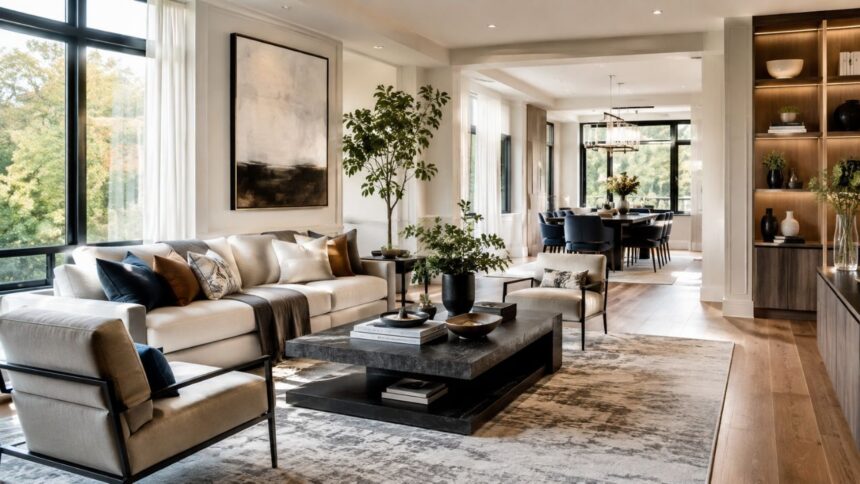
What Is Interior Design? A Complete Guide to Creating Better Spaces
Interior design is about much more than choosing attractive furniture or picking a wall color. It is the process of shaping indoor spaces so they look appealing, function efficiently, and support the people who use them. Good design considers everything from furniture placement and lighting to materials, movement, comfort, and mood. The result is a space that feels intentional rather than simply decorated.
Every room creates an experience, whether we consciously notice it or not. A thoughtfully arranged living room can encourage conversation, while a well-planned kitchen can make everyday cooking easier and more enjoyable. Offices can support concentration and collaboration, while bedrooms can be designed around relaxation and better rest. Interior design connects these human needs with practical design decisions.
Modern interiors also have to respond to changing lifestyles. Flexible rooms, energy-efficient lighting, sustainable materials, smart-home technology, wellness-focused layouts, and multifunctional furniture are becoming increasingly important. Instead of designing solely for appearance, people increasingly want spaces that can adapt to work, relaxation, entertainment, family life, and changing routines.
Understanding the principles behind interior design can therefore help anyone make better decisions about their surroundings. You do not necessarily need a large budget or a professionally designed home to benefit from them. Learning about scale, color, lighting, texture, furniture layout, and space planning can dramatically improve even a simple room. This guide explains how interior design works and how these ideas come together.
What Is Interior Design?
Interior design is the planning and improvement of indoor environments to make them functional, comfortable, safe, and visually appealing. It combines creativity with practical problem-solving, taking into account how people will actually move through and use a space. Designers work with furniture, lighting, color palettes, flooring, wall treatments, materials, architectural features, and accessories. Every choice contributes to the overall experience of the room.
Unlike simple decoration, professional interior design often begins before furniture or decorative accessories are selected. The process may involve studying room dimensions, circulation paths, natural light, storage requirements, electrical locations, and the needs of the people occupying the property. A strong interior design concept connects these practical considerations with a clear visual direction. Beauty and usability are treated as parts of the same problem.
Interior design can be applied to almost any indoor environment. Residential interior design includes houses, apartments, kitchens, bedrooms, living rooms, and home offices, while commercial interior design covers workplaces, restaurants, hotels, shops, clinics, and other public spaces. Each type of space presents different requirements. A family kitchen, for example, must solve very different problems from a luxury hotel lobby.
Ultimately, the purpose of interior design is to improve the relationship between people and the spaces surrounding them. Successful rooms feel comfortable because proportions, furniture arrangements, lighting, materials, and visual elements work together naturally. People may not recognize every individual decision made by a designer, but they usually notice the overall feeling. The best interiors often appear effortless because the planning behind them has been carefully considered.
Why Interior Design Matters More Than Appearance
A beautiful room can immediately attract attention, but successful interior design goes much deeper than appearance. How a room is organized determines whether people can move easily, reach important objects, use furniture comfortably, and perform everyday activities efficiently. Poor space planning can make even an expensive room frustrating to use. Good planning makes the environment feel natural and intuitive.
Interior environments can also influence mood and emotional experience. Bright natural light can make a room feel open and energetic, while soft layered lighting can create a calmer atmosphere. Warm materials may make a space feel welcoming, whereas clean lines and restrained colors can create a more orderly feeling. Interior design uses these visual and sensory qualities deliberately rather than leaving them to chance.
Functionality becomes especially important when space is limited. A small apartment may need one room to support dining, working, relaxing, storage, and entertaining without feeling overcrowded. Strategic furniture placement, built-in storage, flexible layouts, and multifunctional pieces can dramatically improve how that space works. Good design helps people get more value from the square footage they already have.
Interior design can also affect the long-term usability of a property. Durable finishes, practical storage, energy-efficient lighting, adaptable layouts, and carefully selected materials can reduce unnecessary replacement and renovation. Designing around real habits instead of short-lived trends often produces a space that remains useful for longer. That balance between aesthetics, comfort, and practicality is one reason thoughtful interior design has lasting value.
The Essential Elements of Interior Design
Space is one of the most important elements because every interior has physical limitations. Designers study floor area, ceiling height, architectural features, pathways, empty areas, and the relationship between furniture pieces before deciding how a room should be arranged. Both occupied and unoccupied space matter. Leaving enough negative space can prevent a room from feeling crowded and allows important features to stand out.
Color is another powerful interior design element because it affects both perception and atmosphere. Light shades can visually expand a compact room, while deeper colors may create intimacy or emphasize a focal wall. Designers often use color theory to develop combinations that feel balanced rather than random. Flooring, furniture, textiles, artwork, cabinetry, and accessories all contribute to the overall color palette.
Texture, pattern, line, shape, and form help create visual depth and personality. Wood grain, woven fabric, stone, metal, glass, plaster, rugs, cushions, and other materials introduce different tactile qualities. Straight lines often create structure, while curved forms can soften a room and make it feel more relaxed. Combining these elements carefully prevents an interior from looking flat or overly repetitive.
Light brings every other design element to life. Natural daylight should usually be considered alongside ambient, task, and accent lighting so a room functions at different times of day. Lighting can highlight artwork, improve kitchen safety, make reading easier, or create a welcoming evening atmosphere. Effective lighting design combines practical visibility with the emotional effect that different light levels can create.
How Space Planning Creates a Functional Interior
Space planning is the process of deciding how different areas of a room will be used and how furniture or features should be arranged within them. Before choosing decorative pieces, designers often consider circulation, room dimensions, doors, windows, electrical points, and important architectural features. These limitations help determine where furniture can realistically go. Planning first prevents many expensive purchasing mistakes.
Furniture layout should support the main purpose of the room. In a living room designed for conversation, seating may face inward rather than simply lining the walls, while a television-focused room needs comfortable viewing distances and clear sightlines. Bedrooms require easy movement around the bed, and dining areas need adequate clearance around chairs. Functional layouts are based on real activities rather than appearance alone.
Scale and proportion are essential during this stage. An oversized sectional can overwhelm a small room, while tiny furniture may appear disconnected inside a large open-plan space. Rugs, artwork, lighting fixtures, tables, and decorative objects also need visual relationships with surrounding features. Measuring the space before purchasing major items is one of the simplest ways to create better proportions.
Effective space planning also considers how requirements may change over time. A guest room might eventually become a home office, while a dining space may need to support homework or remote work. Modular furniture, flexible storage, lightweight seating, and adaptable layouts allow rooms to serve several purposes. Modern interior design increasingly values this flexibility because homes and workplaces rarely have only one function anymore.
How Color, Lighting, and Texture Shape a Room
Color establishes much of the visual personality of an interior. Neutral colors can provide a flexible foundation, while stronger accent shades can introduce character without dominating the entire space. Successful color schemes often repeat selected tones across furniture, fabrics, artwork, or accessories to create visual continuity. The goal is usually harmony rather than making every object exactly the same color.
Lighting dramatically changes how those colors appear. A paint shade that looks cool in bright daylight may appear warmer under artificial evening lighting, making sample testing important before committing to a large surface. Rooms also benefit from several lighting sources instead of relying entirely on one ceiling fixture. Floor lamps, table lamps, pendants, wall lights, and concealed lighting can create useful layers.
Texture adds depth when a room feels visually plain. A neutral interior can remain interesting when smooth stone, textured upholstery, natural wood, woven rugs, linen curtains, matte ceramics, and polished metal appear together. These differences create subtle contrast even when the color palette remains restrained. Texture is especially useful in minimalist and monochrome interior design where fewer colors are being used.
The strongest rooms usually balance these three elements rather than treating them separately. Color influences mood, light controls visibility and emphasis, and texture gives surfaces physical and visual character. Changing just one element can alter the perception of the others. Coordinating them helps an interior feel more cohesive, comfortable, and deliberately designed.
Interior Design Styles and How to Choose One
Modern interior design is known for clean shapes, functional furniture, uncluttered spaces, and relatively simple color palettes. Contemporary interiors may share some of these characteristics but generally reflect what feels current at a particular time. Minimalist design reduces unnecessary objects further and gives greater importance to open space and carefully selected pieces. These styles are popular among people who prefer visual simplicity and order.
Traditional interior design usually emphasizes symmetry, classic furniture, detailed finishes, layered fabrics, and warmer materials. Transitional design blends some of those traditional features with cleaner contemporary forms, creating an appearance that feels familiar without being overly formal. Rustic and farmhouse interiors often highlight natural materials, visible textures, wood finishes, and relaxed furnishings. Each style creates a different emotional character.
Other popular approaches include Scandinavian, industrial, coastal, Mediterranean, Japandi, eclectic, mid-century modern, bohemian, and biophilic interior design. These labels can be useful starting points when gathering inspiration, but they should not become strict rules. Most real homes contain influences from several styles. A thoughtful combination often feels more personal than copying an entire room directly from a trend.
Choosing the right style should begin with lifestyle rather than social media inspiration alone. Consider how much maintenance you want, whether you entertain frequently, how much storage you need, which materials you enjoy touching, and what atmosphere makes you comfortable. Save images that genuinely appeal to you and look for repeated colors, shapes, materials, or furniture styles. Those patterns often reveal your design preferences more accurately than a style label does.
Interior Design vs Interior Decorating: What Is the Difference?
Interior design and interior decorating are related, but the two terms do not always describe exactly the same work. Interior decorating primarily focuses on the visual treatment of an existing room through furniture, paint, artwork, textiles, accessories, and styling. Decorating can transform how a space looks without necessarily changing its structure. It is an important part of creating a finished interior.
Interior design generally considers a wider range of functional and spatial decisions. Depending on the project and local professional requirements, designers may work with floor plans, circulation, built-in features, lighting layouts, material specifications, ergonomics, accessibility, and coordination with architects or contractors. Their role may begin before construction or renovation is complete. This allows design decisions to influence how the space physically functions.
The distinction becomes clearer when imagining a kitchen renovation. A decorator might help select stools, curtains, artwork, accessories, and coordinating colors after the main layout has been established. An interior designer may participate earlier by considering workflow, storage, lighting, cabinetry, finishes, appliance positioning, and movement between work areas. Both roles can add value, but they typically address different levels of the project.
For homeowners making simple cosmetic improvements, decorating knowledge may be all that is necessary. Larger renovations, commercial projects, difficult layouts, accessibility requirements, or highly customized spaces may benefit from broader interior design expertise. Understanding the difference makes it easier to choose the type of professional help a project requires. It also helps explain why interior design involves much more than making a room look attractive.
How Interior Designers Approach a Project
Most interior design projects begin with understanding the people who will use the space. Designers may ask about daily routines, existing problems, preferred aesthetics, family needs, storage requirements, entertaining habits, budget, and future plans. These conversations help define the project brief. Designing around actual behavior usually produces better results than selecting attractive products without context.
The next stage often involves studying the existing space and developing a design concept. Measurements, floor plans, inspiration images, material ideas, furniture requirements, and color directions may all contribute to this process. Designers then consider how the different choices relate to one another rather than selecting them independently. A clear concept helps maintain consistency as the project becomes more detailed.
Furniture, lighting, flooring, wall finishes, fabrics, fixtures, storage solutions, and accessories can then be selected according to both function and appearance. Budget is an important part of these decisions because every project involves priorities. Spending more on heavily used pieces and simplifying less important elements can often produce better results. Good design is not automatically dependent on using the most expensive products.
Implementation brings the plan into the physical space. Depending on the size of the project, this stage might involve painting and furniture installation or extensive coordination with builders, electricians, carpenters, and other trades. Styling usually comes near the end, when artwork, decorative objects, plants, cushions, and smaller details are introduced. These finishing touches help make a carefully planned interior feel complete and lived in.
Sustainable and Wellness-Focused Interior Design
Sustainable interior design considers how materials, products, energy use, and purchasing decisions affect the environment over time. Instead of automatically replacing existing furniture, designers may reuse, repair, refinish, or repurpose suitable items. Durable products can also be more sustainable when they remain useful for many years. Longevity is an important alternative to constantly following short-lived decorating trends.
Material choices matter as well. Responsibly sourced wood, recycled materials, low-emission finishes, natural fibers, energy-efficient lighting, and locally produced products may reduce some environmental impacts depending on how they are manufactured and transported. Buying fewer but better-selected objects can also reduce waste. Sustainability works best when it becomes part of the design process rather than simply another decorative style.
Wellness-focused interiors look at how the environment may support comfort and everyday quality of life. Natural light, ventilation, acoustic control, comfortable furniture, organized storage, indoor greenery, and spaces for relaxation can all influence how pleasant a room feels. Biophilic design places particular emphasis on creating stronger connections with nature through plants, natural materials, outdoor views, light, and organic forms.
These principles increasingly overlap with modern interior design because people expect spaces to support more than appearance. Homes may need areas for exercise, work, rest, socializing, and privacy, while offices need to consider both collaboration and focused activity. Thoughtful design can support these different needs without making every room overly complicated. Human-centered interiors prioritize how people actually feel and function inside them.
Smart Technology and the Future of Interior Design
Technology is becoming increasingly integrated into the interior environment rather than existing as a separate collection of devices. Smart lighting, automated window treatments, climate controls, security systems, speakers, appliances, and connected home systems can now influence how rooms are planned. Designers may need to consider device placement, wiring, charging, connectivity, and visual concealment. Technology works best when it supports the room without dominating it.
Flexible living is another important direction. Remote and hybrid work have increased interest in adaptable workspaces, better lighting, acoustic control, ergonomic furniture, and hidden storage. Small homes particularly benefit from furniture that can change function throughout the day. Foldaway desks, modular seating, movable partitions, and multipurpose rooms allow limited space to support more activities.
Personalization is also becoming more important than following one dominant aesthetic. People have access to an enormous range of design inspiration, which makes it easier to combine vintage furniture, handcrafted objects, contemporary pieces, personal artwork, and meaningful possessions. Interiors increasingly reflect individual stories rather than perfectly matching showroom collections. This can make spaces feel more authentic and comfortable.
At the same time, timeless design principles remain relevant regardless of technology or trends. Comfortable proportions, useful layouts, appropriate lighting, quality materials, balanced colors, and thoughtful storage continue to determine whether a room works well. Trends can provide inspiration, but good interior design is ultimately based on human needs. Technology should enhance those fundamentals rather than replace them.
How to Improve Your Interior Design at Home
Start by identifying what is currently not working instead of immediately purchasing new furniture or decorations. Perhaps the room lacks storage, seating blocks an important pathway, lighting feels harsh, or the space contains too many unrelated objects. Write down the practical problems first. Solving them often produces a larger improvement than simply changing the visual style.
Next, choose a clear direction for the room. Create a small collection of inspiration images and identify repeated colors, textures, furniture shapes, materials, and moods. Establishing a restrained palette helps prevent impulsive purchases that later feel disconnected. You can still introduce personality through artwork, books, plants, textiles, photographs, or objects with personal meaning.
Measure carefully before buying major furniture. Use the dimensions of the room to determine appropriate sofa sizes, table widths, rug dimensions, storage depth, and circulation space. Painter’s tape can even be used on the floor to visualize the footprint of large pieces before ordering them. This simple planning step can prevent overcrowding and expensive returns.
Finally, improve the room gradually rather than trying to complete everything at once. Address layout and major furniture first, followed by lighting, window treatments, rugs, artwork, and accessories. Living with the space for a while can reveal what is actually missing. Interior design is often more successful when rooms evolve around real experience instead of being filled simply because empty areas remain.
Common Interior Design Mistakes to Avoid
One common mistake is purchasing furniture before measuring the available space. A sofa may look perfectly proportioned in a large showroom but completely dominate a smaller living room. Oversized coffee tables, undersized rugs, or bulky storage units can create similar problems. Considering scale before shopping helps every piece feel better connected to its surroundings.
Another mistake is depending on a single light source. One bright ceiling fixture can create uncomfortable shadows and make an otherwise attractive room feel flat. Combining ambient lighting with task lamps and accent lighting gives greater flexibility throughout the day. It also allows important architectural features, artwork, or seating areas to receive appropriate attention.
Following trends too closely can also produce an interior that quickly feels outdated or impersonal. Trend-inspired paint, accessories, or smaller pieces are usually easier to change than expensive flooring, cabinetry, or major furniture. Timeless materials and functional foundations can provide greater flexibility. Personal taste should remain more important than recreating whatever happens to be popular online.
Finally, overcrowding is a frequent problem because people often assume every empty corner needs something in it. Negative space helps furniture breathe and makes strong design features easier to appreciate. Removing unnecessary objects can sometimes improve a room more than adding new ones. Successful interior design involves editing as much as it involves choosing.
Final Thoughts: What Makes Interior Design Successful?
So, what is interior design at its core? It is the thoughtful process of shaping an indoor environment around the practical and emotional needs of the people using it. Furniture, lighting, color, materials, architecture, storage, and decoration are all tools within that larger process. Successful interiors combine them rather than treating each decision independently.
Good interior design does not require every room to look expensive, fashionable, or perfectly coordinated. A modest home can feel excellent when furniture fits properly, natural light is used effectively, storage supports everyday habits, and personal objects give the space identity. Function and comfort provide the foundation. Visual beauty becomes more meaningful when those needs have already been solved.
It is also important to remember that a well-designed home does not have to remain unchanged. Families grow, routines shift, technology evolves, and personal preferences develop over time. Flexible interiors can respond to these changes without requiring complete renovation. Designing for real life creates spaces that remain useful beyond a single decorating trend.
Whether you work with an interior designer or improve your own home gradually, the same principles remain valuable. Understand the space, identify its purpose, plan before purchasing, balance scale and proportion, layer lighting, and choose materials you genuinely enjoy. When every decision supports both function and personality, interior design becomes more than decoration—it becomes a way to create spaces that genuinely improve everyday living.
Frequently Asked Questions About Interior Design
What is interior design in simple words?
Interior design is the process of planning and improving indoor spaces so they are comfortable, functional, safe, and attractive. It includes decisions about layout, furniture, color, lighting, materials, storage, and decoration.
What are the main elements of interior design?
Common interior design elements include space, line, form, light, color, texture, and pattern. Designers balance these elements with principles such as scale, proportion, rhythm, contrast, harmony, and emphasis.
Is interior design the same as decorating?
No. Interior decorating mainly focuses on the visual appearance of an existing space, while interior design can also involve planning layouts, lighting, materials, functionality, ergonomics, and other spatial considerations.
Can I do interior design for my own home?
Yes. Homeowners can use basic interior design principles such as measuring rooms, planning furniture layouts, choosing coordinated colors, layering lighting, and creating suitable storage to improve their own spaces.
What makes a good interior design?
Good interior design balances appearance with usability. A successful room should have comfortable proportions, practical furniture placement, suitable lighting, cohesive materials, sufficient storage, and a style that reflects the people using it.