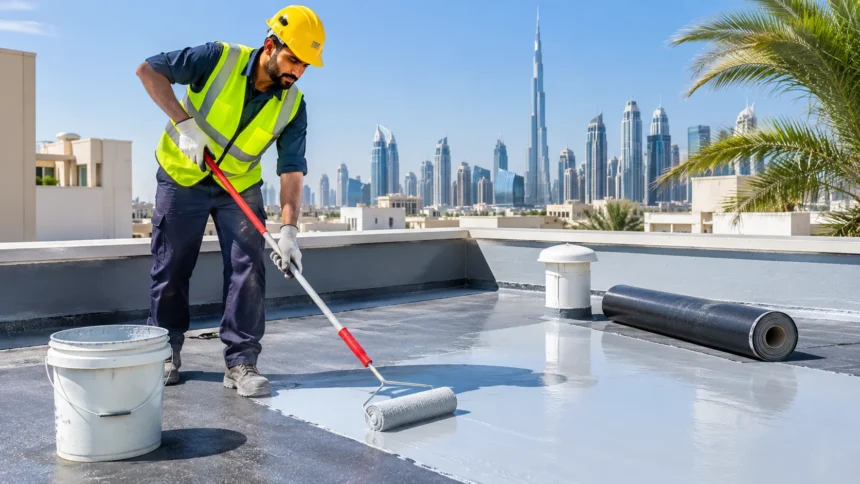
The rain has stopped, but water is still dripping from your ceiling. Dark patches are appearing on the walls, and your recently painted rooms are starting to look damaged. What seemed like a minor roof problem could soon become an expensive repair.
Understanding the best waterproofing methods for roofs in the UAE can help property owners prevent these problems. From bituminous membranes to liquid waterproofing systems, several solutions can protect buildings against moisture, intense sunlight, and changing weather conditions.
However, choosing the right material requires more than comparing prices. You need to consider your roof structure, weather exposure, product quality, and installation requirements. This guide explains the leading waterproofing methods and brands to help you make an informed decision.
What Is Roof Waterproofing?
Many property owners ignore roof waterproofing until they notice water leakage. Unfortunately, moisture can damage building materials long before visible signs appear. Preventing water penetration is generally easier than repairing extensive damage.
Roof waterproofing involves creating a protective barrier that prevents water from entering a building through its roof. This barrier may consist of specialized membranes, protective coatings, or integrated roofing systems. Different materials provide different levels of flexibility and weather resistance.
An effective waterproofing system protects ceilings, walls, insulation, and structural components. It also helps reduce moisture-related problems such as dampness and mold growth. Proper material selection and professional installation are essential for reliable results.
Why Is Roof Waterproofing Important in the UAE?
The UAE experiences intense sunlight, high temperatures, humidity, and occasional heavy rainfall. These conditions can place considerable pressure on roofing materials throughout the year. Temperature changes may also cause building materials to expand and contract.
Over time, roof surfaces may develop cracks, damaged joints, and weak areas around drainage outlets. Water can enter through these openings during rainfall or accumulate on poorly drained surfaces. Even relatively small leaks can gradually damage interior spaces.
Professional roof waterproofing in the UAE helps address these challenges through suitable protective systems. Heat-resistant materials and UV-stable membranes can support long-term roof performance. Effective drainage is equally important for preventing unnecessary water accumulation.
7 Best Waterproofing Methods for Roofs in the UAE
Choosing a waterproofing method can feel overwhelming because several materials are available. Some systems perform well on exposed roofs, while others require additional protective layers. Understanding their differences helps you select a suitable solution.
1. Bituminous Membrane Waterproofing
Bituminous waterproofing uses flexible sheets manufactured with modified bitumen and reinforcing materials. These membranes provide a protective barrier against water penetration. They are commonly specified for concrete roofing systems and large construction projects.
APP-modified membranes are often considered for applications requiring heat resistance. SBS-modified membranes are valued for their flexibility and ability to accommodate movement. The appropriate selection depends on the roof design and manufacturer specifications.
Suitable for: Concrete roofs, commercial buildings, inverted roofs, and protected terraces.
2. Liquid Waterproofing Membrane
Roofs with complicated shapes and numerous joints can be difficult to protect using sheet membranes alone. Liquid waterproofing systems provide an alternative by forming a continuous protective layer. They are particularly useful around irregular roofing details.
Depending on the formulation, these membranes may provide flexibility, UV resistance, and weather protection. Some products are designed for exposed roofs, while others require additional coverage. Correct system selection helps prevent premature deterioration.
Suitable for: Residential roofs, roof refurbishment, terraces, and complex roof structures.
3. Polyurethane Waterproofing
Roof surfaces naturally experience movement due to changing temperatures and structural conditions. Rigid waterproofing materials may struggle to accommodate this movement effectively. Polyurethane waterproofing systems provide flexible solutions for suitable roofing applications.
Polyurethane membranes are available in different formulations for exposed and protected environments. Some systems require an additional UV-resistant topcoat to withstand direct sunlight. Professional assessment helps determine which system matches the roof’s requirements.
Suitable for: Concrete roofs, balconies, commercial rooftops, and refurbishment projects.
4. Cementitious Waterproofing
Concrete surfaces can absorb moisture when they lack sufficient protection. Cementitious waterproofing provides a protective coating designed to reduce water penetration. It is commonly used in construction applications involving concrete and masonry.
However, not every cement-based product is suitable for exposed roofs. Flexible formulations and appropriately protected systems may provide better performance where movement occurs. Always confirm the intended application before selecting a product.
Suitable for: Protected concrete surfaces, covered terraces, and compatible roofing assemblies.
5. Acrylic Waterproofing
Exposed roofs face continuous sunlight and weather-related deterioration. Acrylic waterproofing systems can provide flexible surface protection when selected for appropriate roofing conditions. Reflective formulations may also help reduce solar heat absorption.
These coatings are often considered for roof maintenance and refurbishment projects. However, their resistance to standing water varies between products. Buildings with drainage problems require careful evaluation before choosing acrylic waterproofing.
Suitable for: Exposed residential roofs, compatible metal roofs, and roof restoration projects.
6. PVC and TPO Membrane Waterproofing
Large commercial roofs require waterproofing systems that provide consistent protection across extensive surfaces. PVC and thermoplastic polyolefin membranes are synthetic roofing sheets designed for such applications. They are available in different roofing system configurations.
Certain light-colored membranes provide useful solar reflectance and weather resistance. Their performance depends on material compatibility, joint quality, and professional installation. Properly designed systems can support reliable commercial roof protection.
Suitable for: Warehouses, shopping centers, factories, and commercial buildings.
7. Combo Roof Waterproofing
Some property owners need protection against both water leakage and excessive heat. Combo roof systems combine waterproofing and thermal insulation within an integrated roofing assembly. This approach addresses multiple roofing requirements together.
These systems typically incorporate insulation, waterproof membranes, and protective finishing layers. Their design varies according to building requirements and engineering specifications. A properly designed system can support moisture protection and indoor thermal comfort.
Suitable for: Residential villas, new construction projects, and concrete buildings requiring thermal insulation.
Comparison of Roof Waterproofing Methods
Selecting the most expensive waterproofing material does not necessarily guarantee the best results. Different roof structures require different levels of flexibility, weather resistance, and maintenance. Comparing available options makes the selection process easier.
| Waterproofing Method | Best Application | Main Benefit |
|---|---|---|
| Bituminous membrane | Concrete and protected roofs | Reliable water barrier |
| Liquid membrane | Irregular roof surfaces | Continuous protection |
| Polyurethane | Roofs requiring flexibility | Movement accommodation |
| Cementitious | Protected concrete surfaces | Moisture resistance |
| Acrylic | Exposed roof refurbishment | Weather protection |
| PVC and TPO | Large commercial roofs | Extensive surface coverage |
| Combo roofing | Villas and new buildings | Waterproofing and insulation |
The best waterproofing solution depends on the condition and design of your roof. Existing materials, drainage arrangements, and maintenance requirements should influence your decision. An experienced roofing specialist can evaluate these factors before recommending a system.
5 Leading Roof Waterproofing Brands in the UAE
With numerous waterproofing brands available, finding a reliable manufacturer can be challenging. Attractive packaging and competitive pricing do not necessarily indicate suitability for every roofing project. Technical specifications provide a more useful basis for comparison.
1. Sika
Sika provides construction chemicals and waterproofing systems for residential and commercial applications. Its Sikalastic range includes liquid-applied membranes designed for different roofing requirements. Several products are specifically marketed for exposed roofing applications in the GCC.
Popular roofing options include Sikalastic-560 GCC and Sikalastic-525 RoofPro GCC. These products provide flexible waterproofing solutions with UV-resistant properties. Their suitability depends on roof conditions and the complete system specification.
Best for: Liquid waterproofing, exposed roofs, and roof refurbishment.
2. Fosroc
Fosroc develops construction solutions covering concrete protection, waterproofing, and structural repairs. Its waterproofing portfolio includes liquid membranes and modified bituminous sheet systems. These products address different residential and commercial construction requirements.
Nitoproof 725 is a polyurethane-hybrid membrane designed for exposed roofing applications. The company’s Proofex range also includes sheet waterproofing solutions for various construction environments. Product selection should follow the intended application and technical documentation.
Best for: Concrete roofing, construction projects, and liquid waterproofing systems.
3. Mapei
Mapei offers waterproofing solutions for roofs, terraces, and other building surfaces. Its roofing portfolio includes liquid-applied membranes, modified bitumen sheets, and synthetic membranes. This provides several options for different project requirements.
Aquaflex Roof and Aquaflex Roof HR are examples from its roofing product range. The HR formulation is designed with solar reflectance in mind. Property owners should consider substrate compatibility and exposure conditions before selecting either product.
Best for: Roof renovation, reflective coatings, terraces, and specialized roofing systems.
4. Henkel Polybit
Henkel Polybit supplies waterproofing products for construction and infrastructure applications. Its range includes bituminous membranes, acrylic coatings, and cementitious waterproofing materials. Several products are designed for roofing and protected construction assemblies.
Bituplus P 4270 is an APP-modified membrane listed for applications including inverted roofs and terraces. Polycryl PF is an acrylic protective coating designed for compatible exposed roofing applications and polyurethane foam protection. Each product serves a different roofing purpose.
Best for: Bituminous waterproofing, protected roofing systems, and construction projects.
5. Soprema
Soprema specializes in waterproofing, insulation, and building protection systems. Its product portfolio includes reinforced bituminous membranes and other construction waterproofing solutions. These materials can support professionally designed commercial and residential roofing projects.
The Sopralene Flam range includes SBS-modified bituminous sheet membranes. These products are designed for specified roofing assemblies rather than universal roof repairs. Contractors should evaluate the complete system before recommending a particular membrane.
Best for: Professional roofing assemblies and commercial waterproofing projects.
Roof Waterproofing Brands Comparison
Choosing between established manufacturers becomes easier when you compare their relevant product ranges. Each manufacturer provides different solutions for different roofing conditions. No single brand is automatically suitable for every building.
| Brand | Example Product | Main Application |
|---|---|---|
| Sika | Sikalastic-560 GCC | Exposed roof waterproofing |
| Fosroc | Nitoproof 725 | Liquid roof waterproofing |
| Mapei | Aquaflex Roof HR | Reflective roof protection |
| Henkel Polybit | Bituplus P 4270 | Inverted and protected roofs |
| Soprema | Sopralene Flam 200 | Specified sheet membrane assemblies |
Before selecting a brand, request the relevant product technical data sheet and warranty details. Confirm that the proposed system is suitable for your building and local conditions. Material quality and installation standards should receive equal attention.
How to Choose the Best Roof Waterproofing Material
Buying waterproofing materials without understanding your roof can lead to disappointing results. A product that performs well on one property might be unsuitable for another. Several important factors should influence your decision.
Consider the following before approving a waterproofing proposal:
- Roof type: Identify whether your roof is concrete, metal, tiled, or another material.
- UV resistance: Confirm suitability for prolonged sunlight exposure.
- Heat resistance: Consider temperature fluctuations and thermal movement.
- Water drainage: Address existing water accumulation and drainage problems.
- Material compatibility: Check compatibility with existing roofing layers.
- Maintenance requirements: Understand future inspections and repair needs.
- Warranty coverage: Review exclusions, conditions, and workmanship protection.
The right solution should balance protection, durability, and long-term ownership costs. Ask contractors to explain why their proposed system suits your specific roof. Avoid choosing materials solely because they have the lowest initial price.
How Much Does Roof Waterproofing Cost in the UAE?
Unexpected waterproofing expenses can create financial concerns for property owners. However, comparing quotations based only on price may overlook important differences in materials and workmanship. Understanding cost factors helps you establish a realistic budget.
Roof waterproofing costs depend on several factors:
- Total roof area in square meters.
- Existing roof condition and damage.
- Selected waterproofing method and brand.
- Required insulation and protective layers.
- Roof accessibility and project complexity.
- Drainage repairs and surface preparation.
- Testing, workmanship, and warranty coverage.
Request detailed quotations from qualified contractors rather than relying on general price estimates. Each quotation should explain the materials, labor, preparation requirements, and warranty terms. This makes it easier to compare the actual value of different proposals.
Common Roof Waterproofing Mistakes to Avoid
Even high-quality waterproofing products can fail when used in unsuitable conditions. Poor planning, incompatible materials, and inadequate workmanship often contribute to recurring leaks. Recognizing these problems can help property owners avoid unnecessary expenses.
Common waterproofing mistakes include:
- Ignoring existing structural cracks.
- Selecting materials unsuitable for direct sunlight.
- Overlooking blocked drainage outlets.
- Choosing incompatible waterproofing products.
- Failing to address existing moisture problems.
- Hiring inexperienced or unqualified contractors.
- Ignoring manufacturer specifications.
- Neglecting regular professional inspections.
Ask your contractor how these potential problems will be addressed before work begins. Request documentation of the proposed materials and completed quality checks. Clear communication can help prevent misunderstandings and improve accountability.
How to Maintain a Waterproofed Roof
Many property owners assume that waterproofing eliminates the need for future maintenance. However, roofing systems remain exposed to weather, dust, and gradual material deterioration. Regular professional inspections help identify problems before they become serious.
Arrange periodic checks of drainage outlets, protective coatings, membrane joints, and visible damage. Additional inspections may be useful following severe weather or rooftop construction activities. Keep maintenance records to track the condition of your roofing system.
Never attempt unsafe rooftop inspections or repairs without appropriate professional assistance. Report ceiling stains, persistent dampness, or unexplained moisture as soon as possible. Early investigation can help prevent more extensive building damage.
How to Choose a Roof Waterproofing Contractor in the UAE
Choosing a suitable waterproofing brand is only part of the process. Poor workmanship can compromise even a well-designed roofing system. Selecting an experienced contractor is therefore essential for achieving dependable results.
Before hiring a waterproofing contractor, check the following:
- Relevant business licenses and professional qualifications.
- Experience with similar roofing projects.
- Knowledge of the proposed waterproofing system.
- Written quotations and detailed project specifications.
- Previous customer reviews and project references.
- Material and workmanship warranty conditions.
- Professional safety and quality control procedures.
A reliable contractor should explain the recommended solution in clear language. They should also discuss limitations, maintenance expectations, and potential additional expenses. Transparency helps property owners make decisions with greater confidence.
Conclusion
Choosing the right waterproofing methods for roofs in the UAE is essential for protecting buildings against water leakage, intense sunlight, and weather-related damage. Bituminous membranes, polyurethane systems, and liquid coatings provide different benefits. Understanding these differences helps you make informed decisions.
Established brands such as Sika, Fosroc, Mapei, Henkel Polybit, and Soprema provide various roofing solutions. However, product suitability, installation quality, and regular maintenance remain equally important. A well-designed waterproofing system can help reduce avoidable repair expenses.
Start by arranging a professional roof assessment and identifying your property’s specific waterproofing requirements. Compare suitable materials, request detailed quotations, and review warranty conditions before making a decision. Protecting your roof today can help prevent costly problems tomorrow.
Frequently Asked Questions
Which waterproofing method is best for roofs in the UAE?
Bituminous membranes, liquid waterproofing, and polyurethane systems are common options. The best method depends on roof design, sunlight exposure, drainage conditions, and existing roofing materials.
What are the best roof waterproofing brands in the UAE?
Sika, Fosroc, Mapei, Henkel Polybit, and Soprema provide established waterproofing product ranges. Compare individual products and technical specifications rather than selecting a manufacturer based only on reputation.
How long does roof waterproofing last?
Waterproofing lifespan varies depending on material quality, installation, weather exposure, and maintenance. Professionally installed systems may last many years, but no universal lifespan applies to every roofing solution.
Is bituminous waterproofing better than polyurethane?
Bituminous membranes are commonly used on concrete and protected roofs. Polyurethane systems provide flexibility and continuous coverage. The better option depends on roof conditions and project-specific requirements.
Can roof waterproofing reduce indoor temperatures?
Reflective coatings may reduce solar heat absorption, while integrated insulation systems can improve thermal performance. However, waterproofing alone does not necessarily provide substantial indoor temperature reductions.