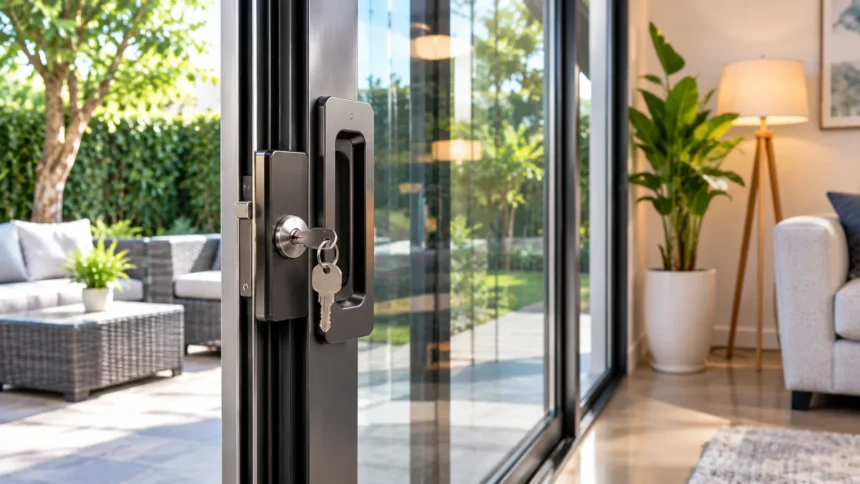
Imagine getting ready for bed and discovering that your sliding patio door refuses to lock properly. You try the handle again, but something still feels wrong. A reliable sliding glass door lock can help prevent this frustrating and worrying situation.
However, choosing a replacement lock is not always straightforward. Different doors require different locking mechanisms, materials, and hardware sizes. Buying the wrong product can waste money while leaving your home security concerns unresolved.
The good news is that finding suitable door hardware becomes easier when you know what to look for. From lock types to compatibility and durability, several factors deserve your attention. This guide will help you make a smarter purchasing decision.
What Is a Sliding Glass Door Lock?
Sliding glass doors require different locking mechanisms from traditional hinged doors. Their movement and frame design make ordinary door locks unsuitable in many situations. A specially designed locking system helps keep the sliding panel securely closed.
A sliding glass door lock is a hardware component that secures a sliding door when closed. Depending on its design, it may use a hook, latch, bolt, or multiple locking points. These mechanisms help prevent unwanted door movement.
Sliding door locks are commonly used in patios, balconies, sunrooms, and other residential spaces. They provide security while maintaining convenient access between indoor and outdoor areas. Choosing a compatible lock is essential for reliable everyday operation.
How Does a Sliding Glass Door Lock Work?
Have you ever wondered why sliding door handles operate differently from regular door handles? Sliding doors move horizontally rather than swinging inward or outward. Their locking mechanisms must accommodate this movement.
Most sliding patio door locks secure the moving panel to a compatible receiver or locking point. When you operate the handle or locking control, the internal mechanism engages. This keeps the door in its intended closed position.
Different lock designs provide different levels of functionality and security. Some use a single locking point, while others engage at multiple locations. Proper alignment and professional installation help ensure that the mechanism functions as intended.
7 Types of Sliding Glass Door Locks
Shopping for door hardware becomes confusing when several products appear almost identical. Although their designs may look similar, their functions and compatibility can differ significantly. Understanding the available types helps you narrow down your choices.
1. Mortise Locks
A mortise lock fits inside a compatible sliding door frame or panel. Its concealed design creates a clean appearance while providing an integrated locking mechanism. Many residential patio doors use this type of hardware.
Mortise locks are popular because they do not require large visible locking assemblies. However, replacement models must match the existing door specifications. Check manufacturer compatibility before purchasing a replacement.
2. Keyed Sliding Door Locks
Some homeowners prefer to lock and unlock their patio doors from outside. Keyed sliding door locks provide this functionality through compatible exterior hardware. They are useful for doors that serve as regular entrances.
These locks are available in different handle styles and finishes. Choose a design that allows safe and convenient exit from inside the home. Avoid hardware that could delay emergency evacuation.
3. Double Bolt Locks
A single locking point may not meet every homeowner’s security requirements. Double bolt locks use two locking points within a compatible mechanism. Depending on their design, they may provide additional resistance to unwanted door movement.
These products are often designed as supplementary security hardware. Their effectiveness depends on construction quality, compatibility, and correct installation. A qualified installer can help determine whether they suit your door.
4. Foot Locks
Operating additional door hardware can become inconvenient when it is difficult to reach. Foot-operated locks provide another locking option for certain sliding patio doors. They are commonly used as supplementary security devices.
Many foot locks feature compact designs that complement existing door hardware. However, they should not replace a damaged primary locking mechanism. Choose a compatible product that preserves safe emergency access.
5. Surface-Mounted Locks
Some sliding doors cannot accommodate every concealed locking mechanism. Surface-mounted locks attach to compatible door surfaces rather than fitting entirely inside the frame. They are available in various sizes and designs.
These locks may be suitable for certain replacement or additional security applications. Their appearance is usually more noticeable than that of concealed hardware. Professional assessment can help prevent damage during installation.
6. Multi-Point Locks
Larger sliding glass doors may benefit from locking systems designed for multiple engagement points. Multi-point locks secure compatible doors at several locations. This distributes locking engagement across the door assembly.
These systems are commonly integrated into certain modern patio door designs. They may require specialized replacement components and professional servicing. Always confirm that the complete system matches your door.
7. Smart Sliding Door Locks
Traditional keys can become inconvenient for households that regularly manage shared access. Smart sliding door locks may provide digital access controls through compatible electronic systems. Available features vary depending on the product.
Some models support access notifications, digital credentials, or remote management. However, electronic locks require careful consideration of power, privacy, and compatibility. Choose a system that maintains reliable access during technical problems.
Comparison of Different Sliding Glass Door Locks
Choosing between several locking mechanisms can feel overwhelming without understanding their purposes. Each design addresses different accessibility, appearance, and security requirements. A simple comparison can make the decision easier.
| Lock Type | Main Feature | Suitable For |
|---|---|---|
| Mortise lock | Concealed mechanism | Standard patio doors |
| Keyed lock | Exterior key access | Frequently used entrances |
| Double bolt lock | Two locking points | Additional security |
| Foot lock | Foot-operated control | Supplementary locking |
| Surface-mounted lock | Visible hardware | Compatible replacement applications |
| Multi-point lock | Multiple engagement points | Modern sliding doors |
| Smart lock | Electronic access | Connected home systems |
The most expensive lock is not necessarily the most suitable option. A basic, well-made lock may perform better than an advanced but incompatible product. Always prioritize correct fit, dependable operation, and safe access.
7 Important Things to Consider Before Buying a Sliding Glass Door Lock
Purchasing a lock based only on its appearance can lead to disappointing results. Some products may not fit your door, while others may lack essential features. Consider these important factors before spending money.
1. Door Compatibility
Not every sliding door supports the same locking hardware. Aluminum, vinyl, and wooden door frames can require different components. The manufacturer’s specifications provide the most reliable starting point.
Confirm your door model and supported replacement hardware before purchasing. If you cannot identify the existing mechanism, consult a qualified door specialist. This prevents unnecessary returns and installation problems.
2. Material Quality
Poor-quality materials can wear down with repeated use and exposure to environmental conditions. Patio door hardware may encounter moisture, temperature changes, and direct sunlight. Durable construction helps maintain dependable performance.
Look for corrosion-resistant materials and finishes suitable for your environment. Stainless steel and quality metal alloys are common options. Review the product specifications rather than judging quality by appearance alone.
3. Security Features
A stylish handle does not necessarily indicate a dependable locking mechanism. The internal construction and overall door condition influence security. Evaluate how the lock performs within the complete door assembly.
Look for independently tested security performance where available. Consider whether the product is suitable for exterior residential doors. Avoid relying entirely on unsupported marketing claims.
4. Ease of Use
A lock that is difficult to operate can become frustrating during everyday activities. Children, older adults, and people with limited mobility may require accessible controls. Household members should be able to use the door safely.
Choose hardware that offers smooth and straightforward operation. Consider handle comfort and the effort required to operate the mechanism. Never compromise emergency exit access for additional security.
5. Weather Resistance
Outdoor door hardware can experience moisture, dust, and changing temperatures throughout the year. Unsuitable materials may develop corrosion or become difficult to operate. Weather resistance is especially important in exposed locations.
Review whether the lock is intended for exterior use. Consider your local environmental conditions when comparing materials and finishes. Suitable hardware may require less frequent maintenance and replacement.
6. Installation Requirements
Some homeowners purchase replacement locks without checking installation requirements. Incorrect installation can damage the frame, affect door movement, or reduce security. Certain locking systems require specialized knowledge and compatible components.
Review the manufacturer’s installation requirements before ordering. For unfamiliar hardware or damaged glass doors, arrange professional assistance. Correct installation is as important as purchasing a quality product.
7. Warranty and Customer Support
Discovering a defective lock shortly after purchasing it can be frustrating. A clear warranty provides a way to address certain manufacturing problems. Reliable customer support can also help resolve compatibility concerns.
Check the warranty duration, coverage, and return conditions before buying. Ask whether replacement components will remain available. These details can influence the long-term value of your purchase.
How to Choose the Right Lock for Your Sliding Glass Door
With so many available options, choosing suitable door hardware can become overwhelming. Purchasing without a clear plan increases the possibility of selecting an unsuitable product. A simple evaluation process helps prevent unnecessary mistakes.
Start by identifying your existing door manufacturer, model, and locking system. Compare this information with the specifications of potential replacement products. If necessary, ask a hardware supplier or door specialist to confirm compatibility.
Before buying, consider the following steps:
- Identify your existing locking mechanism.
- Confirm the door manufacturer and model.
- Review compatible replacement hardware.
- Evaluate material quality and security features.
- Check emergency exit accessibility.
- Compare warranties and installation requirements.
- Choose hardware that matches your budget.
Remember that reliable security depends on the condition of the complete door assembly. A premium lock may not perform properly when installed on a damaged or poorly aligned door. Address existing door problems before investing in new hardware.
How Much Does a Sliding Glass Door Lock Cost?
Finding an affordable lock can become difficult when products vary widely in price. Some basic replacements cost less than advanced locking systems. However, the initial purchase price does not represent the complete expense.
The overall cost depends on the lock type, material quality, manufacturer, and installation requirements. Electronic and specialized multi-point systems may cost more than standard mechanical replacements. Professional servicing can also influence your budget.
| Lock Category | Relative Cost |
|---|---|
| Basic replacement latch | Low |
| Standard mortise lock | Low to moderate |
| Keyed handle assembly | Moderate |
| Double bolt lock | Moderate |
| Multi-point locking system | Moderate to high |
| Smart sliding door lock | Generally high |
Compare the complete cost of purchasing and maintaining the hardware. Include any compatible replacement components and professional installation expenses. Choosing dependable hardware can be more economical than repeatedly replacing unsuitable products.
Signs You Need a Sliding Door Lock Replacement
Many people continue using worn door hardware until it stops working completely. Small problems can gradually become more serious when ignored. Recognizing warning signs early helps maintain reliable door operation.
A lock that feels unusually loose, becomes difficult to operate, or no longer engages consistently deserves attention. Visible corrosion and damaged components may also indicate deterioration. These problems can affect both convenience and security.
Common warning signs include:
- Difficulty locking or unlocking the door.
- Loose or damaged door handles.
- Visible corrosion on hardware.
- Inconsistent locking performance.
- Unusual resistance during operation.
- A door that does not close properly.
Not every locking problem requires a complete replacement. Door alignment, damaged rollers, or worn components may contribute to the issue. A professional inspection can identify the underlying cause before you purchase new hardware.
Sliding Glass Door Lock vs Traditional Door Lock
You might wonder whether an ordinary door lock can provide the same functionality. Traditional hinged doors and sliding doors operate differently. Their locking mechanisms are designed around these distinct movement patterns.
Traditional door locks commonly secure hinged doors using compatible latch or deadbolt systems. Sliding door hardware is designed specifically for horizontally moving panels. These differences influence installation requirements and available replacement options.
| Feature | Sliding Door Lock | Traditional Door Lock |
|---|---|---|
| Door movement | Horizontal | Swinging |
| Mechanism | Sliding-door-specific hardware | Latch or deadbolt systems |
| Compatibility | Sliding door frames | Hinged door frames |
| Common location | Patios and balconies | Main entrances and rooms |
| Hardware design | Often specialized | Various standard designs |
Neither category is automatically more secure than the other. Security depends on the quality of the lock, door construction, and installation. Always select hardware designed for your specific door type.
Common Mistakes to Avoid When Buying Sliding Door Locks
Buying the cheapest available lock may seem like an easy way to save money. However, unsuitable materials and poor compatibility can lead to repeated replacements. A low purchase price does not always provide good long-term value.
Another common mistake is selecting hardware based entirely on appearance. Two locks may look identical while having different internal mechanisms. Check the manufacturer’s specifications rather than relying on visual similarities.
Homeowners should also avoid adding security hardware that interferes with emergency exits. More locking points are not useful if they make leaving the house difficult. Balance home security with accessibility, convenience, and safe evacuation.
How to Improve Sliding Glass Door Security
Replacing a worn lock is an important step, but it may not address every security concern. The frame, glass, rollers, and surrounding hardware also contribute to overall performance. A complete approach provides better protection than focusing on one component.
Begin by ensuring your existing door closes smoothly and the primary lock works reliably. Ask a qualified professional to assess damaged frames or malfunctioning components. Compatible supplementary security devices may also be worth considering.
Additional security measures include suitable door sensors, exterior lighting, professionally assessed security glazing, and manufacturer-approved secondary locks. These measures serve different purposes and can complement one another. Ensure all improvements preserve safe emergency access.
How to Maintain Your Sliding Glass Door Lock
Even dependable locking hardware can develop problems without regular care. Dust, moisture, and everyday use may affect its performance over time. Simple maintenance habits can help reduce unnecessary wear.
Keep the door and surrounding hardware clean using manufacturer-recommended methods. Use only maintenance products approved for the specific locking mechanism. Avoid forcing a lock that becomes difficult to operate.
Check the door periodically for loose handles, visible damage, or changes in locking performance. Arrange professional servicing when problems persist. Regular attention can help maintain smooth operation and identify issues before they become more serious.
Conclusion
Choosing the right sliding glass door lock involves more than finding a product that looks attractive. Compatibility, material quality, security features, and everyday accessibility all influence performance. Understanding these factors helps you avoid unnecessary expenses and purchasing mistakes.
Whether you need a mortise lock, keyed handle, or supplementary security hardware, focus on your door’s specific requirements. Compare available options carefully and prioritize reliable construction. Never overlook the importance of proper installation and safe emergency access.
Start by identifying your existing door model and reviewing its compatible locking hardware. Consult a qualified specialist if you notice damage or cannot confirm compatibility. A thoughtful purchasing decision can improve your home’s security, convenience, and peace of mind.
Frequently Asked Questions
What is the best type of sliding glass door lock?
The best lock depends on your door design and security requirements. Compatible mortise locks and multi-point systems can provide dependable operation when correctly installed and maintained.
Are sliding glass door locks universal?
No, sliding glass door locks are not universally compatible. Different manufacturers use various frame designs and locking mechanisms, so always confirm compatibility before purchasing replacement hardware.
Can you replace a sliding glass door lock without replacing the door?
Yes, many sliding glass doors support replacement locking hardware. However, the existing frame and door components must be in suitable condition for the replacement to function properly.
How long does a sliding glass door lock last?
A quality sliding door lock can last several years with appropriate maintenance. Its lifespan depends on material quality, usage frequency, environmental exposure, and installation quality.
Is a smart lock suitable for a sliding glass door?
A smart lock can be suitable if specifically designed for your sliding door. Check compatibility, power requirements, privacy features, and safe emergency access before purchasing.