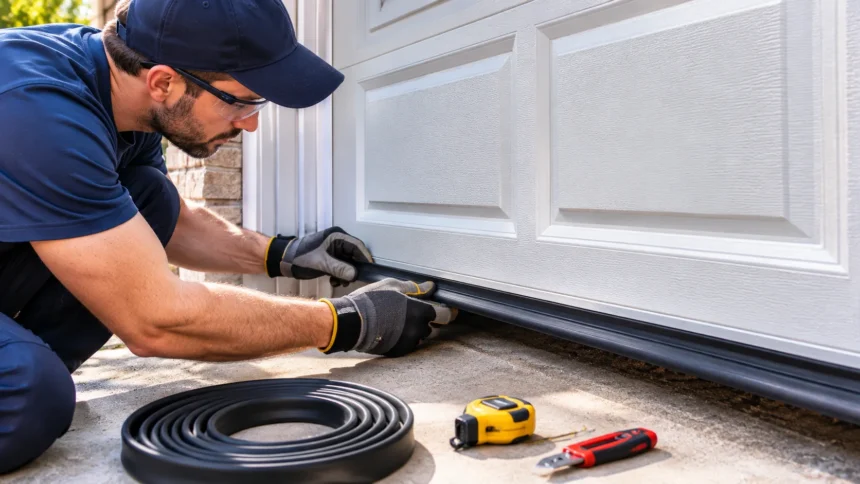
What Is a Garage Door Weather Seal and Why Does It Matter?
A garage door weather seal is a protective strip installed around the edges of a garage door to reduce gaps between the door and its surrounding surfaces. It helps limit the entry of rain, dust, wind, insects, and outdoor debris. A properly fitted seal also reduces unwanted air movement, making the garage more comfortable during changing weather conditions.
Most garage doors have small openings around their bottom, sides, and top, even when they appear completely closed. These gaps can allow moisture and outdoor air to enter, potentially affecting stored belongings and nearby living spaces. Installing suitable garage door weather stripping helps create a better barrier against these elements while supporting the overall condition of the garage.
Choosing the wrong garage door weather seal can create problems instead of solving them. A poorly fitted strip may leave gaps, interfere with door movement, or wear out faster than expected. Understanding seal types, measurements, materials, and installation requirements helps homeowners avoid unnecessary expenses. Selecting compatible products is often more important than choosing the cheapest available option.
Signs Your Garage Door Weather Seal Needs Replacement
Visible cracks, flattened rubber, and missing sections are common signs that a garage door weather seal is deteriorating. Over time, sunlight, temperature changes, and regular door movement can make sealing materials brittle or damaged. When the strip loses flexibility, it may no longer follow the garage floor properly. This can create openings that allow outdoor elements inside.
Water entering beneath a closed garage door may indicate that the bottom weather seal is damaged or no longer making proper contact. Homeowners might also notice dust collecting near the entrance or daylight appearing beneath the door. These problems can become more noticeable during heavy rain or windy conditions. However, drainage issues can also contribute to water entry.
Another warning sign is an increase in insects, leaves, and outdoor debris inside the garage. Damaged side seals may allow wind to carry dirt through gaps near the door frame. A seal that hangs loose or rubs excessively against the door may also need attention. Regular visual inspections help identify these problems before they cause additional maintenance expenses.
Different Types of Garage Door Weather Seals
Garage door bottom seals are among the most common weatherproofing components used in residential garages. They attach along the lower edge of the door and compress against the floor when the door closes. Popular designs include T-end, bead-end, and bulb-style seals. Each type fits particular door or retainer configurations, making compatibility an important consideration before purchasing replacements.
Side and top weather seals provide protection around the vertical edges and upper opening of the garage door. These products often combine flexible vinyl with a rigid mounting strip that attaches to the surrounding frame. Their purpose is to reduce gaps without preventing normal door movement. Proper positioning helps maintain consistent contact while avoiding unnecessary friction during operation.
Garage door threshold seals are installed directly on the garage floor rather than attached to the moving door. They create a raised barrier that can reduce water, dust, and debris entering through the bottom opening. Some homeowners use threshold seals together with bottom weather stripping for additional protection. However, a threshold cannot correct serious drainage problems or an improperly aligned door.
How to Choose the Right Garage Door Bottom Seal
Selecting the correct garage door bottom seal begins with identifying the existing attachment system. Many metal garage doors use an aluminum or plastic retainer with channels that hold a flexible rubber or vinyl strip. Different retainers require specific seal profiles, including T-shaped ends or rounded beads. A replacement must match the retainer rather than simply resemble the original material.
The shape of the existing seal also matters because different designs respond differently to contact with the floor. Bulb seals compress under the closed door, while U-shaped styles can provide a flexible barrier along the bottom edge. Some wooden garage doors use alternative mounting arrangements. Homeowners should confirm their door design and follow the manufacturer’s compatibility guidance before choosing replacements.
Choosing a seal based only on appearance or advertised durability is a common purchasing mistake. An incompatible profile may slide out of its retainer, create uneven contact, or fail to install correctly. Even expensive weather stripping cannot perform properly when it does not fit the door. Checking the attachment profile, dimensions, and required flexibility helps prevent wasted money.
How to Measure a Garage Door Weather Seal Correctly
Accurate measurements are essential when selecting replacement garage door weather stripping. The width of the garage door determines the approximate length of material required, but the seal’s attachment profile must also be considered. Homeowners should check the existing product dimensions and manufacturer specifications. Buying slightly more length than required can allow for minor trimming during fitting.
The height and shape of the gap beneath the closed door also influence seal selection. A flexible bottom seal needs enough compression to contact the floor without creating excessive resistance. Oversized materials may interfere with normal closing, while undersized products can leave openings. Observing the gap from a safe position helps determine whether the existing seal provides adequate coverage.
Measurements should account for the garage door’s design and the condition of its mounting hardware. Retainer channels, attachment dimensions, and the existing seal profile may differ between manufacturers. When the original strip is missing or badly damaged, identifying the door model can be particularly helpful. Reliable measurements reduce the likelihood of ordering incompatible products or repeating installation work.
The Costly Mistake of Ignoring an Uneven Garage Floor
One of the biggest garage door weather seal mistakes is replacing the bottom strip without checking the garage floor. Concrete surfaces can settle, crack, or develop uneven areas over time. These changes may create gaps beneath an otherwise properly functioning door. Installing an ordinary replacement seal may not solve the problem when the underlying surface is irregular.
A slightly uneven garage floor may benefit from an appropriately designed flexible or reinforced sealing system. Some bottom seals offer greater compression and can accommodate modest surface variations. However, excessive thickness is not always the correct solution because it may interfere with the door’s closing position. The right approach depends on the size and location of the uneven areas.
Significant gaps, persistent water entry, or visible door misalignment may require professional assessment. Adding multiple layers of weather stripping can hide symptoms without addressing the actual problem. In some cases, concrete repairs, drainage improvements, or garage door adjustments are more appropriate. Identifying the real cause before purchasing materials helps homeowners avoid repeated expenses and ineffective repairs.
Best Materials for Garage Door Weather Stripping
Rubber is a popular material for garage door weather seals because of its flexibility and ability to compress against uneven surfaces. Many rubber sealing products resist ordinary wear and provide reliable contact when installed correctly. However, performance depends on the specific rubber compound and environmental conditions. Products designed for outdoor exposure generally provide better durability than unsuitable indoor materials.
Vinyl weather stripping is another widely available option used around garage doors. It can offer effective protection against drafts, dust, and light moisture when fitted properly. Vinyl products are available in different shapes, colors, and thicknesses. However, some formulations may become less flexible in cold weather, so local temperature conditions should influence the selection.
EPDM rubber is often chosen for weather sealing because it generally offers strong resistance to sunlight, ozone, and changing temperatures. Silicone-based products may also provide useful flexibility in certain demanding environments. However, not every material works with every garage door retainer. Comparing manufacturer specifications, environmental suitability, and expected durability helps homeowners choose products that offer practical long-term value.
How to Replace a Garage Door Bottom Weather Seal Safely
Replacing a garage door bottom weather seal begins with identifying the door type, existing retainer, and suitable replacement material. Homeowners should inspect accessible components for visible wear while keeping clear of moving door sections and hardware. Garage doors are heavy and contain parts operating under significant tension. Work involving springs, cables, or door balancing should always be left to qualified professionals.
For compatible systems, the general replacement process involves removing the worn sealing strip from its approved mounting arrangement and fitting a matching replacement. The exact procedure varies depending on the manufacturer’s design and the condition of the retainer. Damaged mounting hardware may require professional attention. Following product instructions is essential because an incorrectly installed seal can affect normal door operation.
After replacement, the garage door should close properly without excessive resistance or visible gaps beneath the opening. The bottom seal should contact the floor evenly while maintaining appropriate flexibility. Safety sensors and automatic reversing functions must continue working correctly. If the door jams, reverses unexpectedly, or fails to close safely, professional inspection is preferable to forcing adjustments.
How to Seal the Sides and Top of a Garage Door
Garage door side seals help reduce openings between the moving door and the surrounding frame. These strips commonly use flexible vinyl attached to a rigid mounting base. When positioned correctly, the flexible edge makes light contact with the closed door. This helps reduce drafts and prevents some rain, dust, and insects from entering around the vertical edges.
Top weather stripping addresses gaps between the upper section of the garage door and the frame. Wind-driven rain and outdoor air may pass through this area when the existing seal is missing or worn. A compatible top seal creates a better barrier without restricting the door’s normal movement. Correct fit is important because excessive pressure can cause unnecessary friction.
Side and top sealing products must allow the garage door to travel freely along its intended path. Materials placed too tightly against the panels may interfere with movement or cause premature wear. Homeowners should inspect existing trim and follow manufacturer guidance before making changes. If gaps result from poor alignment or structural movement, professional repairs may be necessary.
Garage Door Threshold Seals: When Are They Worth Installing?
A garage door threshold seal is a raised strip installed along the floor at the garage entrance. Unlike a bottom seal attached to the door, the threshold remains stationary when the door opens. Its main purpose is to create an additional barrier against surface water, windblown debris, and minor gaps. It can be particularly useful where the floor has shallow irregularities.
Threshold seals are commonly made from flexible rubber or similar weather-resistant materials. They are typically designed to work with suitable adhesives and properly prepared concrete surfaces. However, their effectiveness depends on floor condition, product dimensions, and correct placement. A threshold that is too tall or improperly positioned may interfere with closing or create an unwanted obstruction.
Homeowners should remember that a garage door threshold is not a complete waterproofing solution. Heavy rainfall, poor driveway drainage, or water flowing toward the garage can overwhelm ordinary sealing products. In these situations, drainage improvements may be necessary to manage water effectively. Choosing a threshold should therefore involve evaluating the source of water rather than simply covering the opening.
Common Garage Door Weather Seal Installation Mistakes
Purchasing the wrong seal profile is one of the most common mistakes homeowners make when replacing garage door weather stripping. A product may look suitable but fail to fit the existing bottom retainer or mounting arrangement. Forcing incompatible materials into place can cause damage or poor sealing performance. Confirming dimensions and product compatibility before installation helps avoid this problem.
Another mistake involves using excessive material in an attempt to eliminate every visible gap. Weather stripping must create suitable contact without preventing the garage door from operating normally. Oversized bottom seals or tightly positioned side strips may increase friction and cause closing problems. Proper compression is more useful than simply choosing the thickest available material.
Ignoring the underlying condition of the garage door can also lead to disappointing results. Bent retainers, damaged panels, uneven flooring, and faulty alignment may prevent new seals from working effectively. Weather stripping cannot replace essential mechanical or structural repairs. A careful inspection helps determine whether the problem requires a simple seal replacement or professional maintenance.
How to Maintain a Garage Door Weather Seal for Longer Life
Regular maintenance can help a garage door weather seal remain flexible and effective for a longer period. Dirt, leaves, and other debris can collect around the bottom edge and reduce contact with the floor. Cleaning accessible sealing surfaces with mild soap and water can help remove buildup. Homeowners should follow manufacturer guidance and avoid chemicals that may damage the material.
Seasonal inspections are useful because temperature changes and sunlight can gradually affect flexible weather stripping. Homeowners should look for cracks, hardened areas, loose sections, and visible gaps around the closed door. Checking after storms can also reveal moisture problems or displaced materials. Identifying damage early often makes repairs easier and helps prevent further deterioration.
The garage floor and surrounding frame should also remain in reasonable condition to support effective weather sealing. Standing water, damaged concrete, and loose trim can reduce the performance of otherwise suitable materials. Maintaining proper drainage helps limit unnecessary moisture exposure. When seals become damaged or permanently compressed, timely replacement is usually more effective than attempting temporary repairs.
Conclusion
A properly selected garage door weather seal helps protect the garage from drafts, dust, rain, insects, and outdoor debris. However, choosing an incompatible product can lead to poor performance and unnecessary replacement expenses. Understanding different sealing options, materials, and attachment systems allows homeowners to make better purchasing decisions. Correct fit remains one of the most important factors in effective weatherproofing.
The biggest mistake is assuming that every garage door gap can be fixed by installing a thicker bottom seal. Uneven concrete, damaged retainers, poor drainage, and door alignment issues may require different solutions. Identifying the underlying problem helps prevent repeated repairs. When mechanical components or significant structural problems are involved, professional assessment is the safer and more reliable approach.
Regular inspections and proper maintenance can extend the useful life of garage door weather stripping. Cleaning accessible seals, monitoring wear, and replacing damaged materials help maintain protection throughout changing weather conditions. Homeowners should prioritize compatible products and safe installation practices over quick fixes. With the right approach, garage door sealing can remain an affordable and practical home improvement.
Frequently Asked Questions
What is the best garage door weather seal?
The best garage door weather seal depends on the door design, retainer profile, and local weather conditions. Durable rubber or EPDM products are often suitable when they match the manufacturer’s specifications.
How do I know if my garage door bottom seal is bad?
Common signs include visible cracks, flattened rubber, daylight beneath the closed door, and increased dust or water entry. Persistent gaps may also indicate uneven flooring or door alignment problems.
Can a garage door weather seal prevent water from entering?
A properly fitted weather seal can reduce minor water entry, especially during ordinary rainfall. However, it cannot guarantee waterproofing when drainage is poor or significant water flows toward the garage.
How long does a garage door weather seal last?
Lifespan depends on material quality, sunlight exposure, temperature changes, and frequency of use. Regular inspections help determine when the seal has become worn, brittle, compressed, or ineffective.
Is it worth replacing garage door weather stripping?
Yes, replacing damaged weather stripping can improve protection against drafts, moisture, insects, and debris. It is usually a worthwhile maintenance task when the door and surrounding surfaces are otherwise functioning correctly.