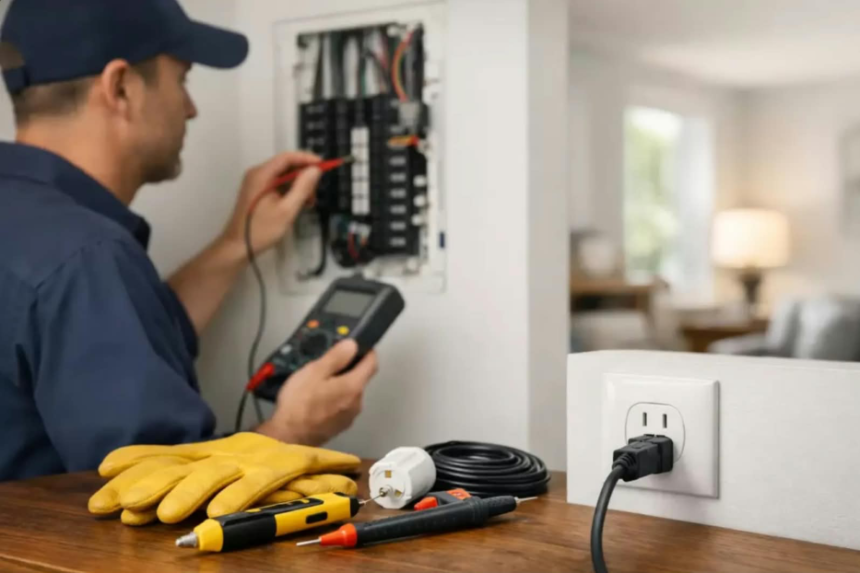
Electrical problems are not always obvious. Sometimes, they start with something small, like a light that occasionally flickers, a breaker that trips every few days, or an outlet that feels warmer than usual. While these issues might seem like minor inconveniences, they can be early warning signs of an electrical system that needs professional attention.
For homeowners in Austin, Texas, keeping an eye on the condition of your electrical system is especially important. The area has a wide variety of homes, from older properties in Hyde Park, Allandale, and East Austin to newer residential developments in Round Rock, Georgetown, Buda, and Dripping Springs. Each property can have different electrical demands, wiring conditions, and potential safety concerns.
Modern households also rely on more electrical equipment than ever. Large televisions, home offices, EV chargers, kitchen appliances, outdoor kitchens, smart home systems, and air conditioning equipment all place demands on residential electrical systems. An electrical panel or wiring setup that worked perfectly years ago may not be equipped to handle today’s household needs.
The important thing is knowing when an electrical issue is something you can safely observe and when it is time to stop troubleshooting and call a professional.
Here are seven electrical warning signs Austin homeowners should never ignore, along with practical advice on what to do if you notice them.
- Frequently Tripping Circuit Breakers
Circuit breakers are designed to protect your home by interrupting the flow of electricity when a circuit becomes overloaded or experiences a potentially dangerous electrical fault.
An occasional tripped breaker might happen when several high-powered appliances are running simultaneously. However, if you find yourself repeatedly resetting the same breaker, there could be a more serious underlying problem.
Some common reasons circuit breakers trip include:
- Too many appliances operating on the same circuit.
- Overloaded electrical circuits.
- Damaged or deteriorating wiring.
- Short circuits.
- Ground faults.
- A defective circuit breaker.
For example, an older Austin home might have originally been designed around a much smaller electrical load. After years of renovations, new kitchen appliances, additional lighting, and home office equipment, the original electrical circuits may be struggling to keep up.
Newer homes in Round Rock and Georgetown can also experience electrical overload issues, particularly when homeowners add EV charging equipment, workshop machinery, hot tubs, or outdoor kitchen appliances.
What homeowners can do:
If a breaker trips once, unplugging recently used appliances and identifying an obvious overload may help. You can then reset the breaker once if there are no signs of damage, heat, burning smells, or other unusual conditions.
However, never repeatedly reset a breaker that continues to trip. Do not replace it with a higher-amperage breaker to prevent it from tripping. The wiring may not be rated for the increased electrical load, creating a potential fire hazard.
If the breaker continues to trip, contact a licensed electrician. Tejas Electric can inspect the circuit, evaluate the electrical load, and determine whether a repair, circuit modification, or panel upgrade is necessary.
- Flickering or Dimming Lights
Have you ever turned on the microwave and noticed the kitchen lights dim? Maybe the lights in your living room occasionally flicker, even when nobody is touching the switches.
While an isolated flicker can sometimes be caused by a loose light bulb, repeated flickering or dimming throughout your home deserves attention.
There are several possible explanations, including:
- Loose electrical connections.
- Overloaded circuits.
- Damaged wiring.
- Problems with a lighting switch or fixture.
- Electrical panel issues.
- Voltage fluctuations or problems with the electrical service.
In some cases, lights may flicker when large appliances start up because those appliances temporarily draw substantial amounts of electricity. However, noticeable or persistent changes in lighting should not automatically be considered normal.
This is particularly relevant in older Austin neighborhoods where electrical systems may have undergone multiple renovations over the years. A home might have newer lighting fixtures and appliances but still rely on older wiring or electrical connections.
Homeowners in Dripping Springs and Buda should also pay attention to flickering lights in larger homes with extensive outdoor lighting, workshops, detached garages, and additional electrical equipment.
What homeowners can do:
Start by checking whether the problem affects one light or multiple rooms. If only one fixture is affected, the bulb or fixture itself might be responsible.
If multiple lights flicker, especially when appliances operate, avoid adding more electrical loads to the affected circuits until the issue has been evaluated.
Do not remove electrical panel covers or attempt to tighten internal connections yourself. A licensed electrician can inspect the wiring, test the circuits, and identify whether the issue originates inside the home or involves the electrical service.
- Warm Outlets and Switches
An electrical outlet or light switch should not feel unusually hot when you touch its exterior.
While certain electrical devices may become slightly warm during normal operation, an outlet or switch that feels hot, especially when accompanied by discoloration, buzzing, or a burning odor, should be treated as a potential safety concern.
Possible causes include:
- Loose wiring connections.
- Overloaded electrical circuits.
- Worn electrical receptacles.
- Damaged internal contacts.
- Improperly installed electrical devices.
- Excessive electrical demand.
This issue can be particularly concerning in older Austin homes with aging outlets and electrical components. Over time, connections can loosen, receptacles can wear out, and older electrical installations may no longer be suitable for modern household demands.
For example, a homeowner might install a new high-powered appliance in a kitchen without realizing that the existing outlet or circuit was not designed to support that particular load.
What homeowners can do:
If an outlet or switch feels unusually hot, stop using it. If it is safe to do so, unplug connected equipment without touching damaged or hot components. If you notice smoke, sparks, or a burning smell, leave the area and contact emergency services if there is any indication of fire.
Do not remove the outlet cover to investigate the wiring yourself.
A licensed electrician can examine the receptacle, inspect the wiring connections, and determine whether the device, circuit, or electrical panel needs attention.
Replacing an outlet might appear to be a simple weekend project, but identifying why it overheated is much more important than simply installing a new receptacle.
- Burning Smells Near Electrical Equipment
A burning smell is one electrical warning sign homeowners should never dismiss.
If you notice an unusual odor resembling burning plastic, melting insulation, or overheated electronics near an outlet, light switch, electrical panel, or appliance, there may be an electrical problem developing behind the walls or inside the equipment.
Potential causes include:
- Overheating electrical wiring.
- Loose electrical connections.
- Damaged insulation.
- Overloaded circuits.
- Failing electrical components.
- Electrical arcing.
Sometimes, the smell may be noticeable before there are visible signs of damage. That is why it is important not to assume everything is fine simply because you cannot see smoke or discoloration.
Austin homeowners should pay particular attention to unusual smells coming from garages, utility rooms, kitchens, and areas where electrical panels or major appliances are installed.
What homeowners can do:
Stop using the affected outlet or equipment immediately. If you can safely identify and shut off the affected circuit without approaching a hot, smoking, or damaged electrical panel, do so.
Never open an electrical panel to investigate the source of the smell.
If you see smoke, sparks, flames, or signs of an active electrical fire, evacuate and call 911. Do not use water on an electrical fire.
Even if the smell disappears, have the electrical system inspected before using the affected equipment again.
Tejas Electric can help Austin-area homeowners identify potential electrical hazards, inspect damaged components, and determine what repairs are needed to restore safe operation.
- Buzzing Sounds Coming From Outlets or Electrical Panels
Electricity should not produce persistent buzzing, crackling, or sizzling sounds from outlets, switches, or electrical panels.
Although some electrical equipment can produce a faint operating hum, a noticeable buzzing sound from a residential electrical component should be investigated.
Possible causes include:
- Loose electrical connections.
- Failing circuit breakers.
- Electrical arcing.
- Improperly installed switches or outlets.
- Damaged electrical components.
- Problems within the electrical panel.
One concern is electrical arcing, which happens when electricity jumps across an unintended gap between conductive materials. Arcing can generate significant heat and potentially ignite nearby materials.
You might hear buzzing near a breaker panel in the garage, a wall switch in the kitchen, or an outlet behind a frequently used entertainment center.
What homeowners can do:
Pay attention to where the sound originates, but do not remove outlet covers, touch exposed wiring, or attempt to tighten electrical connections.
If the buzzing comes from an outlet or switch, stop using it. If it comes from the electrical panel, avoid opening the panel or attempting to reset breakers repeatedly.
Contact a licensed electrician to investigate the noise.
A professional inspection can help determine whether the sound is coming from a failing breaker, loose connection, overloaded circuit, or another electrical issue.
Catching these problems early can help prevent more extensive repairs and reduce the risk of electrical damage.
- An Outdated Electrical Panel
Your electrical panel is essentially the control center of your home’s electrical system. It distributes electricity throughout the property and provides circuit protection through individual breakers.
Unfortunately, many homeowners rarely think about their electrical panel until something stops working.
An outdated panel does not automatically mean your home is unsafe. However, older equipment, deteriorating components, insufficient capacity, and certain known panel deficiencies can create electrical concerns that deserve professional attention.
Some warning signs include:
- Breakers that frequently trip.
- Visible rust or corrosion.
- Burning odors near the panel.
- Breakers that feel unusually hot.
- Unusual buzzing or crackling.
- Evidence of previous overheating.
- Insufficient circuit capacity for household needs.
Homeowners in established Austin neighborhoods may have properties with electrical panels that have been in service for decades. Even if the home has been remodeled, the electrical panel may not have received the same attention as the kitchen, bathrooms, or other living spaces.
Meanwhile, newer homes in Georgetown, Round Rock, and Dripping Springs may eventually need electrical upgrades as homeowners add EV chargers, swimming pools, outdoor kitchens, workshops, and other high-demand equipment.
A panel upgrade may also become necessary when a homeowner is planning an addition, installing a hot tub, or adding new appliances that require dedicated circuits.
What homeowners can do:
Take a look at the exterior of your electrical panel for obvious signs of rust, damage, or corrosion. You can also make a note of the panel’s age and whether you have experienced recurring electrical problems.
Do not remove the panel cover or attempt to inspect internal components.
A licensed electrician can evaluate the existing panel, review your household’s electrical demand, and perform a load calculation to determine whether the current equipment is adequate.
Depending on the situation, the solution might involve replacing a defective breaker, adding circuits, repairing an electrical issue, or upgrading the entire panel.
Tejas Electric provides residential electrical services for homeowners in Austin and surrounding Hill Country communities, including electrical troubleshooting, repairs, and panel upgrades.
- Loose Outlets or Damaged Electrical Wiring
Loose outlets and damaged wiring might not seem like major concerns, but both can create conditions that allow electrical connections to deteriorate over time.
Have you ever plugged something into a wall outlet only to notice that the plug falls out easily? Or perhaps you have noticed a cracked outlet cover, exposed wiring, or a switch that moves around when you use it.
These problems should not be ignored.
Loose receptacles can result in poor electrical contact. Depending on the condition of the device and wiring, this can contribute to overheating and electrical arcing.
Damaged wiring can be even more concerning, particularly when insulation has deteriorated or conductors are exposed.
Some potential warning signs include:
- Outlets that move when plugging in equipment.
- Plugs that frequently fall out.
- Cracked or broken outlet covers.
- Exposed electrical wiring.
- Damaged extension cords.
- Discolored electrical receptacles.
- Switches that feel loose or operate inconsistently.
Older Austin properties may have aging wiring, outdated electrical installations, or evidence of previous DIY repairs. In some cases, homeowners purchase a property without realizing that electrical work completed by a previous owner was not installed correctly.
Properties in Buda, Dripping Springs, and other growing communities may also have detached garages, workshops, sheds, and outdoor electrical installations that require periodic inspection.
What homeowners can do:
Stop using damaged outlets and wiring. Do not tape over exposed conductors or attempt to make temporary repairs with household materials.
If wiring is exposed, damaged, or potentially energized, keep people away from the area. Have a licensed electrician determine how to safely isolate and repair the problem.
Replacing an outlet cover is different from repairing the electrical connections behind it. If the receptacle itself is loose or damaged, the underlying cause should be investigated rather than simply covering up the problem.
Should Austin Homeowners Attempt Electrical Repairs as a DIY Project?
There is nothing wrong with being handy around the house. Many homeowners enjoy tackling small projects, maintaining their properties, and learning how household systems work.
However, electrical work is one area where knowing your limits is particularly important.
Some basic tasks, such as replacing a light bulb, changing batteries in a smoke detector, or checking whether an appliance is plugged in properly, are generally reasonable homeowner maintenance activities.
More involved electrical work is a different matter.
Replacing electrical outlets, installing new circuits, modifying wiring, upgrading electrical panels, and installing EV chargers all involve potential safety risks. Incorrect installations can result in electrical shock, equipment damage, overheating, and electrical fires.
Texas has licensing and regulatory requirements for electrical contracting and electrical work. Homeowners should not assume that being comfortable with tools or having experience with other home improvement projects qualifies them to perform regulated electrical work.
Before attempting electrical installations, repairs, or modifications, homeowners should verify the applicable Texas licensing requirements and local permitting rules. Work requiring a licensed electrical contractor should be left to properly licensed professionals.
Here are a few examples of electrical projects that should generally be handled by qualified electrical professionals:
Electrical panel upgrades: Replacing or modifying a panel involves potentially dangerous electrical connections, service equipment, grounding, bonding, and code requirements.
New circuit installations: Adding circuits for appliances, workshops, outdoor kitchens, or other equipment requires appropriate wire sizing, circuit protection, and load calculations.
EV charger installations: Electric vehicle charging equipment can place substantial continuous demands on a residential electrical system. The existing panel and available capacity should be evaluated before installation.
Whole-house surge protection: Installing surge protection at the electrical panel requires proper connections and coordination with the existing electrical system.
Damaged wiring repairs: Identifying and repairing damaged wiring requires more than replacing a visible section of wire. The electrician needs to determine why the damage occurred and whether other portions of the circuit are affected.
For homeowners who want the job completed safely and correctly, working with an experienced, licensed electrician is the better approach.
Tejas Electric serves Austin-area homeowners with professional electrical repairs, installations, inspections, and upgrades. Having a qualified electrician handle the work can also help ensure that applicable electrical codes and permitting requirements are addressed.
Why Regular Electrical Inspections Matter for Austin Homes
One of the biggest mistakes homeowners make is waiting until an electrical problem becomes impossible to ignore.
A breaker that trips occasionally might eventually stop working altogether. A loose connection might gradually overheat. Aging wiring can deteriorate without producing any obvious symptoms until a problem develops.
Periodic electrical evaluations can help identify concerns before they turn into more disruptive or expensive problems.
This can be especially useful when:
- Purchasing an older Austin home.
- Planning a kitchen or bathroom renovation.
- Adding a home office or workshop.
- Installing an EV charging station.
- Building an outdoor kitchen or adding a hot tub.
- Expanding a property with an addition or detached structure.
- Experiencing recurring electrical problems.
- Preparing a home for sale.
An electrical inspection can help evaluate the condition of the panel, visible wiring, outlets, switches, grounding, and other accessible electrical components.
It is also an opportunity to discuss whether your existing electrical system can support planned improvements.
For example, a homeowner in Dripping Springs who is adding a pool, outdoor kitchen, and landscape lighting may need to consider additional electrical capacity. A family in Round Rock installing an EV charger might need an evaluation of its existing panel and available circuits.
In older Austin neighborhoods, an inspection can help uncover electrical concerns that might have been overlooked during previous renovations.
When Should You Call Tejas Electric?
The most important thing to remember is that electrical warning signs should never be dismissed simply because your home is still functioning.
When Austin-area homeowners notice warning signs such as frequently tripping breakers, unusual electrical smells, flickering lights, or warm outlets, having a licensed Austin Electrician from Tejas Electric inspect the electrical system can help identify potential hazards before they develop into more serious problems.
If you notice any of the seven warning signs discussed above, it is worth having the situation evaluated by a qualified professional.
You do not need to wait until an outlet stops working, a breaker refuses to reset, or an electrical component shows visible damage.
Tejas Electric is a family-owned electrical company serving Austin and surrounding Central Texas communities. Led by owner Wade Hudson, a licensed Master Electrician (License #38108), the company provides residential and commercial electrical services with an emphasis on dependable workmanship and customer care.
Homeowners can turn to Tejas Electric for assistance with:
- Electrical troubleshooting and repairs.
- Circuit breaker and electrical panel issues.
- Electrical panel upgrades.
- Outlet and switch replacements.
- New circuit installations.
- Whole-house surge protection.
- EV charger installations.
- Electrical inspections.
- Lighting installations and upgrades.
- Residential electrical improvements.
Tejas Electric is 5-star rated, A+ rated by the Better Business Bureau, and has served local customers since opening in 2018. The company also offers a $0 trip charge and a 3-year labor warranty.
Whether you live in an established Austin neighborhood, a newer Round Rock development, or a property in Georgetown, Buda, or Dripping Springs, having a dependable electrician available can make maintaining your home’s electrical system much easier.
Don’t Ignore the Warning Signs of Electrical Problems
Electrical systems are easy to take for granted. We flip switches, plug in appliances, charge our phones, and rely on electricity throughout the day without giving much thought to what is happening behind the walls.
But when something starts behaving differently, it is important to pay attention.
Frequently tripping breakers, flickering lights, warm outlets, burning smells, buzzing sounds, outdated panels, and damaged wiring can all indicate problems that deserve professional attention.
Some issues might require a relatively straightforward repair, while others could point to a more significant electrical safety concern. The important thing is having the problem properly diagnosed rather than relying on temporary fixes or attempting repairs beyond your experience.
If you are experiencing electrical problems in Austin or the surrounding Hill Country communities, contact Tejas Electric to discuss your concerns and schedule professional electrical service.
Speak with the team electrical professionals at Tejas Electric to go over electrical repairs, inspections, panel upgrades, and other residential electrical needs.
When it comes to your home’s electrical system, addressing small warning signs today can help prevent much bigger headaches tomorrow.