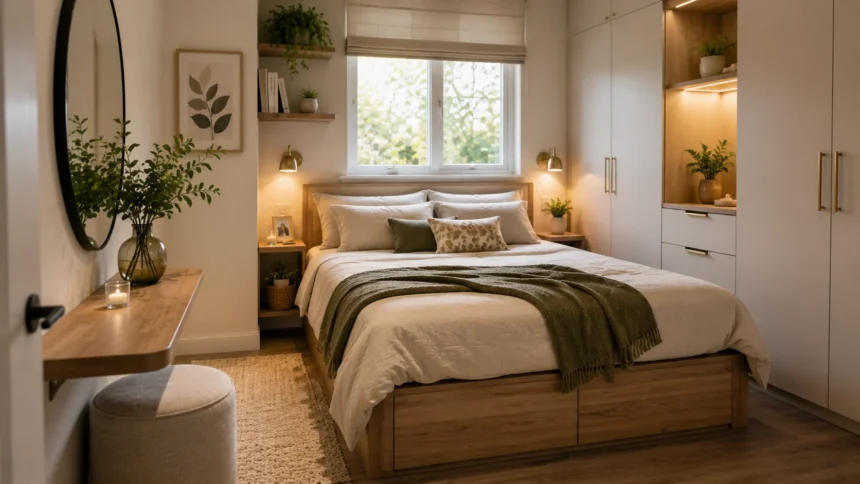
Small Bedroom Ideas: Stylish Ways to Maximize Space
A small bedroom can feel comfortable, stylish, and surprisingly spacious when every design decision has a clear purpose. The best small bedroom ideas do more than simply reduce furniture size. They improve storage, movement, lighting, visual balance, and comfort so the room feels easier to use every day. With thoughtful planning, even a compact bedroom can become a calm and attractive retreat rather than a space that feels crowded or restrictive.
The biggest challenge in a small bedroom is deciding what deserves valuable floor space. A bed, wardrobe, bedside table, dresser, desk, and storage pieces can quickly overwhelm the room if they are chosen without considering scale. The goal is to prioritize essential furniture, make better use of vertical space, and choose pieces that perform more than one function whenever possible.
Color, lighting, mirrors, curtains, and furniture placement can also change how large the bedroom appears. Lighter tones can create a more open atmosphere, while raised furniture and properly positioned mirrors help preserve visual depth. Even darker colors can work successfully when balanced with good lighting and a simple layout. The most effective design is not about following one rule but creating harmony between the room’s size and your needs.
This guide explores practical ways to maximize a compact bedroom without sacrificing personality or comfort. You will learn how to choose the right bed, create more storage, arrange furniture, use wall space, improve lighting, and avoid common design mistakes. Whether you are decorating a small apartment bedroom, guest room, studio sleeping area, or compact master bedroom, these ideas can help you make every inch work harder.
Start With a Simple Small Bedroom Layout
Before buying new furniture, measure the bedroom carefully and create a basic floor plan. Record the length and width of the room as well as the position of doors, windows, radiators, electrical outlets, and built-in storage. These details determine where furniture can realistically fit and help prevent purchases that look suitable online but become too large once delivered.
The bed should usually become the main anchor of the room because it takes up the greatest amount of floor space. Position it where you can move around it comfortably without blocking doors or major walkways. In some compact bedrooms, centering the bed creates the best balance, while in very narrow rooms placing it closer to one wall may free more usable space.
Think about how you move through the bedroom every day. You should be able to enter the room, access the wardrobe, open drawers, reach the bed, and move around essential furniture without constantly turning sideways or shifting objects. Clear circulation can make a small room feel more spacious even when its actual dimensions remain unchanged.
Once the essential furniture is positioned, resist the temptation to fill every empty corner. Small bedrooms benefit from visible breathing room because open floor area helps separate major pieces and reduces visual clutter. A slightly simpler layout often feels more comfortable than one containing every piece of furniture you might want.
Choose the Right Bed Size for the Room
The bed has the strongest influence on a small bedroom layout, so size matters enormously. Choose a mattress that comfortably supports your sleeping needs without consuming more floor space than necessary. A larger bed may be appealing, but if it leaves no room for storage or movement, the overall bedroom can become frustrating to use.
Measure both the mattress and the bed frame because some frames extend considerably beyond the sleeping surface. Thick upholstered sides, oversized headboards, and wide footboards can add several inches around the bed. Slim frames often provide the same sleeping area while using noticeably less space.
Platform beds can work especially well because they usually have a clean, compact structure. Some include built-in drawers or lift-up storage, allowing the area beneath the mattress to serve another purpose. This can eliminate the need for an additional dresser or storage cabinet in the room.
Avoid choosing the smallest bed automatically if it compromises comfort. The best solution balances sleeping quality with room function. If two people share the bedroom, consider whether both can access the bed comfortably and whether bedside storage can be arranged without making the room feel crowded.
Use a Storage Bed to Save Valuable Floor Space
A storage bed is one of the most practical space-saving bedroom ideas because it turns an area that would otherwise remain unused into valuable storage. Drawers beneath the mattress can hold bedding, clothing, shoes, seasonal items, or other belongings that would normally require a separate cabinet.
Lift-up beds provide even more hidden storage because the entire mattress platform can rise to reveal a large compartment. These designs work particularly well in rooms where there is not enough clearance beside the bed for drawers to open. They are also useful for storing bulky items such as extra blankets or suitcases.
When choosing a storage bed, consider how frequently you need to access the contents. Everyday clothing is better stored in easily accessible drawers, while seasonal bedding and less frequently used items can go in deeper compartments. Organizing storage according to use makes the system much more convenient.
Keep the area under the bed organized rather than treating it as a place to hide clutter. Storage boxes, dividers, and labeled containers can make it easier to find what you need. Efficient storage should reduce stress and visual clutter, not create another disorganized area inside the room.
Make Better Use of Vertical Space
When floor space is limited, walls become one of your most valuable design resources. Tall wardrobes, wall-mounted shelves, floating cabinets, hooks, and vertical storage units allow you to store more belongings without occupying additional floor area. This is one of the simplest ways to increase capacity in a compact bedroom.
Floor-to-ceiling wardrobes can be particularly effective because they use the full height of the room. The upper sections can store luggage, seasonal clothing, extra bedding, or items you do not need every day. Lower shelves and hanging rails can then remain dedicated to frequently used clothing.
Wall-mounted shelves work well above desks, dressers, or even beside the bed. They can hold books, decorative objects, baskets, and smaller personal items without requiring a traditional bookcase. Keeping shelves relatively shallow prevents them from projecting too far into the room.
Avoid covering every wall with storage because too many shelves can make the room feel busy. Use vertical storage strategically, concentrating it where it provides genuine value. A tall, well-organized wardrobe often looks calmer than several smaller pieces scattered around the room.
Choose Furniture With Slim Proportions
Bulky furniture can quickly overwhelm a compact bedroom, even when the individual pieces technically fit. Look for furniture with slim profiles, narrow frames, and simple silhouettes. Pieces that occupy less visual and physical space help the room feel lighter while still providing essential function.
Bedside tables are a good example. A traditional nightstand may be wider than necessary, while a narrow table, wall-mounted shelf, or compact cabinet can provide enough room for a lamp, phone, and water glass. Saving even a few inches on each side of the bed can improve circulation.
Furniture with raised legs can also make the room feel more spacious because more flooring remains visible. This creates stronger visual continuity and prevents large pieces from appearing like solid blocks. Raised dressers, desks, and bedside tables work particularly well in modern, Scandinavian, and minimalist bedrooms.
Choose each piece according to what you actually need. If you rarely use a dresser because most clothing is stored in the wardrobe, removing it may improve the room more than replacing it with a smaller version. Small-space design works best when every item earns its place.
Try Floating Bedside Tables
Floating bedside tables are ideal for small bedrooms because they provide a useful surface without occupying floor area. Mounted directly to the wall, they create a cleaner appearance and make the area around the bed easier to access and maintain.
These tables can be as simple as a small shelf or as functional as a compact drawer unit. A drawer provides hidden storage for chargers, medication, glasses, or other bedside essentials, while the top remains available for a lamp or decorative object.
Floating furniture also allows you to control the installation height. You can position the surface so it aligns comfortably with the mattress rather than being limited by standard furniture dimensions. This makes the arrangement feel more custom and visually balanced.
Leave enough space below the table to preserve the floating effect. Avoid filling the area immediately beneath it with baskets or clutter unless storage is absolutely necessary. Visible floor space helps the bedroom feel more open and makes cleaning easier.
Use Wall-Mounted Lighting Instead of Table Lamps
Wall-mounted lights can free valuable bedside space by eliminating the need for large lamp bases. Sconces, adjustable reading lights, or small pendant lights can provide effective illumination while keeping nightstands clear and easier to use.
This approach works particularly well when bedside tables are very narrow or replaced with floating shelves. Instead of trying to fit a lamp, phone, books, and other essentials onto one small surface, moving the lighting to the wall immediately creates more usable room.
Adjustable wall lights are useful for reading because they can be directed toward the bed without illuminating the entire bedroom. Choose designs with simple profiles so they do not visually clutter the wall or interfere with movement around the bed.
If hardwiring is not practical, plug-in wall lights can provide a similar effect. Keep cords organized and positioned safely. The goal is to create more functional bedside space while maintaining a clean, intentional appearance.
Choose a Light and Calm Color Palette
Light colors are often recommended for small bedrooms because they reflect more light and can create an open, airy atmosphere. Warm white, cream, soft beige, pale gray, muted green, and gentle blue are popular choices because they provide brightness without making the room feel harsh.
Using similar tones across walls, curtains, furniture, and bedding can reduce strong visual boundaries. When surfaces blend naturally, the room feels more continuous and less divided into separate blocks. This can help compact spaces feel calmer and visually larger.
However, small bedrooms do not have to be entirely white. Dark colors can create depth and intimacy when used carefully. A deep blue or warm charcoal accent wall can work beautifully behind the bed when the rest of the room remains relatively simple and well lit.
Choose colors according to the amount of natural light in the room. A shade that looks warm in a bright bedroom may appear completely different in a north-facing or darker space. Test paint samples under both daylight and artificial lighting before committing.
Add Mirrors to Create More Visual Depth
Mirrors are one of the most effective ways to make a small bedroom feel more spacious because they reflect light and create the illusion of additional depth. A large mirror can visually expand an entire wall without physically changing the room.
Positioning a mirror opposite or near a window can help distribute natural light. The reflection brings brightness into darker areas and may make the bedroom feel less enclosed. This works particularly well in rooms with only one small window.
Mirrored wardrobe doors can provide a practical full-length mirror while eliminating the need for a separate floor-standing piece. They also reflect a larger portion of the room, which can make bulky storage feel less visually dominant.
Use mirrors strategically rather than covering every surface. One large, well-positioned mirror usually creates a stronger and more sophisticated effect than many small mirrors scattered throughout the room.
Hang Curtains Higher to Make the Room Feel Taller
Curtain placement can influence how large a bedroom feels. Hanging the rod above the window frame and extending the curtains close to the floor creates long vertical lines that make the ceiling appear higher.
Floor-length curtains generally look more polished than short panels in bedrooms. They also help soften the walls and create a more complete visual frame around the window. Lightweight fabrics can maintain privacy without making the room feel heavy.
Allow the curtain rod to extend slightly beyond the window on both sides when possible. This lets the panels sit partially outside the glass when open, exposing more daylight and making the window appear wider.
In very small rooms, avoid excessively heavy or bulky curtain fabrics unless blackout performance is essential. Sheers, linen blends, or streamlined blackout panels often provide better balance while preserving visual openness.
Use Multi-Functional Furniture
Furniture that serves more than one purpose can significantly improve a compact bedroom. A storage bench can provide seating and hidden storage, while a desk with drawers can function as both a workspace and dressing area.
An ottoman with internal storage can hold bedding, clothing, or accessories while also serving as occasional seating. Similarly, a stool that slides beneath a desk or vanity can disappear when not in use, keeping floor space clear.
Fold-down desks are especially useful in bedrooms that double as home offices. The work surface can be opened when needed and folded against the wall afterward. This prevents a permanent desk from occupying valuable space throughout the day.
Before buying multifunctional furniture, make sure each function is genuinely useful. A complicated piece that performs several jobs poorly may be less practical than one simple item that works exceptionally well.
Create Storage Around the Headboard
The wall behind the bed is often underused, making it a valuable opportunity for storage. Built-in cabinets, shelves, or a custom headboard with integrated compartments can provide storage without taking additional floor space.
Overhead cabinets can hold seasonal clothing, bedding, or other items that are not needed daily. Side compartments can replace traditional bedside tables, keeping the layout compact and visually connected.
Open shelving above the headboard can display books, artwork, or decorative objects, but keep it carefully edited. Too many items directly above the bed can make the room feel cluttered and visually heavy.
If installing storage above the bed, ensure it is securely mounted and positioned safely. The design should feel integrated and stable rather than like separate cabinets have simply been attached wherever space was available.
Use Sliding Doors Where Possible
Traditional hinged doors require clearance to swing open, which can consume valuable floor area in a small bedroom. Sliding doors can reduce this problem and make narrow spaces easier to furnish.
Sliding wardrobe doors are particularly practical because furniture can be positioned closer to the wardrobe without blocking access. This can create additional room for a larger bed, bedside table, or desk.
Pocket doors can also improve small bedrooms when renovation is possible. Because the door disappears into the wall, the area around the entrance remains completely clear. This can make awkward layouts considerably easier to arrange.
If structural changes are not practical, consider whether the direction of an existing door can be adjusted. Even a small modification to how a door opens may provide more usable wall space inside the bedroom.
Declutter Before Adding More Storage
One of the easiest ways to improve a small bedroom is to reduce the number of belongings competing for limited space. Before buying additional cabinets or organizers, review what you already own and decide which items genuinely need to remain in the room.
Clothing that no longer fits, unused accessories, duplicate items, old paperwork, and unnecessary decorative objects can occupy significant storage capacity. Removing them can free space without requiring any new furniture.
Decluttering also makes existing storage more effective. A wardrobe containing only useful clothing is easier to organize than one packed with rarely worn items. The same principle applies to drawers, shelves, and under-bed storage.
The goal is not to create an empty room but to make the space easier to manage. Keeping belongings that serve a practical or personal purpose allows the bedroom to feel organized without losing character.
Organize the Wardrobe More Efficiently
A better wardrobe system can often create more usable space without expanding the wardrobe itself. Start by adjusting shelves and hanging rails according to the clothing you actually own rather than accepting the original configuration.
Double hanging rails can increase capacity for shirts, jackets, skirts, and trousers. Shelf dividers can keep folded clothing organized, while baskets and boxes can make use of awkward upper or lower sections.
Door-mounted organizers can hold shoes, accessories, belts, scarves, or smaller items without taking valuable shelf space. Hooks on the inside of wardrobe doors can provide additional storage for bags or frequently worn clothing.
Keep everyday items within easy reach and move seasonal clothing higher or deeper into the wardrobe. Storage works best when organization reflects how frequently each item is used.
Use Under-Bed Storage Wisely
If your bed does not include built-in storage, the space beneath it can still be useful. Low-profile boxes, fabric bags, or rolling containers can hold clothing, shoes, bedding, and seasonal items without introducing additional furniture.
Choose containers with lids when possible to protect contents from dust. Clear boxes make it easier to identify items, while labeled opaque containers can create a cleaner appearance if any part remains visible.
Avoid stuffing random belongings under the bed without organization. This can make it difficult to find items and may create more clutter rather than solving it. Assign each container a specific category so everything remains easy to locate.
Measure the available height before purchasing storage boxes. Low bed frames may require shallow containers, while higher beds provide enough clearance for larger bins or rolling drawers.
Add Shelves Above Doors and Windows
The areas above doors and windows are often overlooked, but they can provide useful storage in very small bedrooms. A simple shelf can hold books, boxes, decorative pieces, or items that are not needed frequently.
This approach works best when the shelf visually relates to the rest of the room. Matching the shelf color to the wall can help it blend in and reduce visual weight, while natural wood can add warmth.
Use these higher shelves for lightweight or infrequently accessed objects. Everyday items should remain within comfortable reach so you do not need a step stool constantly.
Avoid overloading shelves above openings. A few organized boxes or carefully selected objects will look more intentional than a dense row of unrelated belongings.
Choose a Compact Desk for a Bedroom Office
Many small bedrooms need to function as workspaces, especially in apartments or shared homes. A narrow desk can provide enough room for a laptop and essentials without consuming the space required by a full office setup.
Look for desks with shallow depths, wall-mounted designs, or slim console proportions. A desk positioned beneath a window can make use of an area that might otherwise remain empty while providing natural light during the day.
Use vertical storage above the desk instead of adding large filing cabinets. Floating shelves, wall organizers, and pegboards can keep stationery and equipment accessible while preserving floor space.
When work is finished, keep the desk as clear as possible. A cluttered workspace can make the entire bedroom feel less restful, so simple storage systems help maintain separation between work and sleep.
Make a Small Bedroom Feel Cozy, Not Cramped
Maximizing space does not mean removing every soft or decorative element. A bedroom should still feel warm and comfortable. Bedding, rugs, cushions, curtains, and artwork can add personality without requiring significant floor area.
Use texture rather than excessive decoration. A linen duvet, woven rug, soft throw, or upholstered headboard can create warmth while keeping the color palette relatively simple.
Layer lighting to create a softer atmosphere. Ceiling lights provide general illumination, but bedside lamps, wall lights, and small accent lights make the bedroom feel more relaxing during the evening.
Choose decorative pieces that have personal meaning. One artwork, a few photographs, books, or a small plant can make a compact room feel lived-in without covering every available surface.
Use Rugs to Define the Bed Area
A rug can visually anchor the bed and add softness underfoot. In small bedrooms, the correct size matters because an undersized rug can make the bed appear disconnected from the rest of the room.
Position the rug so it extends beyond the sides or lower portion of the bed. This creates a more generous visual footprint and can make the sleeping area feel intentionally designed.
Light or medium-tone rugs can help preserve openness, while subtle patterns introduce interest without overwhelming the room. Texture can also add warmth, particularly when the bedroom has hard flooring.
Avoid placing several small rugs throughout the room. One well-proportioned rug usually creates a cleaner and more cohesive appearance than multiple pieces that visually divide the limited floor area.
Add Plants Without Losing Floor Space
Plants can make a small bedroom feel fresher and more welcoming, but large floor planters may not be practical. Instead, use small plants on shelves, bedside tables, window ledges, or wall-mounted planters.
Hanging plants can introduce greenery without taking any floor area. Position them where they receive suitable light and do not interfere with curtains, doors, or movement.
Choose plant sizes according to the room. One medium plant may create more impact than several tiny pots scattered across every surface. Keeping the display simple supports a calmer atmosphere.
If natural light is limited, choose plants suited to lower-light conditions or use realistic artificial greenery. The goal is to add natural character without making maintenance difficult.
Use Artwork to Draw the Eye Upward
Artwork can help create the impression of height when positioned strategically. Instead of concentrating all decoration at eye level, use one taller artwork or a vertical arrangement that encourages the eye to move upward.
A large piece above the bed can create a strong focal point without requiring furniture or floor space. This is one reason wall decor is particularly valuable in compact bedrooms.
Keep frames relatively simple if the room already contains several patterns or textures. Clean frames allow the artwork to add personality without creating unnecessary visual weight.
Avoid covering every wall. One or two intentional displays usually feel more spacious than many small pieces scattered randomly across the room.
Choose Bedding That Supports a Clean Look
Because the bed occupies such a large visual area, bedding strongly influences how spacious the room feels. A coordinated bedding palette can create a calmer appearance and reduce unnecessary visual fragmentation.
Neutral colors such as white, beige, gray, taupe, or muted earth tones are easy to layer. You can then introduce personality through a throw, cushions, or one accent color.
Avoid using too many decorative pillows on a small bed. They may look attractive but often need to be removed every night and stored somewhere else, creating additional clutter.
Choose bedding that feels comfortable and suits your lifestyle. A small bedroom looks its best when the bed is easy to make and maintain rather than constantly covered with complicated decorative layers.
Consider Built-In Furniture for Awkward Spaces
Built-in furniture can make excellent use of areas where standard pieces do not fit properly. Custom wardrobes, shelves, desks, and storage benches can follow the exact dimensions of a small bedroom and use otherwise wasted corners.
Built-ins are particularly effective around sloped ceilings, alcoves, chimney breasts, or irregular walls. Instead of leaving these areas unused, storage can be designed specifically around the architecture.
Matching built-in furniture to the wall color can reduce its visual impact. Large cabinets appear less dominant when they blend into the surrounding surfaces rather than creating strong contrast.
Although custom furniture usually requires a larger initial investment, it can significantly improve storage and functionality in rooms where every inch matters.
Avoid Oversized Headboards
A large headboard can create drama in a spacious bedroom, but it may overpower a compact one. Wide, thick, or heavily padded designs can make the bed look much larger than necessary.
Slim upholstered or wooden headboards provide comfort and visual structure without consuming as much space. Wall-mounted designs can save even more depth because they do not require a bulky frame behind the mattress.
You can also create the appearance of a headboard using paint, wallpaper, wood panels, or a simple wall treatment. This adds visual interest without taking any physical floor space.
Choose the headboard according to the room’s proportions. It should anchor the bed rather than dominate the entire wall or interfere with nearby storage.
Keep Flooring Visually Consistent
Continuous flooring helps a small bedroom feel less fragmented. When possible, avoid using several different flooring materials within one compact space because strong transitions can make the room appear divided.
If using a rug, allow enough surrounding floor to remain visible so the overall surface still feels connected. A rug should complement rather than completely interrupt the room.
Furniture with exposed legs supports this effect because more flooring can be seen underneath. The increased visibility creates stronger visual depth and makes major pieces feel lighter.
Keeping the floor clear of unnecessary baskets, boxes, cables, and small furniture also improves the sense of space. Visible floor area is one of the easiest ways to make a compact bedroom feel more open.
Use Lighting to Make the Bedroom Feel Larger
Good lighting can dramatically change how a small bedroom feels. Dark corners make walls appear closer, while balanced lighting reveals more of the room and improves visual depth.
Combine general ceiling lighting with focused bedside or task lighting. If the bedroom includes a desk, add a dedicated light rather than relying entirely on the central fixture.
Wall washers, sconces, and lamps that direct light upward can emphasize ceiling height. Reflecting light from walls also creates a softer effect than using one harsh light source.
Natural light should be maximized during the day whenever privacy allows. Keep windows relatively clear and use curtains that can open fully so daylight reaches as much of the room as possible.
Small Bedroom Ideas for Couples
A small bedroom shared by two people needs storage and access to work efficiently. Try to provide both people with a clear path to the bed and at least a small area for personal bedside belongings.
Matching bedside tables are not essential. If space is uneven, one side can use a small cabinet while the other uses a narrow floating shelf. Function is more important than perfect symmetry.
Divide wardrobe storage according to individual needs and use organizers to maximize capacity. Clearly defined sections make it easier to keep shared storage organized and prevent one person’s belongings from spreading into the other’s space.
Choose furniture together based on daily habits. If one person works from the bedroom or needs more clothing storage, the layout should account for those needs rather than following a purely decorative arrangement.
Small Bedroom Ideas for Kids
Children’s bedrooms need to accommodate sleeping, storage, play, and sometimes studying within a limited area. Multi-functional furniture can be particularly useful because the room needs to adapt as the child grows.
Beds with drawers can store toys, clothing, or bedding, while wall shelves keep books and frequently used objects off the floor. A compact desk can provide space for homework without dominating the room.
Use vertical storage for toys and supplies, but keep frequently used items at an accessible height. Higher shelves should be reserved for objects that adults manage or items that are not needed every day.
Leave some open floor space for play rather than filling the room with furniture. A child’s bedroom should remain functional and flexible rather than becoming an oversized storage area.
Small Guest Bedroom Ideas
A guest bedroom does not need the same amount of furniture as a primary bedroom. Focus on creating a comfortable bed, a place for clothing, good lighting, and a small surface for personal belongings.
A compact wardrobe, luggage rack, hooks, or wall-mounted rail may provide enough storage for short stays. This avoids dedicating a large portion of the room to furniture guests rarely need.
A bedside shelf can replace a full nightstand, while wall-mounted lighting keeps surfaces clear. Simple furniture makes the room easier to navigate and helps guests feel less cramped.
Keep the decor welcoming but restrained. Fresh bedding, a mirror, a small piece of artwork, and thoughtful lighting can create a polished guest room without filling every corner.
Common Small Bedroom Design Mistakes
One of the most common mistakes is using too much furniture. A small bedroom may technically fit a bed, dresser, desk, chair, bench, and multiple cabinets, but the resulting layout can become uncomfortable and visually crowded.
Another mistake is ignoring vertical space. Relying only on low furniture wastes valuable wall area and often leads to more pieces occupying the floor. Tall storage usually provides better capacity within a smaller footprint.
Poor lighting can also make a small bedroom feel tighter. One dim ceiling fixture leaves corners in shadow and reduces visual depth. Layered lighting creates a more balanced and welcoming environment.
Finally, avoid overdecorating every surface. Shelves, dressers, bedside tables, and walls do not all need to be filled. Leaving some areas intentionally clear creates visual breathing room and makes the objects you do display more noticeable.
How to Make a Small Bedroom Look More Expensive
A small bedroom can feel sophisticated without requiring luxury furniture. Start by simplifying the color palette and choosing materials that coordinate naturally. A room with fewer well-matched finishes often looks more refined than one containing many competing styles.
Upgrade visible details such as bedding, curtain length, lighting, drawer handles, and decorative cushions. These relatively small elements strongly influence the overall appearance because they are seen and used every day.
Use larger decorative pieces rather than many tiny accessories. One substantial artwork, a properly sized mirror, or a stylish lamp can create a stronger focal point while keeping the room uncluttered.
Keep the room organized. Even expensive furniture loses impact when surfaces are crowded and storage is overflowing. A clean, well-planned bedroom often appears more luxurious simply because every element has enough space to be appreciated.
How to Maximize a Small Bedroom on a Budget
Start by rearranging the furniture you already own before purchasing anything new. Moving the bed, removing an unnecessary chair, or repositioning a dresser can sometimes improve the room immediately.
Decluttering costs nothing and can create more usable space than adding another organizer. Review clothing, furniture, and decorative items first, then decide whether additional storage is truly necessary.
Affordable wall shelves, hooks, under-bed boxes, and floating bedside tables can increase storage without requiring major renovation. These additions are particularly useful when floor space is extremely limited.
Spend your budget on improvements that solve specific problems. Better lighting, a storage bed, a larger mirror, or a more efficient wardrobe organizer may provide greater long-term value than purchasing purely decorative pieces.
Final Thoughts on Small Bedroom Ideas
The best small bedroom ideas focus on making limited space easier to live in rather than simply making it look larger. Smart furniture placement, vertical storage, multifunctional pieces, good lighting, and effective organization can dramatically improve both comfort and appearance.
Begin with the essentials and design outward from them. Choose the right bed, preserve clear walking routes, and make sure storage supports your daily routine. Once these practical needs are solved, colors, textures, artwork, and accessories can add personality.
Remember that a compact bedroom does not need to feel empty to feel spacious. Warm textiles, meaningful decor, plants, and comfortable lighting can create a cozy atmosphere without consuming valuable floor area.
Ultimately, maximizing a small bedroom is about thoughtful choices. When every piece has a purpose and the room remains visually balanced, even a very limited space can feel calm, stylish, organized, and genuinely comfortable.
Frequently Asked Questions
How can I make a small bedroom look bigger?
Use lighter colors, mirrors, tall curtains, raised furniture, layered lighting, and a simple layout while keeping unnecessary clutter off the floor.
What furniture is best for a small bedroom?
Choose compact, multifunctional furniture such as storage beds, floating bedside tables, slim desks, tall wardrobes, and pieces with raised legs.
Where should the bed go in a small bedroom?
Place the bed where it preserves the clearest walking route and allows access to doors and storage. The best position depends on the room’s exact shape.
How do I add more storage to a small bedroom?
Use under-bed compartments, floor-to-ceiling wardrobes, wall shelves, over-door storage, hooks, and furniture with hidden storage to maximize unused space.
What colors make a small bedroom feel larger?
Warm white, cream, beige, soft gray, pale blue, muted green, and other light or cohesive shades can help the room feel brighter and more visually open.