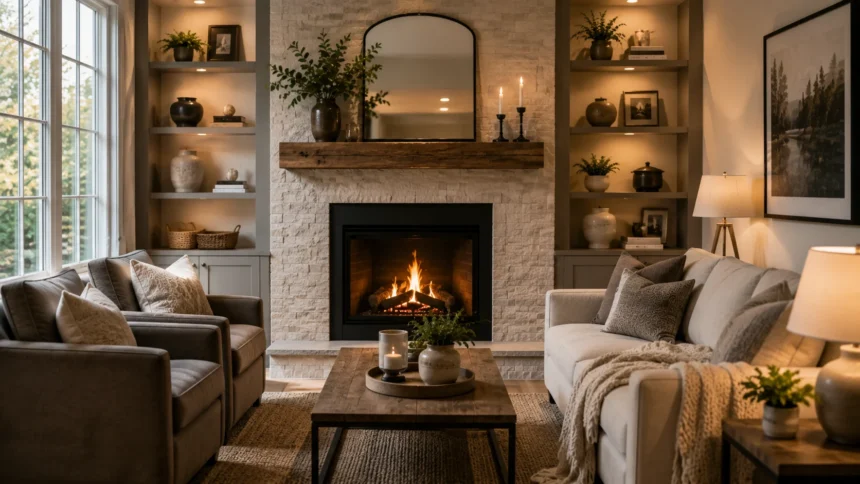
Sitting Room Fireplace Ideas for a Cozy Stylish Space
A fireplace can instantly become the heart of a sitting room, creating a natural focal point that makes the entire space feel warmer, more inviting, and more complete. The best sitting room fireplace ideas combine comfort with style, using furniture placement, lighting, materials, color, and accessories to turn the fireplace into a feature that feels intentional rather than isolated. Whether your home has a traditional hearth, modern electric fireplace, gas fire, or decorative mantel, thoughtful styling can help it become the visual center of the room.
A well-designed fireplace area should support the way the sitting room is actually used. Some families want the fire to become the main place for conversation and relaxation, while others need the fireplace to share attention with a television, bookcase, or large window. Instead of treating these elements separately, the strongest interiors bring them together through balanced proportions, coordinated materials, and a furniture layout that feels comfortable from every angle.
Modern fireplace design is also much more flexible than it used to be. Homeowners are no longer limited to heavy stone surrounds or traditional timber mantels. Slim electric fires, plaster finishes, microcement walls, textured tiles, natural stone, fluted details, painted chimney breasts, and minimalist built-ins can all create a stylish focal point. This means fireplace ideas can suit everything from Scandinavian and contemporary interiors to rustic, classic, and luxury sitting rooms.
The most successful result comes from understanding the scale of the room and choosing a fireplace design that enhances it rather than overwhelms it. A compact sitting room may benefit from a simple fireplace wall with restrained decor, while a larger room can support built-in shelving, dramatic stone, oversized artwork, or layered seating. The following ideas will help you create a fireplace area that feels cozy, stylish, practical, and visually connected to the rest of your sitting room.
Make the Fireplace the Main Focal Point
A fireplace naturally draws attention because it adds movement, warmth, texture, and architectural character to a sitting room. Instead of competing with this feature, arrange the rest of the room so the eye is guided toward it. Positioning the main sofa or a pair of chairs where they acknowledge the fireplace can immediately make the room feel more organized and intentional.
If the fireplace sits on the main wall, use the surrounding space to reinforce its importance. A large artwork, statement mirror, textured chimney breast, or simple mantel arrangement can make the fireplace feel visually complete without adding unnecessary clutter. Keeping nearby furniture slightly lower than the mantel can also help preserve the fireplace as the strongest vertical feature in the room.
Symmetry can work especially well when you want a calm and polished look. Matching lamps, built-in shelves, occasional chairs, or decorative objects on either side of the fireplace can create balance and make the entire wall feel carefully designed. However, perfect symmetry is not essential, especially in more relaxed or contemporary sitting rooms where a slightly asymmetrical arrangement can feel more natural.
The key is to avoid creating several equally strong focal points on different walls. If the fireplace is meant to lead the room, keep competing artwork, cabinetry, or television walls relatively controlled. Supporting features should complement the fireplace rather than pulling attention away from it, helping the room feel visually settled and easier to enjoy.
Arrange Seating Around the Fireplace
Furniture placement can completely change the atmosphere of a fireplace sitting room. Instead of lining every piece of furniture against the walls, bring sofas and chairs closer together so the fireplace becomes part of a comfortable conversation zone. This creates a more intimate arrangement and makes the room feel warmer even when the fire is not lit.
A sofa directly facing the fireplace works well in rooms where the hearth is the main focal point. If the space is wider, add two chairs on either side to create a U-shaped seating arrangement. This encourages conversation, provides balanced views of the fireplace, and makes the center of the room feel purposefully occupied rather than empty.
In smaller rooms, placing the sofa at a right angle to the fireplace can preserve more floor space. A compact armchair opposite the sofa can complete the conversation area without making the layout feel crowded. This arrangement is particularly useful when the sitting room also needs to accommodate a television or a doorway on the opposite wall.
Leave enough circulation space between the seating and the fireplace for safe and comfortable movement. Chairs should feel connected to the hearth without being positioned too close to heat sources. A correctly sized rug can then anchor the seating group and visually connect the furniture, fireplace, and coffee table into one cohesive zone.
Style a Traditional Fireplace With a Modern Touch
Traditional fireplaces can feel fresh when their original character is balanced with cleaner modern elements. Instead of replacing decorative moldings, brickwork, or a classic mantel, consider simplifying the surrounding color palette. Soft white, warm beige, muted gray, or earthy neutral walls can allow older architectural details to stand out without making the room feel dated.
Contemporary furniture can also create an attractive contrast against a traditional hearth. A streamlined sofa, sculptural armchair, or simple coffee table can prevent the room from becoming overly formal. Mixing old and new in this way helps preserve the history of the fireplace while giving the sitting room a more relaxed and current appearance.
Mantel styling should remain edited. Rather than filling the surface with many small accessories, choose one larger mirror or artwork and support it with a few carefully selected objects such as candlesticks, ceramics, books, or greenery. This creates visual interest without covering the architectural detail that makes the fireplace special.
Lighting can further modernize the space. Contemporary wall sconces, a slim floor lamp, or a sculptural ceiling fixture can introduce a cleaner design language around a classic fireplace. The goal is not to erase traditional character, but to balance it with simpler shapes and more contemporary finishes.
Create a Minimalist Fireplace Wall
A minimalist fireplace wall can make a sitting room feel calm, modern, and visually spacious. This approach works best when the fireplace is integrated into a simple wall with limited ornamentation and carefully controlled materials. Smooth plaster, painted finishes, large-format stone, or microcement can create a seamless appearance that allows the fire itself to become the main visual feature.
Built-in electric or gas fireplaces are especially suited to minimalist interiors because they can sit almost flush with the wall. Their clean lines reduce visual bulk and work well with contemporary furniture, neutral colors, and uncluttered layouts. Keeping the surrounding wall free from excessive shelving can strengthen the simplicity of the design.
A single artwork above the fireplace can provide enough decoration without compromising the minimalist aesthetic. Alternatively, the wall can remain completely bare if the material itself provides enough texture. Natural stone, for example, may not need additional artwork because its veining and variation already create visual interest.
Keep accessories around the hearth intentional and limited. One vase, a small stack of books, or a sculptural object may be enough to soften the space. Minimalist rooms look strongest when every element has room to breathe, so avoid filling the fireplace area simply because there is empty space available.
Add Built-In Shelves Beside the Fireplace
Built-in shelving can turn an ordinary fireplace wall into a complete architectural feature. Shelves on either side of the fireplace create valuable storage and display space while visually framing the hearth. This approach works especially well in sitting rooms where the chimney breast projects forward and leaves natural recesses on either side.
Lower cabinets can hide electronics, games, paperwork, toys, or other everyday items, while open shelves above can display books, artwork, ceramics, and personal objects. Combining concealed storage with carefully styled shelves prevents the room from feeling cluttered and keeps the fireplace area functional as well as decorative.
For a seamless appearance, paint the built-ins in the same color as the surrounding walls. This helps the cabinetry feel integrated into the architecture rather than like separate furniture placed beside the fireplace. Alternatively, darker cabinetry can create contrast and make the fireplace wall feel more dramatic.
Avoid overfilling every shelf. Leave some open space around books and decorative objects so the arrangement feels balanced rather than crowded. Repeating similar colors, materials, or shapes across both sides can also help the shelving feel connected to the overall sitting room design.
Use Natural Stone for a Timeless Fireplace
Natural stone can give a sitting room fireplace a sense of permanence, texture, and understated luxury. Limestone, marble, travertine, slate, and other stones each create a different atmosphere, ranging from soft and traditional to sleek and contemporary. The right material can instantly elevate a plain fireplace wall without requiring excessive decoration.
Large slabs create a cleaner and more modern look because there are fewer grout lines or visual interruptions. Smaller stone pieces or more textured finishes can feel rustic and relaxed, making them suitable for country-inspired or traditional interiors. Consider the room’s furniture and flooring before choosing a stone so the materials complement rather than compete with one another.
Color is equally important. Warm beige and creamy stones can soften a neutral sitting room, while darker charcoal or dramatic veined marble can create a stronger focal point. If the stone already contains significant pattern, keep nearby textiles and accessories relatively simple so the fireplace remains visually balanced.
Stone can also work beyond the immediate fireplace surround. Extending it from floor to ceiling creates a dramatic architectural statement, while using it only around the fire produces a more restrained result. The scale of the room should guide how much material is used.
Try a Painted Fireplace for an Affordable Update
Painting an existing fireplace can be one of the easiest ways to transform a sitting room without a full renovation. A tired brick surround, dated mantel, or plain chimney breast can look dramatically different after a carefully chosen color update. The exact preparation and paint type should always suit the fireplace material and heat conditions.
Matching the fireplace to the wall color creates a soft, integrated appearance. This works particularly well in small sitting rooms because fewer contrasting boundaries can make the wall feel calmer and less visually fragmented. Warm neutrals, soft whites, muted greens, and earthy tones can all create an inviting result.
A darker fireplace can make a stronger statement. Charcoal, deep green, navy, warm brown, or almost-black tones can create contrast against lighter surrounding walls and give the hearth greater visual depth. This approach works especially well when the fireplace shape is simple and architectural.
Before painting, think about the overall design rather than choosing color in isolation. Coordinate the fireplace with the sofa, rug, curtains, and flooring so it feels connected to the sitting room. A successful update should make the fireplace look intentionally redesigned rather than simply covered with a new color.
Bring Warmth With a Brick Fireplace
Brick fireplaces naturally introduce warmth, texture, and character, making them ideal for cozy sitting rooms. Exposed red or brown brick can create a rustic or traditional atmosphere, while lighter brick tones can work beautifully in Scandinavian, farmhouse, or relaxed contemporary interiors.
If existing brick feels too dark, consider softening the surrounding room rather than immediately covering it. Cream walls, light upholstery, natural wood, and textured textiles can balance the visual weight of darker brick. This allows the fireplace to retain its original character while preventing the room from feeling heavy.
Limewashed or lightly painted brick can create a softer look while preserving some of the original texture. Rather than completely hiding the surface, these finishes can allow variation and imperfections to remain visible. The result often feels more relaxed and authentic than a perfectly smooth painted wall.
Brick also pairs well with modern elements. A simple black fireplace insert, clean-lined sofa, or contemporary lighting can create attractive contrast against traditional masonry. Mixing the tactile quality of brick with cleaner modern pieces can produce a sitting room that feels layered rather than themed.
Create a Cozy Scandi Fireplace Sitting Room
A Scandinavian-inspired fireplace sitting room should feel light, practical, and warm rather than heavily decorated. Start with a simple fireplace surround in white, pale stone, plaster, or light brick, then combine it with natural wood furniture and a restrained neutral color palette.
Soft textiles are essential for creating comfort. Wool throws, linen cushions, woven rugs, and upholstered seating can soften the harder surfaces around the fireplace. Using cream, oatmeal, beige, soft gray, and muted earthy colors keeps the room calm while still providing visual depth.
Firewood can also become part of the design when stored neatly in a basket, recessed niche, or simple metal holder. The natural texture of timber reinforces the connection to nature that is central to Scandinavian-style interiors. Even an electric fireplace can benefit from nearby natural materials that add warmth.
Keep accessories limited but personal. A ceramic vase, stack of books, simple artwork, and a few candles can create enough character without overwhelming the room. The fireplace should feel like part of everyday living rather than a heavily staged decorative display.
Design a Modern Luxury Fireplace Wall
A luxury fireplace wall relies on proportion, material quality, and clean detailing rather than simply adding more decoration. Large-format marble, porcelain, textured stone, timber slats, or custom joinery can make the fireplace feel like a major architectural feature within the sitting room.
Extending the fireplace finish from floor to ceiling creates greater visual height and can make a standard room feel more dramatic. A long linear fireplace works particularly well with this approach because its horizontal proportions balance tall wall treatments and large seating arrangements.
Integrated lighting can add another layer of sophistication. Concealed LEDs within shelves, wall panels, or recessed niches can highlight texture without introducing visible fixtures. Warm lighting usually works best around a fireplace because it reinforces the natural sense of comfort associated with the feature.
Keep surrounding furniture refined and proportionate. Oversized sofas, sculptural chairs, a substantial rug, and one or two large decorative pieces often look more luxurious than numerous smaller items. Strong editing allows premium materials around the fireplace to remain the focus.
Add a TV Above or Beside the Fireplace Carefully
Combining a television and fireplace is common, but both features need to be positioned thoughtfully. A TV mounted directly above the fireplace may create a clean central arrangement, yet the screen can become uncomfortable to watch if it is placed too high. Heat conditions must also be considered depending on the fireplace type.
If wall space allows, placing the television beside the fireplace can create a more comfortable viewing height. Built-in cabinetry can help both features feel connected rather than competing with one another. This layout also allows the fireplace to retain stronger decorative importance when the television is switched off.
Another option is to use a television designed to visually blend with artwork or cabinetry. Framing the screen or placing it within a darker wall can reduce its visual dominance. The objective is to stop the black rectangle from becoming the only thing you notice in the sitting room.
Furniture placement should support both features without becoming awkward. A sofa angled slightly between the fireplace and television can work in larger rooms, while smaller rooms may require one feature to take clear priority. Practical viewing comfort should guide the final arrangement.
Use a Large Mirror Above the Fireplace
A mirror above the fireplace is a classic choice because it adds height, reflects light, and strengthens the mantel as a focal point. A large mirror can also make a smaller sitting room feel more open by reflecting windows, lighting, and other attractive parts of the space.
Choose a mirror that feels proportionate to the fireplace rather than significantly narrower than the mantel. Larger pieces usually create a more intentional look, while tiny mirrors can appear disconnected. Round, arched, rectangular, and organic shapes can all work depending on the interior style.
Frame material can help connect the fireplace to other finishes. Black metal can complement contemporary lighting, timber can add warmth, and aged metallic frames can suit more traditional interiors. A frameless mirror creates the cleanest and most minimal appearance.
Think carefully about what the mirror reflects. Ideally, it should capture a window, artwork, attractive lighting, or another pleasing area of the room rather than visual clutter. Because mirrors effectively double whatever sits opposite them, placement is just as important as shape.
Hang Artwork Above the Mantel
Artwork provides an opportunity to bring personality and color to a fireplace wall without permanently changing the architecture. One substantial piece often creates stronger impact than several small frames, especially when the mantel already contains decorative objects.
The artwork should relate to the width of the fireplace and mantel. If it is too small, it may feel lost against the wall, while an oversized piece can overwhelm the surround. A balanced proportion creates a clear visual relationship between the artwork and hearth beneath it.
Colors within the artwork can also connect other parts of the sitting room. Repeating tones from the rug, cushions, sofa, or curtains helps the entire room feel coordinated without requiring exact matching. This is an easy way to create a more layered and professionally designed appearance.
You can lean framed artwork on the mantel for a relaxed look or hang it securely above for a cleaner finish. In either case, leave enough breathing room so the fireplace, artwork, and accessories do not feel compressed into one small area.
Keep Mantel Decor Simple and Balanced
A fireplace mantel often becomes a natural place for decoration, but overfilling it can weaken the impact of the fireplace itself. Start with one dominant element such as artwork or a mirror, then add only a few smaller objects to create balance.
Varying height can make the display more interesting. Tall candlesticks, a medium vase, and a smaller stack of books can create a layered arrangement without requiring many individual pieces. Grouping accessories in small clusters often looks calmer than spacing objects evenly across the entire mantel.
Natural elements such as branches, seasonal greenery, flowers, or simple wooden pieces can soften a hard fireplace surround. These materials work especially well with stone, brick, plaster, and painted mantels because they introduce contrast in texture.
Change decorations seasonally rather than leaving the same arrangement indefinitely. A few subtle updates involving foliage, candles, or ceramics can refresh the sitting room without requiring a complete redesign. The mantel should feel curated rather than permanently crowded.
Use a Rug to Anchor the Fireplace Seating Area
A rug can visually connect the fireplace with the furniture around it, making the seating arrangement feel like one intentional zone. In most sitting rooms, the rug should be large enough for at least the front legs of the sofa and chairs to sit on it.
Choosing a rug that is too small can make the furniture look scattered and weaken the sense of intimacy around the fireplace. A larger rug creates a stronger foundation and can make even a compact seating group feel more generous and complete.
Texture is particularly effective in fireplace rooms because it reinforces the feeling of warmth. Wool, woven materials, soft low-pile rugs, and subtle patterns can create comfort without competing with the fireplace surround. Natural colors often work well when the hearth already provides visual interest.
Consider safety and clearance around working fireplaces. Rugs should be positioned appropriately for the fireplace type and surrounding floor requirements. A beautiful arrangement still needs to respect practical considerations related to heat, sparks, and regular use.
Add Layered Lighting Around the Fireplace
A fireplace creates natural ambient light, but the sitting room still needs additional lighting for reading, entertaining, and everyday activities. Combining several light sources helps the room remain warm and inviting even when the fire is not being used.
Wall sconces on either side of the chimney breast can create attractive symmetry and highlight the fireplace architecture. Floor lamps beside seating provide practical task lighting, while table lamps on consoles or side tables add a softer layer throughout the room.
Avoid relying entirely on a bright central ceiling fixture. One overhead light can flatten the room and reduce the cozy atmosphere created by the fireplace. Multiple lower-level sources provide more flexibility and make different areas feel comfortable at different times of day.
Warm light temperatures generally complement fireplace interiors best because they reinforce the golden tones of flames, timber, brick, and natural stone. Dimmer controls can also help you adjust the room from brighter functional lighting to a more relaxed evening atmosphere.
Add Texture for a Cozier Sitting Room
Texture is one of the easiest ways to make a fireplace sitting room feel warmer without adding excessive color. Soft upholstery, woven throws, cushions, rugs, curtains, timber, stone, and ceramics can create a layered environment that feels comfortable and visually interesting.
If the fireplace is sleek and modern, introduce softer materials around it to prevent the room from becoming cold. A boucle chair, wool rug, linen curtain, or textured sofa can balance smooth plaster, glass, metal, or polished stone.
Traditional fireplaces can also benefit from contrast. Rough brick or carved wood may look richer when combined with smoother upholstery and simple contemporary accessories. Variation between materials gives the room depth and prevents it from feeling one-dimensional.
Keep texture coordinated rather than random. Repeating similar natural materials across several areas creates stronger visual continuity. For example, a timber mantel can connect with a wooden coffee table, while a stone hearth can relate to ceramic or natural-toned accessories.
Choose Warm Neutrals for a Relaxed Fireplace Room
Warm neutral colors naturally support the cozy atmosphere of a fireplace. Cream, oatmeal, beige, taupe, warm gray, soft brown, and muted earthy tones create a calm foundation that allows the hearth to remain visually important.
These colors work particularly well when layered instead of using one identical shade throughout the room. A cream sofa, beige walls, taupe rug, and darker wood can create subtle depth without introducing strong contrast. The overall result feels sophisticated while remaining comfortable.
Muted greens, terracotta, dusty blue, and clay tones can also complement warm neutrals. Adding these colors through cushions, artwork, chairs, or accessories introduces personality without disturbing the relaxed atmosphere.
Consider how the colors respond to firelight and artificial lighting during the evening. Warm undertones often become richer and more inviting under softer light, which can make the sitting room feel especially comfortable after dark.
Try Dark Walls for a Dramatic Fireplace Look
Dark walls can create an intimate and sophisticated sitting room when paired with a fireplace. Deep charcoal, forest green, navy, chocolate, and warm black can make flames appear brighter and help the fireplace become even more visually prominent.
This approach is particularly effective in rooms used primarily during evenings. Rather than trying to make every space appear brighter, a darker palette can embrace the room’s natural mood and create a cocoon-like atmosphere.
Balance dark walls with varied textures and reflective elements. Mirrors, metallic accents, lighter upholstery, glass, and warm timber can prevent the room from feeling visually flat. Layered lighting is also essential because different sources reveal more depth within darker colors.
You do not have to paint every wall. A dark chimney breast can create a strong focal point while surrounding walls remain lighter. This is a useful option when you want drama without committing the entire sitting room to a deep color scheme.
Create a Fireplace Reading Corner
A fireplace naturally suits quiet activities, making it an ideal anchor for a reading corner. Position a comfortable armchair near the hearth where it can benefit from the visual warmth without interfering with circulation or safe fireplace clearances.
Add a small side table for books and drinks, along with a focused floor or wall lamp for reading. The arrangement should feel complete but compact, allowing it to occupy a corner or unused area without taking over the main seating zone.
A soft throw and small footstool can add additional comfort. If space is limited, choose an ottoman that can double as extra seating when guests arrive. Multifunctional pieces help the corner remain practical within smaller sitting rooms.
Built-in shelving near the fireplace can strengthen the reading theme by keeping favorite books within reach. However, avoid filling every surface. A quiet reading corner should feel relaxed and uncluttered rather than like an extension of a crowded bookcase.
Make a Small Sitting Room Fireplace Feel Bigger
In a compact sitting room, keep the fireplace design proportionate to the wall. Oversized stone surrounds, deep mantels, or heavy cabinetry can consume valuable visual space, while streamlined finishes allow the fireplace to remain attractive without dominating the room.
Using the same or similar color on the fireplace and surrounding wall can make the feature feel more integrated. This reduces strong visual boundaries and can help the room feel slightly larger, especially when lighter or mid-tone shades are used.
Mirrors above the fireplace can increase visual depth and reflect daylight around the room. Raised furniture, slimmer side tables, and a correctly sized rug can further preserve visible floor area and prevent the seating zone from becoming crowded.
Keep mantel decoration limited and choose a few larger items rather than many small pieces. Small rooms become visually busy quickly, so stronger editing can make the fireplace and the entire sitting room feel more spacious and sophisticated.
Make a Large Fireplace Room Feel Intimate
Large sitting rooms can feel cold if furniture is positioned too far apart. The fireplace provides a natural center, so bring seating closer to the hearth and to one another rather than automatically placing sofas against distant walls.
A large area rug can help define the primary conversation zone. Place the sofa, chairs, and coffee table comfortably within this area so the furniture feels connected even when there is significant open space elsewhere in the room.
Use larger-scale furnishings that suit the room. A small sofa and tiny coffee table may look lost beside a substantial fireplace, while deeper seating, a generous rug, and larger artwork can create better visual balance.
Additional zones can occupy the rest of the room. A reading corner, game table, piano, or secondary seating area can make the space feel purposeful without weakening the fireplace as the primary focal point.
Use Plants to Soften the Fireplace Area
Plants can soften the hard lines of a fireplace and introduce natural color into the sitting room. A tall plant positioned beside the chimney breast can add height, while smaller greenery on shelves or a mantel can create subtler accents.
Choose plants according to actual light and heat conditions. Avoid placing delicate greenery too close to active heat sources, and make sure the location provides enough natural light for the specific plant variety.
Planters can reinforce the room’s design style. Terracotta suits rustic and relaxed spaces, simple ceramic pots work well in Scandinavian interiors, and sculptural planters can complement contemporary fireplace walls.
Avoid creating a dense cluster around the hearth. One or two well-positioned plants usually provide enough softness without competing with the fireplace. The greenery should frame or complement the feature rather than hide it.
Create Seasonal Fireplace Styling
One advantage of a fireplace is that it provides a natural place for subtle seasonal decorating. Small changes can refresh the sitting room throughout the year without requiring permanent alterations to furniture or wall colors.
During cooler months, richer textiles, candles, dried branches, and warmer colors can create a more cocooning atmosphere. Throws and cushions can introduce deeper tones while keeping the major furniture unchanged.
Spring and summer styling can become lighter with fresh greenery, flowers, softer textiles, and fewer mantel accessories. Removing heavier decorative elements can make the fireplace wall feel cleaner even when the fire is not being used.
Keep seasonal decorating proportional to the room. A few thoughtful changes usually feel more sophisticated than covering every surface with themed objects. The fireplace should continue to look like part of the interior rather than a temporary display area.
Avoid Common Fireplace Design Mistakes
One common mistake is choosing a fireplace surround that is too large or too small for the wall. Scale strongly influences the finished appearance, so the hearth, mantel, artwork, and furniture should relate naturally to one another.
Another mistake is overcrowding the mantel. Too many small decorative items can make the fireplace look cluttered and distract from its architecture. Larger, fewer accessories generally create a stronger and more polished composition.
Furniture placement can also weaken the design. Seating positioned too far from the fireplace may make the room feel disconnected, while pieces placed too close can create uncomfortable circulation and practical concerns. Aim for a balanced distance that supports conversation and movement.
Finally, avoid treating the fireplace as a completely separate design feature. Its materials, colors, and proportions should connect with the rug, furniture, lighting, and wider room palette. Integration creates a far more convincing and stylish result.
Budget-Friendly Sitting Room Fireplace Ideas
You can refresh a fireplace without investing in a major renovation. Painting the chimney breast or mantel, rearranging furniture, simplifying accessories, and updating artwork can create a noticeably different look at relatively low cost.
A new mirror can make the fireplace wall feel larger and brighter, while inexpensive candleholders, ceramics, or greenery can refresh mantel styling. Focus on a few impactful changes rather than buying many decorative accessories.
Textiles can also transform the atmosphere around the fireplace. New cushion covers, a textured throw, or a larger rug can introduce warmth and connect the seating area more effectively to the hearth.
Before replacing the fireplace surround, consider whether smaller updates can solve the real problem. Better lighting, a fresh wall color, or more balanced furniture placement may dramatically improve the room without structural work.
How to Make a Fireplace Sitting Room Look More Expensive
Start by simplifying the room rather than adding more decoration. Luxury interiors often rely on good proportions, coordinated materials, and deliberate negative space. Removing visual clutter can immediately make the fireplace wall feel more refined.
Use one substantial mirror or artwork above the mantel instead of several small pieces. A correctly scaled focal element creates more visual confidence and helps the fireplace feel professionally styled.
Layer lighting with wall sconces, floor lamps, and discreet accent lighting. Good illumination can make affordable materials appear richer by highlighting texture and creating more depth across the room.
Finally, coordinate repeated finishes. Using similar timber tones, metal finishes, fabric colors, or stone-inspired elements throughout the sitting room creates consistency. A cohesive space usually feels more expensive than one containing many unrelated premium items.
Final Thoughts on Sitting Room Fireplace Ideas
The best sitting room fireplace ideas balance warmth, comfort, visual appeal, and everyday practicality. Whether the fireplace is traditional, contemporary, electric, gas, stone, brick, or painted, it should feel naturally connected to the rest of the room rather than treated as an isolated feature.
Start with furniture placement and decide how strongly the fireplace should function as the focal point. Then use materials, lighting, artwork, built-ins, rugs, and carefully selected accessories to reinforce that decision without overwhelming the space.
Small sitting rooms usually benefit from simpler surrounds, lighter visual weight, and restrained decor, while larger rooms can support dramatic materials and more substantial seating arrangements. In either case, proportion and circulation remain essential.
Ultimately, a successful fireplace sitting room should make people want to stay. When the seating feels comfortable, the lighting feels warm, and the fireplace is styled with purpose, the room becomes both visually impressive and genuinely enjoyable to live in.
Frequently Asked Questions
How do I arrange a sitting room around a fireplace?
Place the main sofa or chairs so they acknowledge the fireplace, then create a comfortable conversation zone with clear walking paths and balanced furniture spacing.
What looks good on either side of a fireplace?
Built-in shelves, cabinets, wall sconces, artwork, plants, or balanced furniture can frame the fireplace and make the entire wall feel more complete.
Should the TV go above the fireplace?
It can, but viewing height and heat conditions should be considered carefully. Placing the TV beside the fireplace may provide a more comfortable alternative.
How can I make a small fireplace sitting room look bigger?
Use a streamlined fireplace surround, lighter colors, mirrors, raised furniture, simple mantel styling, and good lighting to reduce visual bulk and increase depth.
What colors make a fireplace room feel cozy?
Warm neutrals, earthy browns, muted greens, terracotta, deep blue, charcoal, cream, and beige can all create a comfortable and inviting fireplace atmosphere.