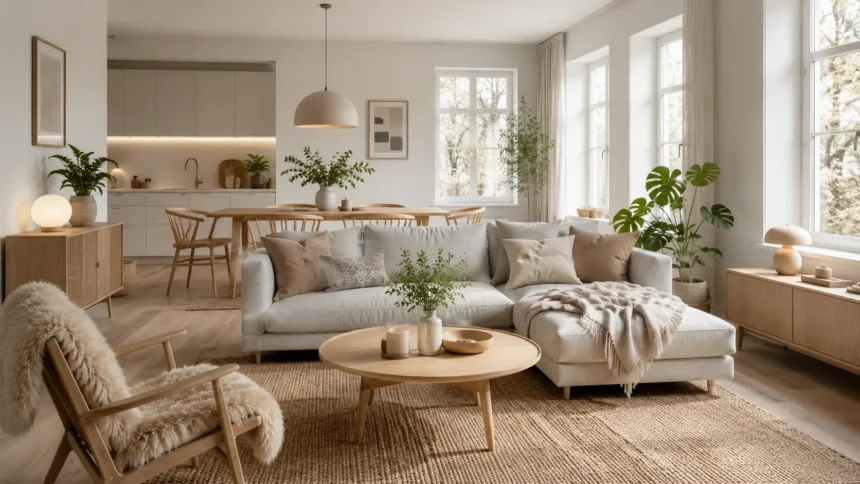
Scandinavian Home Decor Ideas for Simple Living
Scandinavian home decor has become popular because it proves that a beautiful home does not need excessive furniture, complicated styling, or expensive decorative pieces. Rooted in Nordic design principles, the style focuses on simplicity, everyday comfort, functionality, and a strong connection with nature. Rooms typically feel bright and uncluttered, but they are rarely cold or uncomfortable. Instead, thoughtful furniture, soft textiles, natural materials, and warm details create spaces that feel relaxed and genuinely easy to live in.
At the heart of Scandinavian home decor is the idea that every element should contribute either function, comfort, beauty, or ideally all three. A sofa should be comfortable as well as visually clean, storage should reduce clutter instead of adding bulk, and decorative accessories should feel purposeful rather than randomly placed. This practical approach makes Scandinavian interiors especially suitable for busy households. It also means you can achieve the look without constantly replacing furniture whenever decorating trends change.
Light is another major influence on Scandinavian interior design. Nordic countries experience long periods with limited daylight, so interiors traditionally emphasize pale surfaces, open windows, reflective colors, and carefully planned artificial lighting. These principles translate well to almost any home, especially smaller rooms or apartments where brightness can improve the sense of space. White and warm neutral walls are often combined with light wood, soft textiles, and greenery to create a naturally uplifting atmosphere.
The following Scandinavian decorating ideas will help you build a home that feels calm, practical, warm, and visually balanced. You will learn how to choose colors, furniture, lighting, textiles, storage, artwork, plants, and natural materials without creating unnecessary clutter. Whether you are redesigning an entire house or refreshing one small room, these principles can be adapted gradually. The goal is not to copy a Nordic showroom perfectly but to create a simpler home that genuinely supports everyday living.
Start With a Light and Warm Scandinavian Color Palette
A light color palette is one of the easiest ways to establish a Scandinavian interior because it helps maximize brightness and creates a calm visual foundation. Warm white, ivory, cream, pale beige, soft gray, and muted taupe are commonly used across walls and larger furniture pieces. These shades reflect natural light while allowing wood, textiles, plants, and smaller accessories to provide contrast. The overall effect feels open and peaceful rather than excessively bright or sterile.
Although white is strongly associated with Nordic interior design, Scandinavian rooms rarely rely on one flat white tone everywhere. Mixing several warm neutrals creates depth and prevents the room from appearing unfinished. Cream walls might be combined with a beige sofa, natural oak furniture, a soft gray rug, and off-white curtains. Small tonal differences become especially noticeable when sunlight moves through the room, giving an otherwise simple palette more visual richness.
Muted accent colors can be introduced when you want additional personality. Dusty blue, sage green, soft terracotta, muted mustard, charcoal, and earthy brown work particularly well because they maintain a natural and understated atmosphere. Rather than introducing many competing shades, select one or two accents and repeat them selectively through cushions, artwork, pottery, or blankets. This creates color without disturbing the balanced simplicity that defines Scandinavian home decor.
Before selecting paint, observe how natural light affects your room at different times of day. A cool white that looks fresh in strong daylight can appear gray or harsh in a darker north-facing space, while a warmer neutral may create a more comfortable result. Test several samples beside existing flooring, furniture, and cabinetry before committing. Scandinavian interiors work best when the palette feels naturally harmonious rather than technically perfect but visually disconnected.
Use Natural Wood to Bring Warmth Into the Home
Natural wood is one of the defining materials of Scandinavian interior design because it adds warmth without creating unnecessary visual heaviness. Light oak, pine, ash, beech, and similar finishes are especially common in flooring, dining tables, chairs, shelving, cabinets, and decorative pieces. Visible grain provides natural variation while maintaining a neutral overall appearance. This makes wood particularly useful in rooms where walls and textiles remain light and understated.
Light-colored wood helps preserve the bright, airy quality associated with Nordic interiors. An oak dining table can introduce enough warmth to soften white walls, while pale wood flooring creates continuity across multiple rooms. Wooden shelves can also provide practical storage without looking overly formal or decorative. When these surfaces are kept relatively natural rather than heavily stained or polished, they reinforce the simple and honest material character of Scandinavian design.
You do not need every wooden piece to match. Combining slightly different wood tones can make a room feel more relaxed and naturally collected over time. Choose one dominant finish and introduce a second complementary tone through smaller furniture or accessories. Repeating each finish in more than one place will make the mixture feel intentional. Avoid using too many unrelated stains, however, because excessive variation can make a minimalist Nordic interior look visually busy.
Wood works especially well when combined with other natural materials such as wool, linen, stone, ceramic, jute, and cotton. A wooden coffee table placed on a wool rug beside a linen sofa creates layers without relying on bold patterns or excessive decoration. This balance between hard and soft surfaces is essential to Scandinavian decorating. It allows the room to remain simple while still feeling tactile, comfortable, and connected to nature.
Choose Functional Furniture With Clean, Simple Lines
Scandinavian furniture is known for combining practicality with attractive proportions. Look for sofas, chairs, tables, beds, and storage pieces that have straightforward forms without excessive ornamentation. Tapered legs, rounded edges, slim frames, and softly curved backs frequently appear because they create a lighter visual footprint. Furniture should feel approachable rather than formal, making the room suitable for everyday activities instead of looking arranged only for appearance.
Comfort should remain a priority even when choosing minimalist furniture. Scandinavian design is not about sacrificing function to achieve a cleaner photograph. A sofa can have a streamlined silhouette while still offering supportive cushions, and a dining chair can look elegant while remaining comfortable enough for long meals. When comparing furniture, consider how it will actually be used rather than focusing exclusively on whether it matches a particular aesthetic.
Scale also has a significant influence on the Scandinavian look. Oversized furniture can quickly overwhelm a small room and reduce the open atmosphere that makes Nordic interiors appealing. Measure the space carefully and preserve clear walking routes between major pieces. Furniture with visible legs can be particularly helpful in compact rooms because the additional visible floor area creates a lighter and less crowded appearance.
Avoid filling every empty corner simply because space is available. Scandinavian interiors often leave intentional gaps between furniture so individual pieces have room to breathe. A well-proportioned sofa, one accent chair, a practical coffee table, and appropriate lighting may be enough for a comfortable living room. Choosing fewer pieces also allows you to prioritize quality, durability, and usefulness instead of buying unnecessary furniture that later becomes clutter.
Maximize Natural Light Wherever Possible
Natural light is central to Scandinavian decorating because brighter rooms generally feel more spacious, cheerful, and comfortable. Keep window areas as open as practical and avoid placing tall furniture directly where it blocks incoming daylight. Lightweight curtains, simple blinds, or sheer window treatments can provide privacy without making the room feel dark. In spaces where privacy is not a major concern, minimal window coverings can help daylight become part of the interior design.
Wall colors and large surfaces can also influence how efficiently light moves through a room. Pale walls reflect more daylight than very dark finishes, while light flooring and furniture can prevent compact spaces from feeling enclosed. This does not mean every surface must be white. Warm beige, soft gray, natural wood, and muted neutral fabrics can maintain brightness while providing enough contrast to keep the room visually interesting.
Mirrors can help redistribute light when they are positioned thoughtfully. A large mirror opposite or beside a window can reflect brightness toward darker parts of the room, especially in narrow hallways or small living areas. Mirrored surfaces should be used selectively, however, because Scandinavian design generally favors restraint. One appropriately placed mirror is usually more effective than several decorative mirrors competing across different walls.
Furniture placement should also support natural light. Low-profile seating and open shelving can preserve sightlines between windows and the rest of the room, while bulky cabinets may need to be moved onto walls that receive less light. Observe how sunlight travels through your home before finalizing the layout. Small changes in furniture position can sometimes make a room feel significantly brighter without requiring any renovation or additional decoration.
Layer Soft Textures for a Cozy Scandinavian Feel
Scandinavian interiors may appear simple at first glance, but texture plays an important role in preventing them from feeling cold. Wool, linen, cotton, bouclé, knitted fabrics, jute, and other tactile materials create subtle differences that make neutral rooms more visually engaging. Rather than adding numerous decorative objects, Nordic spaces often build character through rugs, cushions, curtains, upholstery, bedding, and blankets. This creates warmth without increasing clutter.
Start with the largest textile elements because they have the greatest influence on the overall mood. A wool rug can soften hard flooring and define a seating area, while full-length linen curtains bring movement to plain walls. Upholstered seating in cream, gray, or beige can create a comfortable foundation for smaller layers. These elements make a room feel more relaxed while maintaining the calm palette associated with simple Scandinavian living.
Cushions and throws provide easy opportunities to introduce texture without making permanent changes. Mix smooth cotton with knitted wool, linen, or softly textured fabrics while keeping the color range relatively controlled. You do not need a large number of cushions to create comfort. Two or three carefully chosen textures can often achieve a stronger and more refined result than a sofa covered with numerous competing patterns and shapes.
Bedrooms particularly benefit from tactile layering because softness reinforces the restful atmosphere. Combine breathable sheets, a simple duvet, a textured blanket, and a limited number of cushions instead of relying on elaborate bedding arrangements. The objective is to make the room feel comfortable and inviting while keeping daily maintenance realistic. Scandinavian decor works best when coziness supports practical living rather than creating additional work.
Embrace Hygge Through Comfort and Everyday Details
Hygge is often associated with Scandinavian interiors because it emphasizes comfort, warmth, togetherness, and appreciation of simple everyday experiences. It does not require buying specific decorative products or turning every corner into a themed display. Instead, think about how the room feels when you read, relax, share meals, or spend time with family. Comfortable furniture, gentle lighting, soft textiles, and personal objects can all support this relaxed atmosphere.
Lighting plays a particularly important role in creating hygge. Instead of depending exclusively on a bright ceiling light, use several smaller sources such as table lamps, wall lights, floor lamps, and pendants. Warm evening illumination can make even a simple neutral room feel welcoming. Dimmers are also useful because they allow lighting levels to change according to the activity, from reading or entertaining to quiet relaxation before bedtime.
Small comforts can contribute more than excessive decoration. A soft blanket placed near a favorite chair, a tray for tea, accessible books, or a comfortable window seat can make everyday routines more enjoyable. These elements should feel genuinely useful rather than staged for appearance. Scandinavian simple living is closely connected to creating homes that support daily habits, so practical comfort should always be considered alongside visual styling.
Personal touches also prevent minimalist Nordic rooms from feeling impersonal. Family photographs, handmade ceramics, favorite artwork, inherited furniture, and meaningful objects can all be incorporated when displayed with restraint. You do not need to remove everything sentimental to achieve Scandinavian decor. The most successful spaces balance clean design with evidence of real life, allowing the home to feel polished while still reflecting the people who live there.
Keep Clutter Under Control With Smart Storage
A Scandinavian home typically feels calm because everyday belongings have practical storage rather than being permanently visible. Closed cabinets, drawers, wardrobes, storage benches, baskets, and built-in units can all help reduce visual clutter. The objective is not to hide every possession but to make it easier to return frequently used items to logical places. When storage supports normal routines, rooms remain organized with less effort.
Choose storage according to what you actually own rather than purchasing organizers first and deciding later what to put inside them. Declutter items that are broken, duplicated, unused, or no longer meaningful before investing in new cabinets or baskets. Otherwise, extra storage may simply allow unnecessary possessions to accumulate. Scandinavian simplicity works best when the amount of storage is appropriate to the household rather than designed to contain endless belongings.
Built-in or floor-to-ceiling cabinetry can be especially effective in smaller homes because it uses vertical space efficiently. Simple fronts and understated hardware can help large storage units blend naturally into the architecture. Open shelving can still be included for books, plants, ceramics, or everyday items, but it should remain selectively styled. Too much exposed storage can quickly create visual noise that conflicts with the calm Nordic aesthetic.
Daily habits are just as important as furniture. Create clear locations for keys, mail, shoes, chargers, remote controls, paperwork, and other objects that frequently create surface clutter. If a particular item is repeatedly left in the same place, consider adding storage close to that location instead of forcing an unrealistic organizational system. Good Scandinavian design adapts to daily life rather than expecting people to behave differently for the sake of appearance.
Create a Scandinavian Living Room That Feels Relaxed
A Scandinavian living room should feel comfortable, light, and easy to use rather than formally arranged. Begin with a well-proportioned sofa in a neutral shade and position it according to the room’s main activities. Add one or two comfortable chairs if space allows, along with a practical coffee table and accessible side surfaces. Keeping the main furniture arrangement simple makes the room feel organized without reducing functionality.
A large area rug can help define the seating zone and introduce softness underfoot. Choose a rug that is appropriately scaled so at least the front legs of major furniture pieces can rest on it comfortably. Small rugs can visually fragment the room and make the furniture appear disconnected. Wool, jute, or subtle textured designs work especially well because they create warmth without introducing excessive pattern or color.
Add natural wood through coffee tables, shelving, side tables, or media storage to balance upholstered furniture. A pale oak table can make an all-neutral room feel noticeably warmer, while black or charcoal details can provide controlled contrast. Decorative pieces should remain limited to items that contribute personality or function. A plant, stack of books, ceramic vase, and one meaningful artwork may provide enough character.
Lighting should allow the room to transition naturally from bright daytime activity to comfortable evening relaxation. Combine a ceiling fixture with floor and table lamps rather than expecting one source to serve every purpose. Choose warm bulbs and position lamps near reading or conversation areas. When comfortable seating, soft materials, practical tables, and layered lighting work together, the living room naturally reflects Scandinavian simple living.
Design a Calm Scandinavian Bedroom
A Scandinavian bedroom should support rest through simple furniture, soft colors, comfortable materials, and limited visual distractions. Begin with a streamlined bed frame and keep the surrounding furniture proportionate to the available space. Light wood, upholstered headboards, or simple painted finishes all work well. Avoid filling the room with unnecessary chairs, cabinets, or decorative pieces that reduce circulation without adding meaningful function.
Bedding is one of the easiest ways to create the relaxed Nordic atmosphere. Choose cotton or linen sheets in white, cream, gray, beige, or other subdued colors, then introduce warmth through a textured blanket or throw. Layering does not need to be elaborate. A few carefully selected fabrics can create a much more comfortable and natural appearance than large numbers of decorative pillows that must be removed each night.
Bedside tables should provide enough space for genuine essentials such as a lamp, book, phone, or glass of water. Keep styling simple and avoid covering them with decorative accessories. Wall-mounted lighting can free additional surface space in compact rooms while providing useful task illumination. Matching bedside furniture is not essential, although similar proportions or materials can help maintain visual balance.
Storage should prevent clothing and personal items from becoming the dominant visual feature. Use wardrobes, drawers, under-bed storage, or attractive baskets according to the available space. Keep frequently worn items accessible and relocate seasonal belongings when practical. A Scandinavian bedroom should feel easy to reset at the end of the day, allowing the room to remain visually calm without requiring constant intensive organization.
Bring Scandinavian Simplicity Into the Kitchen
Scandinavian kitchens combine efficient layouts, practical storage, natural materials, and uncomplicated visual details. White, cream, pale gray, muted green, and wood cabinetry can all work effectively depending on the size and light levels of the room. Flat-front cabinets create a streamlined appearance, while simple shaker designs can add subtle traditional character. The overall priority should remain ease of use rather than unnecessary decorative complexity.
Wooden surfaces can add significant warmth to kitchens dominated by pale cabinetry and hard finishes. Oak shelving, wooden stools, cutting boards, dining furniture, or countertop details can introduce enough natural character without overwhelming the clean aesthetic. Stone, ceramic, and simple metal finishes also combine easily with wood. Repeating several materials across the room helps the design feel connected rather than assembled from unrelated individual choices.
Keep worktops relatively clear by storing rarely used appliances inside cabinets when possible. Frequently used items can remain visible if they are arranged intentionally and do not interfere with food preparation. A coffee machine, wooden cutting board, ceramic utensil holder, or small plant may be all the styling needed. Clear surfaces make the kitchen look calmer while also creating more practical space for cooking and cleaning.
Lighting should be planned according to tasks as well as atmosphere. Under-cabinet lights can illuminate preparation areas, pendants can define an island or dining table, and general ceiling lighting can provide overall brightness. Natural daylight should also be preserved whenever possible. A functional Scandinavian kitchen should make daily routines easier while maintaining the visual simplicity and warmth associated with Nordic design.
Make the Dining Area Simple and Welcoming
The dining area is an important part of Scandinavian living because shared meals and comfortable gatherings fit naturally with the style’s focus on everyday well-being. A simple wooden table can become the central feature without requiring elaborate decoration. Choose a size that allows comfortable movement around the room and enough seating for normal household needs. Extendable designs can provide flexibility if you occasionally entertain larger groups.
Dining chairs do not need to be heavy or overly formal. Light wooden frames, curved backs, woven seats, or upholstered designs can provide comfort while maintaining a streamlined appearance. Matching chairs create visual consistency, although a slightly different chair at each end of the table can introduce character. Whatever combination you choose, proportions and materials should relate naturally to the table.
Keep tabletop decoration practical and restrained. A ceramic bowl, vase with simple branches, small plant, or candle arrangement may be enough to make the table feel considered without reducing usable space. Everyday dining areas should remain easy to clear and clean. If decorative objects constantly need to be moved before meals, the styling may be too complicated for a simple Scandinavian lifestyle.
Pendant lighting can visually anchor the dining table and create a warm evening atmosphere. Choose a fixture proportionate to the table rather than selecting the smallest option available. A simple sculptural shade in metal, glass, fabric, or natural woven material can add character while still feeling understated. Combined with comfortable seating and natural materials, thoughtful lighting makes the dining area feel both functional and welcoming.
Add Scandinavian Style to a Small Space
Scandinavian design works particularly well in small apartments and compact homes because it emphasizes efficient layouts, useful furniture, brightness, and reduced clutter. Begin by identifying which furniture pieces are genuinely necessary and choose proportions appropriate to the room. A compact sofa, nesting tables, wall-mounted shelves, and multifunctional storage can provide flexibility without overwhelming limited floor space. Avoid assuming every room needs a complete conventional furniture set.
Use a consistent palette across connected areas to create visual continuity. Warm white walls, pale wood, neutral textiles, and a limited range of accents can help multiple small spaces feel connected rather than fragmented. Repeating materials also makes rooms appear more intentional. This does not require making every room identical; subtle changes in textiles, artwork, and accessories can provide variety while maintaining overall harmony.
Vertical space can provide valuable storage without consuming too much floor area. Tall cabinets, floating shelves, wall hooks, and narrow bookcases can help organize belongings efficiently. However, balance open and closed storage carefully because too many visible possessions can make compact rooms appear smaller. Concealed storage is often particularly valuable in small Scandinavian interiors because it allows necessary household items to remain nearby without becoming visual clutter.
Large mirrors and strategically placed lighting can further improve the sense of openness. A mirror positioned near a window can reflect daylight, while wall-mounted lights can free space that might otherwise be occupied by floor or table lamps. Keep pathways clear and resist filling every unused corner. Empty space is valuable in compact interiors because it gives the eye room to rest and makes the overall layout feel less constrained.
Decorate With Plants and Organic Elements
Plants are a natural fit for Scandinavian interiors because they introduce color, texture, and organic shapes without requiring complicated styling. One healthy floor plant can soften a corner beside a sofa, while smaller plants can bring life to shelves, dining tables, and kitchen counters. Greenery also creates a visual connection with nature, reinforcing one of the strongest themes found throughout Nordic interior design.
Choose plants according to the actual conditions in your home rather than selecting varieties based only on appearance. Consider available daylight, temperature, watering habits, and the presence of pets or children. Plants that remain healthy will contribute far more to the overall design than fashionable varieties struggling in unsuitable conditions. Simple Scandinavian living should reduce unnecessary maintenance rather than create additional responsibilities.
Planters should complement the rest of the room and allow the greenery to remain the main feature. Ceramic, terracotta, stone, woven, and simple matte containers work particularly well with light wood and neutral textiles. Repeating similar planter styles can create continuity if several plants are used in one room. Avoid filling every shelf with tiny plants, as too many small objects can weaken the uncluttered aesthetic.
Organic decoration can extend beyond living plants. Dried branches, wildflowers, grasses, stones, handmade pottery, wooden bowls, and woven baskets can introduce irregular natural forms. These objects provide warmth and character without depending on trend-driven decorative accessories. A single branch arranged in a ceramic vase can sometimes create more impact than several unrelated ornaments placed across the same surface.
Keep Scandinavian Wall Decor Simple
Walls in Scandinavian interiors usually feel considered without being overloaded. One substantial artwork, framed photograph, mirror, or small collection can provide enough visual interest for an entire wall. Abstract art, landscapes, botanical prints, graphic illustrations, and black-and-white photography can all complement the Nordic aesthetic. The most important consideration is selecting pieces you genuinely enjoy rather than using artwork purely to fill blank space.
Simple frames help artwork integrate with the rest of the room. Natural wood, black, white, or understated metal frames can work particularly well because they support rather than compete with the image. If creating a gallery wall, maintain consistent spacing and repeat several frame colors or materials. This allows different pieces to feel related even when the artwork itself varies in style or subject.
Scale matters more than filling every available location. A large artwork above a sofa or bed often creates stronger visual balance than several tiny frames that appear disconnected from the furniture below. Measure the wall and consider the surrounding furniture before selecting a size. Proper proportion makes simple decoration feel intentional, which is particularly important in interiors where fewer objects are displayed.
Leave some walls completely open. Negative space helps highlight furniture, windows, lighting, and architectural details while preventing the room from becoming visually tiring. Blank space should not automatically be interpreted as unfinished. In Scandinavian design, restraint is part of the composition, allowing important objects to receive greater attention and making the entire home feel calmer.
Use Scandinavian Lighting for Warmth and Function
Scandinavian lighting is both practical and decorative because light has such an important influence on Nordic living. Instead of relying on one central ceiling fixture, combine several sources at different heights throughout the room. Pendants, floor lamps, table lamps, sconces, and task lighting can each serve a distinct purpose. This layered approach makes it easier to create the right atmosphere for working, reading, eating, or relaxing.
Choose warm lighting for living areas and bedrooms to create a softer evening environment. Very cool bulbs can make pale walls and simple furniture feel harsh, while warmer illumination highlights wood and textiles more naturally. Dimmers provide additional flexibility and are especially useful in multipurpose rooms. The ability to adjust brightness can dramatically improve comfort without adding any physical clutter.
Light fixtures can also serve as subtle focal points. Simple globe pendants, sculptural shades, slim floor lamps, and understated wall lights fit naturally within Scandinavian interiors. Look for forms that are interesting enough to contribute character but not so complicated that they dominate the room. A well-designed lamp can provide both function and decoration, which aligns perfectly with the practical philosophy behind Nordic design.
Think carefully about where lighting is needed rather than placing fixtures purely for symmetry. A reading chair needs a nearby task lamp, kitchen counters require practical illumination, and dining tables benefit from focused pendant lighting. Designing around real activities creates a more comfortable home. Scandinavian interiors look simple partly because functional decisions are integrated into the design instead of being treated as afterthoughts.
Mix Scandinavian Decor With Other Interior Styles
Scandinavian decor is flexible enough to combine with several other interior styles without losing its recognizable simplicity. Mid-century modern furniture works particularly well because both styles appreciate clean lines, practical forms, and natural wood. A Scandinavian neutral palette can provide the foundation while one vintage-inspired chair, lamp, or sideboard introduces richer character. Keeping the overall arrangement restrained prevents the mixture from becoming confusing.
Japandi is another natural combination because Japanese and Scandinavian interiors share an appreciation for simplicity, craftsmanship, nature, and uncluttered spaces. To create this look, introduce slightly darker woods, handmade ceramics, low furniture, and earthy neutral colors into a light Nordic foundation. The result can feel more grounded and meditative while maintaining the warmth associated with Scandinavian living.
Modern and contemporary elements can also be incorporated easily. A sculptural sofa, bold light fixture, or large abstract artwork can add current character to a room dominated by pale wood and neutral textiles. Choose only a few stronger statement pieces rather than introducing multiple unrelated trends. The Scandinavian foundation should continue to provide visual calm while the additional style contributes personality.
Even rustic or traditional furniture can work when used selectively. An inherited wooden cabinet, vintage dining table, or antique chair may create an interesting contrast beside simpler Nordic pieces. Rather than replacing sentimental furniture, look for connections through color, scale, or material. Successful Scandinavian decorating is not about rigidly following one design formula but about maintaining simplicity, warmth, and practical balance.
Avoid Common Scandinavian Decorating Mistakes
One of the most common mistakes is making every surface completely white. While pale interiors are strongly associated with Scandinavian design, an all-white room without texture, wood, contrast, or personal elements can feel cold and unfinished. Use warm neutrals, natural timber, textiles, plants, and carefully selected darker details to create depth. The goal is brightness, not visual emptiness.
Another mistake is confusing Scandinavian style with strict minimalism. Nordic interiors generally contain comfortable textiles, books, artwork, ceramics, and useful everyday objects even when the overall appearance remains uncluttered. Removing everything can eliminate the warmth that makes the style appealing. Instead of focusing on owning as little as possible, keep possessions intentional and organized while allowing the home to show signs of real life.
Too much inexpensive trend-driven decor can also weaken the authentic Scandinavian feel. Filling shelves with decorative objects labeled as “Nordic” may create more clutter than character. Prioritize natural materials, useful furniture, and personal items over themed accessories. A simple wooden bowl or handmade ceramic piece can often contribute more lasting beauty than several mass-produced ornaments purchased solely to match an aesthetic.
Finally, avoid creating a space that looks attractive but does not support your lifestyle. Delicate pale fabrics, open shelving, or extremely limited storage may not work for every household. Scandinavian design is fundamentally practical, so your choices should reflect children, pets, work routines, hobbies, and maintenance preferences. A simple home succeeds when it makes daily life easier while still providing comfort and visual harmony.
Build Simple Habits That Support Scandinavian Living
Scandinavian simple living extends beyond furniture and color because daily habits influence how peaceful a home feels. Returning objects to their designated places after use helps prevent clutter from accumulating across countertops, tables, and floors. These small actions are easier when storage is positioned close to where items are normally used. Good design and practical routines should support each other rather than operate separately.
Consider introducing a short daily reset rather than allowing household clutter to build throughout the week. Put away cups, books, clothing, toys, paperwork, and other everyday items before they become overwhelming. This does not need to become an intensive cleaning routine. A few consistent minutes can preserve the calm visual atmosphere that makes Scandinavian interiors enjoyable.
Purchasing habits also play an important role. Before bringing a new object into the home, consider whether it has a useful purpose, where it will be stored, and whether you genuinely like it enough to keep long term. Intentional purchasing reduces the cycle of repeatedly decluttering unnecessary possessions. It can also allow more of your budget to go toward durable furniture and materials rather than temporary decorative trends.
Simple living should remain flexible rather than becoming another source of pressure. Homes naturally become untidy during busy days, family gatherings, cooking, work, and ordinary routines. The goal is not maintaining a perfect showroom at every moment. Scandinavian principles are most useful when they create systems that make returning the home to a comfortable and organized state relatively easy.
Final Thoughts
Creating a Scandinavian-inspired home does not require living in a Nordic country or replacing everything you already own. The foundation is surprisingly straightforward: use light colors, natural materials, practical furniture, thoughtful storage, soft textiles, and warm lighting. These choices create an interior that feels calm without becoming empty and stylish without becoming difficult to maintain. You can introduce them gradually as your budget and lifestyle allow.
The strongest Scandinavian home decor ideas are usually those that improve both appearance and everyday function. A beautiful storage cabinet becomes more valuable when it actually prevents clutter, while a comfortable chair matters more when positioned beside useful lighting. Rather than decorating solely for photographs, consider how each room supports eating, relaxing, working, socializing, and sleeping. Functionality is a fundamental part of Nordic design rather than an obstacle to good aesthetics.
Natural materials and personal details keep Scandinavian interiors from feeling overly controlled. Wood grain, linen texture, plants, handmade ceramics, books, artwork, and family objects can introduce warmth while still respecting the uncluttered aesthetic. You do not need large numbers of accessories to make a room feel personal. A smaller collection of meaningful objects displayed thoughtfully often creates a stronger connection to the people who actually live there.
Ultimately, Scandinavian simple living is less about achieving a specific decorating label and more about creating a home that feels useful, comfortable, light, and peaceful. Remove what creates unnecessary visual noise, keep what improves daily life, and leave enough space for both people and possessions to function comfortably. When simplicity and warmth remain equally important, the result can feel timeless rather than temporarily fashionable.
Frequently Asked Questions
What is Scandinavian home decor?
Scandinavian home decor combines simple furniture, light colors, natural wood, soft textiles, functional storage, and warm lighting. It focuses on creating bright, practical, comfortable spaces without unnecessary visual clutter.
What colors are commonly used in Scandinavian interiors?
Warm white, cream, beige, soft gray, taupe, and natural wood tones are commonly used. Muted greens, blues, terracotta, charcoal, and earthy shades can be added as controlled accents.
How can I make Scandinavian decor feel cozy?
Layer wool, linen, cotton, rugs, cushions, blankets, natural wood, plants, and warm lighting. These elements create softness and comfort while preserving the clean and uncluttered appearance of Nordic design.
Can Scandinavian decor work in a small apartment?
Yes. Scandinavian design is excellent for small spaces because it uses light colors, multifunctional furniture, practical storage, clear layouts, and limited clutter to help compact rooms feel brighter and more open.
What is the difference between Scandinavian and minimalist decor?
Both favor simplicity, but Scandinavian interiors generally place greater emphasis on warmth, natural materials, comfort, and coziness. Minimalist interiors can be more restrained, while Scandinavian rooms often feel softer and more lived-in.