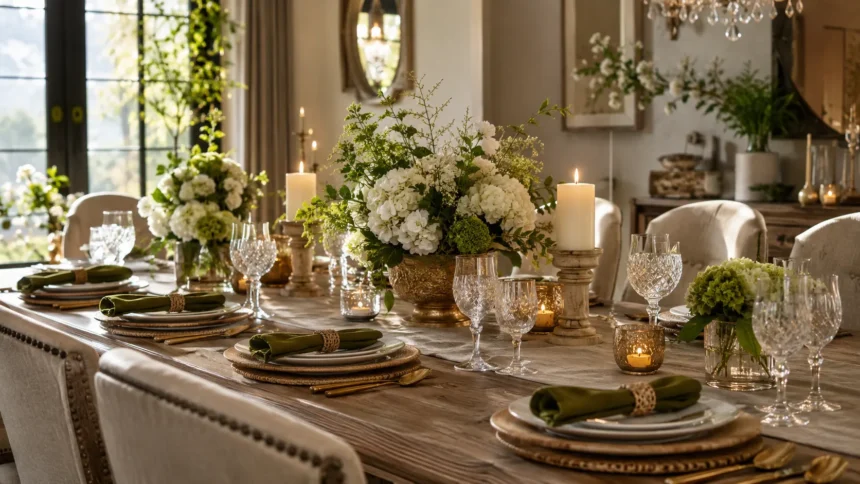
Dining Table Decor Ideas for Every Occasion
A dining table is more than a place to eat. It is where everyday conversations happen, birthdays are celebrated, holiday traditions unfold, and friends gather for memorable meals. Thoughtful dining table decor ideas can make these moments feel more inviting without requiring expensive accessories or complicated styling. Even a few well-chosen elements can completely change how your dining space feels.
The best table decor combines beauty with practicality. A centerpiece should enhance the room without blocking conversation, table linens should complement the surrounding interior, and decorative pieces should leave enough space for plates, glasses, and serving dishes. The goal is not to fill every inch of the table but to create a balanced arrangement that feels intentional and comfortable.
You also do not need a completely different collection of decorations for every occasion. Neutral table runners, candleholders, vases, serving boards, and simple dinnerware can become versatile foundations that change with flowers, seasonal greenery, napkins, or small decorative accents. Building around reusable pieces makes decorating easier and more affordable over time.
Whether you are styling the table for an ordinary weekday meal or an important celebration, this guide offers practical dining room table decorating ideas for different seasons, events, table shapes, and interior styles. Use the ideas individually or combine them to create a tablescape that feels personal to your home.
Start With a Simple Dining Table Decor Foundation
Before choosing flowers or candles, think about the visual foundation of your dining table. A tablecloth, runner, placemats, or even the natural surface of the table can establish the mood for everything placed on top. Keeping this first layer relatively simple makes it easier to change accessories when seasons and occasions change.
For an everyday setting, consider exposing a beautiful wood or stone tabletop and adding only a narrow runner. If your table has scratches or you prefer a softer appearance, a neutral tablecloth in cream, beige, gray, or another muted tone creates an adaptable backdrop for different colors and centerpiece styles.
Texture is just as important as color. Linen, woven cotton, jute, wood, ceramic, and glass can create visual depth without making the table look overly decorated. Mixing two or three textures often produces a more collected appearance than using accessories that all have the same smooth surface.
Once you establish the base, leave enough negative space around it. One of the most useful table styling principles is restraint. A few intentional elements usually create a stronger impression than dozens of small decorations competing for attention across the dining surface.
Everyday Dining Table Decor Ideas
Everyday dining table decor should be attractive without making meals inconvenient. A simple vase of fresh greenery, a decorative bowl, or a small group of candles can provide enough interest while remaining easy to move whenever you need additional serving space.
A bowl filled with seasonal fruit works particularly well because it combines decoration and function. Lemons, apples, pears, or oranges can introduce natural color without requiring a separate decorative purchase. Choose a ceramic, wooden, or stone bowl that complements your dining room style.
Small potted plants can also create an easy everyday centerpiece. Herbs such as rosemary or basil bring greenery to the table and can even be useful during cooking. If maintaining live plants feels difficult, high-quality dried stems can provide similar texture with almost no maintenance.
Keep everyday styling relatively low so people can comfortably see one another across the table. Tall arrangements may look impressive from across the room, but they often become inconvenient once everyone sits down. Low bowls, compact flowers, and short candleholders usually work better for daily dining.
Modern Dining Table Decor Ideas
Modern dining table decor usually emphasizes clean lines, intentional shapes, and a controlled color palette. Instead of filling the table with many accessories, choose one strong centerpiece or a small collection of sculptural objects that complement the architecture and furniture around them.
A matte ceramic vase containing a few dramatic branches can create a sophisticated modern centerpiece. The arrangement does not need dozens of flowers. In fact, fewer stems often feel more contemporary because each shape becomes more visible and the overall display stays uncluttered.
Black, white, charcoal, warm beige, and natural wood tones are especially easy to incorporate into modern tablescapes. Metallic details such as brushed brass or polished steel can add contrast, but use them selectively so the table maintains its clean appearance.
Modern decor does not have to feel cold. Incorporate linen napkins, handmade ceramics, textured placemats, or warm wood serving pieces to soften straight lines and minimalist furniture. The most successful modern dining spaces usually combine simplicity with enough organic texture to remain welcoming.
Elegant Dining Table Centerpiece Ideas
An elegant centerpiece should immediately attract attention without overwhelming the place settings around it. Flowers remain a classic choice, but the arrangement does not have to be enormous. A low arrangement using roses, hydrangeas, tulips, or seasonal blooms can look refined while allowing guests to maintain eye contact.
Candles create another easy layer of elegance. Pair taper candles with understated holders and arrange them at different heights along the center of the table. Repeating several similar candles creates rhythm and makes even an inexpensive tablescape feel carefully planned.
For a more permanent centerpiece, consider a sculptural bowl, decorative tray, or collection of small ceramic vessels. Neutral accessories can remain on the table throughout the year and then be updated with seasonal greenery, ornaments, flowers, or decorative objects.
Avoid combining every elegant element at once. Crystal glasses, metallic chargers, dramatic flowers, patterned linens, and multiple candles can become visually overwhelming when used together. Choose one or two statement features and allow the remaining pieces to support them quietly.
Dining Table Decor Ideas With Flowers
Flowers can instantly bring freshness and softness to a dining room. You can create a traditional centerpiece using one large vase or arrange several small bud vases along the length of the table. Smaller arrangements often feel more relaxed and make conversation easier.
Match flowers to the mood rather than assuming formal occasions require expensive varieties. Daisies and wildflowers can create a charming casual table, while white roses or calla lilies can feel more formal. Tulips, peonies, chrysanthemums, and greenery can all work beautifully depending on the season.
Consider the vase as part of the overall composition. Clear glass feels light and versatile, ceramic vessels add texture, while metal containers can introduce a more dramatic or traditional look. Even recycled bottles can become attractive bud vases when grouped thoughtfully.
If fresh flowers are not practical, dried flowers can provide lasting color and texture. Pampas grass, eucalyptus, dried hydrangeas, and preserved foliage work particularly well in neutral interiors. Choose arrangements that suit the table scale so the centerpiece feels connected to the furniture rather than floating above it.
Dining Table Decor Ideas With Candles
Candles can transform a dining table with very little effort. Their soft light creates warmth and can make an ordinary meal feel more special. Taper candles work well for elegant settings, while pillar candles can produce a relaxed and substantial centerpiece.
Try grouping candles in odd numbers such as three or five. Varying their heights slightly creates movement across the table without requiring additional decorative objects. Matching candleholders can create a formal look, while mixed holders feel more collected and casual.
Unscented candles are generally the most practical choice during meals because strong fragrances can compete with food aromas. If you enjoy scented candles, consider using them before dinner and replacing them with unscented options once food reaches the table.
Safety should always influence placement. Keep flames away from dried leaves, fabric runners, low-hanging greenery, and other flammable materials. Battery-operated candles can provide a similar atmosphere when children, pets, or crowded serving arrangements make open flames inconvenient.
Farmhouse Dining Table Decor Ideas
Farmhouse dining table decor feels warm, relaxed, and connected to natural materials. Wood, linen, galvanized metal, woven fibers, and simple ceramics are common elements. The goal is usually to make the dining room feel comfortable and lived-in rather than perfectly staged.
A long wooden tray can provide an easy centerpiece foundation. Fill it with small jars, greenery, candles, or seasonal accents, then remove individual pieces whenever additional table space is needed. The tray keeps everything visually connected and makes cleaning easier.
Mason jars, stoneware pitchers, and vintage-inspired containers can also hold flowers or greenery. To keep the look from becoming overly themed, combine rustic objects with cleaner modern pieces such as simple white dinnerware or neutral linen napkins.
Seasonal changes work naturally with farmhouse decor. Add small pumpkins and wheat during autumn, evergreen branches during winter, fresh flowers during spring, and lemons or herbs during summer. The same basic centerpiece can evolve throughout the year with only a few inexpensive additions.
Minimalist Dining Table Decor Ideas
Minimalist dining table styling focuses on quality, balance, and empty space. You may need only one vase, one bowl, or a pair of candleholders to complete the table. Instead of asking what else you can add, consider whether removing something would make the arrangement feel calmer.
Choose objects with strong shapes and attractive materials. A sculptural ceramic bowl or beautifully formed glass vase can provide enough visual interest on its own. Minimalism works especially well when the dining table itself has distinctive wood grain, stone, or architectural details worth displaying.
Limit the color palette to a small group of complementary tones. Warm whites, beige, soft gray, brown, black, and muted greens are particularly versatile. Repeating those colors in nearby chairs, curtains, artwork, or lighting can make the entire dining area feel more cohesive.
Minimalist does not need to mean empty or impersonal. Handmade pottery, a small vase of branches, or linen napkins can introduce warmth while preserving simplicity. The goal is thoughtful restraint rather than removing every decorative detail from the dining space.
Dining Table Decor for Small Spaces
A small dining table benefits from decor that adds personality without reducing usable surface area. Instead of a wide centerpiece, choose a narrow vase, compact bowl, or single candle arrangement positioned carefully in the center.
Vertical elements can provide decoration without occupying much tabletop space. A slim vase containing a few stems draws the eye upward while leaving room for meals. Just make sure the arrangement is not so tall or dense that it blocks conversation.
Multipurpose decor is especially valuable in small dining areas. A stylish fruit bowl, serving board, or carafe can function as decoration between meals and become useful when guests arrive. This helps reduce the number of purely decorative objects that require storage.
You can also shift some visual interest away from the table itself. A pendant light, wall mirror, artwork, or decorative shelf near the dining area can create personality while leaving the tabletop relatively clear. This approach makes a small room feel less crowded.
Round Dining Table Decor Ideas
Round dining tables naturally draw attention toward the center, making a single centerpiece especially effective. A round vase, decorative bowl, or compact floral arrangement can echo the table shape and create visual balance.
Avoid centerpieces that spread too widely because they reduce the space available for plates and glasses around the perimeter. A tall but visually light vase can work when the stems remain open enough for people to see through them.
A lazy Susan can also become part of the decor. Choose one in wood, marble, or another material that complements the dining table and use it to display small candles, condiments, or decorative objects while keeping them easy to reach.
For formal occasions, surround a central floral arrangement with several small candles. The circular repetition emphasizes the table shape and creates symmetry from every seat, which is particularly useful because round dining tables do not have a single obvious viewing direction.
Rectangular Dining Table Decor Ideas
Rectangular tables provide more room for layered tablescapes. Instead of focusing exclusively on one central arrangement, you can create a line of decorative elements that runs along the table’s length.
A table runner naturally emphasizes this shape and provides a visual foundation for candles, bud vases, greenery, or serving pieces. Leave enough uncovered space along both sides so plates and glasses remain comfortable to use.
For longer tables, repeat similar objects at intervals. Three small floral arrangements often look more balanced than one very large bouquet placed in the center. Repetition helps connect the entire length of the table without requiring identical decorations.
You can also use asymmetry for a more contemporary appearance. Place a cluster of flowers slightly off center and balance it with candles or decorative objects on the opposite side. This creates movement while maintaining enough visual weight across the table.
Dining Table Decor for Family Dinners
Family dining should prioritize comfort and practicality. Choose decorations that can remain in place without interfering with serving bowls, drinks, and everyday conversation. A low centerpiece is usually more useful than anything tall or fragile.
Consider using a simple woven runner or placemats to add texture while protecting the table. Neutral linens work with different dinnerware and can remain useful through many seasons without making everyday meals feel overly formal.
A family table can also contain meaningful decorative pieces. A handmade bowl, inherited vase, or small collection of objects gathered during travels can make the room feel more personal than accessories purchased purely to match a design trend.
Keep the arrangement easy to reset. If every meal requires moving ten decorative objects and placing them somewhere else, the styling will quickly become frustrating. Everyday dining table decor should make the room feel better without creating additional work.
Dining Table Decor for Dinner Parties
Dinner parties provide an opportunity to add more layers than you would use during an ordinary meal. Begin with clean linens, coordinated dinnerware, and a centerpiece that matches the mood of the gathering.
Individual place settings can make guests feel especially welcome. Fold cloth napkins neatly, add simple place cards, or place a small sprig of rosemary or another decorative detail at each setting. These touches create impact without requiring elaborate table decorations.
Use lighting to shape the atmosphere. Dim overhead lights where possible and introduce candles along the table. Soft lighting can make glassware, metallic accents, and flowers look more dramatic while helping the room feel intimate.
Remember that guests need space for food. If the meal will be served family-style, keep the center of the table flexible enough for serving dishes. Alternatively, place food on a buffet or sideboard so you can maintain a more decorative tablescape throughout dinner.
Birthday Dining Table Decor Ideas
Birthday table decor should reflect the personality and age of the person being celebrated. Instead of relying entirely on generic party decorations, choose a color palette, theme, or favorite interest that makes the setting feel intentionally created for them.
Flowers, colorful napkins, small banners, and decorative place cards can create a celebratory atmosphere without covering the table in disposable decorations. A cake stand can even become part of the centerpiece before dessert is served.
For children’s birthdays, use durable and safe accessories that can withstand excitement and movement around the table. Bright placemats, paper decorations, themed napkins, and small favors can create plenty of visual interest without fragile objects.
Adult birthday dinners may benefit from a more refined approach. Choose candles, fresh flowers, elegant glasses, and one or two colors connected to the guest of honor. Personal details often create more memorable birthday decor than simply adding as many decorations as possible.
Romantic Dining Table Decor Ideas
Romantic dining table decor works best when it feels intimate rather than theatrical. Soft lighting, candles, flowers, and a simple color palette can make an ordinary dining room feel noticeably different for an anniversary, Valentine’s Day, or quiet dinner together.
Red roses are traditional, but they are far from the only option. White flowers, blush tones, eucalyptus, or a small arrangement of seasonal blooms can produce a softer and more contemporary romantic atmosphere.
Use smaller plates, glasses, and accessories thoughtfully to create a sense of occasion. Cloth napkins and attractive glassware can make even a simple homemade meal feel more intentional. You do not need expensive formal dinnerware to create an elegant experience.
Music and room lighting contribute just as much as the tabletop. Turn off harsh overhead lighting, remove unnecessary clutter from the surrounding space, and keep the centerpiece low enough for comfortable conversation. Romance often comes from atmosphere rather than decoration alone.
Spring Dining Table Decor Ideas
Spring dining table decor naturally suits soft colors, flowers, and fresh greenery. Pale blue, soft yellow, sage green, blush, lavender, and warm white can create a seasonal palette without making the table feel overly themed.
Tulips, daffodils, ranunculus, and other spring flowers make easy centerpieces. Arrange them loosely rather than creating a stiff bouquet to emphasize the relaxed freshness associated with the season.
Introduce natural textures through linen napkins, woven placemats, ceramic dishes, and wooden serving boards. These materials complement spring flowers and prevent pastel colors from making the table feel overly delicate.
For celebrations such as Easter or spring brunches, add small seasonal details selectively. Decorative eggs, miniature pots, or botanical place cards can work beautifully when they support rather than dominate the overall table setting.
Summer Dining Table Decor Ideas
Summer tables should feel light, relaxed, and easy. White linens combined with blue, green, yellow, or citrus-inspired colors can immediately create a fresh seasonal atmosphere suitable for lunches, dinners, and outdoor gatherings.
Use seasonal produce as part of the decor. Bowls of lemons, peaches, or other colorful fruit can look beautiful while adding an effortless Mediterranean or garden-inspired quality to the table.
Fresh herbs also make attractive summer decorations. Place rosemary, mint, basil, or lavender in small pots or glasses along the table. The greenery looks natural and can complement grilled foods, salads, and other warm-weather meals.
For outdoor dining, avoid decorations that are too lightweight because wind can quickly disturb paper napkins or delicate arrangements. Weighted candleholders, sturdy ceramics, low flower arrangements, and reusable tableware usually make outdoor entertaining easier.
Fall Dining Table Decor Ideas
Autumn offers an especially rich selection of natural dining table decorations. Pumpkins, gourds, dried leaves, branches, wheat, apples, and seasonal flowers can bring warmth and texture into the dining room.
You do not need to use bright orange everywhere. Muted rust, burgundy, olive green, cream, brown, and deep gold can create a sophisticated autumn palette that works well with wood dining tables.
Layer a textured runner down the center and arrange small pumpkins with candles and greenery. Keeping the arrangement low and slightly irregular creates a natural look that can remain on the table for several weeks.
For a more minimalist fall table, use one ceramic vase filled with dried branches and pair it with a simple bowl of seasonal fruit. The combination communicates the season without relying on heavily themed decorations.
Winter Dining Table Decor Ideas
Winter decor can make the dining room feel especially warm and inviting. Evergreen branches, pinecones, candles, dried citrus, metallic accents, and deep colors can create seasonal interest even after the holidays have passed.
White and cream provide an elegant foundation for winter tables. Add dark green, burgundy, navy, or warm metallic details to create contrast. Textured linen or woven fabric can soften the colder seasonal palette.
Candlelight becomes particularly effective during shorter winter days. Use several low candles or taper holders along the center of the table to create warmth. Combining candles with simple greenery often provides enough decoration without making the table feel crowded.
After holiday decorations are removed, transition toward simpler winter styling rather than leaving the table completely bare. Branches, eucalyptus, neutral ceramics, and warm wood accessories can carry the dining room comfortably toward spring.
Christmas Dining Table Decor Ideas
Christmas dining table decor can range from traditional red and green to minimalist white, gold, and evergreen. Begin with a limited palette so the table remains coordinated rather than becoming overwhelmed by competing holiday colors.
Evergreen branches make an affordable and flexible centerpiece. Arrange them along a runner and add candles, pinecones, ornaments, or dried orange slices. Keeping the greenery relatively low helps preserve conversation across the table.
Place settings can provide additional festive details. Fold napkins neatly, tie them with ribbon or twine, and add a small sprig of rosemary or evergreen. Personalized place cards can make a larger Christmas dinner feel especially thoughtful.
Remember that Christmas meals often involve several serving dishes. Create a tablescape that can be adjusted easily or move food to a buffet so decorations do not compete with dinner. A beautiful holiday table should still remain comfortable to use.
Thanksgiving Dining Table Decor Ideas
Thanksgiving decor naturally works well with warm colors and natural materials. Deep orange, brown, rust, mustard, cream, and green can create a welcoming palette connected to autumn without requiring elaborate decorations.
Small pumpkins, pears, pomegranates, dried leaves, and branches can create an attractive centerpiece using materials that already feel connected to the season. Combine them with candles for additional warmth during evening meals.
Personalized place cards can add meaning to the Thanksgiving table. You might write guests’ names on simple cards or include a short message of appreciation. These small details help shift the focus from decoration toward connection.
Because Thanksgiving usually involves a large amount of food, avoid occupying the entire table with decor. Keep centerpieces narrow or move them before serving. Comfort, conversation, and accessibility should remain more important than maintaining a perfectly styled photograph throughout dinner.
Dining Table Decor for Formal Occasions
Formal dining table decor benefits from symmetry and consistency. Coordinated place settings, cloth napkins, polished glassware, and an elegant centerpiece create a sense of occasion without requiring excessive ornamentation.
Choose one dominant feature, such as a floral arrangement or series of candleholders, and allow other items to remain understated. Formal does not need to mean crowded. In fact, carefully spaced accessories often appear more luxurious.
Place settings can include chargers, dinner plates, appropriate cutlery, glasses, and neatly folded napkins depending on the type of meal. Keep the overall arrangement consistent from one guest to another to strengthen the formal appearance.
Lighting and surrounding decor also matter. Clean the table thoroughly, reduce unrelated clutter in the dining room, and ensure chairs are arranged evenly. A well-prepared space can feel more elegant than a table covered with expensive decorations.
Budget-Friendly Dining Table Decor Ideas
Beautiful dining table decor does not require a large budget. Begin by using items you already own in new ways. Glass jars can become vases, wooden cutting boards can become centerpiece trays, and ordinary bowls can display fruit or seasonal objects.
Nature provides another inexpensive source of decoration. Branches, leaves, flowers from the garden, pinecones, herbs, and seasonal produce can create attractive arrangements with very little additional spending.
Thrift stores and secondhand shops can also be excellent places to find candleholders, vases, bowls, serving pieces, and linens. Mixing older items with modern dinnerware can create a collected look that often feels more personal than buying an entire matching set.
Invest gradually in versatile basics instead of purchasing theme-specific decorations for every occasion. Neutral napkins, clear vases, simple candleholders, and quality serving boards can be reused throughout the year with small seasonal changes.
How to Choose the Right Dining Table Centerpiece
Start by considering the size and shape of your table. A large rectangular table may need several smaller elements spread along its length, while a compact round table usually works better with one central arrangement.
Height is equally important. Guests should be able to see one another comfortably across the centerpiece. If you want height, choose narrow arrangements or tall vessels with open branches that do not create a visual wall.
Think about how the table will actually be used. An everyday centerpiece should be easy to live with, while a temporary dinner-party arrangement can be more elaborate. If food is served family-style, leave enough room in the center for bowls and platters.
Finally, connect the centerpiece to the surrounding room. Colors, textures, and materials should complement nearby furniture, artwork, curtains, rugs, and lighting. The dining table looks most intentional when it feels like part of the room rather than a separate display.
Common Dining Table Decorating Mistakes to Avoid
One of the most common mistakes is choosing a centerpiece that is too tall. Even a beautiful arrangement becomes frustrating when guests need to lean around it to speak with someone sitting across the table.
Overdecorating is another frequent problem. Too many candles, flowers, figurines, napkin accessories, and seasonal items can leave little space for dining. Allowing some empty tabletop to remain visible creates breathing room and usually makes the decorations look more sophisticated.
Ignoring scale can also make the arrangement feel disconnected. A tiny vase can disappear on a large dining table, while an enormous bowl may overwhelm a small one. Choose decorative pieces that visually relate to the dimensions of the furniture.
Finally, do not prioritize appearance over comfort. Strongly scented flowers, unstable candles, fragile decorations, and complicated place settings may look attractive but create unnecessary inconvenience. Successful dining table decor should support the experience of sharing a meal.
How to Refresh Your Dining Table Decor Throughout the Year
You do not need to redesign the entire table every season. Start with a neutral foundation and rotate only a few elements such as flowers, greenery, napkins, candles, or decorative objects.
A simple ceramic vase could hold tulips in spring, leafy branches in summer, dried grasses in autumn, and evergreen stems during winter. Reusing the same vessel provides consistency while still allowing the table to evolve.
Seasonal color can also come from textiles. Swapping napkins or a table runner is much easier than replacing dinnerware and accessories. Store a few compact textile sets rather than large collections of seasonal decorations.
This approach reduces clutter and makes decorating more enjoyable. Instead of constantly buying new objects, you can focus on creative combinations of pieces you genuinely like and use throughout the year.
Final Thoughts on Dining Table Decor Ideas
The best dining table decor ideas do not depend on expensive accessories or complicated styling rules. A simple combination of thoughtful colors, useful textures, flowers, candles, and personal details can turn an ordinary dining area into a space where people genuinely want to gather.
Begin with the way you use your table. Everyday meals need practical, movable decor, while birthdays, holidays, and dinner parties offer opportunities for more detailed tablescapes. Designing around real life helps prevent the dining table from becoming a decorative surface nobody wants to use.
Choose versatile pieces whenever possible. Neutral runners, ceramic vases, candleholders, natural greenery, and attractive serving pieces can adapt to nearly any occasion. Small seasonal changes can then refresh the room without requiring a completely new collection.
Most importantly, allow your dining table to reflect your home and the people who use it. Whether your style is minimalist, farmhouse, modern, elegant, or colorful, the most memorable tables are usually the ones that feel welcoming rather than perfectly staged.
Frequently Asked Questions
What should I put in the middle of my dining table?
Try a low vase of flowers, decorative bowl, candles, greenery, or a wooden tray with a few coordinated objects. Keep the centerpiece proportional and low enough for comfortable conversation.
How can I decorate a dining table when it is not in use?
Use one simple everyday centerpiece such as a fruit bowl, vase, plant, or group of candleholders. Keeping the arrangement minimal prevents the empty table from looking cluttered.
How do I make my dining table look expensive?
Use fewer, better-looking pieces, coordinated linens, clean glassware, layered textures, and warm lighting. Neutral colors and simple fresh flowers can often create a more luxurious look than excessive decoration.
Should a dining table centerpiece match the room?
It does not need to match perfectly, but it should complement the room’s colors, materials, and overall decorating style. Repeating one or two elements from the surrounding space can create visual harmony.
What is the best centerpiece for a small dining table?
Choose something compact and easy to move, such as a narrow vase, small plant, candle arrangement, or decorative bowl. Avoid wide centerpieces that reduce the space available for meals.