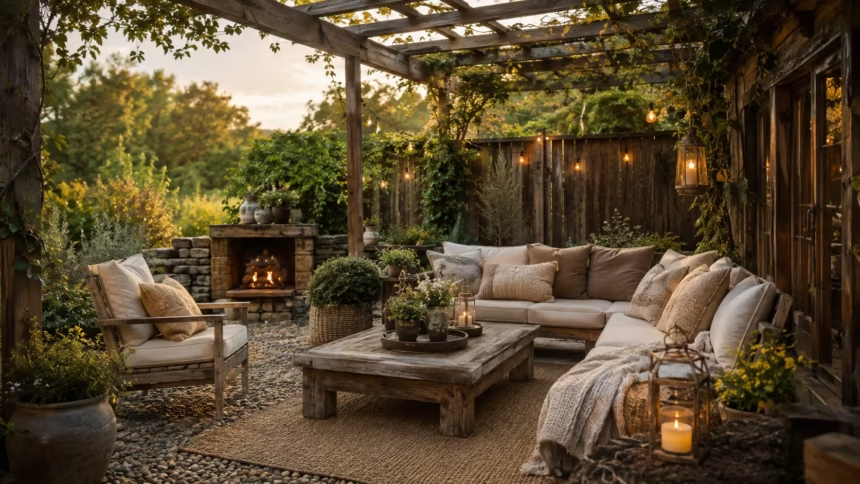
Rustic Outdoor Living Ideas for a Natural Look
A rustic outdoor living space feels welcoming because it celebrates natural materials, relaxed comfort and the beauty of imperfection. Weathered timber, natural stone, woven textures and leafy planting can turn an ordinary patio or backyard into a peaceful retreat that feels connected to its surroundings.
Creating this look does not require a large garden or an expensive renovation. A compact patio can feel rustic with a reclaimed wood bench, terracotta pots and warm lanterns, while a larger yard may include a stone dining area, timber pergola and fire pit surrounded by comfortable seating.
The most effective rustic outdoor living ideas combine appearance with everyday usefulness. Rather than filling the space with decorative objects, focus on comfortable furniture, practical shade, durable surfaces and planting that suits the local climate. These elements create an outdoor area that is attractive without becoming difficult to maintain.
This guide explains how to plan a natural outdoor space using rustic patio ideas, weather-resistant furniture, native plants and earthy colours. Whether you are refreshing a balcony or redesigning an entire backyard, the goal is to create a space that feels collected, comfortable and genuinely enjoyable.
What Is Rustic Outdoor Living?
Rustic outdoor living is a design approach inspired by nature, traditional craftsmanship and informal country spaces. It uses materials such as timber, stone, brick, clay, linen and aged metal instead of highly polished surfaces. The finished area should feel warm and lived-in rather than perfectly matched or overly styled.
The style often borrows from farmhouse outdoor decor, woodland cabins, Mediterranean courtyards and traditional cottage gardens. However, a rustic backyard does not need to follow one strict theme. Different influences can work together when the colours, textures and materials share a natural character.
Signs of age and variation are part of the appeal. Knots in wood, irregular stone edges, faded terracotta and gently worn furniture can add personality. These features make the space feel as though it has developed gradually rather than being purchased as one complete furniture collection.
Rustic design should still feel intentional. Natural does not mean neglected, uncomfortable or cluttered. A successful outdoor living area balances rugged textures with clean pathways, supportive seating and enough open space for people to move around safely.
Plan the Space Around Everyday Activities
Before selecting furniture or decorations, decide how you expect to use the outdoor area. You may want a quiet reading corner, a family dining space, a place for gardening or a relaxed setting for entertaining. Clear priorities help prevent the patio from becoming crowded with features that receive little use.
Dividing the yard into purposeful zones can make even a modest space more functional. A dining table may sit close to the kitchen, while a lounge area faces the garden or fire pit. Planters, outdoor rugs and changes in paving can define these zones without requiring permanent walls.
Consider how sunlight, shade and wind move through the space during the day. A breakfast table may benefit from morning light, while afternoon seating usually needs protection from strong heat. Understanding these conditions helps you choose better locations for furniture, plants and shade structures.
Leave comfortable pathways between the house, seating areas and garden. Furniture should not block doors, steps or frequently used routes. A rustic outdoor living room feels more relaxing when its layout supports natural movement instead of forcing people to squeeze around tables and planters.
Choose an Earthy and Natural Colour Palette
Rustic outdoor spaces usually begin with colours found in the surrounding landscape. Warm brown, sandstone, clay, olive green, charcoal and creamy white create a grounded foundation. These shades blend naturally with plants, timber, soil and changing seasonal light.
Terracotta and rusty orange can add warmth without making the design feel overly bright. Muted blue, faded red and soft mustard also work well as accent colours. Use them in cushions, pottery or tableware so they can be changed without replacing major pieces of furniture.
Avoid relying on one shade of brown across every surface. A mixture of pale wood, dark metal, grey stone and green planting creates greater depth. Rustic design becomes visually interesting through layered tones and textures rather than bold colour contrasts alone.
Allow the colours of the garden to influence your choices. A dry landscape may suit sand, ochre and sage, while a woodland setting may inspire moss green and deeper brown. Responding to the location gives the outdoor area a more authentic and natural appearance.
Build the Foundation With Natural Stone
Natural stone is one of the most effective materials for creating a rustic patio. Flagstone, slate, limestone and local fieldstone provide irregular shapes and subtle colour variations. These characteristics help the surface feel connected to the landscape rather than manufactured separately from it.
A complete stone patio can be a significant investment, but smaller areas can still use the material effectively. Stone stepping paths, retaining walls, planter borders or a fire-pit surround can establish the rustic style. Combining stone with gravel may reduce costs while maintaining a natural appearance.
Choose a surface finish that provides reliable grip in wet weather. Highly polished stone can become slippery and may look too formal for a relaxed backyard design. Textured or naturally split surfaces usually fit the rustic aesthetic while offering better traction.
Stone installation requires a stable base and suitable drainage. Poorly prepared paving may shift, collect water or become uneven over time. Larger patios, steps and retaining structures are often worth discussing with an experienced landscape professional before construction begins.
Use Gravel, Brick or Pavers Creatively
Gravel creates an informal surface that works particularly well in cottage-inspired gardens and rustic dining areas. It allows water to move through more easily than many solid surfaces and produces a pleasant sound underfoot. Metal, timber or stone edging helps keep it contained.
Reclaimed brick can introduce rich colour and a sense of history. It works well for garden paths, patio borders and small seating areas. Slight differences in tone make the surface feel more characterful, although damaged bricks should be checked before being used in load-bearing locations.
Weathered concrete pavers can also suit a rustic outdoor space when arranged thoughtfully. Consider leaving narrow planting gaps, mixing sizes or combining them with gravel. Reusing sound existing pavers can reduce waste while giving the garden a more established appearance.
The best surface depends on accessibility, rainfall, maintenance and intended use. Loose gravel may not suit every wheelchair, stroller or dining chair, while brick may become uneven if the foundation moves. Balance visual charm with the practical needs of everyone using the space.
Add Warmth With Reclaimed and Weathered Wood
Wood softens stone and metal while adding warmth to an outdoor area. Reclaimed beams, timber benches, rough-sawn screens and wooden planters can instantly create a rustic backyard design. Visible grain and natural variation help every piece feel individual.
Reclaimed wood should be inspected before being used outdoors. Avoid boards affected by active insects, severe rot or unknown chemical treatments. Furniture and structural projects require sound material that can withstand weight, moisture and changing temperatures.
New timber can also create a rustic effect when the design emphasizes craftsmanship rather than artificial distressing. Cedar, teak and other suitable outdoor woods can age naturally when maintained correctly. A clear or lightly tinted protective finish preserves the grain without making it look glossy.
Not every wooden surface needs to match. A darker dining table can sit beside a pale bench or aged timber screen. Repeating small details, such as similar metal hardware or cushion colours, will connect the pieces while preserving the collected-over-time character.
Create Comfortable Rustic Outdoor Seating
Comfort should guide the selection of outdoor furniture. Deep chairs, supportive benches and generously sized sofas encourage people to use the space for longer periods. A beautiful seat that feels hard or awkward will eventually become decoration rather than part of daily outdoor living.
Timber frames, woven rope, rattan-style materials and powder-coated metal can all complement a rustic setting. Choose products designed for outdoor exposure rather than placing delicate indoor furniture on an uncovered patio. Weather-resistant construction will reduce warping, fading and fabric damage.
Build the seating arrangement around conversation. Chairs should face one another instead of forming a straight line along a wall. A central coffee table, low fire feature or large planter can provide a visual anchor and help the arrangement feel like an outdoor living room.
A built-in bench can make efficient use of a small patio or the edge of a raised bed. Add removable cushions for comfort and storage space underneath when possible. Fixed seating should still leave enough room for people to stand, walk and move chairs easily.
Design a Rustic Outdoor Dining Area
An outdoor dining area can become the heart of a rustic garden. A sturdy timber table creates a natural focal point and provides space for family meals, casual work and weekend gatherings. Select a size that leaves enough room for chairs to be pulled out comfortably.
Mismatched chairs can contribute to the informal appearance, but they should share at least one visual feature. Similar materials, proportions or cushion colours can keep the arrangement cohesive. Make sure every chair remains stable and suitable for long periods of outdoor exposure.
Position the table near the kitchen when possible so food and dishes do not need to travel across the entire yard. A small serving surface, trolley or outdoor cabinet can make entertaining easier. Keep electrical appliances and food-storage equipment appropriately protected from weather.
Complete the setting with simple details such as linen-look napkins, ceramic dishes, woven placemats and seasonal flowers. Avoid leaving delicate accessories outdoors permanently. A few practical, well-chosen items will feel more authentic than a table crowded with decorative objects.
Introduce an Outdoor Kitchen Naturally
A rustic outdoor kitchen does not need to resemble a fully equipped indoor kitchen. A quality grill, practical worktop and protected storage may be enough for regular outdoor cooking. Start with the features you will genuinely use before adding expensive appliances.
Natural stone, brick and timber-effect finishes can help permanent cooking areas blend with the landscape. Stainless steel equipment remains practical, but it can be softened with wooden shelves, clay pots and textured masonry. Maintain safe clearance around grills and heat-producing appliances.
A roof or pergola can provide shade, but smoke and heat must be able to escape safely. Outdoor kitchen structures should follow local building, electrical and fire regulations. Professional installation is particularly important when the project includes gas, plumbing or permanent wiring.
Include enough task lighting for evening food preparation and safe movement. Work surfaces should be easy to clean, weather-resistant and positioned at a comfortable height. Rustic character should never come at the expense of hygiene, ventilation or cooking safety.
Add Shade With a Timber Pergola
A timber pergola provides structure without completely separating the patio from the garden. Its posts and beams frame an outdoor room while allowing filtered light and air to pass through. The natural material also works well with stone paving and climbing plants.
A pergola can support grapevines, climbing roses, jasmine or other plants suited to the local climate. Living shade becomes more effective as the plants mature, although it requires pruning and seasonal care. Check that the structure can support the eventual weight of the chosen vine.
Canvas panels, bamboo screening or an adjustable canopy can provide more immediate protection from the sun. Select fabrics designed for outdoor use and ensure water cannot collect dangerously after rain. Removable coverings offer flexibility during different seasons.
The structure must be securely anchored and designed for local wind, snow and weather conditions. A decorative frame should not be treated as a simple weekend addition when it is large or attached to the house. Local permission and professional construction may be required.
Layer Outdoor Fabrics and Textures
Outdoor cushions, rugs and throws make a patio feel more comfortable and visually complete. Choose woven textures and understated patterns such as stripes, checks or small botanical designs. These details introduce softness without making the space feel too polished.
Products should be made from weather-resistant materials that can tolerate sunlight and occasional moisture. Even outdoor fabrics last longer when stored during severe weather. A waterproof storage box or sheltered bench makes it easier to protect cushions between uses.
An outdoor rug can define a seating area and soften a hard patio surface. Select a size large enough to sit beneath the front legs of the main furniture pieces. A very small rug may make the arrangement look disconnected rather than unified.
Layer textures carefully instead of adding many competing patterns. Smooth ceramics, woven baskets, rough timber and soft fabric can create enough variation. Repeating two or three materials across the space will produce a calmer and more intentional natural look.
Use Rustic Lighting for Evening Atmosphere
Outdoor lighting should provide both atmosphere and visibility. Warm-toned light generally feels more relaxing than harsh, bright illumination. Use it around seating, dining and architectural features while keeping paths and steps clearly visible.
Lantern-style fixtures, simple wall lights and understated pendants suit rustic outdoor decor. String lights can add charm beneath a pergola or across a courtyard, but they should be installed securely and rated for outdoor conditions. Avoid allowing electrical cables to cross walking routes.
Low-voltage path lights can guide people through the garden without overwhelming the landscape. Directing light downward may reduce glare and unnecessary brightness. A few carefully positioned fixtures often create a better effect than lighting every tree, wall and planting bed.
Candles and open-flame lanterns require close supervision. Battery-operated alternatives can provide a similar glow without increasing fire risk. Whichever system you choose, outdoor electrical work should use weatherproof equipment and meet applicable safety requirements.
Build a Safe and Inviting Fire-Pit Area
A fire pit creates a natural gathering point and can extend the usefulness of an outdoor living space into cooler weather. Position seating in a circle or gentle curve so people can talk comfortably. Leave enough distance for movement and protection from heat.
Place the fire feature on a level, non-combustible surface and away from buildings, fencing, overhanging branches and anything that can burn. Local regulations may restrict open fires during dry or windy conditions. Always confirm the rules before installing or using a wood-burning fire pit.
Keep water, a hose or another suitable extinguishing method nearby. Never leave the fire unattended, and ensure it is completely extinguished before everyone goes inside. Children and pets should remain closely supervised throughout use.
Gas fire tables may offer easier control and produce fewer flying sparks, while wood-burning pits provide a more traditional atmosphere. Both types require correct installation and safe clearances. Select the option that suits the available space, maintenance expectations and local fire conditions.
Create a Natural Look With Native Plants
Plants are essential to a rustic outdoor area because they soften hard materials and connect the patio with the wider landscape. Native plants are often a practical choice because they are adapted to local conditions and can support regional insects and wildlife.
Choose a mixture of shrubs, grasses, flowering perennials and small trees to create different heights. Layered planting makes the garden feel established and provides seasonal interest. Avoid arranging every plant in perfectly straight rows unless the architecture requires a more formal structure.
Group plants with similar water and sunlight needs. This makes irrigation more efficient and reduces the risk of one species receiving too much or too little care. Drought-tolerant plants may lower maintenance once established, but they still need appropriate watering during their early growth.
Allow some controlled softness around paths, walls and seating areas. Trailing plants, ornamental grasses and flowering ground covers can soften rigid edges. Regular pruning is still necessary to keep entrances clear and prevent plants from blocking lighting or walking surfaces.
Use Terracotta Pots and Rustic Planters
Terracotta pots introduce warm colour and an aged appearance that complements timber and natural stone. Their surface develops subtle marks over time, adding character. Because unglazed clay can dry quickly, plants may need more frequent watering during hot conditions.
Mixing several pot sizes creates a fuller display than using many identical containers. Place taller plants toward the back and allow trailing varieties to spill gently over the edges. Leave enough space between containers for air circulation and easy watering.
Galvanized tubs, wooden boxes and stone troughs can also work as rustic planters. Every container needs suitable drainage and enough soil volume for the chosen plant. Avoid using old vessels that previously stored harmful chemicals or materials unsafe for edible crops.
Container gardening is especially useful for renters, balconies and small patios. Pots can define zones, screen an unattractive view or bring greenery closer to seating. Choosing a limited range of materials prevents the collection from looking cluttered.
Make a Small Patio Feel Rustic and Spacious
A small rustic patio benefits from careful editing. Select one main seating piece, one useful table and a few substantial planters rather than filling the area with many small objects. Larger, purposeful items can make the layout feel calmer and more generous.
Use vertical space with wall-mounted planters, climbing plants or a narrow timber screen. These features add greenery without reducing the usable floor area. Confirm that any wall fixing is suitable for the surface and the eventual weight of wet soil.
A bench can provide more seating than several separate chairs while using less space. Choose a design with hidden storage or place a narrow shelf behind it for lanterns and plants. Folding furniture may be useful when the patio needs to serve several purposes.
Keep the colour palette simple and allow part of the floor to remain visible. Too many patterns, containers and accessories can make the space feel smaller. Natural materials and layered planting will provide visual interest without requiring excessive decoration.
Try Budget-Friendly Rustic Outdoor Ideas
Start by improving what is already available. Clean existing paving, repair sound furniture and rearrange the layout before buying replacements. A better seating position or defined dining zone may transform the space without requiring major construction.
Second-hand timber furniture can offer excellent value when the frame remains structurally sound. Sand rough surfaces, tighten loose connections and apply a suitable outdoor finish. Avoid using pieces with extensive rot, unstable joints or materials that may contain unsafe coatings.
Repurpose sound bricks, pavers and pots as path edging, plant stands or stepping stones. Reuse should remain practical and safe rather than becoming clutter. Heavy materials must be stable, and broken pieces with sharp edges should not be placed near walking areas.
Spend the available budget on features that improve comfort and durability. Reliable shade, supportive seating and good lighting may provide more value than multiple decorative accessories. Smaller finishing details can then be added gradually as the space develops.
Blend Rustic Style With Modern Comfort
Rustic design does not require giving up convenient features. Comfortable performance fabrics, efficient outdoor lighting and durable composite materials can be included when their appearance remains understated. The goal is to combine natural character with a space that works reliably.
Modern furniture with simple shapes can sit comfortably beside weathered stone or reclaimed timber. This contrast prevents the outdoor area from feeling like a themed set. Choose clean forms in muted colours and allow the natural materials to provide most of the visual texture.
Technology should remain discreet. Speakers, charging points and heaters can be positioned so they support the experience without dominating it. Equipment used outdoors must be rated for the environment and installed according to manufacturer and electrical safety guidance.
This balanced approach is often easier to maintain than a completely traditional design. It allows the patio to feel timeless while meeting present-day expectations for comfort and convenience. Authentic rustic character comes from thoughtful materials, not from avoiding every modern feature.
Protect Furniture From Changing Weather
Outdoor furniture lasts longer when it suits the local climate. Strong sunlight, heavy rain, frost, humidity and coastal air affect materials differently. Check care instructions before purchasing and consider how much regular maintenance you are prepared to complete.
Wood may need cleaning and periodic sealing or oiling, depending on the species and desired appearance. Some owners allow suitable timber to age naturally, while others prefer to preserve its original colour. Either approach requires checking for loose joints, splinters and early decay.
Metal furniture should be inspected for damaged coatings and rust. Woven pieces can collect dirt inside textured surfaces, so gentle cleaning is important. Cushions should dry fully before storage to reduce the possibility of mildew and unpleasant odours.
Covers can protect large pieces but should allow enough ventilation to prevent trapped moisture. Store lightweight objects before storms and secure items that could be moved by wind. Seasonal care keeps the outdoor area attractive while reducing unnecessary replacement costs.
Keep Rustic Landscaping Low Maintenance
Low-maintenance landscaping begins with plants suited to the available soil, sunlight and rainfall. A beautiful species that constantly struggles in the location will require more water, feeding and pest control. Local growing advice can help identify reliable choices.
Mulch can suppress weeds, protect soil and reduce moisture loss around planting beds. Natural bark, leaf mould, gravel or other regionally appropriate materials may suit a rustic garden. Keep mulch away from building foundations and avoid piling it against tree trunks.
Reduce unnecessary lawn when it is rarely used. Paths, planting beds, ground covers and small seating areas can create a more varied landscape while lowering mowing needs. Retain open grass where it supports play, pets or other genuine activities.
Install irrigation based on plant needs rather than watering every area equally. Drip systems can deliver water directly to roots with less surface loss. Regular observation remains important because even a low-maintenance garden requires seasonal pruning, cleaning and adjustment.
Common Rustic Outdoor Design Mistakes
Using too many distressed objects can make the space look artificial and cluttered. Rustic design works best when age and texture feel genuine. Combine a few weathered pieces with simpler furniture so the natural materials remain noticeable.
Ignoring comfort is another common mistake. Rough benches, unstable chairs and tables at awkward heights may support the visual theme but discourage actual use. Test furniture before purchasing and add cushions where they improve support.
Some outdoor spaces contain several attractive features without a clear relationship between them. A fire pit, dining table and lounge area need enough separation and safe pathways. Planning the layout before installation prevents the yard from feeling crowded.
Finally, avoid choosing materials only for their appearance. Indoor fabrics, untreated softwood and delicate accessories may deteriorate quickly outside. A natural outdoor space should age gracefully, but it should not require constant replacement because the materials were unsuitable.
Final Thoughts on Rustic Outdoor Living
Rustic outdoor living is about creating a natural, comfortable space rather than following a rigid decorating formula. Stone, wood, clay, woven textures and relaxed planting provide the foundation. Their variations and imperfections create warmth that highly polished surfaces often lack.
Begin with the way you want to use the area. Comfortable seating, practical shade and safe pathways should come before decorative details. Once these essentials are established, lighting, textiles and planters can add personality without overwhelming the layout.
Choose materials and plants that suit the local environment. Weather-resistant furniture and climate-appropriate landscaping will reduce maintenance and help the space improve over time. Reclaimed materials can add character, but they should always be structurally sound and safe.
The best rustic outdoor living ideas make a backyard, patio or balcony feel like a natural extension of the home. By balancing rugged textures with modern comfort, you can create an inviting retreat for dining, conversation and quiet relaxation throughout the seasons.
Frequently Asked Questions
How do I make my outdoor space look rustic?
Use natural stone, weathered wood, terracotta, woven fabrics and aged metal. Add comfortable seating and informal planting while avoiding overly matched furniture and highly polished finishes.
What colours work best for rustic outdoor decor?
Earthy colours such as brown, olive green, cream, charcoal, terracotta and muted blue work well. Choose shades inspired by the surrounding landscape for a more natural appearance.
What is the best furniture for a rustic patio?
Timber, woven, metal and outdoor rattan-style furniture can all suit a rustic patio. Prioritize durable, weather-resistant construction and comfortable proportions rather than appearance alone.
How can I create a rustic patio on a budget?
Reuse sound pavers, refresh second-hand furniture and add inexpensive terracotta pots or warm lighting. Focus the budget on comfortable seating, shade and practical surfaces before buying decorations.
Which plants suit a rustic outdoor living area?
Native shrubs, ornamental grasses, herbs, climbing plants and flowering perennials create a relaxed look. Select varieties suited to your sunlight, soil, rainfall and local growing conditions.