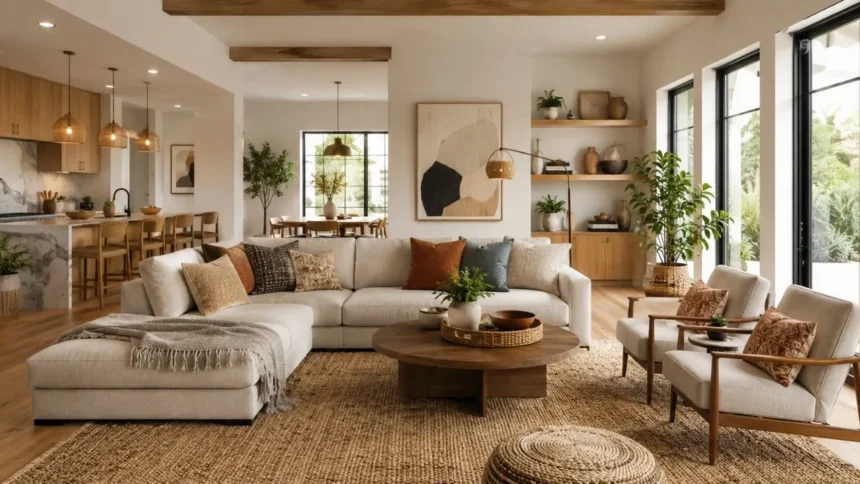
Choosing an interior design style can make decorating your home easier and more enjoyable. A clear style helps you select colours, furniture, lighting, materials, and accessories that work well together. It also reduces the confusion caused by mixing too many unrelated ideas. The goal is not to follow strict rules but to create a home that feels balanced and personal.
Interior design decorating styles range from clean modern spaces to warm traditional rooms. Some styles celebrate natural materials, while others focus on bold colour, artistic details, or simple functionality. Understanding the main features of each style can help you identify what naturally appeals to you. You can then adapt those ideas to your available space, lifestyle, and decorating budget.
Your home does not need to match one decorating style perfectly. Many beautiful interiors combine elements from two or three styles to create a more individual look. A modern living room may include vintage furniture, while a farmhouse kitchen can feature contemporary lighting. Thoughtful mixing often creates a home that feels collected rather than copied from a furniture showroom.
Before decorating, consider how you want each room to feel and function. Think about your daily routine, storage needs, favourite colours, and existing furniture. These practical factors should guide your design choices alongside visual inspiration. The following interior design decorating styles can help you discover a direction that suits your home and personality.
Modern Interior Design Style
Modern interior design is known for clean lines, simple shapes, and uncluttered spaces. It often uses neutral colours such as white, grey, beige, black, and warm brown. Furniture usually has smooth surfaces and a practical shape without excessive decoration. The overall appearance feels organised, calm, and easy to maintain.
Materials such as glass, steel, leather, concrete, and polished wood are common in modern homes. These surfaces create a clean visual structure while giving rooms a refined appearance. However, modern design does not need to feel cold or uncomfortable. Soft rugs, warm lighting, natural textiles, and wooden details can make the space more inviting.
A modern living room may include a low sofa, a simple coffee table, and carefully selected artwork. Storage is often built into walls or concealed behind plain cabinet doors. Decorative objects are used in controlled amounts so that every item has room to stand out. This creates visual breathing space and prevents unnecessary clutter.
To create a modern interior, begin with functional furniture and a simple colour palette. Choose a few high-quality pieces rather than filling the room with many small items. Keep surfaces mostly clear and use texture to add warmth. The result should feel comfortable and practical rather than empty or overly formal.
Contemporary Interior Design Style
Contemporary interior design reflects the ideas and preferences that are popular in the present. Unlike modern design, which relates to a specific design movement, contemporary style continues to change over time. It often combines simple furniture with bold artwork, curved shapes, and updated materials. This flexibility makes it suitable for homeowners who enjoy refreshing their spaces regularly.
Contemporary rooms commonly use warm neutrals as a foundation. Beige, cream, taupe, charcoal, and soft white allow furniture and artwork to become more noticeable. Strong colours may appear through cushions, rugs, lighting, or decorative accessories. This approach makes it easier to update the room without replacing major furniture pieces.
Curved furniture is often used to soften the straight architectural lines found in many homes. Rounded sofas, circular tables, arched mirrors, and sculptural chairs create gentle visual movement. Contemporary interiors also use statement lighting as a decorative feature. Oversized pendants and unusual lamps can give simple rooms greater personality.
To achieve this style, combine current design ideas with practical furniture and personal accessories. Avoid buying every trending item because the room may quickly feel outdated. Instead, select a few modern features that work with your existing home. A balanced contemporary interior should feel current while still supporting long-term comfort.
Minimalist Decorating Style
Minimalist interior design focuses on simplicity, function, and careful organisation. It removes unnecessary decoration and gives priority to useful furniture, clear surfaces, and open space. Neutral colours help create a calm and controlled atmosphere. Every item in the room should have a practical purpose or meaningful visual value.
A minimalist home does not need to be completely white or empty. Warm wood, natural stone, linen, and soft textiles can prevent the room from feeling harsh. The main goal is to reduce visual noise rather than remove personality. A few carefully chosen objects can make the space feel personal without creating clutter.
Storage plays an important role in successful minimalist decorating. Built-in cabinets, closed shelves, baskets, and furniture with hidden compartments keep everyday items organised. Clear worktops and open floors make rooms feel larger and easier to clean. This can be especially helpful in small apartments and busy family homes.
Start by removing items that are damaged, unused, or no longer meaningful. Choose furniture with simple lines and avoid filling every empty corner. Add warmth through texture, lighting, and natural materials rather than excessive accessories. A good minimalist interior should feel peaceful, comfortable, and easy to use.
Scandinavian Interior Design Style
Scandinavian interior design combines simplicity, comfort, and practical living. It usually features light colours, natural wood, soft textiles, and furniture with clean lines. The style developed in regions where natural daylight can be limited during winter. As a result, rooms are designed to feel bright, warm, and welcoming.
White, soft grey, cream, pale blue, and muted green are common Scandinavian colours. Light oak and birch furniture help reflect natural light throughout the space. Wool throws, cotton cushions, and woven rugs add softness and comfort. These materials make simple rooms feel relaxed rather than plain.
Scandinavian interiors often include practical furniture that is beautiful without being overly decorative. Open shelving, compact tables, and simple storage units support everyday living. Plants and handmade ceramics add natural character. Decorative pieces are limited, but they are selected carefully to create a comfortable and personal atmosphere.
To introduce Scandinavian style, keep the colour palette light and use natural materials wherever possible. Choose furniture with simple shapes and visible wooden details. Layer soft fabrics to make the space more comfortable during colder months. The completed room should feel bright, functional, and quietly inviting.
Traditional Interior Design Style
Traditional interior design is inspired by classic European interiors and historical furniture styles. It often includes detailed woodwork, elegant fabrics, balanced furniture arrangements, and warm colours. Rooms usually feel established, comfortable, and carefully organised. This style suits homeowners who appreciate timeless furniture and decorative craftsmanship.
Dark wood furniture is commonly used in traditional living rooms, dining rooms, and bedrooms. Mahogany, walnut, cherry, and oak can create a rich and formal appearance. Upholstered chairs, patterned curtains, and decorative rugs provide softness. Brass lighting and framed artwork can complete the classic atmosphere.
Traditional interiors often use symmetry to create a sense of order. Matching lamps may be placed on either side of a sofa, bed, or cabinet. Furniture is arranged around a clear focal point such as a fireplace or large window. This balanced approach makes the room feel calm and thoughtfully designed.
You can create a lighter traditional interior by mixing classic shapes with softer colours. Choose cream walls, medium-toned wood, and simple patterned fabrics instead of very dark finishes. Add antique or vintage pieces gradually rather than buying a complete matching set. This will make the room feel timeless without appearing old-fashioned.
Transitional Interior Design Style
Transitional interior design combines traditional comfort with modern simplicity. It is ideal for people who appreciate classic furniture but prefer cleaner colours and fewer decorative details. The style creates a balanced appearance that is neither overly formal nor strongly contemporary. This makes transitional design easy to live with for many years.
Neutral colours are central to transitional interiors. Warm white, cream, beige, taupe, grey, and soft brown create a calm background. Furniture may have traditional curves, but fabrics and finishes are usually simple. This combination allows classic shapes to feel lighter and more current.
A transitional living room might include a traditional sofa with plain upholstery, a modern coffee table, and simple curtains. Artwork can be contemporary, while lighting may use classic materials in updated shapes. The room should include both old and new elements without allowing either style to dominate. Balance is the most important part of the design.
To achieve this look, begin with comfortable furniture in timeless shapes. Remove excessive patterns, heavy ornament, and overly formal accessories. Introduce modern features through lighting, rugs, artwork, and smaller tables. A successful transitional interior should feel polished, comfortable, and suitable for everyday life.
Farmhouse Interior Design Style
Farmhouse interior design focuses on comfort, simplicity, and a connection to rural living. It often uses natural wood, practical furniture, soft colours, and handmade accessories. The style creates a warm and welcoming atmosphere that feels relaxed rather than perfect. It works especially well in kitchens, dining rooms, and family living spaces.
Traditional farmhouse interiors may include wooden tables, open shelving, apron-front sinks, and vintage storage pieces. Linen curtains, woven baskets, and ceramic dishes add softness and character. White, cream, sage green, light blue, and warm brown are common colours. These shades help create a natural and comfortable environment.
Modern farmhouse style combines rustic materials with cleaner furniture and simpler decoration. Black metal lighting, plain cabinets, and neutral fabrics can create a more updated appearance. However, using too many signs, artificial distressed finishes, or matching accessories can make the space feel themed. Genuine materials usually produce a more convincing result.
Introduce farmhouse style through useful pieces rather than decorative objects alone. A solid wooden table, vintage cupboard, woven rug, or linen curtain can make a strong difference. Mix old furniture with modern storage and appliances to support daily life. The final space should feel practical, welcoming, and naturally collected.
Rustic Interior Design Style
Rustic interior design celebrates natural materials, visible texture, and an earthy colour palette. It is influenced by cabins, countryside homes, mountain houses, and traditional craftsmanship. Wood, stone, leather, wool, and metal are commonly used throughout the space. These materials create a strong connection with nature and give rooms a warm appearance.
Rustic furniture often has a solid and slightly imperfect look. Tables may show visible wood grain, while stone walls and exposed beams add architectural character. Brown, beige, cream, deep green, and charcoal support the natural colour scheme. Soft fabrics help balance the harder surfaces found in rustic interiors.
Lighting should feel warm and comfortable in a rustic room. Metal pendants, wooden lamps, lantern-style fixtures, and candle-inspired lights work effectively. Layering several light sources creates a relaxed evening atmosphere. Warm bulbs also highlight the natural variations found in wood, stone, and textured fabrics.
You do not need a country house to use rustic design. Introduce the style through a reclaimed wooden table, leather chair, stone accessory, or wool rug. Keep modern appliances and practical storage where they are needed. A balanced rustic interior combines natural character with the comfort expected in a modern home.
Industrial Interior Design Style
Industrial interior design takes inspiration from factories, warehouses, and converted urban buildings. It often features exposed brick, concrete, metal, visible pipes, and large open spaces. The style feels strong, practical, and slightly unfinished. It is commonly used in loft apartments, modern kitchens, cafés, and creative workspaces.
The industrial colour palette usually includes black, charcoal, brown, grey, and warm neutral shades. Leather furniture, reclaimed wood, and metal frames add warmth to the harder architectural surfaces. Large windows and open layouts help the space feel bright. Plants and textiles can soften the overall appearance.
Industrial lighting often becomes an important design feature. Metal pendants, exposed bulbs, track lighting, and adjustable wall lamps support the functional style. Oversized fixtures work particularly well above kitchen islands and dining tables. Their strong shapes can add character without requiring many decorative accessories.
To use industrial style in an ordinary home, focus on selected elements rather than copying an entire warehouse. Choose a metal-framed table, black lighting, exposed shelving, or a brick-effect feature wall. Add rugs, curtains, and cushions to maintain comfort. This prevents the room from feeling cold or excessively commercial.
Mid-Century Modern Decorating Style
Mid-century modern design is inspired by interiors and furniture created during the middle of the twentieth century. It is known for simple shapes, tapered legs, warm wood, and practical furniture. The style combines clean lines with playful colours and organic forms. It remains popular because it feels both nostalgic and modern.
Walnut, teak, and oak are frequently used in mid-century furniture. Sofas and chairs often feature slim frames, angled legs, and structured cushions. Mustard, olive, burnt orange, blue, and brown are common accent colours. These shades can be balanced with cream walls and simple natural fabrics.
Mid-century rooms often include bold artwork, geometric patterns, and sculptural lighting. However, the space should not feel like a historical display. Combining original or vintage-inspired pieces with modern storage and neutral flooring creates a more liveable result. This approach keeps the style fresh and practical.
Begin with one strong mid-century piece, such as a sideboard, armchair, or coffee table. Allow it to become a focal point rather than filling the room with matching furniture. Add colour through cushions, artwork, and rugs. The finished interior should feel stylish, functional, and comfortably connected to the past.
Bohemian Interior Design Style
Bohemian interior design celebrates creativity, colour, pattern, and personal expression. It often combines furniture and decorative objects from different cultures, periods, and artistic traditions. The style feels relaxed, layered, and individual rather than perfectly coordinated. It is suitable for people who enjoy collecting textiles, artwork, books, and handmade items.
Rich colours such as terracotta, mustard, deep green, burgundy, and blue commonly appear in bohemian interiors. Patterned rugs, embroidered cushions, woven wall hangings, and printed curtains add visual interest. Natural materials such as rattan, wood, cotton, and clay support the relaxed atmosphere. Plants are also frequently used to bring life into the room.
A successful bohemian room should still include some visual balance. Repeating a few colours throughout the space can connect different patterns and objects. Larger neutral surfaces can prevent the room from feeling too busy. Storage baskets and shelves can also keep collections organised while maintaining the layered appearance.
Start with a neutral base and add colour gradually through textiles and artwork. Mix new furniture with vintage or handmade pieces that have personal meaning. Avoid buying complete sets of bohemian accessories because the room may feel artificial. The strongest bohemian interiors develop slowly and reflect the owner’s experiences.
Coastal Interior Design Style
Coastal interior design is inspired by beaches, oceans, and relaxed seaside living. It usually features light colours, natural materials, comfortable furniture, and plenty of natural light. The style should feel fresh and airy without relying on obvious nautical decorations. Its main purpose is to create a calm and open atmosphere.
White, cream, sand, pale blue, sea green, and soft grey are common coastal colours. Light wood, linen, cotton, jute, rattan, and woven materials add natural texture. Furniture is usually casual and comfortable rather than formal. Windows are kept light to allow as much daylight as possible.
Modern coastal interiors use subtle references to the sea. A blue rug, driftwood-toned table, woven pendant, or piece of ocean-inspired artwork may be enough. Avoid filling the room with anchors, shells, and signs because these can make the design feel themed. Natural colour and texture usually create a more sophisticated result.
To introduce coastal style, begin by brightening the room and reducing heavy decoration. Choose pale furniture, breathable fabrics, and light window treatments. Add blue or green accents in controlled amounts. The completed room should feel peaceful, comfortable, and suitable for everyday living in any location.
Japandi Interior Design Style
Japandi design combines Japanese simplicity with Scandinavian comfort and functionality. It focuses on natural materials, careful craftsmanship, uncluttered rooms, and a calm colour palette. The style feels warmer than strict minimalism and more refined than casual Scandinavian design. It is ideal for creating peaceful and organised living spaces.
Typical Japandi colours include warm white, beige, brown, soft grey, black, and muted green. Furniture has simple shapes and is often positioned lower to the floor. Wood, bamboo, linen, clay, stone, and paper add natural texture. These materials create subtle interest without relying on strong patterns or bright colours.
Every object in a Japandi room should feel useful, beautiful, or meaningful. Storage is carefully planned to reduce clutter and maintain clear surfaces. Handmade ceramics, simple branches, and sculptural lighting can provide decoration. Empty space is treated as an important part of the overall design.
To create a Japandi interior, choose fewer pieces and focus on their quality. Combine light and dark wood carefully to create contrast without visual confusion. Use warm lighting and soft textiles to maintain comfort. The finished room should feel balanced, natural, and intentionally simple.
Art Deco Interior Design Style
Art Deco interior design is known for glamour, bold geometry, luxurious materials, and strong visual contrast. It became popular during the 1920s and 1930s but continues to influence modern interiors. The style can include rich colours, polished surfaces, decorative mirrors, and sculptural furniture. It works well in dining rooms, bedrooms, and elegant living areas.
Deep green, navy, burgundy, black, gold, and cream are common Art Deco colours. Velvet, brass, marble, glass, and dark wood create a luxurious atmosphere. Geometric patterns may appear on rugs, wallpaper, furniture, or tiles. These features give the room a confident and highly decorative appearance.
Modern Art Deco rooms often use the style in controlled amounts. A curved velvet chair, brass light, geometric mirror, or marble table can create the desired mood. Using every feature at once may make the room feel overly formal. Combining decorative statement pieces with simple walls and furniture creates better balance.
Begin with one glamorous focal point and build the room around it. Use symmetrical arrangements where possible and repeat metal finishes for consistency. Add soft lighting to highlight reflective surfaces and rich fabrics. The finished room should feel elegant and dramatic without sacrificing comfort.
Eclectic Interior Design Style
Eclectic interior design combines furniture, colours, patterns, and accessories from different styles. It allows homeowners to create spaces that reflect their interests and personal history. However, eclectic decorating is not the same as placing random items together. Successful rooms use repeated colours, shapes, and materials to create visual connection.
An eclectic living room may include a modern sofa, vintage table, traditional rug, and contemporary artwork. These pieces can work together when they share a similar colour or level of visual weight. A neutral wall colour can provide a calm background. This allows individual furniture and accessories to remain noticeable without competing excessively.
Scale and balance are particularly important in eclectic interiors. Large furniture should be distributed evenly so one side of the room does not feel heavier. Patterns should vary in size rather than competing at the same level. Empty space should also be preserved to give the eye a place to rest.
Start with pieces you already own and genuinely enjoy. Identify common colours, materials, or shapes that can connect them. Add new items carefully rather than purchasing many accessories at once. A successful eclectic home should feel personal, creative, and thoughtfully organised.
How to Choose the Right Decorating Style
Begin by collecting images of rooms that immediately appeal to you. Do not focus only on complete room designs; notice individual colours, furniture shapes, materials, and lighting. After collecting several examples, look for repeated features. These patterns can reveal which interior design styles match your natural preferences.
Your lifestyle should influence your decorating choices as much as appearance. A highly decorative room may not suit a busy family that needs easy cleaning and storage. Minimalist furniture may not provide enough comfort for someone who enjoys entertaining guests. Choose a style that supports how you use the home every day.
Consider the existing architecture before making major design decisions. Traditional details may work naturally with classic, transitional, or eclectic furniture. A modern apartment may suit contemporary, minimalist, industrial, or Scandinavian ideas. You can still create contrast, but working with the building often produces a more connected result.
Remember that you can combine styles when the mixture is carefully controlled. Choose one main decorating style and use another as a supporting influence. Repeat colours and materials to create consistency between different pieces. This approach allows your home to feel personal without becoming visually confusing.
Common Interior Decorating Mistakes to Avoid
One common mistake is buying furniture before measuring the available space. A large sofa, table, or bed can make a room difficult to move through. Small furniture can also look lost in a spacious room. Accurate measurements and a simple floor plan can prevent expensive decorating problems.
Another mistake is choosing paint without testing it in the room. Colour changes depending on daylight, artificial lighting, flooring, and surrounding furniture. A shade that looks attractive in a shop may appear completely different at home. Large samples should be observed during different times of the day.
Many homeowners also place all furniture directly against the walls. This arrangement can make a large room feel empty and disconnected. Moving seating closer together creates better conversation areas and a more comfortable atmosphere. Rugs can then help define each functional section of the room.
Following trends too closely can make a home feel outdated quickly. Use current ideas through smaller items such as cushions, lighting, artwork, and accessories. Choose major furniture based on comfort, quality, and long-term appeal. A personal home will usually remain attractive longer than one designed only around trends.
Final Thoughts on Interior Design Decorating Styles
Interior design decorating styles provide useful guidance when planning a home. They help you understand how colours, furniture, materials, and accessories can work together. However, a decorating style should support your decisions rather than limit your creativity. The most comfortable homes usually include personal details that do not follow strict rules.
Modern, Scandinavian, traditional, farmhouse, and other styles each offer different benefits. Some focus on simplicity, while others celebrate decoration, craftsmanship, or natural materials. Understanding these differences can help you avoid unnecessary purchases. It can also make the decorating process feel more focused and manageable.
Start with one room and make gradual changes instead of redesigning the entire home immediately. Choose a colour palette, arrange the furniture, and improve the lighting before adding accessories. Living with the room for a short period can reveal what it still needs. This method often produces a more thoughtful and practical interior.
The best decorating style is the one that makes your home comfortable, functional, and meaningful. Use inspiration from different interiors, but adapt every idea to your own lifestyle. Choose furniture and objects that you genuinely enjoy. A personal approach will create a home that continues to inspire you for years.
Frequently Asked Questions
What are the most popular interior design styles?
Popular styles include modern, contemporary, Scandinavian, minimalist, traditional, farmhouse, industrial, coastal, and bohemian. Each style uses different colours, materials, furniture shapes, and decorative details.
Can I mix different interior design styles?
Yes, two or more styles can work together when one remains dominant. Repeat similar colours, materials, or shapes to create a clear visual connection between different pieces.
How do I know which decorating style suits me?
Collect images of rooms you like and identify repeated colours, furniture, and materials. You should also consider your lifestyle, storage needs, budget, and the architecture of your home.
What interior design style makes a home feel cosy?
Farmhouse, rustic, Scandinavian, traditional, and bohemian interiors can all feel cosy. Warm lighting, soft textiles, natural wood, comfortable seating, and layered textures create the greatest comfort.
How can I decorate my home on a small budget?
Begin by rearranging furniture, repainting walls, and using accessories you already own. Second-hand furniture, updated hardware, new cushion covers, and improved lighting can also create affordable changes.