Best Home Renovation Ideas for 2026
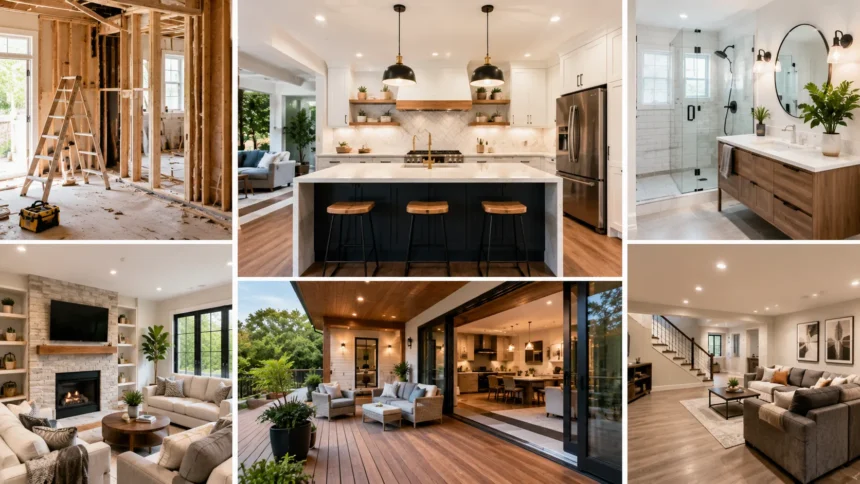
The best home renovation ideas for 2026 are less about making a house look temporarily fashionable and more about making it warmer, smarter, easier to use, and better suited to everyday life. Homeowners are increasingly combining natural materials, flexible layouts, organized storage, wellness features, energy-efficient upgrades, and carefully chosen technology instead of renovating purely for appearance. Houzz’s 2026 U.S. renovation research found that half of surveyed homeowners planned renovation projects during 2026, with a median planned spend of $15,000. That more cautious budget environment makes selective improvements particularly important. The strongest 2026 renovation strategy is to spend on features that improve function and comfort while avoiding expensive trends that could quickly feel dated.
Current design research also shows that homeowners are moving toward more personal and durable spaces. Houzz describes 2026 design priorities around warmth, longevity, wellness, accessible layouts, richer materials, and homes that support real life rather than constant novelty. Zillow’s analysis of millions of property listings similarly identified increased interest in personalized interiors, wellness spaces, renewable energy, and climate-resilient home features. These trends do not mean every house needs a complete remodel. Many of the best renovation ideas can be introduced gradually through kitchens, bathrooms, lighting, storage, paint, insulation, outdoor areas, and adaptable rooms. This guide explains which 2026 renovation trends have practical staying power and how to use them without overspending.
What Home Renovation Looks Like in 2026
Home renovation in 2026 is becoming more intentional because homeowners are balancing higher construction costs with a desire to stay in their properties longer. Houzz’s latest renovation study found that renovation activity remained historically strong, but homeowners planning projects in 2026 expected a lower median spend than the previous year. That shift encourages people to prioritize improvements that solve several problems at once rather than spreading money across purely decorative changes. A kitchen renovation may therefore focus on storage, lighting, ventilation, accessibility, and gathering space simultaneously. The best projects increasingly justify themselves through daily usefulness rather than simply producing a dramatic before-and-after photograph.
Long-term living is also influencing design decisions. Houzz’s 2026 design predictions reported that nearly two-thirds of remodeling homeowners expected to remain in their homes for at least 11 more years, strengthening interest in aging-in-place and multigenerational design. This changes renovation priorities because people planning to stay longer have more reason to improve accessibility, storage, comfort, durability, and energy performance. Wider circulation areas, curbless showers, better lighting, main-floor flexibility, and easier-to-reach storage can provide value long before anyone develops mobility limitations. Designing for the future does not require making a home look institutional. Many accessible features now appear similar to premium contemporary design.
Another defining characteristic of 2026 renovation is the move away from sterile uniformity. Warm woods, earthy neutrals, natural stone, textured surfaces, softer geometry, and handcrafted details are increasingly replacing the cool gray interiors that dominated many previous renovations. Houzz’s spring and summer search data showed growing interest in curved architectural elements, scalloped tile, sandstone, warm palettes, and other tactile materials. Zillow also found rising interest in personalized and artisan details rather than completely standardized minimalist interiors. The practical lesson is not to fill every room with trends, but to choose durable base materials and add character where replacement would be relatively easy.
Wellness is also moving from a luxury concept into everyday renovation planning. Homeowners are thinking more carefully about natural light, quiet areas, indoor air, comfortable bathrooms, restorative outdoor spaces, and rooms that support hobbies or relaxation. Zillow found that mentions of reading nooks increased by 48% in listings, while spa-inspired bathroom mentions increased by 22%, indicating growing interest in spaces designed for retreat rather than constant activity. These features can be created at several price levels. A quiet corner with built-in shelving and good lighting can deliver the same underlying benefit as an expensive dedicated library when square footage and budget are limited.
Technology remains important in 2026, but the direction is becoming more subtle. Instead of adding visible gadgets everywhere, homeowners increasingly want systems that simplify routines through better lighting controls, efficient appliances, charging, security, climate management, and integrated storage. NKBA’s 2026 kitchen research identifies smart technology integration alongside storage maximization, wellness, and whole-home continuity as major kitchen themes. The best smart-home renovation therefore begins with a practical problem rather than buying technology because it is new. If an upgrade saves energy, improves security, reduces clutter, or makes a frequently repeated activity easier, it has a stronger chance of remaining useful after the novelty disappears.
Use Warm Natural Materials and Richer Color
Natural materials are one of the strongest home renovation trends for 2026 because they bring warmth and visual depth without depending on complicated decoration. Wood cabinetry, stone surfaces, natural-looking flooring, textured plaster, woven materials, and warm metals can make a recently renovated home feel less like a showroom. NKBA’s 2026 kitchen research found growing popularity for visible wood grain, with white oak leading the wood preferences reported by surveyed industry professionals. Natural and organic styling was also one of the report’s leading kitchen design directions. These materials work especially well when homeowners want an interior that can accommodate changing furniture, artwork, and accessories over time.
You do not need to replace every painted cabinet with wood to use this renovation idea successfully. A wood island, open shelf, vanity, dining table, interior door, or built-in cabinet can introduce natural texture without dominating a room. Existing wood floors may also be refinished rather than removed, particularly when the boards remain structurally sound. Mixing wood tones is acceptable when their undertones feel intentional, so homeowners do not need to purchase matching furniture sets. In fact, a slightly collected appearance often feels warmer than perfect uniformity. The goal is to create continuity through related tones and repeated materials while allowing individual pieces to retain some character.
Color is also becoming richer, but 2026 does not require abandoning neutrals completely. NKBA found that neutral colors remained highly popular in kitchens and bathrooms, while greens and blues were increasingly used as secondary or statement colors. Zillow’s 2026 research found a 149% year-over-year increase in listing mentions of color drenching, where walls, ceilings, and trim use the same or closely related color. Homeowners can adopt the broader idea without painting an entire house dark green. A powder room, office, snug, bedroom, or built-in library can carry stronger color while major connected spaces remain adaptable.
Texture can create visual interest when homeowners prefer a quieter palette. Limewash-inspired finishes, wood grain, handmade-looking tile, brushed metals, stone, wool, linen, and other tactile materials make neutral rooms feel layered rather than empty. Houzz’s 2026 emerging trend research shows growing interest in sensory-rich spaces and nature-inspired textures alongside warm color palettes. This approach is particularly useful in living rooms and bedrooms because it creates comfort without permanently committing large surfaces to unusual patterns. If the budget is limited, prioritize one or two authentic textures rather than purchasing several inexpensive imitations that may look artificial when placed together.
The most durable approach is to distinguish long-lasting materials from temporary style. Flooring, permanent cabinetry, expensive countertops, and large areas of tile should generally be chosen more carefully because replacing them involves substantial cost and disruption. Stronger colors and experimental textures can appear in paint, wallpaper, lighting, backsplash areas, decorative panels, or furniture that can be updated later. This balance allows homeowners to participate in 2026 renovation trends while reducing the risk that the property quickly appears dated. A timeless renovation does not have to avoid personality. It simply places the most personal decisions where future change remains manageable.
Build a Smarter Kitchen Around Storage and Daily Life
Kitchen renovation ideas for 2026 are moving beyond the traditional question of cabinet color. NKBA’s 2026 Kitchen Trends Report identifies kitchens as increasingly multifunctional spaces designed for socializing, work, wellness, storage, and connection with the rest of the home. Survey respondents expected larger kitchen footprints even as average home sizes become more constrained, demonstrating how important the room has become to everyday living. However, increasing the effective size of a kitchen does not always require an extension. Better storage, improved circulation, multifunctional islands, and visual connections with adjoining rooms can make existing square footage perform far more efficiently.
Storage is one of the most practical kitchen investments for 2026. NKBA reports strong interest in floor-to-ceiling cabinets, more drawers, walk-in or butler pantries, storage-packed islands, and refrigerators with more flexible configurations. Deep drawers can make pots and cookware easier to access than low cabinets, while vertical tray storage and pull-out pantry systems make awkward spaces more usable. Homeowners should design around what they actually own rather than copying a generic cabinet layout. Measuring appliances, cookware, food storage, recycling, pet supplies, and small appliances before finalizing cabinetry can prevent expensive storage from being poorly organized.
Dedicated beverage zones are another kitchen idea gaining momentum. NKBA found that 85% of its surveyed professionals expected dedicated beverage areas to be popular lifestyle enhancements. A beverage station does not need to become a luxury coffee bar with specialized plumbing. It can simply gather the kettle, coffee machine, mugs, drinks, and related supplies away from the main cooking zone so several people can use the kitchen without crossing paths. The same principle can apply to breakfast stations, baking areas, homework corners, or pet-feeding zones. Good kitchen design separates repeated activities logically instead of forcing every task onto the same countertop.
Lighting is becoming equally important. NKBA’s survey found natural light, quality lighting, and task lighting among the leading kitchen design considerations, with under-cabinet and interior cabinet lighting also expected to remain popular. A strong kitchen lighting plan normally combines general ceiling light with focused task illumination and softer decorative light for evenings. Renovators should plan wiring before cabinetry and backsplash installation so later upgrades do not require finished surfaces to be opened again. Consider switches and dimming according to how the room changes through the day. Good lighting can make modest cabinetry and countertops feel more expensive because materials appear more intentional and work areas function better.
Smart kitchen technology should remain selective. Wi-Fi-connected appliances, app-controlled lighting, wireless charging, better ventilation, steam cooking, and other features are gaining interest according to NKBA’s 2026 findings. However, homeowners should evaluate whether a smart feature saves time or improves performance before paying a premium for connectivity. A powerful quiet range hood may provide greater everyday value than a refrigerator screen nobody uses after the first month. Similarly, integrated charging can reduce countertop clutter even though it is far less visually impressive than a high-end appliance. The best 2026 kitchen feels intelligent because it supports routines naturally, not because every component requires another app.
Create a Spa-Like Bathroom That Is Easier to Use
Bathrooms are becoming more focused on wellness, comfort, and ease of maintenance in 2026. NKBA’s latest Bath Trends Report found increasing interest in spa-inspired features, larger showers, integrated seating, improved lighting, smart fixtures, and design choices that support aging in place. This does not mean every bathroom needs a sauna, steam room, or luxury soaking tub. The broader trend is toward bathrooms that feel calmer and function more smoothly. Better ventilation, comfortable lighting, organized storage, warm materials, and a shower that is easy to enter can create a restorative environment without requiring a large footprint.
Curbless or low-threshold showers are particularly valuable because they can look contemporary while improving accessibility. NKBA reports that grab bars, curbless showers, benches, barrier-free entries, and wider doorways are becoming increasingly integrated into mainstream bathroom design. A curbless shower can make a bathroom feel visually larger because the floor plane continues more smoothly through the room. It can also reduce a trip barrier for older adults and people with temporary injuries. Proper waterproofing and drainage are essential, however, so this is not an area where appearance should take priority over technical installation. Professional planning can prevent water from spreading outside the intended wet area.
Larger-format surfaces are another practical bathroom renovation idea for 2026. NKBA found that durability and reduced maintenance are major flooring priorities, with strong interest in large-format materials and fewer grout lines. Fewer joints can make surfaces easier to clean while helping a small bathroom appear less visually fragmented. The material still needs suitable slip resistance and installation according to wet-area requirements. Homeowners should avoid selecting enormous tiles simply because they are fashionable if the room’s dimensions create awkward cuts or excessive waste. A good tile layout should feel proportionate to the space rather than forcing a trend into an unsuitable room.
Bathroom lighting deserves more attention than one bright fixture above the mirror. NKBA reports that task lighting, natural light, nighttime lighting, mood lighting, and illuminated mirrors are becoming increasingly important in primary bathrooms. A layered plan can use bright, accurate light for grooming while allowing softer illumination during early mornings or late evenings. Low-level night lighting can make the room easier to navigate without switching on harsh overhead fixtures. Where possible, keep electrical controls away from cluttered countertop areas and integrate outlets thoughtfully into storage. Lighting contributes strongly to the spa-like feeling people want while remaining useful every day.
Storage should support the same goal of reducing visual stress. NKBA’s 2026 bathroom research highlights customized vanity storage for hair tools, medications, makeup, electrical devices, organizers, and charging. Deep drawers with internal dividers can be more useful than one large cabinet where small products disappear behind plumbing. Electrical integration allows hair dryers or toothbrush chargers to remain hidden while still being ready to use. If custom cabinetry is beyond the budget, modular organizers can achieve much of the same function. A bathroom feels more luxurious when everyday objects have clear places, even when the materials themselves are relatively modest.
Design Flexible Rooms and Quiet Spaces
One of the most useful home renovation ideas for 2026 is creating rooms that can change purpose over time. Hybrid work, multigenerational households, hobbies, fitness, caregiving, and changing family structures mean that dedicating every room permanently to one narrow function can reduce flexibility. A spare bedroom may need to work as an office today and accommodate a family member several years later. Built-in desks that can convert to storage, Murphy beds, sliding doors, modular shelving, and adaptable lighting allow one room to perform several jobs. The objective is not to make every space generic but to avoid permanent construction that prevents future use.
Quiet areas are also gaining attention as a response to highly connected, open-plan homes. Zillow’s 2026 trend analysis found listing mentions of reading nooks up 48%, reflecting increased interest in dedicated places for focus and retreat. A reading nook can be as simple as a window seat with shelves and a wall light, or it can become a small library carved from an underused landing or alcove. Acoustic softness matters as much as appearance, so rugs, curtains, upholstered furniture, books, and doors can help reduce noise. These small spaces can provide significant lifestyle value without requiring another entire room.
Multigenerational living should also influence layout decisions when families expect to share a home over longer periods. Houzz identifies aging-in-place and multigenerational design as leading 2026 priorities, particularly as many renovating homeowners expect to remain in their homes for more than a decade. A ground-floor room with access to a nearby bathroom can serve as an office now and later become a bedroom if stairs become difficult. Wider doors and uncluttered circulation can assist older relatives without drawing attention to accessibility. Where space permits, small secondary living zones can provide privacy within the same house rather than requiring a completely separate addition.
Laundry rooms and mudrooms are also becoming more important because homeowners want the practical parts of the house to function better. NKBA reports that 94% of respondents expected functional spaces such as mudrooms and flex-office areas to be important lifestyle enhancements connected with kitchen planning. A well-designed mudroom can contain shoes, coats, school bags, pet supplies, cleaning items, and charging without allowing those objects to spread across kitchens and hallways. Laundry areas can use vertical storage, hanging rails, folding counters, and pull-out drying solutions. Renovating these utility spaces may not produce glamorous photographs, but it can make the entire home easier to maintain.
Avoid creating specialized rooms that are expensive to reverse unless the household will use them frequently. Zillow’s 2026 research shows increased listing mentions of home sports features such as batting cages and other activity spaces, but highly specific installations will not fit every property or buyer. A flexible recreation room with durable flooring, storage, lighting, and sufficient electrical capacity can support exercise, games, crafts, or future hobbies without permanently serving one activity. The same principle applies to cinemas, gaming rooms, and elaborate home bars. Design the infrastructure for flexibility and let furniture or equipment define the current use.
Upgrade Lighting and Smart Technology Without Adding Clutter
Lighting is one of the most transformative renovations available because it influences how materials, colors, furniture, and architecture are perceived. In 2026, the trend is moving toward layered and atmospheric lighting rather than relying on one bright ceiling fixture. Zillow notes growing interest in softer ambient lighting within personalized interiors, while NKBA’s kitchen and bath research places high priority on natural light, task lighting, mood lighting, and integrated illumination. A practical renovation should therefore combine general, task, and accent lighting according to the function of each room. The result should be adaptable throughout the day rather than permanently bright or dim.
Switch planning matters as much as the fixtures. Dimmers can allow dining rooms, kitchens, bedrooms, and bathrooms to move between work and relaxation without installing several separate systems. Three-way switching can make hallways and larger rooms easier to control from different entrances. Motion or occupancy sensors may be useful in utility rooms, closets, and passage spaces where lights are frequently left on. Smart controls can provide schedules and remote access, but traditional physical controls should remain intuitive for visitors and household members who do not want to use an app. The best lighting system works normally even when nobody remembers which smart platform controls it.
Charging is another practical area for renovation. Phones, watches, tablets, headphones, laptops, and other devices create cable clutter when homes lack designated charging locations. Integrated outlets or USB-C power in desks, bedside areas, kitchen drawers, mudrooms, and vanity storage can reduce visible cords. NKBA’s 2026 research highlights embedded wireless charging and electrical integration within kitchen and bathroom cabinetry as areas of growing interest. Plan these locations around real routines rather than placing charging outlets simply because cabinetry companies offer them. Technology becomes genuinely invisible when it is available exactly where people already leave their devices.
Smart climate control can provide more lasting value than decorative technology. Programmable or smart thermostats, zoning where appropriate, automated shades, occupancy-aware controls, and efficient HVAC equipment can improve comfort while potentially reducing unnecessary energy use. Homeowners should still consider compatibility, repairability, software support, and whether features remain functional if an internet service disappears. Avoid replacing simple reliable switches with complicated proprietary systems unless the added capability serves a clear purpose. A renovation should not create future dependence on a product ecosystem that may be difficult to maintain. Open standards and easily replaceable components can make smart-home upgrades more resilient.
Security technology can be integrated with the same restraint. Video doorbells, cameras, smart locks, motion lighting, leak sensors, and smoke or carbon monoxide monitoring can improve awareness when properly installed. Place cameras and sensors according to actual vulnerabilities instead of covering every corner with visible devices. Wired power and network connections planned during renovation can reduce battery maintenance and improve reliability where appropriate. Privacy also matters, particularly for indoor cameras and cloud-connected systems. A strong 2026 smart home feels calmer and more controlled because technology removes friction. If the technology constantly demands attention, subscriptions, updates, and troubleshooting, the renovation has created another household chore instead.
Improve Outdoor Living and Curb Appeal
Outdoor renovation remains important in 2026 because homeowners increasingly treat exterior spaces as extensions of indoor living. Patios, covered seating, outdoor kitchens, courtyards, fire features, gardens, and shaded areas can increase the amount of the property that feels usable. Houzz’s emerging 2026 search trends show growing interest in French courtyards and sensory-rich outdoor environments, while Zillow continues to identify peaceful gardens and wellness-oriented outdoor areas as desirable features. The strongest outdoor renovation begins with climate and maintenance rather than copying a design from another region. Shade, drainage, wind, privacy, and seasonal weather determine whether the space will actually be used.
Exterior color is warming as well. Houzz’s 2026 Outdoor Trends Study found beige became the most popular exterior wall color among surveyed renovating homeowners, increasing from 10% in 2024 to 24% in 2026 and overtaking white and gray. That does not mean every exterior should be repainted beige, especially when architecture or local materials suggest another direction. The broader trend is toward warmer, softer exteriors that relate more naturally to landscaping and wood details. Homeowners can achieve the effect through trim, doors, masonry, timber accents, or landscaping without repainting an entire house that is already in good condition.
Front entrances deserve particular attention because they influence first impressions and everyday convenience. Good exterior lighting, visible house numbers, a secure door, weather protection, clean paths, and organized delivery space make the entrance feel cared for. A small covered porch or canopy may add practical value in wet or sunny climates where people need shelter while entering the house. Storage for shoes, parcels, bicycles, or outdoor equipment can also reduce clutter immediately inside. When the renovation budget is limited, repairing and painting an existing entrance can deliver more visual impact than expensive landscaping placed farther from the house. Maintenance should always come before decoration.
Outdoor living spaces should remain flexible. A simple paved or decked area with electrical access and good lighting can support dining, children’s activities, portable grills, gatherings, or quiet seating as household needs change. Permanent elaborate outdoor kitchens, specialty sports installations, or oversized built-ins should be reserved for homeowners who will genuinely use them. Zillow’s 2026 listing research shows growing interest in active home recreation spaces, but popularity does not guarantee strong value in every neighborhood or climate. Keeping the structural base versatile allows furniture and equipment to change without another construction project. Flexible outdoor rooms are easier to adapt and usually simpler to maintain.
Planting should also support resilience as well as appearance. Select species suited to local rainfall, heat, soil, and maintenance levels instead of designing a garden that requires constant irrigation or replacement. In wildfire-prone areas, defensible landscaping may have safety implications, while flood-prone properties may benefit from drainage, permeable surfaces, and other location-specific measures. Zillow found listing mentions of defensible-space landscaping and flood-protection features rising going into 2026. These trends reflect a broader shift toward outdoor renovation that protects the house instead of merely decorating it. A valuable landscape should become easier to live with as it matures rather than turning into another expensive maintenance burden.
Prioritize Energy Efficiency and Climate Resilience
Energy-efficient home renovation is becoming increasingly connected with comfort, operating costs, and property resilience. Zillow’s 2026 trend research found a 21% increase in listing mentions of sustainable or green homes, while whole-home batteries and electric-vehicle chargers also appeared more frequently. Before installing highly visible renewable-energy systems, homeowners should usually investigate the building envelope and major energy losses. Air sealing, insulation, efficient windows where replacement is genuinely needed, and improved heating or cooling can reduce the energy the house requires in the first place. Cutting demand makes later solar, batteries, or other technologies more useful because the home begins from a more efficient baseline.
Insulation improvements can often be incorporated efficiently when renovation already exposes walls, ceilings, roofs, or floors. It is easier to improve inaccessible areas while finishes have been removed than to open completed construction again later. Air leakage around penetrations, doors, windows, loft hatches, and service routes can also affect comfort even when insulation levels appear adequate. Moisture management must remain part of the design because trapping moisture through poorly planned insulation can create new problems. Climate, building type, and local construction practices determine the correct solution. Energy efficiency should therefore be treated as building science rather than simply purchasing a thicker insulation product.
Electrification can be considered when existing systems approach replacement. Heat pumps, induction cooking, heat-pump water heaters, solar generation, battery storage, and EV charging may make sense depending on climate, utility rates, electrical capacity, incentives, and household usage. Zillow found EV charger mentions up 25% in listings and whole-home battery mentions continuing to increase, reflecting growing interest in homes prepared for more electrical technologies. Renovators should assess the electrical panel and service capacity before ordering high-demand equipment. Upgrading infrastructure once can be more economical than repeatedly modifying the electrical system every time another appliance or vehicle is added.
Climate resilience should be tailored to local risk. Zillow’s 2026 research found substantial growth in listing mentions of flood protection, elevated construction, defensible-space landscaping, and fire protection. A coastal home may need different improvements from one in a wildfire-prone inland area or a region exposed to severe heat. Renovation can create opportunities to improve roof attachment, drainage, exterior materials, shading, storm protection, backup power, or landscape design where relevant. Resilience work should follow local building guidance and hazard information rather than generic internet advice. The best investment is the one that addresses risks the property actually faces.
Backup power deserves particularly careful evaluation because batteries and generators solve different problems and can involve substantial cost. A household with frequent short outages may benefit from a different solution from one that needs days of emergency power. Battery systems can integrate with solar and provide quiet backup for selected circuits, while other homes may prioritize efficient refrigeration, communications, medical devices, or heating during outages. Design the backup plan around essential loads rather than attempting to power every appliance automatically. A resilient renovation makes the home safer and easier to operate during disruption. It does not need to turn the house into a completely independent power station.
Add Personality Without Creating a Short-Lived Trend Renovation
Personalization is one of the most visible changes in 2026 home design. Zillow found increases in listing mentions of artisan craftsmanship, vintage accents, and whimsical details as buyers and homeowners move away from interiors that all look identical. This creates more freedom to preserve original features rather than replacing everything with standardized new materials. Old doors, built-in cabinets, brick, timber, moldings, hardware, or unusual architectural details can often become the character that distinguishes a renovation. Repairing something original may also reduce waste and maintain a stronger connection with the home’s age. Not every imperfection needs to be redesigned out of the property.
Curved forms are another 2026 idea that can add softness when used carefully. Houzz reported significant increases in searches for arched pantry doors, rounded islands, curved peninsulas, scalloped tile, and other soft geometric elements during early 2026. A renovation can incorporate this direction through one archway, rounded countertop corner, mirror, built-in shelf, or curved furniture rather than rebuilding the entire house around arches. Architectural curves cost more when they require structural modification or custom fabrication, so homeowners should distinguish decorative opportunities from expensive construction. Small repeated curves can often create the same visual softness without dramatically increasing the budget.
Pattern is also returning, particularly in smaller areas where it can create identity without overwhelming the house. Backsplashes, powder rooms, wallpaper panels, rugs, upholstery, and entry tiles provide relatively contained locations for stronger color or pattern. A recent Better Homes & Gardens report drawing on the 2026 NKBA Kitchen Trends Report noted increasing interest in statement backsplashes, including mixed or patchwork-style tile. Permanent pattern should still be chosen thoughtfully because installation costs can make replacement expensive. If uncertain, use paint or wallpaper first and reserve tile for designs you expect to appreciate over the longer term.
Vintage and secondhand pieces can help new renovations avoid feeling overly manufactured. An antique cabinet, reclaimed table, old mirror, vintage light fixture that has been safely rewired, or restored original door can bring history into rooms with contemporary infrastructure. This approach works particularly well alongside simple cabinetry and natural materials because the older piece receives visual emphasis. It may also reduce consumption when good-quality items are reused instead of discarded. However, restoration costs should be considered realistically, and old electrical or plumbing items may require professional modification before use. Authentic character is valuable only when it does not compromise safety or function.
The most successful personalized renovation creates a consistent story rather than collecting every trend appearing in 2026. Choose two or three materials, a restrained color family, and several repeated details that connect the rooms. Stronger personality can appear in one area while the overall house remains coherent. Avoid purchasing several fashionable permanent features simply because each one looks impressive separately. Trends are useful as inspiration, not instructions. A house feels personal when renovation decisions relate to its architecture, occupants, and daily routines, which is far more durable than reproducing a social-media room exactly.
Choose 2026 Renovation Ideas That Add Long-Term Value
The best renovation idea is not necessarily the newest one. Before spending money, ask whether the proposed change solves a real problem, improves a frequently used space, and fits the property’s likely long-term needs. Storage, lighting, durable surfaces, energy performance, ventilation, accessibility, and maintenance often deliver more lasting value than purely decorative construction. Homeowners planning to sell soon should also consider local buyer expectations and comparable properties before committing to expensive custom features. Someone remaining in the home for 15 years can reasonably place more emphasis on personal enjoyment because they have more time to benefit from the renovation.
Budget discipline is especially relevant in 2026. Houzz found that median planned renovation spending among surveyed U.S. homeowners decreased to $15,000 for 2026, even as renovation interest remained substantial. This makes phased renovations attractive because homeowners can complete essential improvements first and postpone decorative projects until more funds are available. A first phase might address roofing, moisture, electrical systems, insulation, or plumbing, while later phases improve kitchens, bathrooms, storage, and finishes. Phasing should follow a logical sequence so new work is not damaged by later structural construction. Spending slowly can be more effective than financing every wish at once.
Maintenance should always compete successfully against trends. If the roof leaks, drainage fails, wiring is unsafe, or plumbing is deteriorating, those problems should be solved before installing a curved island or spa shower. Hidden building systems protect every visible renovation placed above them. This is particularly important in older properties where demolition may reveal issues that were not visible during initial planning. Keep an appropriate contingency reserve instead of spending the full available budget on finishes. A less glamorous but sound renovation usually adds more real value than a fashionable interior covering expensive unresolved defects.
Local climate and architecture should also influence which 2026 trends you adopt. Warm earthy materials may suit many homes, but the exact woods, stones, colors, and landscaping should relate to what performs well in the region. Outdoor living matters differently in hot, cold, wet, and dry climates, while resilience measures should respond to specific hazards rather than general fear. Similarly, open kitchens may work beautifully in one house while another benefits from more acoustic separation. The strongest renovations respect the building that already exists. Trends should improve its strengths rather than force every home toward the same design.
Ultimately, the best home renovation ideas for 2026 share one principle: they make houses easier to live in over time. Warm natural materials bring character, better storage reduces clutter, wellness bathrooms improve routines, flexible rooms adapt as families change, and energy or resilience upgrades protect comfort and operating costs. Smart technology works best when it disappears into those functions rather than dominating them. Current research from Houzz, NKBA, and Zillow consistently points toward personalization, long-term usability, wellness, smarter storage, efficiency, and resilience rather than novelty alone. A renovation built around those priorities is far more likely to feel relevant beyond 2026.
Frequently Asked Questions About Home Renovation Ideas for 2026
What are the biggest home renovation trends for 2026?
Major 2026 trends include warm natural materials, better storage, multifunctional kitchens, spa-inspired bathrooms, aging-in-place features, flexible rooms, layered lighting, subtle smart-home technology, energy efficiency, and climate-resilient improvements. Personalized interiors and softer architectural forms are also gaining attention.
What kitchen renovations are popular in 2026?
Kitchen trends include visible wood grain, larger or more functional storage, beverage stations, storage-packed islands, improved task lighting, hidden appliances, natural materials, and selective smart technology. NKBA also reports strong interest in kitchens that support gathering, wellness, and multiple everyday activities.
What bathroom trends are popular in 2026?
Spa-like showers, curbless entries, integrated seating, fewer grout lines, customized storage, layered lighting, smart fixtures, and aging-in-place features are prominent bathroom renovation trends. NKBA’s 2026 research also points toward natural materials and wellness-focused bathroom layouts.
Are open-plan homes still popular in 2026?
Open layouts remain useful in many homes, particularly around kitchens and gathering areas, but homeowners are also creating quieter spaces such as reading nooks, offices, and flexible rooms. The strongest approach is often connected living spaces combined with places that can provide privacy when needed.
What renovation adds the most value in 2026?
The answer depends on the home’s condition and local market, but practical improvements generally deserve priority: maintenance, kitchens, bathrooms, storage, curb appeal, efficient systems, lighting, and adaptable layouts. A renovation that improves several aspects of everyday living usually provides better long-term value than an expensive trend chosen mainly for appearance.