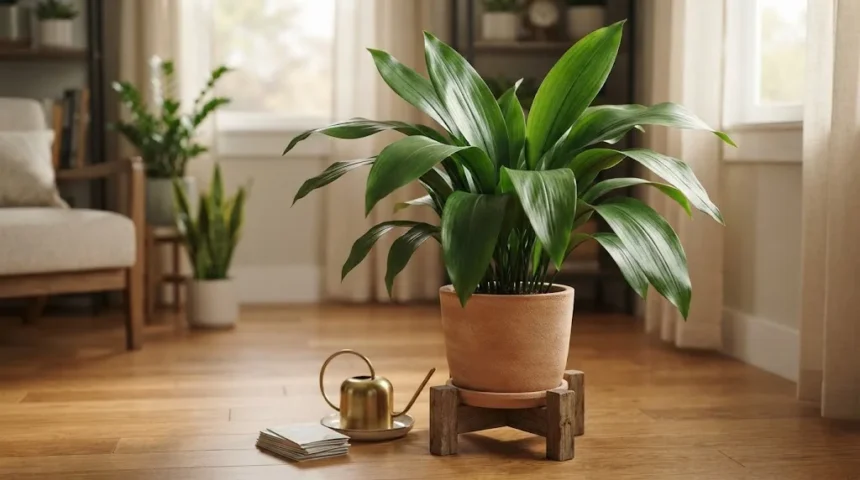
Cast Iron Plant Care: Easy Tips for Tough Houseplants
The cast iron plant has earned its reputation as one of the toughest and most forgiving houseplants you can grow. Known botanically as Aspidistra elatior, this slow-growing evergreen is valued for its broad, upright leaves and remarkable ability to tolerate conditions that challenge many other indoor plants. It can handle relatively low light, occasional missed waterings, average household humidity, and a wide range of indoor environments. That resilience makes it especially appealing to beginners, busy plant owners, and anyone with rooms that do not receive abundant sunlight. However, “tough” does not mean completely indestructible, and the plant still grows best when its basic needs are understood. Giving it appropriate light, water, drainage, and temperature can keep its foliage attractive for many years.
Successful cast iron plant care is largely about avoiding extremes rather than providing complicated treatment. The plant generally prefers indirect light instead of harsh sun, moderately moist soil instead of constantly wet compost, and stable indoor temperatures rather than sudden cold or heat. Because it grows slowly, it also needs less fertilizer and less frequent repotting than many faster-growing tropical houseplants. Problems often appear when owners assume a hardy plant can tolerate permanently soggy soil, intense afternoon sunlight, or repeated heavy feeding. Yellow leaves, brown tips, drooping growth, and leaf spotting can usually be traced back to one or more environmental issues. Learning to read these signals makes caring for an Aspidistra much easier.
One of the most attractive qualities of the cast iron plant is how adaptable it can be in real homes. It works well in offices, apartments, hallways, shaded rooms, and other places where more demanding plants may struggle. Mature plants develop clusters of leaves directly from underground rhizomes, gradually becoming wider and fuller rather than rapidly growing upward like a tree. Some varieties have dark green leaves, while others display cream-colored stripes, speckles, or variegation that can brighten shaded spaces. Although the plant can survive neglect better than many popular houseplants, consistent care produces stronger growth and cleaner foliage. The following guide explains how to grow, water, feed, repot, propagate, and troubleshoot a cast iron plant throughout the year.
What Is a Cast Iron Plant and Why Is It So Tough?
The cast iron plant is an evergreen perennial belonging to the genus Aspidistra, with Aspidistra elatior being the species most commonly grown as a houseplant. It develops long, leathery leaves that rise individually from underground rhizomes rather than growing from a visible woody stem. Mature leaves are typically deep green and have an elegant upright or arching shape that gives the plant a lush appearance without requiring elaborate pruning. The plant grows slowly, which makes it useful in indoor spaces where owners do not want a specimen that quickly becomes oversized. Its relatively modest growth rate also means changes happen gradually. With stable care, one plant can remain attractive for many years and eventually develop a dense cluster of foliage.
Its famous durability comes partly from its ability to tolerate relatively shaded conditions. Many flowering and tropical foliage plants deteriorate quickly when they receive less light than they prefer, but a cast iron plant can remain alive and attractive in lower-light rooms. This does not mean it grows best in complete darkness, however, because all green plants require usable light for photosynthesis. Growth usually becomes stronger when the plant receives bright or moderate indirect light without intense sun striking the leaves. A plant kept in very dim conditions may produce fewer new leaves and grow even more slowly. The difference between tolerating low light and thriving in low light is therefore important when deciding where to place it.
Cast iron plants are also tolerant of occasional inconsistencies in watering, which makes them more forgiving than many moisture-sensitive houseplants. Their underground rhizomes and established root systems allow healthy plants to handle short periods when the potting mix becomes somewhat dry. At the same time, they do not tolerate constantly waterlogged soil well because roots still require oxygen. Repeated overwatering can eventually lead to yellow leaves, damaged roots, and root rot even in such a resilient species. Owners sometimes lose these plants by giving them too much attention rather than too little. A sensible approach is to check the soil before watering instead of following a rigid calendar regardless of moisture levels.
Another reason Aspidistra works well indoors is that it generally accepts ordinary household humidity. Plants originating from humid environments can sometimes develop severe brown edges when indoor air becomes dry, especially during winter heating. Cast iron plants are less demanding, although extremely dry conditions may still contribute to crispy leaf tips or reduced appearance. They also cope well with the relatively stable temperatures found in homes and offices. Drafty windows, freezing conditions, and strong blasts of heating or air-conditioning should still be avoided. Providing moderation rather than perfect tropical conditions is usually enough to keep the plant healthy, which explains why it has remained popular with generations of indoor gardeners.
The plant’s toughness should ultimately be viewed as flexibility rather than immunity to poor conditions. A healthy cast iron plant can survive occasional neglect, but continuously stressful conditions will eventually affect its growth and appearance. Leaves may become pale in excessive sun, yellow in persistently wet soil, or develop damaged tips when moisture and environmental conditions fluctuate repeatedly. Slow growth can also hide problems because the plant may take time to show the consequences of improper care. Creating a stable routine is therefore better than testing how much neglect the plant can endure. Its resilience provides a useful safety margin, allowing beginners to learn without needing the constant attention demanded by more sensitive houseplants.
Best Light for a Cast Iron Plant
Cast iron plants are widely described as low-light houseplants, and they genuinely tolerate shade better than many common indoor species. A position several feet away from a bright window can work well, particularly when direct sunlight does not reach the leaves. North-facing windows are often suitable, while east-facing windows can provide gentle morning light that many plants tolerate comfortably. Rooms with filtered natural light can also support healthy growth when the plant receives enough brightness during the day. In extremely dark rooms, however, growth may slow substantially and new leaves may become less frequent. Even shade-tolerant plants perform photosynthesis more effectively when they receive consistent indirect light.
Bright indirect light is often the best choice when you want stronger growth rather than simply survival. This means placing the plant where the room is bright but the sun’s rays do not remain directly on its leaves for long periods. Sheer curtains can soften intense window light, while moving the pot farther from a southern or western exposure can reduce leaf damage. Under favorable indirect light, an established cast iron plant may produce more new shoots during the active growing season. Variegated cultivars can particularly benefit from brighter filtered conditions because their patterned leaves contain less chlorophyll than solid green foliage. However, excessive sunlight can still burn pale portions of variegated leaves more easily.
Direct afternoon sunlight is one of the most common lighting problems for cast iron plants. Strong rays passing through a window can produce bleached patches, yellowish areas, or dry brown scorch marks on leaves. Damage may appear primarily on the side of the plant facing the window, providing an important clue that light rather than watering is responsible. Once tissue has been scorched, it will not return to green, although healthy new leaves can develop under improved conditions. Move the plant farther from the window or filter the light instead of waiting for additional leaves to burn. Gradual adjustments are usually preferable because plants benefit from stable environments rather than repeated dramatic changes in placement.
Very low light creates a different set of problems. The plant may remain alive but produce little or no noticeable growth for extended periods, and variegated varieties may develop less dramatic coloration. Soil can also remain wet much longer because a plant growing slowly in dim conditions uses water more gradually. This increases the risk of accidental overwatering when owners continue watering as frequently as they would in brighter rooms. If a room has almost no natural daylight, supplemental grow lighting may provide a more reliable long-term solution. A simple grow light positioned according to its manufacturer’s recommendations can help maintain healthier foliage in spaces that would otherwise be too dark.
Rotating the plant periodically can help it develop a balanced appearance when light enters mainly from one direction. Leaves naturally orient themselves toward useful light, so a pot left unchanged for months may gradually look fuller on the window-facing side. A quarter turn every week or two can encourage more even orientation without constantly disturbing the plant. However, rotation is optional if you prefer the foliage to naturally face the room or window. The most important objective is giving the plant consistent light that is bright enough for photosynthesis but gentle enough to prevent scorching. Once you find a location where growth and leaf color remain healthy, frequent relocation is usually unnecessary.
How Often Should You Water a Cast Iron Plant?
Watering a cast iron plant successfully begins with checking the potting mix rather than relying on a fixed weekly schedule. Indoor conditions change throughout the year, so the soil may dry quickly during warm bright weather and much more slowly during cool winter months. Insert a finger into the upper portion of the potting mix and water when the top inch or two feels dry. Larger containers may require checking slightly deeper because moisture can remain around the lower roots even when the surface appears dry. When watering is needed, soak the soil thoroughly until excess moisture drains from the bottom. This approach encourages even moisture while preventing small daily sips from leaving parts of the root zone dry.
After watering, empty any excess water collected in the saucer or decorative outer pot. Leaving the nursery pot standing in water for extended periods can keep the root zone saturated and reduce the oxygen available to roots. Although a cast iron plant can handle some inconsistency, chronically wet conditions can lead to declining roots and eventual root rot. Drainage holes are therefore essential for containers used over the long term. Decorative pots without drainage can still be used as covers if the plant remains inside a separate nursery pot that can be removed for watering. Allowing water to drain completely before returning it to the outer container greatly reduces the chance of hidden standing water.
Underwatering is usually less immediately dangerous than keeping the plant continuously wet, but severe dryness can still damage foliage. An excessively dry plant may develop drooping leaves, crispy tips, brown margins, or soil that pulls away from the edge of the pot. If the potting mix has become extremely dry, water may initially run down the sides without soaking into the center. In that situation, water slowly in several passes until the soil absorbs moisture evenly. Avoid compensating for one missed watering by leaving the plant submerged or constantly soaked afterward. Returning to a moderate routine is more effective than swinging between drought and saturation, both of which place unnecessary stress on the roots.
Seasonal changes should influence watering frequency because plant growth and evaporation are not constant throughout the year. During spring and summer, increased daylight and warmer temperatures may cause the potting mix to dry faster, particularly if the plant is actively producing new leaves. During autumn and winter, growth often slows and soil may remain moist for longer periods. Continuing a summer watering schedule through winter is a common reason indoor plants develop overwatering problems. Heating systems can sometimes dry soil faster, however, so season alone should never replace checking moisture directly. The best schedule is flexible and responds to the actual soil rather than the date printed on a calendar.
Water quality can also affect the appearance of houseplant leaves over time, particularly where tap water contains high levels of dissolved minerals. Some plants develop brown tips when salts accumulate in the potting mix from water and fertilizers, although several environmental factors can produce similar symptoms. Occasionally flushing the pot thoroughly with water and allowing it to drain can help remove some accumulated salts. If your tap water is especially hard and leaf-tip problems persist, filtered or suitable alternative water may be worth testing. Do not assume every brown tip is caused by water chemistry, however. Underwatering, dry air, root problems, excess fertilizer, and physical damage should also be considered before changing the entire watering routine.
Best Soil, Pot, and Repotting Routine
A cast iron plant grows best in a loose, well-draining potting mix that retains some moisture without remaining saturated. Standard high-quality indoor plant potting soil can often work well, particularly when amended with material that improves aeration and drainage. Perlite, pumice, fine bark, or similar components can help prevent the mixture from compacting tightly around the roots. Heavy garden soil should generally be avoided in containers because it can drain poorly and may introduce pests or pathogens indoors. The goal is not to create an extremely dry cactus-style mixture but to provide a balance between moisture retention and airflow. Healthy roots need access to both water and oxygen to function effectively.
Container choice matters almost as much as soil because drainage determines how quickly excess water can leave the root zone. A pot with at least one functional drainage hole is strongly recommended. Terracotta containers tend to allow moisture to evaporate faster through their porous walls, which can help owners who are prone to overwatering. Plastic and glazed ceramic pots retain moisture longer and may suit homes where soil dries rapidly. Neither material is automatically better as long as watering habits are adjusted accordingly. Choose a container that is stable enough to support the plant’s tall leaves while providing adequate drainage rather than selecting a pot based only on appearance.
Cast iron plants generally prefer being somewhat snug in their containers and do not need frequent repotting. Their slow growth means they may remain comfortable in the same pot for several years when roots and soil remain healthy. Signs that repotting may be necessary include roots crowding the drainage holes, severely compacted soil, water passing through unusually quickly, or a plant that has become noticeably root-bound. Repotting simply because a calendar says two years have passed is not always necessary. Inspect the plant and root system instead. Disturbing the roots less frequently can be an advantage with slow-growing plants that are otherwise thriving.
When repotting becomes necessary, move up only one container size rather than placing a small root system inside a dramatically oversized pot. Large amounts of unused soil stay wet longer because roots cannot remove moisture quickly from the entire volume. This creates conditions where overwatering becomes easier even if your previous routine worked perfectly. Gently remove the plant, inspect the roots, and place it into fresh potting mix at approximately the same depth it was growing before. Avoid burying the crown or rhizomes excessively deeply. Water after repotting to settle the mixture around the roots, then allow the plant time to adjust before making additional changes.
Repotting is also a useful opportunity to inspect the underground rhizomes and remove obviously dead or damaged material when necessary. Healthy roots are generally firm rather than slimy or foul-smelling, while rot may produce dark, soft tissue and an unpleasant odor. If root rot is present, simply moving the plant into a larger pot without correcting the watering problem will not solve it. Remove severely damaged roots with clean tools, use fresh well-draining soil, and reconsider how frequently the plant is being watered. Clean containers before reuse when disease or rot has occurred. A carefully managed root environment is one of the strongest foundations for long-term cast iron plant health.
Temperature, Humidity, and Fertilizer Needs
Cast iron plants are comfortable in the moderate temperatures commonly found inside homes. Temperatures around 60 to 75°F, or roughly 16 to 24°C, are generally suitable for steady indoor growth. Established plants can tolerate some variation outside that range, but extreme heat or prolonged cold creates unnecessary stress. Keep the plant away from freezing windows, unheated winter spaces, and strong blasts from heating or cooling vents. Sudden temperature changes can be more disruptive than modest gradual fluctuations. If a room feels reasonably comfortable for people throughout the year and is protected from severe drafts, the temperature is usually acceptable for an indoor Aspidistra.
Humidity requirements are relatively forgiving compared with those of many tropical foliage plants. Average household humidity is often sufficient, which is one reason the plant performs well in offices and ordinary living spaces. In unusually dry conditions, leaf edges may become brown or crispy, although low humidity is not the only possible cause of this symptom. Grouping plants together or using a humidifier can help if indoor air is consistently very dry. Constant misting is generally unnecessary and may leave foliage wet without meaningfully changing room humidity for long. Stable overall growing conditions matter more than trying to create a permanently damp environment around the leaves.
Fertilizer should be used moderately because cast iron plants grow slowly and do not consume nutrients as rapidly as many vigorous houseplants. During spring and summer, a balanced houseplant fertilizer applied at a reduced or manufacturer-recommended strength can support new growth. Monthly feeding during active growth is enough for many plants, while some may need even less depending on the potting mix. Fertilizing constantly does not force healthy rapid growth and may instead lead to salt buildup or root damage. Always apply fertilizer according to product directions rather than assuming stronger concentrations produce better results. A slow-growing plant requires patience more than aggressive feeding.
Fertilizer can usually be reduced or paused during autumn and winter when growth naturally slows. Plants kept under strong artificial grow lights and warm conditions may continue growing, but many indoor specimens produce fewer new leaves during shorter days. Feeding heavily when the plant is barely growing can leave unused mineral salts accumulating in the soil. Signs of excessive fertilizer may include browned leaf tips, root stress, or crusty deposits around the soil surface and pot edges. If overfertilization is suspected, stop feeding temporarily and flush the soil thoroughly with water if drainage is good. Resume only after the plant stabilizes and active growth returns.
Organic fertilizers can also be used, but they are not automatically safer simply because they come from natural sources. Fish-based products, compost-derived fertilizers, and other organic options still provide nutrients that can be excessive if applied too frequently. Indoor use may also introduce odor or encourage fungus gnats if rich organic material remains constantly moist. Whichever product you choose, the objective is supplying modest nutrition without overwhelming a naturally slow-growing plant. Fresh potting mix may already contain fertilizer, so additional feeding immediately after repotting may be unnecessary. Paying attention to the plant’s growth rate is more useful than following an aggressive fertilizing routine designed for fast-growing species.
Pruning, Cleaning, and Everyday Maintenance
Cast iron plants require very little pruning because they naturally maintain a simple clumping form. There is no need to regularly cut healthy leaves in order to encourage branching, because new foliage emerges individually from underground rhizomes. Pruning is mainly used to remove leaves that have turned completely yellow, suffered severe damage, or developed permanent brown areas that affect appearance. Use clean, sharp scissors or pruning shears and cut unwanted leaves close to the soil surface without damaging nearby shoots. Avoid removing large numbers of healthy leaves at one time. Each green leaf contributes to photosynthesis, so preserving functional foliage supports the plant’s overall energy supply.
Dust removal is one of the most useful maintenance tasks for an indoor cast iron plant because its large leaves naturally collect particles over time. A thick layer of dust can reduce the attractive shine of the foliage and interfere with efficient light capture. Wipe each leaf gently with a soft damp cloth while supporting it with your other hand. Plain water is normally sufficient, and commercial leaf-shine products are rarely necessary. Some shine products can leave residues or interfere with the natural surface of the leaf. Regular cleaning also gives you an opportunity to inspect the undersides of leaves for pests before infestations become severe.
Avoid repeatedly trimming brown tips into elaborate shapes unless appearance is especially important to you. Brown tissue will not turn green again, but removing only the damaged edge is primarily cosmetic and does not correct the underlying cause. If many leaves develop brown tips at once, investigate watering consistency, fertilizer use, humidity, root condition, and mineral buildup in the soil. Cutting the symptoms away while maintaining the same environmental problem will simply allow new damage to appear. When trimming is desired, use clean scissors and follow the natural shape of the leaf. Leaving a very narrow brown margin can sometimes prevent cutting directly into healthy green tissue.
New leaves can emerge tightly rolled before gradually opening and hardening. Avoid trying to manually unfold them because tender developing tissue can tear easily. If a new leaf seems stuck, check whether indoor air is extremely dry or whether the plant has recently experienced inconsistent watering. Healthy new growth should usually expand on its own when environmental conditions are suitable. Likewise, resist repeatedly moving or handling emerging shoots around the base of the plant. Aspidistra grows slowly, so a new leaf represents considerable investment by the plant. Protecting new growth from pets, furniture, foot traffic, and accidental breakage can make the plant look fuller over time.
Everyday maintenance should ultimately remain simple. Check soil moisture periodically, inspect foliage while watering, remove dead leaves, wipe away dust, and watch for gradual changes in color or growth. You do not need to constantly rotate, fertilize, mist, prune, or repot a healthy plant simply to feel that something is being done. Overcare is a common problem among enthusiastic new plant owners because frequent intervention can disturb an otherwise stable environment. Cast iron plants reward consistency rather than intensive management. Once you establish suitable lighting and watering, much of successful care involves leaving the plant alone long enough to grow at its naturally slow pace.
How to Propagate a Cast Iron Plant
Division is the most practical method for propagating a cast iron plant because new shoots grow from underground rhizomes. Unlike plants that easily root from individual leaf cuttings, Aspidistra is typically multiplied by separating a mature clump into sections that already contain roots and growing points. The process is easiest when the plant has become large enough to produce several distinct clusters. Spring or early summer can be convenient because active growth gives divisions time to establish, although healthy indoor plants can sometimes be divided at other times. Avoid dividing a small plant simply because you want more specimens quickly. Allowing it to develop a strong root system first improves the chance of successful establishment.
Begin by watering normally in the days before division so the plant is hydrated but not sitting in saturated soil. Remove the entire root ball from its container and gently loosen enough soil to see how the rhizomes and roots connect different groups of leaves. Identify sections that can be separated while retaining several healthy leaves and a reasonable amount of root tissue. Small divisions with very few roots may take much longer to establish and are more vulnerable to stress. Depending on how tightly the rhizomes are connected, they may pull apart by hand or require a clean sharp knife. Use sanitized tools to reduce the chance of introducing disease into fresh cuts.
Plant each division into a container only slightly larger than its root mass. Fill around the roots with fresh, well-draining potting mix while keeping the growing points near their previous depth. Press the soil gently enough to stabilize the plant without compacting it heavily. Water thoroughly after planting and allow excess moisture to drain before placing the new plant in bright indirect light. Avoid strong direct sunlight during the establishment period because recently disturbed roots may not support the same level of environmental stress immediately. Consistent moderate conditions help divisions recover more successfully than attempting to stimulate rapid growth through intense light or heavy fertilizer.
After division, the plant may appear to stop growing for a while as roots recover and establish themselves in the new potting mix. This is normal for a slow-growing species and does not necessarily indicate that propagation has failed. Avoid repeatedly pulling the plant from the pot to check whether new roots are forming because this can damage developing tissue. Keep watering carefully, allowing the upper soil to dry somewhat between waterings while avoiding prolonged drought. Do not overfertilize in an effort to force new leaves. Once the division begins producing fresh shoots, you have a good indication that the plant has successfully resumed active growth.
Propagation through division also provides a convenient way to reduce the size of an older plant that has become too large for its location. Instead of continually moving the entire specimen into larger and larger containers, you can separate healthy sections and replant only the amount you want to keep. Extra divisions can be given to friends or grown in other suitable rooms. However, frequent division should not become routine maintenance because each separation temporarily disrupts the root system. Cast iron plants generally look their fullest when allowed time to develop dense clumps. Divide them when there is a practical reason rather than simply because propagation is possible.
Common Cast Iron Plant Problems and How to Fix Them
Yellow leaves are one of the most common concerns reported by cast iron plant owners, and overwatering is often worth investigating first. When soil remains saturated for long periods, roots can struggle to access oxygen and may eventually begin to deteriorate. Check whether the pot has drainage holes, whether water collects inside an outer container, and how wet the soil feels below the surface. A single older leaf occasionally turning yellow can be part of normal aging, especially when the rest of the plant looks healthy. Multiple yellowing leaves appearing together suggest a broader issue that deserves attention. Adjust watering based on soil moisture rather than automatically adding more water because the plant looks unhappy.
Brown leaf tips can develop for several reasons, making them less specific than many people assume. Irregular watering, excessive fertilizer, dry indoor air, accumulated mineral salts, or prolonged root stress may all contribute. Review recent care changes before choosing a solution, because adding humidity will not help if the real problem is fertilizer buildup. Severely dry soil followed by heavy watering can also create repeated stress that eventually affects the leaf margins. Aim for more consistent moisture while still allowing the upper potting mix to dry between waterings. Existing brown tissue cannot recover, but healthier new growth can develop once the underlying environmental problem has been corrected.
Bleached, pale, or crispy patches often suggest that the plant has received too much direct sunlight. Cast iron plants are adapted to relatively shaded conditions and do not need prolonged intense rays to grow successfully. Damage is particularly likely when a plant is suddenly moved from a dim room into a bright south- or west-facing window. Relocate the pot farther from the glass or use a sheer curtain to filter harsh sunlight. Do not remove every damaged leaf immediately if significant green tissue remains, because the leaf can still contribute to photosynthesis. Future leaves should emerge with healthier coloration once light levels become more appropriate.
Spider mites and scale insects can occasionally affect cast iron plants, particularly when indoor conditions allow pest populations to build unnoticed. Spider mites may create fine webbing, pale stippling, or dusty-looking damage, while scale insects often appear as small attached bumps along leaves and stems. Inspect both sides of foliage carefully whenever unexplained discoloration appears. Isolate an infested plant from other houseplants while identifying the problem and beginning treatment. Wiping leaves, removing visible pests, and using an appropriate insecticidal soap or horticultural treatment according to its label can help manage many infestations. Repeated inspection is important because one treatment may not eliminate every pest or life stage.
A cast iron plant that produces no new leaves for months is not necessarily unhealthy because the species naturally grows slowly. Before assuming something is wrong, consider the season, lighting, pot size, and overall appearance of existing foliage. A plant in deep shade may grow extremely slowly even while remaining green, while one receiving brighter indirect light may produce more noticeable shoots. Root-bound conditions, nutrient depletion, cold temperatures, or prolonged watering problems can also suppress growth. Avoid responding by dramatically increasing fertilizer because that can create additional stress without addressing the real limitation. If the plant remains green and stable, patience and modest environmental improvements are often more appropriate than aggressive intervention.
Can You Grow a Cast Iron Plant Outdoors?
Cast iron plants can grow outdoors successfully in suitable climates, particularly in shaded locations where their foliage is protected from intense sun. They are commonly valued as landscape plants in mild regions because their upright leaves create attractive ground-level texture beneath trees, along walls, and in sheltered garden beds. Outdoor plants usually prefer partial to full shade, although complete darkness is still unsuitable for healthy long-term growth. Morning sun may be tolerated in some climates, but strong afternoon sunlight can scorch foliage. Local temperature conditions matter considerably because plants grown in the ground experience greater seasonal extremes than specimens protected inside homes. Choose a sheltered site based on your climate rather than assuming indoor toughness automatically equals outdoor hardiness.
Soil drainage remains important outdoors because rhizomes can suffer when planted in locations that remain waterlogged after rain. Rich, loose soil with organic matter can support healthy growth as long as excess water drains away. Avoid low points in the landscape where puddles remain for extended periods after storms. Once established, cast iron plants can tolerate some dryness, but newly planted divisions need more consistent moisture while developing roots. Mulch can help moderate soil moisture and temperature when applied around the plants without burying the crowns deeply. As with indoor plants, the objective is consistent moderate moisture rather than permanently saturated ground.
Cold exposure is one of the biggest limitations for outdoor cultivation. Although established plants tolerate cooler conditions better than many tropical houseplants, severe freezes can damage foliage and roots depending on duration and local conditions. Gardeners in colder climates often grow cast iron plants in containers that can be moved indoors before freezing weather arrives. Others treat them primarily as indoor plants and place them outside only during warm months. If you move a houseplant outdoors for summer, acclimate it gradually because outdoor light can be much stronger than indoor window light. Even a shady patio may expose leaves to significantly brighter conditions than they previously experienced inside.
Outdoor containers require different watering habits because wind, heat, and increased light can dry potting mix much faster than indoor conditions. A plant that needed water every couple of weeks indoors may require considerably more frequent checking during hot weather outside. Never assume the old indoor schedule remains appropriate after relocation. Rainfall can create the opposite problem by keeping containers continuously wet, particularly when saucers collect water or drainage holes become blocked. Check pots after heavy storms and ensure excess water can escape freely. Container plants respond directly to local weather, so successful outdoor care requires more observation than a fixed routine.
Before bringing an outdoor cast iron plant back inside, inspect it carefully for insects, spiders, snails, or other unwanted visitors. Check leaf undersides, the base of the plant, the pot rim, and visible areas of soil. Cleaning the leaves and isolating the plant temporarily can reduce the chance of introducing pests to an indoor plant collection. Make the transition before temperatures become dangerously cold rather than waiting until frost has already damaged the foliage. Indoor light will usually be lower, so watering frequency may need to decrease after the move. Gradual seasonal adjustments help cast iron plants transition between environments with less stress.
Frequently Asked Questions About Cast Iron Plant Care
How often should I water a cast iron plant?
Water when the top inch or two of potting mix feels dry rather than following a fixed schedule. Water thoroughly, let excess moisture drain away, and avoid leaving the plant standing in water.
Can a cast iron plant survive in low light?
Yes, cast iron plants tolerate low light better than many houseplants. However, they usually grow more strongly in moderate to bright indirect light, while extremely dark conditions can result in very slow growth.
Does a cast iron plant need direct sunlight?
No, prolonged direct sunlight is usually unnecessary and can scorch the leaves. Bright filtered or indirect light is generally a safer choice, especially near strong south- or west-facing windows.
Why are my cast iron plant leaves turning yellow?
Multiple yellow leaves can be a sign of overwatering, poor drainage, or root stress, although older leaves may occasionally yellow naturally. Check soil moisture and drainage before automatically adding more water.
Why does my cast iron plant have brown tips?
Brown tips may result from inconsistent watering, low humidity, fertilizer buildup, mineral salts, or root stress. Review the overall care routine because trimming the damaged tips will not correct the underlying cause.
How fast does a cast iron plant grow?
Cast iron plants are naturally slow growers, especially when kept in lower light. Healthy plants may produce only a modest number of new leaves during a growing season, so slow growth alone is not usually a problem.
How often should I repot a cast iron plant?
Repot only when the plant becomes noticeably root-bound, the soil has broken down, or drainage has deteriorated. Because Aspidistra grows slowly, several years can pass between repotting sessions.
Can I propagate a cast iron plant from a leaf cutting?
Cast iron plants are usually propagated through division rather than individual leaf cuttings. Separate sections of the rhizome that have healthy roots and several leaves, then plant each division in its own container.
Should I mist my cast iron plant?
Regular misting is generally unnecessary because cast iron plants tolerate average household humidity. If indoor air is extremely dry, improving overall room humidity is usually more useful than briefly wetting the leaves.
Is a cast iron plant good for beginners?
Yes, it is one of the more forgiving indoor plants because it tolerates lower light, occasional missed waterings, and average household conditions. The main mistakes to avoid are chronic overwatering, poor drainage, and prolonged exposure to harsh direct sunlight.