Magnolia Tree Guide: Types, Care and Growing Tips for Healthy Blooms
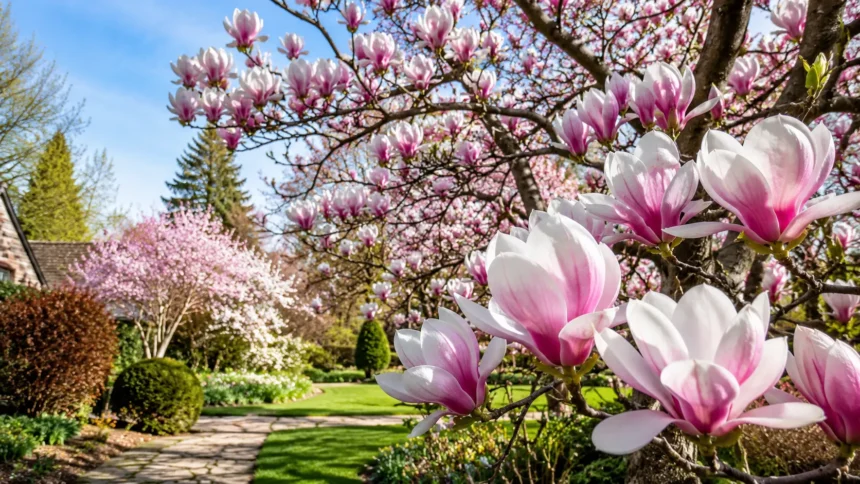
Magnolia trees are admired for their large flowers, elegant branching, and ability to create a striking focal point in gardens and landscapes. Depending on the species and cultivar, magnolias can bloom in white, cream, pink, purple, or yellow and may flower before the leaves emerge or later in the growing season. Some remain relatively compact, while others develop into substantial shade trees with broad canopies. Their appearance can feel refined and dramatic, but successful growth still depends on choosing the right type for the climate and planting site. Good soil, consistent moisture during establishment, thoughtful pruning, and enough room for mature growth all contribute to long-term health. Understanding magnolia tree care before planting makes it much easier to enjoy dependable flowering for years.
What Is a Magnolia Tree?
Magnolias belong to the genus Magnolia, a diverse group of flowering trees and shrubs known for their distinctive blossoms and often fragrant flowers. They are among the most recognizable ornamental plants because many species produce large blooms that appear especially dramatic against bare spring branches or glossy green foliage. Magnolia flowers typically have broad tepals rather than the more clearly divided petals and sepals seen on many other flowering plants. Depending on the species, the blooms may be cup-shaped, star-shaped, saucer-like, or tulip-like. Their appearance varies considerably, which is one reason magnolias fit so many landscape styles. Homeowners can choose from evergreen, deciduous, large, compact, early-flowering, and later-flowering forms.
One of the most interesting features of magnolia trees is their diversity in size. Some types remain small enough for courtyards, front gardens, and compact suburban spaces, while others can eventually become very large specimen trees. Southern magnolia, for example, can develop into a broad evergreen tree with substantial height and spread under suitable conditions. Star magnolia is much smaller and often behaves more like a large shrub or compact multi-stemmed tree. Saucer magnolia falls somewhere between these extremes and is widely planted for its showy spring blooms. Understanding mature dimensions is essential because a young nursery tree can look deceptively small when first planted.
Magnolias can also be either evergreen or deciduous depending on the species and climate. Evergreen magnolias retain foliage through much of the year and can contribute privacy, structure, and winter interest to landscapes. Deciduous varieties lose their leaves during dormancy but often compensate with spectacular flowers that appear on bare branches in late winter or spring. This contrast between flower and branch structure creates the classic magnolia display many gardeners recognize. Some deciduous types bloom very early, making their flowers vulnerable to unexpected frost. Others bloom later and may avoid some of that risk while offering a different seasonal effect.
Magnolia foliage can be just as attractive as the flowers. Many evergreen types have large, thick leaves with glossy upper surfaces and warm brown or rust-colored undersides. Deciduous species often produce medium to large green leaves that create a lush canopy after flowering ends. Fruit structures may appear later in the season and can release brightly colored seeds, adding another decorative stage. The tree therefore offers visual interest well beyond the main flowering period. Selecting a magnolia for leaf texture, form, and seasonal presence as well as flowers leads to a more satisfying landscape choice.
Magnolias are often described as relatively low-maintenance once established, but that does not mean they thrive anywhere without planning. Their fleshy roots can be sensitive to disturbance, poorly drained soil can create problems, and some varieties struggle in sites that are too exposed or cramped. Many magnolias prefer consistent moisture and slightly acidic to neutral soil, though exact tolerances vary. Choosing a cultivar suited to local winter temperatures and available space prevents many later difficulties. A well-sited tree can become one of the most impressive features in a garden. Poor placement, however, can turn an elegant tree into a constant pruning or transplanting problem.
Popular Types of Magnolia Trees
Southern magnolia, botanically known as Magnolia grandiflora, is one of the most iconic evergreen magnolias. It is valued for large creamy white flowers, glossy dark green foliage, and a broad architectural form. Mature trees can become very large, so they are better suited to properties with plenty of room than to narrow planting strips. The flowers are often fragrant and can appear over an extended period during warm weather rather than opening all at once. Its evergreen canopy provides year-round presence in mild climates. Cultivars with more compact growth are available for gardeners who want the classic southern magnolia appearance without the full size of the species.
Saucer magnolia, or Magnolia × soulangeana, is a popular deciduous tree known for large spring flowers in white, pink, purple, or combinations of these shades. The blooms often appear before the leaves, creating a dramatic floral display across bare branches. Saucer magnolia usually develops a broad, rounded shape and can work as a specimen tree in lawns or garden beds. Because flowering occurs early, late frost can occasionally damage open blossoms. Even so, the tree remains popular because of the abundance and size of its flowers. There are numerous cultivars, giving gardeners several choices in flower color, timing, and mature size.
Star magnolia, Magnolia stellata, is an excellent choice for smaller gardens because it generally stays more compact than many other magnolia species. Its white or pale pink flowers have narrow tepals that create a star-like appearance, often opening very early in spring. Plants can be grown as multi-stemmed shrubs or trained into small tree forms. This versatility makes star magnolia useful near patios, entrances, and smaller front yards. Like other early bloomers, flowers can be affected by late cold snaps. Planting in a protected site may help reduce sudden temperature exposure and extend the ornamental display.
Sweetbay magnolia, Magnolia virginiana, offers a softer and often more adaptable option for landscapes with moist soil. It can behave as evergreen, semi-evergreen, or deciduous depending on climate. The creamy white flowers are generally smaller than those of southern magnolia but can be pleasantly fragrant. Sweetbay magnolia often performs well in locations where soil moisture remains more consistent, making it useful near rain gardens or naturally damp areas when drainage is still adequate. Its leaves typically have silvery undersides that move attractively in breezes. Gardeners seeking a more naturalistic magnolia can find this species especially appealing.
Yellow-flowering magnolias provide another interesting option for gardeners who want something different from traditional pink and white blooms. Several modern cultivars have been bred to produce clear yellow, creamy yellow, or yellow-green flowers. These colors can stand out beautifully against fresh spring foliage and pair well with blue, purple, or white companion plants. Some yellow magnolias bloom slightly later than very early spring types, which can help reduce frost exposure in certain climates. Mature size varies among cultivars, so labels should be checked carefully. Choosing by flower color alone is not enough because growth habit and hardiness remain equally important.
Best Location for Growing a Magnolia Tree
Choosing the right planting location is one of the most important decisions in magnolia care. Most magnolias perform best where they receive full sun to partial shade, although flowering is often strongest with generous sunlight. A site receiving at least several hours of direct light each day usually supports vigorous growth and good bloom production. In very hot climates, some afternoon shade can help protect young trees from intense heat. The ideal balance depends on species, local temperature, and soil moisture. Observing the site through the day before planting helps determine whether surrounding buildings or trees will create too much shade.
Wind exposure also deserves consideration because large magnolia flowers can be damaged by strong gusts. Early spring bloomers are particularly vulnerable when cold wind combines with low temperatures. A sheltered location near a building, hedge, or other natural windbreak can protect flowers without placing the tree in deep shade. However, avoid planting too close to structures simply for shelter. Magnolia branches and roots need room to develop, and mature spread can be much greater than the tree’s size at purchase. A protected but spacious site offers the best balance.
Soil drainage is equally important. Magnolias generally appreciate moisture but do not thrive when roots remain in stagnant, waterlogged soil for extended periods. Low points where rainwater consistently pools may require drainage improvement before planting. Sweetbay magnolia can tolerate wetter conditions than many other types, but even moisture-loving trees need oxygen around their roots. If soil is heavy clay, a raised planting area or broader soil improvement may help. Avoid creating a small pocket of highly amended soil surrounded by compacted clay because water can collect around the root ball.
Consider the mature canopy before placing a magnolia near driveways, sidewalks, power lines, or neighboring structures. Large species can eventually cast broad shade and extend branches well beyond their original planting footprint. Planting a large magnolia in a narrow side yard can create years of unnecessary pruning. Smaller cultivars are better choices where overhead or horizontal space is limited. Check mature height and width rather than relying only on the size category printed on a tag. Proper spacing allows the tree to develop naturally and usually produces a more attractive shape.
The planting site should also complement how you want to experience the flowers. Magnolias make excellent focal points near lawns, patios, windows, or entry areas where blooms can be appreciated from inside and outside the home. Fragrant types are especially enjoyable near seating areas, provided falling petals and leaves will not create maintenance issues. Avoid placing large trees directly above delicate paving or small garden features that could be shaded heavily later. Thoughtful placement turns a magnolia into part of the overall landscape design rather than an isolated ornamental tree. Long-term planning matters more than immediate visual impact.
How to Plant a Magnolia Tree Properly
The best planting time depends on climate and whether the magnolia is container-grown or field-grown. In many regions, early spring or autumn provides mild conditions that reduce heat stress while roots begin establishing. Container-grown magnolias can sometimes be planted through a broader season if irrigation is reliable, but extreme summer heat should generally be avoided. Bare-root or balled-and-burlapped trees may have more specific timing requirements. Local nursery advice can be useful because regional temperature patterns vary widely. The goal is to give roots time to establish before severe heat or cold arrives.
Dig the planting hole considerably wider than the root ball but no deeper than necessary. The top of the root flare should remain at or slightly above the surrounding soil grade rather than being buried deeply. Planting too low can trap moisture around the trunk and reduce oxygen reaching upper roots. Gently remove the tree from its container and inspect the roots for severe circling. If roots are tightly wrapped around the root ball, carefully loosen or correct them as appropriate. Handle magnolia roots gently because they can be fleshy and sensitive to damage.
Backfill primarily with the soil removed from the hole rather than creating a dramatically different pocket around the roots. This encourages roots to move outward into the surrounding ground. Large amounts of compost or rich amendment inside only the planting hole can sometimes discourage roots from leaving the softer zone. If the entire site has poor soil, broader improvement is usually more useful than amending one small hole. Firm the soil gently to remove large air pockets without compacting it heavily. Water thoroughly after planting to settle soil around the roots.
Add a layer of organic mulch around the root zone after planting. Two to three inches of shredded bark, wood chips, or similar material can help conserve moisture, reduce weeds, and moderate soil temperature. Keep mulch several inches away from direct contact with the trunk to reduce unnecessary moisture against the bark. Extend the mulch outward rather than piling it into a volcano shape around the base. A broad, shallow mulch ring is more beneficial than a tall mound. Renew the layer as it decomposes but avoid allowing it to become excessively deep.
Staking is not always necessary for newly planted magnolias. A tree that stands upright with a stable root ball may establish stronger trunk movement without rigid support. If staking is required because of wind or instability, use flexible ties and remove support once the roots are established enough to hold the tree securely. Avoid tightly binding the trunk or leaving stakes in place for years. Newly planted trees benefit more from correct depth, good watering, and protection from damage than from excessive staking. Regularly check the tree during the first season to make sure the root ball remains stable.
How Much Sun Do Magnolia Trees Need?
Most magnolia trees flower best with full sun or light partial shade. A site receiving approximately six hours or more of direct sunlight can support strong bud formation and balanced growth for many species. Trees planted in too much shade may survive but produce fewer flowers and develop thinner canopies. Sunlight also helps branches mature properly and can reduce prolonged leaf wetness after rain. However, exact requirements vary among species and cultivars. Checking the needs of the specific magnolia you are growing provides better guidance than applying one rule to every tree.
Young magnolia trees may need extra attention in extremely hot climates because their root systems are still developing. Intense afternoon heat can increase water loss and cause leaf scorch or temporary wilting. A site with morning sun and some late-afternoon protection may be beneficial where summer temperatures are severe. Mulching the root zone also helps reduce heat stress by keeping soil temperatures more stable. Once established, many magnolias tolerate strong sunlight well when soil moisture is adequate. Water availability and light exposure should therefore be considered together.
Early-blooming deciduous magnolias benefit from protected locations where winter sun does not encourage flowers to open excessively early. Warm south-facing walls can sometimes create a microclimate that causes buds to develop ahead of surrounding plants. If a sudden frost follows, open blooms may turn brown or collapse. A cooler eastern or northern exposure can delay flowering slightly in certain situations. This does not guarantee frost protection, but even a small shift in bloom timing can help. Site selection therefore influences both the amount of flowering and when flowers appear.
Evergreen southern magnolia generally appreciates abundant sunlight, especially when grown for dense foliage and heavy flowering. Trees in strong light often develop fuller crowns than those growing beneath taller shade trees. However, younger plants can tolerate some partial shade and may appreciate protection in very hot inland climates. Large evergreen leaves can lose moisture through wind and heat, particularly when roots are not yet established. Consistent watering during the first few years supports better adaptation to sunny sites. Mature trees usually become more resilient once their root systems expand.
If an established magnolia produces fewer flowers than expected, evaluate light before automatically fertilizing. Nearby trees may have grown larger and begun casting shade that did not exist when the magnolia was planted. Buildings, fences, and new landscaping can also change seasonal light patterns. Carefully thinning nearby vegetation may restore sunlight without moving the tree. Transplanting a mature magnolia is difficult because roots can be sensitive and widespread. Selecting the right light conditions from the beginning is much easier than correcting a poorly placed tree later.
How Often Should You Water a Magnolia Tree?
Newly planted magnolia trees need consistent moisture while roots establish in the surrounding soil. Water deeply after planting and monitor the root zone regularly during the first growing season. The soil should remain moderately moist but not permanently saturated. Deep watering is generally preferable to frequent shallow sprinkling because it encourages roots to expand downward and outward. Weather conditions determine how often irrigation is needed. Hot, windy weeks may require more frequent watering than cool, rainy periods.
A slow, deep irrigation method works particularly well for young trees. A hose set to a gentle flow, drip line, or soaker hose can deliver water gradually around the root zone without causing excessive runoff. Concentrate moisture beyond the immediate trunk area as roots begin spreading outward. Avoid constantly soaking the trunk itself. After watering, check soil several inches below the surface to see whether moisture has reached the root zone. Surface dampness alone does not always indicate that the tree has received enough water.
Established magnolias generally become more tolerant of normal fluctuations in moisture, but many still perform best when prolonged drought is avoided. Large leaves can lose considerable water during hot weather, and flowering or new growth may suffer when the tree remains dry for extended periods. Supplemental irrigation can be useful during long rainless periods. The amount depends on tree size, soil type, and local climate. Sandy soil may need more frequent attention, while clay retains moisture longer. Observe both soil and foliage rather than relying only on rainfall totals.
Overwatering can be just as harmful as severe drought. Magnolia roots need oxygen, and constantly saturated soil can contribute to root decline. Yellowing leaves, weak growth, and general loss of vigor may occur when drainage is poor. Before increasing irrigation because a tree looks stressed, check whether the soil is already wet. Correcting drainage may be more important than changing the watering schedule. Planting on an appropriate site is the easiest way to avoid chronic waterlogging.
Mulch helps stabilize soil moisture around magnolia roots. A broad organic mulch layer reduces evaporation and keeps the root zone cooler during summer. Because many magnolia roots grow relatively close to the surface, mulch can also reduce competition from grass. Keep the material away from direct contact with the trunk and avoid piling it excessively deep. Replenish as needed when older mulch decomposes. Combined with deep watering, proper mulching creates a much more consistent environment for root growth.
Best Soil for Magnolia Trees
Magnolias generally prefer fertile, well-draining soil that remains reasonably moist without becoming waterlogged. Many grow particularly well in slightly acidic to neutral conditions, although tolerance varies by species. Soil rich in organic matter can provide both moisture retention and good structure when drainage remains adequate. Heavy compacted ground can limit root development and reduce oxygen. Before planting, examine how water behaves in the site after rain. Soil that remains saturated for days may need improvement or a different planting location.
Slightly acidic soil is often associated with good magnolia growth because many species absorb nutrients efficiently under these conditions. If leaves develop unusual yellowing between green veins, nutrient availability may be involved, particularly in very alkaline soil. However, yellow foliage can also result from waterlogging, damaged roots, or other stresses. A soil test is more useful than automatically applying acidifying products. It can reveal pH and nutrient levels before any amendments are added. Unnecessary soil treatments can create imbalances that did not previously exist.
Organic matter can improve poor soil when incorporated across a broad planting area rather than concentrated in a single small hole. Well-decomposed compost may help sandy soil retain moisture and improve the structure of some heavier soils. Avoid using fresh manure or excessively rich material directly around newly planted roots. Magnolias usually prefer steady conditions rather than sudden high nutrient levels. Mulch gradually contributes organic matter as it decomposes over the soil surface. This slow process can support long-term soil health without disrupting roots.
Compaction is a particular concern around established magnolia trees because many roots occupy the upper soil layers. Repeated foot traffic, vehicles, construction equipment, or heavy storage beneath the canopy can compress soil and reduce oxygen. Avoid creating patios, driveways, or deep excavation directly through the root zone when possible. Maintaining a mulched area beneath the tree helps protect surface roots from damage. Grass can also compete for water and nutrients near young trees. A wide mulch ring often provides better growing conditions than turf extending directly to the trunk.
Container-grown magnolias require a well-draining potting mix rather than ordinary garden soil. Compact species can be grown successfully in large containers for some time, but they still need enough root volume and careful moisture management. Use a high-quality mix that retains moderate moisture while allowing excess water to drain freely. Containers should have generous drainage holes and enough weight or width to remain stable as the tree grows. Repotting eventually becomes necessary as roots fill the container. Selecting naturally compact magnolia cultivars makes long-term container growing much more practical.
How to Fertilize a Magnolia Tree
Magnolia trees usually do not need aggressive fertilization when planted in reasonably fertile soil. Newly planted trees should focus first on root establishment rather than being pushed into rapid top growth with high doses of fertilizer. In many cases, a healthy tree receiving good sunlight, moisture, and mulch may need little supplemental feeding. If growth is weak or foliage appears deficient, a soil test can help determine whether nutrients are actually lacking. Feeding without diagnosing the problem may waste money or create unnecessary stress. Healthy magnolias often respond best to moderate care rather than constant fertilization.
When fertilizer is needed, a balanced slow-release tree and shrub product can be applied according to label directions. Timing varies by climate, but early spring is commonly used when new growth begins. Spread fertilizer across the root zone rather than concentrating it directly against the trunk. Tree roots extend beyond the visible trunk area, so broader application is more effective. Water afterward if product directions recommend it. Never assume doubling the recommended amount will produce twice as many flowers.
Excessive nitrogen can encourage rapid leafy growth without proportionally improving flowering. Soft, overly vigorous shoots may also be more vulnerable to weather damage or certain pests. A magnolia with abundant healthy foliage but limited blooms may not need additional fertilizer at all. Age, light conditions, pruning history, frost damage, and cultivar characteristics can all influence flower production. Correcting sunlight or waiting for maturity may be more useful than feeding heavily. Some young magnolias naturally take time to develop consistent flowering.
Organic approaches can include compost and gradual nutrient release from decomposing mulch. Applying a thin layer of well-finished compost around the root zone can support soil biology and structure. Avoid burying surface roots under thick layers of rich material. Magnolia roots often remain relatively shallow and should not be smothered. Organic amendments should complement good watering and site conditions rather than substitute for them. A healthy root environment remains more important than any single fertilizer product.
Stop heavy feeding late in the growing season in climates where winter cold is a concern. Late nitrogen applications can encourage tender shoots that do not harden properly before frost. Allow the tree to slow naturally as autumn approaches. In warm regions with long growing seasons, timing may differ, but continuous aggressive fertilization is still rarely necessary. Observe the tree’s annual growth and adjust feeding accordingly. A steady, balanced approach supports stronger long-term structure and flowering.
When and How to Prune Magnolia Trees
Magnolia trees generally require less pruning than many common landscape trees. Their natural branching form is one of their greatest ornamental features, and excessive cutting can reduce that beauty. Focus primarily on removing dead, damaged, crossing, or poorly positioned branches. Young trees may benefit from light structural pruning, but avoid trying to force them into unnaturally narrow shapes. Large cuts can heal slowly and may create long-term issues. Choosing a tree that naturally fits the available space is far better than relying on repeated heavy pruning.
Timing depends partly on whether the magnolia is evergreen or deciduous and when it flowers. Many deciduous magnolias form flower buds well before the following spring. Pruning at the wrong time can remove those buds and dramatically reduce the next floral display. For spring-flowering types, light pruning is often performed after flowering has finished. Evergreen magnolias can also be shaped carefully when needed, but major pruning should still be limited. Research the specific species before making substantial cuts.
Remove dead or broken wood whenever it creates a safety concern. Clean pruning tools help produce smoother cuts and reduce unnecessary damage. Cut branches back to appropriate unions rather than leaving long stubs. Avoid flush-cutting into the trunk because the branch collar plays a role in natural wound closure. Large limbs may require professional arborist assistance, especially high in mature trees. Tree pruning becomes dangerous quickly when ladders, heavy branches, or power lines are involved.
Suckers or unwanted shoots may occasionally appear near the base or lower trunk. These can be removed while small if they interfere with the desired form. Multi-stemmed magnolias may naturally produce several trunks, so not every low shoot is a problem. Decide whether the goal is a single-trunk tree or a broader shrub-like form before removing major stems. Once structural branches become large, correcting shape is more difficult. Early, light decisions are easier on the tree than late major cuts.
Avoid topping magnolia trees to control height. Cutting major branches back indiscriminately destroys natural structure and can stimulate weak, poorly attached shoots. If a magnolia has become too large for its space, professional evaluation may be necessary. The underlying issue is often incorrect original placement rather than a pruning problem. Selecting compact cultivars for small gardens prevents this situation. Good magnolia pruning is usually minimal, strategic, and respectful of the tree’s natural form.
How to Encourage More Magnolia Flowers
Adequate sunlight plays a major role in magnolia flowering. Trees growing in deep shade often produce fewer flower buds than those receiving stronger light. If a young magnolia has not yet bloomed heavily, check whether surrounding trees or structures reduce sun exposure. Some cultivars also need several years to mature before flowering consistently. Patience may therefore be just as important as care. A healthy young tree should not be forced with excessive fertilizer simply because it has not yet produced a dramatic display.
Avoid pruning away flower buds. Many spring-blooming magnolias develop buds months before flowers open, making late-season pruning risky. Large fuzzy buds visible on branches during winter are often next season’s blossoms. Cutting those stems removes the flowers before they have a chance to open. If shaping is necessary, prune soon after the flowering period when appropriate for the specific species. Learn the tree’s bloom cycle before making major cuts. Timing can make the difference between a full spring display and almost no flowers.
Frost can reduce flowering even when the tree produced plenty of healthy buds. Early magnolias sometimes open during a mild spell and then encounter freezing temperatures. Damaged flowers may turn brown, wilt, or fall quickly. This does not necessarily indicate poor tree health. Choosing later-flowering cultivars can reduce the risk in regions with unpredictable spring freezes. Protected planting locations may also help by limiting cold wind exposure.
Balanced nutrition supports flowering, but overfeeding can work against it. Excessive nitrogen encourages foliage and shoot growth rather than flower production. A tree growing vigorously with dark green leaves may already have enough nutrients. If deficiency is suspected, use a soil test before making large fertilizer applications. Potassium and phosphorus are often marketed for flowers, but adding them unnecessarily can create soil imbalance. Healthy roots, sunlight, and mature growth are more reliable foundations for blooms.
Consistent moisture is also important when flower buds are forming. Severe drought can stress the tree and reduce energy available for future flowering. Deep watering during extended dry periods helps maintain healthy growth, particularly in young trees. Mulch protects the root zone from rapid moisture fluctuations. Avoid alternating between severe drought and saturated soil. Stable growing conditions give magnolias the best chance to produce strong buds and dependable seasonal flowers.
Common Magnolia Tree Problems
Yellow leaves can result from several causes, including waterlogged soil, nutrient availability, alkaline conditions, drought stress, or natural seasonal changes. Before applying fertilizer, check soil moisture and drainage. A magnolia growing in saturated ground may struggle to absorb nutrients even when the soil contains plenty of them. Soil testing can help identify high pH or true deficiencies. Older leaves may also yellow naturally before dropping. Look at the overall pattern rather than diagnosing the tree from one leaf.
Leaf spots may develop from fungal or bacterial issues under certain conditions. Small dark marks are often cosmetic rather than immediately threatening to an otherwise healthy tree. Good airflow and avoiding unnecessary overhead irrigation can help foliage dry more quickly. Remove heavily diseased fallen leaves from around the tree when practical. Severe recurring symptoms may need closer identification before treatment. Applying fungicides without knowing the cause is rarely the best first step.
Scale insects can occasionally affect magnolias, including large populations that produce sticky honeydew. Infested branches may develop bumps or waxy coverings where insects attach and feed. Honeydew can support dark sooty mold on leaves and nearby surfaces. Inspect twigs and undersides of foliage when sticky residue appears. Treatment depends on the scale species and season, so proper identification matters. Horticultural oils or other labeled products may be recommended depending on local conditions.
Root stress from poor drainage is one of the more serious problems because symptoms can appear throughout the canopy. Leaves may yellow, wilt, or become sparse even though the soil remains wet. Roots in oxygen-starved soil cannot function normally, making additional watering counterproductive. Improving drainage around an established large tree can be challenging. This is another reason selecting a well-drained planting site is so important. Prevention is easier than correcting chronic root-zone problems later.
Storm damage can also affect broad magnolia branches, particularly on large mature trees. Heavy limbs may split when structural weaknesses have developed over time. Regular inspection can identify crossing branches or poor unions before they become dangerous. Do not attempt to remove large damaged limbs without proper equipment and experience. Certified arborists can evaluate mature trees and make safer structural recommendations. Routine observation helps preserve both tree health and landscape safety.
Growing Magnolia Trees in Small Gardens
Small gardens can still accommodate magnolias when compact species or cultivars are chosen carefully. Star magnolia is one of the classic options because it remains much smaller than southern magnolia. Several newer cultivars have also been bred for narrower or more compact growth. Always check both mature height and spread because a tree described as small may still become wider than expected. Choose based on the eventual tree rather than its nursery size. Correct scale prevents future conflict with paths, fences, and buildings.
Multi-stemmed magnolias can work beautifully in small gardens because they provide strong architectural form without necessarily becoming very tall. Their branching can create a focal point near a patio or corner bed. Underplanting with shade-tolerant perennials can soften the base once the canopy develops. Avoid digging deeply around established roots when adding companion plants. Surface roots can be damaged easily. Plant companions early or use light mulch to keep the root zone attractive.
Columnar or narrow cultivars are useful where horizontal space is limited. These trees grow more vertically and may fit between structures or along property boundaries more comfortably than broad forms. Even narrow magnolias still need enough distance from walls for healthy airflow and root development. Do not squeeze a tree into a gap simply because its canopy is described as upright. Roots extend beyond visible branches. Allowing reasonable space reduces future maintenance.
Container growing is another possibility for dwarf or compact magnolias. Use a large, stable container with excellent drainage and enough soil volume to buffer temperature and moisture changes. Container trees need more regular watering than those planted in the ground because roots cannot spread into surrounding soil. They may also need winter protection where containers freeze hard. Choose cultivars specifically suitable for restricted spaces. Repotting or root management may eventually be necessary.
In very limited gardens, think of magnolia as the main structural plant rather than one of many large specimens. Give it enough room to become the focal point and build smaller plantings around it. Spring bulbs, low shrubs, groundcovers, and perennials can provide seasonal interest without competing heavily for canopy space. Good design makes a compact garden feel intentional rather than overcrowded. One well-chosen magnolia can create more impact than several poorly placed trees.
Magnolia Tree Care Through the Seasons
Spring is the most exciting period for many deciduous magnolias because flower buds open and new foliage begins developing. Monitor soil moisture as temperatures rise, especially if rainfall is limited. Avoid heavy pruning before flowering on spring-blooming types because you may remove the buds. After blooms finish, light shaping can be performed if necessary. Apply mulch or replenish an existing layer without piling material around the trunk. Early-season care should support steady growth rather than push the tree aggressively.
Summer care focuses primarily on moisture and heat stress. Young trees may need deep watering during hot, dry periods because their roots are still developing. Mature magnolias can also benefit from irrigation during prolonged drought. Check for leaf scorch, pests, and signs of water stress. Keep lawn equipment away from the trunk because mower and string-trimmer damage can create long-term wounds. A mulch ring provides an easy protective buffer.
Autumn is a good time to evaluate overall tree health and prepare for cooler weather. Deciduous magnolias naturally change color and lose their leaves, while evergreen types continue holding foliage. Remove obviously diseased debris if recurring leaf problems have been present. Avoid late heavy nitrogen fertilization in cold climates because it can stimulate tender growth. Maintain moisture if autumn is unusually dry. Roots continue functioning even when top growth slows.
Winter exposes magnolias to cold, wind, and temperature fluctuations. Young trees in colder areas may benefit from protection against harsh wind or animal damage. Avoid wrapping trees unnecessarily unless local conditions justify it. Early spring-flowering buds are already visible on many deciduous magnolias during winter and should be left intact. Heavy wet snow can sometimes bend branches, but aggressive shaking may cause breakage. Let snow melt naturally unless branches face immediate structural danger.
Year-round care becomes simpler as the magnolia matures. Established trees generally need less frequent watering and little pruning when correctly placed. Seasonal observation remains valuable because problems are easier to address early. Check canopy density, leaf condition, bark, root-zone moisture, and branch structure periodically. Most healthy magnolias respond best to consistent moderate care. Their natural form and flowering habit should remain the main attraction rather than constant intervention.
Is a Magnolia Tree Easy to Grow?
Magnolia trees are generally manageable for gardeners who select the correct type for their climate and available space. The biggest challenge is often not daily care but choosing an appropriate planting site. Once established in well-draining soil with enough sunlight and moisture, many magnolias grow reliably for decades. They do not need constant pruning or heavy fertilization. Their natural form usually improves when gardeners interfere less rather than more. This makes them surprisingly practical despite their elegant appearance.
Young trees need more attention than mature specimens. Watering during establishment is especially important because newly planted roots occupy a limited soil area. Mulching helps maintain moisture and reduces competition from grass. Protection from mower damage and severe drought supports faster establishment. Once roots spread into the surrounding soil, the tree generally becomes more resilient. The first few years therefore have a strong influence on long-term success.
Magnolias can be less forgiving of poor transplanting and repeated root disturbance than some other ornamental trees. Their roots are fleshy and often relatively shallow, making established trees difficult to relocate successfully. Plan placement carefully before planting and avoid unnecessary digging beneath mature canopies. Landscape changes should respect the root zone whenever possible. This is not difficult maintenance, but it does require forward planning. A magnolia planted in the right location rarely needs to be moved.
Flowering performance can vary from year to year because weather influences buds and open flowers. Late frost may damage one season’s display without causing lasting harm to the tree. Drought or pruning can also affect future blooms. Gardeners should evaluate magnolia health over several seasons rather than judging it solely by one disappointing spring. Healthy foliage and steady branch growth indicate that the tree is still performing well. Patience is part of growing long-lived flowering trees.
Overall, magnolias offer an excellent combination of ornamental impact and relatively straightforward care. Their large flowers, attractive foliage, graceful forms, and range of available sizes make them suitable for many garden styles. The most important steps are selecting the right variety, planting at the correct depth, providing adequate sunlight, and maintaining moisture during establishment. Avoid excessive pruning and overfertilization. With those fundamentals in place, a magnolia can become a dependable landscape centerpiece for many years.
Frequently Asked Questions About Magnolia Trees
How much sunlight does a magnolia tree need?
Most magnolia trees grow and flower best in full sun to partial shade, with around six hours of direct sunlight being ideal for many varieties. Some types appreciate light afternoon protection in extremely hot climates.
How often should you water a magnolia tree?
Newly planted magnolias need regular deep watering while their roots establish, especially during warm or dry weather. Mature trees usually need supplemental water mainly during prolonged drought, although exact requirements depend on soil and climate.
When is the best time to plant a magnolia tree?
Spring or autumn is often the best time because moderate temperatures help roots establish without severe heat stress. The ideal season varies by region, so local climate and the type of planting stock should also be considered.
When should magnolia trees be pruned?
Magnolias usually need only light pruning to remove damaged, crossing, or unwanted branches. Spring-flowering deciduous magnolias are often pruned shortly after flowering so next season’s flower buds are not accidentally removed.
Why is my magnolia tree not flowering?
A young tree may simply need more time to mature, while inadequate sunlight, incorrect pruning, frost damage, drought, or excessive nitrogen can also reduce blooming. Check the tree’s age, light conditions, and recent care before adding fertilizer.