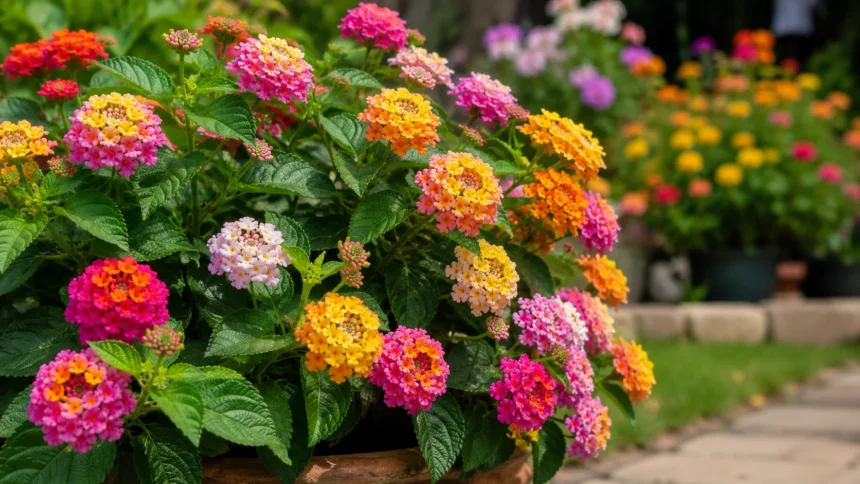
Lantana Plant Care: How to Grow Colorful, Long-Blooming Plants
Lantana is one of the most colorful and dependable flowering plants for sunny gardens, patio containers, borders, and hanging baskets. Its clustered flowers often combine several shades in a single bloom, creating vibrant displays of yellow, orange, pink, red, purple, white, or mixed colors throughout the warm season. Gardeners also appreciate lantana because established plants can tolerate heat and periods of dryness better than many delicate flowering annuals. Depending on climate and variety, lantana may grow as a compact annual, spreading groundcover, trailing container plant, or woody perennial shrub. Proper sunlight, drainage, pruning, and watering can keep plants blooming strongly for months. Understanding lantana plant care also helps you choose the right variety and prevent common growing problems.
What Is a Lantana Plant?
Lantana is a group of flowering plants belonging to the verbena family, Verbenaceae, and many garden varieties are associated with Lantana camara or hybrids developed from related species. These plants are best known for their rounded clusters of tiny tubular flowers that open together and create a colorful bouquet-like appearance. Individual flower clusters may contain one color or several shades that change as the blooms mature. This color-changing effect can make one plant appear to produce multiple flower combinations at the same time. Lantana foliage is typically textured, slightly rough, and aromatic when rubbed. Its combination of bright flowers and durable growth makes it widely used in warm-season landscaping.
Growth habits vary considerably among lantana varieties. Some cultivars remain relatively compact and work well in containers or along the front of flower beds. Others develop into large, branching shrubs that can spread several feet in warm climates. Trailing lantana varieties produce flexible stems that cascade over hanging baskets, retaining walls, and container edges. Groundcover forms spread horizontally and can cover sunny slopes or difficult landscape areas. Understanding mature size is important before planting because a variety labeled simply as lantana may behave very differently from another. Choosing the correct growth habit helps prevent overcrowding and reduces unnecessary pruning later.
Lantana is often grown as an annual in areas with cold winters because freezing temperatures can damage or kill tender top growth. In warmer regions, certain types may return year after year and gradually develop woody stems. Where winters are mild, lantana can become a substantial perennial shrub that flowers over a long season. Gardeners in colder climates can still enjoy the plant by growing it from spring until frost or overwintering container specimens indoors under suitable conditions. Local climate therefore plays a major role in determining whether lantana behaves as an annual or perennial. Checking the expected cold tolerance of a specific cultivar is more useful than assuming every lantana responds identically.
Pollinators are frequently attracted to lantana flowers because the clusters provide nectar over an extended blooming period. Butterflies are especially associated with lantana, making the plant popular in pollinator gardens and wildlife-friendly landscapes. Bees and other beneficial insects may also visit flowers when conditions are suitable. However, gardeners should consider the ecological behavior of lantana in their region because certain species or older forms can spread aggressively in warm climates. Some modern cultivars are selected for compact growth or reduced seed production. Choosing locally appropriate varieties helps gardeners enjoy colorful flowers while managing the plant responsibly.
Lantana should also be handled thoughtfully around pets and young children because parts of the plant, particularly unripe berries and foliage, can be harmful if eaten. The degree of toxicity can vary, but the safest approach is to treat lantana as an ornamental plant rather than an edible one. Gardeners who have animals that regularly chew garden plants may prefer placing lantana where access is limited. Gloves can also be useful during extensive pruning because some people experience skin irritation from contact with foliage. These considerations do not make lantana difficult to grow. They simply form part of responsible plant selection and routine garden care.
Best Light for Lantana Plants
Full sun is one of the most important requirements for strong lantana growth and abundant flowering. Most varieties perform best when they receive at least six hours of direct sunlight each day, and even more sun can be beneficial in suitable climates. Plants grown in bright locations tend to produce denser branching and significantly more flowers than those planted in deep shade. Adequate sunlight also helps the foliage dry more quickly after rain or irrigation, which can reduce conditions that encourage certain leaf problems. If your lantana is healthy but producing very few flower clusters, insufficient sunlight should be one of the first factors to evaluate.
Morning and afternoon sunlight can both support growth, although extremely hot climates may create slightly different needs. Established lantana is generally very heat tolerant, but container plants can experience greater root-zone stress because pots heat quickly in direct sun. In especially hot regions, a location with strong morning and midday sun followed by some late-afternoon relief can sometimes reduce wilting. Garden-grown lantana with established roots usually tolerates intense sunlight more easily than a recently planted container specimen. The goal is to provide abundant direct light without allowing the root system to become severely dehydrated. Monitoring plant response is more useful than applying one exact placement rule everywhere.
Lantana grown in partial shade may survive but usually becomes less compact and produces fewer blooms. Stems can stretch toward brighter areas, resulting in open or leggy growth rather than a dense flowering mound. Shade from trees can also change throughout the season as branches leaf out, meaning a location that appears sunny in early spring may become much darker by summer. Observe the planting site over several hours before deciding where to place lantana. If existing plants have long stems, healthy leaves, and very few flowers, relocating them to stronger sunlight may improve performance. Pruning can then help reshape stretched growth after the move.
Container-grown lantana offers more flexibility because the plant can be moved as seasonal light patterns change. A sunny patio, deck, balcony, or front entrance can provide ideal conditions if direct light is available for much of the day. Rotate containers periodically if one side consistently faces away from the sun, especially when the plant is still small. Balanced light exposure encourages more even flowering and growth around the pot. Hanging baskets should also be positioned where nearby roofs or walls do not cast deep shade for most of the day. Strong light remains essential even when lantana is being grown primarily for decorative container displays.
Indoor overwintering requires a different approach because natural light is much weaker behind windows than outdoors. If you bring lantana indoors before frost, place it near the brightest available window and expect growth to slow. Some gardeners maintain plants in a semi-dormant state, while others use supplemental grow lights to encourage more active growth. Do not expect indoor winter plants to bloom as heavily as they do in summer sunlight. Reduce watering appropriately when growth slows. Once warm weather returns, gradually acclimate overwintered plants to stronger outdoor sun before placing them permanently in full exposure.
How Often Should You Water Lantana?
Newly planted lantana needs more consistent moisture than an established plant because its root system has not yet spread into the surrounding soil. Water deeply after planting and continue checking moisture regularly during the first several weeks. The goal is to keep the root zone moderately moist without leaving it saturated. Deep watering encourages roots to grow downward and outward rather than remaining concentrated near the surface. As the plant becomes established, watering frequency can usually be reduced. This transition is important because mature lantana is relatively drought tolerant but young plants still need dependable moisture while adapting to their new location.
Established garden lantana generally prefers the soil to dry somewhat between waterings. Constantly wet conditions can encourage weak growth, root stress, and reduced flowering. Instead of watering lightly every day, provide a deeper soaking when the upper soil layer has dried and rainfall has been insufficient. The exact interval depends on temperature, soil type, rainfall, wind, and plant size. Sandy soil may dry quickly, while heavy clay can retain moisture for much longer. Checking the soil itself is more accurate than following a fixed weekly schedule. Drought tolerance should not be confused with never needing water, especially during prolonged hot and dry periods.
Container-grown lantana requires more frequent attention because pots dry faster than garden beds. A mature plant in a sunny container may use water quickly during warm summer weather, particularly if the pot is relatively small. Check the upper inch or two of potting mix and water thoroughly when it feels dry. Continue until water drains from the container, then allow excess moisture to escape completely. Avoid leaving the pot sitting in a saucer full of water because prolonged saturation can damage roots. During heat waves, large flowering plants may need daily checking even when they do not need daily watering.
Overwatering often creates symptoms that gardeners mistakenly interpret as nutrient deficiency. Leaves may yellow, growth can become soft, and flowering may decline when roots remain excessively wet. Soil that stays saturated for many days may indicate poor drainage, a container without sufficient holes, or an overly dense potting mix. Before adding fertilizer to a yellowing plant, check moisture conditions first. If drainage is the problem, improving the root environment is more important than feeding. Lantana generally performs best when roots receive both water and oxygen rather than living in constantly damp soil.
Underwatering can cause leaves to wilt, curl, or develop dry edges, while flower production may temporarily slow. Occasional mild wilting can usually be corrected with a thorough watering, but repeated severe drought can reduce plant vigor. Mulching around garden-grown lantana can help conserve moisture, especially during hot weather, but keep mulch slightly away from the main stems. A two- to three-inch organic mulch layer can moderate soil temperature and reduce rapid evaporation. Container plants may benefit from slightly larger pots if they dry excessively quickly. Consistent moisture without waterlogging provides the best balance for prolonged flowering and healthy growth.
Best Soil for Lantana Growth
Lantana performs best in well-draining soil because its roots do not tolerate prolonged waterlogging. In garden beds, moderately fertile soil with good drainage is usually more important than extremely rich soil. Sandy or loamy ground can work particularly well when it allows excess water to move away from roots. Heavy clay may require improvement if water remains pooled after rainfall. Incorporating organic matter can improve structure, but excessive amendments that hold large amounts of moisture may work against the plant’s preference for drainage. Before planting, observe how quickly water disappears from the site after irrigation or rain.
Soil fertility should be moderate rather than excessive. Lantana can grow vigorously in rich soil, but too much nitrogen may encourage lush green foliage at the expense of flowers. This is one reason established lantana often performs surprisingly well in relatively lean landscape areas. Compost can be useful when native soil is extremely poor, but large amounts of rich fertilizer are usually unnecessary. A balanced soil environment supports enough vegetative growth to produce flowers without creating overly soft stems. If your plant produces enormous amounts of foliage with very few blooms despite receiving full sun, excessive nitrogen may be contributing to the problem.
Container lantana needs a quality potting mix rather than ordinary garden soil. Garden soil placed in pots can compact, drain poorly, and become too heavy for healthy container roots. Choose a lightweight potting mix designed for outdoor containers and make sure the pot has effective drainage holes. Adding perlite, pine bark, or another coarse material may improve drainage if the mixture seems unusually dense. The container should hold enough moisture to support a thirsty flowering plant while still allowing excess water to leave quickly. A balanced potting mix makes watering easier and reduces the risk of root problems.
Soil pH is generally less critical for lantana than drainage and sunlight, although slightly acidic to neutral conditions are commonly suitable. Most ordinary garden soils can support good lantana growth without complicated pH adjustments. If plants repeatedly perform poorly despite correct light and watering, a soil test can identify unusual pH or nutrient issues. Avoid adding lime, sulfur, or other amendments without knowing whether they are actually needed. Unnecessary soil correction can create new nutrient imbalances. Good basic soil structure and drainage usually matter more than trying to reach one exact pH number.
Raised beds can be useful when the native soil drains slowly. Elevating the root zone allows water to move away more efficiently and can reduce the amount of time roots remain saturated after heavy rain. Sloped garden areas can also suit lantana if erosion is controlled and enough moisture remains available during establishment. Trailing forms are particularly attractive along retaining walls where stems can spill over edges. Regardless of planting style, avoid low areas where water consistently collects. Choosing the right site often prevents more problems than any later fertilizer or disease treatment can solve.
How to Plant Lantana Successfully
Plant lantana outdoors after the danger of frost has passed and temperatures are consistently warm. Cold soil can slow establishment, while late frost may damage tender new growth. Dig a hole slightly wider than the root ball but no deeper than the plant was growing in its nursery container. Setting the crown too deeply can keep stems wet and create unnecessary stress. Gently loosen tightly circling roots before placing the plant into the hole. Backfill with the surrounding soil, water thoroughly, and allow the root system to settle naturally.
Spacing depends on the mature size of the specific lantana variety. Compact cultivars may need only a modest gap between plants, while larger shrub types require considerably more room. Trailing varieties can spread outward and may cover nearby plants if placed too close together. Read the plant label or cultivar information rather than estimating based solely on the small nursery specimen. Proper spacing improves airflow, makes pruning easier, and allows every plant to receive adequate sunlight. Overcrowding can reduce flowering and create a tangled landscape that becomes harder to maintain later.
When planting lantana in containers, choose a pot large enough to support the expected mature size. Small containers dry quickly and can restrict root growth as the season progresses. Make sure drainage holes are open before filling the pot with a quality outdoor potting mix. Position the lantana at approximately the same depth it occupied in its original container. After planting, water thoroughly and place the container in a sunny location. If combining lantana with other plants, choose companions that also prefer strong sunlight and similar watering conditions.
Hanging baskets work especially well with trailing lantana varieties because flexible stems naturally cascade over the edges. Use a sturdy basket with sufficient soil volume because small baskets dry rapidly in hot weather. The hanging location should receive strong sunlight but also be accessible for regular watering and pruning. Mixing trailing lantana with other sun-loving flowers can create a colorful combination, but avoid overcrowding the basket. Every plant competes for root space and moisture in a limited container. A simpler planting often stays healthier and flowers more consistently through summer.
After planting, avoid heavy fertilization while the roots are still establishing. Regular watering and strong light are more important during the early stage. Once the plant begins producing new growth, you can follow an appropriate feeding routine if needed. Watch for wilting during the first hot days because nursery-grown plants may need time to adjust to outdoor conditions. Mulching lightly around garden plants can reduce moisture loss while roots establish. Good planting technique creates the foundation for strong lantana growth and reduces the amount of corrective care needed later.
How to Fertilize Lantana for More Flowers
Lantana does not usually need heavy feeding to flower well. In fact, excessive fertilizer can produce abundant leafy growth while reducing the number of blooms. Garden-grown plants in reasonably fertile soil may need little additional nutrition beyond an occasional light feeding. If growth appears healthy and flowers are developing continuously, there is no reason to fertilize simply because a calendar says it is time. Observing the plant helps prevent unnecessary feeding. Strong sunlight often influences flowering more dramatically than fertilizer.
A balanced slow-release fertilizer can be useful for container-grown lantana because nutrients gradually wash out of potting mix with repeated watering. Apply according to product directions rather than increasing the dose for faster results. Liquid fertilizer can also be used periodically at an appropriate dilution during active growth. Container plants generally need more feeding than established landscape plants because their root systems are confined to a limited amount of soil. Even so, avoid pushing constant soft growth with high-nitrogen formulas. Moderate nutrition supports flowering without turning the plant into a large mass of leaves.
If lantana is producing very few flowers, evaluate sunlight before reaching for fertilizer. Plants growing in partial shade often fail to bloom heavily regardless of how much they are fed. Excessive nitrogen from lawn fertilizer can also affect lantana planted near turf areas. Granules spread around nearby grass may accidentally reach flower beds and stimulate foliage instead of blooms. Moving the plant or reducing nitrogen exposure can be more effective than adding a bloom booster. Successful flowering depends on the overall growing environment rather than one nutrient product.
Yellow foliage does not automatically mean the plant needs fertilizer. Overwatering, poor drainage, root damage, pests, and temperature stress can all create yellowing. Applying fertilizer to a stressed root system can make the problem worse because salts may accumulate around damaged roots. Check soil moisture, drainage, and pest activity before feeding a declining plant. If nutrition is genuinely deficient, a light balanced application is safer than a strong dose. Diagnosis should always come before treatment.
Late-season fertilization may encourage tender new growth that is more vulnerable to cold weather. Gardeners in regions with frost often reduce feeding as the growing season approaches its end. The plant can then gradually slow rather than being pushed into vigorous new growth shortly before temperatures fall. In frost-free climates, fertilization schedules may differ because lantana can continue growing for much longer. Follow local seasonal patterns rather than assuming one schedule works everywhere. Moderate feeding matched to active growth usually provides the best balance between plant health and long-lasting flowers.
How to Prune Lantana for Fuller Growth
Pruning helps lantana maintain a dense shape and encourages the production of new flowering stems. Young plants can be pinched lightly during early growth to stimulate branching instead of allowing a few long shoots to dominate. Removing the tip of a stem encourages buds farther down to develop into additional branches. More branching usually creates a fuller plant with more potential flowering points. Use clean pruning shears and make cuts just above healthy leaves or nodes. Light shaping throughout the season prevents the plant from becoming excessively open or uneven.
Mature lantana can sometimes become woody and oversized, especially in warm climates where it grows as a perennial. More substantial pruning may be needed near the beginning of active growth to remove old stems and restore a manageable framework. The exact timing depends on local climate and whether cold weather damages the top growth. Avoid severe pruning immediately before a frost because tender regrowth can be injured. In mild climates, plants may be cut back after the coldest period has passed. Strong spring growth can quickly fill the plant back in when conditions are favorable.
Deadheading is often optional because many modern lantana varieties continue flowering without constant removal of spent blooms. However, removing old flower clusters can improve appearance and may reduce seed or berry production in varieties that form fruit. Deadheading can also redirect energy toward new shoots and flowers rather than seed development. Use scissors or pinch spent clusters carefully without removing healthy nearby buds. If your variety is marketed as sterile or low-seed, deadheading may provide less practical benefit. Focus more on shaping and removing damaged growth when continuous bloom is already strong.
Trailing lantana can be trimmed whenever stems extend too far beyond their intended space. Hanging baskets often benefit from light shearing to keep growth dense rather than developing several very long vines. Landscape groundcovers may also need edging so they do not spread into paths or neighboring plants. Avoid cutting every stem to exactly the same length because a slightly natural shape often looks more attractive. Selective trimming produces a fuller display while preserving healthy leaves. Follow pruning with normal watering and sunlight rather than immediately applying heavy fertilizer.
Always inspect stems before pruning for signs of pests, damage, or disease. Removing weak, broken, or dead growth improves appearance and allows better airflow through the center of the plant. Disinfect tools when pruning obviously diseased material to reduce the chance of spreading problems. Gloves can be helpful because lantana foliage and stems may irritate sensitive skin. Dispose of unhealthy material rather than placing it directly beside the plant. Regular thoughtful pruning keeps lantana productive while making large varieties easier to manage in the landscape.
Popular Lantana Flower Colors
Yellow lantana varieties create bright, cheerful displays that work especially well in sunny borders and containers. Yellow blooms remain visually strong even in intense sunlight where softer colors may appear washed out. They combine naturally with purple, blue, red, and white companion flowers. Some lantanas begin with yellow centers before aging into orange or red, creating a multicolored cluster on a single flower head. This gradual shift is one of lantana’s most distinctive ornamental features. Gardeners who want a warm summer palette can use yellow forms as a foundation and build surrounding color combinations around them.
Orange lantana is particularly popular because its flowers complement the plant’s heat-loving personality. Shades can range from soft peach and golden orange to rich tangerine and deeper reddish-orange. Orange varieties are highly visible in containers placed near patios, entrances, and outdoor seating areas. They also blend beautifully with ornamental grasses and plants that have dark purple foliage. In butterfly gardens, warm orange and yellow lantana flowers can create a lively, informal appearance. Multicolored cultivars often contain several orange stages as individual flowers age.
Pink lantana offers a softer appearance while retaining the plant’s strong flowering performance. Some pink cultivars produce clusters that combine pale pink, cream, yellow, and deeper rose shades. These varieties work well in cottage-style gardens, pastel container combinations, and borders where bright orange flowers might feel too intense. Pink lantana can also pair attractively with white flowers and silver foliage. The exact shade may change as blossoms mature, making the plant appear more varied from day to day. Color development can also be influenced slightly by environmental conditions and flower age.
Purple and lavender lantana varieties create cooler-toned displays that contrast beautifully with yellow or orange flowers. Trailing lantana is often available in lavender or purple shades and can spill gracefully from pots, rock gardens, and retaining walls. Purple-flowering forms also work well around white structures because the cooler color stands out against bright backgrounds. Some varieties maintain a fairly consistent lavender tone, while others combine purple with lighter centers. These plants can add visual depth without appearing as bold as vivid red-orange cultivars. Their growth habit should still be considered carefully because color alone does not indicate mature size.
White lantana creates a clean, bright look and can help balance mixed flower beds filled with stronger colors. White flower clusters are particularly attractive in evening gardens because pale flowers remain visible as daylight fades. They pair easily with almost any companion plant and can provide a quieter alternative to multicolored lantana varieties. Some white cultivars have subtle yellow centers that become less noticeable as flowers mature. Compact white lantana can work well in formal containers, while spreading forms can soften sunny landscape edges. Selecting color based on the surrounding garden creates a more coordinated design.
Best Lantana Varieties to Grow
Compact lantana cultivars are excellent choices for gardeners who want strong color without managing a large shrub. These varieties are bred to remain relatively low and dense, making them suitable for front borders, smaller patios, window boxes, and mixed containers. Compact growth also reduces the amount of pruning needed throughout the season. Many modern series include several colors, allowing gardeners to repeat the same plant form while changing flower shades. Always check the mature height and spread because the word compact can still mean different sizes among cultivars. A plant that fits a nursery pot can become much larger once established outdoors.
Trailing lantana varieties are designed for spreading and cascading rather than developing upright shrub-like growth. They are especially useful in hanging baskets, retaining walls, window boxes, and large containers where stems can fall naturally over the edge. Purple or lavender trailing forms are widely recognized, although other colors may be available depending on region and breeding program. These plants can also function as seasonal groundcovers in sunny areas. Their spreading habit makes spacing important because several plants can quickly overlap. Regular trimming helps maintain a dense appearance when stems become long.
Shrub-type lantana varieties are better suited to larger beds and landscape areas where they have room to expand. In warm climates, these plants can become substantial and may develop woody stems over time. They can be used as informal flowering hedges, background plants, or colorful additions to pollinator gardens. Because mature plants can occupy considerable space, avoid planting them immediately beside narrow paths or small annuals. Pruning can control size, but choosing a naturally appropriate variety requires less maintenance. Larger forms can produce impressive flower displays when grown in full sun.
Sterile or low-seed lantana cultivars are increasingly attractive because they can offer prolonged flowering while reducing unwanted seedling production. In regions where lantana has invasive potential, selecting cultivars with reduced fertility may be particularly important. Availability and regulatory recommendations vary by location, so check local guidance before planting. A variety that is acceptable in one region may be discouraged in another because climate affects how easily the plant spreads. Local garden centers and extension recommendations can help identify suitable options. Responsible variety selection allows gardeners to enjoy lantana while reducing ecological concerns.
When choosing among lantana varieties, consider more than flower color. Mature size, growth habit, cold tolerance, seed production, disease resistance, and intended use all influence whether a cultivar fits your garden. A beautiful large variety may overwhelm a small container, while a compact type may disappear visually in a large landscape bed. Think about where the plant will grow for the entire season rather than how it looks when purchased. Matching plant characteristics to the site reduces maintenance and improves overall performance. The best lantana variety is the one that fits both your climate and the space you can provide.
How to Grow Lantana in Pots and Containers
Lantana performs extremely well in containers when it receives enough sunlight and drainage. Choose a pot that is large enough for the mature plant and has several drainage holes. Small decorative pots may look appealing initially, but they can dry too quickly and restrict root development as lantana grows. A quality outdoor potting mix provides better drainage and aeration than garden soil. Place the container where it receives six or more hours of direct sunlight if possible. Strong light is essential for the dense flowering display most gardeners expect from potted lantana.
Water container plants thoroughly but allow the upper layer of potting mix to dry somewhat before watering again. During summer heat, pots can lose moisture quickly and may need daily checking. Terracotta containers often dry faster than plastic or glazed ceramic pots because moisture can evaporate through their porous walls. Windy balconies and elevated decks can also increase water loss. Instead of applying a little water frequently, soak the pot until excess moisture drains from the bottom. Deep container watering encourages the entire root ball to become evenly hydrated.
Container lantana benefits from periodic feeding because nutrients are gradually removed through watering. A slow-release fertilizer mixed into the potting medium can provide steady nutrition, while diluted liquid feeds can be used according to product directions. Avoid excessive nitrogen because it can encourage large leaves and fewer flowers. If flowering slows, check sunlight and pruning needs before automatically increasing fertilizer. Root crowding can also affect plant performance later in the season. A plant that dries extremely quickly may need a larger container if roots have filled most of the available space.
Mixed containers can include lantana with other plants that prefer similar growing conditions. Suitable companions should tolerate full sun, warm temperatures, and soil that drains well. Combining upright lantana with trailing plants can create attractive height variation, while compact forms can fill the middle of a larger arrangement. Avoid pairing lantana with plants that require consistently wet soil because one species will eventually receive unsuitable watering. Consider mature sizes so one vigorous plant does not smother slower-growing companions. Simple combinations are often easier to maintain than containers packed with many different species.
At the end of the growing season, gardeners in cold climates can either treat container lantana as an annual or attempt to overwinter it. Before frost, move selected plants indoors to a bright protected location if you want to save them. Prune overly long stems moderately and inspect carefully for pests before bringing them inside. Reduce watering as growth slows and avoid heavy fertilization during low-light winter conditions. In spring, gradually increase watering and light as new growth resumes. Acclimate the plant to outdoor sunlight before returning it permanently to the patio.
How to Encourage More Lantana Blooms
Sunlight is the most important ingredient for heavy lantana flowering. Plants receiving full sun generally produce significantly more flower clusters than those growing in partial shade. If blooms decline while foliage remains healthy, observe the location throughout the day to determine whether nearby trees or buildings are blocking light. Moving container plants is easy, while landscape specimens may need to be relocated during an appropriate season. Increasing sunlight often produces better results than adding bloom fertilizer. Lantana is naturally adapted to bright, warm conditions and performs best when those needs are met.
Avoid excessive nitrogen fertilizer when your goal is maximum flower production. Nitrogen encourages stems and leaves, which are necessary for plant health but can become excessive when supplied in large amounts. Lantana growing near frequently fertilized lawns may receive more nitrogen than intended. A plant with lush green growth and almost no flowers may be overfed. Reduce fertilizer and allow the plant to redirect energy toward reproductive growth. Balanced nutrition supports flowering more effectively than constantly trying to force growth with rich feeding.
Light pruning can stimulate fresh branching that later produces flowers. If a plant becomes long and sparse, trimming selected stems can create more growing points. Do not repeatedly remove every flower bud through aggressive shearing, however, because constant pruning can temporarily delay blooming. Time shaping cuts so the plant has an opportunity to produce new shoots and flower clusters afterward. Deadheading may improve appearance and encourage continued blooming in some varieties. Modern cultivars often flower continuously with relatively little intervention.
Watering also affects blooming because both severe drought and constantly wet soil can stress the plant. Established lantana tolerates dry periods, but a plant that repeatedly wilts heavily may temporarily stop producing flowers. Conversely, waterlogged roots cannot function efficiently and may lead to yellowing and reduced growth. Maintain a moderate cycle in which soil drains well and dries somewhat before the next watering. Container plants require particularly close monitoring during hot weather. Stable root conditions support continuous flowering more effectively than alternating between extremes.
Temperature and seasonal conditions naturally influence flower production. Lantana thrives during warm weather and may slow considerably when nights become cool. In spring, newly planted specimens sometimes need time to establish before flowering heavily. During the hottest parts of summer, container plants may pause slightly if they become stressed, then resume when conditions improve. Avoid judging the plant based on one brief period of reduced bloom. When sunlight, water, drainage, and pruning are appropriate, lantana usually returns to vigorous flowering as favorable conditions continue.
Common Lantana Problems and How to Fix Them
Few flowers are one of the most common lantana complaints, and inadequate sunlight is often responsible. Move containers into stronger direct light or evaluate whether a garden planting has become shaded by surrounding vegetation. Excessive fertilizer can also reduce flowering by producing lush leaves instead of buds. Overwatering may contribute by weakening root function and encouraging soft growth. Check these basic conditions before purchasing specialty bloom products. Most flowering issues are solved by adjusting the growing environment rather than applying stronger chemicals.
Yellow leaves can develop from overwatering, poor drainage, nutrient imbalance, pest activity, or natural aging. A few older leaves near the base may yellow without indicating a serious problem. Widespread yellowing deserves closer inspection, especially if soil remains wet for long periods. Check drainage and reduce watering when necessary. Examine the undersides of leaves for insects and consider whether the plant has recently experienced temperature stress. Treating the correct cause prevents unnecessary fertilizer or pesticide applications.
Powdery mildew can sometimes appear as a pale or whitish coating on leaves, particularly when airflow is poor and environmental conditions favor fungal growth. Space plants appropriately and avoid overcrowding dense beds. Direct watering toward the soil rather than repeatedly wetting foliage late in the day. Remove heavily affected leaves when practical and clean up fallen plant debris. If the problem becomes severe, use a treatment labeled for the specific disease and plant according to directions. Strong sunlight and adequate air movement can reduce favorable conditions for repeated outbreaks.
Common insect pests may include whiteflies, spider mites, aphids, lace bugs, or mealybugs depending on climate and growing conditions. Symptoms can include speckled leaves, sticky residue, distorted growth, webbing, or visible insects on leaf undersides. Inspect plants regularly, particularly during hot dry weather or before bringing containers indoors. A strong stream of water may reduce light populations of some pests, while larger infestations can require insecticidal soap or another appropriately labeled treatment. Follow product directions carefully to protect both the plant and beneficial insects visiting the flowers.
Root problems are more likely in heavy or constantly wet soil. A lantana that wilts despite damp soil may have damaged roots rather than needing additional water. Check whether water drains away after irrigation and inspect roots if decline becomes severe. Healthy roots should generally be firm, while rotten roots may feel soft or appear dark and damaged. Improve drainage and remove severely affected material when appropriate. Prevention remains easier than recovery, which is why good site selection and moderate watering are central to successful lantana care.
How to Overwinter Lantana
Gardeners in frost-free climates may not need to overwinter lantana in the traditional sense because plants can remain outdoors year-round. Growth may slow during cooler weather, but established shrubs can resume actively when temperatures rise. Light pruning can remove cold-damaged stems near the end of winter. Avoid encouraging excessive tender growth immediately before the coolest period. Mulching around roots can provide some temperature moderation. Local hardiness varies, so observe how specific cultivars perform in your region rather than assuming all lantana is equally cold tolerant.
In colder climates, container lantana can be moved indoors before the first hard frost. Choose the healthiest plants rather than trying to save every specimen. Inspect stems and leaves thoroughly for insects and wash the plant if needed before bringing it near other houseplants. Prune extremely long growth to make the container easier to manage, but avoid removing all foliage unless you are intentionally using a dormant storage method. Place the plant near a bright window or under supplemental lighting. Indoor growth will usually slow because light levels are lower.
Watering should be reduced indoors because the plant uses less moisture during winter. Allow the potting mix to dry more between waterings while avoiding complete prolonged dehydration. A constantly wet winter container is vulnerable to root problems because cool, low-light conditions slow water use significantly. Do not maintain the same schedule that was needed outdoors during summer. Fertilizer is usually unnecessary when active growth has slowed. Resume feeding only after the plant begins producing stronger new growth as spring approaches.
Some gardeners overwinter lantana in a semi-dormant state in a cool protected location. The plant may lose leaves and appear inactive, but roots can remain alive if temperatures stay above damaging levels. This method requires less light than keeping the plant actively growing, although conditions must still be appropriate for the cultivar. Water sparingly enough to prevent the root ball from becoming completely desiccated. Dormant storage is not equally successful in every home. Maintaining one or two backup cuttings can be useful if you want to preserve a favorite variety.
When spring arrives, do not move indoor lantana directly into intense all-day sunlight. Acclimate plants gradually by placing them outdoors for limited periods in sheltered conditions and increasing exposure over several days or longer. Sudden sunlight can scorch leaves that developed indoors. Resume more frequent watering as temperatures rise and active growth increases. Prune weak winter stems and begin light feeding when new growth is established. Once frost danger has passed, the lantana can return to its normal sunny outdoor location for another flowering season.
Is Lantana a Good Plant for Pollinators?
Lantana is widely valued for its ability to attract butterflies. The small tubular flowers grouped into clusters provide accessible nectar sources over a long blooming season. Because established plants can flower repeatedly throughout warm weather, they can remain useful when some shorter-season flowers have finished blooming. Large sunny plantings are particularly noticeable to visiting insects. Combining lantana with other nectar plants can create a diverse pollinator garden that offers different flower shapes and blooming periods. Diversity is more useful than relying on a single flowering species.
Bees may also visit lantana flowers, although attraction varies with cultivar, region, and surrounding plants. Native pollinators often benefit most from landscapes containing a strong foundation of locally native flowering species. Lantana can complement those plants where it is appropriate rather than replacing them entirely. Including early-, mid-, and late-season blooms helps provide nectar and pollen over a longer period. Avoid applying broad insecticides to flowering plants whenever pollinators are actively visiting. If treatment becomes necessary, choose targeted methods and follow label directions carefully.
Butterfly gardeners often place lantana in highly visible sunny areas because both plants and pollinators are easier to observe there. Containers near patios can bring butterfly activity closer to seating areas without requiring a large garden. Large shrub varieties can form colorful nectar stations in landscape beds, while compact cultivars work in smaller spaces. Combining lantana with butterfly host plants can make the garden more useful than providing nectar alone. Adult butterflies need flowers, while caterpillars depend on particular host species. A complete butterfly garden supports several life stages.
The ecological suitability of lantana depends strongly on location. Some lantana species have become invasive in tropical and subtropical environments where they spread into natural ecosystems. Gardeners in those regions should follow local recommendations and may need to avoid certain forms entirely. Sterile or reduced-seed cultivars can sometimes provide an alternative, but local rules should take priority. In colder climates where lantana dies with frost, unwanted spread may be less significant. Responsible gardening means balancing ornamental and pollinator benefits with regional environmental impact.
When planted appropriately, lantana can contribute impressive seasonal color and support a busy pollinator garden. Its long flowering period, heat tolerance, and nectar-rich clusters explain why butterflies frequently gather around established plants. Pairing lantana with native flowers, herbs, and shrubs creates a more resilient and varied habitat. Provide shallow water sources carefully without allowing stagnant mosquito breeding areas to form. Avoid unnecessary pesticide use and maintain healthy flowering growth through proper sunlight and pruning. A thoughtful approach allows gardeners to enjoy both colorful blooms and increased wildlife activity.
Is Lantana Easy to Grow?
Lantana is generally easy to grow because it tolerates heat, strong sunlight, and occasional dry conditions once established. It does not require unusually rich soil or constant fertilizer to produce attractive flowers. Gardeners who struggle with delicate summer annuals often find lantana more forgiving during hot weather. The main requirements are abundant sunlight, well-draining soil, and reasonable watering. Providing these basics usually produces vigorous growth without complicated routines. This resilience makes lantana suitable for beginners as well as experienced gardeners.
Container lantana is equally manageable when the pot is large enough and drains properly. The main difference is that pots need more frequent watering because their limited soil volume dries faster. Regular pruning can keep container plants compact while promoting additional branches. Flowering usually remains strong when the pot receives full sun. Occasional fertilizer may be useful, but overfeeding should be avoided. These straightforward needs make lantana a practical choice for sunny balconies and patios.
The plant’s long blooming season adds to its value. Many varieties continue producing flowers from late spring or early summer until cool weather slows growth. This means gardeners can enjoy color for months without repeatedly replacing short-lived flowering plants. Modern cultivars are often selected for compact growth and continuous blooming. Deadheading may not be necessary for every variety. Less maintenance combined with long-lasting flowers is one reason lantana remains popular in warm-season containers and landscapes.
Challenges are usually manageable when detected early. Too much shade reduces blooms, overly wet soil harms roots, and occasional pests can affect foliage. Large perennial forms may also need regular pruning in warm climates. Gardeners in regions where lantana can spread invasively need to choose varieties carefully or avoid the plant according to local guidance. None of these issues changes the plant’s basic ease of care, but they highlight the importance of growing it appropriately. Simple preventive decisions can eliminate many later problems.
Overall, lantana is an excellent option for gardeners who want bold summer color without constant attention. Its flower clusters provide warm, changing shades, while different growth habits allow it to fit containers, borders, groundcovers, and larger landscapes. Heat tolerance makes it especially useful in sunny areas where other flowering plants may struggle. Choose the right variety, give it enough light, avoid overwatering, and prune when necessary. With those fundamentals in place, lantana can provide months of bright flowers and reliable garden interest.
Frequently Asked Questions About Lantana Plants
How much sun does lantana need?
Lantana grows and flowers best in full sun, ideally receiving at least six hours of direct sunlight each day. Plants grown in too much shade often become leggy and produce significantly fewer flowers.
How often should lantana be watered?
Newly planted lantana should be watered regularly while roots become established, while mature landscape plants can tolerate some dryness between waterings. Container lantana needs more frequent checking because pots dry quickly during warm, sunny weather.
What colors do lantana flowers come in?
Lantana flowers are available in yellow, orange, red, pink, purple, lavender, white, and many multicolored combinations. Some varieties change color as individual flowers mature, allowing several shades to appear within one flower cluster.
Does lantana come back every year?
Lantana can return every year in warm climates where winter temperatures remain within the plant’s hardiness range. In regions with freezing winters, it is commonly grown as an annual or overwintered indoors in containers.
Why is my lantana growing leaves but not flowering?
Too little sunlight and excessive nitrogen fertilizer are two common reasons lantana produces abundant foliage without many blooms. Move the plant into stronger sun when possible and avoid overfeeding, while also checking that the soil drains properly and is not staying constantly wet.