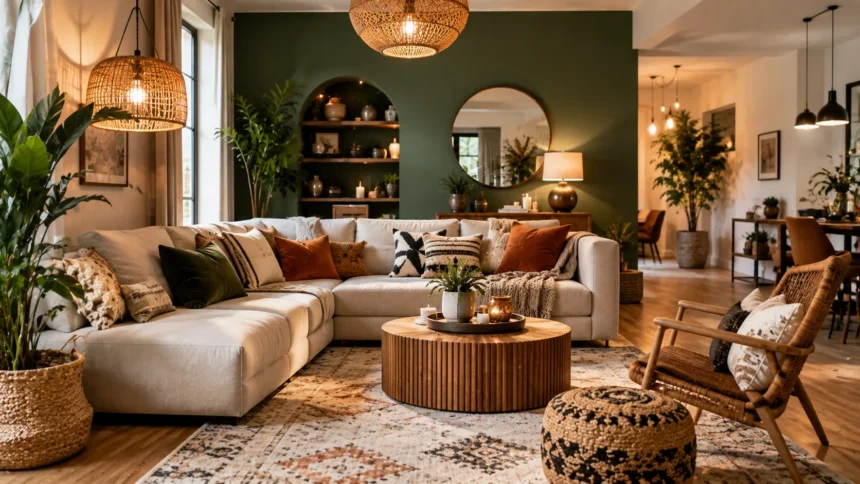
Trending Home Decor Ideas You’ll Want to Try
Home decor is becoming more expressive, comfortable, and personal, with homeowners moving away from interiors that feel overly coordinated or designed only for photographs. Current design directions favor rooms with character, richer colors, tactile materials, vintage influences, and furniture that supports real everyday living. The goal is no longer to create a perfectly matched room, but to build a home that feels layered, interesting, and connected to the people who live there.
Many of the trending home decor ideas appearing in 2026 also reflect a renewed appreciation for craftsmanship and natural materials. Aged woods, expressive patterns, sculptural furniture, artisan details, and organic shapes are giving homes more personality. These elements can work beautifully alongside contemporary furniture, allowing homeowners to experiment with current styles without completely redesigning their interiors.
Another noticeable direction is flexibility. People increasingly want furniture and spaces that adapt to changing lifestyles rather than serving only one purpose. Modular seating, multipurpose rooms, comfortable conversation areas, and thoughtfully integrated technology can help homes work better while still looking beautiful. Recent design collections and home-trend coverage also point toward greater interest in modular furniture and adaptive living.
You do not have to follow every trend to make your home feel current. The smartest approach is to choose ideas that complement your existing interior and genuinely suit your lifestyle. Introduce trends through paint, textiles, lighting, artwork, or smaller furniture pieces before making expensive permanent changes. A home feels most successful when new ideas add personality rather than making the space look like a temporary showroom.
1. Bring Warmer Colors Into Your Home
Warm colors are bringing more personality back into interiors after years dominated by cool whites and pale grays. Earthy brown, terracotta, muted red, warm beige, ochre, olive, and deep burgundy can make living spaces feel grounded and inviting. These colors work especially well when combined with natural materials such as wood, linen, stone, and leather.
You do not need to repaint the entire house to experiment with warmer tones. Start with cushions, rugs, artwork, lampshades, bedding, or an accent chair. Smaller additions allow you to understand how a color interacts with the existing space before committing to a larger transformation. Repeating the same warm tone in several areas can make the room feel intentionally coordinated.
For a softer look, combine warm neutral walls with slightly deeper furnishings. Cream walls, a caramel sofa, walnut furniture, and muted rust accessories can create a sophisticated palette without making the room visually heavy. The variation between similar warm tones adds depth while keeping the overall design calm and comfortable.
If you prefer stronger color, choose one dominant shade and let surrounding elements remain quieter. Deep green cabinetry, burgundy upholstery, or a burnt-orange statement chair can become a memorable focal point. The key is balance: a bold color often appears more elegant when it has enough neutral space around it to stand out.
2. Experiment With Color Drenching
Color drenching involves using one color across multiple surfaces within the same room, such as walls, trim, doors, and sometimes ceilings. Instead of creating sharp contrasts between architectural elements, the technique allows the entire room to feel visually connected. It can make even a relatively simple space feel intentional and highly designed.
The approach does not always require a dramatic color. Soft taupe, dusty green, warm beige, and muted blue can create gentle color-drenched interiors that still feel peaceful. Using slightly different finishes, such as matte walls and satin trim, creates enough variation to keep the room from appearing flat.
Darker color drenching can produce a more dramatic atmosphere. Deep chocolate, navy, forest green, or wine-colored walls can work beautifully in dining rooms, libraries, bedrooms, and intimate sitting rooms. Warm lamps and natural materials help balance darker shades so the finished room remains comfortable rather than gloomy.
If painting every surface feels too permanent, create a similar effect with coordinated furnishings and accessories. Curtains, upholstered furniture, artwork, and rugs in variations of one color can produce a tonal room without requiring a complete repaint. This makes the idea particularly useful for renters or people who enjoy changing their decor regularly.
3. Choose Darker and Richer Wood Tones
Rich wood finishes are becoming increasingly visible in contemporary interiors, bringing depth and warmth back to spaces that previously relied heavily on pale finishes. Walnut, mahogany-inspired tones, medium oak, and aged woods can make furniture and cabinetry feel more substantial. Current trend coverage has specifically highlighted darker and aged woods as important directions in 2026 interiors.
You do not need to replace every pale wood item in your home. Mixing wood tones can actually make an interior feel more natural and collected. A darker coffee table can sit comfortably with lighter flooring when another dark element, such as a picture frame or side table, helps repeat the tone elsewhere.
Vintage furniture is an excellent way to introduce richer wood. Older sideboards, dining tables, cabinets, and occasional tables often have depth and patina that give a room immediate character. Small imperfections can make these pieces feel more interesting because they suggest the furniture has developed naturally over time.
To prevent dark wood from feeling heavy, surround it with lighter materials. Cream upholstery, linen curtains, pale rugs, and softly colored walls provide contrast while allowing the grain of the wood to become a focal point. This combination can work in modern, traditional, rustic, and transitional interiors.
4. Mix Vintage Pieces With Modern Furniture
Vintage-inspired decorating continues to gain momentum because homeowners are looking for interiors that feel individual rather than completely standardized. Mid-century pieces, antique-inspired lighting, decorative glass, retro furniture, and traditional patterns are increasingly appearing alongside modern furnishings. Current 2026 coverage has highlighted a wider revival of vintage and nostalgic elements in home decor.
One vintage piece can transform an otherwise simple room. Consider an antique wooden chest beside a contemporary sofa, a vintage mirror above a minimal console, or older dining chairs around a modern table. The contrast between periods creates visual tension and prevents the room from feeling too predictable.
Secondhand furniture can also provide better character than buying an entire matching collection. Look at antique shops, flea markets, online resale platforms, and family pieces that could be restored. Even furniture that needs minor refinishing can become a distinctive feature once it is incorporated thoughtfully into the room.
Avoid creating a space that feels like a historical reproduction unless that is your specific goal. Pair elaborate vintage pieces with clean contemporary shapes so the interior remains fresh. A successful mix should feel like the home has developed gradually rather than being furnished entirely during one shopping trip.
5. Introduce Curved and Sculptural Furniture
Curved furniture continues to soften contemporary interiors and offers an alternative to rooms filled entirely with straight lines. Rounded sofas, barrel chairs, oval dining tables, arched cabinets, and sculptural side tables can create a more fluid atmosphere. Curves remain one of the forms being highlighted within current interior design directions.
A curved sofa can become a dramatic centerpiece, but smaller pieces work just as effectively. A round coffee table, organic-shaped mirror, or softly curved dining chair can introduce the trend without dominating the room. These pieces are particularly useful for breaking up boxy architectural spaces.
Curves can also improve movement through a room because furniture with rounded corners feels less visually restrictive. In open-plan living areas, curved seating can gently define a conversation zone without creating a hard boundary. This makes sculptural furniture both decorative and practical.
Balance curved pieces with simpler shapes so the room does not feel overly themed. A rounded sofa may look strongest beside a rectangular rug, straight-lined shelving, or structured artwork. Combining soft and angular forms creates contrast and gives the interior a more sophisticated visual rhythm.
6. Add More Texture and Tactile Materials
Texture has become increasingly important as interiors move toward spaces that feel visually and physically comfortable. Boucle, velvet, linen, wool, woven fibers, rough ceramics, ribbed glass, and heavily grained wood can create depth without requiring bold colors. Current 2026 design coverage emphasizes tactility, pattern, and atmosphere as important elements of contemporary rooms.
Layer different textures rather than repeating one material everywhere. A linen sofa might sit on a wool rug beside a polished stone table, while woven cushions and a ceramic lamp provide additional variation. Even when everything remains within a neutral palette, these differences make the room feel richer.
Walls can provide texture as well. Limewash-inspired finishes, decorative plaster, paneling, wallpaper, and textured wall coverings can transform large blank surfaces. Because walls occupy so much visual space, even subtle texture can change the atmosphere of an entire room.
The goal is not to make every surface highly textured. Smooth materials provide necessary contrast and allow tactile elements to stand out. A glossy side table can look especially beautiful beside soft upholstery, while smooth glass can balance rough stone or natural wood.
7. Decorate With More Pattern
Pattern is returning to interiors in a more confident way, appearing across rugs, upholstery, wallpaper, curtains, and smaller decorative pieces. Instead of depending entirely on solid neutrals, homeowners are using florals, stripes, checks, geometric designs, and folkloric influences to create rooms with personality. Pattern mixing and lived-in combinations are visible in recent designer collections and 2026 trend coverage.
If you are new to pattern, begin with one dominant design and several quieter supporting elements. A patterned rug might be paired with solid upholstery and striped cushions, for example. Keeping a consistent color family allows different patterns to coexist without making the room feel chaotic.
Scale is another useful tool. Combining a large floral with a small geometric or narrow stripe usually feels more balanced than using several patterns of identical size. Differences in scale allow the eye to distinguish each layer and create a more sophisticated composition.
Pattern does not need to appear throughout every room. A powder room, entryway, bedroom headboard, or reading corner can be an ideal place to experiment. Small areas offer enough visual impact to feel exciting without requiring a major commitment across the entire home.
8. Try Statement Stone and Dramatic Surfaces
Stone is moving beyond a quiet background material and becoming a stronger decorative feature in contemporary interiors. Bold marble, deeply veined surfaces, richly colored stone, and stone-inspired finishes can turn countertops, fireplaces, coffee tables, and walls into focal points. Statement stone has been highlighted as a notable direction within current 2026 interiors.
A kitchen island is one of the most dramatic places to use stone because the large uninterrupted surface allows natural patterning to stand out. Waterfall edges can continue the material vertically, creating an architectural effect. Similar ideas can work on bathroom vanities and custom furniture.
Smaller applications are more accessible if a full renovation is not planned. Marble trays, stone side tables, lamp bases, decorative bowls, and bookends can introduce the material gradually. These pieces provide natural variation and often combine easily with both modern and traditional interiors.
Allow dramatic stone to remain the star rather than surrounding it with competing patterns. Simple cabinetry, understated furniture, and restrained accessories can help emphasize a beautiful surface. A strong material usually needs less additional decoration because its natural movement already provides visual interest.
9. Bring Stained Glass Into Modern Rooms
Stained glass is experiencing renewed interest beyond traditional churches and period homes. Decorative panels, colored-glass lighting, window hangings, and removable films are allowing homeowners to bring jewel-like color into contemporary spaces. Better Homes & Gardens recently highlighted stained glass as a returning home-decor direction with applications ranging from lighting to renter-friendly window treatments.
You do not need original architectural stained glass to use the idea. A small hanging panel in a sunny window can cast colorful light around the room, while stained-glass lamps provide a softer vintage influence. These smaller applications are particularly easy to combine with otherwise modern furniture.
Removable window films provide an affordable option for bathrooms, entry doors, or rental properties. They can create privacy while still allowing natural light to enter. Choosing a subtle geometric or botanical pattern can make the effect feel decorative without overpowering the room.
Stained glass works particularly well in interiors that already contain vintage, Art Nouveau, eclectic, or handcrafted elements. In minimalist spaces, use one piece as an unexpected focal point. The contrast between clean architecture and colorful decorative glass can create a striking modern effect.
10. Mix Chrome and Silver With Warmer Metals
Metal finishes are becoming more varied, with chrome and silver-toned accents reappearing alongside the warmer brass and bronze finishes that have dominated recent interiors. Chrome and silver are among the finishing directions highlighted in current 2026 trend discussions.
You do not need to replace every brass fixture to update the room. Mixing metals often creates a more collected and sophisticated result. A chrome side table might sit beside a brass floor lamp, while black metal provides a neutral bridge between the two finishes.
Repetition helps mixed metals look deliberate. If you introduce chrome in a coffee table, repeat a silver tone through a picture frame, lamp, or small decorative accessory. The repeated finish creates visual continuity and prevents one metal from appearing accidental.
Balance is more important than strict matching. Choose one dominant finish and use the second as an accent. This approach allows you to experiment with changing trends while keeping expensive permanent elements, such as faucets or cabinet hardware, relatively consistent.
11. Create Rooms That Feel Collected Over Time
One of the strongest shifts in decorating is toward rooms that feel personal and gradually assembled rather than instantly completed. A collected interior includes different furniture periods, artwork, books, family pieces, travel objects, and materials that carry some sense of history. This approach reflects the broader 2026 emphasis on storytelling and atmosphere in interiors.
Avoid buying every furniture piece from the same collection. Matching sets make decisions easy, but too much coordination can remove personality. Combining pieces that share color, proportion, or material while differing in style creates a more interesting visual story.
Personal belongings play an important role. Display meaningful photographs, inherited items, handmade ceramics, books, or objects collected during travel. These pieces cannot be reproduced exactly in another home, which gives your interior genuine individuality.
Leave room for the home to continue evolving. You do not need to fill every empty corner immediately. Waiting until you find the right piece can produce a more authentic result than purchasing something solely because a space appears unfinished.
12. Use Artisan and Handmade Decor
Handmade objects can provide the small imperfections and individual details that mass-produced interiors sometimes lack. Hand-thrown pottery, woven baskets, embroidered textiles, carved wood, handmade tiles, and original artwork create a stronger connection between decoration and craftsmanship.
You do not need many handcrafted pieces for them to have an impact. A large ceramic vase, distinctive bowl, or woven wall piece can become a focal point when surrounded by simpler accessories. Giving these items breathing room allows their texture and irregularities to be appreciated.
Local makers, craft markets, independent studios, and vintage stores can be excellent sources for unique decor. Buying fewer distinctive pieces can create more personality than filling shelves with many inexpensive objects that have little connection to the home.
Handmade decor works especially well with natural materials. Ceramic, timber, linen, stone, and woven fibers share an organic quality that creates warmth when layered together. This makes artisan pieces suitable for contemporary, rustic, bohemian, Mediterranean, and transitional interiors.
13. Add Modular Furniture for Flexible Living
Modern homes increasingly need to adapt to different activities, making modular furniture especially useful. Sectional sofas, moveable ottomans, stackable tables, expandable dining furniture, and reconfigurable storage can allow one space to function differently throughout the day. Recent designer collections and future-home coverage highlight modularity and adaptable design as increasingly relevant.
A modular sofa can be rearranged when entertaining guests or moved into a more compact configuration for everyday use. This flexibility is particularly valuable in apartments, open-plan rooms, and family homes where requirements change frequently.
Look for pieces that remain visually attractive in several configurations. Modular furniture works best when the individual components look intentional rather than incomplete when separated. Neutral upholstery can also make larger modular pieces easier to integrate with existing decor.
Flexibility does not need to make a room look overly functional. Sculptural shapes, interesting upholstery, and well-designed components can turn adaptable furniture into a strong decorative feature. Practicality and style can easily exist together when pieces are chosen thoughtfully.
14. Create Defined Zones Within Open Spaces
After years of completely open layouts, many homeowners are looking for ways to give different activities a stronger sense of place. Defined zones can make large rooms feel more comfortable and functional without necessarily constructing permanent walls. Rugs, furniture placement, lighting, and screens can all create subtle boundaries.
A large living and dining room, for example, can be divided by placing a sofa with its back toward the dining area. Different pendant lights can reinforce each zone, while rugs visually anchor seating and dining furniture. The room remains open while each activity receives a clearer identity.
Bookshelves and open screens can provide more separation without blocking all natural light. A daybed can even work as a soft room divider, an idea currently receiving renewed attention as this classic furniture form returns to modern interiors.
Defined spaces can also improve decorating because each zone can have a slightly different atmosphere while remaining connected through color and material. A reading corner may feel softer and more intimate, while a nearby dining area can appear slightly more formal.
15. Bring Back Decorative Daybeds
Daybeds are returning as both practical seating and sculptural furniture. Their versatility allows them to function as a lounge, extra sleeping area, reading spot, or subtle room divider. Designers cited in recent 2026 coverage are reintroducing daybeds through plush upholstery and contemporary styling rather than treating them only as traditional furniture.
A daybed works particularly well beside a large window where it can create a relaxing place for reading or resting. In larger rooms, a backless version can provide seating without blocking sightlines, making it a useful alternative to a conventional sofa.
Styling depends on the design. Upholstered daybeds can feel inviting with layered cushions and a soft throw, while highly sculptural versions often look better with minimal decoration. A small side table and floor lamp can transform the piece into a complete functional zone.
The daybed trend also demonstrates a broader move toward furniture that feels both decorative and useful. Rather than filling rooms with objects chosen only for appearance, homeowners are increasingly looking for pieces that contribute to daily comfort.
16. Layer Rugs, Pillows and Textiles
Layering textiles can instantly make a room feel warmer and more established. Rugs, cushions, curtains, throws, and upholstery soften hard architectural surfaces while introducing opportunities for color, pattern, and texture. Recent designer collections emphasize intentionally mixed patterns and worn-in textile combinations rather than perfectly coordinated sets.
Begin with one anchor textile, usually a rug or curtains, and build the remaining layers around it. If the rug contains several colors, select one or two of them for cushions and throws. This creates cohesion without making everything match exactly.
Varying textures is just as important as changing patterns. Linen cushions can sit beside velvet or woven fabrics, while a soft wool throw contrasts beautifully with smooth leather. These combinations make seating areas feel more comfortable and visually interesting.
Avoid adding so many textiles that the furniture loses its shape. A sofa covered completely with cushions may appear cluttered rather than inviting. Leave some upholstery visible and select only the pieces that genuinely improve color, comfort, or texture.
17. Make Lighting More Sculptural
Lighting is increasingly being treated as a decorative object rather than purely a practical necessity. Oversized pendants, unusual floor lamps, artistic sconces, and sculptural table lamps can create striking focal points even when the rest of the room is relatively simple.
Consider lighting at different heights. Ceiling fixtures provide general illumination, while floor lamps create vertical interest and table lamps add smaller pools of light. Wall sconces can highlight architecture or artwork and help rooms feel layered after dark.
Materials can provide additional character. Ceramic, metal, glass, fabric, stone, and wood all create different lighting effects. A handmade ceramic lamp might bring warmth to a modern table, while chrome lighting can add a sharper contemporary accent.
Always consider function alongside appearance. A beautiful lamp that provides insufficient light can become frustrating in everyday use. The strongest lighting designs combine decorative impact with appropriate brightness, placement, and comfort.
18. Use Oversized Artwork Instead of Small Clutter
Large artwork is an effective way to add personality while keeping the room visually controlled. Instead of covering walls with many unrelated small pieces, one oversized painting or photograph can create a strong focal point and give furniture below it a sense of scale.
Choose artwork because you enjoy it rather than simply because its colors match the room. Interiors often become more interesting when artwork introduces an unexpected shade or mood. A quiet neutral room, for example, can handle a dramatically colorful painting beautifully.
The size of the artwork should relate to nearby furniture. A tiny picture above a wide sofa can feel disconnected, while a larger piece visually anchors the arrangement. Gallery walls can also work, but the collection should occupy enough overall space to balance the furniture beneath it.
Affordable artwork can still look sophisticated with thoughtful presentation. Quality printing, large mats, and appropriately scaled frames can elevate inexpensive pieces. Original photography, personal artwork, and vintage prints can also create memorable walls without requiring a major budget.
19. Bring More Nature Indoors
Natural elements continue to influence home decor because they create warmth and soften heavily structured interiors. Indoor trees, leafy plants, fresh branches, natural wood, stone, and woven fibers can make living spaces feel more relaxed and connected with the outdoors.
Large plants often have greater impact than collections of many tiny pots. An indoor tree positioned near a window can fill an empty corner and provide vertical interest. Smaller plants can then be used selectively on tables or shelves.
Fresh branches are another simple decorating option. A tall vase containing olive branches, eucalyptus, flowering stems, or seasonal foliage can create a dramatic centerpiece without requiring a complicated floral arrangement.
If maintaining plants is difficult, focus on other natural materials instead. Wood furniture, linen textiles, stone objects, woven baskets, and botanical artwork can provide the same organic influence without ongoing plant care.
20. Integrate Smart Technology More Discreetly
Smart-home technology is becoming more deeply integrated into everyday interiors, with appliances, lighting, security, climate control, and storage becoming increasingly adaptive. Recent future-home coverage points toward connected appliances, intelligent systems, and practical built-in technology as part of how residential design is evolving.
The decorating challenge is preventing technology from visually dominating the room. Concealed charging stations, integrated speakers, discreet smart lighting, and built-in appliances can provide modern convenience while allowing furniture and materials to remain the visual focus.
Smart lighting can be particularly useful because it allows homeowners to adjust brightness and atmosphere without introducing additional physical decor. Different lighting scenes can transform a room from practical daytime workspace to relaxed evening environment within seconds.
Technology should solve genuine problems rather than being included solely for novelty. Choose features that save time, increase comfort, improve security, or support energy efficiency. A thoughtfully connected home feels easier to live in rather than unnecessarily complicated.
21. Give Small Rooms More Personality
Small rooms provide excellent opportunities to experiment with decorating ideas because the limited space makes every choice more noticeable. Powder rooms, entryways, reading corners, and home offices can handle stronger colors, wallpaper, dramatic lighting, or unusual furniture more easily than large shared rooms.
Wallpaper can create immediate impact in a compact space. Florals, stripes, geometric patterns, or vintage-inspired prints can transform a small bathroom or hallway without requiring many additional decorations.
Dark colors can also work surprisingly well. Instead of attempting to make every small room look larger with white paint, embracing a deeper color can create intimacy and character. Good lighting and contrasting textiles prevent the space from feeling too enclosed.
Keep furniture appropriately scaled even when decoration is bold. Large amounts of small furniture can create more visual clutter than a few properly proportioned pieces. Strong decorating works best when the underlying layout remains simple.
22. Make Your Home Feel More Lived-In
Perfect interiors are gradually giving way to spaces that feel comfortable, personal, and slightly imperfect. Visible books, layered textiles, vintage furniture, handmade objects, and naturally aged materials can create the impression that a home has evolved through real life rather than being completed overnight.
A lived-in room can still be tidy. The difference is that useful and meaningful objects are allowed to remain visible. A stack of books beside a chair, a blanket draped naturally over a sofa, or pottery collected over time can make a room feel inviting.
Patina is particularly useful for creating this effect. Worn leather, aged brass, vintage wood, and antique ceramics develop character rather than needing to look completely new. These materials can balance the polished surfaces found in modern interiors.
Avoid manufacturing clutter simply to achieve a casual look. The best lived-in rooms contain objects that actually belong to the people using them. Authenticity is difficult to imitate, which is why personal collections and meaningful possessions remain some of the strongest decorative elements.
23. Update Your Home With Decorative Glass
Decorative glass can introduce color, texture, and reflected light without making an interior visually heavy. Fluted glass, colored glass, stained glass, smoked glass, and handmade vessels can appear in lighting, cabinets, partitions, and decorative accessories.
Colored glass is particularly effective near windows because natural light changes its appearance throughout the day. A small collection of glass objects can create subtle reflections, while a statement pendant can turn the material into a stronger focal point.
Fluted and textured glass can provide privacy while maintaining brightness. It works beautifully in bathroom doors, kitchen cabinetry, interior partitions, and display furniture. The texture gives modern spaces a decorative detail without requiring a bold pattern.
Mix glass with contrasting materials for balance. Wood creates warmth, metal adds structure, and stone provides visual weight. These combinations prevent glass-heavy interiors from feeling cold or overly delicate.
24. Use Wellness-Focused Decor
Homes are increasingly being designed around comfort and everyday wellbeing rather than appearance alone. Natural light, comfortable seating, improved air quality, organized storage, calming bedrooms, and connections with outdoor spaces can all contribute to environments that feel easier to live in. Current future-home thinking similarly emphasizes health, adaptability, efficiency, and supportive residential design.
Creating a wellness-focused home does not require turning every room into a spa. Start by considering what makes daily routines stressful. Better entryway storage, more comfortable lighting, quieter bedrooms, or an organized kitchen can improve wellbeing through practical design.
Natural materials and greenery can contribute to the atmosphere as well. Wood, linen, stone, plants, and warm neutral colors often create a calmer visual environment than rooms dominated by hard synthetic surfaces.
Most importantly, design rooms around how they are genuinely used. A beautiful chair that nobody finds comfortable has limited value, while attractive closed storage can make daily life noticeably easier. Good decor should support both emotional comfort and practical needs.
25. Try Removable Decor Before Making Permanent Changes
Removable decor is ideal for experimenting with trends without committing to a complete renovation. Peel-and-stick wallpaper, removable window film, temporary tiles, slipcovers, artwork, and interchangeable textiles can transform rooms while remaining relatively easy to update.
This approach is particularly useful for renters who cannot make permanent architectural changes. A bold wallpaper can turn an ordinary wall into a feature, while removable decorative glass film can add privacy and character to windows.
Homeowners can also use temporary decor to test an idea before investing more heavily. If you enjoy a dramatic wallpaper or particular color for a year, you may feel more confident introducing it permanently somewhere else.
The ability to change decor easily also prevents trend fatigue. Instead of redesigning an entire room whenever preferences change, replace one or two temporary elements and keep the larger furniture and architectural foundation consistent.
How to Use Home Decor Trends Without Making Your Home Look Dated
The safest way to experiment with trends is to separate permanent investments from easily replaceable items. Flooring, cabinetry, major furniture, and architectural finishes generally benefit from durable designs, while cushions, lamps, paint, artwork, and decorative objects provide opportunities for experimentation.
Choose trends that already connect with your personal taste. If you have always enjoyed vintage furniture, the current interest in nostalgic interiors may feel natural and worth exploring. If you dislike bold patterns, there is no reason to introduce them simply because they are receiving attention.
Avoid combining every current trend in one space. Dark wood, stained glass, bold patterns, chrome, curved furniture, and statement stone can each be beautiful, but using all of them together without a clear plan may create visual confusion. Select a few ideas that complement one another.
Allow your home to change gradually. The most convincing interiors often develop over years as furniture, artwork, books, and meaningful objects accumulate. Trends should provide inspiration, while your personal preferences determine what deserves to remain.
How to Try Trending Decor on a Budget
Paint remains one of the most affordable ways to make a noticeable change. A warmer wall color, dramatic small room, or color-drenched corner can introduce a current look without requiring new furniture. Painting older furniture can also extend its life while giving it a different personality.
Secondhand shopping is especially useful when vintage and collected interiors are popular. Solid wood tables, mirrors, lamps, artwork, and decorative accessories can often be found at significantly lower prices than comparable new pieces. Minor wear may actually make them more visually appealing.
Textiles provide another affordable route. New cushion covers, curtains, bedding, or a rug can change the color and texture of a room immediately. Choose pieces that work with existing furniture so the update feels integrated rather than like an unrelated layer.
Finally, rearrange what you already own before buying anything. Moving artwork, restyling shelves, changing furniture orientation, or relocating lamps can reveal possibilities you previously overlooked. Good decorating is often more about composition than constant purchasing.
How to Choose Trends That Work With Your Home
Start by considering the architecture of your home. Decorative molding, vintage furniture, and patterned fabrics may feel especially natural in an older property, while sculptural furniture and dramatic stone might complement a contemporary space. However, contrast can also work beautifully when introduced intentionally.
Think about your lifestyle next. A household with children or pets may prioritize durable textiles and practical storage, while someone who entertains regularly may benefit from modular seating and flexible dining arrangements. Trends become more successful when they improve everyday living.
Consider what you already own before changing the room. A trend should ideally build on existing furniture rather than requiring everything to be replaced. Warm colors might complement your wooden furniture, while chrome accessories could refresh a room containing many traditional materials.
Most importantly, trust your preferences. A trend can tell you what is gaining attention, but it cannot determine what you will enjoy living with for years. The strongest interiors combine contemporary inspiration with personal taste instead of allowing fashion to control every decision.
Final Thoughts
The most interesting trending home decor ideas are moving interiors toward greater personality, comfort, and visual richness. Warm colors, darker woods, vintage furniture, sculptural forms, layered patterns, natural materials, and handcrafted details are helping rooms feel less standardized and more individual.
Other trends focus on how homes actually function. Modular furniture, defined zones, daybeds, smart-home integration, wellness-focused spaces, and improved storage reflect a desire for interiors that adapt to modern life rather than simply looking attractive.
You do not need to transform your entire home to participate in these trends. A new lamp, vintage chair, warmer wall color, textured rug, large artwork, or decorative glass piece may be enough to make an existing room feel noticeably fresher.
The most successful approach is to treat trends as inspiration rather than rules. Choose ideas that improve your home, combine them with pieces you already love, and leave room for your interior to evolve naturally. A stylish home should still feel unmistakably like yours.
Frequently Asked Questions
What home decor styles are trending right now?
Warm colors, vintage influences, darker woods, sculptural furniture, layered patterns, natural materials, decorative glass, statement stone, and flexible furniture are prominent current directions.
Are neutral interiors still popular?
Yes, but neutral interiors are becoming warmer and more layered. Cream, beige, taupe, brown, natural wood, textured fabrics, and richer accents can make neutral spaces feel more current.
How can I make my home look trendy without spending much?
Try paint, secondhand furniture, new cushion covers, artwork, decorative lighting, removable wallpaper, or rearranging furniture. Small updates can create a noticeable difference without a full renovation.
What home decor trends are easiest to try?
Warm colors, textured cushions, vintage accessories, sculptural lamps, natural materials, decorative glass, and oversized artwork are easy trends to introduce without changing permanent finishes.
How do I follow trends without making my home look outdated later?
Keep expensive permanent elements relatively timeless and introduce trends through smaller, replaceable pieces. Most importantly, choose trends that genuinely match your personal style.