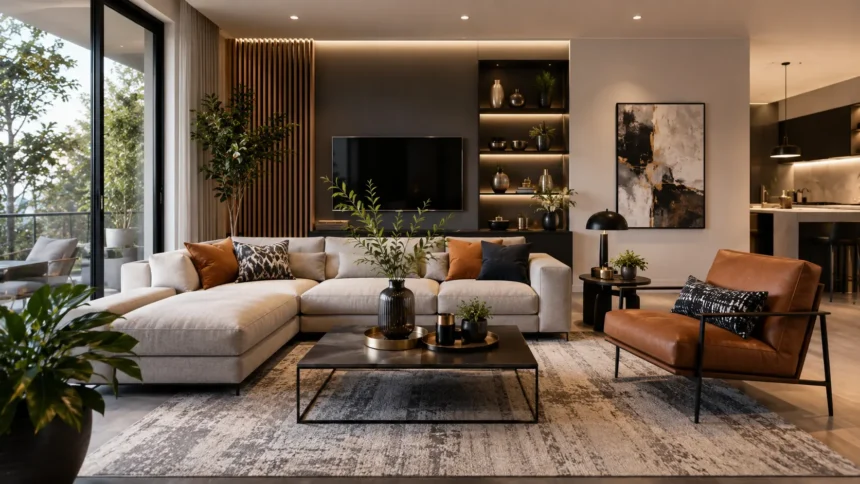
Modern Home Decor Ideas for a Stylish Living Space
Modern home decor is about creating a living space that feels stylish, comfortable, functional, and visually balanced at the same time. It is not simply about following the latest interior trends or filling rooms with expensive furniture. A successful modern interior combines clean lines, thoughtful layouts, warm materials, practical storage, and carefully selected decorative details. When these elements work together, a home can feel polished without becoming cold, formal, or difficult to maintain.
One reason modern home decor ideas continue to appeal to homeowners is their flexibility. Modern interiors can include neutral colors, natural wood, sculptural lighting, curved furniture, textured fabrics, artwork, plants, stone, metal, and personal accessories. You can create a highly minimalist look or a warmer contemporary atmosphere depending on your preferences. The key is controlling visual clutter and choosing pieces that support both the appearance and everyday function of the room.
Modern decorating has also moved away from overly sterile white-and-gray interiors. Many stylish homes now use warmer neutrals, earthy colors, layered textiles, organic shapes, and natural finishes to create spaces that feel more inviting. This shift makes modern design easier to personalize because you can combine simplicity with character instead of trying to make every room look like a showroom. Comfort and individuality have become just as important as visual cleanliness.
Whether you are redesigning an entire house or updating one room, you do not need to replace everything at once. Small changes such as improving lighting, simplifying accessories, introducing larger artwork, rearranging furniture, or adding natural textures can transform the atmosphere. The ideas below will help you create a stylish modern living space while keeping the design practical, cohesive, and suitable for real everyday life.
Start With a Warm and Refined Color Palette
A strong color palette creates the foundation for a modern interior because it helps connect furniture, walls, textiles, and accessories. Warm white, cream, beige, taupe, greige, soft gray, and light brown are especially useful for larger surfaces because they create a calm and flexible background. These shades allow you to introduce stronger materials and decorative details without making the room feel visually crowded.
Instead of using one identical neutral everywhere, combine several closely related tones to create depth. Cream walls can work beautifully with a beige sofa, walnut furniture, warm white curtains, and a textured taupe rug. These variations help the room feel layered while maintaining the clean appearance associated with contemporary interior design. Natural light will also reveal subtle differences between the tones throughout the day.
Accent colors can be introduced through cushions, artwork, occasional chairs, ceramics, and decorative objects. Olive green, muted blue, terracotta, rust, charcoal, deep brown, and soft burgundy can all work well in modern interiors. The safest approach is to select one or two accent shades and repeat them strategically rather than introducing many unrelated colors. Controlled repetition helps the room feel intentional rather than randomly decorated.
Always consider existing flooring, cabinetry, countertops, and major furniture before choosing paint colors. Every neutral has undertones that can look different beside warm wood, cool stone, or colored fabrics. Test paint samples on several walls and observe them in daylight and artificial lighting. A carefully chosen color palette can make even affordable furniture look more connected and sophisticated.
Choose Furniture With Clean and Elegant Lines
Furniture plays one of the biggest roles in determining whether a room feels modern. Look for sofas, chairs, tables, beds, and cabinets with clean silhouettes, balanced proportions, and limited ornamentation. Straight lines work well, but modern interiors can also include softly curved furniture to prevent the room from looking too rigid. The goal is visual simplicity rather than choosing furniture that feels severe or uncomfortable.
Scale is just as important as style. An oversized sectional can dominate a small living room, while furniture that is too small may make a large room feel unfinished. Measure the space carefully and leave enough room for comfortable movement between pieces. Furniture with visible legs can make compact rooms feel lighter because more floor area remains visible, creating a stronger sense of openness.
Mixing different shapes can make the room feel more dynamic. A rectangular sofa can be paired with a round coffee table, curved accent chair, or oval rug to soften the overall arrangement. These contrasts create visual interest without requiring excessive color or decoration. Repeating similar curves or straight lines elsewhere in the room helps the mixture feel intentional.
Avoid filling a room with furniture simply because there is empty space. Modern interior design relies on breathing room between major pieces. A well-proportioned sofa, two chairs, a coffee table, and a storage unit may be enough for a comfortable living area. Fewer pieces can also allow you to invest more thoughtfully in quality, comfort, and durability.
Add Natural Wood for Warmth and Balance
Natural wood is one of the most effective materials for adding warmth to a modern home. Oak, walnut, ash, and other wood finishes can appear in flooring, dining tables, cabinets, shelving, side tables, or decorative accents. Visible grain introduces natural variation and prevents neutral spaces from feeling flat. Even one substantial wooden element can make a modern room feel noticeably more welcoming.
Lighter woods create an airy appearance and pair especially well with Scandinavian-inspired or minimalist spaces. Pale oak furniture can complement cream walls, beige upholstery, and soft textiles without adding too much contrast. Darker woods such as walnut can produce a more dramatic and sophisticated effect, particularly when combined with warm white walls and stone surfaces.
You do not need to match every wood tone exactly. In fact, a controlled mix can make the home feel more natural and collected. Choose one dominant wood finish and introduce one or two supporting tones through smaller pieces. Repeating each finish more than once helps create a visual relationship between different areas of the room.
Wood also combines beautifully with stone, glass, metal, linen, wool, and ceramic. A walnut sideboard beneath abstract artwork, for example, can provide a warm focal point in a neutral living room. Mixing natural and manufactured materials helps modern interiors feel balanced between clean sophistication and everyday comfort.
Layer Different Textures for a Richer Interior
Texture is essential in modern spaces because it creates visual depth without introducing excessive decoration. Linen, wool, cotton, bouclé, velvet, jute, stone, plaster, wood, and ceramic can all contribute different surface qualities. This is especially important when the color palette is neutral because variation in texture keeps the room interesting while preserving a calm overall appearance.
Begin with large textile elements such as rugs, curtains, upholstery, and bedding. A textured wool rug can anchor a living room, while linen curtains soften windows and create movement. Upholstered sofas in tactile fabrics can also make modern furniture feel more inviting. These foundational textures often have a stronger impact than adding numerous small decorative accessories.
Hard materials can provide additional contrast. Stone coffee tables, ribbed glass, fluted cabinetry, ceramic lamps, plaster walls, and matte metal fixtures can add subtle sophistication. These surfaces respond differently to light throughout the day, which creates natural visual variety. They are especially useful in rooms where you want depth without relying on bold patterns.
The best results come from distributing textures throughout the room rather than concentrating them in one area. A woven chair can relate visually to a jute rug, while ceramic accessories can connect with stone surfaces elsewhere. Repetition helps several different textures feel cohesive and prevents the design from becoming chaotic.
Use Statement Lighting as Functional Decor
Lighting can completely change the way a modern living space looks and feels. Instead of relying on one central ceiling light, layer several sources such as pendants, floor lamps, table lamps, wall lights, and recessed lighting. This creates flexibility and allows different parts of the room to support reading, entertaining, working, or relaxing. Layered lighting also gives the interior more depth in the evening.
Statement fixtures can serve as decorative focal points without requiring additional accessories. Sculptural pendants, oversized floor lamps, globe lights, or geometric chandeliers can bring personality to simple rooms. Choose lighting that fits the scale of the surrounding furniture. A fixture that is too small may disappear visually, while one that is too large can dominate the space.
Warm lighting usually works best in living rooms, bedrooms, and dining spaces because it creates a comfortable residential atmosphere. Very cool white lighting can make warm neutrals and natural materials appear harsher than intended. Dimmers are especially useful because they allow the same room to transition between practical daytime activity and softer evening relaxation.
Natural light should also be treated as part of the design. Keep windows relatively open, use lighter curtains where appropriate, and avoid positioning bulky furniture where it blocks daylight. Mirrors can help reflect natural light deeper into the room. Good lighting can make colors, textures, and materials look significantly more refined.
Create a Stylish Modern Living Room
The living room is often the most visible space in a home, so it should balance appearance with genuine comfort. Begin with a functional seating arrangement based on how the household actually uses the room. Consider conversation, television, reading, entertaining, and traffic flow before positioning furniture. A stylish layout should make everyday activities easier rather than prioritizing appearance alone.
Use a large rug to visually connect the main seating pieces. Ideally, the rug should be large enough for the front legs of the sofa and chairs to sit on it. Rugs that are too small can make the arrangement feel fragmented and visually reduce the scale of the room. Neutral or subtly textured designs often provide the most flexibility.
Keep the coffee table relatively simple. A tray, stack of books, ceramic bowl, candle, or small plant may be enough to create visual interest without preventing normal use. The same principle applies to side tables and consoles. Modern interiors feel more elegant when there is enough empty surface space around decorative items.
Complete the room with layered lighting, artwork, soft cushions, curtains, and natural materials. A modern living room should not feel untouchable or excessively formal. Comfortable fabrics and personal objects can make the space feel lived in while carefully controlled styling keeps it visually polished.
Use Curved Furniture to Soften Straight Lines
Modern architecture often includes strong rectangular shapes through walls, windows, cabinets, and furniture. Adding curves can soften these lines and make the space feel more relaxed. Rounded coffee tables, curved sofas, arched mirrors, circular rugs, and sculptural chairs can all introduce a sense of movement. These softer forms also help balance highly structured layouts.
You do not need every piece to be curved. One or two rounded elements can provide enough contrast. A straight sofa paired with an oval coffee table, for example, creates visual balance without turning the room into a collection of unusual shapes. Subtle repetition can help connect the curves across different areas.
Curved furniture can be particularly useful in small rooms because rounded corners may improve circulation. A circular dining table can make movement easier in a compact dining area, while a curved chair may visually occupy less space than a bulky rectangular alternative. Practical benefits can therefore support the aesthetic choice.
Avoid choosing curved furniture purely because it is fashionable. Consider whether the piece is comfortable, appropriately scaled, and likely to work with your existing design for several years. Modern interiors look stronger when trend-driven shapes are balanced with timeless materials and practical proportions.
Keep Decorative Accessories Intentional
Accessories give a modern home personality, but too many can quickly create visual clutter. Instead of filling every shelf and table, choose a smaller number of objects that have meaning, function, or strong visual appeal. Ceramics, books, sculptures, plants, trays, candles, and personal collections can all work beautifully when given enough space.
Group related items rather than spreading single objects across every surface. Three ceramic pieces displayed together can create a stronger composition than placing one on each table. A stack of books with a decorative object can also create height variation without requiring numerous accessories. Grouping simplifies the visual field while keeping the room interesting.
Pay attention to proportion when styling surfaces. Combine objects of different heights and shapes while leaving some empty space around them. Negative space is an important part of modern decoration because it allows each item to stand out. Completely filling shelves tends to reduce the impact of individual pieces.
Rotate accessories occasionally instead of displaying everything you own at the same time. This can refresh the room without requiring new purchases. It also helps control clutter and allows favorite objects to feel more noticeable when they return to display after being stored for a while.
Add Oversized Artwork for Visual Impact
Large artwork can instantly make a modern living space feel more sophisticated. Instead of filling a wall with many small pieces, one substantial painting, photograph, or textured artwork can create a clear focal point. This approach fits modern decorating particularly well because it creates impact without adding excessive visual clutter.
Choose artwork according to what you genuinely enjoy rather than selecting it only because the colors match your furniture. Art can introduce contrast, personality, and emotional character into an otherwise restrained room. Abstract work, photography, landscapes, and graphic pieces can all suit modern interiors depending on the overall atmosphere you want.
Scale is essential. Artwork above a sofa, console, bed, or dining table should feel proportionate to the furniture below it. Pieces that are too small can look disconnected, while very oversized art may overwhelm compact spaces. Test approximate dimensions with paper or tape before committing to a large purchase.
Frames should support rather than compete with the artwork. Thin black, wood, white, or metallic frames usually integrate well with modern interiors. Frameless canvases can also create a clean effect. Leave enough surrounding wall space for the artwork to breathe instead of filling every available surface.
Introduce Plants and Natural Elements
Greenery can soften modern furniture and bring natural color into neutral rooms. Large floor plants work especially well because one substantial plant can fill an empty corner without requiring additional furniture. Smaller plants can be used selectively on shelves, dining tables, or kitchen counters. The organic shapes create useful contrast against straight architectural lines.
Choose plants according to available light and realistic maintenance habits. A fashionable plant that struggles in your home will eventually become more frustrating than decorative. Consider watering needs, temperature, sunlight, pets, and children before making a selection. Healthy plants contribute significantly more to the overall design.
Planters should complement the surrounding materials. Ceramic, stone, terracotta, woven, and matte containers often fit naturally into modern interiors. If you have several plants in one room, repeating similar planter finishes can help keep the arrangement visually consistent.
If living plants are not practical, branches, dried grasses, natural stone, wooden bowls, or other organic materials can create a similar effect. One sculptural branch in a ceramic vase can provide enough natural character for an entire console table. Modern design often benefits from simple organic elements rather than highly decorative artificial accessories.
Use Mirrors to Make Rooms Feel Larger
Mirrors can improve both light and visual space, making them especially useful in small or darker interiors. A large mirror placed opposite or near a window can reflect daylight deeper into the room. This can make narrow hallways, compact living rooms, or smaller bedrooms feel more open without changing the architecture.
Frame style should relate to the overall design. Thin black frames create a crisp contemporary look, while warm wood frames add softness. Frameless mirrors can work particularly well in bathrooms or highly minimalist spaces. Curved and irregular mirrors can also function as sculptural wall decor.
Always consider what the mirror will reflect. Positioning it opposite attractive artwork, greenery, natural light, or an uncluttered area can improve the room. Reflecting messy storage or a busy doorway may make visual clutter more noticeable instead.
Oversized leaning mirrors can create a particularly stylish effect in bedrooms or living spaces. They combine function with strong visual impact while preserving a relatively uncluttered wall. Heavy mirrors should always be installed or secured appropriately for safety.
Hide Clutter With Smart Storage
A stylish modern interior becomes difficult to maintain when everyday objects have nowhere to go. Closed cabinets, drawers, storage benches, built-in shelving, baskets, and multifunctional furniture can help keep clutter under control. The objective is to create storage that supports daily habits rather than simply hiding objects temporarily.
Built-in cabinetry works especially well because it can provide substantial storage without looking like additional furniture. Floor-to-ceiling units can use vertical space efficiently and visually blend into the surrounding architecture. Simple door fronts and understated hardware maintain a clean modern appearance.
Inside cabinets, use organizers only when they make items easier to access. Drawer dividers, trays, boxes, and containers can help separate categories such as cables, documents, toiletries, or kitchen tools. However, storage products should not become an excuse to keep belongings you no longer need.
Position storage according to where items are actually used. Keys should have a place near the entrance, chargers should be stored near devices, and remote controls should remain close to seating areas. Practical storage prevents objects from constantly migrating to visible surfaces.
Create a Stylish Modern Bedroom
A modern bedroom should feel calm, comfortable, and visually organized. Begin with the bed as the main focal point and choose a streamlined frame or upholstered headboard. Keep surrounding furniture relatively simple so the room does not feel crowded. Bedside tables, practical storage, and good lighting are usually more important than additional decorative pieces.
Use neutral bedding as the foundation and introduce interest through texture. Cotton, linen, wool, and other soft materials can be layered without relying on bold patterns. A few carefully chosen cushions and a throw can create enough visual depth while keeping daily bed-making manageable.
Lighting should include both practical and atmospheric sources. Bedside lamps, wall-mounted lights, and soft ceiling lighting can work together to support reading and relaxation. Dimmers can be especially useful because the same bedroom often needs brighter light in the morning and softer light at night.
Keep bedside surfaces relatively clear and give personal items practical storage. Clothing, chargers, skincare products, and paperwork can quickly disrupt the calm atmosphere if they remain visible. A stylish bedroom should feel easy to reset rather than requiring constant decorative maintenance.
Bring Modern Style Into the Kitchen
Modern kitchens look best when clean visual design is supported by practical organization. Cabinetry can be flat-front, handleless, or simple shaker style depending on the architecture of the home. Neutral colors, wood finishes, stone surfaces, and understated hardware create a flexible foundation that can remain attractive for years.
Keep countertops as clear as possible while still supporting daily cooking. Frequently used appliances can remain visible, but items used occasionally should be stored when space allows. A cutting board, ceramic container, fruit bowl, or small plant may provide enough decoration without reducing valuable work area.
Lighting should support specific tasks. Under-cabinet lights improve visibility during food preparation, while pendants can define an island or dining area. Ceiling lighting provides overall brightness. Combining several sources helps the kitchen feel both practical and visually refined.
Choose materials based on maintenance as well as appearance. Countertops, cabinet finishes, and flooring should suit the way your household cooks and cleans. A stylish kitchen that constantly shows fingerprints or requires difficult maintenance may become frustrating. Modern design works best when beauty and practicality are equally important.
Give the Bathroom a Clean Modern Look
A modern bathroom should feel fresh, organized, and relaxing. Simple vanities, large mirrors, clean fixtures, and restrained colors can create a strong foundation. Warm white, beige, stone, soft gray, and natural wood work particularly well because they create a spa-like atmosphere without looking overly themed.
Large-format tiles can make bathrooms feel more streamlined because fewer grout lines interrupt the surfaces. Stone-inspired, concrete-look, or subtly textured tiles can add depth while maintaining a contemporary appearance. One feature area is usually enough if you want additional visual interest.
Storage should keep personal care products organized and accessible. Drawers, mirrored cabinets, built-in niches, baskets, and vanity storage can prevent countertops from becoming crowded. If products must remain visible, grouping them on a simple tray can create a more intentional appearance.
Lighting around the mirror is especially important. Wall lights or integrated mirror lighting can reduce shadows, while ceiling fixtures provide general illumination. Warm or balanced lighting usually feels more comfortable than extremely cool bulbs. The bathroom should support everyday routines while still feeling calm.
Mix Metal Finishes Carefully
Modern interiors often include metal through lighting, cabinet hardware, furniture legs, faucets, and accessories. Brass, bronze, chrome, black, and brushed nickel can all work well, but using too many finishes can make a room feel inconsistent. Choosing one dominant metal and one supporting finish is often enough.
Warm metals such as brass and bronze pair naturally with beige, walnut, cream, terracotta, and other earthy colors. Chrome and brushed nickel can work beautifully with cooler stone, glass, or gray surfaces. Black remains versatile and can provide strong contrast in almost any modern palette.
Repeat each metal in more than one location to create visual consistency. A brass pendant can relate to small brass cabinet pulls or a decorative object elsewhere in the room. Repetition makes mixed finishes feel intentional instead of accidental.
Avoid matching every metal perfectly across the entire home. Slight variation can create a more collected and sophisticated look. The important factor is controlling how many finishes appear together in one visual area and making sure they relate to the overall color scheme.
Use Rugs to Define Open-Plan Spaces
Open-plan homes can feel disconnected when there are no clear visual boundaries between living, dining, and kitchen areas. Rugs can help define different zones without adding walls. A large living room rug can establish the seating area while leaving the dining space visually separate.
Choose rugs according to the scale of the furniture rather than just the floor area. In living rooms, the rug should usually connect major seating pieces. In dining areas, it should extend far enough beyond the table for chairs to remain on the rug when pulled out.
Color and texture can help connect separate areas. Two rugs do not need to match, but they should share certain tones or design characteristics if they are visible together. This keeps the open plan coordinated while giving each zone its own identity.
Avoid using several small rugs simply to fill empty floor space. Too many boundaries can make an open room feel visually fragmented. Larger, more purposeful rugs generally create a cleaner and more sophisticated modern appearance.
Add Personality Through Books and Personal Objects
Modern homes can easily feel generic when every decorative item is chosen purely because it matches the furniture. Books, photographs, inherited pieces, travel objects, artwork, and handmade items can make the interior feel more personal. These elements add meaning that cannot be achieved through trend-based accessories alone.
Display personal objects selectively rather than spreading them across every surface. A collection of favorite books can be grouped on one shelf, while several travel pieces can be arranged together on a console. Concentrated displays create stronger visual impact and help maintain overall order.
Older furniture can also work beautifully in a modern room. A vintage cabinet or inherited chair can provide contrast beside contemporary furniture. Connecting the piece through color, wood tone, or surrounding accessories can make the combination feel intentional.
The goal is not to create a perfectly coordinated showroom. A stylish home should reflect the people who live there. Modern design provides a clean foundation, while personal objects give the space character and emotional connection.
Use Minimalism Without Making the Home Feel Empty
Modern design often benefits from minimalist principles, but that does not mean removing everything. The goal is to reduce unnecessary visual noise so important furniture, artwork, and materials can stand out. Rooms can still include comfort, personality, and decorative layers.
Start by removing objects that no longer serve a useful or meaningful purpose. Clear surfaces, reorganize storage, and review decorative accessories periodically. Once unnecessary clutter is reduced, you may discover that the room needs fewer new purchases than expected.
Keep enough texture, lighting, textiles, and personal details to maintain warmth. A minimal sofa arrangement can still include a soft rug, linen curtains, artwork, plants, and books. Simplicity becomes more comfortable when it is balanced with tactile and emotional elements.
Empty space should be viewed as part of the design rather than something that needs to be filled. Open wall areas, clear corners, and uncluttered tabletops give the eye places to rest. This breathing room is one of the simplest ways to make a modern interior feel more elegant.
Make Small Rooms Feel Stylish and Spacious
Modern design is particularly useful in small homes because simple furniture and controlled decoration can reduce visual congestion. Choose pieces according to the actual dimensions of the room rather than trying to fit a standard furniture arrangement into every space. Multifunctional and wall-mounted furniture can also improve flexibility.
Use a consistent color palette to create continuity between connected rooms. Warm neutrals, repeated wood tones, and similar metal finishes can make compact spaces feel more cohesive. This visual consistency often contributes more to spaciousness than simply painting everything white.
Take advantage of vertical space through tall cabinets, wall-mounted shelves, floor-to-ceiling curtains, and strategic artwork. Drawing the eye upward can make ceilings feel taller while reducing pressure on the floor plan. Closed vertical storage can also reduce clutter.
Choose fewer but appropriately scaled decorative pieces. One large mirror, artwork, or plant often creates a stronger effect than several tiny objects. Allow some corners and walls to remain open. Small rooms feel larger when there is enough breathing space around important furniture.
Blend Modern Decor With Other Interior Styles
Modern decor works well with several other interior styles, which makes it easy to personalize. Scandinavian elements can add light wood and cozy textiles, while mid-century furniture can introduce warmer shapes and vintage character. Japandi details can create a calmer, more natural atmosphere.
Traditional elements can also work surprisingly well. A classic wooden cabinet, decorative molding, or antique table can provide contrast against streamlined modern furniture. The key is limiting stronger traditional details so they feel intentional rather than competing with the modern foundation.
Industrial materials such as black metal, exposed brick, and concrete can introduce an urban edge. Pair them with softer fabrics, warm lighting, and natural wood so the room does not become too harsh. A balanced mixture usually feels more sophisticated than following one style too literally.
Choose one style as the dominant direction and let another provide supporting details. This prevents the room from feeling like a collection of unrelated trends. Repeating colors, materials, or shapes across both styles helps maintain visual harmony.
Avoid Common Modern Home Decor Mistakes
One common mistake is buying too much matching furniture. Complete sets can make a room look like a showroom instead of a home developed naturally over time. Choose complementary pieces that share certain materials or proportions without being identical. This creates more personality while maintaining cohesion.
Another mistake is following every trend at once. Curved furniture, bold stone, unusual lighting, and fashionable colors can all be attractive, but using too many trend-driven elements may date the room quickly. Keep expensive foundational pieces relatively timeless and experiment through smaller accessories.
Ignoring scale can also weaken the design. Small artwork above oversized furniture, tiny rugs beneath large sofas, or enormous lighting in compact rooms can make proportions feel awkward. Measure carefully and consider the relationship between every major piece.
Finally, avoid choosing appearance over everyday practicality. Delicate fabrics, open storage, or complicated decorative arrangements may look attractive but become frustrating if they do not suit your lifestyle. Good modern design should make the home easier and more enjoyable to use.
Refresh Your Home Without Spending Too Much
A stylish modern update does not always require replacing furniture. Rearranging the layout can improve traffic flow and create a noticeably different atmosphere without spending anything. Remove unnecessary pieces, reposition seating, and experiment with how the room responds to natural light.
Paint is another relatively accessible way to create a major visual change. Updating walls with a warm neutral or repainting an old cabinet can modernize the room quickly. Smaller changes such as new hardware, lampshades, or cushion covers can also create stronger cohesion.
Use what you already own in different ways. Move artwork between rooms, restyle shelves, rotate decorative objects, or repurpose furniture. A side table from one room may work better as a bedside table elsewhere. Reusing existing pieces can reduce both cost and unnecessary consumption.
Prioritize upgrades according to visual impact. Lighting, rugs, curtains, paint, and artwork can change the overall atmosphere significantly. Focus on improving the foundation before purchasing numerous small accessories. A few thoughtful changes can often make a room feel substantially more polished.
Keep Your Modern Interior Easy to Maintain
A stylish home should remain manageable after the decorating process is finished. Choose finishes and fabrics according to how your household actually lives. Homes with pets, children, or frequent entertaining may need more durable upholstery and easier-to-clean surfaces than highly delicate materials.
Storage should be convenient enough that objects can be returned easily. If organizing a room requires complicated steps, clutter will probably return. Keep frequently used items close to where they are needed and make everyday storage simple enough for everyone in the household.
Limit decorative arrangements that require constant resetting. A coffee table covered with carefully positioned objects may look attractive briefly but become frustrating in normal use. Modern interiors work best when styling leaves enough room for practical everyday activities.
Review the space occasionally and remove items that no longer contribute. Furniture, storage needs, and household routines change over time. A modern home stays stylish when it continues adapting rather than remaining frozen in the arrangement created on the first decorating day.
Final Thoughts
Creating a stylish modern living space is less about following every interior trend and more about combining simplicity, comfort, function, and personality. Start with a balanced color palette, choose appropriately scaled furniture, and introduce natural materials such as wood, stone, linen, and wool. These elements establish a strong foundation that can be updated gradually without requiring constant redesign.
The best modern home decor ideas also recognize the importance of texture, lighting, storage, and negative space. A room does not need dozens of accessories to feel complete. Well-chosen artwork, one strong light fixture, a comfortable rug, or a natural wood table can create more impact than excessive decoration. Thoughtful restraint often makes individual pieces look more valuable.
Personal objects are equally important because they keep modern interiors from becoming generic. Books, artwork, photographs, inherited furniture, plants, and travel pieces can all coexist with clean contemporary design. The goal is to organize and display them intentionally rather than removing every sign of everyday life.
Most importantly, design for the way you actually live. Choose furniture that feels comfortable, materials you can maintain, storage that fits your routines, and colors you enjoy seeing every day. A truly stylish modern home is not simply attractive in photographs. It feels welcoming, functions naturally, and continues to work for the people who live there.
Frequently Asked Questions
What are the best modern home decor ideas?
Some of the best ideas include using warm neutrals, natural wood, layered textures, sculptural lighting, oversized artwork, smart storage, plants, and clean-lined furniture. These elements create a stylish interior without excessive visual clutter.
What colors make a home look modern?
Warm white, beige, taupe, greige, soft gray, brown, charcoal, olive, terracotta, and muted blue work particularly well. Use neutral shades as the foundation and introduce stronger colors selectively.
How can I make my living room look more modern?
Simplify the furniture layout, use a properly sized rug, improve lighting, reduce small accessories, add large artwork, and introduce clean-lined furniture. Natural textures and warmer neutrals can keep the room from feeling cold.
How can I decorate a modern home on a budget?
Start by rearranging furniture, decluttering, repainting walls, changing lighting, rotating existing artwork, and updating cushions or hardware. Focus on high-impact improvements before purchasing new decorative accessories.
Can modern home decor still feel cozy?
Yes. Add natural wood, soft rugs, textured fabrics, layered lighting, plants, curtains, and meaningful personal objects. These elements create warmth while maintaining the clean and balanced appearance of modern design.