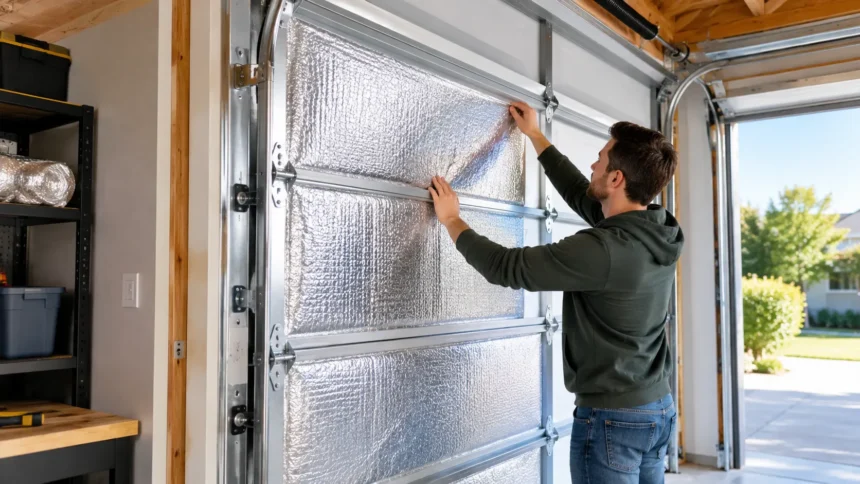
Garage door insulation is one of the practical ways to improve comfort, reduce drafts, and support energy efficiency in your home. An uninsulated garage door can allow outdoor temperatures to affect the garage, making the space uncomfortable during hot summers or cold winters. Adding suitable insulation can help slow heat transfer and create a more consistent indoor environment.
Whether you have an attached garage, a workshop, or a space used for storage, proper insulation can make a noticeable difference. However, choosing the right materials and installation methods is important for achieving useful results. This guide explains how garage door insulation works, its benefits, available materials, installation considerations, and practical ways to improve energy efficiency.
What Is Garage Door Insulation?
Garage door insulation involves adding materials that reduce heat transfer through the garage door. These materials create a thermal barrier between outdoor conditions and the garage interior, helping slow heat movement. Insulation is particularly useful for metal garage doors, which can transfer heat relatively quickly when they lack an insulated core.
Several insulation materials are commonly used in residential garage doors. These include rigid foam boards, reflective insulation products, and polyurethane or polystyrene insulation incorporated into manufactured door panels. Each material offers different thermal performance, installation requirements, and levels of durability, making material selection important for long-term results.
Garage door insulation works best when combined with effective weather sealing and appropriate garage construction. Even a well-insulated door may allow unwanted airflow through gaps around its edges. Therefore, understanding the difference between reducing heat transfer and preventing air leaks is essential when planning an energy-efficient garage improvement project.
Why Garage Door Insulation Matters for Your Home
An uninsulated garage door can contribute to uncomfortable temperature changes, especially when exposed to direct sunlight or cold outdoor air. During summer, heat may pass through the door and raise temperatures inside the garage. In winter, heat can escape more easily through an uninsulated surface, particularly when other parts of the garage provide limited thermal protection.
These temperature changes may also influence nearby living areas in homes with attached garages. However, the actual effect depends on the insulation and air sealing between the garage and conditioned rooms. Improving the garage door alone does not guarantee significant household energy savings, but it can contribute to a broader efficiency strategy.
Insulation may also make the garage more comfortable for hobbies, storage, and occasional household projects. It can reduce some outdoor noise and help create a more stable environment for items stored inside. For homeowners seeking better garage performance, insulation is a practical improvement worth considering alongside ventilation, weatherstripping, and proper maintenance.
How Garage Door Insulation Helps Reduce Drafts
Drafts occur when outside air enters through gaps, openings, or poorly sealed areas around a garage door. Common problem locations include the bottom edge, side tracks, top opening, and joints between individual door sections. Cold air entering these spaces can make the garage uncomfortable even when the door panels contain insulation.
Insulation reduces heat transfer through the door panels, while weatherstripping limits unwanted airflow around the edges. Combining these measures can improve comfort more effectively than relying on insulation alone. Bottom seals, perimeter seals, and properly fitted door components help reduce the movement of outdoor air into the garage.
Before improving insulation, inspect the door for visible gaps and damaged sealing materials. Look for daylight around the closed door and check whether existing weatherstripping is cracked, flattened, or missing. Addressing these problems can help limit drafts, although garage ventilation and required safety openings must remain functional.
Different Types of Garage Door Insulation Materials
Polystyrene foam is a common insulation material used in garage doors and retrofit insulation kits. It is available as rigid panels that fit between the door’s interior framing sections. These panels provide thermal resistance and are relatively easy to handle, although proper sizing and secure installation are necessary for satisfactory performance.
Polyurethane insulation is another popular option, particularly in factory-insulated garage doors. Manufacturers often inject or bond this material within door panels to create an insulated structure. Polyurethane can offer strong thermal performance for its thickness, but the specific results depend on the product design, foam formulation, and overall door construction.
Reflective insulation typically uses a reflective surface designed to reduce radiant heat transfer when installed with an appropriate adjacent air space. Its effectiveness depends heavily on installation conditions and should not be confused with conventional bulk insulation. Homeowners should compare verified product specifications rather than assuming that every reflective product delivers the same benefits.
Understanding R-Value in Garage Door Insulation
R-value measures how strongly an insulating material resists heat flow. Generally, a higher R-value indicates greater thermal resistance under comparable testing conditions. However, the advertised R-value of an insulation layer may differ from the thermal performance of an entire garage door assembly, which includes framing, joints, and other components.
Garage door manufacturers may advertise insulation ratings for individual materials or completed door systems. These figures are not always directly comparable unless the testing methods and rated components are clearly identified. When evaluating products, consider whether the published number describes the insulation itself or the performance of the complete door.
The most suitable insulation level depends on climate, garage construction, and intended use. A garage beneath a living space may have different thermal considerations from a detached garage used only for parking. Instead of selecting the highest advertised R-value automatically, balance thermal performance with cost, door compatibility, and installation requirements.
Benefits of Insulating an Attached Garage Door
Attached garages share one or more structural boundaries with the main house, making temperature management particularly relevant. An insulated garage door may reduce temperature swings within the garage and improve comfort near connected spaces. However, insulation and air sealing along the garage-to-house boundary remain especially important for household energy performance.
Reducing extreme garage temperatures can also make certain everyday tasks more comfortable. Homeowners may appreciate a less chilly space when entering vehicles during winter or performing short maintenance projects. In warmer weather, insulation can slow some incoming heat, although ventilation and solar exposure still influence the garage’s temperature.
Another potential advantage is improved sound reduction. Some insulated garage doors have thicker, more substantial panels that can limit certain outside noises and reduce panel vibration. The degree of improvement varies by product, so insulation should not be considered a complete soundproofing solution for workshops or other noisy activities.
Garage Door Insulation Kits vs. Insulated Garage Doors
Garage door insulation kits allow homeowners to add insulating material to some existing garage doors. These kits may contain precut foam panels, fastening components, or other materials intended for specific door designs. They can be a practical choice when the existing door is in good condition and its manufacturer permits additional insulation.
Factory-insulated garage doors offer a different approach because the insulation is integrated into the door’s construction. Many products include multiple layers of steel or other exterior materials surrounding an insulated core. This design may provide better durability, appearance, and thermal consistency than a basic retrofit, depending on the door model.
Choosing between an insulation kit and a replacement door depends on the condition, construction, and performance of the existing garage door. A replacement may be more appropriate when panels are damaged or the door needs substantial repairs. Retrofitting can be economical, but added material must not interfere with safe operation or exceed manufacturer recommendations.
How to Insulate an Existing Garage Door Safely
Before considering a retrofit, identify the garage door material, panel construction, and manufacturer’s insulation recommendations. Some doors are designed to accept insulation inserts, while others may not support additional weight or modifications. Confirming compatibility helps avoid problems with door balance, hardware performance, and the automatic opener.
Insulation materials must fit securely without obstructing hinges, rollers, tracks, or other moving components. Poorly secured materials can shift during operation, creating potential hazards or damaging the door. Manufacturer-approved kits and installation instructions provide the safest starting point for determining whether a particular retrofit is appropriate.
Garage doors contain high-tension springs and other hardware that can cause serious injuries if handled improperly. Never attempt to adjust springs, cables, or counterbalance systems yourself. If insulation adds significant weight or changes how the door operates, stop using it and have a qualified garage door technician inspect the system.
Improve Weatherstripping and Garage Door Seals
Weatherstripping is essential for reducing unwanted air leakage around the perimeter of a garage door. A bottom seal helps close the space between the door and floor, while side and top seals limit airflow around the frame. These components work alongside insulation to reduce drafts and improve everyday comfort.
Garage door seals experience regular exposure to moisture, sunlight, temperature changes, and repeated movement. Over time, rubber or vinyl components may become brittle, compressed, or damaged. Inspecting them periodically can help identify worn areas that allow outdoor air, dust, or rainwater to enter through unintended gaps.
Replacement seals should be compatible with the door design and installed according to manufacturer guidance. A properly adjusted door should close securely without forcing components against the floor or frame. Avoid blocking required ventilation openings or making changes that affect the safe operation of the door and its safety sensors.
Can Garage Door Insulation Lower Energy Bills?
Garage door insulation can contribute to energy efficiency by reducing heat transfer through a large exterior surface. However, the amount of energy saved depends on whether garage temperatures influence heated or cooled living spaces. Homes with well-insulated separation between the garage and house may experience relatively small direct savings.
Energy savings also depend on local climate, door size, existing insulation, and how frequently the garage door opens. A garage used as a conditioned workspace may benefit differently from an unheated parking area. Consequently, claims that every insulation project will produce dramatic reductions in utility bills should be treated cautiously.
For the best overall results, consider garage door insulation as part of a wider home energy improvement plan. Sealing air leaks between the garage and house, insulating appropriate walls or ceilings, and maintaining heating and cooling systems may offer additional benefits. A home energy assessment can help identify which improvements are most worthwhile.
Common Garage Door Insulation Mistakes to Avoid
One common mistake is choosing insulation based only on price or the highest advertised R-value. Material thickness, fire safety requirements, moisture behavior, and compatibility with the garage door also matter. An unsuitable product may create installation difficulties, reduce available clearance, or provide less thermal improvement than expected.
Another mistake is adding insulation without considering the door’s weight and balance. Even relatively lightweight materials can change operating characteristics when distributed across a large door. If the automatic opener struggles, the door moves unevenly, or unusual sounds develop, discontinue operation and request professional inspection rather than attempting hardware adjustments.
Ignoring weatherstripping can also limit the benefits of insulating door panels. Air leakage around the edges may continue to create drafts despite additional thermal material. Similarly, insulation should never cover safety labels, interfere with moving parts, obstruct required ventilation, or compromise the door’s fire-safety requirements.
How to Maintain Garage Door Insulation for Long-Term Results
Regular inspections help keep insulated garage doors in good condition. Look for loose insulation panels, damaged interior coverings, moisture buildup, and deteriorating weatherstripping. Catching these issues early can prevent minor problems from becoming more expensive repairs and help maintain the door’s thermal performance.
Cleaning requirements depend on the insulation and door materials. Some finished surfaces can be wiped using mild cleaning products, while exposed foam or reflective coverings may need gentler handling. Avoid harsh chemicals, excessive moisture, or pressure washing methods that could damage the insulation or protective interior surfaces.
It is also important to monitor how the garage door opens and closes over time. Unexpected noises, uneven movement, or difficulty closing may indicate a mechanical problem that requires attention. A qualified technician can inspect the door’s operating system and address issues involving springs, cables, or balance safely.
Choosing the Best Garage Door Insulation for Your Climate
Climate is an important consideration when selecting garage door insulation. In colder regions, reducing heat loss and limiting drafts may be major priorities, especially for attached garages. Insulating materials with suitable thermal resistance can help reduce temperature fluctuations, provided the surrounding garage construction and seals also perform effectively.
In hot climates, an insulated door may help slow heat entering the garage from outdoor air and sun-warmed surfaces. Garage orientation, direct sunlight, door color, and ventilation can influence the overall temperature. Reflective materials may help in suitable assemblies, but their performance depends on proper installation and an appropriate air space.
Homeowners in humid climates should also consider condensation and moisture management. Improper material choices or trapped moisture can contribute to deterioration in certain door assemblies. Selecting products designed for the door type and local conditions, preferably with manufacturer guidance, can improve durability and reduce avoidable maintenance problems.
Is Garage Door Insulation Worth the Investment?
The value of garage door insulation depends on how the garage is used and what improvements are expected. For someone who spends time working in the garage, increased comfort may be a major benefit. Homeowners with attached garages may also value reduced temperature swings near connected living areas.
Costs vary according to insulation material, garage door size, installation method, and whether professional services are necessary. Retrofitting an existing door can cost less than purchasing a complete insulated replacement, but it may offer different durability and performance. Comparing the full project cost against realistic comfort and efficiency benefits helps inform the decision.
Garage door insulation is most worthwhile when it addresses an existing problem such as significant panel heat transfer or uncomfortable temperature changes. It is less likely to solve issues caused mainly by poor building insulation, inadequate ventilation, or major air leaks elsewhere. Evaluating these factors before investing can help homeowners choose the most effective improvement.
Conclusion
Garage door insulation can improve comfort, reduce heat transfer, and support a more energy-efficient home. Choosing appropriate materials and maintaining effective seals can help reduce unwanted temperature changes throughout the year. However, results depend on garage construction, climate, and the condition of the existing garage door.
Whether you select a retrofit insulation kit or a factory-insulated replacement, compatibility and safe installation should remain priorities. Pay attention to insulation ratings, weatherstripping, moisture management, and door balance. Professional assistance is especially important whenever modifications affect springs, cables, operating hardware, or the automatic opener.
For homeowners looking to cut drafts and improve garage comfort, insulation can be a useful long-term investment. Combine suitable door insulation with proper air sealing and routine maintenance for more effective results. A thoughtful approach can create a more comfortable garage while supporting the overall energy performance of your property.
Frequently Asked Questions
Does Garage Door Insulation Really Save Energy?
Garage door insulation reduces heat transfer, but actual energy savings depend on garage construction, climate, and heating or cooling conditions. Attached garages may benefit when temperature changes affect nearby conditioned spaces.
What Is the Best Insulation for a Garage Door?
The best material depends on door compatibility, budget, and performance needs. Polystyrene foam panels and factory-installed polyurethane insulation are common choices, while reflective products require suitable installation conditions.
Can I Insulate My Existing Garage Door?
Some existing garage doors can accept manufacturer-approved insulation kits. However, added weight may affect door balance and operation, so compatibility should be confirmed and mechanical adjustments left to qualified technicians.
Does Garage Door Insulation Help in Summer?
Yes, insulation can slow heat transfer through the garage door during hot weather. However, indoor temperatures also depend on sunlight, ventilation, surrounding insulation, and how frequently the door opens.
Is It Better to Insulate or Replace a Garage Door?
Insulation kits may suit compatible doors in good condition, while replacement may be worthwhile for damaged or poorly performing doors. Compare safety, cost, durability, and expected thermal benefits before deciding.