What Is White Oak Wood?
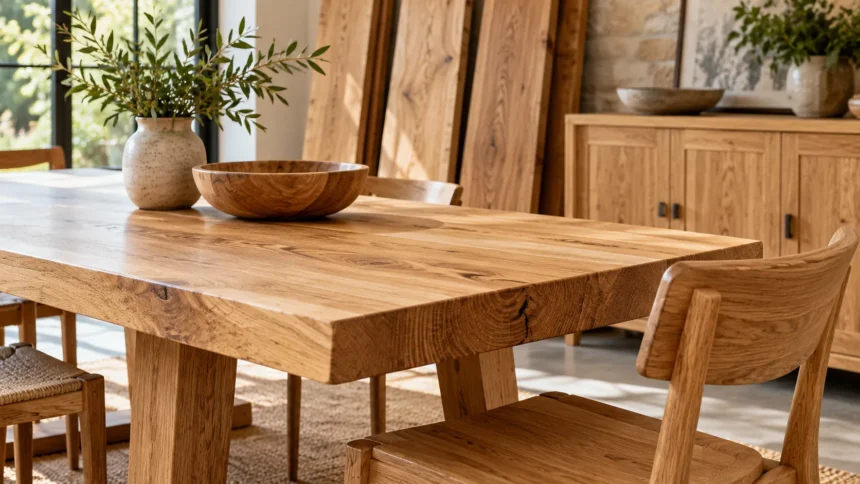
White oak wood is a popular hardwood known for its strength, durability, and attractive natural grain. It comes primarily from trees belonging to the white oak group, especially the American white oak, scientifically known as Quercus alba. The wood is widely used in furniture manufacturing, hardwood flooring, cabinetry, and architectural projects because of its reliable performance.
White oak typically features light brown, tan, or yellowish tones with a distinctive grain pattern. Its appearance can vary depending on the tree, growing conditions, and finishing method. The wood also contains natural compounds called tannins, which influence its appearance, durability, and reaction to certain finishing products.
One reason white oak remains popular is its combination of visual appeal and practical strength. It performs well in many residential and commercial applications when properly selected, installed, and maintained. Understanding white oak wood properties can help homeowners, designers, and woodworkers determine whether it suits their furniture, flooring, or construction needs.
Where Does White Oak Wood Come From?
White oak is native to eastern and central North America, where it grows in forests across a wide geographical range. The American white oak tree is valued for both its timber and ecological importance. Mature trees can produce substantial quantities of hardwood suitable for furniture, flooring, and other woodworking applications.
Several oak species belong to the white oak group, and commercial white oak lumber may contain wood from different related species. These trees generally produce dense hardwood with similar structural characteristics. However, grain patterns, color, and working properties can vary depending on the species and growing environment.
White oak trees grow relatively slowly compared with many softwood species, contributing to the wood’s dense structure. Responsible forestry practices are important for maintaining healthy forests and supporting future timber supplies. Buyers interested in sustainable materials can look for responsibly sourced lumber and credible forest certification programs.
White Oak Wood Properties and Characteristics
White oak wood is valued for its hardness, strength, and resistance to everyday wear. Its dense structure makes it suitable for furniture, flooring, and other applications that experience regular physical contact. The wood also offers attractive grain patterns that can complement both traditional and modern interior designs.
A notable characteristic of white oak is the presence of tyloses, which help block vessels within the heartwood. These structures contribute to its relatively low permeability compared with many red oak species. This property has historically made properly selected white oak heartwood useful for barrels and certain applications involving liquid containment.
White oak also responds well to many woodworking and finishing techniques when handled correctly. It can be sawn, shaped, sanded, stained, and finished using suitable tools and products. However, its density and tannin content require attention during machining and installation to achieve consistent, long-lasting results.
Color and Appearance of White Oak Wood
White oak wood typically ranges from light tan and beige to medium brown, although natural variations are common. Freshly cut wood may display slightly different tones from lumber that has been exposed to air and light. The final appearance also depends on whether the surface receives oil, stain, or a protective clear finish.
The grain is generally straight, with occasional variations that create distinctive natural patterns. Quarter-sawn white oak can display attractive ray flecks that produce decorative markings across the surface. These features are especially popular in traditional furniture designs and architectural woodwork that emphasizes natural material character.
White oak works well with different interior color schemes because of its relatively neutral appearance. Natural finishes can highlight its warm tones, while selected stains create deeper or cooler shades. Homeowners can choose finishes that complement existing flooring, cabinets, and decorative elements without completely hiding the wood’s grain.
White Oak Wood Grain and Texture
White oak generally has a coarse, visible grain that gives the material a distinctive natural appearance. The grain may appear straight in some boards and more irregular in others. This variation contributes to the character of hardwood furniture and makes each finished piece slightly different.
The cutting method strongly influences the appearance of white oak lumber. Plain-sawn boards often feature broad grain patterns, while quarter-sawn boards display straighter grain and prominent ray flecks. Rift-sawn lumber commonly provides a more uniform linear appearance that suits clean, contemporary designs.
White oak’s open texture can affect how stains and finishes interact with the surface. Proper sanding and suitable finishing products help achieve consistent results. Woodworkers may also use grain fillers when a smoother surface is desired, particularly for furniture and cabinetry requiring a refined finish.
How Hard Is White Oak Wood?
White oak is considered a hard and durable domestic hardwood. American white oak has a Janka hardness rating of approximately 1,360 pounds-force, although values can vary by species and sample. This rating indicates the resistance of wood to indentation under standardized testing conditions.
Its hardness makes white oak suitable for flooring, tabletops, cabinets, and other surfaces exposed to regular use. The wood can resist many everyday dents and scratches better than softer materials. However, hardness does not mean the surface is completely resistant to damage from furniture, sharp objects, or heavy impacts.
Wood hardness is only one factor when evaluating suitability for a project. Stability, moisture conditions, finish quality, and installation methods also influence long-term performance. A properly installed and maintained white oak floor may provide excellent service even in areas with substantial everyday foot traffic.
Is White Oak Wood Durable?
White oak wood is widely recognized for its durability and reliable performance in demanding applications. Its dense structure provides good resistance to ordinary wear, making it useful for furniture and flooring. When properly maintained, white oak products can remain functional and attractive for many years.
The heartwood of white oak also offers natural resistance to certain decay organisms compared with many other hardwoods. This characteristic contributes to its use in selected outdoor and moisture-exposed applications. However, natural decay resistance varies, and white oak should not automatically be considered waterproof or suitable for continuous ground contact.
Durability depends heavily on the conditions in which the wood is used. Excessive moisture, unsuitable finishes, poor installation, and inadequate maintenance can reduce its service life. Choosing properly dried lumber and protecting the finished surface helps preserve the strength and appearance of white oak products.
White Oak Wood Strength and Stability
White oak is known for its strong mechanical properties, making it useful in furniture construction and structural woodworking applications. It has good bending strength and can perform well under appropriately designed loads. These characteristics have contributed to its historical use in timber construction, furniture frames, and other demanding projects.
Dimensional stability is another important consideration when working with white oak. Like most hardwoods, it expands and contracts as moisture conditions change. Quarter-sawn lumber may offer improved dimensional consistency compared with certain other cutting orientations because of the direction of the wood’s annual growth rings.
Proper drying and acclimation are essential before installing white oak flooring or building furniture. Lumber should reach an appropriate moisture content for the intended environment. Maintaining reasonably consistent indoor humidity can help reduce unwanted gaps, warping, and other movement-related problems over time.
White Oak vs. Red Oak: Key Differences
White oak and red oak are two popular hardwood groups used for flooring, furniture, and interior woodworking. Although they share several characteristics, differences in color, hardness, grain, and moisture permeability influence their applications. Understanding these distinctions helps buyers choose an appropriate material for their projects.
White oak generally has a slightly higher Janka hardness rating than northern red oak and often appears more tan or brown. Red oak commonly displays warmer pinkish or reddish undertones. Their grain patterns can also differ, although natural variation means appearance alone may not always identify the wood accurately.
White oak heartwood usually has lower liquid permeability because of tyloses in its vessels. Red oak tends to have more open vessels, making it less suitable for applications requiring liquid resistance. Both materials can perform well in indoor woodworking when properly finished, installed, and maintained.
| Feature | White Oak | Red Oak |
|---|---|---|
| Typical color | Tan, beige, light brown | Pinkish, reddish brown |
| Janka hardness | Around 1,360 lbf | Around 1,290 lbf |
| Grain appearance | Often straighter, varied ray flecks | Often prominent, open grain |
| Heartwood permeability | Generally lower | Generally higher |
| Decay resistance | Better natural resistance | Usually less resistant |
| Common uses | Flooring, furniture, barrels, cabinets | Flooring, furniture, trim, cabinets |
White Oak vs. Other Popular Hardwoods
White oak is frequently compared with maple, walnut, ash, and other hardwoods used in residential interiors. Each species offers different characteristics that influence appearance, durability, and cost. White oak provides a practical balance of hardness, natural grain, and versatility for many woodworking applications.
Hard maple typically has a finer grain and a lighter, more uniform appearance than white oak. Walnut usually features darker brown tones and a smoother visual texture, making it popular for decorative furniture. White oak offers a more pronounced grain pattern and can be finished in many different colors.
The best hardwood depends on the project’s functional and design requirements. White oak may be preferred for visible grain and durable flooring, while other species may better match a specific aesthetic. Comparing samples and understanding maintenance requirements helps buyers make informed material decisions.
Common Uses of White Oak Wood
White oak wood is used in a wide range of residential, commercial, and traditional woodworking applications. Its strength, attractive appearance, and workable structure make it suitable for products that require durability. Common examples include furniture, flooring, cabinetry, doors, wall panels, and decorative woodwork.
The wood has also been used historically in barrel manufacturing, boatbuilding, and certain structural applications. Its relatively low heartwood permeability makes it useful for cooperage, particularly when suitable grades and manufacturing methods are used. These specialized applications demonstrate the practical value of its natural anatomical properties.
Modern designers appreciate white oak because it combines traditional hardwood character with contemporary design flexibility. It can be used in minimalist interiors, rustic furniture, and detailed architectural installations. Selecting appropriate lumber grades and finishes allows the same wood species to serve different functional and decorative purposes.
White Oak Wood for Hardwood Flooring
White oak is a popular choice for hardwood flooring because of its durability and attractive grain patterns. The surface can withstand normal residential foot traffic when appropriately finished and maintained. Its neutral coloring also makes it compatible with a wide variety of furniture styles and interior design preferences.
White oak flooring is available in solid hardwood and engineered wood formats. Solid flooring consists of a single piece of hardwood, while engineered flooring uses a real wood surface layer over a constructed core. Each option has different installation and moisture requirements that should be considered before purchase.
Proper installation is important for preventing gaps, excessive movement, and long-term surface problems. The flooring should be acclimated according to manufacturer recommendations and installed over a suitable subfloor. Regular cleaning and protective furniture pads can help preserve the finish and reduce everyday wear.
White Oak Wood for Furniture Making
White oak is widely used for furniture because it provides strength, stability, and an appealing natural appearance. Tables, chairs, bed frames, cabinets, and storage units can all benefit from its durable structure. The wood’s grain adds visual character while allowing furniture makers to create both traditional and contemporary designs.
Its strength makes white oak particularly useful for furniture components that experience repeated physical use. Properly constructed joints and suitable finishing methods contribute to long-term performance. However, dense hardwood can be heavier than some alternative materials, which may influence furniture design and transportation requirements.
Furniture makers often choose white oak for projects intended to remain useful for many years. The material can be refinished in many applications, depending on construction and surface thickness. This repairability makes solid white oak furniture an attractive option for individuals who value long-lasting household products.
White Oak Wood for Kitchen Cabinets
White oak kitchen cabinets have become popular because of their natural appearance and adaptable design. The wood can complement modern, traditional, Scandinavian, and transitional kitchens. Its visible grain adds texture without requiring highly decorative finishes or complicated cabinet designs.
Cabinet makers may use solid white oak for frames and doors, along with suitable engineered panels for other components. Rift-sawn and quarter-sawn white oak are frequently selected when a straighter, more consistent grain appearance is desired. The final design depends on construction methods, budget, and aesthetic preferences.
Kitchen cabinets require finishes that resist everyday moisture, food residue, and repeated cleaning. White oak should receive appropriate protective coatings rather than being left exposed to persistent moisture. Regular care and prompt cleaning of spills can help maintain cabinet appearance and reduce deterioration around sinks and cooking areas.
White Oak Wood for Doors and Interior Trim
White oak is commonly used for interior doors, baseboards, wall panels, and other architectural details. Its strength and visible grain can create a substantial appearance in residential spaces. The wood can be stained or finished naturally to complement surrounding furniture, flooring, and decorative elements.
Interior trim made from white oak can provide a consistent design throughout a home. Door frames, stair components, and decorative moldings may use matching wood tones to create visual continuity. Choosing suitable lumber grades helps control grain variation and produce a more uniform appearance when required.
Solid white oak doors can be relatively heavy, so appropriate hardware and installation are important. Engineered construction may be used for dimensional stability and design flexibility. Maintaining suitable indoor humidity and protecting surfaces from repeated moisture exposure can help preserve the appearance and function of finished woodwork.
White Oak Wood for Outdoor Projects
White oak heartwood offers natural resistance to decay, which can make it useful for selected outdoor woodworking projects. However, not every white oak board provides the same durability, especially when sapwood is present. Outdoor performance also depends on exposure conditions, construction details, and protective maintenance.
Garden furniture, decorative structures, and certain exterior components may use appropriately selected white oak. The wood should be designed to shed water and avoid prolonged moisture accumulation. End grain, joints, and areas near the ground require particular attention because repeated wetting can encourage deterioration.
Outdoor white oak usually benefits from suitable protective finishes and periodic inspection. Even naturally durable hardwood can develop cracks, discoloration, or decay under unfavorable conditions. For applications involving continuous ground contact or severe exposure, specially rated materials may be more appropriate than untreated white oak.
Why Is White Oak Used for Barrels?
White oak has a long history of use in wooden barrels, particularly for storing and aging certain beverages. Its heartwood contains tyloses that reduce permeability through the wood’s vessels. This characteristic helps properly constructed barrels retain liquids while allowing controlled interaction between the contents and wooden container.
The wood also contains compounds that contribute to aroma and flavor during barrel aging. These characteristics vary depending on wood origin, seasoning, and barrel manufacturing methods. Cooperage requires carefully selected lumber because ordinary furniture-grade boards are not necessarily suitable for producing liquid-tight barrels.
Barrel manufacturing involves specialized cutting, drying, shaping, and assembly techniques. The wood must perform under changing moisture conditions while maintaining structural integrity. White oak’s combination of mechanical strength, relatively low permeability, and distinctive chemical properties makes it especially valuable for this traditional application.
Benefits of Using White Oak Wood
One of the main benefits of white oak wood is its combination of strength and long-term durability. It performs well in applications that require resistance to everyday wear, including furniture and hardwood flooring. Its natural appearance also allows homeowners to use it without sacrificing design flexibility or decorative appeal.
White oak is versatile because it can be machined, stained, finished, and shaped for different woodworking projects. It supports both detailed traditional craftsmanship and simpler modern designs. Available cutting methods also provide different grain appearances, allowing designers to create specific visual effects using the same general wood category.
Another benefit is the potential for long service life when white oak products receive appropriate care. Solid wood furniture and flooring can often be repaired or refinished instead of replaced. This durability may provide long-term value, especially when the material is responsibly sourced and used in suitable conditions.
Disadvantages of White Oak Wood
One disadvantage of white oak is its relatively high density and weight. Heavy boards can be more difficult to transport, handle, and install compared with lighter wood species. The material may also require sharp tools and appropriate woodworking equipment because its hardness increases cutting and machining demands.
White oak can be more expensive than some softwoods and manufactured wood products. Prices depend on lumber grade, thickness, board dimensions, cutting method, and regional availability. Specialty materials such as wide quarter-sawn boards may cost more because of additional processing requirements and lower usable yields.
Another limitation involves its sensitivity to moisture changes. Although white oak heartwood has useful resistance characteristics, the wood can still expand, shrink, or warp under unsuitable environmental conditions. Proper drying, installation, finishing, and maintenance are necessary to minimize these potential problems.
Is White Oak Wood Expensive?
White oak is generally considered a midrange to premium hardwood depending on the product and local market. It often costs more than common softwoods and basic engineered materials. However, its pricing varies significantly across regions, lumber grades, dimensions, and manufacturing processes.
Plain-sawn white oak lumber may be more affordable than specialty quarter-sawn or rift-sawn material. Flooring prices also vary according to whether the product is solid or engineered, prefinished or unfinished, and domestically produced or imported. Installation and finishing costs can add substantially to the overall project budget.
When comparing prices, consider long-term durability, maintenance, and expected service life. A higher initial material cost may be reasonable for flooring or furniture intended for extended use. However, white oak is not automatically the most economical option for every project, so comparing alternatives remains important.
How to Finish White Oak Wood
Finishing white oak helps protect the surface while highlighting its natural grain and color. Common options include clear coatings, penetrating oils, stains, and specialized floor finishes. The best choice depends on the intended application, desired appearance, maintenance requirements, and level of expected wear.
Clear finishes can preserve the natural appearance of white oak, while stains change its color without completely hiding the grain. Oil-based products may emphasize warmer tones, although the final effect varies by formulation. Testing the chosen finish on a sample board helps prevent unexpected color differences across a completed project.
Proper surface preparation is essential for a consistent finish. Sanding, cleaning, and following manufacturer instructions can improve the result. Because white oak contains tannins, certain products or metal contamination may cause unexpected discoloration, making compatible finishing materials and careful preparation important.
How to Clean and Maintain White Oak Furniture
White oak furniture generally requires simple maintenance to preserve its appearance and protective finish. Regular dusting with a soft cloth helps remove particles that could contribute to surface scratches. For routine cleaning, use products appropriate for the furniture’s specific finish rather than assuming every hardwood surface needs identical treatment.
Avoid leaving standing water on white oak furniture because moisture can affect finishes and surrounding wood. Clean spills promptly with a suitable cloth and avoid harsh chemicals that may damage protective coatings. Placemats, coasters, and furniture pads can help reduce everyday wear on frequently used surfaces.
Periodically inspect furniture for finish damage, loose joints, or other maintenance concerns. Minor surface problems may be repairable depending on the finish and construction method. With suitable care, solid white oak furniture can remain attractive and functional for many years without requiring complicated cleaning routines.
How to Maintain White Oak Hardwood Flooring
White oak hardwood floors benefit from regular cleaning and appropriate protection against moisture. Sweeping or vacuuming with a hardwood-safe attachment removes dust and abrasive particles. This simple habit helps reduce small surface scratches that can develop through repeated foot traffic.
Use cleaning products recommended for the flooring’s finish and avoid excessive water during routine maintenance. Damp cleaning may be appropriate for certain sealed surfaces, but standing water can damage wood and surrounding joints. Rugs near entrances and protective pads beneath furniture can help reduce wear in heavily used areas.
Indoor humidity also affects the appearance and stability of wood flooring. Significant fluctuations may contribute to seasonal gaps or unwanted movement between boards. Following manufacturer maintenance guidance and addressing spills promptly can help preserve the floor’s finish and long-term performance.
Is White Oak Wood Water Resistant?
White oak heartwood has relatively low permeability compared with many other hardwoods because of the tyloses present in its vessels. This characteristic contributes to its traditional use in barrels and selected moisture-exposed applications. However, water resistance should not be confused with complete waterproofing.
White oak can still absorb moisture through exposed surfaces, end grain, joints, and damaged finishes. Repeated wetting may cause swelling, staining, warping, or biological deterioration under unfavorable conditions. Sapwood is generally less decay-resistant than heartwood, making material selection important when moisture exposure is expected.
For kitchens, flooring, and outdoor projects, appropriate finishes and construction details help protect white oak. Promptly removing spills and preventing standing water are important maintenance practices. Areas with continuous moisture exposure may require materials specifically designed for those conditions rather than relying solely on white oak’s natural properties.
Is White Oak Wood Environmentally Friendly?
White oak can be an environmentally responsible material when sourced from forests managed using sustainable practices. Wood is renewable, and long-lasting products may reduce the need for frequent replacement. However, environmental impact depends on harvesting methods, transportation, manufacturing, and the lifespan of the finished product.
Responsible forestry supports forest regeneration, biodiversity, and long-term timber availability. Buyers can look for credible certifications such as FSC or PEFC when appropriate. Certification can provide additional information about sourcing practices, although it does not eliminate every environmental impact associated with wood production.
The durability and repairability of white oak products may also contribute to their long-term value. Furniture and flooring that remain functional for decades can reduce material consumption compared with frequently replaced products. Choosing appropriate construction methods and maintaining finished surfaces helps extend useful service life.
How to Identify Genuine White Oak Wood
Identifying genuine white oak requires examining several characteristics rather than relying on color alone. The wood commonly has visible open grain, tan or brown tones, and distinctive ray patterns. However, appearance varies by species, cutting method, and finish, making simple visual identification unreliable in some situations.
Examining the end grain can provide additional clues about oak group characteristics. White oak heartwood commonly has vessels blocked by tyloses, although identifying these structures may require magnification or professional experience. Certain tests can also help distinguish oak groups, but they should be performed by knowledgeable individuals.
When purchasing lumber, request accurate species information from a reputable supplier. Product labels should clearly identify the material rather than relying on vague descriptions such as oak finish or oak appearance. This distinction is especially important when comparing solid hardwood with veneers, laminates, and engineered wood products.
Tips for Buying High-Quality White Oak Wood
Before buying white oak wood, determine the requirements of your project. Furniture, flooring, cabinets, and outdoor structures may need different lumber grades, dimensions, and moisture characteristics. Understanding these requirements helps avoid purchasing material that looks attractive but performs poorly in the intended application.
Inspect boards for excessive warping, significant cracks, and defects that could interfere with construction. Consider grain direction and color consistency when selecting visible surfaces. For furniture and interior woodworking, properly kiln-dried lumber is often preferred because moisture control helps reduce unexpected movement after installation.
Compare materials from reputable suppliers and ask about species, grading, drying methods, and sourcing practices. Request samples when selecting finishes or matching existing woodwork. Evaluating quality alongside price helps ensure that the chosen white oak material supports both the project’s appearance and long-term performance.
White Oak Wood in Modern Interior Design
White oak has become a popular material in modern interiors because of its neutral colors and distinctive natural texture. Designers often use it to create warm, comfortable environments without relying on heavily decorative surfaces. Its appearance complements minimalist, Scandinavian, contemporary, and transitional design approaches.
Natural white oak flooring can create visual continuity between different rooms. Matching cabinets, doors, and furniture can reinforce a consistent interior design style. Alternatively, combining white oak with painted surfaces, stone, or metal can introduce contrast while maintaining a balanced overall appearance.
Different cutting methods and finishes allow white oak to support a variety of design preferences. Rift-sawn boards can produce clean, linear grain patterns, while quarter-sawn material introduces decorative ray flecks. Selecting appropriate combinations of color, texture, and finish helps designers use white oak effectively in different spaces.
Conclusion
White oak wood is a durable and versatile hardwood widely used in furniture, flooring, cabinetry, and architectural woodworking. Its attractive grain patterns, natural strength, and relatively low heartwood permeability make it suitable for many practical applications. Understanding its properties helps homeowners and woodworkers select the right material for different projects.
Although white oak offers several advantages, it also has limitations related to weight, cost, and moisture movement. Proper drying, installation, finishing, and maintenance are essential for long-term performance. Comparing lumber grades and selecting appropriate products can help ensure that white oak meets both functional and decorative requirements.
Whether used for hardwood floors, kitchen cabinets, or handcrafted furniture, white oak provides a combination of traditional character and modern design flexibility. Its potential for repair and refinishing adds to its long-term appeal. With responsible sourcing and suitable care, white oak can remain a valuable material for residential and commercial projects.
Frequently Asked Questions
1. Is White Oak Wood Good for Furniture?
Yes, white oak is an excellent furniture material because of its strength, durability, and attractive grain. It is commonly used for tables, chairs, cabinets, and bed frames that require reliable construction.
2. Is White Oak Better Than Red Oak?
White oak offers slightly greater hardness and generally lower heartwood permeability than red oak. However, both are useful hardwoods, and the best choice depends on appearance, application, budget, and finishing requirements.
3. Is White Oak Wood Waterproof?
No, white oak is not completely waterproof. Its heartwood has relatively low permeability, but moisture can still enter through exposed surfaces and joints. Appropriate finishing and maintenance remain necessary.
4. How Long Does White Oak Wood Last?
Properly selected and maintained white oak products can last for many decades. Their actual service life depends on construction quality, environmental conditions, moisture exposure, and the care provided throughout use.
5. Why Is White Oak Wood So Popular?
White oak is popular because it combines durability, attractive grain patterns, and versatile finishing options. It works well for furniture, flooring, cabinets, and many traditional and contemporary woodworking projects.