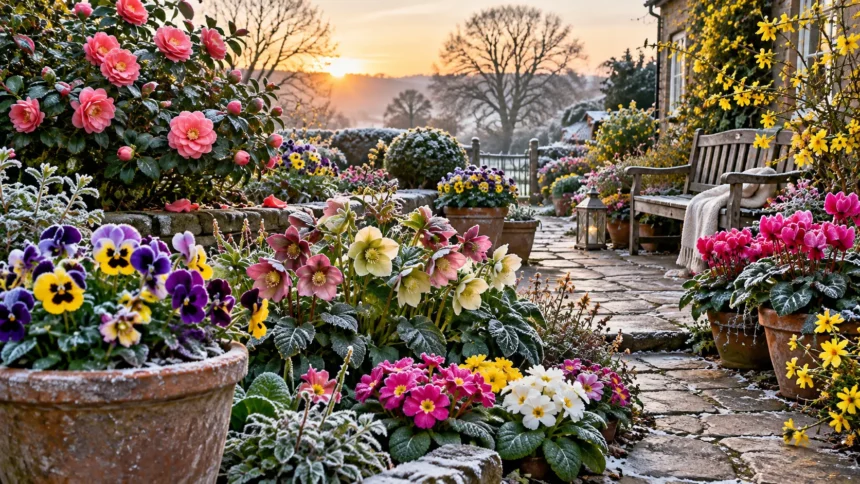
Winter does not have to mean an empty or colorless garden. While many plants slow their growth during colder months, several beautiful flowers can continue blooming or begin flowering when temperatures drop. From cheerful pansies and elegant hellebores to fragrant winter jasmine and colorful cyclamen, choosing the right plants can transform your outdoor space into an attractive seasonal garden.
The best winter flowers for your home garden depend on local climate, sunlight, soil conditions, and the amount of maintenance you prefer. Some flowers tolerate frost and occasional snowfall, while others thrive during mild winters but need protection from freezing temperatures. Understanding these differences helps gardeners select suitable plants and avoid unnecessary disappointment.
Whether you have a spacious backyard, a small flower bed, or a collection of balcony containers, winter flowering plants offer numerous opportunities for seasonal decoration. Many are relatively easy to maintain when planted in suitable conditions. This guide explores beautiful winter flowers, their growing requirements, planting ideas, and practical care tips for keeping your home garden colorful during colder weather.
Why Should You Grow Winter Flowers in Your Home Garden?
Winter flowers add seasonal color and interest when many other garden plants become dormant. Their blooms can brighten patios, walkways, balconies, and garden borders during colder months. Choosing plants with different flowering periods can also create a more attractive landscape throughout the winter season.
Gardening during winter offers an opportunity to experiment with plants that prefer cooler growing conditions. Some flowering varieties develop better when temperatures are mild rather than excessively hot. Depending on the local climate, winter may also provide suitable conditions for establishing certain hardy perennials and seasonal bedding plants.
Winter flowering plants can contribute to garden biodiversity by providing resources for pollinators active during milder weather. However, flowering times and wildlife benefits vary by species and region. Selecting locally appropriate plants helps create a garden that supports seasonal beauty while remaining manageable and environmentally responsible.
1. Pansies: Colorful Flowers for Cool Weather
Pansies are among the most popular winter garden flowers because of their colorful blooms and tolerance for cool conditions. They produce flowers in shades of purple, yellow, orange, blue, white, and combinations of several colors. Their compact growth makes them suitable for garden borders, containers, and decorative flower beds.
These flowers generally prefer well-drained soil and a location receiving adequate sunlight. In regions with mild winters, pansies can provide flowers through much of the colder season. In colder climates, established plants may survive frost but stop blooming during prolonged freezing conditions or heavy snow cover.
Regularly removing faded flowers can encourage additional blooms when temperatures are suitable. Water the soil when needed, but avoid leaving roots in constantly saturated conditions. With appropriate planting and maintenance, pansies can provide cheerful seasonal color in many home gardens.
2. Violas: Small Flowers With Beautiful Winter Colors
Violas are closely related to pansies and are appreciated for their small, delicate flowers. They are available in numerous colors, including purple, yellow, white, and blue. Their relatively compact growth makes them particularly useful for small gardens, window boxes, and mixed seasonal containers.
Many viola varieties perform well during cool weather and can tolerate light frost. They generally prefer fertile, well-drained soil with sufficient moisture. Depending on the climate, they may flower during autumn, winter, or early spring, providing color when other seasonal plants are less active.
Violas can be planted alongside ornamental foliage and other cool-season flowers to create attractive arrangements. Removing spent blooms and maintaining appropriate soil moisture helps support healthy growth. Their manageable size and wide color range make them a practical choice for beginner gardeners.
3. Hellebores: Elegant Flowers for Cold Winter Gardens
Hellebores are hardy perennial plants known for flowering during winter or early spring, depending on the species and local conditions. They produce elegant blooms in shades of white, pink, purple, green, and deep burgundy. Their attractive evergreen or semi-evergreen foliage can also provide interest outside the flowering season.
These plants generally prefer partial shade and soil that drains well while retaining some moisture. Hellebores are especially useful in woodland-style gardens and sheltered borders. Many established varieties tolerate cold temperatures, although the exact level of hardiness varies.
Hellebores usually require patience because young plants may take time to become established and produce abundant flowers. Remove damaged foliage when appropriate and avoid disturbing established roots unnecessarily. Wear gloves when handling them, as hellebores contain substances that can irritate skin and are toxic if eaten.
4. Cyclamen: Beautiful Flowers for Winter Containers
Cyclamen produces distinctive flowers with upward-curving petals and decorative patterned leaves. Popular flower colors include pink, red, purple, and white. These plants are often used in seasonal containers because of their compact growth and attractive appearance during cooler weather.
Different cyclamen species have different temperature requirements. Hardy outdoor species such as Cyclamen coum can tolerate cold conditions in suitable locations, while florist’s cyclamen is more vulnerable to freezing temperatures. Choosing the correct variety is essential for successful outdoor winter planting.
Cyclamen generally grows best in well-drained soil and conditions suited to the selected species. Avoid overwatering because excessive moisture can damage the tubers. For outdoor containers, protect frost-sensitive varieties when necessary and ensure that water can drain freely.
5. Calendula: Bright Orange and Yellow Winter Blooms
Calendula, commonly called pot marigold, is a cheerful flowering plant that produces bright yellow and orange blooms. It is particularly useful in regions with mild winters and cooler growing seasons. Its flowers can add warmth to borders, raised beds, and containers during periods when summer flowers are no longer available.
Calendula generally prefers full sun and well-drained soil. In hot climates, it often performs better during cooler months, while in regions with severe winters it may not survive outdoors. This difference makes climate an important consideration when planning a winter calendula display.
The plant can be grown from seeds and typically requires straightforward maintenance. Removing faded blooms may encourage additional flowering during suitable weather. Calendula is also valued by some gardeners for its usefulness in pollinator-friendly planting arrangements when insects are active.
6. Snapdragons: Tall and Colorful Cool-Season Flowers
Snapdragons are attractive flowering plants known for their upright flower spikes and wide selection of colors. Their blooms can be pink, red, yellow, orange, white, or purple. They are especially useful for adding height and vertical interest to garden beds and mixed flower arrangements.
Snapdragons prefer cooler growing conditions and can perform well during mild winters. Established plants may tolerate light frost, but prolonged freezing weather can damage them. In colder regions, they are often grown during spring or autumn rather than throughout winter.
Choose a location with sufficient sunlight and well-drained soil for healthy growth. Taller varieties may benefit from support in windy conditions, while compact types work well in containers. Removing faded flower spikes can encourage additional growth and help maintain an attractive appearance.
7. Sweet Alyssum: Fragrant Flowers for Garden Borders
Sweet alyssum is a low-growing flowering plant that produces clusters of tiny, fragrant blooms. White, pink, and purple varieties are commonly available. Its spreading growth makes it useful for edging pathways, filling spaces between larger plants, and decorating hanging baskets.
The plant generally performs best in cool to mild weather with adequate sunlight. In regions with mild winters, sweet alyssum may continue flowering for extended periods. Severe frost can damage the plant, so it should not be considered reliably winter-hardy in every climate.
Sweet alyssum grows well in reasonably drained soil and usually does not require complicated maintenance. Light trimming may help refresh plants when flowering slows. Its compact habit and gentle fragrance make it an appealing addition to seasonal home garden arrangements.
8. Winter Jasmine: Yellow Flowers During the Cold Season
Winter jasmine is a deciduous shrub known for producing bright yellow flowers on bare green stems during winter or early spring. Unlike many other jasmine plants, its flowers are generally not strongly fragrant. Its unusual flowering habit adds color to gardens when many shrubs remain dormant.
This plant can be trained along walls, allowed to spread over slopes, or maintained as a loose shrub. It generally prefers a sunny or partly shaded position and well-drained soil. Winter jasmine is relatively hardy, although flowering time varies with local weather conditions.
Pruning after flowering can help maintain shape and encourage manageable growth. Because its stems naturally arch and spread, it benefits from adequate space or suitable support. Winter jasmine is particularly useful for gardeners who want seasonal color beyond traditional bedding flowers.
9. Camellias: Elegant Shrubs With Winter Flowers
Camellias are evergreen shrubs valued for their glossy leaves and beautiful flowers. Depending on the species and variety, they may bloom during autumn, winter, or spring. Their flowers often appear in shades of pink, white, and red, with different shapes and petal arrangements.
Camellias typically prefer acidic, well-drained soil and protection from harsh environmental conditions. Many varieties grow well in partial shade, although their exact requirements differ. Some winter-flowering types can tolerate cold weather, but exposed buds may be damaged during severe freezes.
These shrubs often perform best when planted in suitable conditions and left relatively undisturbed. Consistent moisture and appropriate mulching can support root health. Gardeners should select varieties suited to their regional climate and available growing space.
10. Snowdrops: Delicate Flowers That Signal Late Winter
Snowdrops are small bulbous plants known for their delicate white flowers that often emerge during late winter or early spring. Their downward-facing blooms create a graceful appearance above narrow green leaves. They are particularly attractive when planted in groups beneath deciduous trees or along garden paths.
Snowdrops generally prefer moist but well-drained soil and conditions that remain relatively cool. They can naturalize in suitable gardens, gradually creating larger displays over time. Their flowering period varies according to climate and may begin earlier during mild winters.
Once established, snowdrops usually require limited maintenance. Allowing their leaves to remain after flowering supports energy storage for future growth. All parts are poisonous if eaten, so take appropriate precautions in gardens visited by young children or pets.
11. Crocuses: Early Color for Winter Gardens
Crocuses are small flowering bulbs or corms that produce colorful blooms near the end of winter or during early spring. Their flowers appear in purple, yellow, white, and striped combinations. They are especially popular for natural-looking displays in lawns, borders, and containers.
Crocuses generally prefer well-drained soil and locations with sufficient sunlight during their active growing period. Many spring-flowering varieties require exposure to cool seasonal conditions. In suitable climates, their flowers may appear while other garden plants are still dormant.
Planting groups of crocuses can create a stronger visual effect than placing individual bulbs far apart. Avoid cutting their foliage immediately after flowering because it supports future growth. Their compact size makes them ideal for introducing early seasonal color to smaller garden spaces.
12. Primroses: Cheerful Flowers for Cool Conditions
Primroses are popular cool-season flowering plants that produce blooms in numerous bright colors. Depending on the variety, flowers may appear in yellow, pink, red, purple, white, or mixed shades. Their low-growing habit makes them useful for containers, flower beds, and partially shaded garden borders.
Many primroses prefer cool temperatures and soil that remains evenly moist without becoming waterlogged. Certain varieties tolerate frost, while others require protection during particularly severe winters. Their flowering period depends on the species, cultivar, and local growing conditions.
Primroses often perform well when protected from intense afternoon sunlight in warmer regions. Removing damaged foliage and spent flowers can help maintain a tidy appearance. Choosing suitable varieties allows gardeners to enjoy colorful displays during winter or the transition into spring.
13. Heather: A Beautiful Winter Flowering Shrub
Winter-flowering heather, particularly Erica carnea and related varieties, can provide attractive flowers during colder months. Its small bell-shaped blooms commonly appear in pink, purple, white, or red tones. The low-growing evergreen habit makes it useful for rock gardens, borders, and ground-cover arrangements.
Different heather species have different soil preferences, making plant identification important. Winter heath such as Erica carnea can tolerate conditions that would not suit some acid-loving heathers. Many varieties perform well in sunny positions with soil that drains effectively.
Once established, suitable winter heath varieties can tolerate cold temperatures and provide reliable seasonal interest. Light maintenance helps preserve a compact shape after flowering. Pairing them with other evergreen plants can create attractive combinations of color and texture throughout the winter garden.
14. Ornamental Kale and Cabbage for Winter Color
Ornamental kale and cabbage are popular cool-season plants grown mainly for their colorful foliage rather than showy flowers. Their leaves may develop shades of purple, pink, cream, green, and white. Although they are not traditional winter flowers, they can complement blooming plants in seasonal displays.
Cool temperatures often improve the intensity of their leaf coloration. These plants generally prefer sufficient sunlight and well-drained, fertile soil. They are useful in garden beds, large containers, and decorative arrangements where colorful foliage provides visual interest.
Ornamental kale and cabbage may remain attractive during cool weather, although severe freezing conditions can eventually cause damage. They combine well with pansies, violas, and other seasonal plants. Their structured appearance helps create variety when flowering options are limited.
15. Winter Aconite: Golden Flowers for Late Winter
Winter aconite is a small perennial plant known for producing bright yellow flowers during late winter or early spring. Its blooms often appear close to the ground, surrounded by distinctive green bracts. These cheerful flowers can create attractive displays beneath deciduous trees and in naturalized garden areas.
The plant generally prefers humus-rich soil with adequate moisture during its growing season. It can spread gradually under suitable conditions, forming patches of yellow flowers over time. Winter aconite is especially suitable for gardens that experience a recognizable cold season.
Once established, winter aconite may return annually with relatively little intervention. Gardeners should avoid disturbing dormant tubers unnecessarily. All parts of the plant are poisonous if ingested, making careful placement and handling important in household gardens.
How to Choose the Best Winter Flowers for Your Climate
Choosing winter flowers begins with understanding the temperature range and seasonal conditions in your area. A plant that thrives during a mild Mediterranean winter may struggle in a region experiencing prolonged frost. Similarly, flowers suited to freezing climates may perform poorly in unusually warm conditions.
Review the plant’s hardiness, sunlight requirements, soil preferences, and expected flowering season before purchasing. Local nurseries and regional gardening resources can provide useful guidance about varieties suited to nearby conditions. Gardeners should also consider whether the plants will grow in the ground or in containers.
Selecting flowers based on climate reduces unnecessary maintenance and increases the likelihood of successful growth. Combining plants with different flowering periods can extend seasonal interest. A suitable mix of hardy perennials, flowering shrubs, and cool-season annuals can create a more reliable winter garden.
How to Prepare Garden Soil for Winter Flowers
Healthy soil supports plant growth by providing a suitable environment for roots, moisture, and nutrients. Before planting winter flowers, inspect the soil for drainage problems, compaction, and existing plant debris. Different flower varieties have different soil requirements, so preparation should reflect the selected plants.
Adding suitable organic matter can improve soil structure and water movement in many garden beds. However, amendments should be chosen according to existing soil conditions rather than applied unnecessarily. Some plants prefer acidic soil, while others tolerate a wider range of conditions.
Avoid planting in soil that remains saturated during winter because poor drainage can damage many ornamental plants. Raised beds or containers may be helpful in areas with persistent drainage problems. Preparing the growing environment before planting can reduce maintenance difficulties during colder weather.
How Much Sunlight Do Winter Flowers Need?
Sunlight requirements vary between winter flowering plants and depend on the local climate. Pansies, calendula, and snapdragons often perform well in sunny locations, while hellebores and certain primroses appreciate partial shade. Matching light conditions to individual plants supports healthier growth.
Winter sunlight can be limited by shorter days, lower sun angles, and surrounding buildings. A garden area that receives plenty of light during summer may become shaded during colder months. Observing sunlight patterns before planting helps identify suitable locations.
Container gardening provides some flexibility because pots can be repositioned when conditions change. However, plants should not be moved repeatedly without considering their environmental needs. Selecting flowers suited to the available light is generally more effective than trying to force unsuitable varieties to grow.
How to Water Winter Flowers Correctly
Winter flowers require appropriate moisture, but their watering needs often differ from those of summer plants. Cooler temperatures can slow evaporation and reduce water demand. Excessive watering may create waterlogged soil, particularly during periods of rain or limited sunlight.
Check the soil before watering rather than following a rigid daily schedule. Many flowering plants benefit when the upper soil begins to dry slightly, although moisture preferences vary. Containers may require more frequent monitoring because their soil volume and drainage conditions differ from garden beds.
Watering during suitable daytime conditions can help reduce problems associated with freezing temperatures in colder regions. Avoid leaving containers standing in collected water. Understanding individual plant requirements provides a more reliable approach than assuming all winter flowers need the same amount of moisture.
How to Protect Winter Flowers From Frost
Frost can damage sensitive flowers, leaves, and developing buds when temperatures fall below their tolerance levels. The severity depends on the plant species, temperature, exposure, and duration of freezing conditions. Some hardy plants survive winter comfortably, while tender varieties may require additional protection.
Gardeners can use suitable horticultural fleece or other breathable plant coverings when frost is expected. Protective materials should be installed carefully and removed or adjusted when conditions improve. Mulching can also help moderate soil temperature around the roots of appropriate plants.
Container plants are particularly vulnerable because their roots are exposed to changing temperatures on several sides. Moving frost-sensitive pots to a sheltered location may provide additional protection. Selecting locally hardy varieties remains one of the most effective ways to reduce winter weather damage.
Best Winter Flower Combinations for Garden Beds
Combining winter flowers with different heights, colors, and textures can create attractive seasonal displays. Low-growing pansies and violas work well near the front of borders, while taller snapdragons can provide vertical interest. Evergreen foliage and winter-flowering shrubs add structure around shorter plants.
Color combinations can be selected according to personal preferences and the existing garden design. Yellow flowers may create a cheerful effect alongside purple blooms, while white flowers provide a softer appearance. Repeating selected colors throughout a bed can create visual consistency.
Consider growing conditions as well as appearance when combining plants. Flowers that require significantly different moisture or sunlight levels may not perform well together. Choosing compatible varieties helps create a healthy arrangement that remains easier to maintain throughout winter.
How to Grow Winter Flowers in Pots and Containers
Container gardening is a practical option for growing winter flowers on balconies, patios, and smaller outdoor spaces. Pots make it easier to organize different varieties and adjust arrangements according to available sunlight. They also allow gardeners to experiment with seasonal displays without creating permanent garden beds.
Choose containers with suitable drainage holes and use potting soil appropriate for the selected plants. Pansies, violas, cyclamen, and primroses can work well in containers under suitable conditions. Avoid overcrowding because plants need enough space for healthy roots and adequate airflow.
Containers should be monitored during cold weather because soil can dry out or freeze more quickly than ground soil. Position frost-sensitive plants in suitable sheltered areas when necessary. With thoughtful care, container arrangements can provide colorful winter displays in many different outdoor settings.
Common Mistakes to Avoid When Growing Winter Flowers
One common mistake is choosing winter flowers without considering local climate conditions. Plants advertised as winter flowering may only tolerate mild temperatures rather than severe frost. Reviewing hardiness information helps prevent unnecessary plant losses and disappointing results.
Another mistake involves overwatering during cold weather. Reduced evaporation and poor drainage can leave roots in excessively wet conditions. Gardeners should also avoid using large amounts of fertilizer without understanding whether the plant requires additional nutrients.
Ignoring sunlight requirements and overcrowding plants can create additional problems. Flowers need suitable growing conditions to remain healthy, even when temperatures are cool. Careful selection, realistic maintenance, and regular observation provide a better foundation than attempting to correct every problem with extra products.
Conclusion
Growing winter flowers is a wonderful way to bring color, texture, and seasonal interest to your home garden. Pansies, violas, hellebores, cyclamen, calendula, and other cool-season plants offer beautiful options for different climates. Winter jasmine, camellias, and hardy flowering perennials can also provide attractive displays when many summer plants are dormant.
The best winter garden depends on choosing flowers suited to local temperatures, soil conditions, and available sunlight. Proper watering, good drainage, and appropriate frost protection can help maintain healthy plants. Mixing flowers with different growth habits and flowering periods can create a more varied and appealing garden.
Whether you prefer colorful flower beds, elegant winter shrubs, or simple balcony containers, winter gardening offers plenty of creative possibilities. Start with a few suitable varieties and gradually expand your planting arrangements as you gain experience. With thoughtful planning and regular care, your garden can remain inviting and beautiful throughout the colder season.
FAQs
What are the best flowers to grow in winter?
Popular winter flowers include pansies, violas, hellebores, cyclamen, calendula, primroses, and winter jasmine. The best choices depend on local temperatures, sunlight, and soil conditions.
Which winter flowers can survive frost?
Hellebores, snowdrops, winter aconite, and some hardy violas can tolerate freezing temperatures. Their exact cold tolerance varies by species, variety, growing conditions, and the severity of frost.
Can I grow winter flowers in pots?
Yes, pansies, violas, primroses, and suitable cyclamen varieties can grow well in containers. Choose pots with drainage holes and protect frost-sensitive plants during severe cold weather.
Do winter flowers need direct sunlight?
Sunlight requirements vary. Calendula and snapdragons generally prefer sunny positions, while hellebores and certain primroses grow well in partial shade. Select plants according to available winter light.
How often should winter flowers be watered?
Watering depends on the plant, weather, soil, and container size. Check soil moisture regularly and water when appropriate, avoiding constantly saturated conditions that can damage roots.