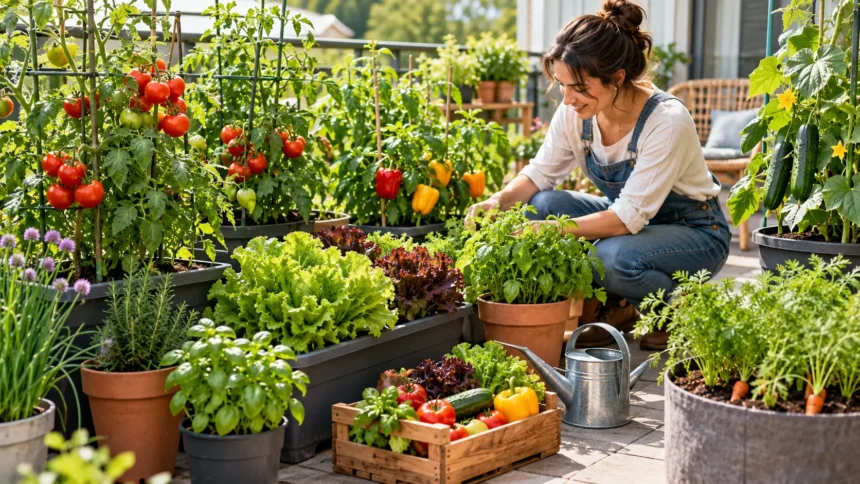
Why Growing Vegetables in Containers Is a Great Idea
Growing vegetables in containers is an easy way to enjoy fresh, homegrown food without needing a large garden. Whether you have a small balcony, patio, rooftop, or sunny windowsill, container gardening allows you to grow different vegetables in limited spaces. Learning how to grow vegetables in containers at home can help beginners develop gardening skills while making better use of available outdoor areas.
Container vegetable gardening gives you greater control over soil conditions, watering, and plant placement compared with traditional garden beds. You can move smaller pots to suitable locations as sunlight and seasonal temperatures change. This flexibility makes container gardening particularly useful for people living in apartments, rented homes, or properties where planting directly in the ground is not possible.
Another advantage of growing vegetables in pots is the opportunity to start small and gradually expand your garden. Beginners can experiment with a few easy vegetables before investing in additional containers and gardening supplies. With suitable pots, quality soil, regular watering, and proper sunlight, many vegetables can grow successfully and provide rewarding harvests throughout their growing seasons.
Choose the Best Vegetables for Container Gardening
Choosing suitable vegetables is one of the most important steps when starting a container garden at home. Some plants develop compact root systems and grow comfortably in smaller spaces, while others require deeper containers and additional support. Beginners should focus on vegetables that match their available space, sunlight conditions, and local growing season for the best results.
Lettuce, spinach, radishes, green onions, and leafy greens are excellent choices for small container gardens. These vegetables generally grow quickly and do not require the same amount of space as larger fruiting plants. Many leafy vegetables can also tolerate partial sunlight, making them suitable for balconies and patios that receive fewer hours of direct sunshine.
Tomatoes, peppers, eggplants, and compact cucumber varieties can also grow successfully in containers when given enough room. Dwarf and bush varieties are especially useful because they usually remain smaller than traditional garden types. When selecting vegetable seeds or seedlings, check the recommended container size, mature plant dimensions, and growing requirements to avoid overcrowding and encourage healthy development.
Find the Right Location With Enough Sunlight
Sunlight is essential for vegetable growth because plants use light to make the energy needed for developing leaves, roots, flowers, and fruits. Most fruiting vegetables, including tomatoes and peppers, perform best with approximately six to eight hours of direct sunlight daily. Choosing a location with suitable light conditions helps plants grow stronger and produce healthier harvests.
Leafy vegetables such as lettuce, spinach, and some Asian greens can grow with less direct sunshine than fruiting crops. A balcony receiving several hours of morning sunlight may be suitable for these plants, especially during warmer weather. However, locations with very limited natural light may not support productive vegetable growth without appropriate supplementary lighting.
Temperature and wind exposure are also important when choosing where to place containers. Strong afternoon sunlight can stress plants during hot weather, while powerful winds may damage stems or dry out the soil quickly. Placing containers near a suitable sheltered area can help protect delicate plants while ensuring they still receive enough sunlight and air circulation.
Select the Right Containers and Pot Sizes
Choosing the correct containers helps vegetable plants develop healthy roots and access enough moisture and nutrients. Pots, grow bags, wooden planters, and suitable recycled containers can all work for growing vegetables at home. The most important features are adequate size, safe materials, and drainage holes that allow excess water to escape from the soil.
Small leafy vegetables may grow comfortably in containers approximately six to eight inches deep, depending on the variety. Compact peppers often need around three to five gallons of soil, while many tomato plants perform better in containers holding five gallons or more. Larger varieties may require substantially more room to support their mature root systems.
Container material also influences how frequently vegetables need watering. Terracotta pots allow moisture to evaporate more quickly, while plastic containers generally retain water longer and weigh less. If you are gardening on a balcony or rooftop, consider the combined weight of containers, wet soil, and mature plants before arranging your vegetable garden.
Prepare the Best Soil for Vegetables in Pots
Healthy soil is essential for successful container vegetable gardening because plants depend on it for nutrients, moisture, and root support. Unlike vegetables grown directly in garden beds, container plants have limited soil volume available for development. Using a lightweight, well-draining potting mix helps maintain suitable root conditions while allowing air and water to move through the container.
A quality vegetable potting mix usually contains materials that retain moisture while preventing excessive compaction. Ingredients such as compost, coco coir, and perlite can support healthy soil structure when combined appropriately. Avoid filling containers entirely with heavy garden soil because it may compact inside pots, restrict drainage, and make it difficult for roots to grow.
Adding suitable organic matter can help improve moisture retention and support soil fertility throughout the growing season. However, excessive compost may make the mixture too dense or hold more water than certain vegetables require. Start with a balanced commercial potting mix designed for containers, then adjust plant care according to growth, drainage, and moisture conditions.
Start Growing Vegetables From Seeds or Seedlings
Vegetables can be grown from seeds or young plants, commonly called seedlings or transplants. Starting from seeds is often affordable and gives gardeners access to a wider selection of vegetable varieties. However, some seeds require careful temperature and moisture conditions, so beginners should choose varieties suitable for their climate and preferred growing season.
Direct sowing works well for vegetables such as radishes, carrots, beans, and many leafy greens. Follow the planting depth and spacing instructions on the seed packet, then gently water the soil to maintain consistent moisture. Seeds should remain suitably moist during germination, but overly wet conditions can interfere with healthy growth and encourage problems.
Seedlings are useful for vegetables that take longer to mature, including tomatoes, peppers, and eggplants. Choose healthy young plants with firm stems and leaves showing no obvious signs of damage or disease. When moving seedlings into larger containers, handle their roots carefully and water them thoroughly afterward to help reduce transplant stress.
Plant Vegetables With Proper Spacing and Support
Proper spacing allows vegetable plants to develop healthy roots, receive sunlight, and maintain adequate airflow between leaves. Overcrowding can increase competition for water and nutrients while making it more difficult to identify plant problems. Even when growing in small spaces, following recommended plant spacing helps support stronger growth and improves the chances of successful harvesting.
Different vegetables need different amounts of growing space depending on their mature size. Leafy greens can often grow closer together than tomatoes, peppers, or eggplants, which generally require more room. When planting several vegetables in a large container, consider their sunlight requirements, root development, and watering needs before placing them together.
Climbing vegetables such as certain cucumber and bean varieties may benefit from vertical supports. Small trellises, stakes, and suitable plant cages help guide upward growth while keeping foliage organized. Vertical gardening can make limited spaces more productive, but containers and supports must remain stable enough to handle mature plants, wind, and additional weight.
Water Container Vegetables the Right Way
Watering is one of the most important responsibilities when growing vegetables in containers because potted soil can dry out faster than garden beds. Smaller pots and containers exposed to direct sunlight may lose moisture particularly quickly. Checking soil conditions regularly helps prevent both underwatering and excessive watering, which can interfere with healthy root development.
A practical watering method involves checking moisture near the soil surface before adding more water. If the upper inch or two feels dry, many established vegetables may need watering, although requirements vary by plant and container size. Water slowly until moisture reaches the lower roots and excess water begins leaving through the drainage holes.
Vegetable plants may need more frequent watering during hot, windy weather or when they begin producing fruits. However, watering on a fixed schedule without checking soil moisture can cause problems when temperatures or rainfall change. Try to keep moisture reasonably consistent, especially for tomatoes and peppers, because large fluctuations can negatively affect fruit development.
Feed Your Vegetable Plants for Healthy Growth
Vegetables growing in containers depend on a relatively small amount of soil for their nutrients. As plants develop, they use available nutrients to support leaves, roots, flowers, and fruit formation. Regular feeding may become necessary during the growing season, particularly for productive vegetables such as tomatoes, peppers, cucumbers, and other fruiting crops.
A balanced fertilizer suitable for edible container plants can help replenish nutrients as vegetables continue growing. Different crops have different nutritional requirements, so always follow the product instructions rather than applying additional fertilizer unnecessarily. Overfeeding may encourage excessive leafy growth, damage roots, or interfere with the healthy development of flowers and vegetables.
Compost and other suitable organic soil amendments can also support container gardening by improving soil quality. However, compost does not always supply every nutrient plants need throughout an extended growing season. Monitor leaf appearance, overall growth, and flowering patterns while maintaining proper watering because plant problems are not always caused by nutrient deficiencies.
Protect Container Vegetables From Pests and Diseases
Vegetable plants can experience pest and disease problems even when grown in containers rather than traditional garden beds. Common garden pests include aphids, caterpillars, and other insects that feed on leaves or young growth. Regularly examining plants allows gardeners to identify potential problems early before they spread or interfere with vegetable development.
Maintaining healthy growing conditions is one of the simplest ways to reduce gardening problems. Adequate spacing, good airflow, suitable watering, and clean gardening tools can help lower the risk of certain plant diseases. Removing badly damaged leaves and keeping fallen plant material away from containers may also improve garden cleanliness and make pest monitoring easier.
For minor pest problems, gardeners can often remove visible insects by hand or gently rinse affected foliage with water. Protective insect netting may also help prevent particular pests from reaching vulnerable vegetables. Before using any garden treatment, confirm that it is appropriate for edible plants and follow relevant safety instructions to protect plants, people, and beneficial insects.
Harvest Vegetables and Keep Your Garden Productive
Harvesting vegetables at the right time helps gardeners enjoy better flavor, texture, and overall quality. Different vegetables have different maturity indicators, so checking seed packets or plant labels can help determine when crops are ready. Leafy greens are often harvested while tender, while tomatoes should reach suitable ripeness according to their particular variety.
Some vegetables can produce several harvests from the same plant when picked carefully. Leaf lettuce and certain leafy greens may continue growing after outer leaves are removed, provided the central growing point remains healthy. Other crops, including radishes and carrots, are generally harvested as whole plants once their roots reach the desired size.
Successive planting can help maintain a supply of vegetables throughout suitable growing seasons. Instead of planting every seed at once, gardeners can sow small batches of quick-growing crops at different intervals. Replacing finished plants with seasonally appropriate vegetables also makes better use of containers and allows home gardeners to continue experimenting with different crops.
Conclusion
Growing vegetables in containers at home is a practical way to enjoy gardening without needing a large outdoor space. By choosing suitable vegetables, selecting correctly sized pots, and preparing healthy soil, beginners can establish productive gardens on balconies, patios, and other sunny areas. Understanding each plant’s basic requirements helps make the growing process more manageable and enjoyable.
Successful container vegetable gardening depends on consistent attention to sunlight, watering, spacing, and plant nutrition. Regularly checking soil moisture and inspecting plants for early signs of problems can prevent many common growing difficulties. Beginners should start with a manageable number of containers and expand their garden as they become more confident with everyday plant care.
Homegrown vegetables can make gardening a rewarding activity while helping households enjoy fresh seasonal produce. Every growing season brings opportunities to learn about different plants, improve gardening methods, and try new vegetable varieties. With patience, suitable growing conditions, and regular maintenance, even a small container garden can become a productive part of your home.
Frequently Asked Questions (FAQs)
What vegetables grow best in containers?
Lettuce, spinach, radishes, peppers, dwarf tomatoes, and compact cucumber varieties grow well in suitable containers. Choose vegetables according to available sunlight, container depth, growing season, and mature plant size.
How deep should containers be for growing vegetables?
Container depth depends on the vegetable and its root system. Leafy greens may grow in pots six to eight inches deep, while carrots, tomatoes, and larger vegetables generally need deeper containers.
Can vegetables grow in containers without direct sunlight?
Some leafy vegetables tolerate partial sunlight, but most vegetables need several hours of natural light for healthy growth. Fruiting plants such as tomatoes and peppers generally require more direct sunlight.
How often should I water vegetables growing in pots?
Watering frequency depends on temperature, container size, plant type, and soil moisture. Check the soil regularly and water thoroughly when appropriate rather than following the same schedule regardless of weather conditions.
Can I grow vegetables in containers all year round?
Year-round container gardening is possible in some climates when suitable seasonal vegetables are selected. Temperature, daylight, frost, and growing conditions determine which crops can grow successfully during different months.