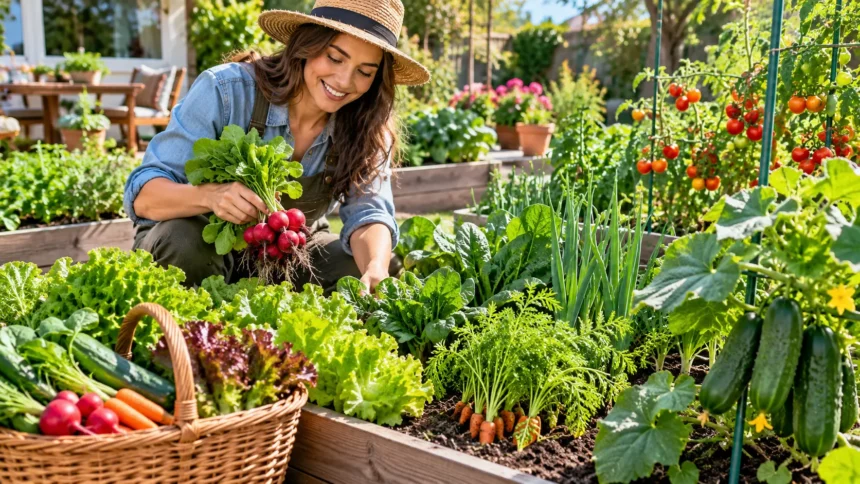
Why Choose Fast-Growing Vegetables for Your Home Garden?
Growing fast-growing vegetables in your home garden is an excellent way to enjoy fresh, homegrown food without waiting several months for a harvest. Many vegetables develop edible leaves, stems, or roots within just a few weeks under suitable conditions. These quick-growing crops are especially useful for beginners, small gardens, and people who want to enjoy the results of their gardening efforts sooner.
Fast-growing vegetables also make gardening more enjoyable because they allow you to experiment with different plants throughout the growing season. Instead of dedicating all your garden space to slow-growing crops, you can grow several shorter-season vegetables in the same area. This approach helps you make better use of available space while enjoying fresh produce at different times.
Choosing the right vegetables depends on your local climate, available sunlight, soil conditions, and gardening experience. Some crops grow best during cooler weather, while others need warmer temperatures to develop properly. Understanding these differences helps you select suitable plants, avoid common gardening mistakes, and maintain a productive vegetable garden throughout the year.
Radishes: One of the Fastest Vegetables to Grow
Radishes are among the fastest-growing vegetables for home gardens, making them an excellent choice for beginners who want quick results. Many common radish varieties are ready to harvest approximately 20 to 35 days after planting. Their short growing period makes them suitable for raised garden beds, containers, and small backyard spaces where efficient use of soil is important.
Radishes grow best in loose, well-draining soil that allows their roots to develop without unnecessary resistance. Plant seeds directly into the garden because these vegetables generally perform better without transplanting. Keep the soil consistently moist and thin crowded seedlings so each plant has enough room to develop healthy roots without competing heavily for nutrients and water.
Harvest radishes when their roots reach the expected size for the variety you planted. Leaving mature radishes in the ground too long can make them tough, woody, or unpleasantly sharp in flavor. Planting small batches every week or two during suitable weather can extend your harvest and keep fresh radishes available for salads, sandwiches, and simple homemade meals.
Lettuce and Arugula: Quick Leafy Greens for Beginners
Lettuce is one of the easiest vegetables to grow at home because many varieties develop tender leaves relatively quickly. Baby lettuce leaves can often be harvested approximately 25 to 35 days after sowing, depending on growing conditions. Loose-leaf varieties are especially convenient because you can remove individual outer leaves while allowing the center of the plant to continue growing.
Arugula is another fast-growing leafy vegetable that adds a slightly peppery flavor to salads and sandwiches. Young arugula leaves may be ready for harvesting in approximately 20 to 30 days under favorable conditions. Both lettuce and arugula generally prefer cooler temperatures, making them suitable for spring or autumn gardening in regions with distinct seasonal changes.
These leafy greens grow well in containers, raised beds, and traditional vegetable gardens with fertile, well-draining soil. Provide consistent moisture and avoid allowing the soil to become completely dry for extended periods. Harvest leaves regularly while they remain tender, and consider planting new seeds periodically to maintain a steady supply of fresh greens throughout the appropriate growing season.
Spinach and Mustard Greens: Nutritious Vegetables That Grow Quickly
Spinach is a popular choice for gardeners who want a relatively quick harvest of nutritious leafy vegetables. Baby spinach leaves can often be picked around 25 to 40 days after planting when temperatures remain suitable. The plant generally performs best in cooler conditions, while excessive heat may encourage early flowering and reduce the quality of its edible leaves.
Mustard greens are another quick-growing option that can add variety to a small vegetable garden. Many varieties develop harvestable young leaves within approximately 25 to 40 days, depending on temperature and plant maturity. Their flavor ranges from mild to noticeably spicy, allowing home gardeners to choose varieties that match their cooking preferences and household tastes.
Both vegetables benefit from nutrient-rich soil, regular watering, and enough space for healthy leaf development. Avoid planting them during periods of intense heat if your local conditions make cool-season gardening difficult. Removing mature outer leaves while preserving the growing center can encourage continued harvesting, helping you enjoy fresh vegetables without immediately removing the entire plant.
Green Onions: An Easy Vegetable for Small Garden Spaces
Green onions, also called scallions, are useful vegetables for home gardeners because they occupy relatively little space. They can be grown in garden beds, raised planters, or containers placed near a sunny window or balcony. Although plants started from seeds take longer, established onion sets or rooted starts may develop usable green shoots within a few weeks.
Green onions prefer well-draining soil, regular moisture, and sufficient sunlight for healthy growth. Planting them close together can work when harvesting young shoots, although overcrowding may reduce their overall development. These vegetables are especially convenient for gardeners who want fresh ingredients for soups, salads, rice dishes, and everyday cooking without maintaining a large garden.
You can harvest green onion leaves when they reach a practical size for your kitchen needs. Cutting some green growth while leaving healthy roots and growing tissue intact may allow additional growth, although repeated harvests vary in productivity. Planting several small groups at different times can help maintain a more dependable supply than relying on one planting.
Bok Choy and Swiss Chard: Fast Vegetables for Fresh Harvests
Bok choy is a compact leafy vegetable that grows relatively quickly and works particularly well in small home gardens. Baby bok choy may be ready for harvesting around 30 to 45 days after planting, depending on the variety. Its tender leaves and crisp stems make it suitable for stir-fries, soups, and other dishes that benefit from freshly harvested vegetables.
Swiss chard is another productive leafy vegetable that develops colorful stems and nutritious edible leaves. Baby chard leaves may be harvested within approximately 25 to 35 days under favorable conditions, while mature plants take longer. Unlike some cool-season greens, established Swiss chard often tolerates moderately warm conditions, making it useful across a wider portion of the growing season.
Both vegetables benefit from fertile soil, consistent watering, and appropriate spacing between individual plants. Bok choy generally prefers cooler growing conditions, while Swiss chard can remain productive over a longer period in suitable climates. Harvesting outer leaves carefully allows healthy plants to continue developing, making these vegetables convenient choices for gardeners who prefer repeated harvests.
Turnips and Baby Beets: Quick Root Vegetables to Try
Turnips are useful root vegetables for gardeners who want relatively fast results from direct sowing. Some small, quick-maturing turnip varieties can be ready for harvesting in approximately 35 to 55 days. Their edible greens can also be harvested earlier, giving gardeners more than one way to use the crop while waiting for the roots to develop.
Beets generally take longer than radishes, but young beet greens can be enjoyed before the roots reach full maturity. Baby beet roots may be ready in approximately 50 to 65 days, depending on the variety and conditions. Choosing varieties suited to smaller roots can be helpful for gardeners who prefer shorter harvest periods and limited growing space.
Both turnips and beets grow best in loose soil that allows their roots to develop without obstruction. Sow seeds directly, thin seedlings when necessary, and maintain consistent soil moisture throughout the growing period. Avoid applying excessive nitrogen fertilizer because it may encourage leafy growth at the expense of root development, particularly when the goal is harvesting well-formed vegetables.
Bush Beans: Fast-Growing Vegetables for Warm Weather
Bush beans are a rewarding choice for gardeners who want productive vegetables during warmer weather. Many common varieties begin producing harvestable pods approximately 50 to 60 days after sowing under favorable conditions. Unlike pole beans, bush varieties generally grow in compact forms without requiring tall climbing structures, making them convenient for smaller gardens and raised planting beds.
Beans grow best in well-draining soil and locations that receive plenty of direct sunlight. Wait until the soil becomes comfortably warm before planting seeds because cold conditions can slow germination and damage developing plants. Avoid keeping the soil excessively wet, and provide adequate spacing so air can circulate between plants and reduce problems associated with prolonged moisture.
Harvest bush beans while the pods remain tender and before the seeds become overly developed. Regular picking can help maintain production during the plant’s productive period, although bush varieties often concentrate their harvests within a relatively short window. Growing additional batches at suitable intervals can extend the availability of fresh beans for steaming, sautéing, and other homemade dishes.
Peas: A Great Choice for Cooler Growing Seasons
Peas are excellent vegetables for gardeners working with cooler spring or autumn temperatures. Depending on the variety, many garden peas and snap peas begin producing harvestable pods approximately 55 to 70 days after sowing. They are particularly appealing because freshly picked peas can be enjoyed in several dishes, while their climbing growth habits make efficient use of vertical space.
Peas generally prefer cool weather, well-draining soil, and consistent moisture during flowering and pod development. Many climbing varieties benefit from trellises or other supports that keep the plants upright and make harvesting easier. Gardeners should select varieties appropriate for their available space because compact bush peas and taller climbing peas have different growth requirements.
Harvest pea pods regularly once they reach the appropriate size for the variety being grown. Snap peas are typically collected while their pods remain tender, while shelling peas are harvested when the seeds develop inside. High temperatures can shorten the productive season, so planning planting dates around local weather conditions helps gardeners achieve better results.
Zucchini and Cucumbers: Productive Vegetables for Summer Gardens
Zucchini is a fast-growing summer vegetable that can begin producing harvestable fruit approximately 45 to 60 days after planting. Although it requires more space than many leafy greens, one healthy plant can produce multiple zucchini during suitable weather. Bush varieties are particularly useful for gardeners who want to grow productive crops in raised beds or spacious containers.
Cucumbers are another popular warm-season crop, with some varieties producing their first harvest approximately 50 to 70 days after sowing. Their growing habits vary, with compact bush types and climbing varieties available for different garden arrangements. Training suitable climbing cucumbers on a trellis can improve access to the plants while helping gardeners use their available space efficiently.
Both zucchini and cucumbers require warm conditions, adequate sunlight, regular watering, and healthy soil for productive growth. Their flowers also benefit from effective pollination, which is important for normal fruit development. Harvest vegetables regularly when they reach the preferred eating size, because oversized fruit can become less desirable and may slow continued production.
How to Grow Fast-Growing Vegetables Successfully at Home
Choosing the correct planting location is one of the most important steps when growing quick-harvest vegetables. Most fruiting vegetables benefit from approximately six to eight hours of direct sunlight daily, while some leafy greens tolerate less. Check the requirements of each crop and select a location with suitable light, soil drainage, and enough growing space for healthy development.
Soil quality and watering habits can strongly influence how quickly vegetables establish themselves and reach harvestable size. Use well-draining garden soil enriched with suitable organic matter, and water consistently without allowing the roots to remain waterlogged. Mulching can help regulate soil moisture and temperature, while careful plant spacing improves air circulation and reduces unnecessary competition.
Succession planting is another helpful technique for maintaining a productive home vegetable garden over time. Instead of sowing every seed on the same day, plant small batches of suitable crops at regular intervals during their growing season. Combine this approach with timely harvesting and careful observation so your garden continues producing fresh vegetables while reducing waste and overcrowding.
Conclusion
Growing fast-growing vegetables is a practical way to enjoy fresh homegrown food without waiting an entire season for your first harvest. Radishes, lettuce, arugula, spinach, and other leafy greens are particularly suitable for gardeners seeking quick results. Warm-season crops such as bush beans, zucchini, and cucumbers can also produce rewarding harvests when grown under the right conditions.
Choosing appropriate vegetables for your climate and garden space is essential for successful home gardening. Healthy soil, consistent watering, suitable sunlight, and proper planting times all contribute to better plant development. By understanding the needs of each vegetable and harvesting at the correct stage, you can maintain a productive garden with fewer avoidable problems.
You do not need a large backyard or extensive gardening experience to begin growing your own vegetables. A few containers, a raised garden bed, or a small patch of suitable soil can support several quick-growing crops. Start with manageable varieties, learn from each planting, and gradually expand your home garden as your confidence and experience improve.
Frequently Asked Questions (FAQs)
What is the fastest-growing vegetable to plant at home?
Radishes are among the fastest-growing vegetables, with many varieties ready in approximately 20 to 35 days. Baby arugula and some leafy greens can also be harvested relatively quickly under favorable growing conditions.
Which vegetables can grow in 30 days?
Certain radishes, baby lettuce, arugula, and young mustard greens may be ready for harvesting within approximately 30 days. Actual growing times depend on the variety, temperature, sunlight, and soil conditions.
What are the easiest fast-growing vegetables for beginners?
Radishes, loose-leaf lettuce, arugula, and green onions are practical choices for beginner gardeners. They generally require manageable growing space and relatively simple care when planted under suitable seasonal conditions.
Can fast-growing vegetables be grown in containers?
Yes, many quick-growing vegetables perform well in containers with adequate drainage, suitable soil, and enough sunlight. Radishes, lettuce, arugula, green onions, and compact leafy greens are particularly convenient choices for container gardening.
How can I make vegetables grow faster naturally?
Choose appropriate planting seasons, maintain healthy soil, water consistently, and ensure plants receive suitable sunlight. Proper spacing and selecting quick-maturing varieties can also help vegetables develop efficiently without unnecessary stress.