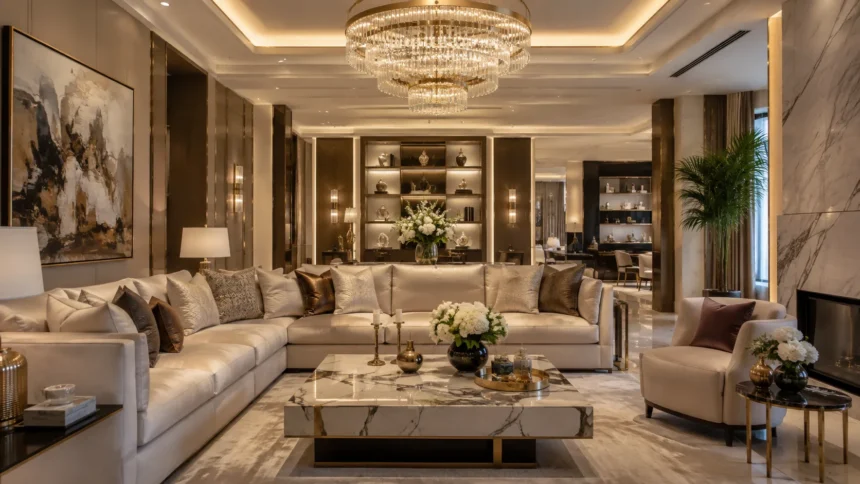
Home Decor Ideas to Make Your House Look Luxurious
Luxury at home is not only about expensive furniture, designer labels, or rooms that look untouched. A truly luxurious house feels calm, considered, and comfortable from the moment someone walks in. The colors make sense together, the lighting feels soft, and the materials have depth instead of looking flat. When each room feels intentional, even simple pieces can look more high-end. That is why the best home decor ideas focus on atmosphere first, then details, then finishing touches.
The freshest direction in luxury home decor is warmer, more personal, and more livable than the cold showrooms people once copied. Modern luxury interiors now lean into natural materials, layered lighting, soft geometry, textured finishes, and pieces that feel collected over time. Instead of chasing every trend, the goal is to create an elegant interior design that suits daily life. A luxurious home should look beautiful, but it should also feel welcoming, useful, and easy to enjoy.
Many homeowners think they need a complete renovation to make a house look luxurious, but the most visible changes are often smaller and smarter. Paint, curtains, lighting, rugs, hardware, mirrors, art, and styling can transform a room without changing its layout. The secret is choosing fewer things with better scale, better texture, and better placement. When a home has balance, breathing room, and a clear point of view, it instantly feels more polished.
This guide brings together practical luxury home decor ideas that work in real houses, apartments, and small spaces. You will find advice for living rooms, bedrooms, kitchens, bathrooms, entryways, and overlooked corners that often lower the look of a home. The focus is on upscale home styling that feels attainable rather than forced. Every idea is designed to help you spend more wisely, edit more confidently, and make your space feel expensive without losing comfort.
Think of luxury as a series of quiet signals rather than one dramatic purchase. A room looks high-end when the sofa fits the scale, the curtains reach the floor, the lamps create glow, and the surfaces are styled with care. It feels richer when there is wood grain, stone, linen, wool, ceramic, or glass catching the eye in subtle ways. When all those pieces work together, your house begins to feel curated, calm, and beautifully finished.
Start With a Calm, Expensive-Looking Color Palette
A luxurious home usually begins with a color palette that feels controlled, not random. This does not mean every room has to be white, grey, or plain. It means the colors should repeat in a way that creates flow from one space to another. Warm whites, soft taupes, mushroom tones, muted greens, deep blues, charcoal, clay, and creamy neutrals can all look elegant when used with intention. The more connected your colors feel, the more expensive your home decor appears.
One simple approach is to choose a main color, a supporting color, and one accent color for each room. The main shade can live on walls, large rugs, or major upholstery, while the supporting shade appears in curtains, side chairs, bedding, or cabinets. The accent color should be used in smaller doses through art, cushions, vases, lamps, or books. This keeps the room layered without looking busy. A restrained palette also makes budget-friendly decor look more refined.
Paint is one of the most powerful ways to make a house look luxurious because it changes the mood before furniture even matters. Painting trim, doors, and walls in related tones can make a space feel custom and architectural. A soft contrast between walls and molding can highlight detail, while a deeper color on doors or built-ins can create a boutique hotel feeling. Even a small powder room can look high-end with a rich, enveloping paint color.
The key is choosing colors that suit your natural light instead of copying a shade from a photo. A color that looks creamy in one home can look yellow in another, and a dramatic blue can feel elegant or heavy depending on the room. Test samples on different walls and watch them in morning, afternoon, and evening light. Luxury often comes from restraint, but restraint still needs warmth. A flat, lifeless palette can make even costly pieces feel cold.
For a more current look, avoid relying only on black, white, and grey. Modern luxury decor feels softer when neutral rooms are warmed with wood, aged brass, stone, woven texture, or a deep accent tone. A quiet luxury home can still include color, especially when it appears as a grounded shade rather than a loud trend. The aim is not to remove personality. It is to give personality a clear, elegant framework.
Layer Lighting Like a Designer
Lighting is one of the fastest ways to make your house look luxurious because it changes how every color, texture, and surface is seen. A room with only one ceiling light can feel flat, harsh, and unfinished, even if the furniture is beautiful. High-end interiors usually use several light sources at different heights. This mix creates depth, softness, and atmosphere. When light is layered well, the whole room feels warmer, calmer, and more carefully designed.
Start with three layers: ambient lighting, task lighting, and accent lighting. Ambient lighting gives the room overall brightness through ceiling fixtures, recessed lights, or large lamps. Task lighting helps with reading, cooking, grooming, or working through table lamps, sconces, pendants, or under-cabinet lights. Accent lighting adds mood by highlighting art, shelves, plants, textured walls, or architectural features. The combination makes a room feel flexible, useful, and expensive-looking throughout the day.
Statement lighting can act like jewelry for the home, especially in dining rooms, bedrooms, entryways, and living rooms. A sculptural pendant, a pair of elegant wall sconces, or a beautiful floor lamp can create a focal point without adding clutter. Look for finishes that connect with other details in the room, such as brass hardware, black frames, ceramic accessories, or natural wood. The fixture does not have to be oversized. It simply needs shape, proportion, and presence.
Small lamps are also becoming a favorite tool in luxury interior styling because they bring charm to places that overhead lighting forgets. A petite lamp on a kitchen counter, hallway console, bathroom shelf, bookcase, or bedside table can make a space feel intimate and layered. Fabric shades, ceramic bases, alabaster looks, ribbed glass, and warm metal details create a softer glow. These small lighting choices often make a home feel more thoughtful than one big fixture alone.
Dimmers and warm bulbs are the final step that many people miss. Bright white light can make a room feel clinical, while soft warm light makes textures, skin tones, and finishes look more flattering. Use brighter task light where you need function, then softer lamps and accent lights when you want mood. A luxurious home should be able to shift from practical daylight energy to relaxed evening comfort. Lighting control is part of that polished feeling.
Add Texture and Natural Materials for Quiet Luxury
Texture is what keeps a beautiful room from looking flat. If every surface is smooth, shiny, or similar, the space may look tidy but not truly luxurious. High-end home decor often combines linen, wool, velvet, boucle, leather, wood, stone, ceramic, plaster, rattan, glass, and metal in a balanced way. These materials give the eye something to notice without needing loud color or excessive pattern. Texture creates richness, and richness is at the heart of elegant design.
Natural materials are especially useful because they bring variation into the home. Real wood has grain, stone has veining, linen has slubs, and handmade ceramics have small irregularities that make them feel human. These details help a room look collected instead of mass-produced. If solid stone, custom millwork, or designer furniture is outside the budget, you can still use natural texture through trays, bowls, lamps, frames, woven baskets, side tables, or smaller decorative objects.
Walls are another place where texture can make a house look expensive. Limewash-style paint, plaster finishes, grasscloth wallpaper, wood paneling, picture molding, and handmade tile can all add depth. You do not need to cover every wall to get the effect. A textured accent wall in a bedroom, a powder room with wallpaper, or a tiled kitchen backsplash can make the whole space feel more elevated. The best textured finishes look subtle from far away and interesting up close.
Soft furnishings should also feel layered, not thin. Full curtains, a substantial area rug, pillows with quality inserts, a throw in wool or cashmere, and bedding with a mix of smooth and textured fabrics can upgrade a room quickly. In a living room, combine a woven rug with a velvet cushion, a linen sofa, a wood table, and a ceramic lamp. In a bedroom, pair crisp sheets with a quilted coverlet, a soft rug, and curtains that add weight.
The trick is to avoid making texture feel messy. Choose two or three main textures for each room and repeat them in different places. For example, wood can appear in furniture, frames, and bowls, while linen can appear in curtains, pillows, and shades. This repetition creates visual harmony. A luxurious room does not need every material at once. It needs enough contrast to feel layered and enough consistency to feel calm.
Choose Furniture With Better Proportions
Furniture makes the biggest visual statement in most rooms, so proportion matters more than price. A sofa that is too bulky, a coffee table that is too small, or chairs that block natural pathways can make a room feel awkward. Luxury home decor depends on balance, scale, and comfort. Before buying anything new, measure the room, the walking space, the wall lengths, and the pieces you already own. A well-proportioned room always looks more expensive.
High-end interiors usually leave some breathing room around furniture. That space is not wasted. It allows each piece to be seen and makes the room easier to move through. In a living room, the seating should feel connected without being cramped. In a bedroom, the bed should have enough space around it to feel intentional. In a dining room, chairs should pull out comfortably. Luxury is often felt in how naturally a room functions.
Look for furniture with clean lines, thoughtful details, and strong silhouettes. A curved chair, a tailored sofa, a fluted cabinet, a stone-topped side table, or a bed with a tall upholstered headboard can give a room a designer feeling. This does not mean everything should be dramatic. One sculptural piece in a room is usually enough. The rest of the furniture can stay simple, supportive, and calm so the space does not feel overdesigned.
If your budget is limited, invest first in the anchor pieces people use and see most often. A good sofa, dining table, bed, or lounge chair can carry a room for years. Then mix in affordable side tables, vintage finds, secondhand pieces, or simple accessories. Luxury interiors often feel interesting because they are not bought as matching sets. They combine old and new, smooth and rustic, modern and classic, but the proportions still work together.
Avoid pushing every piece of furniture against the walls unless the room truly requires it. Floating a sofa slightly, placing a console behind it, or angling a chair toward the conversation area can make a room feel professionally arranged. Rugs should be large enough to connect the furniture instead of sitting like a small island in the middle. These layout decisions cost nothing, but they can make a home look dramatically more polished.
Make Rooms Feel Custom With Architectural Details
Architectural details make a home feel luxurious because they suggest permanence, craftsmanship, and intention. Crown molding, picture molding, taller baseboards, wall paneling, arched openings, upgraded door casings, built-in shelving, and ceiling treatments can all make a room feel more finished. Even simple rooms gain character when the walls and edges have detail. The goal is to make the structure of the room feel designed, not just decorated after the fact.
You do not need a historic house to use architectural details well. A plain new-build room can gain depth from slim picture molding, a painted ceiling, a paneled wall behind the bed, or built-in-looking shelves around a fireplace. Small upgrades like replacing hollow doors, adding better handles, or painting interior doors a richer color can also change the impression. These details work because they make ordinary surfaces look deliberate.
Curtains are one of the easiest ways to create a custom, luxurious effect. Hang curtain rods higher and wider than the window frame so the window appears taller and the room feels grander. Choose panels that reach the floor, with enough fabric to look full when closed. Linen, velvet, cotton, or textured blends can all look elegant when the scale is right. Short, thin curtains often make a room feel unfinished, even when everything else is styled.
Hardware and fixtures are small details, but they quietly tell the eye whether a room is finished. Cabinet knobs, drawer pulls, faucets, towel bars, switch plates, door handles, and curtain rods should feel connected in tone and quality. They do not all need to match exactly, but they should belong to the same design language. Swapping basic hardware for aged brass, polished nickel, matte black, bronze, or simple sculptural shapes can make kitchens and bathrooms look more high-end.
Mirrors can also create an architectural feeling when they are chosen with care. A large mirror in an entryway, dining room, bedroom, or hallway can reflect light and make the space feel bigger. Framed mirrors with antique brass, wood, black metal, or carved detail often look more elevated than frameless builder-grade options. Place mirrors where they reflect something beautiful, such as a lamp, artwork, greenery, or a window. That choice makes the room feel layered instead of random.
Style Surfaces With Intention
Luxury styling is not about filling every surface. It is about choosing objects that create rhythm, height, texture, and meaning. A coffee table, console, nightstand, shelf, or kitchen counter can look expensive when it has a few well-chosen pieces with space around them. Books, trays, bowls, candles, vases, framed art, branches, flowers, and sculptural objects all work well. The important part is arranging them with purpose rather than scattering them everywhere.
A tray is a simple styling tool that instantly makes small items look organized. On a coffee table, it can hold a candle, a small bowl, and a stack of books. On a bathroom counter, it can hold soap, lotion, perfume, or a small vase. On a bedside table, it can keep jewelry, reading glasses, and a lamp area neat. When everyday items are grouped, the surface feels intentional and calm. That calmness is a major part of luxury home styling.
Use height variation to make surfaces more interesting. Pair a tall lamp with a lower bowl, a vertical vase with stacked books, or a framed piece with a small sculptural object. Odd-numbered groupings often feel natural, but the real goal is balance. Avoid lining everything up at the same height or spreading tiny objects across a wide surface. A few larger pieces usually look more expensive than many small decorations fighting for attention.
Art and personal objects can make a house feel luxurious because they give the space identity. A framed textile, a black-and-white family photograph, a large abstract print, a vintage mirror, or a handmade ceramic piece can feel more meaningful than generic wall decor. Choose pieces that connect to your life, travels, taste, or memories. High-end interiors often feel rich because they tell a story. They do not look as if every object came from one display aisle.
Editing is just as important as adding. Remove items that are too small, too random, too seasonal, or too worn to support the look you want. Leave negative space so the best objects can breathe. Keep cords hidden, remotes contained, paper piles cleared, and surfaces easy to clean. A luxurious home feels cared for. Even modest decor looks better when it is arranged with clarity and maintained with attention.
Bring Luxury Into Kitchens, Bathrooms, and Small Spaces
Kitchens and bathrooms often influence how luxurious a home feels because they contain so many visible finishes. You may not need a full remodel to improve them. Updated cabinet hardware, a better faucet, warmer lighting, a simple backsplash, styled open shelves, and clear counters can make a kitchen look more expensive. In bathrooms, a framed mirror, plush towels, a coordinated tray, soft lighting, and attractive storage can create a spa-inspired feeling.
In a kitchen, focus on the details people touch every day. Cabinet pulls should feel comfortable and substantial. Countertop items should be useful, beautiful, or hidden. Decanting dish soap into a simple pump bottle, using a wood cutting board, placing fruit in a ceramic bowl, and adding a small lamp or vase can soften the room. Luxury kitchen decor often comes from reducing visual noise so the materials, surfaces, and lighting can stand out.
Bathrooms feel more high-end when they are treated like rooms rather than purely functional spaces. Add art that can handle humidity, use a small stool beside the tub, place towels on hooks or rails neatly, and choose bath mats that look like textiles instead of afterthoughts. Keep skincare, hair tools, and cleaning products behind doors when possible. A bathroom looks luxurious when the visible items feel calm, coordinated, and pleasant to use.
Small spaces can look luxurious when they are edited and scaled correctly. A small apartment, narrow hallway, compact bedroom, or tiny entryway should not be overloaded with miniature furniture. Instead, choose fewer pieces with better presence. A large mirror, slim console, upholstered bench, wall sconces, full-height curtains, or one oversized artwork can make a small room feel intentional. The right scale can make compact spaces feel curated rather than cramped.
Do not overlook transitional spaces like entryways, landings, laundry rooms, and hallways. These areas shape the feeling of the whole house because people pass through them often. A runner rug, warm paint color, wall light, framed art, hooks, baskets, or a small lamp can make them feel finished. Luxury is strongest when it continues throughout the home. Even a small corner can add to the overall sense of elegance.
Affordable Ways to Make Your Home Look Expensive
The most affordable way to make a home look luxurious is to fix the things that visually cheapen it first. Harsh lighting, short curtains, undersized rugs, cluttered surfaces, mismatched storage, exposed cords, and worn hardware can make a room feel less polished. Addressing these details often costs less than buying new furniture. Start with what the eye notices immediately, then build slowly. A clean foundation makes every later purchase work harder.
Secondhand and vintage pieces are powerful tools for expensive-looking home decor. Older mirrors, wood dressers, side tables, lamps, art, ceramics, and frames often have more character than new budget items. A vintage piece can make a room feel collected and layered, especially when mixed with modern furniture. You do not need every item to be antique. One or two pieces with age, patina, or craftsmanship can keep a room from feeling flat.
Textiles can also upgrade a room quickly. Replace thin pillow inserts with fuller ones, choose covers with texture, add a larger rug, layer bedding, or use curtains that reach the floor. In a bedroom, crisp sheets, a textured blanket, and two substantial pillows can make the space feel hotel-inspired. In a living room, a better rug and fuller curtains can change the entire mood. Fabric adds softness, and softness often reads as comfort and luxury.
Paint, cleaning, and repair may sound basic, but they matter more than many decorative purchases. Scuffed walls, chipped trim, loose handles, dusty vents, broken blinds, or stained grout can distract from otherwise beautiful decor. Touching up paint, cleaning windows, refreshing caulk, polishing hardware, and repairing small damage makes a house feel cared for. Luxury does not survive neglect. A well-maintained home always looks more expensive than a neglected one filled with costly items.
The best budget strategy is to decorate slowly with a clear plan. Choose your palette, decide which rooms matter most, and spend first on changes with the largest visual impact. Lighting, rugs, curtains, hardware, paint, and one strong focal point usually do more than scattered accessories. Avoid impulse buys that do not fit the overall look. A luxurious home is built through consistency, patience, and thoughtful editing, not through buying more every weekend.
Common Mistakes That Make a Home Look Less Luxurious
One common mistake is using too many trends at once. A trendy color, curved sofa, sculptural lamp, patterned tile, and bold wallpaper can all be beautiful, but they may compete if used without restraint. Luxury home decor feels current when trends are filtered through your personal style. Choose the ideas that support your home, not every idea that appears online. A timeless room can include fresh details, but it should not feel dated before the year is over.
Another mistake is buying matching sets for every room. Matching bedroom sets, identical living room tables, or coordinated decor collections can make a space feel less personal. Designer-looking homes usually include variety in shape, age, finish, and texture. A wood table can sit beside a metal lamp, a modern sofa can pair with a vintage chair, and a simple bed can be elevated with antique art. The room feels richer when pieces relate without being identical.
Scale problems also make rooms look less expensive. Rugs that are too small, artwork hung too high, lamps that are too short, coffee tables that float too far away, and curtains that stop above the floor all interrupt the visual flow. These mistakes are common because people buy by guesswork instead of measurement. Before purchasing, check dimensions carefully. Correct scale makes affordable pieces look intentional, while poor scale can make expensive pieces look wrong.
Clutter is another luxury killer, especially when open shelves, counters, and side tables become storage zones. Everyday life needs space, but visible clutter should be controlled with baskets, drawers, trays, cabinets, and closed storage. A room does not have to be minimal to look luxurious. It can be warm, layered, and personal. However, the eye needs places to rest. When everything is displayed, nothing feels special.
Finally, avoid finishes that pretend too hard to be something else. Very shiny faux marble, plastic-looking metallic accents, thin synthetic rugs, and flimsy furniture can make a room feel less elevated. It is usually better to choose honest materials at a modest price than imitation luxury that looks artificial. Simple wood, cotton, linen blends, ceramic, glass, and well-made basics can look beautiful when styled well. Authenticity often feels more luxurious than imitation.
Final Thoughts on Making Your House Look Luxurious
Making your house look luxurious is not about copying a mansion or creating a space that feels too perfect to live in. It is about building a home that feels calm, thoughtful, and visually connected. The most elegant rooms usually have good lighting, balanced furniture, natural texture, a clear color palette, and a few meaningful details. When those elements work together, the house feels more expensive without needing to look flashy.
Start with the rooms where you spend the most time or welcome guests most often. A living room, bedroom, kitchen, entryway, or bathroom can set the tone for the whole home. Instead of trying to change everything at once, choose one upgrade that improves atmosphere. Add a lamp, hang curtains higher, edit surfaces, repaint a wall, upgrade hardware, or bring in a better rug. Small improvements become powerful when they are connected by one design direction.
Luxury also grows from comfort. A beautiful chair that no one wants to sit in, a bedroom with harsh lighting, or a kitchen counter crowded with decorative objects will not feel truly elevated. The best upscale home styling supports real life. It makes daily routines smoother, evenings softer, and rooms easier to enjoy. When a space serves the people who live there, it naturally feels more refined.
Fresh home decor ideas are useful, but your own taste should remain at the center. Use trends like warm neutrals, textured walls, sculptural lighting, natural materials, and quiet luxury as tools, not rules. The most memorable homes include personality, history, and small surprises. A room becomes more beautiful when it reflects the people who use it. That personal layer is what keeps luxury from feeling cold.
In the end, an expensive-looking home is less about how much you spend and more about how carefully you choose. Measure before buying, repeat materials, layer lighting, edit clutter, and invest in details that improve the whole room. Let each space feel finished but not overfilled. With patience and intention, your house can look luxurious, feel comfortable, and still remain completely yours.
What makes a house look luxurious?
A house looks luxurious when it has a clear color palette, layered lighting, quality textures, well-scaled furniture, and uncluttered surfaces. The goal is a calm, intentional space rather than a room filled with expensive items.
How can I make my home look expensive on a budget?
Start with affordable upgrades like paint, better lighting, full-length curtains, larger rugs, updated hardware, and edited surfaces. These changes create a polished look without requiring a full renovation.
Which colors make a home look more high-end?
Warm whites, soft taupes, muted greens, deep blues, charcoal, clay, and creamy neutrals often look high-end when used consistently. The best color depends on your natural light and existing furniture.
What is quiet luxury in home decor?
Quiet luxury is an understated design style built around quality materials, soft colors, texture, comfort, and thoughtful details. It avoids loud logos or flashy finishes and focuses on timeless elegance.
What room should I decorate first to make my home feel luxurious?
Start with the room you use most or the first room guests see, such as the living room, entryway, bedroom, or kitchen. Improving one high-impact area helps set the mood for the entire home.